Beyond the Basics of the Trade
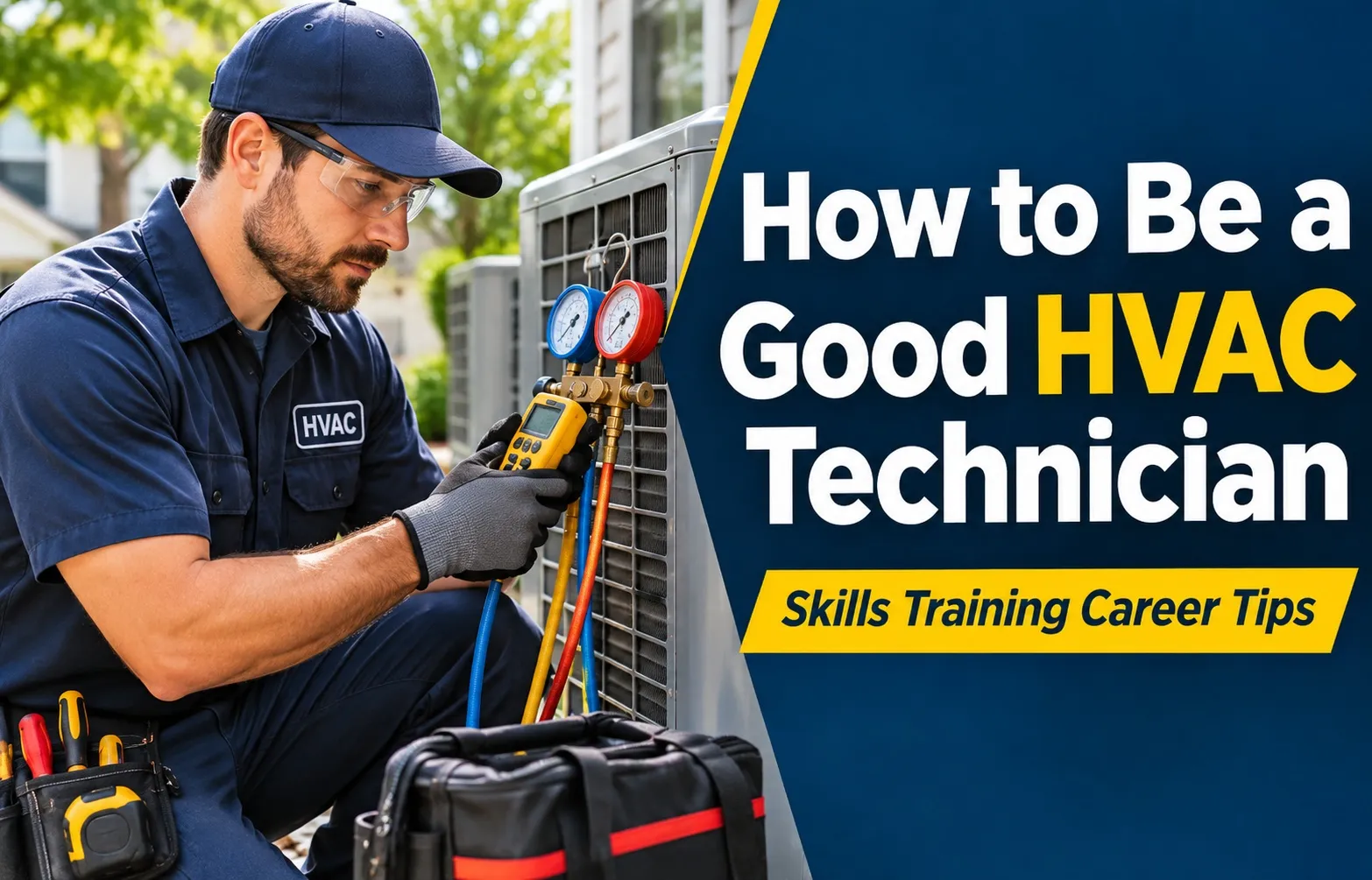 Becoming an elite HVAC service technician requires much more than simply swapping out faulty components or reading basic wiring diagrams. The difference between a mediocre technician and a top-tier professional lies in a deep commitment to systematic troubleshooting, unmatched trade professionalism, and continuous career growth.
The Evolution from Apprentice to Elite Service Tech
Transitioning from a green apprentice to a master-level HVAC technician is a deliberate journey built on technical competency, hands-on field experience, and a structured troubleshooting mindset. Elite technicians refuse to rely on guesswork, instead methodically analyzing system behaviors to isolate exact root causes.
- Systematic Analysis: Moving past trial-and-error part swapping to understand complete thermodynamic and electrical sequences of operation.
- Continuous Learning: Staying adaptable as modern smart equipment, inverter systems, and new refrigerant standards rapidly evolve.
- Reliable Execution: Delivering consistent, high-standard workmanship on every residential and commercial service call.
Why Technical Know-How Alone Isn’t Enough
While mechanical and electrical expertise form the foundational pillars of the trade, true career longevity and high earning potential depend heavily on behavioral habits and communication. Exceptional technical mastery must be paired with absolute integrity and customer-facing polish.
- Transparent Communication: Translating complex mechanical failures into clear, straightforward explanations that homeowners can easily trust and understand.
- Unshakable Professionalism: Maintaining punctuality, respecting client property, and upholding strict safety protocols on every job site.
- Composure Under Pressure: Managing high-stress emergency breakdowns, uncomfortable attic environments, and demanding customer expectations with steady focus.
Education, Training, and Core Certifications
Building a successful career as an HVAC service technician starts with a strong educational base and the essential certifications mandated by law and industry standards. Establishing these core credentials proves your foundational knowledge, opens doors to top-paying employers, and ensures full legal compliance on job sites.
Step 1: Formal Training (Trade School vs. Apprenticeship Programs)
Entering the HVAC field begins with earning a High School Diploma or GED, which serves as the universal prerequisite for all formal trade pathways. From there, aspiring technicians generally select between vocational trade school training or paid apprenticeship programs to master the fundamentals of heating, ventilation, and air conditioning systems.
- Trade School Certificate or Associate Degree: Vocational programs take 10 to 24 months to complete, offering structured classroom theory combined with controlled lab practice covering electrical schematics, refrigeration cycles, and airflow dynamics.
- Apprenticeship Programs: Sponsored by trade unions or industry associations, apprenticeships span 3 to 5 years, allowing candidates to earn a wage while working under the direct supervision of experienced journeymen technicians.
Step 2: Mandatory EPA Section 608 Universal Certification
Under Section 608 of the Clean Air Act, any technician who maintains, services, repairs, or disposes of equipment that could release refrigerants into the atmosphere must hold an official EPA Section 608 Certification. Obtaining a Universal Certification demonstrates complete competency across all equipment categories and prevents legal compliance violations.
- Type I Certification: Covers small appliances containing 5 pounds or less of refrigerant (such as domestic refrigerators and window AC units).
- Type II Certification: Covers high-pressure and very high-pressure appliances (such as residential central heat pumps and split systems).
- Type III Certification: Covers low-pressure appliances (such as large commercial chillers).
- Universal Certification: Earned by successfully passing all three sub-tests, granting full authorization to service any HVAC equipment type.
Step 3: Boosting Credibility with NATE and OSHA Credentials
While an EPA Section 608 certification is legally mandatory, voluntary specialized credentials distinguish high-performing technicians from entry-level candidates. Investing in voluntary industry certifications proves technical expertise to employers and assures safety compliance during field operations.
- NATE Certification: North American Technician Excellence (NATE) credentials are industry-recognized tests that validate real-world working knowledge in specific specialties like heat pump service, gas heating, or air distribution.
- OSHA 10/30 Safety Training: Completing OSHA 10-hour or 30-hour safety courses equips technicians with essential hazard awareness, including electrical safety, ladder handling, and personal protective equipment (PPE) protocols.
Mastering Diagnostics: Moving Beyond Guesswork
Transitioning from a parts changer to an elite HVAC technician requires abandoning trial-and-error guesswork in favor of a rigorous, systematic diagnostic approach. By mastering root-cause troubleshooting through standardized testing methodologies, you can accurately isolate electrical, mechanical, and thermodynamic faults on every service call.
The Sequence of Operation: Power, Control, and Load
The sequence of operation serves as the logical roadmap detailing how an HVAC system is engineered to start, run, and shut down safely. Tracking power flow step-by-step from line voltage down to low control voltage circuits allows technicians to eliminate variables and pinpoint the exact source of a system failure.
- Line Voltage Verification: Confirm incoming power supply, transformer health, and fuse continuity before testing individual sub-components.
- Control Circuit Tracing: Follow the 24V control voltage through thermostats, pressure switches, limit switches, and control boards to see where the safety loop breaks.
- Load Activation Check: Verify whether the final load (such as a compressor contactor, inducer draft motor, or blower relay) is receiving proper voltage to operate.
Essential Diagnostic Tools: Multimeters, Manifold Gauges, and Combustion Analyzers
Elite service technicians rely on precision instruments rather than guesswork to verify system performance and safety parameters. Using multimeters, manifold gauges, and combustion analyzers enables you to measure electrical integrity, system pressures, and combustion efficiency with absolute mathematical accuracy.
- Multimeters: Accurately measure voltage, resistance, and motor amperage to evaluate worn-out compressors, failing run capacitors, and faulty thermistors.
- Manifold Gauges: Measure operating pressures to calculate accurate superheat and subcooling values, ensuring precise refrigerant charging. For official compliance standards and regulatory protocols, review the EPA Section 608 Guidelines.
- Combustion Analyzers: Test carbon monoxide levels, oxygen percentages, and draft efficiency on gas furnaces to verify heat exchanger safety.
How to Perform Preventive Maintenance (PM) Like a Pro
Routine preventive maintenance calls provide the ideal training environment to build sharp diagnostic habits and catch minor anomalies before they result in catastrophic breakdowns. Recording clean-system baselines trains your mind to immediately spot performance deviations on emergency repair calls.
- Baseline Recording: Document standard operating temperatures, pressures, and electrical draws on properly functioning equipment during seasonal tune-ups.
- Proactive Inspections: Tighten high-voltage wire terminations, clean coil surfaces, clear condensate traps, and check capacitor tolerances to prevent premature failure.
- System Documentation: Maintain detailed service histories for each unit so you can track performance degradation over consecutive years.
Future-Proofing Your Skills: Modern HVAC Tech Trends
Staying relevant as an HVAC technician requires adapting to rapid industry evolutions, strict environmental regulations, and advanced equipment designs. Master technicians future-proof their careers by embracing modern green technology, variable-capacity hardware, and intelligent digital controls long before they become standard field expectations.
Navigating A2L Mildly Flammable Refrigerants
The global phase-down of legacy hydrofluorocarbons (HFCs) has accelerated the adoption of lower-GWP alternatives, specifically A2L refrigerants. Because A2Ls are classified as mildly flammable, technicians must adjust their safety procedures and field tools to maintain job site safety and legal compliance.
- Flawless Leak Detection: Utilize A2L-certified spark-proof recovery machines, vacuum pumps, and specialized electronic leak detectors designed specifically for flammable gas safety.
- Safe Purging and Evacuation: Always sweep dry nitrogen while brazing and pull deep evacuations below 500 microns to prevent internal contamination and ignition hazards.
- Handling Standards: Implement dedicated ventilation practices in confined work spaces and follow updated safety protocols for storing and transporting A2L cylinders.
Mastering Inverter-Driven Heat Pumps and Variable Speed Systems
Traditional single-stage equipment is rapidly giving way to inverter-driven heat pumps and variable speed compressors. Understanding how these high-efficiency systems modulate output to match exact structure loads separates top-tier diagnostic specialists from basic mechanics.
- Variable-Speed Modulations: Learn how inverter microprocessors adjust compressor frequency to precise load demands rather than cycling on and off at full capacity.
- DC Bus Troubleshooting: Master testing direct current (DC) voltage output on inverter control boards to isolate electronic drive failures from mechanical compressor issues.
- Thermodynamic Balancing: Evaluate heat pump performance across extreme ambient temperatures by monitoring precise electronic expansion valve (EEV) step counts and sensor resistance curves.
Building Automation and Smart Thermostats
Modern HVAC equipment relies heavily on smart building automation networks and integrated digital controls. Elite technicians bridge the gap between mechanical hardware and digital networking to ensure total system integration and optimal efficiency.
- Digital Controls Integration: Understand communicating protocols (such as Modbus and BACnet) that allow central controllers to manage multi-zone commercial environments.
- Smart Thermostat Setup: Configure residential smart controls, Wi-Fi interfaces, and staging logic to prevent short-cycling and ensure complete home comfort.
- Remote System Diagnostics: Interpret telemetry data, sensor faults, and digital error logs remotely or via handheld service diagnostic apps to streamline on-site repair visits.
Soft Skills, Customer Trust, and Professional Habits
Exceptional technical competency alone will not make you an elite HVAC technician; mastering customer service and professional habits is equally vital. Building long-term client retention requires clear communication, absolute honesty, and the mental resilience to handle high-stress situations gracefully.
Translating Technical Jargon for Homeowners
Bridging the communication gap between complex mechanical diagnostics and a homeowner’s peace of mind is an essential skill. Elite technicians excel at translating dense technical jargon into clear, simple language that empowers clients to make confident, informed repair decisions without feeling confused or overwhelmed.
- Plain Language Explanations: Describing blower motors, refrigerant pressures, and electrical switches using everyday analogies rather than overwhelming terminology.
- Visual Transparency: Showing homeowners dirty coils, burnt capacitor terminals, or digital meter readouts so they can see the exact issue firsthand.
- Patient Listening: Allowing clients to explain their system symptoms completely before offering a structured diagnosis and solution.
Honesty and Transparency: Building Unshakable Trust
Establishing deep-rooted client trust is the cornerstone of a successful, long-term HVAC career and repeat business. Providing transparent pricing, honest repair assessments, and avoiding high-pressure sales tactics ensures customers view you as a reliable advisor rather than just a service provider.
- Upfront Pricing: Providing clear cost estimates before starting any work to eliminate billing surprises and secure complete customer alignment.
- Repair vs. Replace Integrity: Offering objective evaluations on whether an aging unit is worth repairing or genuinely requires replacement.
- Accountability: Owning mistakes immediately and making them right, cementing your reputation for absolute integrity in the trade.
Handling Difficult Conversations and On-Call Stress
Navigating emergency service calls during extreme weather peaks tests a technician’s emotional intelligence and professional habits. Cultivating a steady, problem-solving work ethic helps you de-escalate frustrated homeowners, manage fatigue, and maintain composure through demanding on-call rotations.
- De-escalation Techniques: Remaining calm and empathetic when dealing with customers facing system failures during freezing winters or scorching summer heatwaves.
- Stress Management: Pacing yourself physically and mentally through grueling work environments like cramped attics or sub-zero crawlspaces.
- Reliable Punctuality: Respecting scheduled arrival windows and communicating proactively if traffic or prior service calls cause unexpected delays.
FAQ & Industry Realities
Understanding the day-to-day realities of the trade helps technicians make informed career decisions and guide clients effectively during high-stakes equipment evaluations. Addressing these key questions provides clear insight into industry benchmarks, stress management strategies, and professional advancement timelines.
What is the $5,000 Repair vs. Replacement Rule in HVAC?
The $5,000 rule is a widely used industry decision-making formula that helps homeowners determine whether it makes financial sense to repair an old, malfunctioning HVAC system or invest in a full replacement. Technicians calculate this metric by multiplying the age of the unit (in years) by the total estimated cost of the repair.
Is HVAC a High-Stress Job? Managing Physical and Mental Demands
HVAC can involve notable stress levels, particularly during extreme weather seasons when emergency breakdown calls surge and long on-call shifts become mandatory. Successfully managing job demands requires balancing physical stamina with effective mental coping strategies.
- Physical Hazards: Working in high-temperature attics, freezing crawlspaces, lifting heavy equipment, and handling live electrical wires mandate strict safety discipline.
- Cognitive Demands: Troubleshooting complex electrical circuits and variable refrigerant systems under tight time constraints requires persistent focus.
- Burnout Mitigation: Managing stress involves maintaining proper hydration, investing in ergonomic hand tools, and setting clear professional boundaries during peak weather seasons.
How Long Does It Take to Become a Master Service Technician?
Advancing through the service technician career timeline from a beginner to a master-level diagnostician typically requires 5 to 7 years of dedicated field experience. This progression depends heavily on continuous learning, field exposure, and personal tool investment.
- Years 1 to 2 (Apprentice / Junior Tech): Focuses on performing routine maintenance, mastering basic electrical diagnostics, and assisting senior mechanics on retrofits.
- Years 3 to 5 (Journeyman Tech): Manages independent residential and light commercial service calls, executes complex repairs, and refines diagnostic speed.
- Years 5 to 7+ (Master Service Tech): Takes on complex inverter and automation diagnostics, mentors apprentices, and commands top-tier field wages.

Oscar Vance | Master Plumber & Drainage Expert
Meet Oscar Vance, a licensed master plumber sharing practical solutions on residential repairs, preventive maintenance, and thoughtful home upkeep.