Why Do Dogs Follow You Into the Bathroom?
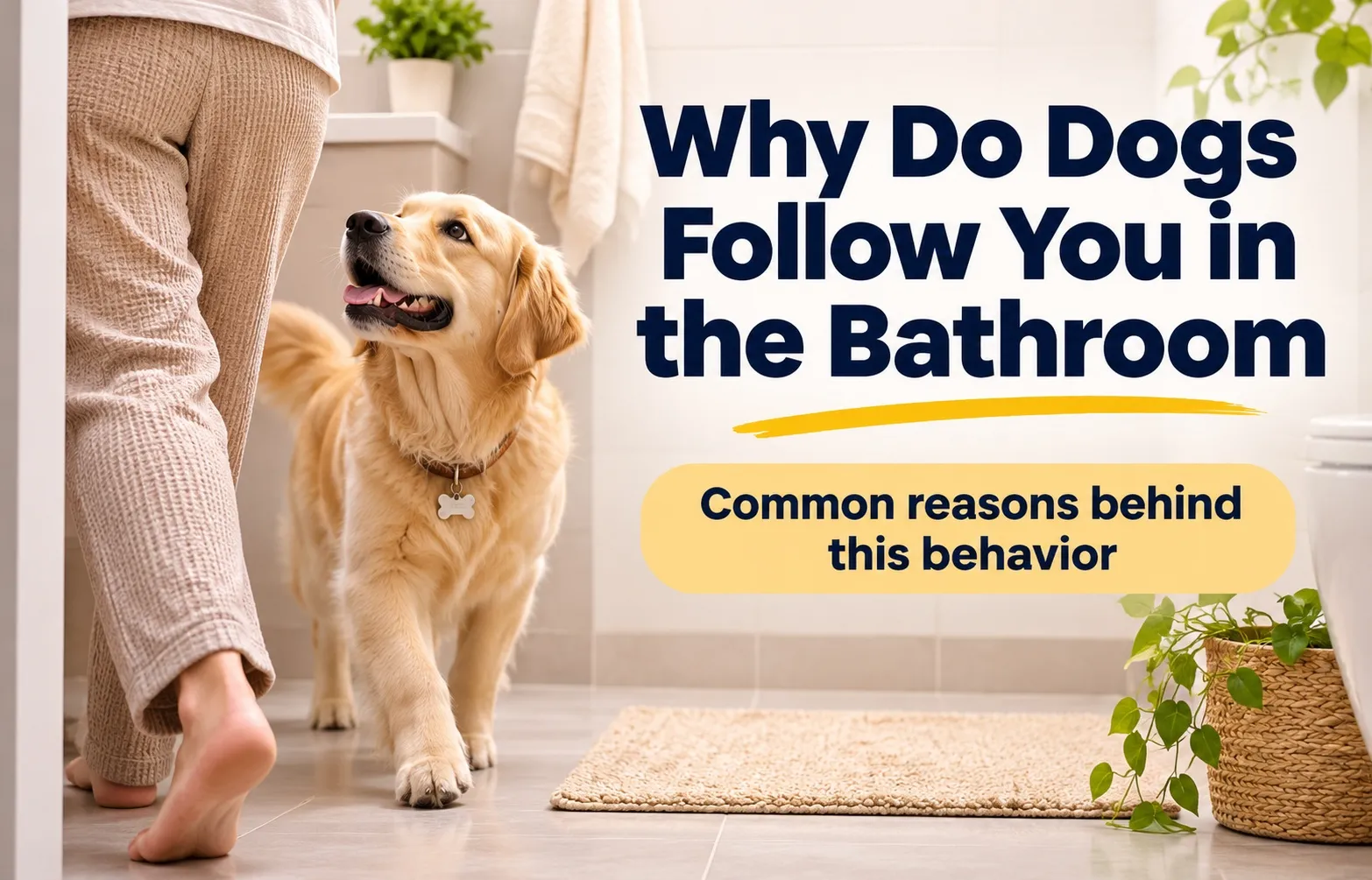 Dogs follow you into the bathroom due to a combination of evolutionary instincts, social bonding, and natural curiosity. As companion animals descended from pack-oriented ancestors, dogs naturally stick close to their human group members to maintain safety, receive attention, and eliminate physical barriers within their shared environment.
The Top 5 Reasons Behind Your Shadow
- Pack Safety: Your dog’s natural instinct to maintain group cohesion and watch over pack members during vulnerable moments.
- Emotional Attachment: High affection levels and a strong desire to stay close to primary caregivers, often seen in “Velcro dogs.”
- Boundary Frustration: Natural curiosity triggered by a closed door, which acts as a barrier to their environment.
- Reinforced Routine: Habitual behavior developed because following you previously resulted in attention, eye contact, or praise.
- Environmental Comfort: Attraction to unique sensory elements, including cool tile flooring, novel scents, and distinct acoustic sounds.
1. The Pack Mentality: Evolutionary Safety in Numbers
In canine social structure, staying close to other group members is a vital evolutionary survival strategy. In wild pack dynamics, isolated individuals face higher risks, while remaining together ensures collective security and cohesion across daily activities.
When you walk toward another room, your dog’s pack mentality prompts them to tag along naturally. By staying by your side in the bathroom, your dog is actively fulfilling an innate social obligation to maintain group unity and monitor their immediate surroundings alongside their human pack leader.
2. Unconditional Affection & Hyper-Attachment (“Velcro Dogs”)
Dogs form powerful emotional bonds with their owners, driven by positive social reinforcement and hormone releases like oxytocin. Breeds known as “Velcro dogs”—such as Golden Retrievers, German Shepherds, and French Bulldogs—are engineered and socialized to prioritize constant human companionship above all else.
This hyper-attachment means your dog simply wants to share your physical space, regardless of the room. When you step into the bathroom, your dog views it as just another opportunity to maintain physical proximity and express their unconditional loyalty.
3. Curiosity and Boundary Frustration (The Closed-Door Paradox)
Canines are naturally inquisitive animals that map out and monitor their territorial boundaries constantly. A shut bathroom door creates a physical obstacle that interrupts their access to you and limits their awareness of what is happening inside.
This barrier frustration drives dogs to follow you before the door can shut, or to sit directly outside if they are locked out. To a dog, a closed door represents a mystery in their territory, compelling them to step inside to satisfy their curiosity and stay involved in household activities.
The Hidden Environmental Triggers: Why the Bathroom is a Canine Magnet
Beyond pack dynamics and affection, your bathroom presents a unique sensory ecosystem that actively attracts dogs. Distinct olfactory profiles, ambient temperature controls, and high-frequency acoustic environments make the bathroom one of the most intriguing rooms in your home from a canine sensory perspective.
Olfactory Richness: Dampness, Laundry, and Pheromones
Dogs possess up to 300 million olfactory receptors, making their sense of smell vastly superior to human scent perception. Bathrooms trap high concentrations of personal odors, sweat chemistry, and human pheromones within elevated humidity levels and damp towels.
Your laundry hamper, used bathmats, and personal care products create a dense olfactory landscape. When your dog enters the bathroom, they are actively gathering biological information about your health, emotional state, and recent activities through these concentrated scent signals.
Acoustics & Plumbing: Sounds You Can’t Hear, But Your Dog Does
The hard surfaces of tile, porcelain, and glass create distinct bathroom acoustics that alter sound wave patterns. Pipes humming behind walls, water moving through plumbing lines, and running faucets emit high-frequency vibrations and reverberations that human ears routinely miss.
These plumbing reverberations arouse your dog’s natural auditory curiosity. Rather than ignoring these micro-sounds, your dog follows you into the space to investigate the source of these unusual noises and ensure their environment remains safe.
Thermal Comfort: Cooling Down on Ceramic & Tile Floors
Physical comfort plays a major secondary role in driving dogs to the bathroom, especially for double-coated or long-haired breeds. Ceramic tile temperature remains consistently lower than carpeted or hardwood areas throughout the day.
The cool porcelain and tile surfaces offer immediate heat dissipation for a dog’s body. Resting on the cold bathroom floor allows them to regulate their core temperature effectively while remaining right beside you.
Nighttime, Pregnancy, and Showering: Specialized Scenarios Explained
Your dog’s bathroom habits often change dramatically under specific environmental and biological conditions. Factors like darkness, hormonal shifts, and high humidity transform routine trips into unique scenarios driven by distinct instincts and sensory triggers.
Why Does My Dog Follow Me to the Bathroom at Night? (Addressing darkness, elevated guarding instincts, and sleep disruptions)
Dogs frequently follow you to the bathroom at night due to heightened nocturnal protection instincts and disrupted sleep cycles. In low-light conditions, a dog’s sensory vulnerability increases, triggering an innate drive to stick close to their pack leader for collective security during household navigation.
Nighttime trips disrupt your dog’s rest, causing them to wake up instantly and re-establish contact. Key factors during nighttime routines include:
- Vulnerability in Darkness: Reduced visibility amplifies protective instincts, making your dog want to ensure your immediate safety.
- Disrupted Sleep Cycles: Sudden movement startles resting dogs, prompting them to follow out of habit and alertness.
- Heightened Hearing: Quiet nighttime surroundings make plumbing sounds and footsteps much more distinct to canine ears.
Why Dogs Shadow You During Pregnancy (Chemical shifts, hormonal changes, and heightened protective instincts)
Dogs frequently shadow pregnant owners due to advanced scent detection of pregnancy hormone detection and sweat chemistry alterations. Canines possess acute olfactory sensitivity that registers subtle metabolic shifts, prompting them to provide constant guardianship and emotional reassurance.
As pregnancy progresses, your body undergoes profound chemical and temperature changes that alter your unique scent profile. Your dog detects these unfamiliar biological shifts and responds through:
- Metabolic Scent Tracking: Recognizing subtle variations in sweat chemistry and endocrine output.
- Instinctive Guarding: Acting on a deep evolutionary impulse to protect a vulnerable pack member undergoing physical changes.
- Seeking Reassurance: Staying close to monitor your well-being and maintain physical contact during periods of rest or movement.
Why Your Dog Lays Outside the Bathroom Door When You Shower (Barrier frustration vs. steam sensitivity)
When your dog lays outside the bathroom door during a shower, it is typically driven by barrier frustration combined with shower steam sensitivity. The closed barrier blocks visual and auditory contact, while high humidity levels and heat waves make the bathroom interior uncomfortable.
Choosing to wait just outside the threshold rather than entering the room balances their desire for closeness with physical comfort. This behavior involves distinct behavioral elements:
- Steam Discomfort: Dense humidity and rising temperatures inside a small bathroom can feel stifling for a thick-coated dog.
- Barrier Frustration: Being separated by a solid door creates mild anxiety, prompting them to wait at the closest possible vantage point.
- Strategic Positioning: Laying right outside lets them intercept you the moment the door opens, maintaining control over their routine.
Affection vs. Separation Anxiety: How to Read Your Dog’s Body Language
Differentiating between healthy devotion and underlying emotional distress is critical for every pet owner. While most instances of shadowing stem from positive bonding, specific behavioral patterns indicate clinical distress that requires structured intervention and behavioral management.
Signs of Healthy Love & Bonding (The Safe Shadow)
Healthy canine affection is characterized by relaxed body language, calm behavior, and an easygoing demeanor when boundaries are enforced. When your dog follows you out of companionship, their presence is quiet and non-demanding, supported by steady oxytocin release and mutual trust.
A companionable dog typically lies down calmly on the floor or waits patiently near the doorway without exhibiting distress. Key signs of a healthy shadow include:
- Relaxed Posture: Loose muscles, soft eyes, and a gently resting head or body position.
- Settling Ability: Lying down quietly without constantly tracking your micro-movements.
- Ease with Closed Doors: Resting outside the door calmly without vocalizing or scratching.
Red Flags: Identifying True Canine Separation Distress
True separation anxiety manifests as panic-driven behaviors triggered by temporary physical barriers or your departure from a room. If a closed door causes immediate panic, your dog is experiencing distress rather than casual attachment.
Severe distress signals hyper-vigilance and a lack of emotional self-regulation. Owners should monitor for these critical red flags:
- Distress Vocalization: Whining, barking, or howling immediately after the door closes.
- Physical Agitation: Excessive pacing, heavy panting, and uncontrollable shaking.
- Destructive Behavior: Frantic door scratching, chewing at doorframes, or digging at bathmats.
Diagnostic Table: Normal Curiosity vs. Separation Anxiety
To accurately assess your dog’s underlying motivations, compare their daily behaviors using this diagnostic breakdown, informed by expert resources like Chewy’s Canine Behavioral Insights.
How to Reclaim Your Privacy: A Step-by-Step Training Protocol
Teaching your dog to respect bathroom boundaries requires structured positive reinforcement rather than punishment. By replacing unwanted shadowing habits with clear, rewarding alternatives, you can establish healthy personal space while keeping your dog relaxed and confident.
Step 1: Mastering the “Place” Command Near the Doorway
Boundary training begins by teaching your dog to go to a designated mat or bed placed just outside the bathroom threshold. This gives them a clear, comfortable job to focus on while maintaining a sense of closeness without crowding your physical space.
Start by pointing to the mat, guiding your dog over, and marking the moment all four paws touch the surface with a cue like “Yes!” or a clicker. Practice this routine consistently using these core actions:
- Reward Immediately: Deliver a high-value treat as soon as your dog settles on their designated mat.
- Build Duration: Ask your dog to stay in position for 10 to 30 seconds before offering praise and a release cue.
- Pair with Movement: Practice sending your dog to their mat right before you walk into the bathroom.
Step 2: Using High-Value Enrichment Distractions (Lick Mats & Puzzles)
Shifting your dog’s focus away from your movements is easiest when you provide an engaging mental activity. Interactive enrichment toys and lick mats redirect their attention, releasing calming endorphins while building positive associations with staying outside.
Spread peanut butter, wet food, or plain Greek yogurt over a textured lick mat and place it on their bed before stepping into the bathroom. You can maximize success by using these high-value options:
- Lick Mats: Extended licking helps soothe the nervous system and keeps dogs occupied during brief separations.
- Puzzle Feeders: Treat-dispensing toys engage their problem-solving skills, turning your bathroom trip into a rewarding solo activity.
- Exclusive Rewards: Reserve these special treats exclusively for times when you need uninterrupted privacy.
Step 3: Systematic Desensitization for Closed Doors
If a closed door triggers anxiety or curiosity, use gradual desensitization intervals to help your dog feel comfortable with brief physical separations. Building tolerance in small, stress-free increments prevents panic reactions and establishes independence.
Begin by closing the bathroom door for just two to three seconds, then open it and reward your dog if they remained calm. Gradually expand your training parameters with these steps:
- Incremental Increases: Slowly increase the duration from 5 seconds up to several minutes over multiple training sessions.
- Calm Transitions: Keep your entry and exit low-key to avoid overexciting your dog when the door opens.
- Consistent Practice: Repeat short closed-door trials throughout the day, even when you do not need to use the bathroom.
Frequently Asked Questions
Addressing common behavioral questions helps dog owners better understand their pet’s subtle communication signals, daily habits, and underlying instincts.
Why does my dog look at me when he goes to the toilet?
Your dog maintains eye contact during elimination because they feel vulnerable in that position and rely on you for safety. In pack dynamics, animals are at higher risk of danger while defecating, so your dog looks to you to monitor the environment and signal that the surrounding area is secure.
What is the highest form of affection from a dog?
The highest forms of canine affection include maintaining gentle eye contact, physical leaning against your legs, bringing you their favorite toys, and following you into private spaces. These behaviors demonstrate complete trust, emotional security, and strong social bonding driven by oxytocin release.
Do dogs have a favorite person in the household?
Yes, dogs often select a favorite person based on early socialization, consistent positive interactions, and primary caregiving duties. A dog typically bonds most strongly with the household member who feeds them, engages in daily play, communicates clearly, and provides the highest level of attention and safety.
Why does my dog go in circles before lying down or using the bathroom?
Circling before lying down or eliminating is an ancestral nesting instinct and communication method. In the wild, dogs circle to trample down grass, clear away pests, align themselves with magnetic fields, and spread scent marking from footpad glands to establish their territory.

Oscar Vance | Master Plumber & Drainage Expert
Meet Oscar Vance, a licensed master plumber sharing practical solutions on residential repairs, preventive maintenance, and thoughtful home upkeep.