Symptoms of HVAC Sickness and the Diagnostic Matrix
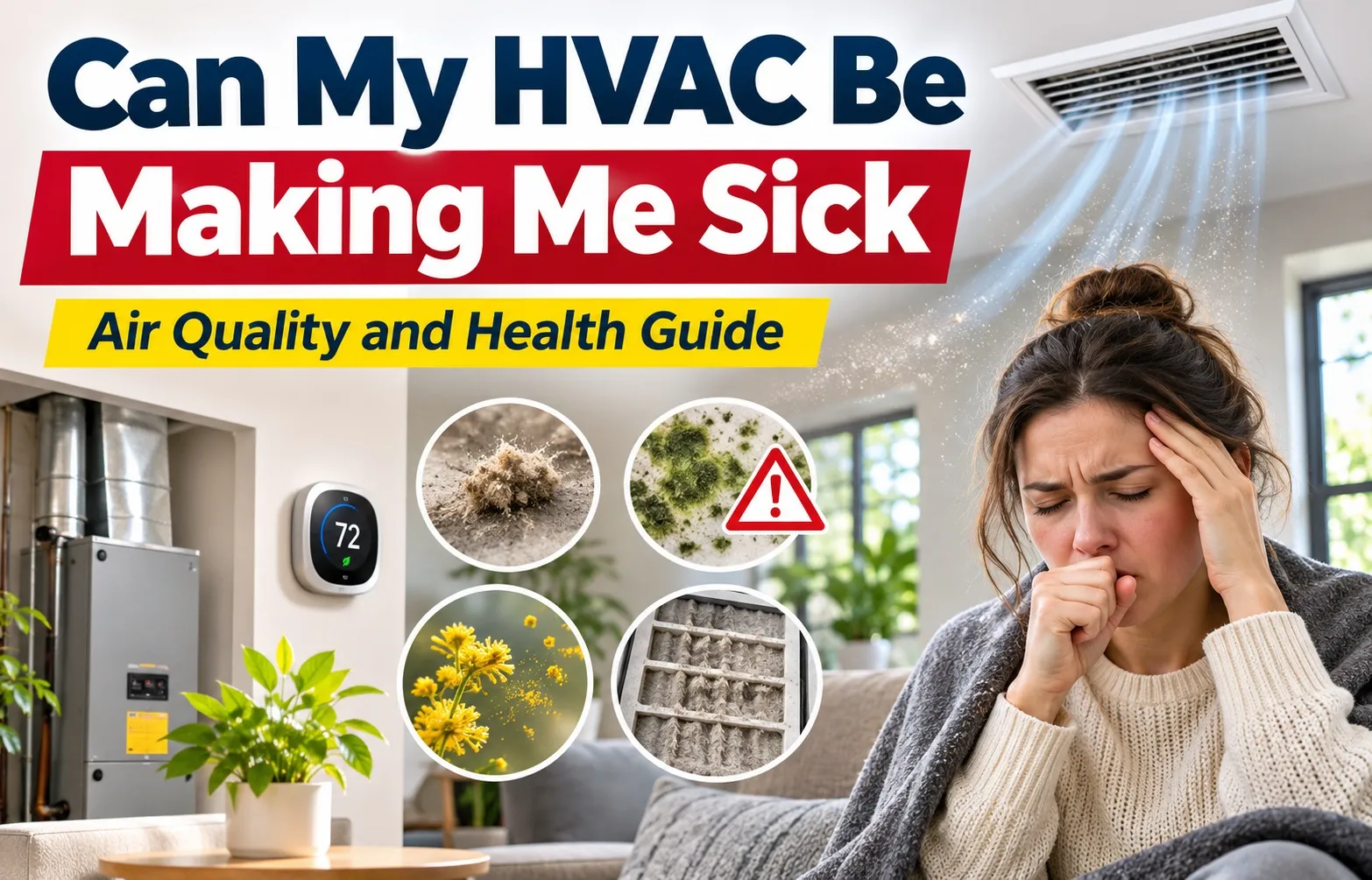 Recognizing how your body reacts to indoor air pollutants helps identify whether your heating or cooling equipment requires immediate maintenance or professional repair.
Common Physical Symptoms of Air Conditioner & Furnace Sickness
Physical reactions to a contaminated heating and cooling system often mimic seasonal allergies or mild viral infections. When airborne biological pathogens and chemical pollutants circulate through living spaces, they irritate delicate mucous membranes and respiratory pathways.
- Sinus congestion and allergic rhinitis: Inhaling continuous dust and microbial spores inflames nasal passages, causing persistent stuffiness and sneezing.
- Coughing and reactive airway disease: Mold fragments and fine particulates trigger bronchial inflammation, aggravating asthma and producing deep chest tightness.
- Dry throat and irritated eyes: Low indoor humidity or chemical off-gassing strips moisture from ocular and pharyngeal tissues, resulting in scratchy throats and stinging eyes.
- Unexplained headaches and fatigue: Low-grade toxin exposure, stagnant air, or toxic fumes reduce indoor oxygen efficiency and induce persistent mental fog.
- Nausea and dizziness: Inhaling chemical vapors or combustion byproducts can trigger sudden stomach upset and lightheadedness.
The HVAC Smell-to-Symptom Diagnostic Chart
Unusual odors originating from your vents serve as an immediate diagnostic indicator for specific mechanical and biological failures. Use this breakdown to connect indoor smells directly to potential health risks and system malfunctions.
6 Hidden Ways Your HVAC System Is Making You Sick
Mechanical wear, poor filtration, and moisture imbalances inside your heating and cooling equipment turn enclosed ductwork into a distribution network for biological and chemical irritants.
1. Mold and Bacteria Breeding on Evaporator Coils & Drip Pans
Cold evaporator coils pull moisture from warm indoor air, creating a dark, perpetually damp environment inside your air handler. When a clogged condensate drain pan traps standing water, microbial colonies rapidly multiply and disperse spores every time the blower activates.
- Fungal spore circulation: Damp coil fins harbor Aspergillus and Cladosporium mold, releasing airborne mycotoxins that trigger severe sinus inflammation and coughing.
- Bacterial contamination: Stagnant drain pans and neglected cooling reservoirs can breed Legionella bacteria, creating a serious risk for Legionnaires’ disease when aerosolized droplets enter the airstream.
- Biofilm buildup: Thick bacterial slime coats the coil surface, restricting airflow and broadcasting musty odors throughout every room.
2. Clogged, Low-MERV, or Incorrectly Sized Air Filters
An air filter acts as the primary defense barrier between household particulates and your respiratory system. When filters become saturated with debris or fail to fit snugly inside the return slot, unfiltered air bypasses the media entirely.
- Inadequate MERV rating: Cheap fiberglass filters rated between MERV 1 and MERV 4 only trap large lint particles, allowing microscopic pollen, smoke, and bacteria to pass straight through.
- Filter bypass gaps: Undersized filters leave open perimeter edges where high-pressure suction pulls raw dust mites (Dermatophagoides) and pet dander directly into the blower wheel.
- Restricted static pressure: Overloaded filters choke system airflow, forcing dirty air through unsealed return seams and causing coil freeze-ups.
3. Dangerous Indoor Humidity Extremes (Above 50% or Below 30%)
Maintaining indoor relative humidity between 30% and 50% is critical for both equipment efficiency and human respiratory defense. As medical experts at the Cleveland Clinic note, conditioned air that strips excessive moisture from indoor spaces dries out nasal mucous membranes and leaves airways vulnerable to viral infection.
- Low humidity below 30%: Over-conditioned or heated air cracks delicate sinus tissues, causing nosebleeds, scratchy throats, and heightened susceptibility to airborne viruses.
- High humidity above 50%: Oversized air conditioners that short-cycle cool rooms too quickly without removing moisture, creating a damp environment where dust mites and mold thrive.
- Humidifier fever: Dirty whole-home humidifier pads circulate bacterial endotoxins into dry winter air, causing fever-like chills, body aches, and chest tightness.
4. Leaky Ductwork Pulling in Attic Fiberglass & Crawlspace Toxins
Disconnected seams, torn flex ducts, and unsealed return plenums create strong negative air pressure whenever your HVAC blower operates. Instead of drawing conditioned air from your living room, leaky return ducts act like a vacuum inside unconditioned spaces.
- Fiberglass insulation particles: Compromised attic ductwork sucks microscopic glass fibers into the air supply, irritating skin, eyes, and bronchial linings.
- Crawlspace bio-contaminants: Leaks beneath the home draw damp soil spores, pest allergens, and rodent droppings directly into bedroom vents.
- Chemical off-gassing: Return leaks near attached garages or storage closets pull Volatile Organic Compounds (VOCs) from paints, solvents, and exhaust fumes throughout the house.
5. Refrigerant (Freon) Leaks from Corroded Coils
Formicary corrosion and mechanical vibration can wear tiny pinhole leaks into copper or aluminum refrigerant lines. When pressurized refrigerant escapes into the indoor air handler, heavy chemical vapors displace oxygen and circulate through supply vents.
- Acute neurological symptoms: Inhaling leaking refrigerant fumes triggers sudden headaches, lightheadedness, confusion, and loss of coordination.
- Respiratory and gastric distress: Concentrated chemical vapors irritate throat tissues and induce immediate nausea or vomiting.
- System warning signs: Hissing sounds near the indoor coil, ice buildup on refrigerant lines, and a sweet, chloroform-like odor indicate an active leak requiring immediate shutoff.
6. Cracked Furnace Heat Exchangers (Silent Carbon Monoxide Risk)
Repeated thermal expansion and contraction over years of winter heating cycles can cause metal fatigue and heat exchanger cracks inside gas or oil furnaces. This structural failure allows toxic combustion byproducts to mix directly with the clean air blowing into your home.
- Carbon monoxide (CO) poisoning: Odorless, colorless carbon monoxide enters living spaces, causing throbbing headaches, dizziness, shortness of breath, and flu-like fatigue without a fever.
- Emergency evacuation triggers: Yellow or flickering burner flames, soot streaks around the furnace cabinet, or sounding CO alarms require immediate evacuation and emergency utility inspection.
Seasonal HVAC Health Risks: Summer AC vs. Winter Heating
Your heating and cooling system introduces completely different airborne hazards depending on the time of year, shifting from moisture-driven microbial growth in July to dry air and combustion risks in January.
Summer Cooling Risks: Condensation, Bio-Growth, and Thermal Shock
During peak summer heatwaves, continuous air conditioning operation generates gallons of daily moisture inside your indoor air handler. When cooling equipment becomes overworked or poorly maintained, excessive condensation buildup turns dark internal components into breeding grounds for respiratory irritants.
- Failed dehumidification: Dirty evaporator coils and clogged drain lines prevent proper moisture removal, leaving indoor air heavy, clammy, and ideal for rapid mold and dust mite proliferation.
- Thermal shock irritation: Moving repeatedly between 95°F outdoor heat and a 66°F air-conditioned room shocks upper respiratory tissues, triggering sudden nasal congestion, throat soreness, and bronchospasms.
- Stagnant window unit trays: Standalone window air conditioners frequently collect standing water in unpitched rear pans, aerosolizing mildew spores directly into bedrooms.
Winter Heating Risks: Furnace Startup Dust, Dry Air, and Combustion Gases
Switching your thermostat from cooling to heating introduces distinct winter air quality hazards, explaining why many homeowners feel sick only during colder months. Months of dormant dust accumulation and sealed winter windows trap concentrated irritants inside living spaces.
- Furnace startup dust burn-off: During the first cold snap, dust that settled on the furnace heat exchanger all summer bakes off, releasing acrid smoke particles that irritate eyes and trigger coughing fits.
- Severe winter indoor dryness: Heating cold outdoor air drops indoor relative humidity below 25%, parching nasal passages, causing morning nosebleeds, and lowering immune defenses against winter viruses.
- Combustion backdrafting: Tightly sealed homes with blocked flues or negative air pressure can pull dangerous combustion gases—including nitrogen dioxide and carbon monoxide—back down the chimney into your air supply.
- Detector verification: Testing every carbon monoxide detector on each floor before winter startup ensures immediate warning if flue blockages or heat exchanger leaks occur.
Step-by-Step Action Plan: How to Fix HVAC Sickness
Eliminating indoor air quality issues requires a structured approach that begins with immediate do-it-yourself maintenance and transitions to professional mechanical remediation when deep system contamination is present.
Immediate DIY Fixes You Can Do Today
You can dramatically reduce circulating allergens and eliminate musty odors within an hour by performing straightforward maintenance tasks on your air handler and filters.
- Upgrade to a MERV 13 filter: Swap out flimsy fiberglass filters for a pleated MERV 13 filter, ensuring it fits snugly without bypass gaps to capture microscopic mold spores and pet dander.
- Flush the condensate drain line: Pour one cup of distilled white vinegar down the condensate drain T-pipe monthly to dissolve algae blockages and prevent stagnant water from breeding bacteria.
- Clean window AC components: Remove window units, wash plastic louvers with mild soap, and scrub dirty drip trays to eliminate localized mildew buildup.
- Switch thermostat fan setting to AUTO: Change your thermostat fan setting from ON to AUTO so the blower only runs during active heating or cooling cycles, preventing moisture on the coil from re-evaporating back into your living space.
Balancing Home Humidity Between 30% and 50%
Controlling indoor moisture levels stops dust mites and mold colonies from multiplying while protecting your respiratory mucous membranes from drying out during extreme weather shifts.
- Use a digital hygrometer: Place an inexpensive digital hygrometer in main living areas to accurately monitor home humidity levels in real time.
- Deploy portable or whole-home dehumidifiers: Run a whole-home or high-capacity standalone dehumidifier during humid summer months to keep relative humidity below the 50% threshold.
- Manage winter moisture addition: Use clean evaporative humidifiers during freezing weather to maintain humidity above 30%, preventing nosebleeds and dry throat irritation.
When to Call an HVAC Pro (UV-C Lights, Coil Cleaning & Duct Sealing)
Severe mold infestations, chemical odors, or failing mechanical parts require licensed technician intervention to safely restore healthy indoor air quality.
- Schedule blower wheel sanitization: Hire a professional technician to perform deep chemical cleaning and blower wheel sanitization to remove baked-on microbial slime.
- Install UV-C germicidal lamps: Have an HVAC specialist mount ultraviolet germicidal lamps directly over your evaporator coils to continuously sterilize airborne bacteria and spores.
- Seal and sanitize ductwork: Request professional duct pressure testing and professional sealing to eliminate negative pressure leaks that pull attic insulation and crawlspace toxins into your home.
People Also Ask: Air Conditioning and Health FAQs
Can sleeping next to an AC unit make you sick?
Direct exposure to a continuous direct air draft can chill your body, induce muscle stiffness, and dry out your mucous membranes. When nasal passages lose moisture, your body becomes more vulnerable to airborne irritants and sore throats.
- Redirect louvers or swing vents away from your sleeping position.
- Use a bedroom humidifier if dry indoor air persists overnight.
- Maintain a safe physical distance between your bed and the primary supply vent.
Can air conditioning make you sick to your stomach?
While standard cooling does not inherently cause gastrointestinal illness, neglected systems can harbor hidden biological hazards. Severe mold mycotoxins, unaddressed refrigerant leaks, or low-level carbon monoxide near combustion HVAC systems frequently trigger nausea, headaches, and dizziness.
- Inspect evaporator coils and condensate drip pans regularly for mold growth.
- Schedule annual professional HVAC maintenance to check for system leaks.
- Ensure proper indoor ventilation to prevent airborne pollutant accumulation.
Is it better to leave the AC on all day or turn it off?
Running your air conditioner consistently at an efficient setting maintains steady humidity control. Conversely, frequent manual shutoffs followed by rapid cooling lead to compressor short-cycling, which leaves indoor air damp, clammy, and mold-prone.
- Program a smart thermostat to adjust temperatures rather than turning the unit completely off.
- Allow systems to cycle naturally to maintain optimal relative humidity between 30% and 50%.
- Prevent excessive energy spikes by maintaining stable cooling baselines throughout the day.
Is 69°F too cold for AC?
An indoor setting of 69°F is generally safe, but it may be overly cool for sensitive sleepers or those prone to respiratory irritation. Maintaining your ideal thermostat temperature prevents unnecessary drying of nasal tissues and upper respiratory tracts.
- Optimal sleeping comfort generally ranges between 68°F and 72°F.
- Daytime settings are best maintained between 72°F and 75°F for energy efficiency and health.
- Adjust clothing layers and bedding weight before dropping temperatures below 68°F.
What is the 3-minute rule for air conditioners?
The 3-minute rule dictates that an air conditioner compressor should remain off for at least three minutes after being shut down. This delay allows refrigerant pressure equalization, preventing severe motor stress and electrical overheating.
- Protects the compressor motor from trying to restart against high head pressure.
- Prevents blown fuses, tripped circuit breakers, and premature compressor burnout.
- Most modern digital thermostats feature built-in time delays to enforce this automatically.

Oscar Vance | Master Plumber & Drainage Expert
Meet Oscar Vance, a licensed master plumber sharing practical solutions on residential repairs, preventive maintenance, and thoughtful home upkeep.