Normal Wear and Tear vs. Tenant Negligence
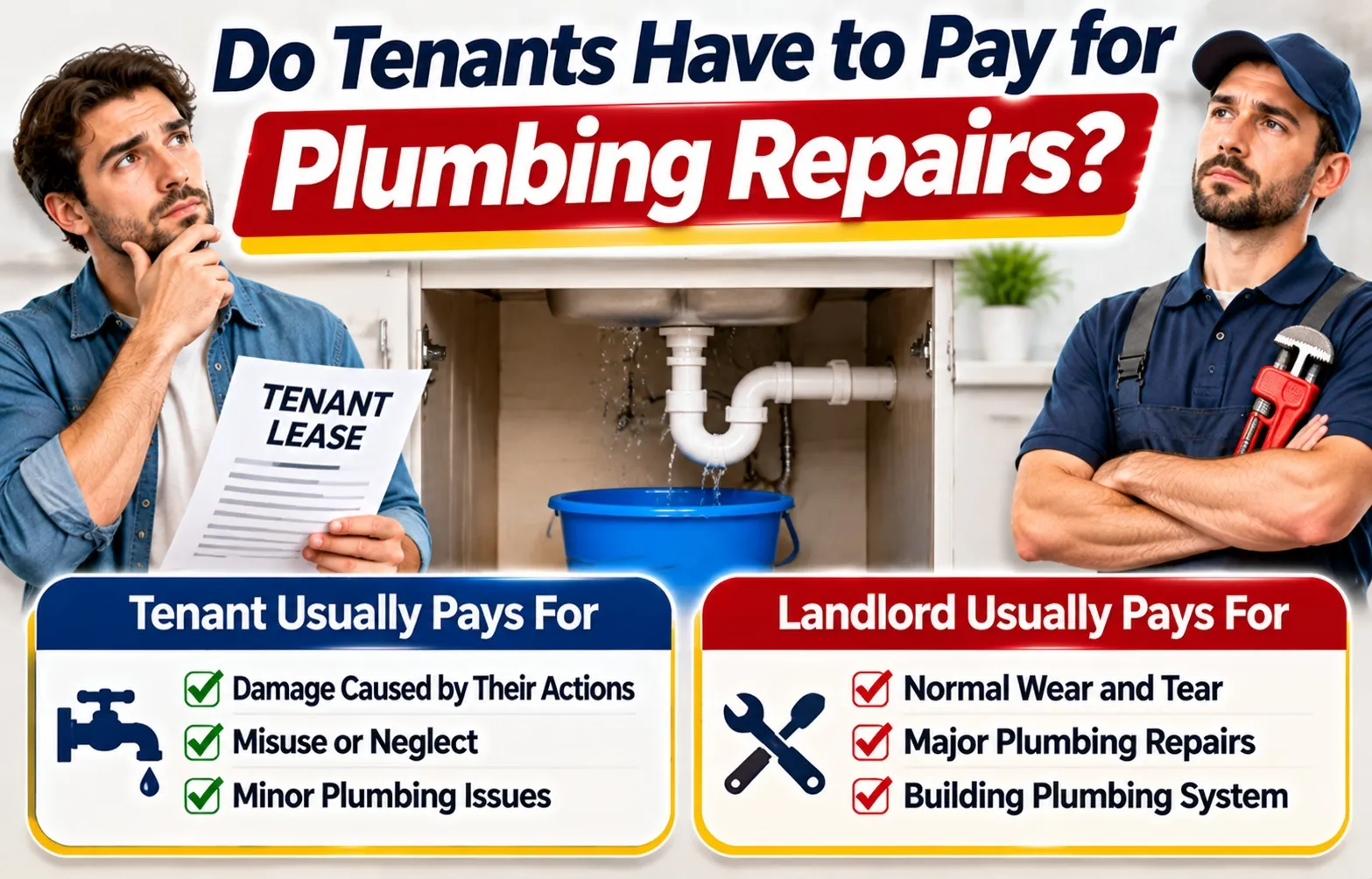 The legal line separating landlord and tenant plumbing liability rests on whether a failure stems from normal wear and tear or tenant negligence. Property owners are legally obligated to fund structural maintenance and natural pipe aging, while renters only pay when their actions, carelessness, or guests directly break a plumbing component.
Because residential pipes and fixtures naturally degrade over years of regular daily use, routine component failure is considered a standard cost of owning rental real estate. Renters are only expected to use the plumbing fixtures for their intended purpose and perform basic, day-to-day sanitary upkeep.
Understanding the “Implied Warranty of Habitability”
The implied warranty of habitability is a non-negotiable legal doctrine requiring landlords to keep a rental property safe, sanitary, and fit for human living throughout the entire lease term. Even if your lease agreement fails to mention plumbing repairs, state habitability laws and municipal code standards compel the property owner to maintain essential water systems.
- Potable Running Water: Landlords must maintain pressurized, clean hot and cold water delivery to all kitchen and bathroom plumbing fixtures.
- Functional Waste Disposal: Drain lines, toilets, and main sewer connections must effectively carry wastewater away from the property without hazardous backups.
- Leak-Free Structural Integrity: Supply pipes, valves, and water heaters must operate safely without active leaks that cause water damage, electrical hazards, or toxic mold growth.
- Code Compliance: All plumbing installations and repairs must meet local municipal code and public health regulations, regardless of restrictive language written into a private lease.
When Is the Landlord 100% Responsible for Plumbing Repairs?
Landlords bear complete financial and legal responsibility for maintaining a rental property’s underlying plumbing infrastructure. When plumbing failures arise from natural wear, structural aging, or external forces beyond a tenant’s control, the property owner must cover all repair and restoration costs.
Aging Pipes, Leaks, and Burst Pipes (Non-Negligence)
Landlords are fully responsible for repairing aging, corroded, or burst pipes when the tenant exercised reasonable care. This includes hidden slab leaks, old galvanized steel pipe corrosion, or frozen pipes that ruptured despite the tenant maintaining proper indoor heating during freezing weather conditions.
- Material Fatigue: Older homes built with deteriorating galvanized steel or brittle copper lines experience natural wall thinning and pinhole leaks that require comprehensive structural plumbing replacement.
- PEX vs. Copper Upgrades: When recurring leaks happen due to antiquated materials, landlords are legally and practically required to upgrade the lines using modern PEX or copper piping standards.
- Burst Pipe Repair: Unless a tenant explicitly turned off the heat and left windows open during a deep freeze, frozen or burst pipes are treated as structural maintenance emergencies paid for by the property owner.
Main Sewer Line Backups and Tree Root Intrusion
Main sewer line blockages and tree root intrusions are almost exclusively the property owner’s financial burden. Because exterior sewer lateral lines sit completely outside the tenant’s living space and direct control, any underground line failure is a core infrastructure duty.
- Tree Root Intrusion: Aggressive tree roots naturally seek out moisture and crack through underground clay or PVC sewer pipes, requiring professional hydro-jetting or trenchless pipe relining funded by the landlord.
- Ground Settling and Offsets: Shifting soil can cause main sewer lines to sag or offset, creating chronic drainage failures that require heavy mechanical excavation and repair.
Water Heaters, Sump Pumps, and Essential Appliances
Landlords must maintain all landlord-supplied water heaters, sump pumps, and integrated plumbing fixtures in safe, working order. When a water heater fails due to natural sediment buildup, thermostat failure, or tank corrosion, the landlord must pay for professional replacement or repair.
- Water Heater Failure: Hot water is a mandatory legal requirement under habitability laws; a failed water heater must be repaired or replaced promptly at the owner’s expense.
- Sump Pump Maintenance: In flood-prone subterranean units, functional sump pumps protect the foundation, making their maintenance a non-negotiable landlord responsibility.
Water Damage and Mold Resulting from Structural Leaks
Property owners are liable for professional structural drying, mold remediation, and drywall repair caused by hidden structural plumbing leaks. If a supply line behind a wall bursts without tenant fault, the landlord must fix both the broken pipe and the resulting building damage.
- Drywall and Framing Restoration: Water-soaked insulation, warped subfloors, and ruined drywall stemming from leaking interior pipes must be restored by landlord-hired contractors.
- Professional Remediation: Structural leaks that trigger mold growth require licensed remediation to restore the property to a safe, habitable state.
When Does the Tenant Have to Pay for Plumbing Repairs?
Tenants become financially responsible for plumbing repairs when professional diagnosis proves the issue resulted from direct misuse, active negligence, or failure to report a problem. While landlords cover structural failures, tenant-induced blockages and preventable damages transfer the plumber’s bill directly to the occupant.
Professional plumbing assessments rely on clear diagnostic evidence to establish fault. When a landlord attempts to charge for a service call, verified proof of misuse protects property owners while ensuring renters are only held accountable for genuine negligence.
Flushing Non-Flushable Items (The “Wet Wipes” Trap)
Tenants are 100 percent financially liable for toilet and sewer line clogs caused by flushing non-flushable products. Professional plumbers routinely identify tenant misuse during drain snaking or sewer camera inspections by pulling up clumps of materials that municipal sewer systems cannot break down.
- Synthetic Wet Wipes: Marketed as flushable, thick baby wipes and disinfecting wipes do not disintegrate in water and bind together into solid masses inside drain lines.
- Feminine Hygiene Products and Paper Towels: These materials expand and trap waste, creating severe blockages in toilet traps and branch lines.
- Cat Litter and Dental Floss: Flushing clay-based cat litter or fibrous floss creates rock-hard blockages that require expensive hydro-jetting to clear.
Pouring Grease, Oil, and Food Debris Down Kitchen Drains
Kitchen sink blockages caused by FOG (Fats, Oils, and Grease) accumulation are billed to the tenant as clear negligence. When cooking oils and food scraps are poured down the drain, they cool and solidify inside the P-trap and branch lines, choking off water flow.
- Grease Solidification: Liquid grease hardens upon contacting cold pipe walls, catching coffee grounds, rice, and food waste to form impenetrable blockages.
- P-Trap Blockage: Severe grease clogs concentrated in under-sink P-traps require professional removal or line replacement paid for by the responsible occupant.
Delayed Reporting That Turns a Minor Leak into Major Damage
Tenants have a legal duty to notify property managers promptly of any plumbing anomalies. If a renter ignores a minor dripping pipe under the sink for months until mold forms or cabinet wood rots, the landlord fixes the original pipe, but the tenant pays for the secondary water damage.
- Tenant Notification Duty: Failing to report a running toilet or slow leak transforms a simple washer replacement into an expensive structural restoration project.
- Secondary Liability: Occupants are held financially accountable for ruined drywall, warped baseboards, and cabinet replacement resulting from prolonged silence.
Unauthorized DIY Repairs Gone Wrong
Attempting amateur plumbing fixes or using aggressive chemical interventions often exacerbates the original issue, transferring repair costs to the tenant. Landlords require professional handling to protect property infrastructure from uncertified alterations.
- Harsh Chemical Drain Cleaners: Pouring caustic liquid lye down clogged pipes melts PVC joints, corrodes older metal threads, and causes severe chemical burns to servicing plumbers.
- Amateur Disassembly: Stripping slip-joint nuts under sinks or improperly resealing wax rings during unauthorized toilet repairs creates catastrophic leaks that void standard warranties.
Lease Clauses vs. State Law: Can a Landlord Force You to Pay?
A landlord generally cannot force you to pay for essential plumbing repairs simply by inserting a cost-shifting clause into your lease agreement. In nearly every U.S. jurisdiction, statutory habitability rights override private contract language that attempts to make tenants pay for structural maintenance or normal wear and tear.
Many property managers include broad maintenance disclaimers to discourage frivolous service calls, but signing a lease never waives your fundamental legal right to safe, functioning sanitation and running water.
Are “Repair Deductible” or “All Clogs” Lease Clauses Legal?
Blanket lease terms requiring tenants to pay a flat repair deductible—such as covering the first $100 of every service call—or holding renters automatically liable for all drain clogs are legally unenforceable when applied to habitability defects. State housing codes establish a strict hierarchy of law where statutory mandates supersede conflicting rental contract provisions.
- Oregon Landlord-Tenant Law: Under Oregon Revised Statutes (ORS 90.320 and 90.245), landlords must maintain plumbing in good working order, and any lease clause attempting to waive habitability duties or shift structural repair costs to tenants is void and unenforceable.
- California Civil Code Protections: California law prohibits landlords from waiving their statutory obligation to maintain operable plumbing and drainage systems, rendering blanket repair-deductible clauses invalid for non-tenant-caused failures.
- Texas Statutory Standards: Under Texas Property Code guidelines, landlords must repair plumbing conditions that materially affect physical health or safety, as outlined in the Texas Law Help tenant repair guidelines.
- Security Deposit Deduction Rules: Landlords cannot legally bypass repair laws at move-out by taking an improper security deposit deduction for aged pipes or unverified plumbing bills.
Minor Routine Maintenance vs. Professional Repairs
While state laws protect tenants from paying for major infrastructure work, renters remain responsible for basic, everyday sanitary upkeep. Knowing where simple household maintenance ends and licensed plumbing work begins prevents unnecessary disputes over service call charges.
- Tenant Routine Upkeep: Clearing visible hair from a shower strainer, using a standard rubber plunger on a minor toilet backup, and keeping sink drains free of food scraps fall squarely on the occupant.
- Licensed Plumbing Repairs: Internal toilet tank component failures (such as faulty fill valves or corroded flappers), leaking shut-off valves under sinks, and deep branch-line clogs requiring motorized augers belong to the property owner.
- Commercial or Single-Family Exceptions: In rare single-family home leases where state law permits a separate, good-faith written agreement for specific minor maintenance in exchange for fair rent reduction, the landlord still cannot offload major structural plumbing failures.
How to Dispute an Unfair Plumbing Bill (Step-by-Step Action Plan)
When a landlord attempts to pass off an unverified, inflated plumbing invoice or wrongly accuses you of causing a drain failure, you do not have to accept the charge blindly. Establishing a clear paper trail and demanding verifiable proof protects you from paying for structural property maintenance.
Landlords carry the legal burden of proof when assessing damage charges against a tenant’s security deposit or monthly rent. Knowing the correct procedural steps to challenge an unfair charge ensures your rights remain fully protected.
Step 1: Demand the Plumber’s Written Diagnosis & Photo/Video Evidence
A landlord cannot legally charge a tenant for plumbing negligence based on an assumption or a verbal claim. You have the right to request an itemized plumbing invoice and official documentation proving that tenant misuse directly caused the breakdown.
- Licensed Plumber Report: Require a formal statement from a licensed, professional plumber detailing the exact nature and physical location of the obstruction or pipe failure.
- Camera Inspection Footage: Ask for sewer camera photos or video files showing foreign objects—such as non-flushable wipes or grease balls—to verify that the blockage originated from inside your unit’s direct branch line rather than the municipal main.
- Itemized Billing Breakdown: Ensure the invoice separates labor hours, diagnostic fees, and specific repair materials rather than lumping general property improvements into a single arbitrary bill.
Step 2: Document the Plumbing Issue Before Maintenance Arrives
First-hand E-E-A-T advice: protect yourself by gathering visual evidence immediately upon noticing a plumbing anomaly. Documenting the condition of sinks, toilets, and surrounding areas before a technician arrives prevents false accusations later.
- Timestamped Media: Take high-resolution, timestamped photos and short videos of slow-draining fixtures, clean sink traps, and dry surrounding cabinetry.
- Preserve Evidence: If you clear a simple surface strainer or catch minor debris, keep it in a safe place or photograph it to demonstrate normal daily use rather than severe negligence.
Step 3: Copy-Paste Email Template to Dispute an Unfair Plumbing Charge
Send a polite, professional, and legally grounded written message to your property manager or landlord immediately upon receiving an unfair invoice. Using email ensures all communications are permanently recorded.
Subject: Formal Dispute Regarding Plumbing Invoice – [Your Apartment Number / Address]
Dear [Landlord/Property Manager Name],
I am writing in response to the plumbing repair charge of $[Amount] received on [Date]. I am disputing this charge as the plumbing issue stemmed from normal wear and tear on aging property infrastructure rather than any action or negligence on my part.
Under state habitability standards, landlords are responsible for maintaining core plumbing systems. To help clarify this matter, please provide the itemized plumbing invoice, the licensed plumber’s written diagnosis report, and any camera inspection or photo evidence demonstrating that tenant misuse caused this failure.
I look forward to reviewing this documentation so we can resolve the matter fairly.
Sincerely,
[Your Name]
[Your Contact Information]
What If the Landlord Refuses to Fix an Emergency Plumbing Issue?
If a landlord ignores an emergency plumbing failure or retaliates by threatening an unjustified eviction after you dispute a bill, state housing laws provide clear legal remedies to protect your living conditions.
- Formal Written Notice: Submit a dated, written repair request via certified mail outlining the habitability violation and giving the statutory timeframe for repairs.
- Local Code Enforcement Inspection: Contact your local municipal health or housing inspection department to issue an official citation, legally compelling the landlord to fix the plumbing.
- Repair and Deduct Remedy: In states where permitted, tenants can hire a licensed plumber independently after proper notice and deduct the reasonable repair cost directly from their next month’s rent.
- Rent Escrow and Retaliatory Eviction Protections: Many jurisdictions allow rent escrow deposits until repairs are completed and prohibit retaliatory eviction or lease termination against tenants asserting their legal repair rights.
Frequently Asked Questions
Should a tenant pay for a clogged toilet?
A tenant only pays for a clogged toilet if a licensed plumber confirms that non-flushable items—such as wet wipes, paper towels, feminine hygiene products, or foreign objects—caused the blockage. Clogged toilet liability never falls on the renter when backups result from faulty flappers, failing fill valves, outdated low-flow toilet designs, or main sewer line issues.
- Tenant Fault: Retrieving wipes, toys, or hygiene products via drain auger proves direct misuse.
- Landlord Fault: Mineral buildup in rim jets, deteriorated wax rings, or tree roots in the main lateral line remain the property owner’s responsibility.
Are renters responsible if pipes burst?
No, renters are not responsible if pipes burst due to normal aging, corrosion, high water pressure, or structural wear and tear. A tenant only assumes liability for burst pipe repairs if their direct negligence caused the rupture—such as turning off the heat during freezing winter weather or physically damaging exposed plumbing lines.
- Covered by Landlord: Hidden slab leaks, corroded galvanized supply pipes, and freezing breaks that occur while the tenant maintained reasonable indoor heat.
- Covered by Tenant: Leaving windows wide open in sub-freezing temperatures or drilling into a wall and puncturing a water line.
Can a landlord evict you for causing plumbing problems?
A landlord cannot evict you for accidental plumbing breakdowns or normal wear-and-tear pipe failures. However, repeatedly causing severe plumbing destruction through intentional misuse or refusing to pay verified, plumber-documented negligence invoices can constitute a formal lease violation notice and eventually lead to eviction proceedings.
- Protected Situations: Disputing an unverified plumbing charge in good faith or reporting recurring structural leaks is legally protected against retaliatory eviction.
- Eviction Grounds: Deliberately flushing concrete, pouring caustic chemicals that destroy building stacks, or ignoring major active floods that ruin structural framing.
How much does a plumber charge to fix a burst pipe or clog?
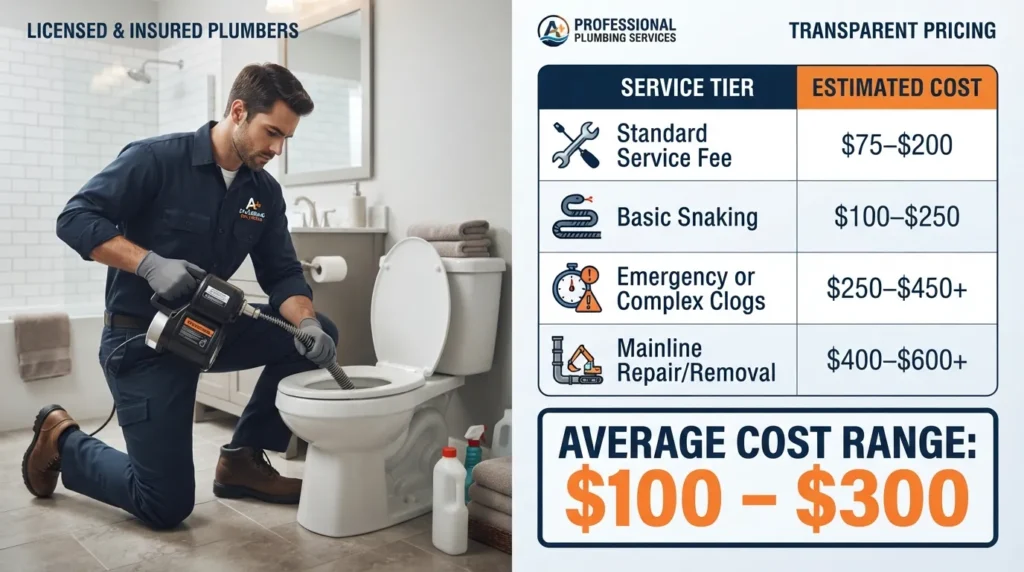
Standard drain snaking for a routine clog typically costs between $150 and $350, while repairing a burst pipe generally ranges from $400 to $1,500 or more depending on wall accessibility and emergency after-hours rates. Knowing these baseline market ranges helps tenants spot inflated or padded landlord repair bills.
- Drain Cleaning (Snaking): $150–$350 for clearing a single accessible sink, tub, or toilet drain line.
- Burst Pipe Repair: $400–$1,500+ for cutting out damaged sections and installing new PEX or copper piping, excluding secondary drywall restoration.
What is the 135 rule in plumbing?
The 135-degree plumbing rule refers to standard drainage design practices governing how much a drain line can change direction—such as combining a 90-degree turn with a 45-degree elbow or using angled wye fittings—before requiring cleanouts or venting adjustments. Understanding wye fitting code standards helps tenants push back if a plumber identifies improper, sharp horizontal pipe bends as the true structural cause of recurring backups.
- Smooth Directional Flow: Proper 45-degree wye fittings prevent solid waste from slamming into flat pipe walls and accumulating.
- Structural Design Defect: If a drain repeatedly clogs due to illegal sharp horizontal tees rather than tenant misuse, the landlord must pay to bring the piping up to code.
What if I can’t afford a plumber when my landlord won’t respond?
If you cannot afford a plumber and your landlord refuses to fix an essential plumbing failure, contact your local municipal housing or health department for a code enforcement inspection. City inspectors can document the habitability violation and legally compel the property owner to complete repairs at zero out-of-pocket cost to you.
- Zero-Cost Enforcement: Municipal code enforcement officers issue mandatory compliance deadlines and daily fines against negligent landlords.
- Legal Aid Assistance: Local tenant advocacy organizations and legal aid clinics can help you file formal rent escrow petitions without upfront attorney fees.

Oscar Vance | Master Plumber & Drainage Expert
Meet Oscar Vance, a licensed master plumber sharing practical solutions on residential repairs, preventive maintenance, and thoughtful home upkeep.