Can You Use Gas Tape for Plumbing?
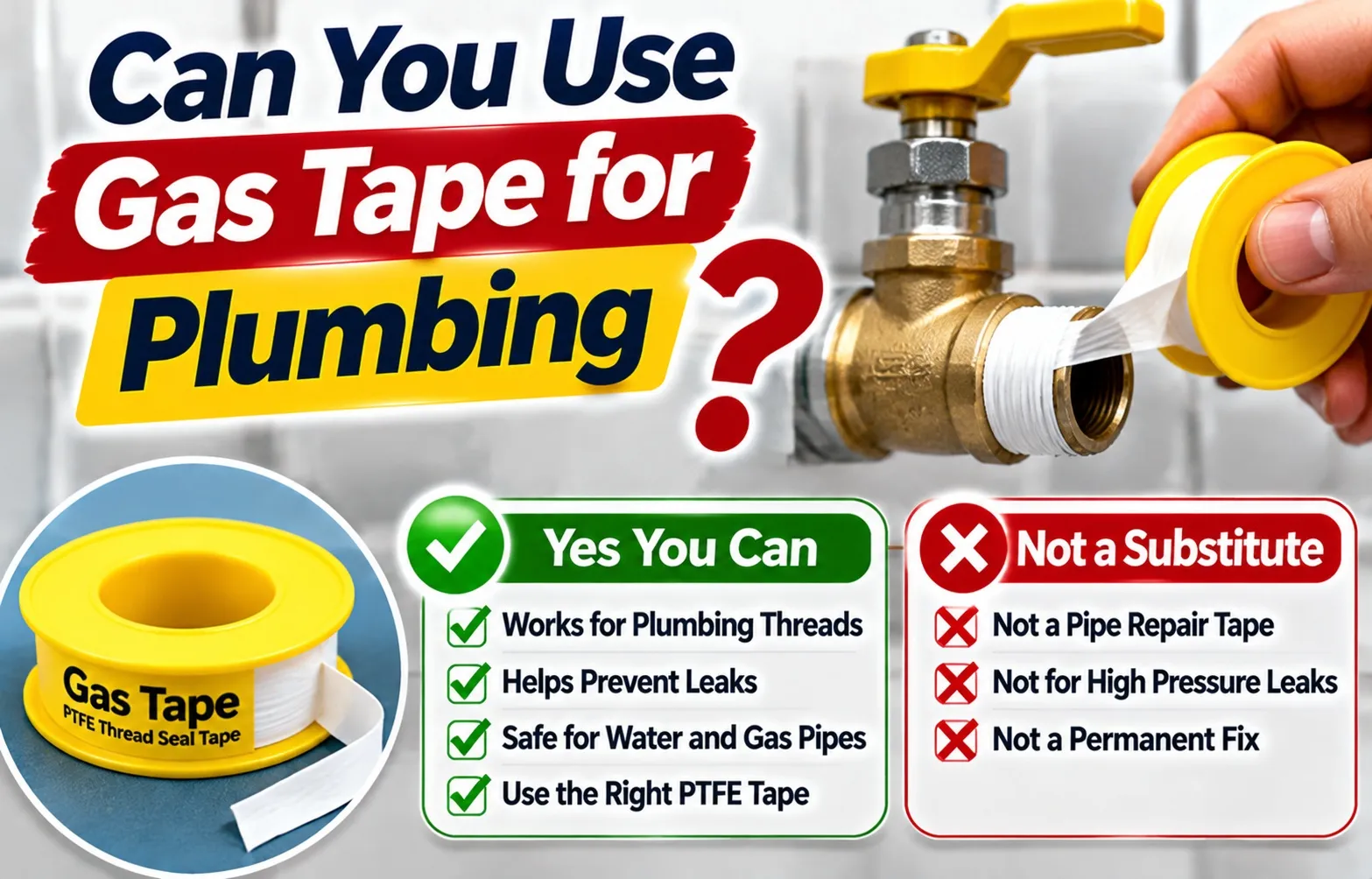 Yes, you can use yellow gas tape (gas-rated PTFE tape) for standard water plumbing lines. Because it is chemically pure polytetrafluoroethylene, it is non-reactive and creates a reliable, thick seal on water pipe threads.
However, understanding when to choose yellow gas tape over standard white or pink thread seal tape prevents potential plumbing code issues and ensures maximum joint integrity across different home utility systems.
Can You Use Yellow Gas Tape on Water?
Yellow gas tape is technically denser and thicker than standard white plumbing tape, meaning it often provides a superior seal on stubborn or slightly worn water pipe threads.
- Chemical Compatibility: Pure PTFE is completely inert and will not break down when exposed to potable water, natural gas, or propane.
- Thickness Advantage: At roughly 3.5 to 4.5 mils thick, yellow tape requires fewer wraps to achieve a tight, leak-free seal compared to thin white tape.
- Code Considerations: Some local inspectors prefer white or pink high-density tape on potable drinking water lines to clearly distinguish water lines from gas infrastructure.
Why Tape Color and Density Matter in Plumbing
Plumbing tape color codes are established to help installers and inspectors quickly verify that the correct material is being used for high-risk applications like fuel lines versus general water supply.
- White Tape: Standard density, primarily designed for low-pressure residential water lines and general-purpose threaded connections.
- Yellow Tape: Heavy-duty, high-density PTFE specifically manufactured and color-coded for natural gas, propane, and butane lines.
- Pink Tape: Commercial-grade high-density thread seal tape used widely by professional plumbers for both water and heavy plumbing applications.
- Leak Prevention: Using the correct tape density ensures the threads bite together correctly without shredding or blowing out under pressure.
Can You Use Yellow Gas Tape on Water Lines?
Chemically speaking, yellow gas tape is entirely safe to use on water pipe threads because both yellow and white thread seal tapes are manufactured from pure polytetrafluoroethylene (PTFE). However, material safety is only part of the equation when dealing with home plumbing systems.
Navigating local plumbing codes, potable water certifications, and inspector expectations requires understanding why yellow tape is designated for gas, and whether using it on your water supply can cause issues.
Chemical Composition: Is Gas Tape Safe for Drinking Water?
Raw PTFE is chemically inert, non-toxic, and resistant to water, acids, and common solvents. Because of this inert chemical structure:
- It will not leach harmful chemicals or contaminants into your household water supply.
- It matches the base chemical composition of standard white plumbing tape, ensuring it does not degrade when wet.
- Its higher density actually resists water pressure better than thin consumer-grade white tape.
The Inspection Risk: Will Yellow Tape Fail Plumbing Codes on Potable Lines?
While the tape itself won’t contaminate your water, building inspectors can reject installations based on standardized color codes and product certifications. Key code considerations include:
- Certification Standards: Official potable water lines typically require components and sealants carrying an NSF/ANSI 61 certification to ensure safe contact with drinking water.
- Color-Coding Regulations: Code enforcement bodies like the Uniform Plumbing Code (UPC) and International Plumbing Code (IPC) rely on color-coded materials for rapid visual inspection.
- Inspector Discretion: Because yellow tape is universally recognized for fuel gas lines, an inspector might flag or fail a potable water line simply because the wrong color tape was used.
When Is It Acceptable to Use Yellow Tape on Water Fittings?
Using yellow gas tape on water fittings is acceptable in specific scenarios where visual code compliance is secondary or temporary:
- Emergency Repairs: If you only have yellow high-density PTFE tape on hand during an urgent plumbing leak, it will successfully seal water pipe threads without chemical degradation.
- Non-Potable Systems: Irrigation lines, outdoor hose bibbs, and greywater systems are less strictly regulated by drinking water color codes.
- Thread Sealing Strength: Its heavy-duty thickness helps bridge minor thread gaps in older brass or galvanized water nipples where standard white tape fails.
The Definitive Teflon Tape Color Guide
Choosing the correct thread seal tape prevents catastrophic leaks and ensures your pipe fittings comply with industry standards. Navigating the color spectrum of PTFE tape can be confusing, as each color indicates a specific material density and approved application.
Reviewing the distinct characteristics of white, yellow, pink, and blue tape clarifies exactly which product belongs on your water, gas, or industrial plumbing fittings.
Breaking Down Plumbing Tape Colors: White, Yellow, Pink, and Blue
Thread seal tape is color-coded by manufacturers to instantly communicate its density rating and intended use to installers and building inspectors.
- White PTFE Tape: Low-density tape designed primarily for residential water supply lines, shower arms, and general plumbing fittings under standard pressure.
- Yellow PTFE Tape: Heavy-duty, high-density tape explicitly engineered for natural gas, propane, butane, and other fuel hydrocarbon lines.
- Pink PTFE Tape: Commercial-grade, high-density tape utilized by professional plumbers for heavy-duty water lines and high-pressure plumbing systems.
- Blue PTFE Tape: Specialized, oil-free high-density tape designed for oxygen systems, medical gas lines, and industrial chemical applications where contamination must be avoided.
Quick Comparison Table: Thickness, Density, and Approved Uses
For more detailed safety specifications on industrial piping materials, you can review the American National Standards Institute guidelines regarding thread sealant ratings.
Using Gas Tape on Gas Lines: Critical Rules & Safety
Working with fuel gas infrastructure demands absolute adherence to safety protocols. While yellow gas tape is specifically engineered for gas applications, applying it incorrectly can lead to catastrophic gas leaks, property damage, or severe safety hazards.
Knowing precisely where thread seal tape belongs—and where it is strictly prohibited—ensures your gas connections remain permanently sealed and compliant with building safety standards.
Where to Use Yellow Gas Tape: Tapered NPT Threads Only
Yellow gas tape is designed exclusively for specific threaded mechanical connections found in fuel gas distribution systems.
- National Pipe Thread (NPT): Apply yellow tape strictly to tapered male NPT threads on black iron pipe, galvanized steel, and brass fittings.
- Thread Deformation Seal: Tapered threads rely on the compression of the threads themselves, where the high-density PTFE fills microscopic voids to prevent gas escape.
- Proper Wrapping Technique: Wrap the tape clockwise around the male threads 3 to 5 times, pulling tightly so the tape molds directly into the thread grooves.
CRITICAL WARNING: Never Use Tape on Flare or Compression Fittings
One of the most dangerous mistakes DIYers make is applying Teflon tape to flare fittings or metal-to-metal compression connectors.
- Metal-on-Metal Sealing: Flare fittings (commonly found on flexible appliance gas lines) achieve a seal through direct metal cone and seat contact, not through the threads.
- Risk of Leakage: Placing tape or pipe dope on flare threads prevents the fitting from seating fully, creating a high-risk leak path.
- Shredding Hazard: Excess tape can shear off during tightening, sending loose debris into the gas stream where it can clog burner orifices or valves.
Natural Gas vs. Propane: Does Tape Hold Up Against Hydrocarbons?
Fuel gases present unique chemical challenges that standard low-density tapes cannot always handle safely over long periods.
- Hydrocarbon Resistance: Yellow gas-rated PTFE is chemically formulated to resist degradation from natural gas, propane (LP gas), and butane.
- High-Pressure Stability: Propane and natural gas lines operate under varying pressures; high-density yellow tape prevents gas molecules from permeating through the joint threads.
- Regulatory Compliance: Gas safety codes mandate that any thread sealant used on fuel lines must be certified to withstand hydrocarbon exposure without dissolving or hardening prematurely.
The Trade Debate: Should You Use Tape and Pipe Dope Together?
Plumbing and HVAC forums like Reddit, Quora, and Terry Love frequently debate whether to use thread seal tape alone, pipe dope alone, or a combination of both on threaded gas and water joints. Professional trade practices offer a clear, definitive standard for when combining these sealants is necessary.
Mastering the correct application technique prevents thread binding, eliminates micro-leaks, and ensures your pipe joints meet rigorous industry installation guidelines.
What the Professionals Do: Combining Yellow Tape and Pipe Dope
Experienced plumbers often use both yellow PTFE tape and a gas-rated pipe joint compound on high-stakes black iron gas connections to achieve a redundant, foolproof seal.
- The Dual-Seal Method: Wrap the male threads with 3 to 5 layers of yellow gas tape clockwise, then apply a thin layer of gas-rated pipe dope directly over the tape.
- Lubrication and Sealing: While the tape fills thread voids, the pipe dope acts as a lubricant during tightening and fills microscopic gaps between the tape layers.
- Code Acceptance: Most municipal plumbing codes and manufacturer specifications approve using both sealants together on tapered NPT threads for added security.
When Is Pipe Joint Compound Required Alongside Tape?
While tape alone is frequently sufficient for clean brass or PVC fittings, certain scenarios demand a liquid pipe joint compound.
- Black Iron Pipe Threads: Machined iron pipe threads often have microscopic imperfections where pipe dope is critical to prevent gas seepage.
- Vibration-Prone Areas: Gas lines connected to furnaces, water heaters, or generators experience constant minor vibrations that can cause dry tape joints to loosen over time.
- High-Pressure Systems: Commercial or high-pressure gas installations benefit from the adhesive and bonding qualities of an approved gas-rated pipe sealant.
Common Mistakes to Avoid When Wrapping Threaded Pipes
Incorrect tape application is the leading cause of thread joint failure, regardless of whether you are using yellow gas tape or standard white plumbing tape.
- Wrapping Counter-Clockwise: Always wrap tape clockwise looking at the open end of the pipe; otherwise, the tape will bunch up and unwind when screwing the fitting together.
- Over-Wrapping: Using too many layers (more than 6 wraps) forces excessive material into the threads, which can crack female adapters or prevent a deep enough bite.
- Covering the First Thread: Leave the first 1 to 2 threads completely bare so the fitting starts smoothly without stripping or pushing shredded tape into the pipe interior.
Frequently Asked Questions About Gas Line Thread Sealant
Can you use white plumbers tape for gas lines?
No, you should never use standard white plumbers tape on gas lines. White tape is specifically engineered for low-pressure water and plumbing applications, lacking the high density and chemical resistance required to withstand reactive fuel gases.
- Standard white tape has a significantly lower material density compared to certified gas-rated tape.
- Hydrocarbons found in natural gas and propane can slowly dissolve or compromise standard PTFE formulations.
- Using the wrong tape creates microscopic thread gaps that risk dangerous gas leaks and system failure.
What’s the difference between gas line tape and standard Teflon tape?
The core difference between gas line tape and standard Teflon tape lies in material density, thickness, and chemical tolerance. Gas-rated tape—typically colored yellow—is manufactured to a much higher density to ensure a pressure-tight seal against volatile fuel elements.
- Density and Thickness: Gas tape is thicker and heavier, designed to fill pipe thread voids effectively under high operating pressures.
- Chemical Inertness: Gas-rated variants resist degradation from natural gas, propane, butane, and various petroleum hydrocarbons.
- Regulatory Standards: Gas tape carries specific industry certifications (such as AGA or UL) required by local plumbing and building codes.
Will gas break down standard Teflon tape?
Yes, natural gas and liquid petroleum will break down standard white Teflon tape over time through chemical degradation. Because standard plumbing tape is thinner and more porous, hydrocarbon compounds can permeate the polymer matrix and dissolve the seal.
- Hydrocarbon solvents interact with low-density PTFE, causing it to soften, shrink, or disintegrate within threaded joints.
- This breakdown compromises joint integrity, leading to invisible and highly flammable gas leaks behind walls or appliances.
- Ensuring long-term safety requires switching exclusively to yellow gas-rated tape or approved pipe joint compounds.
Can you use blue Teflon tape for gas lines?
No, blue Teflon tape cannot be used for residential natural gas or propane lines because it is formulated specifically for oxygen, industrial systems, and medical gas lines. Mismatching tape colors creates severe safety hazards and violates standard piping protocols.
- Blue tape is chemically optimized for high-pressure oxygen and industrial fluid applications rather than flammable hydrocarbons.
- Residential fuel systems require certified yellow tape to withstand standard household gas pressures safely.
- Sticking to standardized color codes prevents dangerous misapplications during plumbing installation and repair work.

Oscar Vance | Master Plumber & Drainage Expert
Meet Oscar Vance, a licensed master plumber sharing practical solutions on residential repairs, preventive maintenance, and thoughtful home upkeep.