How to Clear a Plumbing Vent Pipe
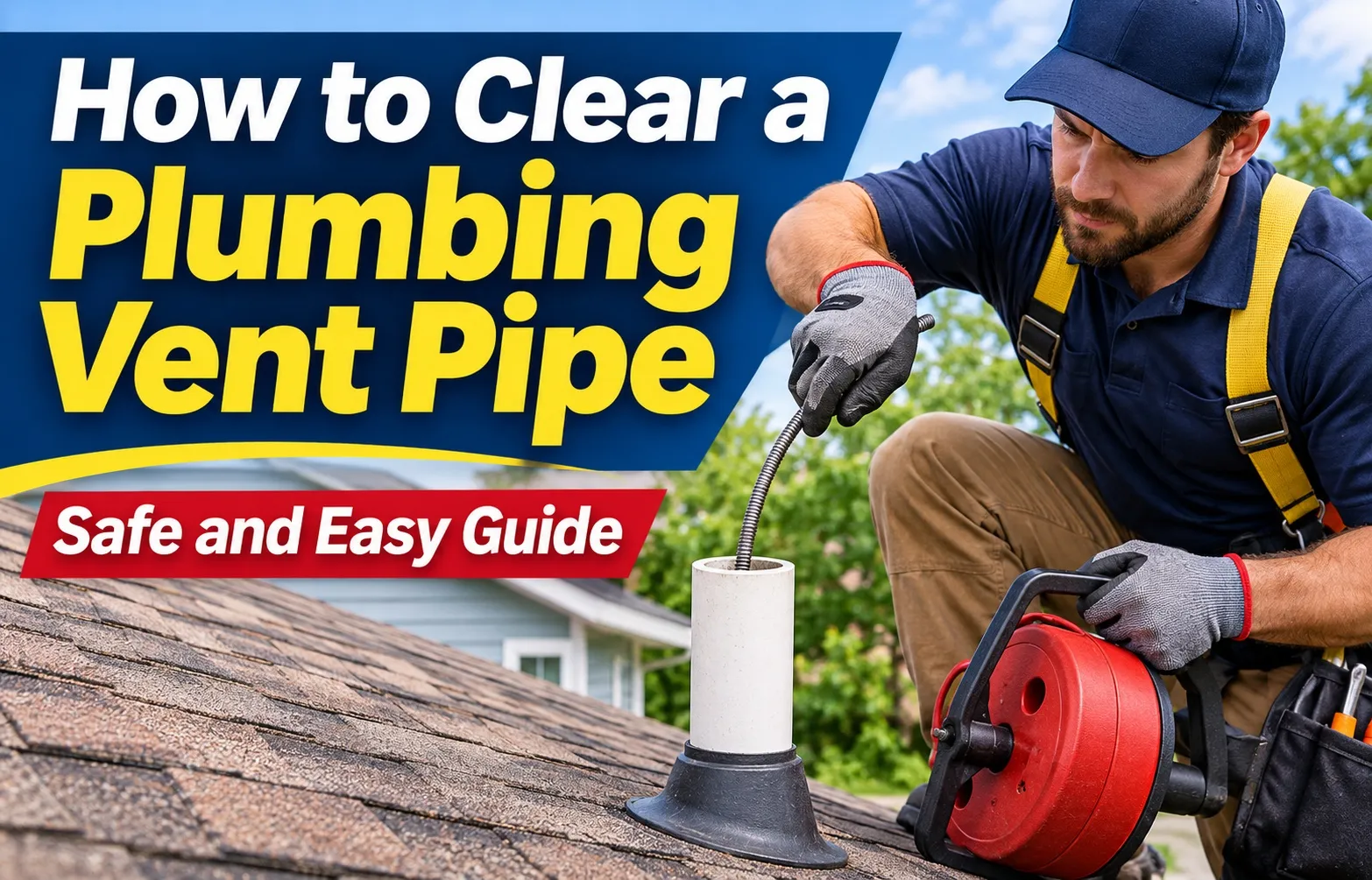 To clear a plumbing vent pipe, safely access the 3- or 4-inch vertical vent stack on your roof, remove visible debris by hand, and flush the line with a garden hose. For stubborn nests or mud blockages, feed a plumber’s snake down the pipe or extract trapped debris using a wet/dry shop vacuum. If roof access is unsafe, you can clear the stack from an accessible indoor cleanout.
Gathering your equipment and securing your work area before climbing a ladder prevents accidental roof falls, pipe joint damage, and indoor water backups.
Essential Tools and Materials Needed
Having the right tools ready on the ground saves multiple trips up and down your ladder. Most roof vent blockages can be cleared using standard household and basic plumbing gear:
- Garden Hose with an Adjustable Nozzle: Used at moderate water pressure to flush leaves, pine needles, and soft dirt down into the main sewer line.
- Manual or Electric Drain Snake (Plumbing Auger): A 25- to 50-foot flexible cable auger designed to hook and break apart dense bird nests, twigs, and compacted debris.
- Wet/Dry Shop Vacuum: Essential for suctioning out standing water and loose nesting material sitting on top of a stubborn clog before snaking.
- High-Lumen Flashlight: Needed to peer straight down the dark vertical vent stack and identify whether the blockage is organic debris, ice, or a structural pipe issue.
- Heavy-Duty Waterproof Gloves and Safety Glasses: Protects your hands and eyes from sharp twigs, stinging insects, bacteria, and concentrated sewer gas fumes.
- Plumbing Vent Cap or Wire Mesh Screen: Installed after clearing the pipe to stop leaves and wildlife from re-entering the roof vent.
Critical Roof and Pipe Safety Rules
Working around open roof vents combines fall hazards with exposure to pressurized water and sewer gases. Follow these non-negotiable precautions before starting the job:
- Never Climb on Wet, Icy, or Steep Roofs: Asphalt shingles lose traction instantly when damp or frosted. If your roof exceeds a moderate pitch or is two stories high, skip the climb and use an indoor cleanout or call a licensed plumber.
- Use Both a Ladder Spotter and an Indoor Spotter: Have one person stabilize the base of your extension ladder while another stays inside watching toilets and floor drains for bubbling or overflow during hose flushing.
- Avoid High-Pressure Water Jets on PVC Joints: Never use a pressure washer or high-velocity jet nozzle inside a roof vent. Excess water pressure can blow apart older or unglued PVC pipe fittings hidden inside your walls.
- Protect Yourself From Sewer Gas Inhalation: Open vent stacks release methane and hydrogen sulfide gases directly from your drainage system. Keep your face away from the pipe opening when removing debris or running water.
- Never Pour Chemical Drain Cleaners Down a Vent Pipe: Liquid chemical drain openers are heavier than water, produce toxic fumes in unventilated spaces, and can splash back onto your skin or degrade rubber roof flashing boots.
Signs Your Plumbing Vent Pipe Is Clogged (And What Causes It)
A clogged plumbing vent pipe disrupts air pressure across your home’s drainage system, causing gurgling drains, slow water flow in multiple fixtures at once, and rotten egg sewer odors indoors. Confirming these specific symptoms before climbing onto your roof ensures you are treating a blocked roof stack rather than an isolated sink P-trap clog.
Your plumbing system relies on the vertical vent stack to pull fresh air behind draining wastewater. When that airway is sealed off, water creates a vacuum inside the pipes and struggles to flow smoothly.
5 Tell-Tale Symptoms of a Blocked Roof Vent
Unlike a localized hair or grease clog that affects only one sink, blocked vent pipe symptoms typically appear across connected fixtures on the same branch line:
- Gurgling Noises From Nearby Drains and Toilets: Running a bathroom sink or draining a bathtub pulls air through the closest open trap, causing your toilet bowl or shower drain to glug and bubble loudly.
- Slow Drainage Across Multiple Fixtures Simultaneously: When air cannot enter behind wastewater, sinks, tubs, and showers drain sluggishly at the same time even after you clean their individual stoppers and P-traps.
- Rotten Egg or Sewer Gas Odors Indoors: Persistent foul smells around bathrooms, laundry rooms, or kitchen islands indicate that sewer gases are being forced past empty drain traps into your living space.
- Weak Toilet Flushing or Bubbling Bowl Water: A toilet may swirl lazily, fail to clear waste completely, or bubble violently when the washing machine drains nearby.
- Dry P-Traps Losing Their Water Seal: Negative air pressure inside unvented drain lines literally siphons the standing water out of U-shaped P-traps under sinks and floor drains, removing your home’s primary barrier against sewer fumes.
Common Culprits Blocking Your Vent Stack
Because plumbing vent pipes open directly to the sky without standard drain covers, outdoor debris and weather conditions routinely obstruct them:
- Autumn Leaves and Pine Needles: Overhanging trees drop wet leaves, acorns, and pine needles straight into open 3- or 4-inch roof pipes, where they compact into a dense, water-trapping plug at pipe bends.
- Bird, Wasp, and Rodent Nests: Warm air rising from your home’s plumbing attracts birds, squirrels, and paper wasps that build nests inside the upper mouth of the roof stack.
- Winter Ice and Hoarfrost Buildup: During freezing temperatures, warm, moist air rising from indoor showers condenses on the cold upper rim of the pipe and freezes inward until an ice blockage completely seals the opening.
- Heavy Shingle Grit or Roofing Debris: Aging asphalt shingles shed heavy mineral granules during rainstorms, while sloppy roof repairs can drop stray nails, shingle scraps, or insulation into unprotected vent openings.
Is a Clogged Plumbing Vent Pipe Dangerous?
Yes, leaving a clogged plumbing vent pipe unresolved poses genuine health and property risks. When negative air pressure siphons the water seal out of your P-traps, toxic sewer gases—including methane, hydrogen sulfide, and ammonia—enter your home continuously.
Low-level exposure to hydrogen sulfide triggers headaches, nausea, dizziness, and eye irritation, while trapped methane gas creates a combustion hazard in enclosed spaces. Prolonged pressure imbalances can also force wastewater backups through ground-floor tubs or basement floor drains during heavy water use.
How to Clear a Plumbing Vent Pipe From the Roof (Step-by-Step)
To clear a roof plumbing vent, locate the open vertical vent stack, remove surface debris by hand, and flush the line with a garden hose while an indoor spotter monitors drains. If the blockage resists flushing, feed a plumber’s snake down the stack or use a wet/dry shop vac to pull out trapped water and debris.
Work methodically from top to bottom so you clear the airway without forcing dense clogs deeper into your home’s drainage system.
Step 1: Locate the 3- or 4-Inch Vertical Vent Stack
Find the plain, open-topped vertical pipe protruding through your roof—typically a 3- or 4-inch PVC, ABS, or cast-iron pipe positioned above bathrooms, kitchens, or laundry areas. Unlike metal furnace or water heater exhaust flues, a plumbing vent stack has no rain hood, cap, or metal flue collar.
While locating the pipe, inspect the surrounding roof flashing and rubber pipe boot for cracks, lifted edges, or dry rot. Catching worn roof flashing early prevents roof leaks alongside your venting repair.
Step 2: Shine a Flashlight and Clear Surface Debris by Hand
Point a bright flashlight straight down the open vent pipe to see how far the blockage sits inside the stack. Look for visible leaves, pine needles, twigs, bird nests, or standing water near the top rim.
Wearing heavy-duty waterproof gloves, pull out loose surface debris by hand or with a bent wire hook. Avoid pushing leaves or nesting material down the pipe with your fingers, which packs the clog tighter inside narrow bends.
Step 3: Flush Soft Blockages With a Garden Hose
Insert a garden hose several feet into the vertical vent stack and turn the water on to a steady, moderate flow. Moving water helps break up soft organic matter, dirt, and light debris and carries it down toward the main sewer line.
Keep the water pressure moderate and never use a pressure washer or high-velocity jet nozzle on a vent pipe. Excessive water pressure can blow apart older or unglued PVC pipe joints concealed inside walls, and your indoor spotter should watch nearby toilets and floor drains immediately for any backup.
Step 4: Break Up Stubborn Clogs With a Plumber’s Snake
If water backs up in the vent stack or drains still gurgle, feed a manual or electric drain snake—also called a plumbing auger—slowly down the pipe. Gently twist and advance the cable until you feel resistance from compacted debris or a nest.
Work the cable back and forth to hook or break apart the obstruction without slamming it forcefully into pipe elbows. Once the resistance gives way, reel the snake back out smoothly and follow up with a moderate garden hose flush to clear remaining fragments.
Step 5: Extract Trapped Water and Loose Debris With a Wet/Dry Shop Vac
When standing water sits pooled above a dense clog inside the vent pipe, a wet/dry shop vac lets you pull the liquid and debris out cleanly. Seal the vacuum hose opening against the top of the vent pipe or insert it just above the waterline and run the suction.
Emptying trapped water first stops messy splash-back when you snake or flush the line again. After clearing the blockage with the shop vac or auger, run water briefly through the pipe to confirm clear flow toward the main sewer line.
How to Test Airflow and Prevent Future Vent Pipe Clogs
To confirm your plumbing vent pipe is completely clear, flush nearby toilets while running sink and bathtub faucets simultaneously and listen for quiet, steady draining without trap gurgling. Once normal airflow is verified, installing a wide-opening plumbing vent cap or coarse stainless steel mesh screen blocks leaves and wildlife from re-entering the pipe.
Completing a quick airflow test and adding physical protection before putting your ladder away saves you from repeating the climb next season.
How to Verify Your Vent Pipe Is Completely Clear
Run a full-system airflow test inside your home before wrapping up your tools:
- Flush and Drain Multiple Fixtures Together: Flush the toilet nearest the cleared stack while running water in the adjacent bathroom sink and tub to create peak drainage demand.
- Listen for Silent Trap Performance: Confirm water swirls away briskly without bubbling in the toilet bowl or gurgling noises coming from P-traps.
- Refill Dry P-Traps With Fresh Water: Run water for 15 to 20 seconds in every sink, shower, and basement floor drain so any trap siphoned dry by the old clog regains its protective water seal.
- Check for Lingering Sewer Odors: Ventilate the bathroom briefly and verify that rotten egg smells disappear once traps hold water and air moves freely through the roof stack.
Choosing the Right Plumbing Vent Cap or Mesh Screen
Selecting the right cover depends on your local climate and surrounding tree coverage:
- Mushroom Plumbing Vent Caps: Raised dome caps shield the vertical pipe opening from falling leaves, pine needles, and direct rain while leaving a wide perimeter gap for unobstructed air exchange.
- Coarse Galvanized or Stainless Steel Wire Mesh: A 1/4-inch to 1/2-inch hardware cloth screen secured over the stack with a stainless hose clamp keeps birds, wasps, and squirrels out without choking airflow.
- Frost-Free Vent Extensions: In cold northern regions, insulated or wider-diameter frost-free sleeves prevent warm, humid sewer air from freezing shut at the roof exit during sub-zero weather.
- Never Use Fine Window Screening: Avoid wrapping tight window mesh over a plumbing vent pipe; in freezing climates, rising moisture condenses on fine wires and freezes into a solid ice plug that blocks venting completely.
Seasonal Roof Vent Maintenance Tips
Simple annual habits keep your roof stack clear and watertight year-round:
- Inspect and Clear After Peak Leaf Drop: Check open roof vents in late autumn once nearby deciduous trees finish shedding leaves and twigs.
- Trim Overhanging Tree Branches: Keep limbs cut back several feet from your roofline to reduce leaf accumulation and stop squirrels from reaching the vent stack.
- Check the Rubber Roof Pipe Boot Annually: Inspect the rubber collar sealing the pipe to your shingles for sun-baked UV cracks or gaps, and install a slip-over repair collar early if the rubber begins splitting.
When to Call a Plumber (And What It Costs)
Hire a licensed plumber to unclog a vent pipe when your roof is steep or multi-story, standing water refuses to drain after snaking, or older cast-iron pipes block the auger. Standard professional roof-stack snaking typically costs $100 to $300, while difficult roof access or sewer camera inspections run $350 to $600 or more.
Recognizing when a blockage crosses from simple debris into structural damage or personal fall risk protects both your safety and your home’s plumbing.
Average Cost to Have a Plumber Unclog a Vent Pipe
Plumber pricing depends primarily on roof height, pitch, and whether specialized diagnostic gear is needed to locate a deep obstruction:
- Standard Single-Story Roof Stack Snaking ($100 to $300): Covers a routine service call and mechanical auger clearing when the vertical vent stack is easily accessible from a standard extension ladder.
- Steep or Two-Story Roof Access ($250 to $450): Requires extra safety rigging, taller ladders, or two technicians to reach high-pitched roofs safely.
- Sewer Camera Inspection Add-On ($290 to $640): Recommended if a snake hits a hard stop, allowing a licensed plumber to inspect the interior pipe wall for collapsed joints, tree roots, or heavy corrosion.
- Emergency After-Hours Dispatch ($150 to $400 surcharge): Calling on weekends, holidays, or late nights adds a premium trip fee on top of standard drain-cleaning labor.
5 Red Flags That Require a Licensed Plumber
Stop DIY troubleshooting and contact a licensed plumber immediately if you encounter any of these warning signs:
- Two-Story or Steeply Pitched Roofs: Multi-story roof safety requires commercial harnesses and stabilizer equipment; one slip costs far more than a standard drain service call.
- Cast-Iron Vent Pipes With Heavy Rust Scale: Older homes built before the 1970s often use cast-iron vent pipes that develop thick interior rust flakes, which can snag a DIY snake or crack under aggressive augering.
- Standing Water That Will Not Budge After Snaking: If water stays trapped in the stack after feeding 25 feet of cable down the pipe, the clog likely sits deep in a main drain branch or building trap.
- Suspected Collapsed or Cracked Underground Vent Lines: Mud, gravel, or shifting soil inside the lower stack signals a broken pipe underground that snaking cannot fix.
- Persistent Sewer Odors After Clearing the Stack: If rotten egg fumes continue indoors even after traps are full and the roof pipe flows freely, a cracked vent pipe inside a wall or a failed toilet wax ring may be leaking gas.
Frequently Asked Questions About Clogged Plumbing Vent Pipes
Quick, practical answers to common homeowner questions help you verify safe tools, water-testing methods, and targeted toilet venting fixes before starting repairs.
What can I use to unclog a vent pipe?
You can unclog a plumbing vent pipe using a garden hose at moderate flow, a manual or electric drain auger, a wet/dry shop vacuum, or a hooked wire for surface leaves. Start by clearing loose debris by hand before flushing with water or feeding a flexible snake down the vertical stack.
Can I pour water down my vent pipe?
Yes, running steady, moderate water from a garden hose down your vent pipe is an effective way to flush soft leaves and verify drainage. Always keep water pressure low to protect PVC pipe joints, and have an indoor spotter watch toilets and floor drains for bubbling or overflow.
What causes frequent drain and vent clogs?
Frequent drain and vent clogs usually result from overhanging trees dropping leaves and pine needles into unscreened roof pipes, birds or wasps building nests inside the stack, or improper horizontal vent slopes trapping condensation. Shared drain lines clogged with grease and hair also create recurring pressure backups.
How do I fix a toilet venting problem specifically?
To fix a toilet venting problem, clear leaves, nests, or ice from the dedicated roof vent stack serving your bathroom group. Next, inspect any under-sink Air Admittance Valve (AAV) in the bathroom to ensure it is not stuck closed, and verify the toilet wax ring seals tightly against sewer gas.

Oscar Vance | Master Plumber & Drainage Expert
Meet Oscar Vance, a licensed master plumber sharing practical solutions on residential repairs, preventive maintenance, and thoughtful home upkeep.