What is Copper Plumbing and Why Does It Remain the Gold Standard?
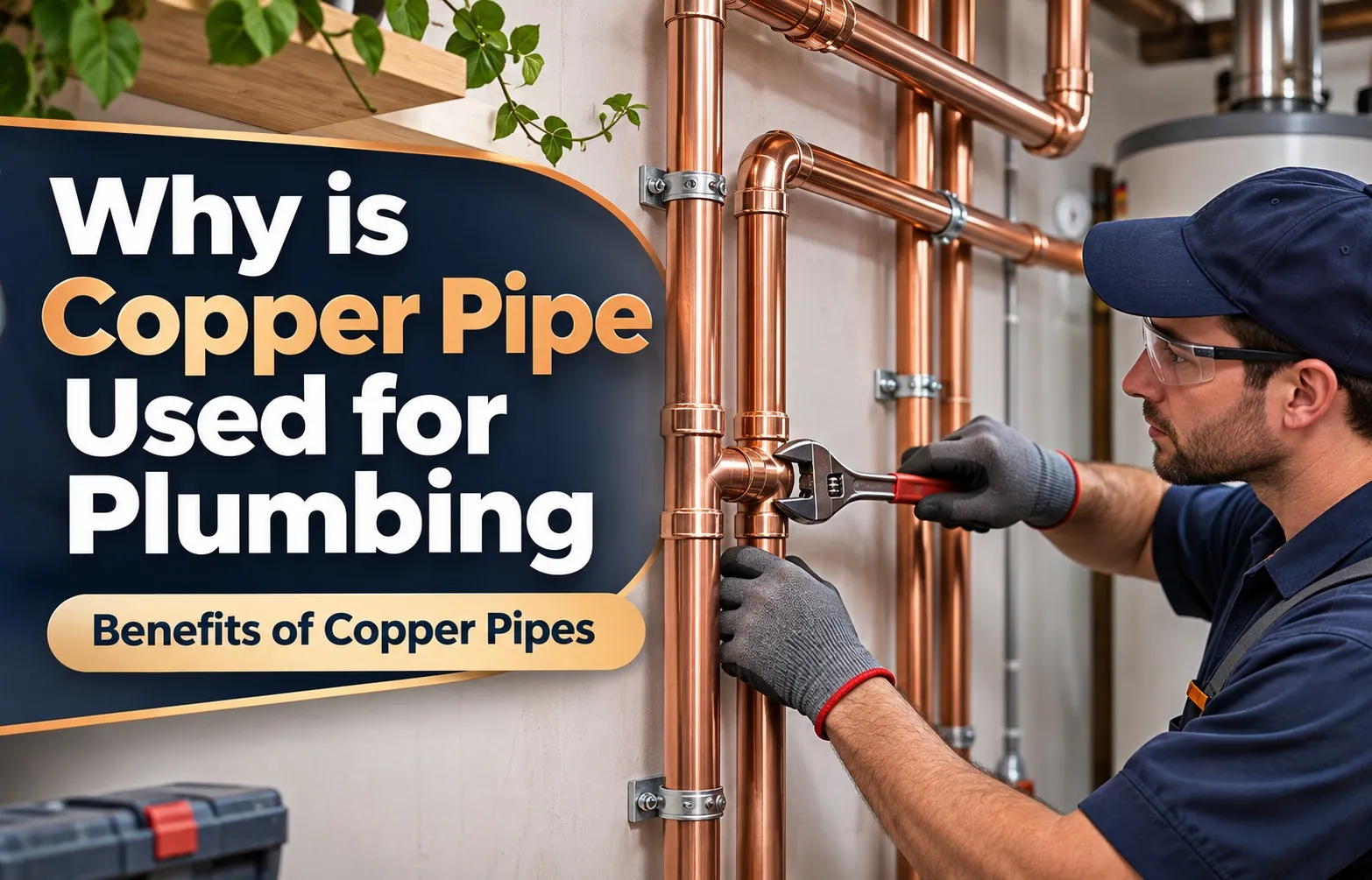 Copper pipe remains the gold standard for residential and commercial plumbing systems because it delivers an exceptional blend of unmatched durability, natural corrosion resistance, and verified drinking water safety that modern plastic alternatives struggle to match over decades of continuous use.
The Core Definition: Why Copper Has Dominated Homes for Decades
Copper piping consists of rigid or semi-rigid copper tubing utilized primarily for domestic water supply and hydronic heating lines. For generations, professional plumbers and building contractors have specified copper because it maintains structural integrity under extreme thermal fluctuations.
- It withstands high internal water pressure without structural fatigue or joint failure.
- It provides a dependable lifespan ranging between 50 to 70 years when properly installed and maintained.
- It resists ultraviolet degradation, making it suitable for both interior spaces and exposed exterior runs where sunlight hits.
Quick Snapshot: Key Benefits at a Glance
Evaluating why this material continues to dominate the plumbing industry requires looking at its core functional properties. Property owners, builders, and developers consistently choose copper for several fundamental reasons:
- Corrosion Resistance: Natural protective oxide layers shield the metal from mineral breakdown, rust, and chemical wear from treated water.
- Drinking Water Safety: The non-toxic composition ensures that harmful volatile organic compounds or synthetic additives never leach into tap water.
- Unrivaled Durability: Superior tensile strength prevents pipe sagging, resists physical impacts, and ensures reliable performance over generations.
The Core Benefits: Why Plumbers and Homeowners Choose Copper
Selecting the right piping material dictates the long-term safety, efficiency, and structural reliability of a building’s entire water delivery infrastructure.
Exceptional Durability and a 50–70+ Year Lifespan
Copper plumbing systems deliver unmatched structural reliability, regularly achieving a functional lifespan of 50 to 70 years or more with minimal degradation, making them a permanent infrastructure investment for residential and commercial structures.
- Resists oxidation and internal pitting under normal water conditions.
- Reduces long-term repair and replacement costs compared to fragile plastic alternatives.
- Maintains structural integrity across changing seasonal temperatures and shifting foundations.
Natural Antimicrobial Properties for Safe Drinking Water
The inherent biological properties of copper actively suppress and destroy harmful bacteria, mold, and microbes on contact, safeguarding indoor water supplies against biological contamination and ensuring pure household usage.
- Inhibits biofilm accumulation inside residential supply lines.
- Provides active bacteria prevention for potable water networks naturally.
- Ensures clean, odor-free water delivery straight from municipal entry points.
Superior Heat Resistance and High Water Pressure Tolerance
Copper handles aggressive thermal fluctuations and high pressure tolerance effortlessly, making it the premier choice for both high-temperature hot water distribution and heavy-duty hydronic heating loops without structural fatigue.
- Withstands extreme temperature surges without softening, warping, or cracking.
- Maintains consistent flow capacity under elevated municipal pressure ratings.
- Complies with rigorous engineering standards outlined in the Copper Development Association Guidelines for high-pressure installations.
Fire Resistance (Non-Combustible Material)
Unlike combustible plastic alternatives that melt or release toxic fumes under severe heat, copper is entirely non-combustible and provides a vital line of physical defense during building fires.
- Will not catch fire, melt, or feed flames within residential wall cavities.
- Prevents catastrophic water line breaches during localized thermal emergencies.
- Enhances overall structural fire safety and meets strict commercial building codes.
Rigidity Meets Malleability
Professional contractors value copper because its unique structural profile combines rigid linear stability with exceptional malleability, allowing for clean, precise installation via traditional soldering or modern press-fit connections.
- Stays straight along long wall runs without sagging or requiring excessive support brackets.
- Bends easily around architectural obstacles without compromising internal diameter or flow rate.
- Secures permanent, leak-proof joints utilizing expert soldering or secure press-fit connections.
Copper vs. PEX vs. PVC: The Ultimate Material Showdown
Choosing the right piping material requires balancing structural performance, environmental resistance, and installation costs. While traditional metal remains unmatched in longevity, modern plastic alternatives offer unique flexibility benefits for specific applications.
Copper vs. PEX: Which One Wins the Modern Debate?
Copper provides superior structural rigidity, fire protection, and pest resistance, whereas cross-linked polyethylene offers flexible routing and lower initial installation cost. Evaluating these two materials requires looking closely at how they handle environmental factors like thermal expansion and ultraviolet exposure.
- Installation Cost: Flexible plastic alternatives require fewer fittings and reduce labor hours, making them significantly cheaper to install upfront than rigid metal piping.
- UV and Pest Resistance: Metal pipe is completely immune to rodent chewing and direct sunlight, while cross-linked polyethylene degrades quickly under UV light and is vulnerable to pests.
- Thermal Expansion: Metal maintains strict linear stability during temperature fluctuations, whereas flexible plastic lines expand significantly when carrying hot water.
Where PVC and CPVC Fit Into the Equation
Polyvinyl chloride and chlorinated polyvinyl chloride serve specialized roles in building infrastructure, primarily handling drainage, venting, and high-pressure supply lines rather than standard interior potable water distribution. Understanding these differences prevents costly installation errors.
- Drainage and Venting: Standard PVC is the definitive industry standard for non-pressurized drain, waste, and vent systems across residential buildings.
- Temperature Limitations: Standard formulations deform under hot water conditions, requiring chlorinated variants when rigid plastic lines must carry higher temperatures.
- Rigid Applications: Both rigid plastic materials maintain straight runs similar to metal systems but lack metal’s non-combustible fire resistance.
Comprehensive Comparison Table
A direct performance evaluation clarifies how traditional metal stacks up against plastic alternatives across key operational metrics.
The Cost Paradox: Why Pay More for Copper?
While copper carries a higher upfront material cost and requires skilled labor for installation, it ultimately delivers superior long-term economy through a lower total cost of ownership and enhanced property valuation over decades.
Understanding the Initial Investment vs. Long-Term Value
Investing in metal piping requires a higher initial financial commitment due to raw material pricing and professional soldering labor. However, evaluating the total cost of ownership reveals that avoiding frequent repairs and premature replacements makes metal significantly more cost-effective over its 50-year lifespan.
- Upfront material cost includes premium raw metal pricing and specialized installation tooling.
- Skilled labor demands professional torch soldering or press-fitting expertise rather than simple push-to-connect fixes.
- Total cost of ownership balances expensive initial setup against zero maintenance over decades of operation.
How Copper Boosts Home Resale Value
Installing a robust metal water supply infrastructure directly enhances home resale value by signaling superior construction quality to prospective buyers and home inspectors. Real estate markets routinely favor properties built with durable materials that eliminate hidden water damage risks.
- Home inspectors explicitly note durable metal supply lines as a major asset during pre-purchase evaluations.
- Buyers gain long-term peace of mind knowing the plumbing system resists aging and catastrophic leaks.
- Property appraisal values reflect the premium investment grade of non-degrading metallic infrastructure.
Hidden Savings: UV Resistance and Pest Protection (Mice Proof)
Beyond standard interior performance, metal piping provides critical hidden savings by completely eliminating structural vulnerabilities caused by UV degradation and rodent intrusion. These natural defense properties prevent costly remediation work common in modern plastic setups.
- UV degradation destroys exposed plastic lines under sunlight, whereas metal remains completely immune to solar breakdown.
- Rodent chewing protection stops mice and rats from gnawing through supply lines inside crawlspaces and wall voids.
- Eliminating pest-induced leaks saves homeowners thousands of dollars in emergency mitigation and water damage restoration.
The Dark Side: Common Downsides and Failure Points of Copper
A comprehensive evaluation requires examining potential failure points, including chemical sensitivity, freezing risks, and hydraulic noise challenges that property owners must manage.
Pinhole Leaks and Pitting Corrosion (The Impact of Low pH Water)
Low pH water and excessive flow velocities can gradually strip away the protective interior oxide layer, resulting in localized pitting corrosion and costly pinhole leaks over time. Understanding water chemistry helps prevent unexpected plumbing failures in residential systems.
- Acidic Water Exposure: Water with a low pH level actively corrodes interior walls, accelerating mineral breakdown and metal thinning.
- Water Velocity Wear: Excessive pump pressure or aggressive flow rates scour away protective pipe coatings over extended periods.
- Mitigation Measures: Installing whole-home acid neutralizers or water treatment filters stabilizes chemical levels and protects pipe longevity.
Vulnerability to Freezing and Bursting in Extreme Cold
Rigid metal lacks the elasticity needed to accommodate expanding ice crystals, meaning that uninsulated lines exposed to extreme freezing temperatures will frequently split or burst. Protecting exterior or unheated basement runs is essential to avoid catastrophic water damage.
- Lack of Elasticity: Unlike flexible synthetic alternatives, rigid metal cannot stretch when trapped water turns into solid ice.
- Pipe Bursting Risks: Severe internal ice expansion exerts immense pressure, causing metal walls to crack open along seams.
- Insulation Protocols: Wrapping vulnerable exterior lines with thermal sleeves prevents freezing events during severe winter weather.
Addressing Water Hammer and Acoustic Expansion Noise
Sudden valve closures create hydraulic shock waves known as water hammer, which generates loud banging sounds and stresses pipe joints unless appropriate dampening arrestors are installed. Proper system design also accounts for thermal expansion clicking noises inside tight wall cavities.
- Hydraulic Shock: Rapidly shutting off faucets sends violent pressure spikes backward through the rigid network.
- Expansion Noise: Metal pipes rubbing against wooden framing during temperature shifts produce characteristic ticking or clicking sounds.
- Acoustic Mitigation: Installing dedicated water hammer arrestors and securing lines with insulated brackets absorbs mechanical shock waves.
Frequently Asked Questions
Addressing common homeowner anxieties and technical uncertainties provides clarity on long-term plumbing investments, material durability, and professional trade practices.
Do plumbers prefer PEX or copper today?
Professional plumber preferences depend heavily on the specific application, budget, and project requirements. While PEX is increasingly favored for fast residential retrofits and cost-saving layouts, copper remains the top choice for exposed runs, custom craftsmanship, and long-term durability.
- Contractors appreciate cross-linked polyethylene for its rapid installation speed and reduced fittings in complex wall cavities.
- Master plumbers still prefer rigid metal for exposed basement main water lines and high-end architectural applications.
- Many modern projects utilize hybrid designs combining flexible supply lines with rigid metal entry points.
Should I buy a house with copper pipes?
Purchasing a home with copper water lines is generally viewed as a major asset during a home buying inspection because the material is exceptionally durable, reliable, and resistant to degradation. However, buyers should always verify local water quality and check for rare pinhole pitting caused by acidic water.
- Inspectors routinely rank durable metallic infrastructure as a positive indicator of overall construction quality.
- Existing systems rarely require replacement unless local water chemistry has caused historical pitting corrosion.
- Buyers gain confidence knowing the home avoids common failure risks associated with older synthetic materials.
What do plumbers use now instead of copper pipe?
When modern plumbing projects shift away from rigid metal, professional contractors primarily utilize cross-linked polyethylene for interior supply lines and rigid PVC or CPVC for drainage and venting applications. These synthetic materials offer lower material costs and faster installation timelines.
- PEX has largely replaced metal for hidden wall runs due to its flexibility and resistance to freezing splits.
- Rigid plastic alternatives handle waste removal and venting where high-pressure metal strength is unnecessary.
- Old plumbing replacement projects frequently transition to synthetic lines to minimize labor expenses.
How many years do copper water pipes actually last?
Properly installed copper water supply lines routinely last between 50 to 70 years, often outliving other major components within the home infrastructure. Their ultimate longevity is heavily influenced by municipal water chemistry, installation quality, and maintenance history.
- Standard installations provide decades of reliable service across residential water lines without structural failure.
- Aggressive water chemistry with low pH levels can shorten this lifespan if protective oxide layers degrade prematurely.
- Routine monitoring of water conditions preserves the integrity of the pipe lifespan for generations.

Oscar Vance | Master Plumber & Drainage Expert
Meet Oscar Vance, a licensed master plumber sharing practical solutions on residential repairs, preventive maintenance, and thoughtful home upkeep.