How Much Do HVAC Business Owners Make?
 HVAC business owners typically take home between $70,000 and $150,000+ per year, with national averages landing around $86,000 to $107,000 annually. However, total compensation varies dramatically based on operational scale, local climate demand, and whether the owner operates as a solo technician or manages an enterprise crew.
Average Annual HVAC Business Owner Salary
Understanding the realistic HVAC business owner salary requires looking beyond top-line figures to examine actual net take-home pay across different operational stages. Earnings scale upward as contractors transition from manual field labor to strategic business management.
- Solo Operators: Typically net between $40,000 and $90,000 by handling all field labor and administrative tasks single-handedly.
- Small Team Owners: Managing 1 to 3 technicians yields an average annual income ranging from $70,000 to $130,000, often constrained by initial overhead growth.
- Established Enterprise Leaders: Owners scaling past mid-sized operations with multiple crews frequently pull $180,000 to over $500,000 annually through structured company growth.
Gross Revenue Versus Actual Take-Home Pay
Gross revenue represents the total money generated by job billings, whereas net take-home pay is the actual cash the owner keeps after covering all operating expenses. Confusing these two financial metrics is the primary reason many trade business ventures struggle with cash flow.
Successful heating and cooling contractor earnings are rarely distributed through a single simplified paycheck. Instead, smart owners optimize personal finances and tax liabilities through dual compensation frameworks:
- W-2 Salary: A reasonable, fixed payroll wage that covers personal living expenses and satisfies strict tax agency requirements for active owner-operators.
- Profit Distributions: Periodic owner draws taken from net operating profits after all business liabilities, fuel, fleet maintenance, and payroll burdens are fully paid.
- Corporate Retained Earnings: Capital left inside the business account to build emergency reserves, purchase new service vehicles, or fund local marketing campaigns.
The HVAC Revenue Ladder: Company Scale vs. Owner Take-Home Pay
Annual company revenue and business scale act as the primary determinants of an HVAC contractor’s personal income. As heating and cooling companies evolve from solo field setups to multi-crew operations, owner compensation transitions from direct labor earnings to strategic enterprise management revenue.
Solo Operators (Under $500k Revenue)
A solo operator running a single van and performing all labor single-handedly typically generates under $500k in annual company revenue. While overhead remains minimal, income is strictly capped by billable hours and personal physical stamina.
- Labor Model: The owner acts as the primary technician, salesperson, and dispatcher.
- Net Profit Margin: Maintains high margins ranging between 25% and 35% due to very low administrative overhead.
- Earnings Constraint: Personal compensation plateaus because total billable output relies entirely on a single person’s hours in the field.
Small Teams & Growing Shops ($500k – $1M Revenue)
Scaling into a small team with 1 to 3 field technicians pushes annual company revenue between $500k and $1M. However, net profit margins often contract temporarily due to sudden spikes in vehicle leases, insurance, and payroll burdens.
- Operational Shift: The business transitions from pure labor execution to foundational team delegation.
- Net Profit Margin: Frequently compresses down to 5% to 15% during the initial growth transition.
- Owner Take-Home Pay: Ranges from $70,000 to $130,000 as owners absorb new operational liabilities before stabilizing systems.
Mid-Size Enterprises ($1M – $3M Revenue)
A mid-size HVAC company generating $1M to $3M in annual revenue achieves stable enterprise scaling by introducing structured technician management and diversified service offerings. Systems and dispatch software absorb the operational weight, driving higher profitability.
- Team Structure: Employs dedicated field crews, office coordinators, and formal dispatch workflows.
- Net Profit Margin: Recovers and stabilizes between 12% and 18% through optimized route planning and bulk purchasing.
- Owner Compensation: Cleanly scales between $120,000 and $220,000 as owner focus shifts toward growth strategy rather than tool work.
Large-Scale Operations ($3M+ Revenue)
Operating large-scale enterprises exceeding $3M in annual revenue shifts the owner’s role entirely away from technical service toward executive leadership, asset growth, and multi-crew coordination. These established market leaders command premier local pricing power.
- Management Hierarchy: Utilizes general managers, field supervisors, and dedicated customer service departments.
- Net Profit Margin: Expands efficiently between 15% and 22% due to economies of scale and high-volume commercial contracts.
- Owner Take-Home Pay: Frequently clears $180,000 to over $500,000 annually through combined salaries, performance distributions, and business equity value.
Why Profits Crater: Unpacking the $1M “Overhead Trap” and P&L Realities
Transitioning from a solo operator to an employer often causes profit margins to plummet from 30% down to 5%. This phenomenon, known in the trade industry as the overhead trap, occurs because fixed operating costs spike exponentially with your first few technician hires long before revenue catches up.
The Dangerous Transition from Solo Tech to Employer
Moving from a solo van operator to a small team is the riskiest financial phase of running a heating and cooling company. When owners hire their first one to three technicians, gross revenue may increase, but profit margins frequently crater because labor utilization drops and supervisory overhead spikes.
- The Productive Hour Loss: A solo tech bills nearly 100% of their working hours, whereas an owner managing a small team spends significant hours dispatching, quoting, and fixing field errors.
- Premature Scaling Friction: Adding trucks and payroll before securing enough recurring service volume creates severe financial drag on monthly financial reporting.
Hidden Line-Item Expenses That Kill Profit Margins
Operational profitability is consistently eroded by hidden expenses that go far beyond base hourly wages. Analyzing a detailed P&L statement reveals that labor and fleet maintenance costs often double once insurance and vehicle liabilities are factored in.
- Payroll Burden & Taxes: Worker’s compensation insurance, mandatory state taxes, and employer contributions add 20% to 35% on top of base technician wages.
- Fleet Management Overhead: Commercial vehicle leases, auto insurance policies, fuel costs, and regular mechanical repairs escalate rapidly with every added service van.
- Digital Tech Stack: Monthly subscriptions for field service management software, digital dispatching tools, and specialized diagnostic equipment compound fixed monthly expenses.
The Working Capital Runway Required to Survive
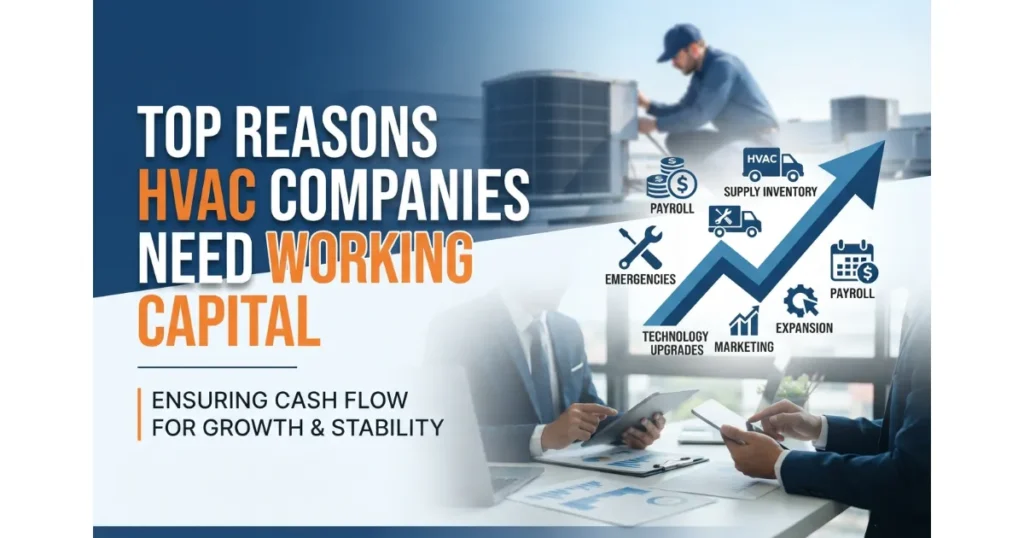
Surviving the overhead trap requires maintaining a strict working capital reserve equal to at least three months of total business operating expenses. Without this cash buffer, delayed customer payments can instantly choke operating cash flow and trigger payroll insolvency.
- Receivables vs. Payables Lag: Commercial clients and large system installations often take 30 to 60 days to settle invoices, whereas employee payroll and fuel bills are due weekly.
- Shoulder Season Buffer: Maintaining positive operating cash flow ensures the business can absorb revenue dips during mild spring and fall shoulder seasons when emergency repair calls slow down.
Gross Revenue vs. Net Pay: How Owners Optimize Taxes and Take-Home Income
Bridging the gap between high gross corporate revenue and personal take-home pay requires a deliberate tax strategy. Trade business owners who fail to structure their entities correctly lose tens of thousands of dollars annually to excessive self-employment taxes and unoptimized cash flow management.
Structuring Your Business: S-Corp vs. Sole Proprietorship
Operating as a sole proprietorship exposes your entire net profit to heavy self-employment taxes, whereas electing an S-Corporation status lets you split earnings into a reasonable W-2 salary and tax-free profit distributions, significantly lowering your annual tax burden.
Minimizing Self-Employment Taxes Legally
Minimizing self-employment taxes legally depends on establishing a compliant W-2 compensation baseline that satisfies tax authorities while keeping remaining earnings classified as profit distributions exempt from standard FICA payroll taxes.
- Reasonable Compensation Standard: Tax agencies require a fair market W-2 salary matching what you would pay an outside manager for equivalent work.
- Distribution Leverage: Earnings drawn above your baseline salary bypass self-employment tax levies, directly increasing net take-home earnings.
Managing Cash Flow Timing on Commercial and Residential Jobs
Controlling accounts receivable timing is essential because commercial contracts often enforce 30-to-60-day payment terms, creating severe cash flow gaps that can disrupt payroll and daily material purchases even when annual revenue targets look exceptionally strong on paper.
- Receivables Buffer: Implementing strict deposit requirements (such as 50% upfront on installs) prevents long invoice cycles from locking up operating capital.
- Strategic Invoicing: Aligning billing cycles directly with project milestones protects working capital and ensures smooth cash flow throughout the operational year.
3 Operational Levers High-Earning HVAC Owners Use to Maximize Profit
High-earning HVAC business owners clearing over $250,000 annually rely on strategic operational shifts rather than simply working longer field hours. Maximizing net take-home pay requires optimizing gross profit margins, smoothing seasonal cash flow dips, and building transferable business equity.
Lever 1: Prioritizing High-Margin Service & Repair Over New Installs
Residential service and repair work consistently yields a much higher gross margin ranging from 50% to 65%, compared to residential new equipment installations which hover between 35% and 50%. While construction installs bring high top-line revenue, they absorb massive equipment costs and labor bids that compress net take-home earnings.
- Diagnostic Pricing Power: Service calls establish high-margin recurring relationships and immediate diagnostic fees before major labor is committed.
- Labor Efficiency: Repairs require fewer team members per ticket, protecting net profit margins from runaway payroll burdens.
Lever 2: Building Recurring Maintenance Agreements (RMAs) for Shoulder Seasons
Recurring maintenance agreements insulate businesses against severe revenue drops during mild spring and fall shoulder seasons when emergency heating and cooling repair calls slow down. These prepaid membership models secure predictable cash flow and create a steady stream of high-converting system replacement leads.
- Seasonal Smoothing: Ensures steady technician utilization and constant cash flow when extreme weather demands temporarily taper off.
- Customer Lifetime Value: Plan subscribers purchase filter changes, seasonal tune-ups, and eventual system upgrades at a much higher retention rate.
Lever 3: Driving Long-Term Wealth Through Company Valuation and Exit Multiples
True wealth generation for trade owners stems from building transferable company equity rather than relying solely on annual income. Established HVAC businesses are evaluated through standard financial multiples, rewarding owners who maintain clean financial reporting and documented client lists. According to industry valuation benchmarks reported by sources like BizBuySell Business Insights, successful trade enterprises command robust market returns.
- SDE and EBITDA Multiples: Clean operations typically value at 2.4x to 3.8x Seller’s Discretionary Earnings (SDE) or 4x to 6.5x EBITDA.
- Exit Readiness: Documented maintenance contracts and automated dispatch systems make an HVAC shop highly attractive to private equity firms and regional consolidators.
Frequently Asked Questions About HVAC Business Ownership
Evaluating trade business ownership requires clear answers regarding realistic income potential, operational stressors, and the most lucrative service offerings in the heating and cooling industry.
Can HVAC business owners make $200k+ a year?
Yes, established HVAC business owners frequently clear $200,000+ per year once their companies scale past the $1 million revenue threshold and transition from manual field labor to executive management. High-earning contractors combine W-2 salaries, corporate profit distributions, and strong commercial contracts to maximize trade business ownership income.
- Revenue Milestones: Owners typically reach the $200k+ earnings bracket when operating mid-size to large enterprises with four or more technicians.
- Diversified Contracts: Combining high-ticket installations with commercial contracts accelerates personal take-home pay.
Is owning an HVAC company high stress?
Owning an HVAC company involves high operational stress due to unpredictable emergency repair calls, seasonal demand surges, and technician management challenges. However, implementing structured dispatch workflows, automated field service software, and robust emergency coverage rosters helps mitigate daily anxiety and protects overall business profitability.
- Managing Emergency Calls: Establishing clear on-call rotations prevents burnout among both technicians and owner-operators.
- Operational Systems: Leveraging modern management tools minimizes day-to-day firefighting and stabilizes company workflows.
What are the most profitable services in an HVAC business?
Residential diagnostic service calls and indoor air quality upgrades yield the highest profitability, boasting gross margins between 50% and 65%. While new equipment installations drive massive top-line HVAC sales, specialized repair services and recurring maintenance agreements deliver the dependable cash flow required for long-term growth.
- Service vs. Installation: Diagnostic and repair calls require lower material overhead than full system replacements, protecting net margins.
- High-Margin Add-Ons: Offering air purification systems and specialized diagnostics significantly boosts average ticket sizes per service visit.

Oscar Vance | Master Plumber & Drainage Expert
Meet Oscar Vance, a licensed master plumber sharing practical solutions on residential repairs, preventive maintenance, and thoughtful home upkeep.