Can You Use Electrical Tape Instead of Wire Nuts?
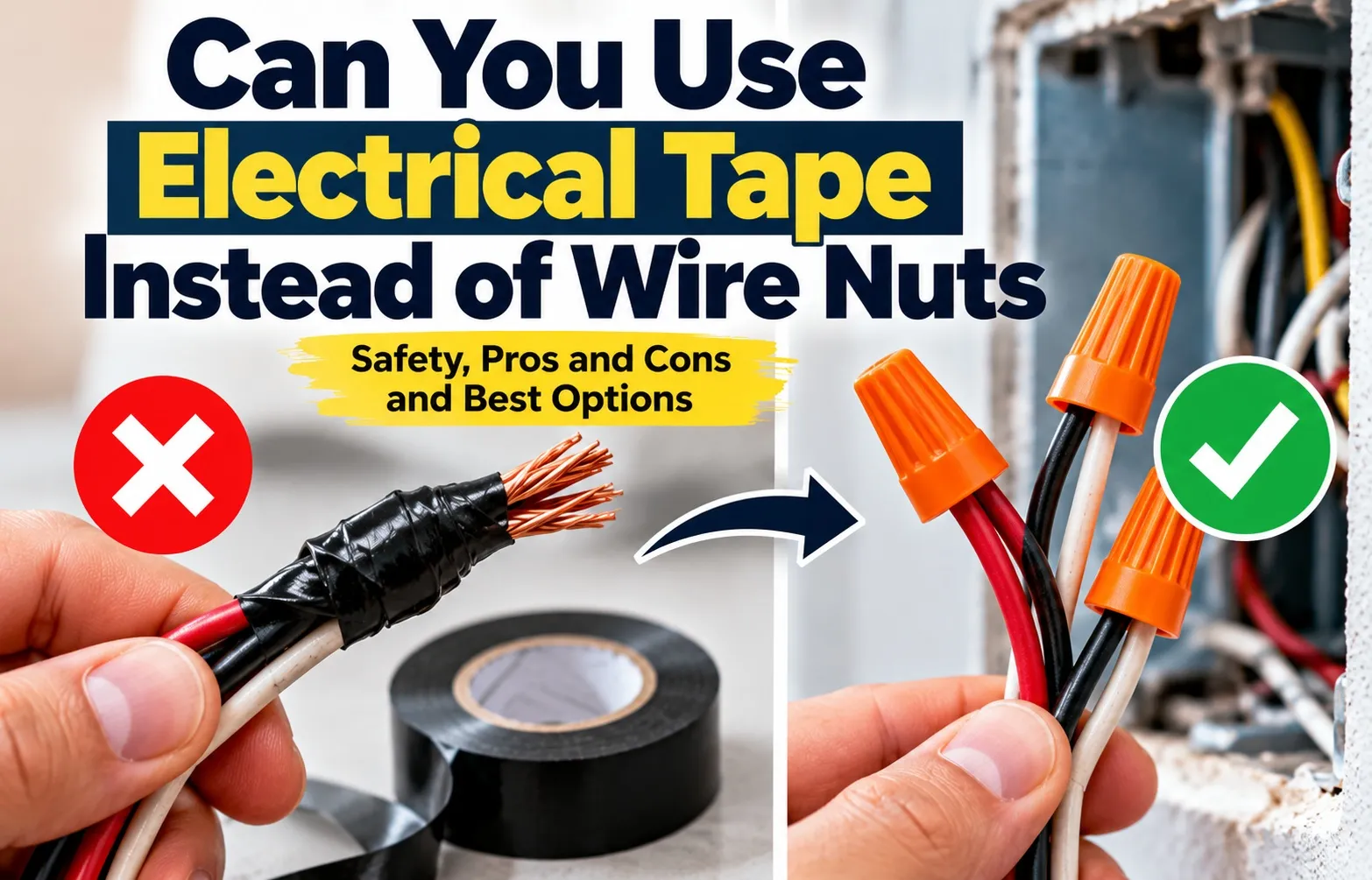 No, you cannot use electrical tape as a substitute for wire nuts in standard household wiring. Electrical tape is designed exclusively to insulate electrical conductors, whereas wire nuts provide the essential mechanical pressure needed to physically secure conductor wires together inside a junction box.
Electrical Tape vs. Wire Nuts
Using electrical tape alone on a bare copper splice creates an unsafe, non-compliant connection that violates national safety standards. A proper electrical connection requires both mechanical strength and electrical insulation to function safely over time.
- Electrical Tape Alone: Acts solely as an insulator. It offers zero mechanical restraint, degrades under normal temperature fluctuations, and allows twisted copper wires to loosen, spark, or pull apart under strain.
- Wire Nuts (Twist-On Wire Connectors): Serve as dual-purpose safety devices. The internal steel spring compresses bare copper wires together under continuous pressure while the outer shell insulates the live connection.
- The Only Acceptable Use for Tape: Wrap electrical tape around an already installed, properly twisted wire nut for extra protection in high-vibration or high-moisture environments. Tape should never serve as the primary holding mechanism.
Why Electrical Tape Alone Is Dangerous
Relying on vinyl electrical tape as your primary wire joiner introduces severe electrical and fire hazards inside wall cavities and switch boxes. Over time, physical stress and electrical current degrade the adhesive bond completely.
- Adhesive Failure & Degradation: As current flows through conductors, ambient heat builds up inside junction boxes. Thermal cycling causes tape adhesive to soften, dry out, and slip away, exposing bare, energized copper wires.
- Electrical Arcing & Fire Risk: Without a pressure connector holding the conductors tightly together, tiny air gaps form between the wire strands. Electrical current jumps across these gaps, creating high-temperature arcs that ignite surrounding materials.
- Zero Physical Strain Relief: Electrical tape stretches when pulled. If a cable is tugged or bumped during installation, taped splices pull apart easily, leading to immediate short circuits or open grounds.
Why Electrical Tape Fails as a Primary Connector
Electrical tape is designed exclusively to provide electrical insulation, not structural support or mechanical tension. Understanding the physics, materials science, and thermal behavior of electrical tape highlights why relying on it as a primary wire connector creates serious physical and electrical failure points over time.
Lack of Mechanical Security & Pressure Connection
Safe electrical splices require continuous mechanical clamping pressure to maintain solid surface contact between copper conductors. Wire nuts use internal steel springs to bite into bare copper strands, while lever nuts exert constant spring-clamp force. Electrical tape cannot deliver this continuous pressure connection.
- Absence of Clamping Force: Electrical tape offers zero mechanical clamping strength. Without physical pressure holding the conductors tight, copper strands shift apart under subtle vibrations or thermal shifts.
- Zero Physical Strain Relief: Vinyl electrical tape stretches and yields under tension. If a wire within a junction box is pulled or jostled, the tape gives way easily, exposing live wire conductors and creating open circuits.
- Vibration and Structural Movement: Household vibrations—caused by closing doors, foot traffic, or nearby HVAC systems—gradually pull taped wires apart, creating dangerous loose connections.
Thermal Degradation & Adhesive Failure Over Time
Every energized electrical circuit experiences temperature fluctuations as electrical current passes through copper conductors. This repeated heating and cooling process, known as thermal cycling, rapidly degrades vinyl electrical tape and its underlying adhesive layer.
- Adhesive Degradation & Melting: The pressure-sensitive rubber or acrylic adhesive on electrical tape softens, melts, and turns into a gooey residue under heat buildup. Over months or years, the adhesive dries out completely, loses stickiness, and unspools.
- Thermal Cycling Effects: As wires expand under electrical load and contract when de-energized, the wrapped tape stretches and shifts. Because vinyl lacks elastic memory under prolonged tension, it sags rather than snapping back into shape.
- Gapping and Shrinkage: Age, ambient humidity, and temperature changes cause vinyl backing to shrink, leaving gaps that expose bare copper splices inside wall boxes.
Fire, Arcing, and Short-Circuit Hazards
When the mechanical connection fails and tape adhesives degrade, the risk of catastrophic electrical failure increases significantly inside junction boxes and switch enclosures.
- Electrical Arcing: As copper strands separate, electrical current jumps across the microscopic air gaps between loose wires, generating high-temperature electrical arcing (micro-arcs capable of exceeding thousands of degrees Fahrenheit).
- Heat Buildup & Thermal Runaway: Loose connections increase electrical resistance at the splice point. High resistance converts flowing current into intense, localized heat buildup that can char surrounding building material.
- Short Circuits and Fire Hazards: Once electrical tape unravels or slips off a splice, bare energized conductors can touch grounded metal enclosures, ground wires, or adjacent neutral lines. This causes immediate short circuits and creates a severe home fire hazard.
What Does the National Electrical Code (NEC) Say?
From a legal and electrical safety perspective, wire splices must strictly adhere to the standards outlined by the National Electrical Code (NEC). The code establishes clear requirements for physical wire connections to prevent building fires and electrical hazards.
NEC Article 110.14 Compliance Demands
NEC Article 110.14 governs electrical connections, splices, and terminal fittings in residential and commercial installations. It establishes specific criteria that every conductor splice must satisfy before it can be considered code-compliant.
- Approved Pressure Connectors: NEC Article 110.14(B) explicitly states that conductors must be spliced using splicing devices identified for the specific use or by brazing, welding, or soldering. Approved pressure connectors—such as twist-on wire nuts, lever nuts, or crimp sleeves—are required to maintain mechanical integrity.
- UL-Listed Requirements: All wire splicing devices must be UL-listed (Underwriters Laboratories) and used strictly within their rated wire combinations, gauge capacities, and voltage limits.
- Equivalent Insulation Mandate: The code requires that any insulation applied over a splice must be equivalent in electrical insulation properties to the original conductor insulation. While electrical tape provides insulation, it lacks the required pressure-connector rating.
Is It Illegal to Splice Wires with Only Electrical Tape?
Splicing line-voltage (120V/240V) conductors using only electrical tape violates national electrical codes and local building regulations. While “illegal” in residential wiring typically manifests as building code violations rather than criminal charges, unapproved splices carry severe practical consequences.
- Failed Building Inspections: An electrical inspector will instantly fail any project that contains taped wire splices without proper mechanical connectors inside junction boxes.
- Denied Home Insurance Claims: If an electrical fire originates from an unapproved, non-code-compliant wire splice, insurance investigators can cite code violations to deny coverage.
- Junction Box Enclosure Mandate: NEC regulations also require all wire splices to be housed inside an accessible junction box. Taped splices left loose in wall cavities represent a double code violation.
When IS Electrical Tape Allowed in Wiring?
While vinyl electrical tape must never replace a mechanical connector for line-voltage splices, it remains a valuable tool for secondary insulation, component protection, and circuit identification. Electrical tape plays several specific, code-compliant roles in electrical work when used correctly.
Wrapping Electrical Tape Over Wire Nuts: Necessary or Overkill?
Wrapping tape over an installed twist-on connector is generally not required by the National Electrical Code (NEC), provided the wire nut is properly sized, rated, and correctly torqued. However, applying electrical tape over a wire nut serves as a helpful secondary defense in specific working environments.
- Vibration Resistance: In environments exposed to mechanical motion—such as garbage disposals, ceiling fan housings, or machinery junction boxes—wrapping electrical tape around the base of the wire nut prevents loosening from continuous vibration resistance.
- Tight Metal Enclosures: When crowding multiple wire connectors inside a small metal junction box, taping over the wire nuts adds an extra barrier of secondary insulation against ground short circuits.
- Environmental Protection: Wrapping tape spiraling down from the plastic shell onto the wire jacket helps seal out dirt, debris, and incidental moisture in outdoor or sub-grade enclosures.
Color Coding Phase Wires & Low-Voltage Applications
Electricians frequently use colored vinyl electrical tape for phase identification and low-voltage wiring management, allowing clear communication of circuit roles across a installation.
- Phase Identification: When using multi-conductor cables (such as re-identifying a white neutral conductor as an ungrounded hot conductor in a switch loop), electrical code permits wrapping colored electrical tape around the wire ends to clearly mark phase wires.
- Low-Voltage Wiring: In low-voltage systems (such as doorbells, thermostat control cables, or landscape lighting operating under 30V), electrical tape can safely insulate minor splices where high mechanical strain and heat buildup are absent.
- Wire Pulling Assistance: Taping wire bundles together into a smooth, streamlined head prevents individual conductors from snagging inside conduit bends during wire-pulling operations.
Protecting Terminals on Receptacles and Switches
Wrapping vinyl electrical tape around the perimeter of duplex receptacles and light switches before mounting them into electrical boxes is a widespread industry safety practice.
- Preventing Accidental Grounding: A double wrap of quality vinyl electrical tape over side-exposed terminal screws prevents live terminals from touching grounded metal junction boxes or ground wires during device insertion.
- Increased Workmanlike Safety: Taping terminal screws protects future service technicians from accidental contact with energized side terminals when pulling switches or outlets forward out of a wall box.
- Clean Installation Standards: Ensures that exposed brass screws remain fully insulated, particularly inside narrow cut-in boxes or retrofitted plastic enclosures where box volume is limited.
Safe Alternatives: How to Connect Wires Correctly
Replacing unapproved electrical tape splices with code-compliant mechanical connectors ensures permanent electrical safety and structural reliability. Several UL-listed wire connection devices provide secure mechanical grip and robust insulation for residential wiring.
1. Twist-On Wire Connectors (Standard Wire Nuts)
Twist-on wire connectors are the traditional industry standard used in millions of homes. An internal conical steel spring bites into copper conductors as you twist the cap clockwise.
- Color-Coded Sizing: Wire nuts are color-coded (such as orange, yellow, red, and blue) to indicate their specific wire gauge capacity. Matching the correct connector size to your 12 AWG or 14 AWG wire combination is mandatory.
- Solid vs. Stranded Wire Compatibility: Standard wire nuts accept both solid and stranded copper wires, though pre-twisting conductors with lineman’s pliers is often recommended for multi-wire bundles.
- Secure Clamping Action: The tapered metal spring expands and locks onto the copper strands, maintaining high mechanical pressure that prevents wires from slipping apart.
2. Lever Nuts (WAGO Connectors – The Electrician Favorite)
Lever-actuated spring connectors have revolutionized residential and commercial electrical work by providing foolproof, vibration-resistant connections without manual twisting.
- Spring-Clamp Mechanism: Lifting the orange lever opens an internal cage clamp. Inserting a stripped wire and snapping the lever down locks the conductor under constant spring pressure.
- Mixed Wire Gauges & Types: WAGO lever nuts effortlessly connect solid, stranded, and fine-stranded wires across varying gauges (e.g., combining 12 AWG and 14 AWG conductors in a single block).
- Reusability: Unlike traditional wire nuts that distort wire strands and crack with age, lever nuts can be opened and reused multiple times during troubleshooting or remodels.
3. Push-In Wire Connectors
Push-in wire connectors provide a compact, tool-free solution for fast junction box wiring by utilizing internal stainless steel biting teeth.
- Solid Wire Application: Most standard push-in connectors are rated exclusively for solid copper wires (commonly 12 AWG and 14 AWG), making them ideal for standard home branch circuits.
- Permanent Insertion: Once pushed into the port, internal spring clips grip the wire tightly to prevent pull-out, though twisting and pulling back is typically required to remove solid conductors.
- Space-Saving Design: Their slim profile allows them to fit easily into overcrowded electrical boxes where traditional wire nuts take up too much physical volume.
Do Electricians Prefer Wago Connectors or Wire Nuts?
Modern professional electricians increasingly favor Wago lever connectors over traditional twist-on wire nuts, though both remain fully code-compliant when installed correctly.
- Speed and Reduced Hand Fatigue: High-volume residential contractors prefer lever nuts because they eliminate wrist strain from hand-twisting wire nuts and cut installation time in half.
- Reliability in Vibration Settings: Lever nuts maintain constant contact pressure regardless of thermal cycling or mechanical vibration, virtually eliminating callbacks for loose connections.
- Cost vs. Convenience: Twist-on wire nuts remain popular for budget-conscious DIYers due to their lower per-unit cost, while professionals weigh material cost against labor savings.
Troubleshooting Edge Cases: Practical Electrical Solutions
DIY homeowners frequently encounter unforeseen electrical challenges, such as mismatched wire nut sizes or damaged insulation. Addressing these real-world scenarios with code-compliant practices keeps electrical repairs safe and dependable.
What to Do If Your Wire Nut Is Too Large or Small
Using an incorrectly sized wire nut is a primary cause of loose wires and electrical failure. A wire nut that is too loose will slip off, while an undersized connector will split or fail to enclose the bare copper completely.
- Never Use Electrical Tape to “Thicken” Wires: A common Reddit hack involves wrapping bare copper with electrical tape to make a small wire bundle fit into a large wire nut. This is an extreme fire hazard because the spring cannot bite directly into the copper conductors.
- Consult the Manufacturer Sizing Chart: Always check the wire nut sizing chart printed on the packaging. Each color code (e.g., yellow, red, blue) defines a specific minimum and maximum gauge capacity (such as two 14 AWG wires up to three 12 AWG wires).
- Switch to Lever Connectors: If you lack the exact wire nut size for combining different conductor sizes (such as joining a thin 18 AWG fixture wire to a thick 12 AWG circuit wire), use a lever-style WAGO connector, which independently clamps different wire gauges safely.
Emergency Fixes: What to Do When You Run Out of Wire Nuts
Running out of twist-on connectors mid-project can be frustrating, but attempting a temporary wire connection with electrical tape alone inside a live circuit creates unnecessary safety risks.
- Turn Off Power at the Breaker: If you must pause a project to purchase proper connectors, shut off the circuit breaker, cap the energized wires individually with temporary single-wire caps, and close the junction box cover.
- Borrow Connectors from Unused Fixtures: Rather than leaving a temporary taped splice in a permanent circuit, relocate a properly rated connector from an unenergized device or temporary test setup.
- Use Approved Push-In Connectors: Keep a multi-pack of push-in connectors in your toolkit as a backup solution. They are widely available at hardware stores and provide an immediate, tool-free mechanical splice.
How to Fix an Exposed Wire Without Electrical Tape
When an existing wire has nicked or cracked outer insulation—but the underlying copper conductor remains undamaged—you must restore proper insulation without compromising long-term reliability.
- Apply Dual-Wall Heat Shrink Tubing: Slide a section of adhesive-lined heat shrink tubing over the exposed wire area and apply controlled heat. The inner adhesive layer melts and seals around the conductor, providing a durable, moisture-resistant repair superior to vinyl tape.
- Trim and Re-Strip the Conductor: If the outer insulation is damaged near the wire end, use a precise wire stripper to cut away the damaged section entirely and strip a fresh 1/2-inch segment of bare copper.
- Replace Heavily Damaged Conductors: If a nick cuts into the physical copper strand by more than 10%, the wire’s current-carrying capacity is compromised. The damaged wire section should be cut back or replaced entirely inside the box.
Frequently Asked Questions
Do you have to twist wires before using wire nuts?
While many modern twist-on wire connectors are rated to twist wires automatically as you screw them on, pre-twisting conductors with lineman’s pliers is strongly recommended for three or more wires or mixed solid and stranded wire combinations. Pre-twisting ensures a secure mechanical bond before the plastic connector cap is applied, preventing stray strands from folding over inside the nut.
Can electrical tape catch fire?
Quality vinyl electrical tape is flame-retardant and self-extinguishing under normal conditions, but it can still melt, burn, or catch fire if exposed to intense heat, open flames, or persistent electrical arcing. High-temperature arc faults can easily exceed the heat tolerance of standard vinyl tape, degrading the backing and igniting surrounding construction materials inside a junction box.
Can I use electrical tape instead of heat shrink tubing?
You can use electrical tape for basic low-voltage or temporary insulation, but it is not a direct or equivalent replacement for heat shrink tubing. Heat shrink tubing provides a seamless, permanent, and weather-resistant seal that will not unspool or leave a sticky residue over time, unlike pressure-sensitive vinyl tape.
Is it legal to have wire nuts inside an electrical panel?
Yes, the National Electrical Code (NEC Article 312.8) explicitly allows wire nuts inside a main circuit breaker panel or subpanel, provided the panel enclosure has adequate gutter space and is not overcrowded beyond wire fill capacities. Electricians commonly use wire nuts inside panels to extend short branch circuit conductors during service upgrades or breaker relocations.
Can you splice wires with just electrical tape in low-voltage systems?
While electrical tape is sometimes used for minor, low-risk splices in low-voltage applications (such as under-30V LED wiring, doorbell lines, or speaker wires), using dedicated crimp connectors, solderless terminal blocks, or lever nuts remains the preferred standard. Even in low-voltage systems, tape alone can loosen over time and cause intermittent power drops or signal failure.

Oscar Vance | Master Plumber & Drainage Expert
Meet Oscar Vance, a licensed master plumber sharing practical solutions on residential repairs, preventive maintenance, and thoughtful home upkeep.