What an Electrical Fire Smells Like
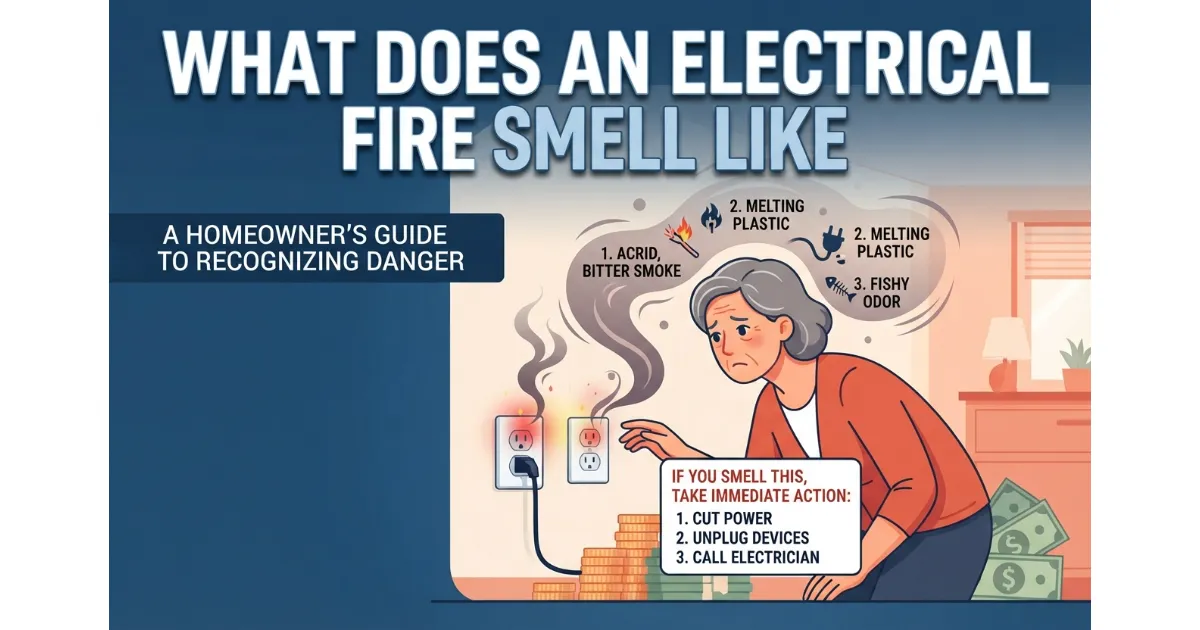 An electrical fire typically produces a sharp, acrid odor reminiscent of melting plastic, burning rubber, or overheated wire insulation. In some cases, faulty wiring or overloaded circuits can also emit a distinct, fishy chemical smell as electrical components and protective coatings begin to thermalize.
If you notice an unexplained burning odor indoors, immediate action is required to mitigate potential hazards. Recognizing these sensory warning signs quickly helps prevent catastrophic structural damage and safeguards everyone on the premises.
Recognizing the Odor of Electrical Malfunctions
Electrical fires have a signature scent caused by synthetic materials heating up rapidly under electrical stress. Because modern homes and offices contain extensive synthetic cabling, the resulting aroma is rarely a natural wood or paper smoke smell.
- Burning Plastic or Rubber: The most common indicator, resulting from overheating insulation or melting wire casings.
- Fishy or Chemical Smells: Often caused by electrical current overheating outlets, switches, or circuit breakers, which can degrade receptacle plastics and release amine-like vapors.
- Acrid and Pungent: A sharp, irritating odor that causes immediate discomfort in the nose and throat, signaling active arcing or short-circuiting.
Smell Right Now? Do This First
If you suspect an active electrical fire or detect a persistent burning plastic smell right now, safety must be your top priority. Do not waste time searching for the source if smoke or visible sparks are present.
- Power Off Safely: If you can safely reach the main circuit breaker without putting yourself at risk, shut off the power immediately.
- Evacuate Immediately: Get all family members, employees, or occupants out of the building immediately to a safe assembly point outside.
- Call Emergency Services: Dial your local emergency number or fire department right away to report a potential electrical fire hazard.
The Different Smells of an Electrical Fire
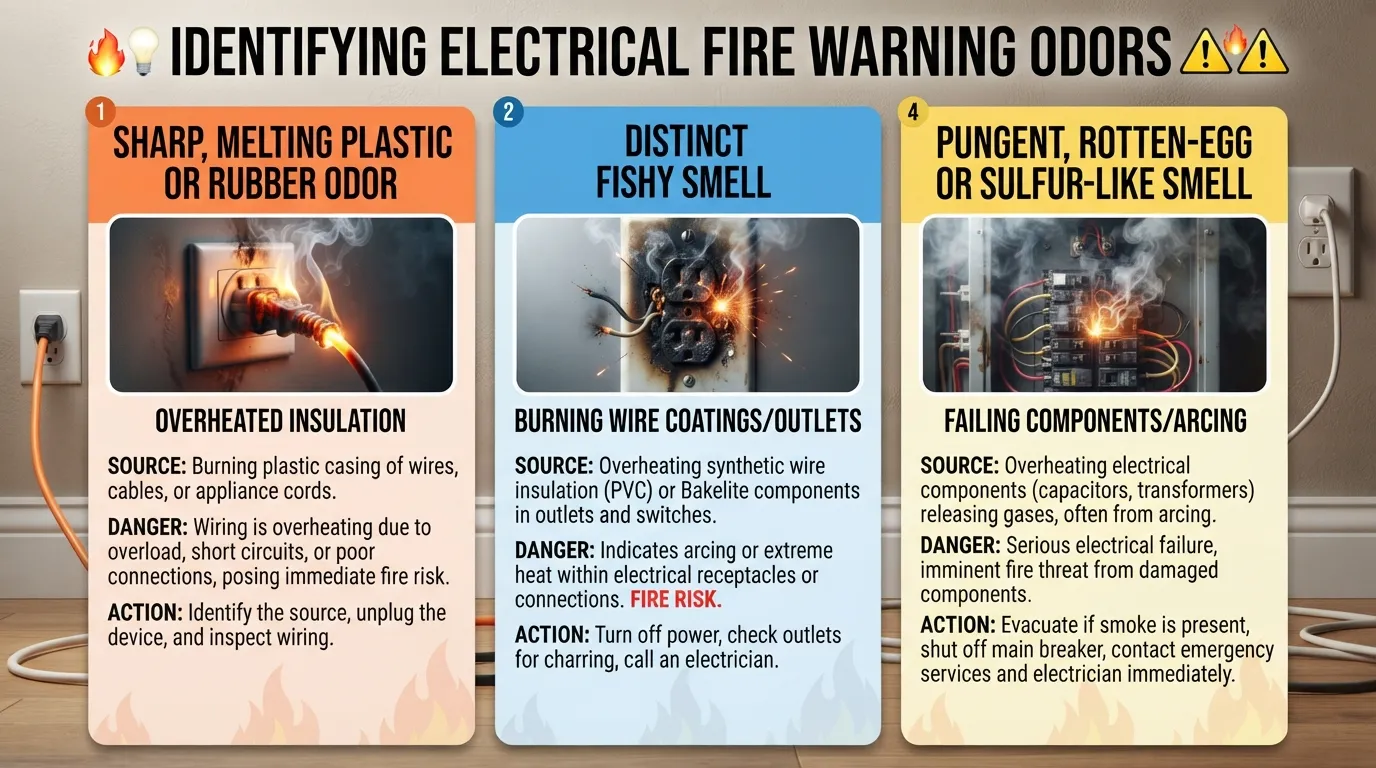 Pinpointing the exact nature of an electrical odor is critical because different components emit distinct chemical signatures when overheating. Recognizing these nuances allows building occupants to identify hidden hazards before active flames ignite.
Burning Plastic or Rubber
A heavy scent of burning plastic or melting rubber is the classic signature of compromised wire insulation. When electrical current exceeds safe thresholds, polyvinyl chloride (PVC) and other synthetic casings heat up rapidly and begin to degrade.
- Signals active thermal breakdown of wire jacketing behind walls or inside appliances.
- Often precedes visible smoke or structural fire ignition if power remains connected.
- Commonly linked to overloaded extension cords, heavy appliances, or degraded internal wiring.
Fishy or Ammonia-Like Smell
A strange, fishy or ammonia-like odor is a notorious early warning sign of electrical components reaching high temperatures. Many homeowners misidentify this as a plumbing issue, a rotting dead animal, or spoiled food.
- Occurs when plastic receptacles, switches, or circuit board components begin to cook under low-level arcing.
- Heat causes the chemical flame retardants inside electrical plastics to break down and release amine compounds.
- Requires immediate professional investigation, as outlets experiencing this often show discoloration or scorching.
Metallic or Ozone Smell
A sharp, crisp scent reminiscent of a lightning storm or burning metal indicates electrical arcing. This happens when electrical current jumps across an unintended gap between loose terminals or damaged wires.
- Ozone is generated when electrical sparks ionize the oxygen molecules in the surrounding air.
- Often accompanied by a faint buzzing, crackling, or snapping sound near outlets or breaker panels.
- Extremely high fire risk due to intense localized temperatures generated by electrical arcs.
Chemical or Pungent Smell
A harsh, chemical odor points directly to industrial-grade or heavy-duty PVC insulation overheating under severe electrical stress. This scent is typically very sharp and can cause immediate eye, nose, and throat irritation.
- Indicates advanced thermal degradation of wiring systems or heavy industrial machinery components.
- Frequently reported in utility rooms, garages, or areas housing high-draw climate control units.
- Signals an urgent need to trip the main breaker and evacuate the immediate vicinity.
Skunk-Like or Sewer-Like Smell
An unexpected skunk-like or faint sewer odor indoors can sometimes originate from melting electrical components rather than plumbing or wildlife. Certain types of wire insulation release sulfur-like compounds when exposed to prolonged low-grade heating.
- Can easily trick residents into searching for outdoor pests or plumbing gas leaks instead of electrical faults.
- Usually traceable to light fixtures, ceiling fans, or recessed lighting ballasts running hot over extended periods.
- Persistent foul odors with no clear plumbing source must prompt an immediate electrical inspection.
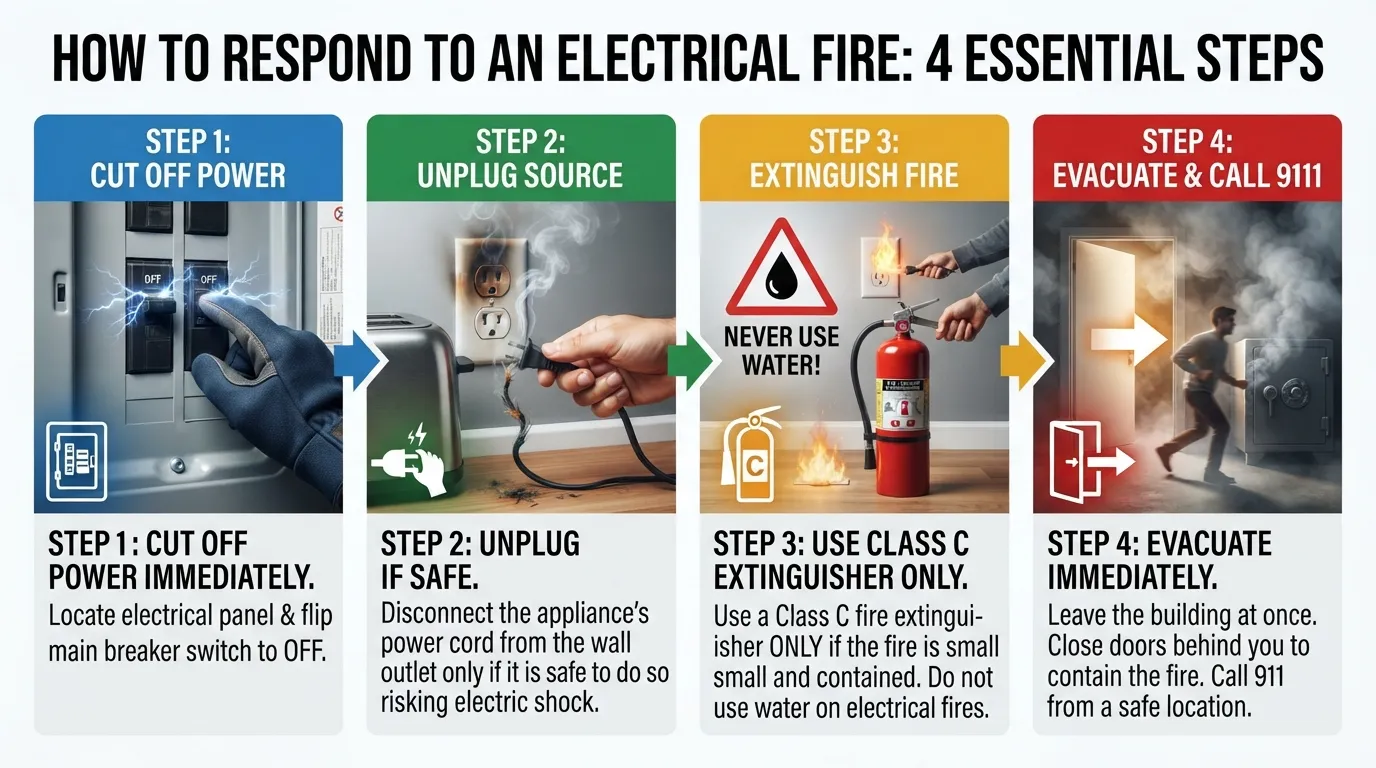 Encountering an electrical burning odor requires swift, decisive action to prevent property loss or severe personal injury. Knowing the exact sequence of steps keeps occupants safe and minimizes structural damage before professional help arrives.
What to Do Right Now
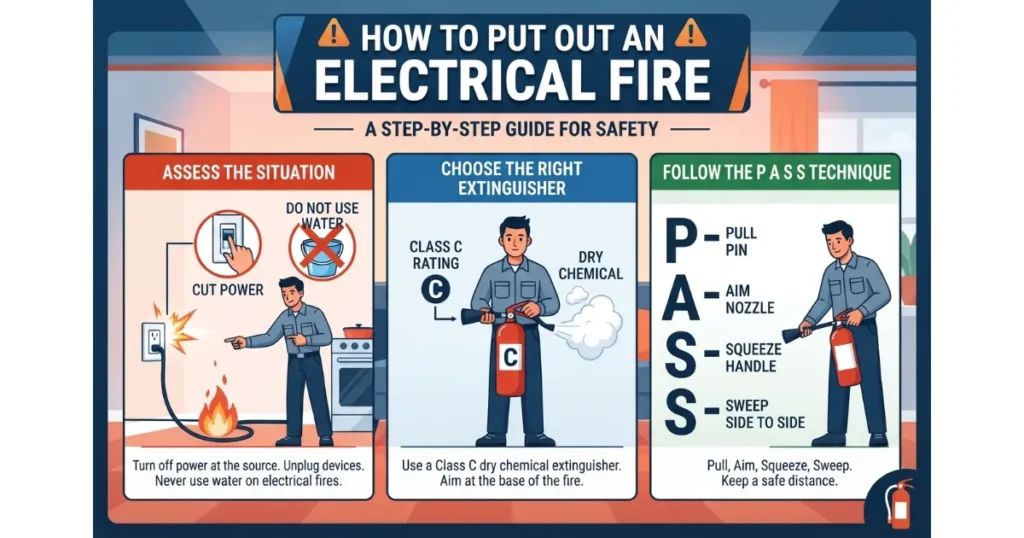
Executing an emergency protocol in the correct order minimizes risks associated with live electrical circuits and toxic smoke inhalation. Follow these steps calmly but urgently when an unexplained burning smell arises.
- Shut Off the Power Safely: If you can reach your main breaker panel or individual circuit breaker without putting yourself in danger, cut the power immediately.
- Evacuate Everyone Immediately: Get all family members, employees, or visitors out of the building and away from the hazard zone.
- Call Emergency Services: Reach out to your local emergency number (such as 911, 999, or local services like Rescue 1122) from a safe distance outside.
- Never Re-Enter the Building: Do not go back inside to retrieve personal items until first responders or fire officials declare the area completely safe.
- Await Professional Clearance: Never turn the power supply back on or re-occupy the structure until a licensed electrician inspects and clears the system.
What NOT to Do
Handling electrical emergencies incorrectly can quickly lead to electrocution, personal injury, or accelerated fire growth. Avoiding common mistakes is just as vital as taking the right actions.
- Never Throw Water on Electrical Fires: Water is a powerful conductor and can cause fatal electrocution or cause the fire to spread further.
- Do Not Touch Hot Outlets or Switches: Touching burning or scorched faceplates can result in severe burns or electric shock.
- Never Ignore the Smell: Assuming an odor will go away on its own allows smoldering wiring to transition into an active structural fire.
When a Small Fire Extinguisher Might Be Appropriate
Using a fire extinguisher is only advisable if the fire is extremely small, contained, and you possess proper training on how to use it safely. Your safety must always take precedence over saving property.
- Ensure you are using a Class C or multi-purpose ABC dry chemical fire extinguisher designed for electrical equipment.
- Never attempt to fight an electrical fire if thick smoke is filling the room or if flames are spreading past the initial point of origin.
- If there is any doubt about your safety, drop your efforts, evacuate the building immediately, and wait for the fire department.
After the Emergency: Electrician Inspection Before Restoring Power
Once emergency responders clear the scene, you must contact a licensed electrician to thoroughly examine your wiring system. Restoring power prematurely can re-ignite damaged circuits and cause another emergency.
- Electricians will test circuit continuity, inspect insulation integrity, and replace damaged breakers or outlets.
- Comprehensive testing ensures hidden structural wiring compromises are fully resolved before normal daily activities resume.
Can You Smell an Electrical Fire Before It Starts?
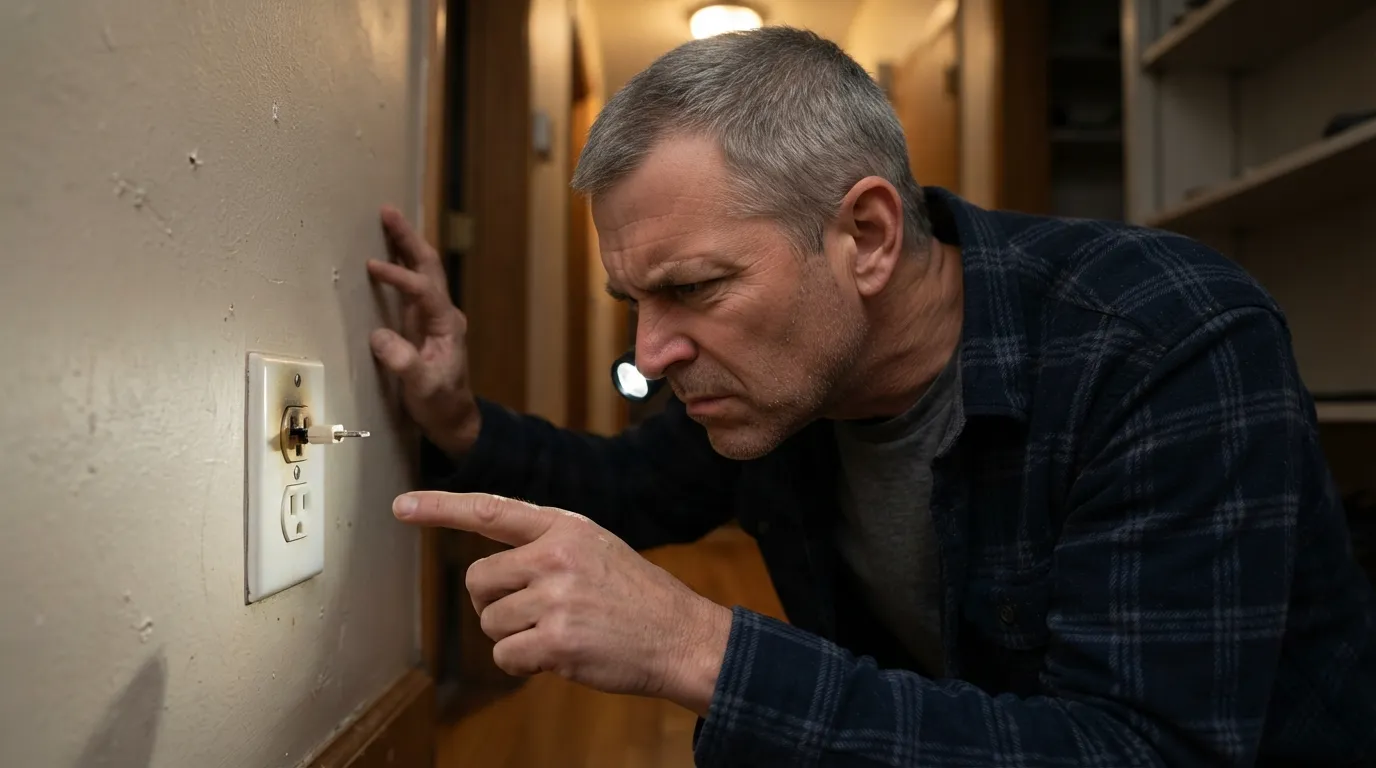 Yes, an electrical burning odor frequently serves as an early warning sign before an actual fire breaks out. When wire insulation or electrical components begin to overheat due to resistance or minor arcing, they release distinct volatile organic compounds long before visible flames appear.
Recognizing this olfactory cue gives property occupants a critical window of opportunity to cut power and investigate the source. However, understanding the timeline, limitations, and erratic nature of these warning signs is essential for preventing structural emergencies.
Yes, the Smell Often Comes First
Electrical fires rarely ignite instantly without warning. They usually begin with a prolonged period of thermal stress where electrical current generates excessive heat inside insulated spaces.
- Synthetic wire casings and plastic outlet housings begin to outgas chemical vapors when reaching high temperatures.
- This early-stage thermal degradation produces the characteristic acrid or fishy odor well before ignition temperature is reached.
- Acting on this scent immediately interrupts the heating cycle and prevents catastrophic component failure.
How Long Between the Smell and a Fire?
There is no guaranteed or predictable timeline between first detecting an electrical burning smell and a full-scale fire ignition. The duration depends heavily on active electrical load, ambient temperatures, and the specific composition of surrounding building materials.
- While some online sources claim a fixed timeframe like thirty seconds, actual conditions vary drastically; a fault can escalate in minutes or smolder undetected for days.
- High electrical demand from heavy appliances accelerates heating, drastically shrinking the safe response window.
- Because the exact timing is unpredictable, any persistent or intermittent electrical odor must be treated as an immediate high-priority hazard.
Why the Smell Can Be Faint or Come and Go
Property owners often dismiss electrical odors when they disappear or remain barely noticeable, assuming the problem has resolved itself. In reality, intermittent smells are a hallmark of fluctuating electrical stress.
- Variable Electrical Load: Outlets or circuits may only overheat when high-wattage appliances like space heaters or air conditioners cycle on.
- HVAC Distribution: Central heating and cooling systems can dilute or push odors away from the source, making the exact origin difficult to pinpoint.
- Concealed Cavities: Wiring hidden behind drywall, insulation, or subflooring traps scents, releasing them gradually through outlet faceplates or air vents.
Not Every Electrical Fire Has a Smell
While olfactory warnings are common, relying entirely on your sense of smell can create a false sense of security. Certain types of electrical failures provide zero scent warnings prior to ignition.
- Fast-acting short circuits caused by sudden mechanical damage or water intrusion can spark instantly without prolonged pre-heating.
- Faults occurring deep within tightly sealed metal conduit boxes or exterior panels may vent away from living spaces.
- Maintaining functional, interconnected smoke detectors and arc-fault circuit interrupters (AFCIs) provides essential back-up protection where warning scents are absent.
Where Does the Burning Smell Come From?
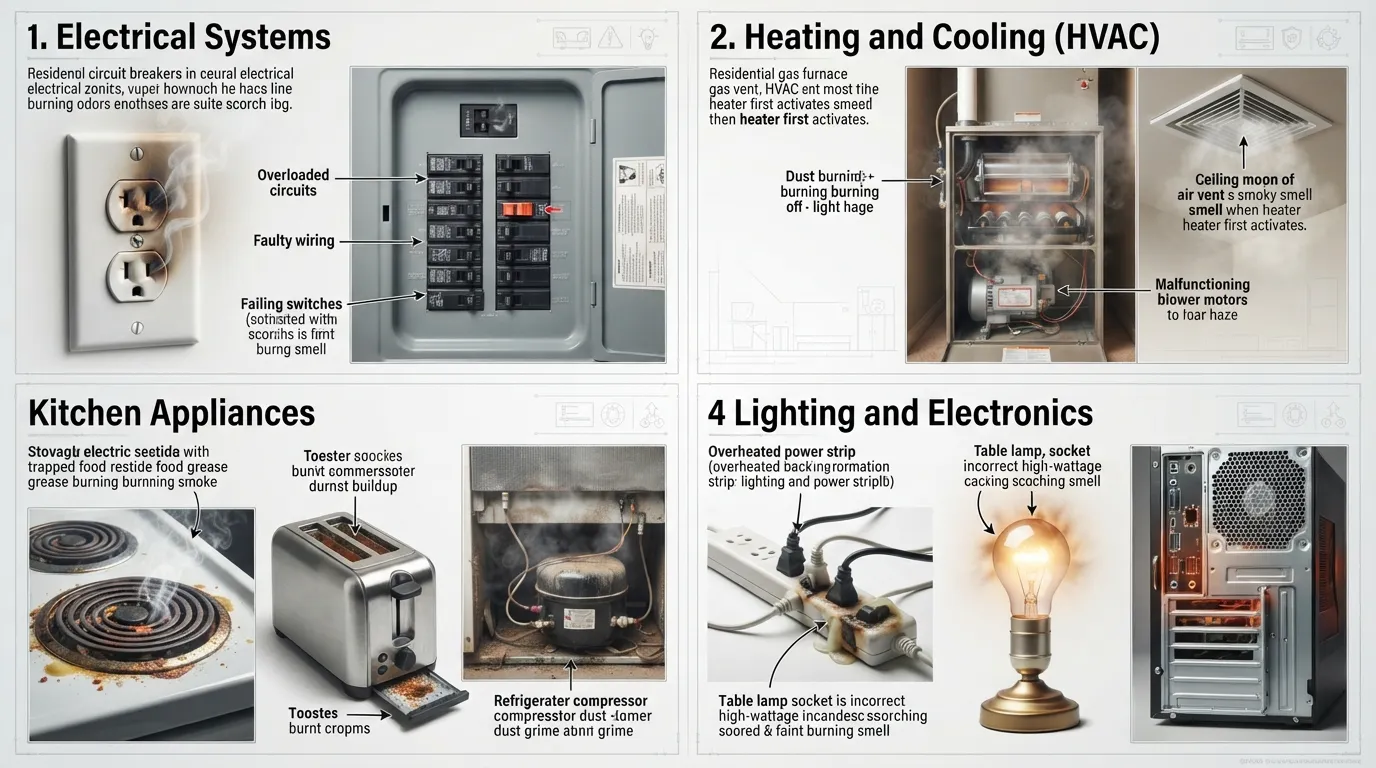 Locating the source of an electrical burning smell quickly is essential for preventing structural damage or personal injury. Because electrical wiring runs extensively throughout a building, tracking down the exact culprit requires a methodical, step-by-step inspection of common high-risk zones.
Knowing which household fixtures and components are most prone to thermal stress helps homeowners identify hidden hazards before active flames can ignite.
Outlets Switches and Plugs
Wall receptacles and light switches are among the most frequent origins of electrical burning smells due to heavy daily use and potential wear over time.
- Inspect outlet faceplates for visible discoloration, yellowing, melting plastic, or dark scorch marks.
- Carefully check if switch plates or plug casings feel unusually warm or hot to the touch.
- Ensure plugs fit snugly; loose or wobbly connections create micro-arcs that generate intense localized heat.
Circuit Breaker Panel or Fuse Box
The electrical service panel serves as the central distribution hub for your home and can experience severe thermal stress if breakers fail or circuits are overloaded.
- Listen closely for any abnormal buzzing, humming, or clicking sounds coming from inside the breaker box.
- Check if the metal cover or surrounding wall surface feels warm or hot.
- Smell directly near the panel door; a concentrated acrid odor indicates a failing breaker or loose main supply wire.
Appliances and Chargers
Daily electronics, motorized appliances, and power adapters frequently draw high currents and can malfunction internally without tripping a breaker immediately.
- Examine high-draw devices like space heaters, refrigerators, hair dryers, and microwaves for burning plastic scents.
- Check phone chargers, laptop power bricks, and multi-plug power strips, which are prone to internal component degradation.
- Feel power cords along their entire length for hot spots, kinks, or frayed insulation.
Wiring Behind Walls and Ceilings
When appliances and fixtures appear normal, the burning smell is often originating from concealed structural wiring behind drywall or within ceiling cavities.
- Look for areas where aging knob-and-tube or outdated aluminum wiring interfaces with modern copper systems.
- Note if smells seem concentrated near specific wall sections where multiple electrical cables intersect.
- Overloaded circuits hidden behind insulation can smolder for hours without immediate breaker activation.
Light Fittings and Bulbs
Ceiling fixtures, recessed lighting cans, and table lamps frequently trap heat, creating fire risks if rated capacities are exceeded.
- Ensure installed light bulbs do not exceed the maximum recommended wattage specified for the fixture.
- Check enclosed ceiling fixtures and recessed canister lights for trapped heat buildup that degrades internal wiring insulation.
- Inspect chandelier wiring and ceiling fan control switches for signs of scorching or melted wire nuts.
How to Safely Narrow Down the Source
Investigating an electrical smell requires extreme caution to avoid accidental electric shock or accelerating a hidden fire.
- Smell Mapping: Walk through rooms to determine where the odor is strongest, noting if it intensifies near specific walls, appliances, or floorboards.
- Process of Elimination: Unplug suspect devices or turn off individual room circuit breakers one by one to see if the odor dissipates.
- Visual Inspection Only: Never touch bare wires, scorching outlets, or hot panels with your bare hands; use your eyes and nose from a safe distance.
Smells That Can Be Confused With an Electrical Fire
Detecting a burning odor in your home can instantly trigger panic, but not every unusual scent points directly to compromised wiring. Differentiating between electrical faults, routine appliance odors, and environmental smells ensures you take appropriate action without unnecessary alarm.
Understanding these common olfactory lookalikes helps homeowners accurately diagnose issues and respond effectively to genuine safety hazards.
Electrical Fire vs House Fire Smoke
The smoke from an electrical fire smells vastly different from a standard wood or fabric fire due to the combustion of synthetic materials.
- Electrical smoke carries a sharp, heavy scent of melting plastic, hot rubber, or acrid chemicals rather than burning wood or paper.
- Wood smoke is typically hazy, grey, and recognizable; electrical smoke can be thin, dark, or virtually invisible while producing an overwhelming chemical odor.
- Any persistent chemical or plastic smoke smell demands an immediate electrical audit, even if no open flames are visible.
Electrical Burning vs Gas Leak
Gas leaks and electrical burning scents are both critical emergencies, but they possess entirely distinct chemical profiles and require different immediate responses.
- Natural gas and propane are odorless by nature, but utility companies add a distinctive rotten-egg or sulfur scent (mercaptan) to signal leaks.
- Electrical burning smells like melting plastic or fishy chemical compounds do not resemble gas odors.
- If you smell gas, evacuate immediately, avoid electrical switches or lighters, and contact your gas utility provider.
Burning Dust From a Heater or Furnace
Turning on your home heating system for the first time in autumn or winter frequently produces a distinct burning scent that mimics electrical issues.
- This temporary odor is simply dust, pet hair, and lint burning off the heating elements or heat exchanger surface.
- The smell should naturally dissipate within 15 to 30 minutes of continuous operation as the unit clears out.
- If the burning smell persists for hours or smells sharply of melting wire insulation, shut off the HVAC unit immediately.
New Appliance or Device Smell
Newly purchased electronics, kitchen appliances, and power tools often emit a mild warming odor during their first few uses.
- Factory protective oils, curing resins on internal circuit boards, and fresh insulating varnish heat up and offgas.
- This initial scent should be faint, short-lived, and diminish rapidly after a couple of cycles.
- If a new device smokes, sparks, or produces a heavy, pungent chemical stench, unplug it immediately and return it as defective.
Smell of Burning With No Visible Source
Detecting an unmistakable electrical burning odor with no obvious origin can be deeply unsettling for property occupants.
- Concealed wiring issues, slow-burning wire nuts inside junction boxes, or overheating light fixtures in ceilings often vent odors through air ducts or outlet plates.
- If only one person detects the scent while others in the household smell nothing at all, consider temporary olfactory fatigue or medical conditions like phantosmia (phantom smells).
- When in doubt, use a non-contact voltage tester or call a licensed electrician to perform an infrared thermal scan of your circuits.
Comparison Table
Is an Electrical Burning Smell Toxic or Harmful?
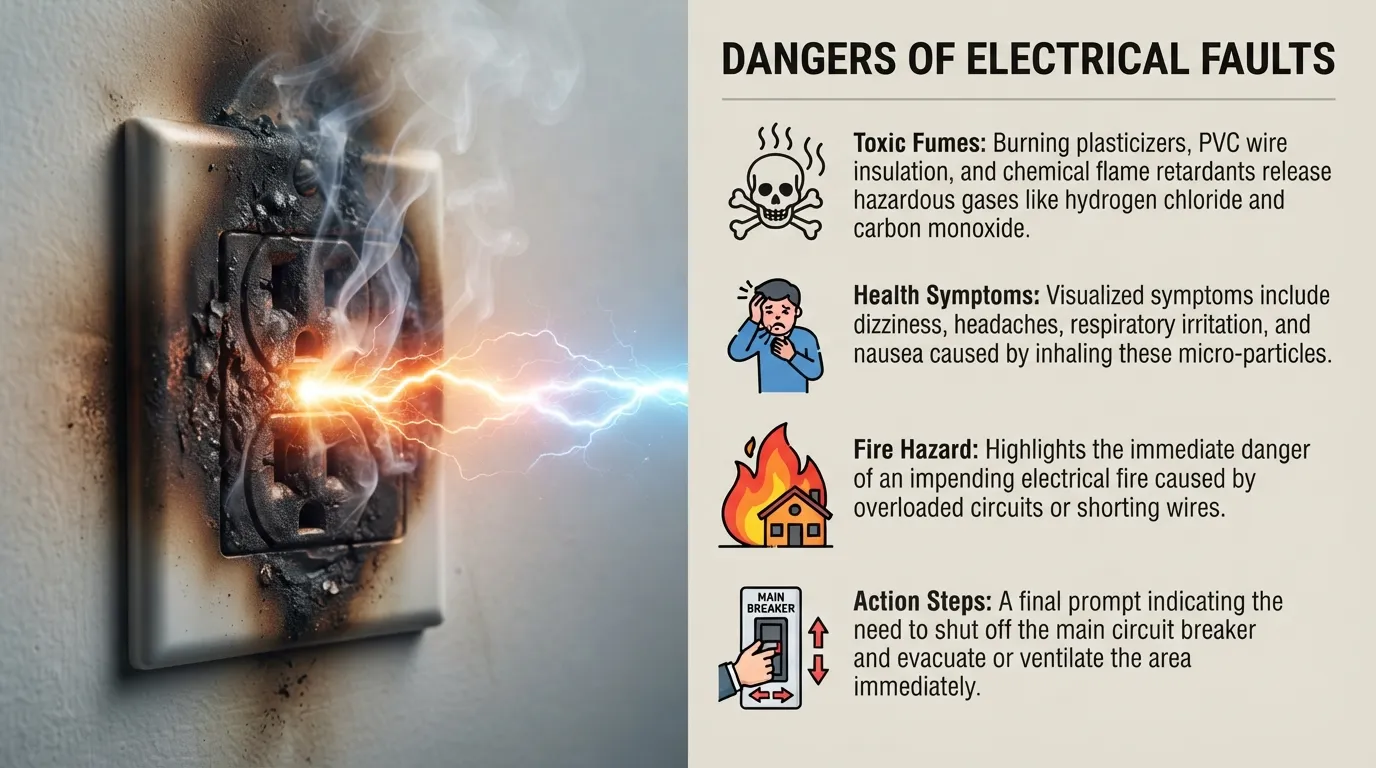 Yes, inhaling an electrical burning odor can be toxic and hazardous to your health. When synthetic wiring components and plastic casings overheat, they release a complex mix of hazardous gases and fine particulate matter that pose immediate respiratory risks.
Treating every electrical burning scent as a potential chemical hazard ensures you prioritize immediate evacuation over investigating or breathing in toxic fumes.
What Burning Wire Insulation Releases
Modern electrical wires are coated with high-performance polymers and flame retardants designed to withstand normal operational heat, but thermal breakdown alters their chemical structure entirely.
- Burning polyvinyl chloride (PVC) and other wire plastics release toxic gases, including hydrogen chloride, dioxins, and various volatile organic compounds (VOCs).
- Prolonged heating can also produce trace amounts of carbon monoxide, an odorless and colorless gas that causes rapid physical incapacitation.
- Inhaling these chemical byproducts irritates delicate lung tissues and can trigger severe systemic reactions.
Symptoms to Watch For
Exposure to electrical smoke and thermal offgassing produces distinct physical warning signs that require immediate medical attention if experienced.
- Respiratory Irritation: Persistent coughing, chest tightness, or a burning sensation in the throat and airways.
- Eye Discomfort: Sharp stinging, watering, or redness caused by airborne chemical particulates.
- Neurological Signs: Sudden headaches, dizziness, nausea, or confusion resulting from oxygen displacement or toxin exposure.
Who Is More at Risk
While electrical fumes are dangerous to everyone, certain vulnerable demographics face significantly higher health risks from brief exposure.
- Children: Their developing respiratory systems absorb airborne toxins at a faster rate relative to their body weight.
- Elderly Individuals: Aging cardiovascular and respiratory systems struggle to process sudden pollutant loads.
- Asthma and Respiratory Patients: Individuals with pre-existing conditions can experience acute asthma attacks or severe bronchospasms upon inhaling chemical smoke.
How to Ventilate Safely
Clearing toxic fumes out of a living space is important, but safety protocols must always take precedence over airing out the room.
- Only attempt to open windows and doors for ventilation if you are certain there is no active fire, heavy smoke, or risk of electric shock.
- If the burning odor is dense or accompanied by visible smoke, evacuate the building immediately rather than staying behind to air out the space.
- Allow professional first responders or firefighters to clear and ventilate the structure using specialized equipment.
Other Warning Signs Besides Smell
 While an unusual burning odor is often the first indicator of an electrical problem, your home frequently provides other distinct sensory warnings. Recognizing these collateral symptoms helps you catch failing circuits and faulty wiring before an active fire starts.
Staying vigilant to visual, auditory, and operational red flags ensures comprehensive home electrical safety.
Flickering or Dimming Lights
Lights that inexplicably flicker, dim, or surge when you plug in an appliance signal underlying electrical instability.
- Indicates loose wire connections inside junction boxes, switches, or the main service panel.
- Can result from an overloaded circuit trying to draw more current than the wire gauge is rated to handle.
- Frequent voltage drops require immediate professional evaluation to prevent arcing and thermal buildup.
Breakers That Trip Repeatedly
A circuit breaker is designed to shut off power automatically when a circuit becomes overloaded or experiences a short.
- If a specific breaker trips continuously, it means the circuit is drawing dangerous levels of current or has a direct fault.
- Never repeatedly reset a tripping breaker without investigating the root cause, as this forces power through compromised wiring.
- Persistent tripping points directly to failing appliances, damaged wiring, or a faulty breaker switch.
Hot, Discoloured or Charred Outlets
Wall receptacles and switch plates should always remain at room temperature and retain their original color.
- Outlets or faceplates that feel warm or hot to the touch indicate severe internal resistance and overheating.
- Yellowing, brown discoloration, or dark soot marks around plug slots signal active scorching from micro-arcing.
- Replace and inspect any discolored hardware immediately using a licensed electrician.
Buzzing Sizzling or Crackling Sounds
Normal electrical systems operate silently; any audible noise from walls or fixtures points to a serious malfunction.
- A faint buzzing or humming sound usually indicates loose terminal screws or vibrating wires under electrical load.
- Crackling or sizzling noises are auditory evidence of active electrical arcing, which generates extreme localized heat.
- Any unexplained sound near switches or breaker panels requires an immediate emergency shutdown.
Sparks
Seeing visible sparks—even small blue flashes—when plugging in a device is a clear red flag.
- Occasional tiny sparks can happen due to normal switch contact, but frequent or large sparks indicate worn contacts or short circuits.
- Sparks accompanied by a popping sound or a burning smell demand immediate discontinuation of use for that outlet.
Do Smoke Alarms Detect Electrical Fires?
Smoke detectors and alarms play a vital role in home safety, but they have distinct operational limitations regarding electrical faults.
- Standard ionization and photoelectric smoke alarms will trigger once smoldering insulation or active flames produce enough smoke particles.
- However, an alarm is not a replacement for your sense of smell; slow thermal degradation inside walls can produce toxic gases and severe burning odors long before thick smoke reaches a ceiling detector.
- Installing modern Arc-Fault Circuit Interrupter (AFCI) breakers and regularly testing interconnected smoke alarms provides the best layered protection against hidden electrical threats.
Electrical Fire Smell in a Car
 Detecting an electrical burning odor while driving or sitting inside a vehicle requires immediate attention. Because cars contain extensive electrical wiring harnesses, high-amperage fuses, and heavy-duty battery systems, minor faults can rapidly escalate into severe vehicular fires.
Knowing the common vehicular culprits and emergency protocols protects you and your passengers from unexpected roadside hazards.
Common Causes in Vehicles
Automotive electrical systems handle immense power loads, making them vulnerable to component degradation, thermal stress, and installation errors.
- Faulty Aftermarket Accessories: Poorly wired sound systems, auxiliary lights, or dashboard cameras often overload factory circuits and melt wiring insulation.
- Blown Fuses and Short Circuits: A failing fuse or a pinched wire harness can create continuous resistance, generating intense heat behind the dashboard or engine bay.
- Alternator or Starter Malfunctions: Overworked alternators or failing starter solenoids frequently emit a sharp, acrid burning smell when their internal windings overheat.
What to Do If You Smell It While Driving
If an electrical burning scent fills your vehicle cabin while operating the motor, take immediate evasive action to ensure your safety.
- Pull Over Safely: Signal and guide your car to the side of the road, highway shoulder, or a safe parking lot as quickly as possible.
- Turn Off the Engine: Kill the ignition immediately to cut power flowing from the battery and alternator to damaged circuits.
- Evacuate the Vehicle: Get all passengers out of the car and move a safe distance away in case an active fire breaks out under the hood or dash.
- Call Emergency Services: If you see visible smoke, flames, or sparks, call emergency services right away and do not attempt to open the hood.
When to Have a Mechanic Check It
Even if the burning odor disappears and the car seems to run normally after shutting it down, professional evaluation is mandatory.
- Never drive a vehicle with a history of unexplained electrical burning smells until a certified mechanic inspects the harness and fuse box.
- Mechanics can use diagnostic tools and thermal imaging to trace hidden wire shorts, damaged insulation, or failing relays before they cause total electrical failure.
How to Prevent Electrical Fires
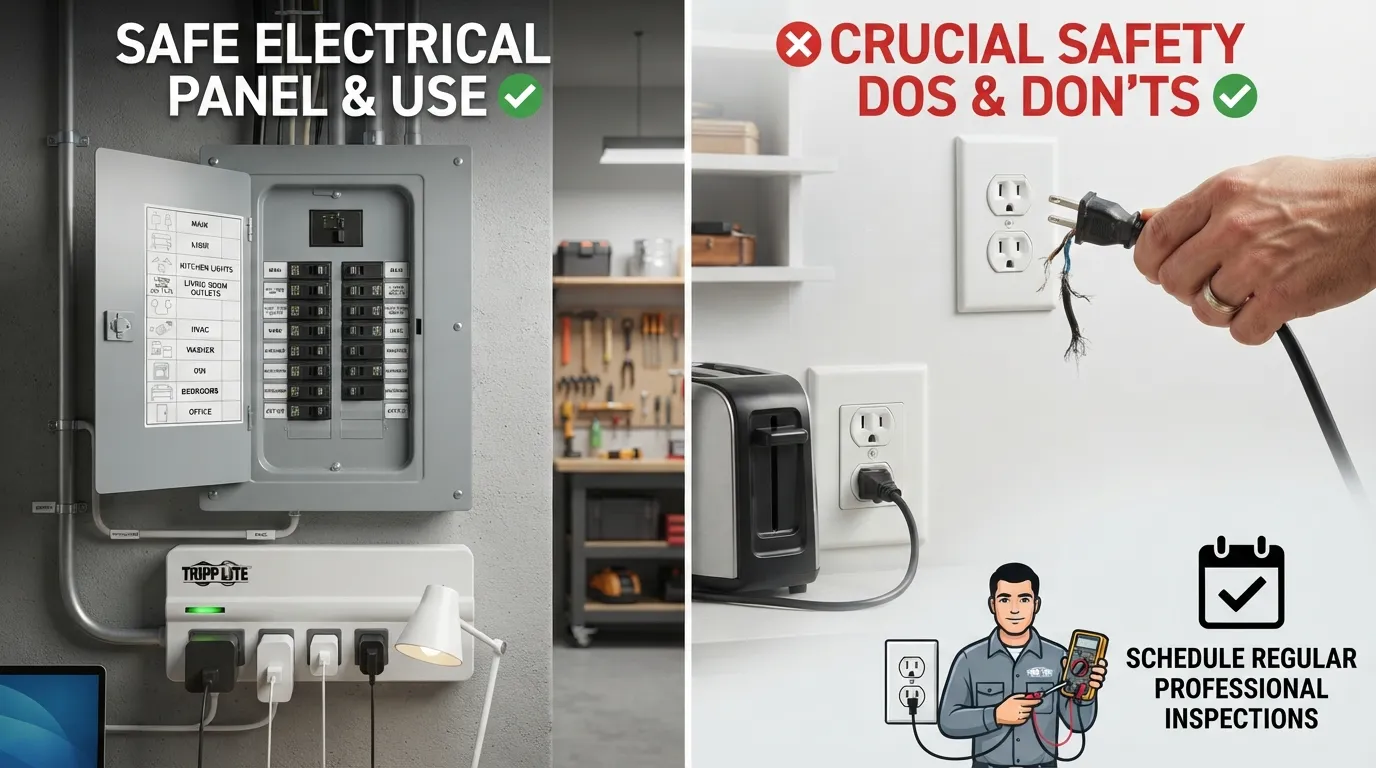 Preventing electrical fires requires proactive home maintenance, safe appliance habits, and strict adherence to established electrical safety standards. Implementing these core safety measures drastically reduces the risk of thermal failures, circuit overloads, and unexpected emergencies.
Following NFPA’s electrical home fire safety guidance helps homeowners establish a secure, compliant environment that safeguards both property and family.
Don’t Overload Outlets and Circuits
Plugging too many high-draw devices into a single receptacle or power strip is a leading catalyst for hidden electrical fires.
- Avoid daisy-chaining multiple extension cords or plugging power strips into other power strips.
- Distribute heavy electrical loads across different wall circuits, especially for power-hungry appliances like space heaters and refrigerators.
- If an outlet feels warm or causes circuit breakers to trip, redistribute the load immediately.
Replace Damaged Cords and Cheap Extension Boards
Worn, frayed, or substandard power cords create dangerous resistance points that rapidly generate intense localized heat.
- Inspect power cords regularly for cracks, exposed copper strands, kinks, or damaged plug prongs.
- Discard and replace any appliance cord showing signs of structural wear rather than attempting temporary fixes with electrical tape.
- Use heavy-duty, certified extension cords rated appropriately for the specific wattage requirements of connected devices.
Get Old Wiring Inspected
Aging electrical infrastructure in older homes often struggles to support the high energy demands of modern electronics and appliances.
- Schedule a comprehensive wiring inspection with a licensed electrician if your home is more than forty years old.
- Replace outdated wiring systems like knob-and-tube or ungrounded aluminum cables with modern copper wiring.
- Have electrical service panels evaluated periodically to ensure breakers trip reliably under fault conditions.
Consider AFCI Protection
Arc-Fault Circuit Interrupters (AFCIs) provide advanced safety by detecting dangerous electrical arcing that standard breakers often miss.
- Ask a licensed electrician about upgrading your service panel or outlet circuits with AFCI protection.
- AFCIs automatically cut power when unintentional electrical sparks occur, preventing hidden smoldering behind walls.
- Combining AFCI protection with standard ground-fault protection creates a robust, modern safety net.
Keep Flammables Away From Heat Sources
Electrical components that generate normal operating heat must be kept clear of combustible materials to prevent accidental ignition.
- Maintain a safe clearance around space heaters, toaster ovens, halogen lamps, and entertainment centers.
- Never run electrical cords underneath rugs, carpets, or heavy furniture where heat can accumulate unnoticed.
- Keep paper, clothing, and chemical sprays well away from wall outlets and electrical panels.
Test Smoke Alarms and Plan an Escape Route
Early warning detection and practiced evacuation plans save lives when unexpected emergencies occur.
- Test interconnected smoke and carbon monoxide alarms monthly and replace batteries at least once a year.
- Establish and practice a clear household fire escape plan, ensuring all occupants know two exit routes out of every room.
- Ensure windows and exterior doors open smoothly and remain unblocked by furniture or security bars.
Prevention Checklist
- Inspect all visible appliance cords and power strips monthly for fraying or damage.
- Ensure high-wattage appliances operate on dedicated circuits without overloaded power strips.
- Test all home smoke alarms and carbon monoxide detectors every thirty days.
- Keep combustible materials at least three feet away from space heaters and outlets.
- Schedule a professional electrical safety inspection for homes older than four decades.
When to Call an Electrician: What Professionals Look For
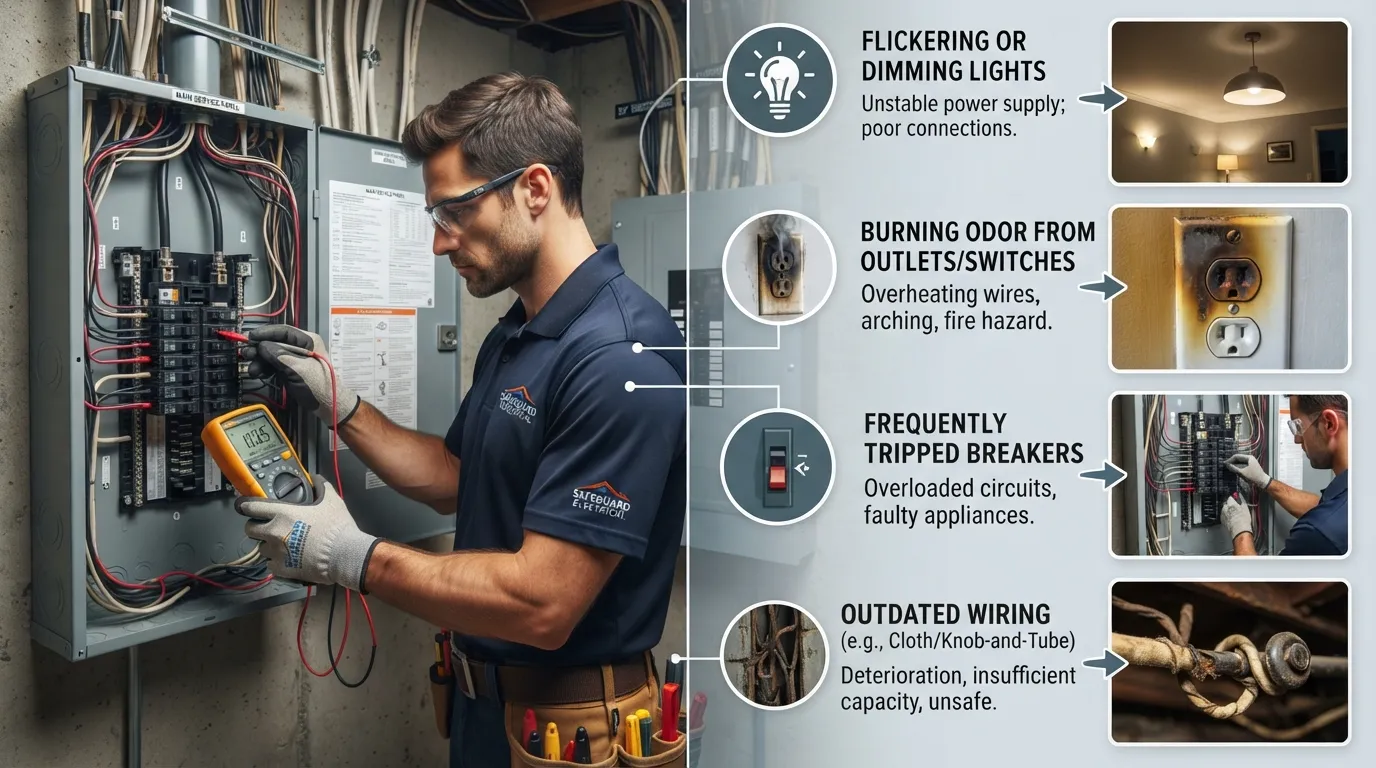 Knowing when to transition from DIY troubleshooting to professional intervention is crucial for maintaining household safety. Certified electricians bring specialized diagnostic tools, rigorous training, and adherence to electrical safety codes that ensure deep-seated wiring issues are permanently resolved.
Understanding how professionals diagnose and evaluate electrical faults helps homeowners appreciate the value of expert inspections when warning signs arise.
Signs You Should Call a Professional Right Away
Certain electrical anomalies present immediate hazards that exceed the scope of basic troubleshooting or temporary fixes.
- Persistent Burning Odors: Any unexplained plastic or fishy chemical smell originating from walls, outlets, or fixtures requires immediate professional shutdown and evaluation.
- Warm or Scorched Switch Plates: Outlets, dimmer switches, or faceplates that feel warm to the touch or show brown discoloration indicate dangerous internal resistance.
- Frequent Breaker Tripping: A circuit breaker that repeatedly trips upon resetting points to a severe overload or short circuit that demands expert repair.
What an Electrician Will Typically Check
When a licensed electrician arrives to investigate an electrical burning complaint, they execute a systematic, multi-point diagnostic procedure.
- Service Panel Inspection: Evaluating circuit breakers for thermal fatigue, loose bus bar connections, and proper amperage matching.
- Thermal Imaging Scans: Utilizing infrared cameras to detect hidden hot spots behind drywall, inside junction boxes, and around service panels without destructive tearing.
- Load Calculations and Continuity: Testing wire integrity, measuring current draws, and verifying that branch circuits comply with local electrical codes.
Common Scenarios
Electrical service calls typically stem from a few recurring patterns of wear, overload, or component aging in residential settings.
- The Overloaded Bedroom Outlet: Homeowners often plug space heaters, phone chargers, and entertainment centers into a single ungrounded strip, melting internal receptacle contacts.
- Aging Kitchen Appliance Circuits: Continuous high-draw appliances like refrigerators and microwaves can degrade older wire screw terminals over decades of vibration.
- Degraded Lighting Ballasts: Recessed ceiling lights running hot over long periods frequently bake wire insulation, producing an unmistakable acrid scent.
Reviewed by a Licensed Electrician
This content was developed in alignment with established electrical safety standards and reviewed for technical accuracy by licensed electrical professionals with extensive field experience in residential troubleshooting and fire hazard mitigation.
- Compliance & Safety: All recommendations follow standard National Electrical Code (NEC) guidelines regarding circuit protection and safe remediation practices.
- Professional Verification: Field technicians emphasize that any persistent burning odor warrants an immediate call to emergency services followed by a professional circuit audit.
Frequently Asked Questions
How do I know if there is an electrical fire?
You can identify a potential electrical fire by recognizing distinct warning signs such as a sharp burning plastic or fishy chemical odor, flickering or dimming lights, warm or discolored outlet plates, buzzing sounds near the breaker panel, or circuit breakers that trip repeatedly without an obvious cause.
How long can you smell an electrical fire before it starts?
There is no guaranteed or predictable timeline between detecting an electrical burning odor and full ignition. The duration depends entirely on active electrical load, ambient temperatures, and wire insulation materials. A fault can escalate rapidly within minutes or smolder unnoticed for days, so any odor must be treated as an immediate emergency.
Can electrical burning smell harm you?
Yes, inhaling electrical burning odors can be toxic and harmful. When synthetic wire insulation and plastic components overheat, they release hazardous chemical fumes, fine particulates, and toxic gases like hydrogen chloride that cause respiratory irritation, coughing, dizziness, and eye discomfort upon exposure.
Should I call the fire department if I smell electrical burning?
Yes, you should always contact emergency services immediately if you detect a strong, persistent electrical burning smell accompanied by visible smoke, sparks, or unusually hot wall surfaces. Professional firefighters possess thermal imaging equipment to detect hidden electrical hotspots safely behind walls.
How quickly does an electrical fire start?
An electrical fire can start anywhere from a few seconds during a severe short circuit to several hours or days of continuous thermal stress and slow smoldering behind walls. High electrical demand from heavy appliances accelerates heating, significantly shortening the safe window for intervention.
How to identify an electrical burning smell?
An electrical burning smell is typically identified by a sharp, pungent odor resembling melting plastic, burning rubber, overheated wire insulation, or a distinct fishy chemical scent. It differs markedly from organic wood or paper smoke due to the thermal breakdown of synthetic building and wiring materials.
Why do I smell electrical burning when nothing is burning?
Smelling electrical burning with no obvious visible source is often caused by concealed wiring faults, overheating light fixture ballasts in ceilings, or slow-burning wire connections inside junction boxes. In some cases, temporary olfactory fatigue or phantom smell conditions can also create this sensation.
What do you smell when there is an electrical fire?
When an electrical fire or severe thermal overload occurs, you typically smell acrid burning plastic, melting PVC insulation, hot rubber, or a fishy chemical odor. Some electrical arcing events also release a crisp, metallic ozone scent similar to the smell of a lightning storm.
What does a house fire smell like?
A standard house fire involving organic materials smells primarily of burning wood, paper, fabric, and ash. In contrast, an electrical house fire produces a much sharper, heavily chemical scent characterized by melting synthetic wire insulation and cooked plastic components.
Why does my house randomly smell like it’s burning?
A random burning smell in your home can result from seasonal dust burning off heating elements when turning on a furnace, newly installed electronics offgassing factory oils, or variable electrical loads causing outlets to overheat intermittently when high-draw appliances cycle on.
How long does an electrical burning smell last?
An electrical burning smell will persist or intensify as long as electrical current flows through the compromised, overheating component. If the smell lingers or returns repeatedly, it indicates an active electrical fault that requires immediate power shutdown and professional inspection.
Do electrical fires smell like skunk or fish?
Yes, certain electrical malfunctions can produce unexpected foul odors. Overheating plastic receptacle components and circuit boards frequently release amine compounds that create a distinct fishy or ammonia-like scent, while specific wire insulation types can emit sulfur or skunk-like odors when heated.
Conclusion and Key Takeaways
Detecting an electrical burning odor in your home or vehicle is never something to ignore or delay. Understanding the distinct chemical scents—ranging from melting plastic to fishy chemical odors—empowers you to recognize hidden hazards before they escalate into destructive structural fires.
Prioritizing personal safety, executing immediate emergency protocols, and relying on licensed professionals ensures your home remains secure and compliant with modern electrical safety standards.
Key Takeaways
- Identify the Scent: Electrical fires typically produce sharp, acrid smells resembling melting plastic, hot rubber, or a fishy chemical odor rather than natural wood smoke.
- Act First, Investigate Later: If you detect a strong burning odor, cut the power safely via the main breaker, evacuate immediately, and avoid risking personal safety.
- Call Emergency Services: Always contact your local fire department or emergency number if smoke, sparks, or intense heat accompany the smell.
- Never DIY Dangerous Repairs: Leave electrical troubleshooting, panel inspections, and wiring replacements strictly to certified, licensed electricians.
- Practice Prevention: Avoid overloading circuits, replace worn extension cords, and schedule periodic safety inspections to protect your property long-term.
Final Safety Reminder
If you are detecting an electrical burning smell right now, stop reading this article immediately, shut off your main power breaker if safe to do so, evacuate the building, and call your local emergency services.

Oscar Vance | Master Plumber & Drainage Expert
Meet Oscar Vance, a licensed master plumber sharing practical solutions on residential repairs, preventive maintenance, and thoughtful home upkeep.