How Long Does an Electrical Panel Last?
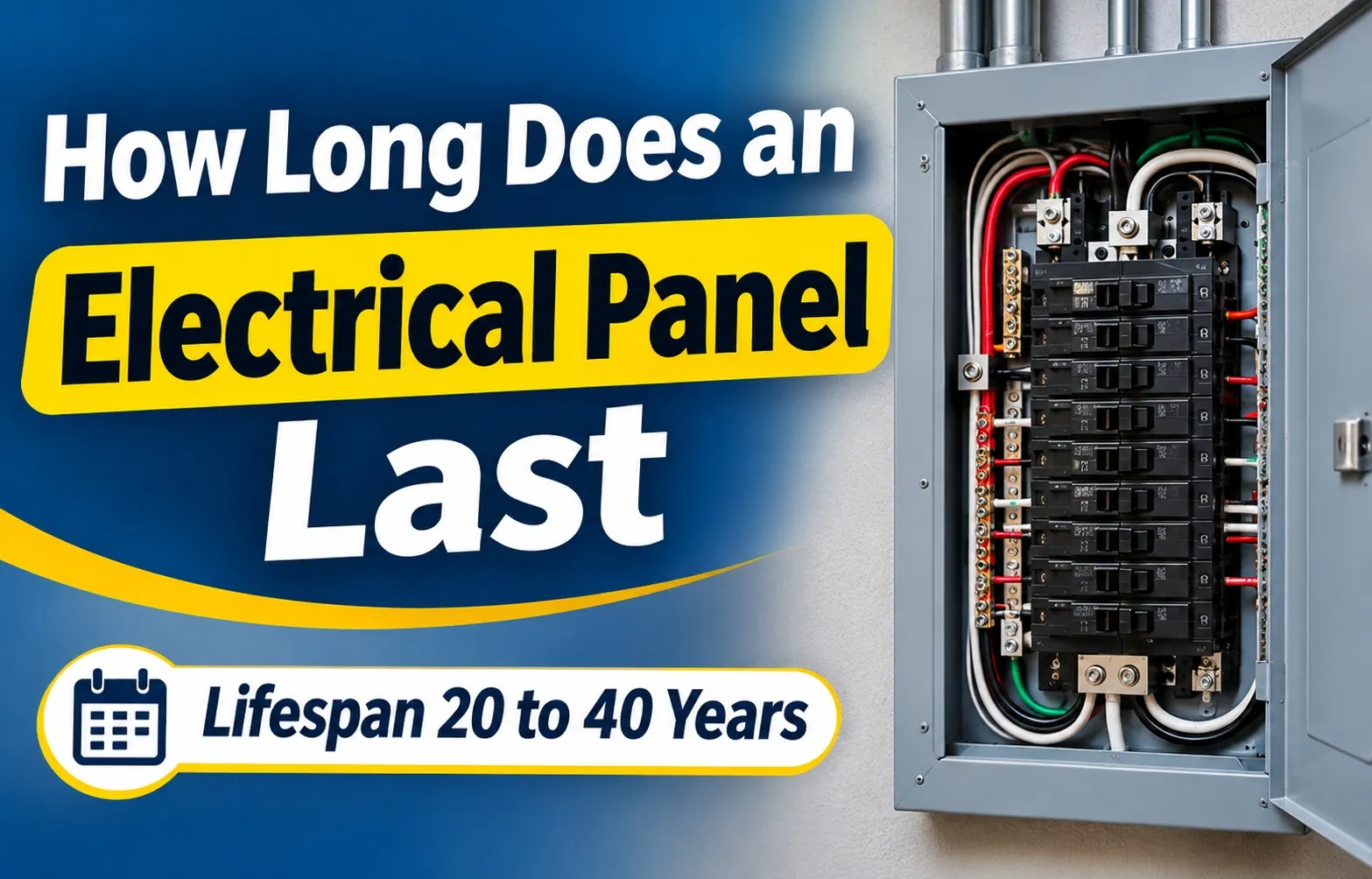 An electrical panel typically lasts between 25 and 40 years under normal operating conditions. However, component wear, environmental factors, and modern household electrical demands determine whether your circuit breaker box safely reaches its 40-year limit or requires replacement sooner.
How Long Does an Electrical Panel Last?
The standard electrical panel lifespan ranges from 25 to 40 years. Most properly installed units function reliably for decades when kept clean, dry, and protected from excessive load spikes.
While the heavy-gauge metal enclosure can endure for over half a century, the sensitive mechanical components inside age continuously. Factors that accelerate aging include:
- High ambient humidity and coastal salt air exposure causing hidden busbar corrosion
- Persistent electrical demand exceeding 80% of total system capacity
- Loose wire terminal connections that generate excessive localized heat
- Outdated equipment standards that fail to meet modern home electrification loads
25 vs. 40 Years: Why Electrical Panel Lifespans Vary
The 15-year gap between a 25-year minimum service life and a 40-year maximum lifespan depends heavily on mechanical fatigue and household power consumption patterns over time.
An electrical service panel installed in a low-draw home with minimal humidity can operate safely for up to 40 years. Conversely, high-load homes with frequent circuit cycling experience faster internal thermal degradation.
Key variances that shorten or extend service longevity include:
- Internal Mechanical Fatigue: Spring-loaded thermal-magnetic breakers weaken after thousands of temperature expansion cycles, losing precision calibration.
- Frequent Breaker Trips: Every arc interruption degrades the physical contact points within the circuit breaker box.
- Surge Damage: Grid voltage spikes accelerate dielectric breakdown across internal insulation materials.
- Quality of Initial Installation: Improperly torqued wire connections create micro-arcing that degrades the main busbars decades earlier than expected.
Critical Warning Signs Your Panel Is Failing
Identifying an aging or failing electrical panel requires recognizing clear physical, performance, and sensory indicators before total system breakdown occurs. Spotting these signs early prevents electrical fire hazards, equipment damage, and sudden power failure.
Visual & Physical Indicators (Rust, Scorch Marks, & Heat)
Physical deterioration inside or outside the electrical service box points directly to internal hardware damage. Moisture intrusion and excessive internal operating temperatures cause visible degradation over time.
Key physical warning signs include:
- Rust and Corrosion: Moisture penetrating the panel enclosure oxidizes metal surfaces, damaging the main busbars and weakening breaker connection points.
- Scorch Marks and Discoloration: Dark soot, burn traces, or melted insulation on breakers indicate dangerous electrical arcing and micro-sparks within the box.
- Panel Heat to the Touch: While an electrical box may feel slightly warm during peak usage, a panel cover that feels distinctly hot signifies dangerous thermal degradation and overloaded circuitry.
Performance Symptoms (Flickering Lights & Frequent Breaker Trips)
Inconsistent electrical delivery indicates that the panel cannot properly regulate voltage or handle household current demands. Functional failures disrupt daily operation and signal structural component wear.
Common performance indicators include:
- Flickering Lights: Dimmers or overhead fixtures that dip or flicker when heavy appliances (like AC units or refrigerators) start up show a supply bottleneck at the panel.
- Frequent Breaker Tripping: Circuit breakers that trip repeatedly under standard appliance loads indicate internal spring tension fatigue or failing thermal-magnetic trip mechanisms.
- Fuses Blowing Repeatedly: If your system relies on an older fuse box, continuously blowing fuses signals that total household demand severely exceeds system design limits.
Auditory & Olfactory Warnings (Buzzing Sounds & Fishy/Plastic Smells)
Sensory warnings often represent immediate safety hazards that require fast intervention by a licensed electrician. Unusual sounds or odors typically signify active electrical breakdown.
Critical sensory signs include:
- Buzzing or Hissing Sounds: A persistent humming, buzzing, or clicking sound coming from the breaker panel indicates loose wiring connections or active internal arcing.
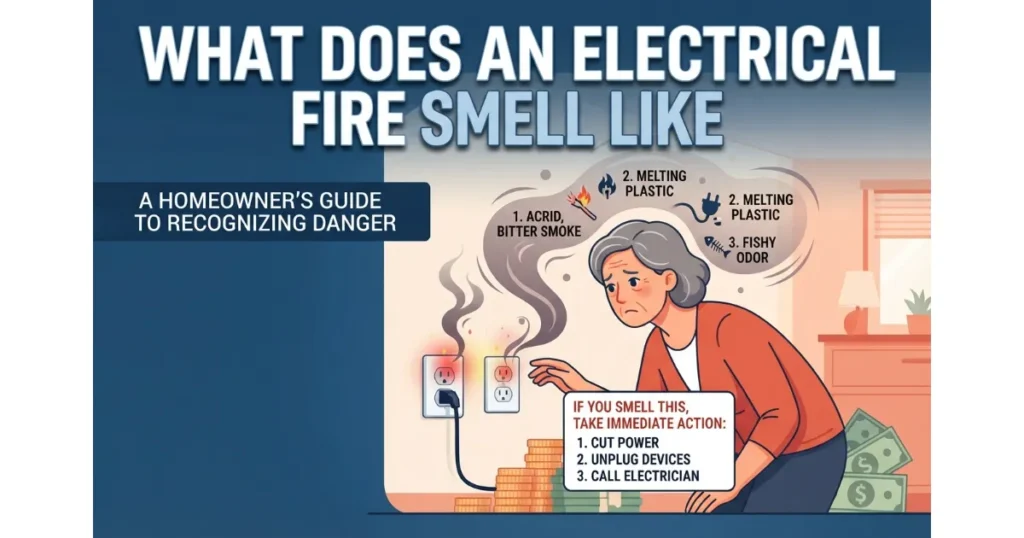
- Burning Smell or Fishy Odors: Overheating wire insulation and melting plastic components emit a sharp chemical odor or distinct fish-like smell near the panel.
- Sparking on Reset: Visible sparks flying from a circuit breaker when attempting to flip it back on indicate short-circuit conditions or severe contact degradation.
The 80% Rule & Modern Power Demands
Modern home electrification places continuous electrical strain on breaker boxes that were sized decades ago. Understanding safety margin rules and household electrical capacity is essential for preventing overheating, severe voltage drops, and premature system failure.
What Is the 80% Rule for Electrical Panels? (NEC Guidelines Explained)
The 80% rule is a foundational safety standard established by the National Electrical Code (NEC) requiring that an electrical panel or individual circuit breaker should not sustain a continuous load exceeding 80% of its maximum rated capacity.
A continuous load is defined as any electrical draw running continuously for three hours or more. Operating above this threshold causes thermal buildup inside the breaker box, degrading thermal-magnetic trip mechanisms and creating severe fire risks.
Standard safety threshold limits include:
- 100-Amp Panel: Safe continuous load limit is 80 Amps (19.2 kW at 240V).
- 150-Amp Panel: Safe continuous load limit is 120 Amps (28.8 kW at 240V).
- 200-Amp Panel: Safe continuous load limit is 160 Amps (38.4 kW at 240V).
- Single 20-Amp Circuit: Safe continuous load limit is 16 Amps (1.92 kW at 120V).
How Modern Electronics and EV Chargers Overload Older Panels
Older electrical service panels were engineered when household energy consumption was limited to basic lighting, a refrigerator, and a television. Today, heavy electrical draw appliances push vintage service panels far beyond their continuous load capacity.
High-draw modern appliances that severely strain aging panels include:
- EV Chargers (Level 2): Draws 32 to 50 continuous amps alone, instantly consuming 40% to 62% of a standard 100-amp panel’s maximum rating.
- Heat Pump HVAC Systems: Demands 30 to 50 amps during extreme cooling or heating cycles, requiring substantial heat pump amperage allocation.
- Electric Water Heaters & Clothes Dryers: Require dedicated 30-amp 240V circuits operating concurrently with household HVAC.
- Induction Cooktops: Can pull between 30 and 50 amps when multiple cooking zones operate simultaneously.
60-Amp vs. 100-Amp vs. 200-Amp Panels: What Capacity Do You Need?
Sizing your electrical panel correctly depends on total square footage, central air conditioning requirements, EV charger panel upgrade plans, and modern electric appliance integration.
Capacity breakdowns and modern usage standards include:
- 60-Amp Panels (Obsolete): Found in homes built before 1960. Highly unsafe for modern living, unable to support a standard central air conditioner or modern kitchen appliances. Immediate replacement is required.
- 100-Amp Panels (Minimum Standard / Outdated): Standard in mid-century homes. Suitable only for small homes or apartments using gas appliances without an EV charger, heat pump, or electric range.
- 200-Amp Panels (Modern Household Standard): The modern standard for single-family homes. Provides ample headroom to satisfy the 80% rule while running central HVAC, electric vehicle charging, and smart appliances simultaneously without risk of main breaker tripping.
- 300 to 400-Amp Panels (High Demands / Large Homes): Necessary for large estates over 4,000 square feet equipped with dual Level 2 EV chargers, electric saunas, multiple HVAC units, or full solar array integration.
Hazardous & Obsolete Panel Brands to Replace Immediately
Certain historical electrical panel brands present severe, latent fire hazards due to catastrophic design failures and manufacturing defects. Identifying these obsolete systems is crucial for protecting your property from hidden electrical failures.
Federal Pacific Electric (FPE) Stab-Lok Panels
Federal Pacific Electric (FPE) Stab-Lok panels were installed in millions of homes between the 1950s and 1980s. These units feature circuit breakers with a severe design flaw that causes a frequent failure to trip during an overload or short circuit.
Internal mechanism jams and uncalibrated tripping springs turn these devices into a latent fire hazard behind basement or utility room walls. For official background data and safety evaluations regarding these legacy components, review the advisory records provided by the U.S. Consumer Product Safety Commission.
Zinsco and Sylvania Panels
Zinsco panels—later marketed under the Sylvania brand name—pose significant electrical dangers due to poor engineering of their main busbars and breaker stabs. Over time, aluminum components inside Zinsco and Sylvania electrical panel assemblies oxidize, loosen, and overheat.
This structural vulnerability creates extreme arcing and thermal breakdown. Key risks associated with these legacy panels include:
- Melting Busbars: Internal breakers can weld themselves directly to the main busbar, preventing homeowners from shutting off power safely during an emergency.
- Hidden Internal Arcing: Continuous micro-sparks degrade surrounding plastic components silently without tripping the main breaker feed.
- Intermittent Voltage Drops: Internal corrosion causes sudden power loss across specific household circuits under normal loads.
Challenger & Split-Buss Fuse Boxes
Challenger electrical panels, popular through the 1970s and 1980s, have faced widespread field failure reports and safety recalls due to excessive busbar heat buildup and brittle breaker housing. Similarly, older split-buss breaker boxes lack a single main disconnect switch.
Split-buss systems divide power across multiple toggle throws, complicating emergency shutoff procedures for occupants and emergency responders. Executing a complete fuse box replacement or upgrading legacy panel systems to modern circuit breaker standards is essential for safety code compliance and long-term property protection.
Invisible Wear: Internal Mechanical Fatigue
An electrical panel can look pristine on the outside and show zero visible rust, burn marks, or scorching inside, yet still be dangerously compromised. Over time, internal components undergo invisible mechanical wear that degrades their ability to respond during a dangerous short circuit or overload condition.
Why Breakers Fail Even Without Visible Rust or Scorch Marks
Electrical panel inspection reports often focus heavily on external aesthetics and visible wire damage, but mechanical failure happens on a microscopic level inside sealed breaker housings. A circuit breaker relies on precise mechanical tolerances to trip instantly when electrical current exceeds safe thresholds.
Key drivers of invisible failure include:
- Spring Tension Degradation: Internal spring mechanisms remain under constant tension for decades. Over 25 to 40 years, internal springs suffer mechanical fatigue, causing breaker calibration loss where the toggle fails to snap open during an overcurrent event.
- Internal Contact Corrosion: Microscopic atmospheric oxidation occurs on internal silver-alloy contact points. This surface film increases electrical resistance, generating hidden heat without leaving visible exterior soot.
- Latch Friction and Lubricant Drying: Factory grease inside the breaker mechanical assembly hardens over decades, physically binding the internal trip lever and creating severe hidden electrical risks.
Thermal-Magnetic Breaker Degradation Over Decades
Standard household circuit breakers use dual-action thermal-magnetic trip mechanisms to protect against two distinct types of electrical hazards: slow, continuous overloads and sudden, violent short circuits.
Decades of continuous operational stress degrade both protective mechanisms:
- Thermal Bimetallic Strip Fatigue: Continuous heat cycles cause the internal bimetallic strip to bend repeatedly. After thousands of expansion and cooling cycles, the metal loses its factory calibration, either causing nuisance trips or failing to trip at all under dangerous continuous loads.
- Magnetic Solenoid Wear: Electromagnetic coils designed to instantaneously clear high-amp short circuits can short internally or bind mechanically after decades of exposure to ambient voltage spikes and humidity changes.
- Contact Material Erosion: Every minor electrical arc cleared over decades burns away a portion of the contact surface material, raising resistance and accelerating thermal breakdown deep inside the sealed breaker module.
Home Insurance & Real Estate Consequences
Aging electrical service equipment introduces major legal and financial obstacles during real estate transactions and policy renewals. Insurance underwriters and home inspectors scrutinize legacy breaker boxes to limit risk, often making panel modernizations a prerequisite for closing a home sale or securing property insurance.
Will Insurance Companies Drop Coverage for a 30+ Year-Old Panel?
Home insurance panel requirements have tightened significantly across the underwriting industry. Many insurance carriers refuse to write new policies or renew existing coverage for properties equipped with electrical panels that exceed 30 years of age or contain known hazardous components.
Key insurance underwriting challenges include:
- Mandatory 4-Point Inspections: Insurers routinely require a specialized 4-point inspection for homes over 20 to 30 years old, focusing heavily on the panel’s age, amperage, and mechanical condition.
- Outright Recalled Brand Denial: The presence of a Federal Pacific Electric (FPE), Zinsco, or Challenger panel frequently triggers immediate policy non-renewal or coverage rejection until a full panel replacement is completed.
- Unmitigated Fire Risk Surcharges: Policies on older panels that pass basic inspection may carry significantly higher annual premiums or elevated deductibles for fire claims.
How Old Electrical Panels Impact Home Inspections and Sale Value
A home inspection electrical report flagging an outdated, overloaded, or ungrounded breaker box directly impacts real estate negotiations, causing transaction delays and property devaluation if left unaddressed.
How an old panel affects real estate transactions includes:
- Buyer Repair Credits & Price Concessions: Buyers often demand a seller concession or price reduction covering the full cost of upgrading to a modern 200-amp service panel before closing.
- Delayed Financing Approvals: Mortgage lenders may stall loan approval if the property insurer refuses to bind coverage due to electrical safety flags raised in the home inspection.
- Panel Replacement Home Value Boost: Replacing an outdated panel before listing modernizes the home’s infrastructure, providing buyers with immediate headroom for high-draw appliances and accelerating sale negotiations.
Repair vs. Upgrade vs. Sub-Panel (Diagnostic Decision Matrix)
Determining whether your electrical system needs a minor component fix, an expanded sub-unit, or a complete overhaul depends on safe current thresholds and structural hardware integrity. Careful evaluation prevents unnecessary expenses while ensuring total household code compliance.
Decision Matrix: Repair, Upgrade, or Add a Sub-Panel?
Choosing between a simple circuit breaker replacement cost, a full electrical sub-panel installation, or a complete 200-amp service panel upgrade depends heavily on your home’s total amperage capacity, appliance expansion goals, and the physical condition of internal components identified during a professional licensed electrician inspection.
Can You Upgrade Your Panel Without Rewiring the Entire House?
Homeowners frequently worry that modernizing an outdated breaker box requires tearing open drywall for a comprehensive rewiring home project. In the vast majority of standard residential upgrades, you can replace your panel completely without touching branch circuit wiring behind your walls.
Key factors governing panel-only retrofits include:
- Main Service Feed Integration: An electrician replaces the meter socket, service entrance cables, and panel enclosure while keeping existing branch circuit wires safely intact.
- Professional Code Verification: A thorough licensed electrician inspection evaluates existing copper or aluminum branch wiring inside the walls to ensure insulation remains structurally sound.
- Exceptions Requiring Rewiring: Full home rewiring becomes necessary only if your structure contains hazardous ungrounded knob-and-tube wiring or severely degraded cloth-jacketed cables that fail modern electrical safety codes.
Frequently Asked Questions
Here are concise, direct answers to common queries regarding electrical service life, replacement expenses, timeline expectations, and home retrofitting constraints.
Should a 50-year-old electrical panel be replaced?
Yes, a 50-year-old breaker box should be replaced immediately. Panels built over 50 years ago exceed their maximum 40-year design life, suffer severe internal mechanical fatigue, and lack modern safety features like Arc-Fault Circuit Interrupters (AFCI).
Most 50-year-old systems are capped at 60 or 100 amps, leaving them unable to safely support modern household power demands without risking thermal breakdown or continuous breaker trips.
What is the average cost to replace an electrical panel?
The average electrical panel replacement cost ranges between $1,500 and $4,000 depending on panel amperage, local utility requirements, and home structural conditions.
Key financial factors impacting overall installation pricing include:
- Amperage Sizing: Upgrading from a 100-amp to a 200-amp service panel generally costs between $2,000 and $4,000.
- Permitting & Inspections: Local municipal permits and utility disconnect fees usually add $150 to $500 to the job total.
- Component Hardware: Standard panel enclosures run $200 to $500, while individual combination AFCI/GFCI breakers cost $40 to $80 each.
How long does it take an electrician to replace a panel?
A professional electrical panel replacement takes between 4 and 8 electrician labor hours to complete under normal residential circumstances.
During this timeframe, total household power must be temporarily shut off while the technician unmounts the old enclosure, installs the new panel box, transfers branch circuit wiring, and verifies proper ground bonding.
Can a house be rewired without removing drywall?
Yes, a house can be rewired without removing extensive sections of drywall. Certified electricians utilize specialized fishing tools, flexible drill bits, and existing crawlspace or attic access points to route new wiring behind finished walls.
Small cutouts (often referred to as drywall access points) may occasionally be made near outlet boxes or wall corners, but these are small, localized openings rather than full wall removals.

Oscar Vance | Master Plumber & Drainage Expert
Meet Oscar Vance, a licensed master plumber sharing practical solutions on residential repairs, preventive maintenance, and thoughtful home upkeep.