Why Are Fruit Flies in Your Bathroom When There’s No Food?
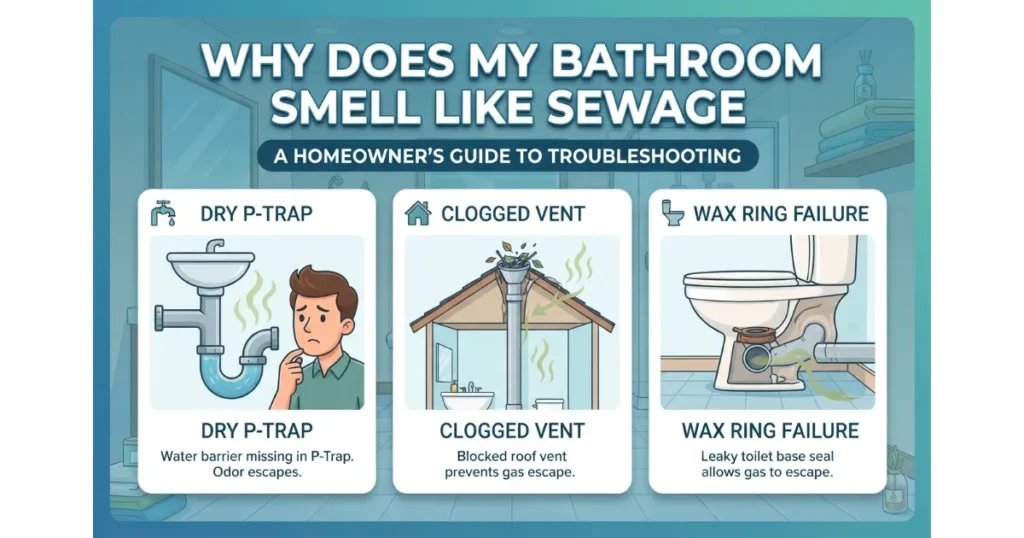
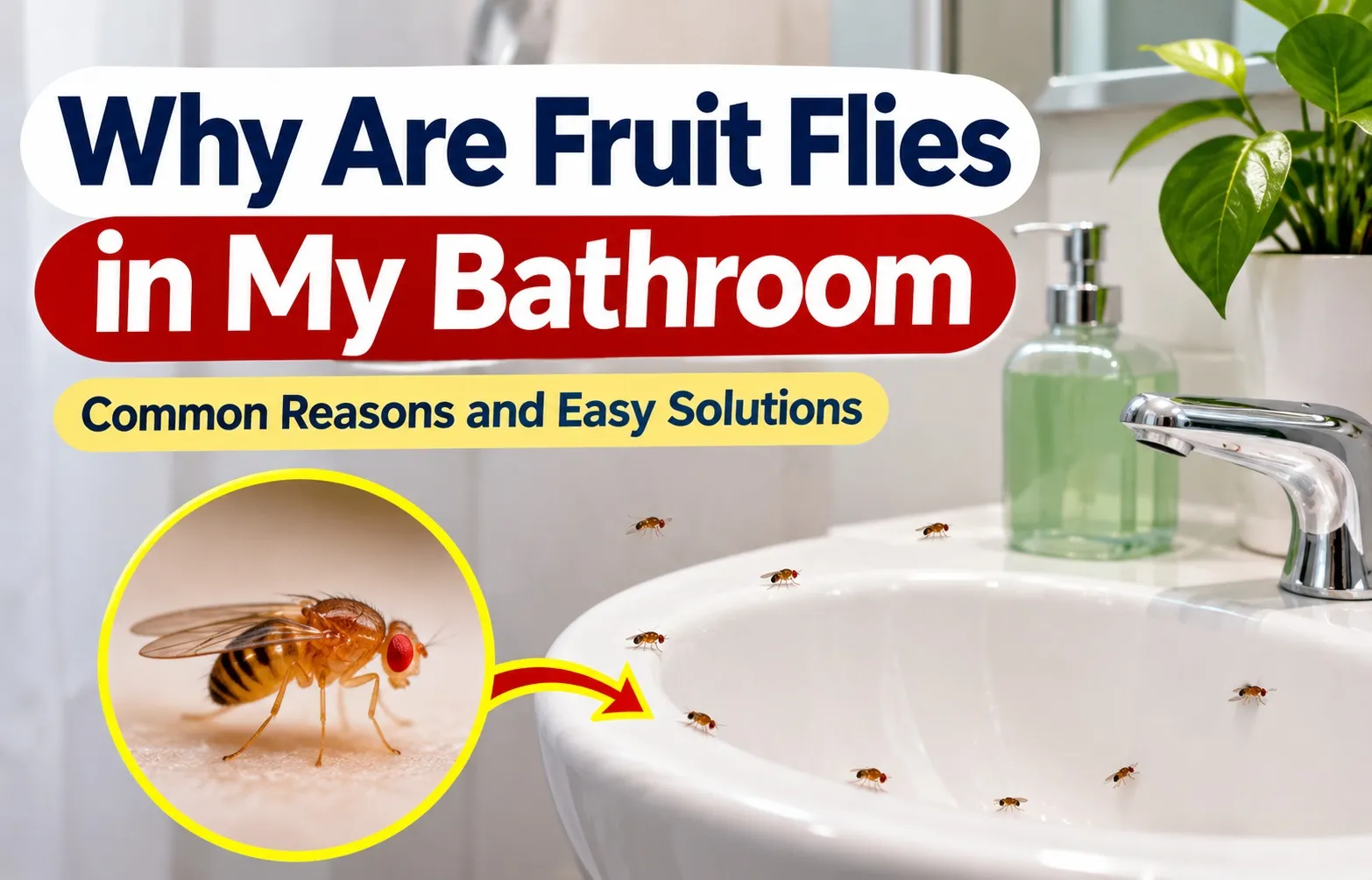 Fruit flies in your bathroom feed on microscopic organic biofilm—a sticky mixture of soap scum, shed skin cells, hair, and trap water accumulating inside sink drains, shower traps, and overflow channels. Even without rotting produce present, this damp organic sludge provides an ideal environment for fruit flies to feed and lay eggs.
Why Are Fruit Flies in Your Bathroom When There’s No Food?
Fruit flies (Drosophilidae) require organic moisture and decaying biological matter to breed. Bathrooms provide ideal alternative breeding conditions through forgotten damp zones that accumulate organic residues over time.
The primary breeding locations in non-kitchen environments include:
- Drain P-Traps: Standing water mixed with soap scum and trapped hair creates a nutrient-rich organic sludge lining the pipe walls.
- Sink Overflow Holes: Hidden internal channels inside porcelain vanities hold standing water and trapped airborne debris that rarely get scrubbed.
- Damp Bath Mats & Liners: High ambient humidity prevents thick fabrics and trash bin liners from drying completely, trapping moisture.
To confirm the exact infestation source, perform a diagnostic check:
- Cover half of the bathroom sink and shower drain openings with clear packing tape sticky-side down before going to sleep.
- Inspect the underside of the tape the following morning.
- If flies are trapped on the adhesive side, the breeding source is located inside the pipe biofilm rather than surrounding room surfaces.
The 4 Hidden Breeding Grounds in a Bathroom
Fruit flies do not require fresh produce or kitchen waste to establish a thriving colony. In humid bathroom environments, they exploit dark damp crevices where organic material accumulates, transforming everyday hygiene buildup into ideal egg-laying sites.
1. Organic Biofilm in Sinks and Shower Drains
The interior walls of sink and shower pipes naturally trap a mixture of shed skin cells, hair buildup, and soap scum over time. This creates a dense, gelatinous layer of organic biofilm inside the P-trap and drain lines.
Biofilm acts as both a continuous food source and a protective nest for fly larvae:
- Larval Shelter: The gelatinous coating shields eggs and larvae from normal water flushes.
- Nutrient Accumulation: Soap residue combined with body oils provides constant nourishment for developing flies.
- Unchecked Growth: Low-flow or infrequently used drains allow biofilm to thicken rapidly without disturbance.
2. The Forgotten Sink Overflow Hole (The #1 Hidden Cause)
The sink overflow port is the primary hidden culprit behind recurring bathroom infestations. Designed to prevent water spills, this secondary channel inside porcelain vanity sinks remains unscrubbed during routine surface cleaning.
Because normal running water rarely fills the overflow channel completely, trapped water and airborne debris settle inside the dark chamber. Splashes from daily handwashing push tiny particles of soap and skin cells into the port, where high humidity allows fermenting matter to form without drying out. Flies enter the small opening easily, laying eggs in a sanctuary completely untouched by standard sink cleaning.
3. Damp Bath Mats, Wet Towels, & High Humidity
Persistent bathroom humidity slows the evaporation rate of porous fabrics, creating moist microclimates across floor surfaces and towel racks.
High relative humidity encourages pest activity through several environmental factors:
- Trapped Moisture: Thick memory foam or microfiber bath mats stay damp underneath for days, trapping moisture against floor tiles.
- Fungal Growth: Wet towels left folded or bunched up develop invisible mildew and fungal traces that attract scavenging pests.
- Poor Ventilation: Exhaust fans turned off immediately after showering leave lingering ambient moisture in low-lying corners.
4. Organic Trash: Makeup Wipes & Skin Care Residue
Open or unlined bathroom waste bins concentrate nutrient-rich organic waste that rivals kitchen trash cans.
Pests are drawn to specific discarded items containing organic compounds:
- Facial & Makeup Wipes: Used wipes hold trapped sebum, dead skin cells, and botanical oils that decay quickly.
- Organic Skincare Residue: Cotton pads containing natural oils, fruit acids, or sugar-based exfoliants begin fermenting inside warm trash bins.
- Uncovered Liners: Waste bins without sealed lids allow female fruit flies to detect decay odors and deposit eggs directly onto discarded cotton products.
How to Confirm the Source: The Overnight Sticky Tape Test
Before treating your bathroom, you must pinpoint whether the pests are actively breeding inside your plumbing or migrating from another room. The overnight sticky tape test is a simple, zero-cost diagnostic method to inspect your pipes without disassembling any plumbing fixtures.
Step-by-Step Drain Testing Protocol
Most pipe-dwelling pests exhibit nocturnal breeding habits, emerging from the dark P-trap during quiet nighttime hours when water flow stops completely.
Follow these precise steps before going to bed to execute the pipe inspection:
- Dry the Drain Grate: Use a microfiber cloth to thoroughly dry the top of the drain grate and the surrounding porcelain or tile surface so the adhesive sticks securely.
- Apply Clear Packing Tape: Take a strip of clear packing tape and fix it sticky-side down across the middle of the drain opening.
- Leave Ventilation Air Gaps: Cover approximately 50% to 75% of the drain opening, leaving small gaps on the sides to permit upward airflow while catching emerging adult flies on the sticky surface.
- Seal Secondary Drains: Repeat this exact process on all bathroom sinks, shower drains, bathtub overflows, and floor drains simultaneously to isolate the exact source.
Interpreting Your Results (Morning Inspection)
Inspect the underside of the tape strips immediately the next morning before running any water down the drains.
Evaluate your findings based on the following diagnostic outcomes:
- Flies Trapped on the Underside (Adhesive Facing Down): Adult flies attempted to climb up from inside the plumbing during the night. The primary breeding ground is confirmed to be the organic biofilm inside that specific pipe line.
- Flies Stuck to the Top Side (Backing Facing Up): The flies are breeding elsewhere in the room (such as inside a damp trash bin, behind potted plants, or under wet bath mats) and were drawn to the sink surface externally.
- Clean Tape with No Trapped Pests: The tested drain is free of an active infestation, allowing you to move your inspection to secondary drains or hidden sink overflow channels.
The Ultimate 4-Step Eradication Protocol
Eliminating a bathroom fly infestation requires a systematic approach that breaks down protective biofilm layers, destroys hidden breeding zones, and traps remaining adult pests. Simple surface sprays will fail if the underlying breeding slime inside your plumbing is left intact.
Step 1: Physical Scrubbing & Biofilm Destruction
Pouring liquids down a drain without mechanical cleaning is ineffective because chemical solutions slide right off slippery biofilm without penetrating the core layer. Physical scrubbing is mandatory to scrape away the protective slime shielding fly eggs and larvae.
Execute this foundational physical cleaning process:
- Remove the Stopper: Take out the pop-up drain stopper or metal drain grate to expose the upper P-trap opening.
- Use a Long Pipe Brush: Insert a flexible long pipe brush deep into the pipe walls, twisting and scrubbing vigorously to dislodge hair, soap scum, and built-up organic sludge.
- Apply Cleaning Agents: Pour baking soda followed by 3% hydrogen peroxide down the drain while scrubbing to create a foaming reaction that lifts debris.
Step 2: Flushing the Overflow Channel (The Funnel Method)
Once the main drain is clear, you must address the secondary overflow port where neglected organic residue continues to breed new generations of flies.
Clean out the hidden overflow channel using a targeted liquid flush:
- Seal the Main Drain: Place a tight stopper over the primary sink drain so liquids cannot escape downward immediately.
- Insert a Funnel: Place a small funnel securely into the upper sink overflow hole.
- Pour Hot Solution: Pour a mixture of boiling water and white vinegar down the overflow funnel, letting it sit for 30 minutes to dissolve trapped film inside the internal vanity walls.
Step 3: Setting Up a High-Attractant DIY Trap (Apple Cider Vinegar + Dish Soap)
Eliminating adult flies flying around the room requires a high-attractant trap to break their reproductive cycle before they lay more eggs.
Build and position an effective trap using simple kitchen ingredients:
- Mix the Attractant: Pour half a cup of apple cider vinegar into a small bowl or jar to mimic the scent of fermenting organic matter.
- Break Surface Tension: Add two to three drops of dish soap into the liquid; the soap eliminates surface tension, causing attracted flies to sink and drown immediately upon landing.
- Strategic Placement: Place the traps directly beside the bathroom sink and near unlined trash bins, covering open containers with plastic wrap poked with small ventilation holes.
Step 4: The Nightly Hot Water & Vinegar Drain Flush
Complete your weekly eradication cycle with a final chemical and thermal treatment designed to flush out any loosened debris.
Perform this routine during the final hours of the evening when bathroom plumbing remains completely unused:
- Boiling Water Flush: Pour a full kettle of boiling water down the drain to melt away remaining fatty residues and soap scum.
- Acidic Treatment: Follow the hot water with one cup of warm white vinegar, allowing it to coat the pipe walls overnight.
- Morning Rinse: Run standard tap water through the system the following morning to wash away residual organic fragments.
Plumber’s Warning: Why You Should NEVER Use Bleach Down Drains
Pouring household bleach down the sink or shower drain is one of the most common mistakes homeowners make when confronting a fly infestation. While bleach is a potent disinfectant, it is completely ineffective at resolving drain pests and introduces severe hazards to your plumbing and home environment.
Why Bleach Fails Against Biofilm Larvae
Chlorine bleach (sodium hypochlorite) fails to eliminate drain pests because of its liquid physical properties and fast transit time through plumbing systems.
Plumbing experts highlight two core reasons why bleach falls short:
- Rapid Flow: Liquid bleach pours straight down the center of the pipe and enters the P-trap without clinging to vertical surfaces, passing too quickly to affect target pests.
- Incomplete Penetration: Bleach sterilizes only the outermost layer of organic sludge. Pests, eggs, and larvae buried deep inside gelatinous biofilm remain entirely untouched and continue their lifecycle.
Environmental & Plumbing Hazards (PVC & Septic Systems)
Using concentrated sodium hypochlorite inside household pipes introduces structural and biological risks that far outweigh any short-term cleaning benefits.
Hazardous side effects of pour-down bleach include:
- Pipe Degradation: Frequent contact with corrosive chemicals weakens PVC pipe joints, corrodes older metal plumbing, and degrades rubber washers.
- Septic System Failure: Bleach entering a septic tank kills the beneficial bacteria responsible for breaking down solid waste, leading to system backups and costly repairs. Review established septic system protection standards to protect your home’s wastewater infrastructure.
- Toxic Fumes: Bleach reacting with trapped drain substances—such as residual ammonia from cleaning products or organic waste—releases dangerous fumes inside enclosed bathrooms.
Safe Chemical Alternatives: Enzymatic Drain Cleaners
Replacing harsh chemicals with biological solutions ensures long-term biofilm removal without damaging home plumbing or septic ecosystems.
Enzymatic drain cleaners offer superior results through target-specific action:
- Organic Digestion: Enzyme formulations contain natural bacteria strains that actively feed on hair, soap scum, skin cells, and grease.
- Thick Gel Adhesion: Commercial enzymatic gels coat the entire circumference of internal pipe walls, clinging to vertical surfaces long enough to dissolve the biofilm layer completely.
- Safe Chemical Profile: Enzymatic formulas produce zero toxic vapors, are 100% safe for PVC and metal pipes, and help maintain optimal septic tank bacterial health.
Long-Term Bathroom Prevention Checklist
Preventing fruit flies from returning requires consistent habits that remove standing moisture and halt organic buildup before it forms a breeding biofilm. Adopting a structured preventive maintenance routine will keep your bathroom completely pest-free year-round.
Daily & Weekly Moisture Control Hacks
Controlling ambient humidity and surface dampness deprives pests of the moist environment they require to survive and reproduce.
Incorporate these daily and weekly moisture habits into your routine:
- Run Exhaust Fans Post-Shower: Keep your bathroom exhaust fan running for at least 20 minutes after every shower to clear lingering steam and reduce relative humidity.
- Squeegee Shower Surfaces: Use a handheld squeegee to remove excess droplets from tile walls and glass shower doors immediately after bathing.
- Launder Fabrics Regularly: Hang damp bath towels on wide racks to dry quickly, and wash bath mats weekly to eliminate persistent moisture trapped beneath heavy textiles.
Maintaining Drain Biofilm Neutralization
Routine pipe care keeps P-traps and overflow ports clean, stopping soap scum and organic sludge from rebuilding inside your plumbing.
Follow a simple weekly maintenance flush to protect your drains:
- Weekly Baking Soda & Vinegar Rinse: Pour half a cup of baking soda followed by one cup of white vinegar down every bathroom drain once a week to dissolve fresh grease and skin cells.
- Hot Water Rinse: Flush the pipes with a kettle of hot water after 15 minutes to clear out loosened particles.
- Clear Drain Covers: Remove hair buildup from pop-up stoppers and shower drain grates every few days to maintain proper drainage.
Plant & Trash Sanitation Rules
Managing non-plumbing attractants cuts off secondary food sources and prevents flies from nesting in other bathroom areas.
Maintain these trash and plant hygiene standards:
- Use Sealed Trash Bins: Replace open waste baskets with step-on, tightly sealed trash cans fitted with durable liners.
- Empty Waste Daily: Dispose of used facial wipes, cotton pads, and personal hygiene items every evening rather than letting them decompose in the bin.
- Monitor Indoor Plants: Allow the top inch of potting soil in bathroom houseplants to dry completely between waterings to prevent fungus gnats and moisture-seeking pests.
Frequently Asked Questions About Bathroom Fruit Flies
Here are concise, practical answers to the most common questions regarding sudden bathroom fly outbreaks, natural repellents, and pest lifecycles.
Why are there so many flies in my bathroom all of a sudden?
A sudden infestation usually occurs when a batch of eggs laid inside your drain biofilm or hidden sink overflow hole hatches simultaneously. A single female fruit fly can lay up to 500 eggs, which mature from larvae to flying adults in as little as 7 to 10 days in warm, humid conditions.
What smell do fruit flies hate the most?
Fruit flies are strongly repelled by concentrated herbal essential oils, particularly peppermint, lavender, eucalyptus, and lemongrass. Diffusing these essential oils or spraying a diluted peppermint oil mixture around vanity surfaces masks organic odors and deters adult flies from entering the area.
How long does a bathroom fruit fly infestation last?
A typical fruit fly lifecycle spans 40 to 50 days, but an active bathroom infestation can persist indefinitely if the breeding biofilm remains in your drains. Once you scrub the pipes and eliminate the larval breeding source, remaining adult flies will die off or clear out within 7 to 14 days.
Can fruit flies live in clean water?
No, fruit flies cannot reproduce or survive in pure, clean water because it lacks the organic nutrients required for larvae to feed. However, they readily thrive in standing water mixed with soap scum, hair, or decaying organic material typically found in stagnant P-traps and uncleaned overflow channels.

Oscar Vance | Master Plumber & Drainage Expert
Meet Oscar Vance, a licensed master plumber sharing practical solutions on residential repairs, preventive maintenance, and thoughtful home upkeep.