Why Does Your Bathroom Smell Like Mold Even After Cleaning?
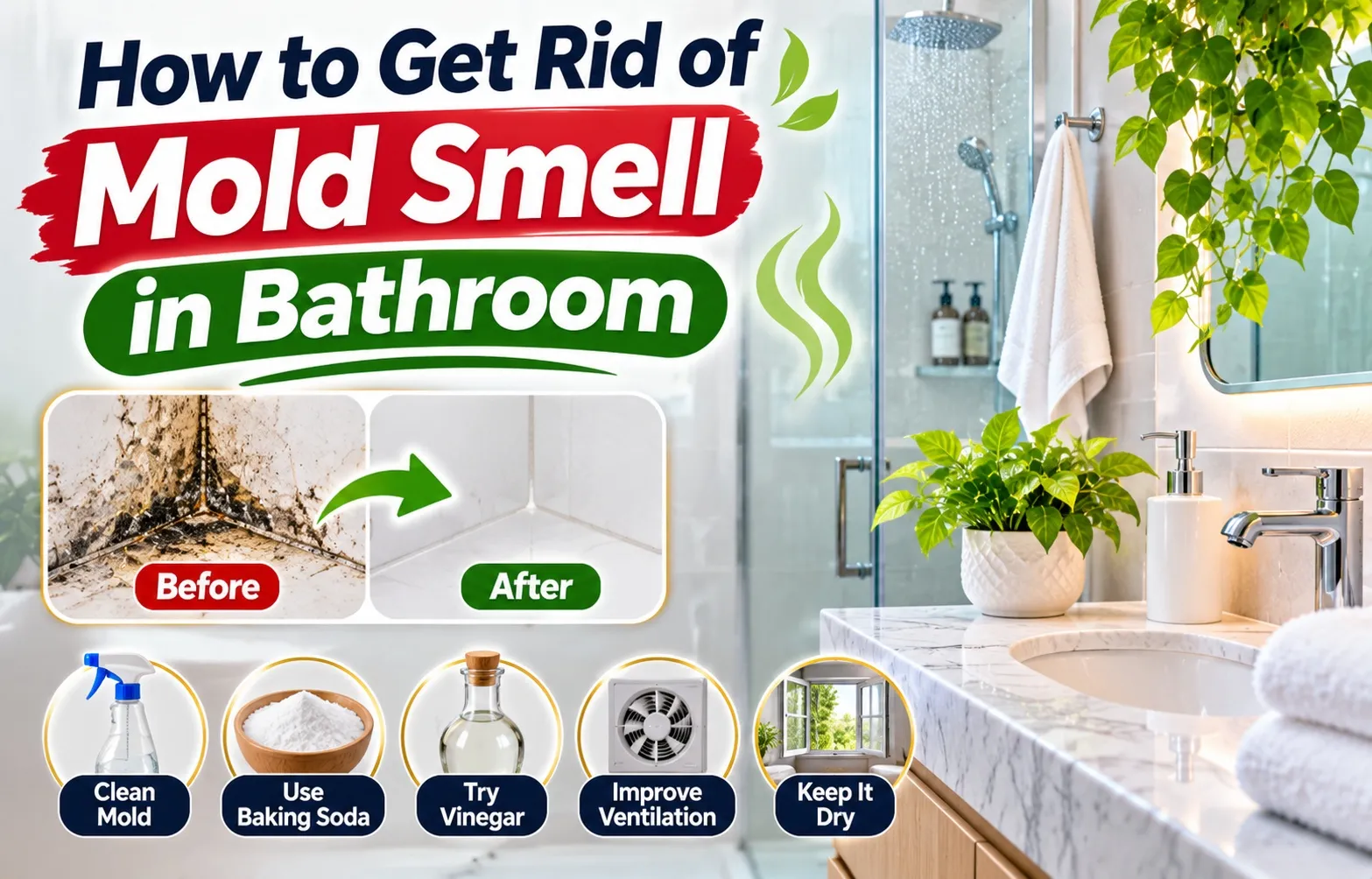 When a pristine bathroom still carries a heavy mildew odor, the source is invariably hidden from plain sight where standard surface cleaning agents cannot reach. Uncovering this persistent smell requires investigating non-obvious infrastructure failures and structural micro-climates that constantly feed mold growth.
Use this comprehensive inspection checklist to locate and neutralize hidden moisture traps behind walls, underneath fixtures, and inside neglected drainage systems.
Sagging Exhaust Ductwork in the Attic
Improperly installed flexible exhaust ducts often sag in the attic, allowing warm shower steam to condense inside the low points of the tubing. This trapped water pools and eventually leaks back down through the ceiling fan housing, continuously soaking the surrounding drywall.
- Inspect your attic space to ensure flexible exhaust fan ductwork runs taut and maintains a continuous upward slope toward the exterior vent.
- Insulate exterior-venting ducts thoroughly to prevent rapid condensation buildup during colder weather months.
- Check the ceiling fan housing for water stains or damp insulation indicating backward dripping.
Failed Toilet Wax Rings & Subfloor Rot
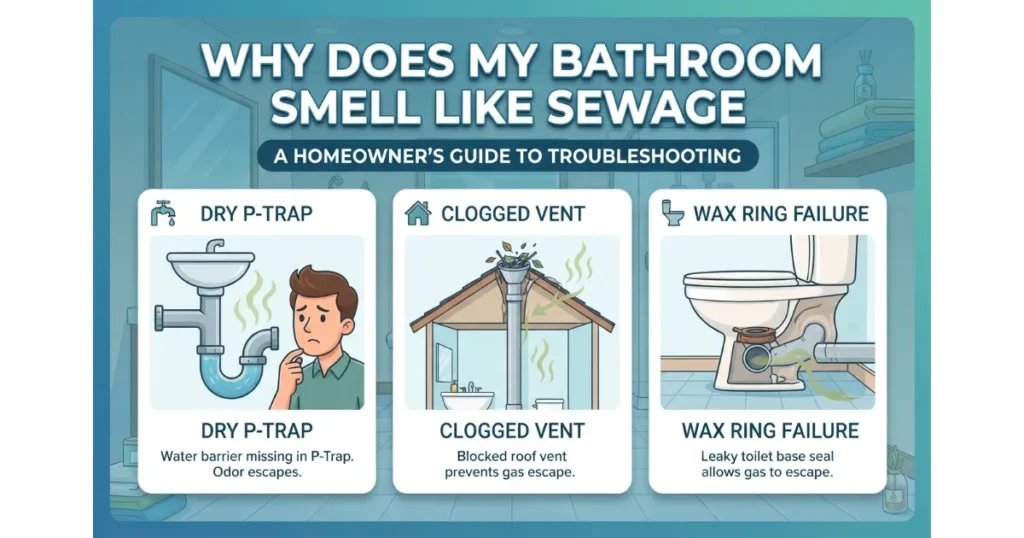
A compromised toilet wax ring allows small amounts of wastewater and sewer gas to seep out with every flush, soaking into the subfloor without creating visible puddles. This hidden organic breakdown generates a powerful, persistent musty or earthy odor that mimics black mold.
- Gently rock the base of your toilet to check for any looseness or movement against the flooring.
- Inspect the perimeter where the toilet bowl meets the floor for soft spots, discoloration, or warping in wooden subfloors.
- Replace deteriorated wax rings immediately and re-secure floor bolts to restore a watertight, airtight seal.
Sink & Tub Overflow Channels (Hidden Biofilm)
The small overflow drain located near the rim of your bathroom sink or tub connects to a secondary channel that rarely sees direct water flushing. Over time, hair, soap scum, and bacteria accumulate here to form a thick, foul-smelling black biofilm.
- Pour a mixture of white vinegar and baking soda down the primary sink opening while temporarily sealing the overflow hole with a damp cloth.
- Use a flexible narrow brush designed for tubing to physically scrub the interior walls of the overflow channel.
- Flush the channel thoroughly with hot water and an enzymatic cleaner to dissolve lingering organic waste.
Behind Shower Wall Tile & Peeling Caulk
Microscopic cracks in aging silicone caulk or degraded grout lines allow daily shower spray to penetrate directly behind wall tiles. This trapped moisture rots the drywall backing and wood framing, fostering extensive mold colonies completely hidden from view.
- Examine all vertical and horizontal silicone caulk joints around your tub and shower enclosure for shrinking, cracking, or peeling.
- Press firmly against tiled walls around wet zones to check for spongy or hollow-sounding drywall backing.
- Strip away compromised caulking entirely, let the joint dry completely, and reapply a fresh mildew-resistant silicone seal.
Damp Textiles & Porous Bath Mats
Rubber-backed bath mats, heavy fabric shower curtains, and damp towels retain moisture for hours in humid bathroom environments, transforming into prime breeding grounds for mildew spores. Standard washing machine cycles often fail to strip trapped oils and spores from deep synthetic fibers.
- Wash porous bath mats and shower curtains monthly using hot water and a cup of white vinegar to strip embedded soap residue and mold spores.
- Hang rubber-backed mats over the edge of the tub or outdoors to dry completely after every single use.
- Replace synthetic mats with washable cotton alternatives that breathe and dry much faster.
How to Find Hidden Mold Smells Without Tearing Down Walls
Pinpointing a hidden mold source does not require ripping out drywall or dismantling plumbing fixtures. By utilizing specialized diagnostic tools and simple physical checks, you can accurately locate trapped wall-cavity moisture and failing ventilation systems from the outside.
Executing non-destructive testing allows you to isolate the exact zone of decay before committing to invasive repairs or professional remediation services.
The Pinless Moisture Meter Test
A pinless moisture meter uses electromagnetic waves to scan drywall, baseboards, and tile perimeters non-destructively, identifying hidden damp pockets before structural damage becomes visible. Readings exceeding 17 percent behind standard interior drywall indicate active moisture retention and prime conditions for mold growth.
- Press the meter flat against drywall sections surrounding your shower enclosure, tub base, and underneath sink vanities.
- Compare readings from suspected wet zones against a known dry baseline wall in another room.
- Investigate any localized spike above 17 percent to find slow plumbing leaks or exterior water infiltration.
The Tissue Paper Exhaust Airflow Test
Many homeowners rely on noisy bathroom fans that hum loudly while failing to move air effectively out of the room, leaving high humidity trapped indoors. Holding a single sheet of tissue paper against the running fan intake grill provides an instant diagnostic test of its actual suction power.
- Turn on your bathroom exhaust fan and hold a lightweight facial tissue flat against the center of the intake cover.
- Observe whether the suction holds the tissue firmly in place against the grille or if it drops immediately.
- Replace or clean fans that fail to hold the tissue, ensuring a minimum rating of 50 CFM for standard bathroom spaces.
Checking Electrical Outlets & Baseboards
Wall cavities act as chimneys for trapped stagnant air, forcing musty mold odors out through the path of least resistance around unsealed electrical boxes and baseboard gaps. Performing a targeted close-range sniff test near wall plates helps isolate hidden mold colonies brewing inside drywalled partitions.
- Turn off power at the circuit breaker and remove plastic switch or outlet faceplates located on shared bathroom walls.
- Sniff closely near the opening to detect concentrated musty airflow escaping from inside the wall cavity.
- Inspect gaps along baseboards and quarter-round trim where damp subfloor air vents into the main living space.
Step-by-Step Deep Cleaning Protocol to Kill Mold at the Root
Surface-level wiping only clears away visible discoloration while leaving deep root structures intact inside porous materials. Eradicating musty odors permanently requires a targeted, science-backed cleaning protocol that penetrates grout, destroys organic biofilm, and strips embedded spores from textiles.
Follow this rigorous multi-step remediation sequence to neutralize mold roots and restore total freshness to your bathroom environment.
Why Bleach Often Fails (And Leaves a Lingering Smell)
Sodium hypochlorite bleach contains a high water content that sinks into porous grout and drywall, causing the surface mold to turn white while the living roots remain anchored underneath. Furthermore, mixing bleach with ammonia, vinegar, or acidic cleaners releases toxic chloramine or chlorine gas, posing severe respiratory hazards.
- Avoid using chlorine bleach on porous surfaces like unsealed grout, wood, or drywall where moisture retention fuels future mold growth.
- Never combine bleach with white vinegar, ammonia, or commercial toilet bowl cleaners under any circumstances.
- Opt for acetic acid and hydrogen peroxide solutions that penetrate microscopic pores to kill mold at the root cellular level.
Step 1: The White Vinegar & Hydrogen Peroxide Grout Treatment
White vinegar contains natural acetic acid that breaks down mold cell walls, while 3 percent hydrogen peroxide acts as a powerful antifungal agent to sanitize porous tile and grout lines. Allowing these solutions adequate dwell time ensures deep eradication of hidden spores without damaging surrounding fixtures.
- Spray pure white vinegar directly onto affected grout lines and let it sit undisturbed for 10 to 15 minutes to penetrate the porous structure.
- Scrub the surface gently with a stiff-bristled brush, wipe clean, and allow the area to dry completely.
- Follow up by spraying 3 percent hydrogen peroxide over the cleaned zone to eliminate remaining microscopic spores and deodorize lingering mustiness.
Step 2: Flushing Sink Drains, P-Traps, and Overflow Channels
Organic debris trapped inside sink pipes and overflow channels emits foul sewer-like gases that mimic persistent mold odors throughout the room. Using a combination of physical extraction and natural bubbling agents clears out hidden sludge buildup completely.
- Insert a flexible plastic zip-it drain snake down the main sink waste pipe and overflow opening to pull out trapped hair and soap scum.
- Pour half a cup of baking soda down the drain followed by one cup of white vinegar, letting the mixture fizz for 15 minutes.
- Flush the entire assembly thoroughly with a full kettle of boiling water to wash away dissolved organic residue.
Step 3: Stripping Mildew from Towels, Curtains, and Mats
Standard laundry detergents often lock in mold spores and stubborn oils trapped inside synthetic bath textiles, maintaining a musty odor even after washing. Stripping these items with hot water and oxygen-based cleaners neutralizes deep-seated mildew proteins.
- Wash fabric shower curtains, bath mats, and towels using the hottest water setting recommended on their care labels.
- Add one cup of white vinegar during the wash cycle to strip away built-up soap residue and soften fibers.
- Incorporate oxygen bleach powder instead of chlorine bleach to safely sanitize colored fabrics and eliminate hidden mildew smells.
How to Neutralize Lingering Musty Odors in the Air
Cleaning away visible mold and scrubbing drains does not immediately clear the dense cloud of microbial volatile organic compounds (mVOCs) trapped in your bathroom air. These gaseous waste products produced by mold continue to circulate, causing rooms to smell foul even after all surfaces are thoroughly disinfected.
Clearing these residual odors requires a combination of passive absorption media, mechanical air filtration, and controlled natural fresheners that target molecules at the chemical level rather than masking them.
Activated Charcoal & Baking Soda Odor Traps
Activated bamboo charcoal and baking soda feature microscopic porous structures that act as powerful molecular sponges, trapping airborne mVOCs and moisture molecules effectively. Placing these passive absorbents in strategic locations ensures continuous air deodorization without chemical additives.
- Position breathable linen bags filled with activated charcoal near the floor under sink vanities and behind the toilet where heavy, stale air settles.
- Place open glass bowls filled with fresh baking soda on upper shelves to capture drifting humidity and musty odor notes.
- Reactivate charcoal bags monthly by placing them outdoors in direct sunlight for several hours to release trapped organic compounds.
Using HEPA Air Purifiers with Carbon Filters
Standard household fans merely stir up stagnant air, whereas a true HEPA air purifier combined with an activated carbon filter actively scrubs microscopic mold spores and gaseous mVOCs from the environment. This continuous mechanical filtration prevents airborne spores from resettling on dry surfaces.
- Select a portable air purifier rated for your bathroom’s exact square footage equipped with a medical-grade HEPA filter.
- Ensure the unit includes a thick granular activated carbon stage specifically designed to adsorb chemical odors and microbial gases.
- Run the purifier continuously on a low setting during high-humidity shower hours to maintain clean indoor air circulation.
Safe Essential Oil Diffusing (Tea Tree & Eucalyptus)
Pure essential oils like tea tree and eucalyptus contain natural antifungal and antibacterial properties that complement cleaning efforts when used correctly. However, they must only be diffused after active mold colonies have been completely eradicated, as they cannot treat the underlying source of growth.
- Add three to five drops of pure tea tree or eucalyptus oil to a cool-mist diffuser placed safely on a dry countertop.
- Run the diffuser for 15-minute intervals following a deep-cleaning session to leave a crisp, naturally sanitized fragrance.
- Avoid relying on heavy synthetic room sprays or scented candles that only coat foul-smelling molecules without neutralizing them.
Long-Term Prevention: Keeping Bathroom Humidity Below 50%
Preventing musty odors and mold from returning permanently requires maintaining indoor relative humidity (RH) consistently below 50 percent. When ambient humidity remains low, moisture-loving spores lack the hydration needed to germinate and colonize surfaces.
Implementing simple daily habits and strategic structural upgrades establishes an inhospitable environment for mold, ensuring your bathroom stays fresh and clean long after deep cleaning.
The 30-Minute Exhaust Fan Rule (Or Humidity-Sensing Switches)
Turning off your bathroom exhaust fan the moment you step out of the shower leaves significant steam lingering in the air, which quickly condenses onto cool walls and ceilings. Keeping the fan running for at least 30 minutes post-shower—or upgrading to an automated humidity-sensing switch—ensures complete moisture evacuation.
- Leave your exhaust fan running for 30 minutes after every bath or shower to thoroughly clear ambient humidity from the room.
- Install a programmable timer switch to automate shut-off without requiring manual monitoring.
- Upgrade to a smart humidity-sensing switch that detects rising moisture levels and turns the fan on and off automatically.
Solutions for Windowless Bathrooms
Bathrooms lacking exterior windows struggle with natural airflow, trapping heavy moisture pockets inside enclosed corners and shower stalls. Integrating compact desiccant dehumidifiers and hanging moisture-absorbing crystals helps artificially stabilize indoor humidity.
- Place a compact electric desiccant dehumidifier on a stable countertop or floor corner to actively pull moisture from the air.
- Use calcium chloride moisture-absorbing tubs inside enclosed vanity cabinets or closets where stagnant air accumulates.
- Leave the main bathroom door propped open slightly when the room is unoccupied to encourage cross-ventilation from adjacent living spaces.
The 60-Second Post-Shower Squeegee Habit
Water droplets resting on shower glass, tile walls, and tub ledges account for up to 75 percent of the ambient humidity that evaporates into the room after bathing. Spending just 60 seconds wiping down wet surfaces with a handheld squeegee removes standing water before it can turn into vapor.
- Keep a stylish suction-cup squeegee hanging directly inside your shower enclosure for easy accessibility.
- Squeegee wet tile walls and glass doors from top to bottom immediately after turning off the water.
- Wipe down the bottom shower ledge with a microfiber cloth or hand towel to catch final pooling droplets.
Re-Caulking with 100% Mold-Resistant Silicone
Standard latex or acrylic caulk breaks down over time under constant water exposure, developing microscopic fissures that harbor black mold roots. Replacing old seals with 100 percent waterproof, mold-resistant silicone creates an impenetrable barrier against water infiltration.
- Strip away all degraded, discolored, or peeling caulk using a specialized scraper tool and clean the joint thoroughly with rubbing alcohol.
- Apply a smooth, continuous bead of 100 percent mold-resistant silicone caulk along all tub and shower perimeters.
- Allow the silicone to cure completely for 24 to 48 hours before exposing the new seal to water contact.
Health & Safety Advisory: When Mold Smell Indicates a Serious Problem
While many bathroom musty odors stem from minor surface mildew or trapped soap scum, a persistent, aggressive stench can indicate a hidden, large-scale infestation requiring professional intervention. Understanding the distinct warning signs helps protect your household from potential health hazards and structural degradation.
Recognizing the threshold between manageable DIY cleaning and certified remediation ensures you handle toxic mold outbreaks safely in accordance with environmental health standards.
What Does Toxic Mold Smell Like vs. Regular Mildew?
Standard mildew typically carries a damp, earthy scent similar to a wet towel left in a gym bag, whereas toxic strains like Stachybotrys chartarum (black mold) produce a sharp, pungent, musty odor resembling rotting wood or decaying soil. This heavy smell is driven by volatile organic compounds released as mold colonies digest hidden drywall backing and structural framing.
- Identify standard surface mildew by its mild, damp-earth aroma that dissipates quickly after basic ventilation and scrubbing.
- Treat a persistent, foul, earthy stench as an indicator of concealed growth inside wall cavities, subfloors, or HVAC ductwork.
- Investigate immediately if an intense musty odor remains constant despite exhaustive cleaning and continuous air filtration.
Warning Signs of Mold Exposure
Inhaling concentrated mold spores and mycotoxins over extended periods can trigger significant allergic reactions and respiratory distress, particularly in children, elderly residents, and individuals with compromised immune systems. Recognizing these physiological symptoms helps connect indoor environmental triggers to unexplained health issues.
- Monitor for chronic nasal congestion, persistent coughing, throat irritation, and frequent sneezing that worsens specifically while inside the bathroom.
- Note unexplained skin rashes, watery eyes, or recurring sinus headaches that fade after leaving the home environment.
- Consult a healthcare professional if asthma symptoms flare up unexpectedly or respiratory difficulties persist indoors.
The 10-Square-Foot Rule (DIY vs. Hiring a Professional)
According to the official EPA Guide to Mold, Moisture, and Your Home, mold infestations exceeding 10 total square feet generally surpass safe DIY cleaning limits and require professional containment and remediation. Attempting to scrub large, hidden colonies without specialized personal protective equipment and negative-air pressure machines can disperse millions of spores throughout the rest of your home.
- Manage small surface patches under 10 square feet independently using vinegar, hydrogen peroxide, and protective gloves.
- Hire a certified professional mold remediation specialist if growth extends behind walls, inside HVAC systems, or across large structural surfaces.
- Commission an independent industrial hygienist to perform air quality and spore testing if health symptoms persist without a visible source.
Frequently Asked Questions
Does mold smell go away on its own?
No, a mold smell will never disappear on its own because the underlying moisture source and living fungal spores continue to thrive. Masking the odor with sprays only hides the scent temporarily while the underlying colony spreads inside porous materials like drywall or grout.
What kills mold smell instantly in a bathroom?
Activated charcoal bags and 3 percent hydrogen peroxide neutralize mold odors rapidly by absorbing airborne volatile organic compounds and oxidizing residual spores. However, permanent elimination requires scrubbing the root source with antifungal solutions and lowering overall room humidity below 50 percent.
What smell can be mistaken for mold in a bathroom?
Dry P-traps let foul sewer gases escape into the room, creating an earthy smell easily mistaken for black mold. Other common imposters include sour odors from damp synthetic bath mats, rotting hair trapped in sink overflows, and degrading organic adhesives behind old vinyl flooring or drywall.
Is it safe to use a bathroom that smells like mold?
Occasional short-term use of a damp bathroom is generally safe for healthy individuals, but spending extended time in a space with active mold poses significant respiratory risks. People with asthma, allergies, or compromised immune systems should avoid using the space until the underlying infestation is fully remediated.

Oscar Vance | Master Plumber & Drainage Expert
Meet Oscar Vance, a licensed master plumber sharing practical solutions on residential repairs, preventive maintenance, and thoughtful home upkeep.