Why Lead Sheets Remain Irreplaceable in Modern Metal Roofing
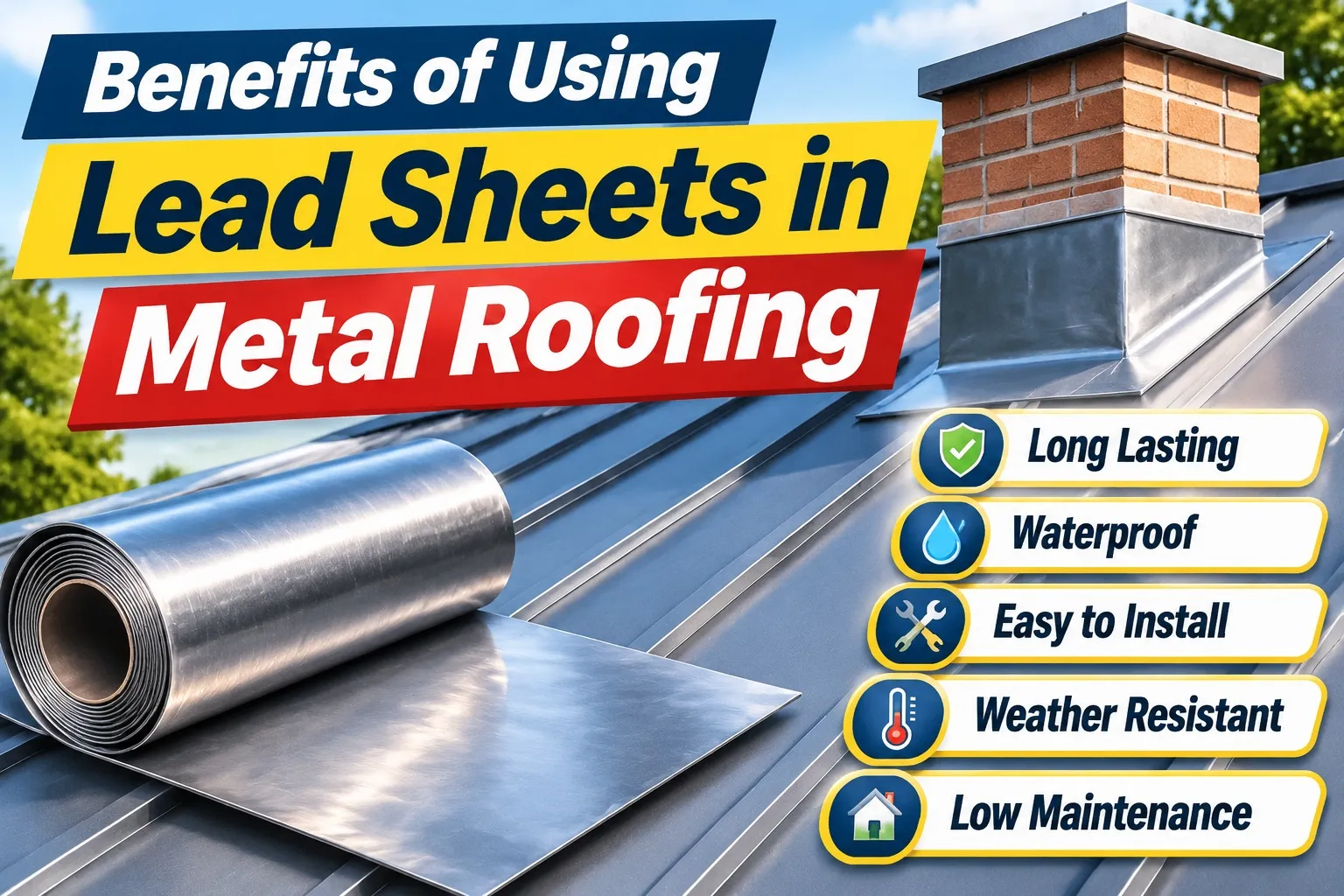 Lead sheets have served as the ultimate waterproofing shield in construction for centuries, providing an adaptable, flexible barrier where rigid metal panels cannot form a watertight seal. Despite modern manufacturing advances, traditional lead remains the gold standard for complex roof flashing and valleys.
When pairing standing seam or corrugated metal panels with brick chimneys, skylights, and roof valleys, rigid metals often fail to accommodate intricate thermal movements. Lead bridges this performance gap effortlessly.
- Seamless contouring around sharp architectural angles and irregular masonry joints.
- Unmatched adaptability to structural shifts and continuous thermal expansion cycles.
- Complete, impenetrable protection against wind-driven rain and severe snow infiltration.
What This Guide Covers: Durability, Technical Specs, and Safety
Mastering lead sheet installation requires navigating precise material codes, environmental safety protocols, and long-term performance metrics. This comprehensive guide explores everything from engineering standards to modern alloy alternatives designed for high-end architectural roofing.
Selecting the correct flashing material directly impacts both the total lifespan of the metal roof and overall regulatory building compliance.
- Core Performance Benefits: Evaluating exceptional malleability, thermal movement accommodation, and century-long durability.
- Technical Specifications: Understanding code standards, gauge weights, and precise millimeter thicknesses for custom flashings.
- Safety and Environmental Compliance: Managing rainwater runoff, protective lead carbonate patinas, and safe installation practices.
- Material Comparisons: Analyzing pure lead versus aluminum, copper, and advanced lead-coated copper hybrids.
The Core Benefits of Using Lead Sheets on Metal Roofs
Lead’s extraordinary malleability allows roofers to hand-form sheets directly on-site, creating precise, seamless seals around complex roof joints and masonry penetrations where rigid metals inevitably fail or leak. Unlike rigid flashing materials that require specialized fabrication equipment, lead adapts instantly to unique angles and contours during installation.
- Easy beating and dressing into tight corners and corrugated roof profiles.
- Eliminates complex multi-piece joints at roof valleys and chimney step flashings.
- Ensures immediate watertight integrity around irregular structural penetrations.
Unmatched 100+ Year Longevity and Durability
High-grade lead sheets boast a proven 100-year lifespan, outliving standard aluminum or galvanized steel flashing systems by up to three times while requiring virtually zero structural replacements over generations. Investing in architectural lead delivers exceptional long-term value, resisting fatigue and environmental degradation far longer than alternative roofing metals.
- Exceptional resistance to mechanical stress and structural settling.
- Significantly lower lifetime lifecycle costs compared to frequent roof retrofits.
- Reliable multi-generational performance in harsh coastal and industrial environments.
Superior Thermal Movement Accommodation Without Cracking
Metal roofs experience continuous thermal expansion and contraction under extreme temperature swings, but lead sheets absorb these dimensional shifts smoothly without warping, tearing, or breaking seals at roof joints. Rigid flashing metals often buckle or pull away from fasteners as temperatures fluctuate, whereas lead’s unique physical properties prevent these critical failure points.
- Seamless adjustment to daily and seasonal thermal cycles.
- Prevents fastener pop-outs and stress fracturing at critical expansion joints.
- Maintains a continuous waterproof barrier across large sheet installations.
Natural Weather and Corrosion Resistance Through Patina Formation
When exposed to atmospheric elements, lead naturally develops a stable gray patina that shields the underlying metal from UV radiation, acid rain, and severe atmospheric pollution. This protective surface layer acts as natural armor, halting further surface oxidation and ensuring consistent, long-term weatherproofing performance.
- High resistance to harsh UV rays and intense solar degradation.
- Impervious to heavy downpours, snow accumulation, and freezing cycles.
- Stable chemical composition that resists airborne industrial pollutants.
Technical Specifications: Understanding Lead Sheet Codes and Thicknesses
Professional roofing applications rely on standardized manufacturing codes to specify lead sheet thickness, weight per square meter, and structural suitability. Understanding these specifications ensures compliance with international building standards and guarantees long-term load-bearing reliability across diverse climatic zones.
Unlike consumer-grade materials, structural lead sheets are categorized by standardized weight classes that dictate their rigidity, wind uplift resistance, and intended architectural application.
- Code 4 Lead: Features a nominal weight of 18.00 kg per square meter with a thickness of approximately 1.80 mm, ideal for standard flashings and vertical applications.
- Code 5 Lead: Weighs 20.40 kg per square meter at a thickness of 2.24 mm, offering enhanced durability for heavier weathering requirements.
- Heavier Codes (Code 6 to 8): Ranging from 25.40 kg to 35.70 kg per square meter, utilized for major architectural panels, flat roofs, and heavy-duty box gutters.
For more detailed technical guidance on code applications and installation standards, consult the Lead Sheet Association guidelines.
Choosing the Right Code: Chimney Flashings vs. Full Valley Linings
Selecting the correct lead code depends entirely on the specific roof junction, exposure level, and the physical stress the metal will endure. Mismatching code thicknesses can lead to premature buckling or unnecessary structural weight on residential framing systems.
Contractors must match the material grade to the specific architectural detail to balance cost-efficiency, wind resistance, and thermal movement capacity.
- Chimney and Step Flashings: Code 4 is widely preferred for standard step and chimney flashings because its lighter profile is easily dressed against masonry while handling localized thermal expansion.
- Roof Valleys and Gutters: Code 5 or higher is necessary for full valley linings and concealed gutters to withstand constant water flow, debris abrasion, and higher structural load demands.
- Large Flat Roof Areas: Higher codes (Code 6 through 8) are mandatory for extended sheet runs to prevent wind uplift and accommodate broader thermal expansion movements.
Safety and Environmental Realities: Do Lead Roofs Contaminate Water?
When exposed to atmospheric oxygen, moisture, and carbon dioxide, lead naturally forms a tough chemical layer known as lead carbonate. This protective patina acts as an inert barrier that stabilizes the underlying metal, drastically minimizing direct particle release and environmental weathering.
Without this natural oxidation process, lead sheets would remain vulnerable to continuous atmospheric erosion. Instead, the stabilized surface layer locks the metal’s integrity in place for generations.
- Forms a stable, weather-resistant chemical shield within weeks of installation.
- Prevents direct environmental leaching by sealing the pure metal beneath.
- Withstands aggressive industrial fallout, acid rain, and prolonged UV bombardment.
Rainwater Harvesting Safety and Runoff Precautions
Homeowners utilizing rainwater catchment systems often question whether lead roof runoff is safe for garden irrigation or potable use. While a fully patinated lead roof sheds relatively stable water, untreated initial runoff can contain trace heavy metal particles during storms.
Proper system design and standard filtration practices eliminate contamination risks, making it fully possible to maintain environmental safety without sacrificing roof durability.
- Avoid drinking or using harvested rainwater for edible crops directly from unwashed lead roofs.
- Install first-flush diverters to discard the initial heavy surge of roof runoff during a rain event.
- Ensure rainwater systems intended for potable use incorporate professional multi-stage sediment and carbon filtration.
The Critical Importance of Patination Oil During Installation
Applying patination oil immediately after installing lead sheets is vital to prevent unsightly white corrosion staining and to accelerate a uniform, protective lead carbonate barrier. Without this oil treatment, fresh lead reacts unevenly with rainwater, causing heavy zinc carbonate streaking down adjacent metal panels or masonry.
Professional roofers treat every exposed square meter of new lead work with a specialized mineral-based patination oil to lock in long-term environmental safety and aesthetic consistency.
- Prevents the formation of loose white zinc/lead carbonate powder during early weathering.
- Speeds up the uniform maturation of the dark gray protective patina layer.
- Protects adjacent roof tiles, metal panels, and brickwork from permanent runoff staining.
Pure Lead vs. Modern Alternatives and Hybrid Innovations
Roofing contractors frequently debate whether to use traditional lead, lightweight aluminum, or premium copper based on installation complexity, aesthetic aging, and budget constraints. Each metal offers distinct mechanical behaviors when exposed to severe weather and thermal stress.
Evaluating these materials side-by-side reveals why lead remains the preferred choice for complex architectural junctions despite the availability of alternative metals.
- Lead Sheets: Unsurpassed malleability for hand-forming complex shapes; lasts 100+ years with zero risk of green bleeding stains.
- Aluminum Flashing: Lightweight and cost-effective, but prone to structural fatigue and cracking under aggressive thermal expansion cycles.
- Copper Flashing: Highly durable and visually striking, but known for bleeding vibrant green stains down adjacent masonry and shingles as it ages.
The Rise of Lead-Coated Copper in Modern Architectural Roofing
Modern architectural projects increasingly leverage lead-coated copper as a high-performance hybrid solution that merges the structural rigidity of copper with the non-staining, corrosion-resistant benefits of a lead exterior. This composite material satisfies strict environmental regulations while delivering exceptional longevity on high-end commercial and historical roofs.
Engineers and master roofers choose lead-coated copper when structural spans require higher rigidity than pure lead can provide without sacrificing aesthetic consistency.
- Combines a rigid copper core with a protective outer lead-tin alloy coating.
- Eliminates unsightly green runoff staining on expensive stone and slate facades.
- Offers superior wind uplift resistance on steep-slope and large-format architectural metal panels.
Frequently Asked Questions About Lead Sheets in Metal Roofing
What are the main downsides of lead roofing?
While lead sheets offer unmatched durability, they present specific challenges that contractors and property owners must consider during planning. Weight and installation complexity are primary factors.
Understanding these drawbacks helps ensure proper material selection and safe handling practices on commercial and residential job sites.
- Heavy Weight: Lead is significantly denser than aluminum, requiring robust structural support framing and careful physical handling during transport and installation.
- Regulatory Restrictions: Environmental regulations and building codes in certain municipalities govern handling, disposal, and rainwater runoff management.
- Higher Initial Investment: Premium material quality and specialized installation labor make pure lead more expensive upfront compared to budget aluminum flashing alternatives.
Why do roofers still prefer lead for chimney flashings?
Professional roofers consistently choose lead for chimney flashings because its superior malleability allows it to be beaten tightly against uneven brick mortar joints without cracking. Rigid metals cannot achieve the same seamless seal around complex masonry contours.
This exceptional flexibility eliminates vulnerable gaps where wind-driven rain and snow routinely penetrate standard metal roofing assemblies.
- Easily hand-dressed on-site to match complex brickwork steps and corner angles.
- Absorbs severe thermal expansion between rigid masonry chimneys and metal roof panels.
- Forms a permanent, watertight mechanical lock that outlasts standard sealants and caulks.
How long does lead flashing last compared to alternative metals?
A properly installed lead flashing system typically lasts well over 100 years, easily outliving standard aluminum and galvanized steel flashings by two to three times. This generational longevity offsets its higher initial material cost.
Alternative roofing metals generally degrade, fatigue, or lose their waterproof seals much faster due to continuous thermal stress and environmental weathering.
- Lead Sheets: 100 to 120+ years of maintenance-free weatherproofing performance.
- Aluminum Flashing: 25 to 40 years before experiencing thermal fatigue and fastener failure.
- Galvanized Steel: 20 to 30 years before corrosion breaches the protective zinc coating.

Oscar Vance | Master Plumber & Drainage Expert
Meet Oscar Vance, a licensed master plumber sharing practical solutions on residential repairs, preventive maintenance, and thoughtful home upkeep.