Is a Furnace Part of HVAC? Understanding the Core Relationship
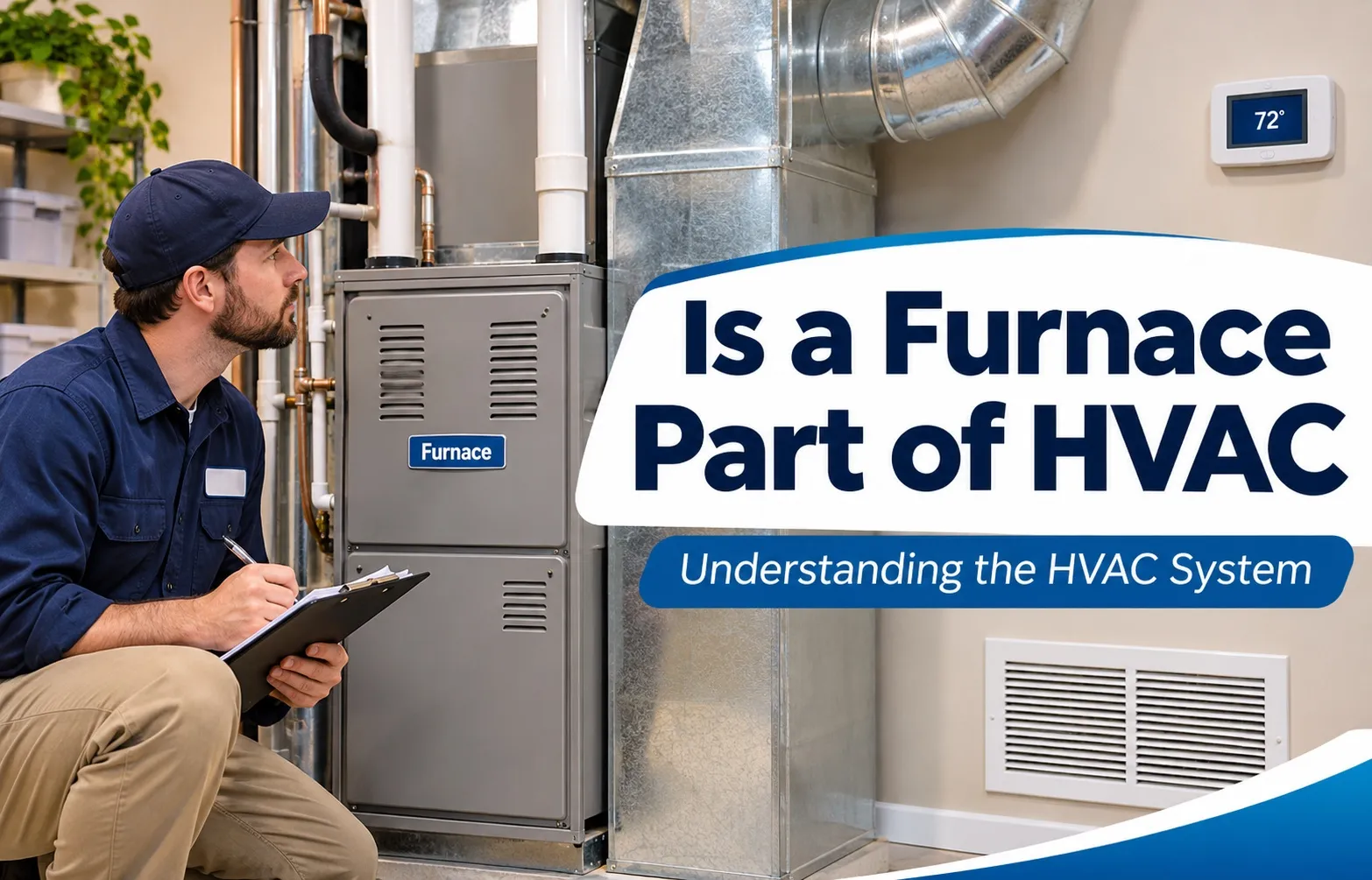 Yes, a furnace is an absolute core component of a traditional central heating, ventilation, and air conditioning (HVAC) system. Acting as the primary heat source in a forced-air configuration, the furnace generates thermal energy by burning gas or oil or by using electric resistance, distributing warmth throughout every room via shared ductwork.
Understanding how this equipment functions within a residential layout helps homeowners troubleshoot performance issues, manage energy efficiency, and plan maintenance more effectively.
What Exactly is a Furnace in a Home?
A furnace is a standalone indoor appliance designed specifically to heat living spaces. In standard residential setups, it functions as the central engine for thermal comfort during winter months.
- Fuel Flexibility: Furnaces typically operate using natural gas, heating oil, propane, or electricity.
- Forced-Air Distribution: Heated air is pushed through a network of supply and return ducts by a powerful internal blower motor.
- Closed Combustion Chambers: Modern gas and oil units safely separate exhaust gases from breathable indoor air using sealed heat exchangers.
How the Furnace Anchors Your Central HVAC System
While people often separate heating and cooling mentally, a central HVAC setup physically integrates them around the furnace chassis. The appliance serves as the central hub connecting multiple climate control elements.
- Shared Blower Fan: The internal blower motor inside your furnace does double duty, powering warm air circulation in winter and pushing chilled air from your air conditioner in summer.
- Thermostat Regulation: A single central thermostat communicates with both the heating burners and the external air conditioning compressor to maintain indoor temperatures year-round.
- Unified Ductwork: Both heated and cooled air travel through the exact same pathways, making the furnace the structural backbone of indoor air distribution.
How an HVAC System Works Together
An integrated central HVAC system operates as a unified mechanical ecosystem where multiple components—including the heating unit, blower motor, cooling coils, and thermostat—collaborate to maintain balanced indoor air quality and temperature.
The Heating Role: Gas, Oil, and Electric Generation
Modern heating systems generate thermal energy through distinct fuel sources, burning natural gas or oil inside a sealed combustion chamber or converting electricity via electric resistance heating elements. This generated thermal energy is transferred directly to a heat exchanger, warming the air before it flows into the residential ductwork.
- Gas Furnaces: Utilize gas burners and automated ignition systems to produce high-capacity heat quickly.
- Oil Furnaces: Atomize liquid heating oil within a combustion chamber for homes lacking natural gas lines.
- Electric Furnaces: Depend on heavy-duty electrical resistance strips to safely generate and transfer warmth.
The Shared Blower Fan: Winter Heat and Summer Cooling
The internal blower fan serves as the mechanical heart of both heating and cooling cycles, operating across every season to maintain proper airflow. Rather than maintaining separate ventilation pathways, a central HVAC setup relies entirely on this single blower motor to distribute conditioned air through the home.
- Winter Circulation: The blower forces indoor air across the hot heat exchanger to distribute warmth evenly.
- Summer Airflow: The same blower pushes indoor air across the chilled evaporator coil of an attached outdoor air conditioner.
- Ductwork Integration: Both heated and cooled air travel through identical supply and return duct systems.
Furnace vs. Heat Pump vs. Air Handler: Key Differences Explained
While a gas furnace creates its own heat by burning fuel, a heat pump extracts ambient heat from outdoor air and pairs with an indoor air handler rather than a gas burner. Understanding these hardware differences helps homeowners identify their specific system configuration.
- Furnace and AC Combination: Ideal for cold climates, utilizing a combustion furnace for winter and an external compressor for summer.
- Heat Pump and Air Handler: Highly energy-efficient systems that reverse refrigerant flow to provide both heating and cooling without combustion.
- Thermostat Coordination: A central thermostat governs electrical signals to seamlessly regulate whichever system components are active.
Engineering and Placement Logistics: Attic vs. Basement Furnaces
Furnace placement is determined by architectural design, climate, and structural engineering to maximize furnace installation efficiency and ensure optimal airflow throughout the home. Choosing between an attic or basement installation directly influences system performance, duct layout, and routine maintenance accessibility.
Why Are Some HVAC Furnaces Placed in Attic Spaces?
Attic space installation is common in homes built without basements, crawlspaces, or dedicated utility closets on the main floor. Placing the unit overhead allows builders to preserve valuable indoor living space while positioning the equipment close to upper-level living zones.
- Architectural Constraints: Slab-on-grade homes and single-story structures lack subterranean spaces, making the roof cavity the primary mechanical zone.
- Streamlined Duct Layout: An overhead position facilitates downward airflow routing through ceiling registers, which is ideal for multi-story cooling requirements.
- Space Optimization: Keeping bulky equipment out of closets or living areas maximizes square footage for occupants.
Pros and Cons of Attic vs. Basement Furnace Installations
Both installation locations offer distinct structural advantages and unique maintenance challenges that homeowners should understand. Basements protect equipment from extreme temperature swings, whereas attics present distinct thermal efficiency factors.
- Basement Advantages: Easier technician access, protected ambient temperature, and reduced risk of catastrophic water leaks affecting living areas.
- Attic Challenges: Susceptibility to freezing ambient temperatures, difficult physical access for filter changes, and potential duct heat loss in unconditioned spaces.
- Duct Layout Impact: Basement systems push air upward, while attic systems distribute air downward, changing thermal stratification dynamics.
How Certified HVAC Contractors Ensure Safety and Efficiency
Installing or servicing a heating unit requires strict adherence to building codes and manufacturer specifications to guarantee reliable operation. Certified HVAC contractors implement specialized safety measures to protect the home from potential hazards like condensation leaks or combustion issues.
- Secondary Drain Pans & Float Switches: Mandatory in attic installations to automatically shut off the system if a condensate line clogs, preventing ceiling collapses.
- Combustion Safety Standards: Ensuring proper venting, gas line pressure regulation, and carbon monoxide detectors meet local safety codes.
- Insulation and Sealing: Wrapping ductwork within unconditioned attic spaces to maintain high furnace installation efficiency and prevent energy loss.
Critical Troubleshooting & PAA Capture
Troubleshooting heating and cooling issues requires a clear understanding of how interconnected your HVAC components truly are. When a malfunction occurs, diagnosing the root cause quickly restores system reliability and prevents expensive secondary damage.
Will My AC Work If My Furnace Is Not Working?
Generally, your air conditioning will not work if your furnace is completely shut down. Even though the outdoor compressor handles the refrigeration cycle, it relies entirely on the indoor furnace’s blower motor to push chilled air through the ductwork.
- Shared Power Supply: Many central systems route electrical power through the furnace chassis to the outdoor condenser unit.
- Control Board Dependency: The thermostat sends signals to the furnace control board, which then coordinates commands for both heating and cooling modes.
- Safety Switch Lockouts: If a safety switch on the furnace trips due to a blocked drain or cracked heat exchanger, it shuts down the entire system, disabling the AC as well.
What Are the Most Common Furnace Problems and Symptoms?
Most heating failures stem from restricted airflow, faulty ignition sequences, or sensor malfunctions. Recognizing early warning signs helps homeowners catch minor faults before they escalate into total system failure.
- Clogged Air Filters: A blocked filter restricts airflow, causing the heat exchanger to overheat and trigger high-limit switch shutdowns.
- Ignition or Pilot Failures: Modern electronic igniters or dirty flame sensors often prevent burners from staying lit, resulting in blowing cold air.
- Short Cycling: When a unit rapidly turns on and off without fully heating the home, it usually indicates poor airflow or an oversized system.
Diagnosing Blower Fan Failures and Control Board Issues
A persistent blower fan problem means air stops moving through your home even if the burners successfully ignite. Conversely, a failing control board cuts off communication entirely, leaving the system completely unresponsive.
- Blower Motor Capacitors: A weak or failed capacitor prevents the blower fan motor from spinning up, leading to overheating or humming noises.
- Control Board Diagnostics: Modern control boards feature diagnostic LED indicator lights that flash specific codes to pinpoint exact electronic faults.
- Thermostat Relay Communication: Faulty wiring or blown low-voltage fuses on the control board will break the relay circuit required to start the fan.
The Financial and Replacement Guide: Decoding the $5000 Rule
Navigating major equipment expenses requires clear financial benchmarks to evaluate whether repairing an aging heating unit makes economic sense. Understanding replacement costs, lifespan thresholds, and system integration protects homeowners from pouring money into failing machinery.
What Is the $5000 Rule for Furnaces? (Repair vs. Replace Math)
The $5000 rule is a financial formula used by HVAC professionals to determine whether you should repair or replace an aging furnace. To calculate it, multiply the estimated repair cost by the age of the unit in years; if the total exceeds $5,000, investing in a complete replacement is more cost-effective.
- The Mathematical Formula: Multiply your repair quote by the system’s current age in years. For example, a $600 repair on a 10-year-old furnace equals $6,000, signaling that replacement is the wiser financial choice.
- Avoiding the Money Pit: Spending money on frequent minor repairs for a degrading system rarely stops secondary failures from occurring shortly after.
- Long-Term Value: Putting repair funds toward a modern, high-efficiency unit eliminates recurring service call fees and lowers monthly utility bills.
Should You Replace Your Furnace and AC at the Same Time?
Replacing your furnace and air conditioner at the same time is usually recommended if your outdoor AC unit is over 10 years old. Mismatched components can reduce system energy efficiency, cause airflow restrictions, and lead to premature mechanical failure across the shared blower infrastructure.
- Matched Coil Efficiency: Modern evaporator coils and furnace blowers are engineered to work together as a balanced system to maximize SEER and AFUE ratings.
- Labor and Cost Savings: Contractors often offer discounted bundle rates for simultaneous installation compared to paying separate labor fees years apart.
- Warranty Alignment: Upgrading both units simultaneously ensures your entire climate control system shares synchronized manufacturer warranty protection.
Average Lifespan: Can a 25-Year-Old Furnace Be Saved?
A 25-year-old furnace has far exceeded its typical design lifespan of 15 to 20 years and generally cannot be safely or economically saved. Continuing to repair an ancient heating unit exposes your home to severe safety risks like carbon monoxide leaks and plummeting energy efficiency.
- Heat Exchanger Metal Fatigue: Decades of expansion and contraction cycles create micro-fractures in old metal heat exchangers, risking toxic gas leaks into living areas.
- Plummeting Efficiency: Older units operating at 60% to 70% AFUE waste significant energy compared to modern systems reaching 95% efficiency or higher.
- Parts Obsolescence: Finding replacement circuit boards, gas valves, or blower motors for a quarter-century-old system becomes nearly impossible and prohibitively expensive.
Average Cost of Furnace Replacement and Best Times to Buy
A standard furnace replacement typically costs between $3,000 and $6,500 including professional installation, though prices vary depending on fuel type, efficiency ratings, and home size. Purchasing during the off-season shoulder months often yields significant equipment discounts and faster contractor scheduling.
- Cost Influencing Factors: Pricing is driven by total BTU capacity, efficiency ratings, modification of gas lines, and necessary ductwork transitions.
- Optimal Buying Windows: Scheduling replacements during early spring or fall avoids the emergency pricing surges common during peak winter freeze or summer heat waves.
- Industry Efficiency Standards: For detailed guidance on sizing and efficiency benchmarks, consult resources like the U.S. Department of Energy heating guide.
Making the Right Choice: Electric vs. Gas & Top Brands
Selecting the right heating equipment requires balancing local utility rates, climate severity, and equipment reliability to maximize long-term energy efficiency. Evaluating fuel options and leading manufacturers ensures your new forced-air furnace delivers optimal comfort and value.
Electric vs. Gas Furnace: Which Is Better for Your Home?
The choice between an electric furnace and a gas model largely depends on regional energy costs and winter severity. While gas units burn fuel to generate intense, rapid heat, electric resistance units rely on electrical coils, making them more suitable for milder climates.
- Gas Furnace Performance: Delivers higher heat output quickly and maintains lower operating costs in regions where natural gas is inexpensive, boasting high AFUE energy efficiency ratings.
- Electric Furnace Operation: Features lower upfront purchase and installation costs, quieter operation, and zero risk of carbon monoxide leaks, though running costs can be higher depending on local electricity rates.
- Energy Efficiency Standards: Modern high-efficiency gas furnaces convert up to 98% of fuel into heat, whereas electric systems operate near 100% efficiency but face higher per-kilowatt utility costs.
Which Brands of Furnaces Are Considered the Best?
Investing in reputable top HVAC brands ensures better parts availability, longer manufacturer warranties, and dependable performance during extreme weather events. Industry-leading manufacturers distinguish themselves through advanced blower technology and robust heat exchanger warranties.
- Carrier: Renowned for exceptional reliability, quiet operation, and advanced variable-speed blower technology across their Infinity series.
- Trane: Built with heavy-duty, proprietary spine-fin coils and robust heat exchangers designed for maximum durability in harsh winters.
- Lennox: Offers industry-leading ultra-high-efficiency units with precise modulating gas valves for ultimate indoor temperature control.
- Goodman: Popular for providing cost-effective, dependable performance backed by strong standard parts warranties.

Oscar Vance | Master Plumber & Drainage Expert
Meet Oscar Vance, a licensed master plumber sharing practical solutions on residential repairs, preventive maintenance, and thoughtful home upkeep.