How to Wash Bathroom Rugs With Rubber Backing Safely
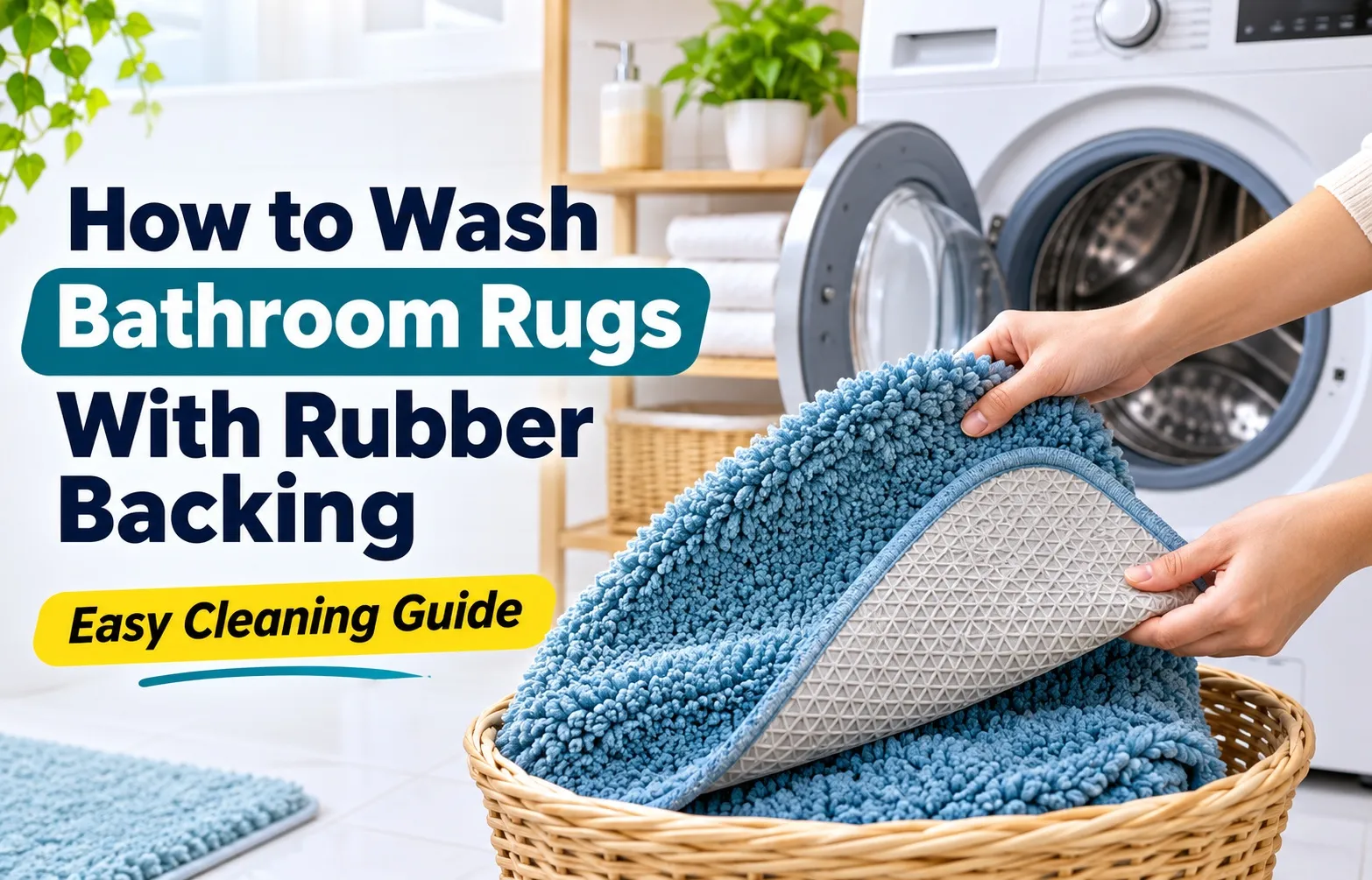 Washing bathroom rugs with rubber backing requires a precise balance of gentle settings and proper drying methods to preserve the non-slip material. Without careful handling, the rubber layer can easily crack, melt, or flake apart in the laundry room.
Why Rubber-Backed Rugs Need a Gentle Touch
The non-slip backing on your bathroom mats is typically made of synthetic rubber, latex, or PVC. These compounds provide essential traction on tile and hardwood floors, but they are highly sensitive to aggressive mechanical stress and thermal heat.
- High water temperatures break down chemical bonds, causing the rubber backing to become brittle or gummy.
- Harsh agitation and high-speed spin cycles tear or warp the flexible grip layer over time.
- Dryer heat melts the synthetic polymers, ruining the mat’s anti-slip capabilities and potentially damaging your appliance.
Can You Wash Them and How?
Yes, most rubber-backed bathroom rugs can be washed safely if you follow specific low-temperature and air-drying protocols. Protecting your rugs and your washing machine starts with understanding the basic cleaning workflow.
- Check the Care Tag: Always inspect the manufacturer label first to confirm whether machine washing is permitted for your specific rug material.
- Use Cold Water Only: Wash on a delicate cycle using cold or cool water with a mild laundry detergent.
- Skip the Dryer: Never put rubber-backed mats in a machine dryer; always air-dry them flat or hanging over a rack.
The Golden Rules: What NOT to Do to Rubber Backings
Protecting your non-slip mats starts with knowing which laundry habits permanently destroy synthetic rubber. Avoiding a few common mistakes prevents premature crumbling, shrinking, and costly damage to your appliances.
The Heat Trap: Why Hot Water and Dryers Destroy Rubber
Thermal heat is the number one enemy of rubber-backed bathroom rugs. High temperatures warp the synthetic polymers used to create non-slip traction.
- Hot wash cycles break down chemical adhesives, causing the backing to separate from the fabric top.
- Machine dryers generate intense heat that melts, cracks, and flakes the rubber layer into tiny fragments.
- Crumbling rubber debris can easily clog your dryer vents and washing machine drainage filters.
Chemical Hazards: Avoiding Bleach and Fabric Softeners
Harsh laundry additives degrade the structural integrity of rubberized materials over time. Using the wrong cleaners turns a durable mat into a brittle mess.
- Bleach breaks down latex and rubber compounds, leading to rapid shrinking and cracking.
- Fabric softeners leave a chemical coating that destroys the slip-resistant friction of the backing.
- Stick exclusively to mild, eco-friendly laundry detergents to maximize the lifespan of your bathroom mats.
Pre-Wash Preparation & Machine Safety Check
Preparing your bathroom rugs properly before washing prevents major plumbing issues and protects your washing machine from breakdown. Taking a few minutes to inspect and clear debris ensures a smooth, safe laundry cycle.
Step 1: Shake Out Hair, Dust, and Debris
Bathroom mats collect large amounts of loose hair, dust, and lint daily that can easily clog drainage systems. Clearing surface particles beforehand keeps your machine running efficiently.
- Take the rug outside and shake it vigorously to dislodge trapped dirt and hair from the fibers.
- Use a vacuum cleaner on low suction across the top surface and corners to remove stubborn pet hair.
- Check the rubber backing thoroughly to ensure no hard debris or sharp particles are stuck in the texture.
Step 2: The Crucial Inspection (Preventing Washing Machine Damage)
Washing an old or deteriorating rug can cause rubber flakes to break off, clogging your washing machine drain pump and causing costly leaks. Careful inspection prevents severe appliance damage.
- Inspect the rubber backing closely for deep cracks, brittleness, or widespread peeling.
- If the rubber is already crumbling or shedding heavily, discard the rug instead of machine washing it.
- Ensure the backing is completely intact so fragments do not detach during the spin cycle.
Spot Treating Tough Stains Before Washing
Heavy stains like makeup, oils, or deep-set grime require targeted pre-treatment rather than harsh machine scrubbing. Pre-treating localized messes guarantees a cleaner final result without damaging the delicate backing.
- Blot liquid stains gently using a clean cloth dampened with mild soap and cold water.
- Apply an enzymatic cleaner to organic odors or stubborn spots before putting the rug in the wash.
- Avoid scrubbing aggressively, as abrasive friction tears weak fabric fibers and rubber layers.
Step-by-Step Washing Guide: Machine Wash vs. Hand Wash
Choosing the right cleaning method depends entirely on your rug’s condition and manufacturer recommendations. Following proper washing techniques keeps the non-slip backing completely intact and extends the lifespan of your mats.
Method A: Machine Washing (If Approved by Care Tag)
Machine washing offers a fast and thorough clean as long as you stick strictly to delicate cycle parameters. Adjusting your machine settings prevents friction damage to the rubber layer.
- Set your washing machine to a gentle cycle or delicate mode to minimize mechanical agitation.
- Select cold water only to keep the rubber backing from warping, melting, or degrading.
- Add a small amount of mild laundry detergent without any bleach or fabric softeners.
Method B: Hand Washing (The Safest Route for Fragile Backings)
Hand washing is the ideal cleaning choice for older rugs or mats with aging, brittle rubber backing. This method gives you complete control over water contact and physical scrubbing pressure.
- Fill a clean bathtub or large container with cold water and mix in a few drops of mild laundry detergent.
- Submerge the rug completely and let it soak for about 30 minutes to loosen trapped dirt and oils.
- Gently scrub stained areas with a soft-bristled brush, then rinse thoroughly until the water runs completely clear.
How to Balance Your Laundry Load
Washing rubber-backed mats improperly can throw your washing machine off balance during high-speed spin cycles. Proper load balancing prevents excessive shaking and machine wear.
- Never wash a rubber-backed rug entirely by itself unless your machine has a specific single-item setting.
- Pair the rug with a couple of plain, lint-free towels to evenly distribute weight inside the drum.
- Press or squeeze out excess water gently by hand; never twist or wring the rug, as intense twisting tears the rubber backing.
Material-Specific Care: Microfiber, Cotton Tufted, & Chenille Tops
Bathroom rugs are manufactured with various surface fabrics that react differently to moisture retention and washing pressure. Tailoring your cleaning approach to the specific top material prevents fabric damage and preserves your rug’s texture.
Microfiber Rubber-Backed Rugs
Microfiber tops trap dust and moisture efficiently, but synthetic fibers require specific care to maintain their soft feel. Improper washing can flatten the plush pile permanently.
- Wash microfiber mats strictly in cold water on a delicate cycle to prevent synthetic fiber melting.
- Avoid heavy liquid softeners that coat the fine fibers and trap unpleasant odors in the weave.
- For deeper cleaning discussions and community-tested methods, check this Reddit r/laundry discussion thread on synthetic backing care.
Cotton Tufted & Chenille Bathroom Rugs
Cotton tufted and chenille materials absorb high volumes of water, leading to extended drying times and heavy loads. Managing moisture properly prevents mold growth within the loops.
- Ensure your washing machine has enough capacity to handle the heavy water weight of cotton rugs without straining the motor.
- Shake out excess water thoroughly after washing to reduce overall drying time and prevent mildew accumulation.
- Keep cotton and chenille mats out of direct intense sunlight while air drying to avoid fiber stiffening and color fading.
Dealing with Memory Foam Backed Mats
Memory foam layers provide exceptional underfoot comfort, but they hold moisture like a sponge and degrade quickly under harsh conditions. Extra caution is required to prevent interior foam breakdown.
- Opt for gentle hand washing whenever possible to protect the delicate inner foam core from tearing.
- Never bend or fold memory foam mats forcefully during the washing or water-removal process.
- Press moisture out gently by flattening the mat against a clean surface rather than squeezing or wringing the foam core.
How to Air-Dry Safely & Eliminate Deep Mildew Odors
Drying rubber-backed bathroom mats correctly and eliminating stubborn moisture odors keeps your bathroom smelling fresh and clean. Proper ventilation prevents mold spores from taking root inside the porous padding.
The Right Way to Air Dry (Clothesline & Drying Racks)
Natural air drying is the only safe method for preserving rubber backings without causing heat distortion or melting. Setting up proper airflow ensures uniform moisture evaporation across the entire mat.
- Drape the rug evenly over a sturdy clothesline or a flat drying rack to allow air circulation underneath.
- Position the mat so that the rubber backing faces the open air to accelerate complete drying.
- Flip the rug midway through the drying process if it is extra thick to prevent trapped moisture spots.
Avoiding Direct Harsh Sunlight
While fresh air helps eliminate dampness, exposing rubber-backed mats to intense ultraviolet rays causes severe material damage. Protecting your rugs from harsh sun exposure extends their usable life.
- Hang your mats in a shaded, well-ventilated outdoor area or a bright indoor room with good air movement.
- Direct harsh sunlight breaks down synthetic rubber compounds, making the non-slip backing brittle and prone to cracking.
- Avoid leaving rugs outside overnight where morning dew can reintroduce moisture and trigger mildew growth.
Getting Rid of Musty Bathroom Odors and Mildew
High bathroom humidity often causes rubber-backed rugs to develop a persistent musty smell that standard detergents fail to remove. Neutralizing odors safely requires natural deodorizing agents that will not degrade the backing.
- Add half a cup of white vinegar to the rinse cycle to neutralize deep-seated mildew smells naturally.
- Sprinkle a light layer of baking soda over dry rugs, let it sit for 15 minutes, and shake it off to absorb lingering odors.
- Ensure bathroom mats dry completely within 24 hours of washing to prevent recurring mold and mildew buildup.
Frequently Answered Questions (PAA & Community Insights)
Addressing common questions about bathroom rug maintenance helps clear up everyday laundry confusion and ensures your home remains hygienic. Clear answers to frequent inquiries make it easy to protect both your rugs and your appliances.
Can I wash my bathroom rugs with my regular towels?
Washing your bathroom mats alongside regular bath towels is generally not recommended. Mixing items can cause cleaning and lint issues that affect both textiles.
- Rubber backings can shed small lint fragments or debris that cling tightly to terry cloth towels.
- Towel loops can catch on the edges or texture of the rubber backing during high agitation, causing rips.
- Washing mats separately or pairing them with sturdy mats prevents unnecessary fabric snagging.
How often should you wash rubber-backed bathroom mats?
Maintaining a regular washing schedule is essential for personal hygiene and preventing stubborn mold accumulation in humid bathroom environments. Frequency depends on household traffic.
- Wash your bathroom rugs every one to two weeks under normal daily use to maintain proper sanitation.
- Homes with high foot traffic or shared family bathrooms may require weekly washing to control moisture odors.
- Hang mats up to dry completely between uses to minimize bacterial growth between wash cycles.
What should I do if the rubber backing starts crumbling?
Once a rubber backing begins to break down, flake, or crumble away, it can no longer be repaired. Continuing to use or wash a disintegrating mat poses risks to your plumbing.
- Stop machine washing immediately to prevent loose rubber particles from clogging your washing machine’s drain pump.
- Discard the rug safely if the non-slip material has become brittle, sticky, or badly cracked.
- Invest in a new replacement rug to maintain reliable slip-prevention safety on smooth tile floors.

Oscar Vance | Master Plumber & Drainage Expert
Meet Oscar Vance, a licensed master plumber sharing practical solutions on residential repairs, preventive maintenance, and thoughtful home upkeep.