How to Tell PVC from PEX The 4 Tests
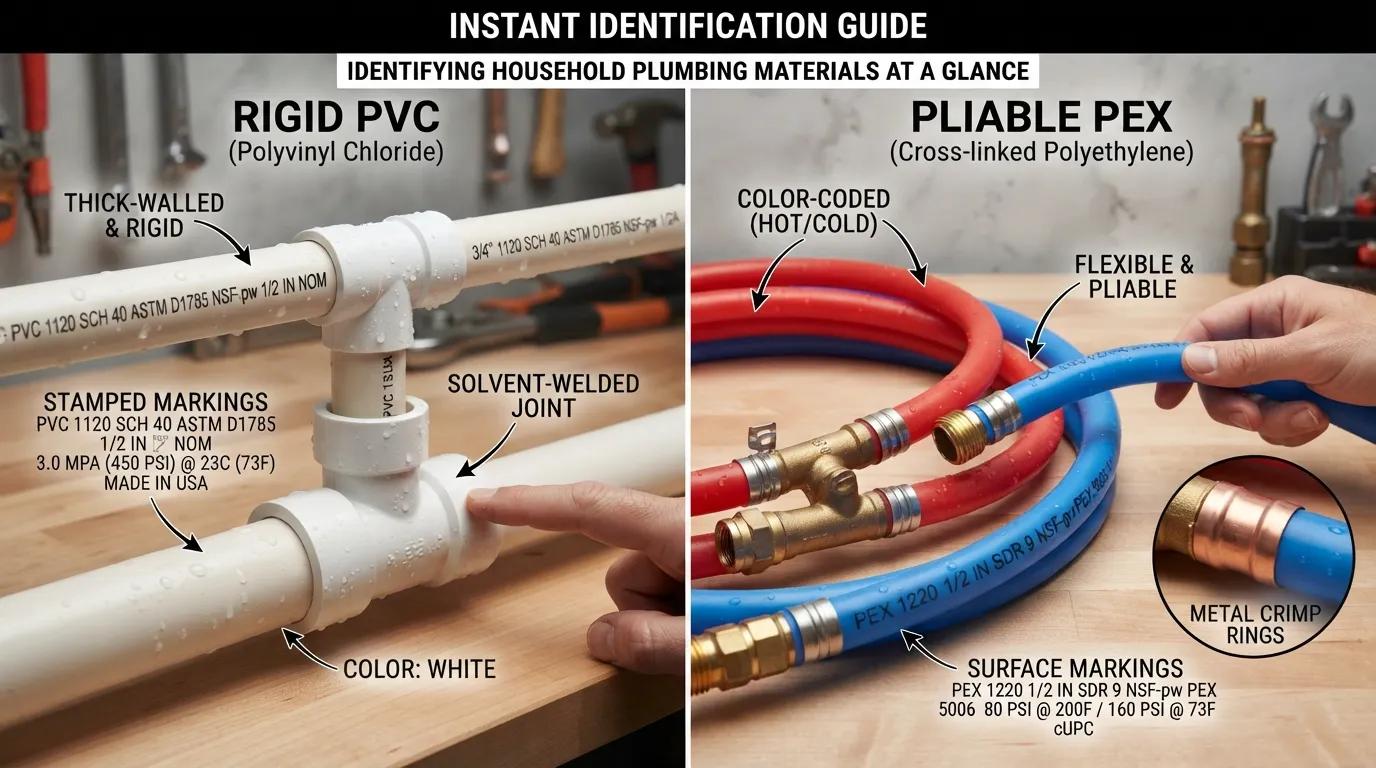
Accurately identifying your home plumbing lines prevents installation errors and leaks. You can quickly distinguish between rigid plastic PVC and flexible tubing PEX by running through four straightforward diagnostic checks.
Test 1: Check the Flexibility Bend Test
Physical flexibility is the fastest indicator to tell these materials apart:
- PEX Pipe: Highly pliable and acts like flexible tubing, allowing you to bend it easily by hand around gentle curves without fittings.
- PVC Pipe: Completely rigid and stiff; it will not bend or flex under hand pressure and requires saw cuts and elbows to change direction.
Test 2: Look for Printed Labels Markings
Manufacturers stamp technical details directly onto the exterior walls of plumbing lines:
- PVC Pipe: Features black or red ink text detailing standards like ASTM D1785, nominal size, and pressure ratings (Schedule 40 or 80).
- PEX Pipe: Displays continuous text markers indicating manufacturer names, pressure ratings, and PEX types (such as PEX-a, PEX-b, or PEX-c) alongside standards like ASTM F876.
Test 3: Check the Colour
Color coding provides immediate visual cues regarding system use and material composition:
- PEX Pipe: Readily available in distinct shades including red/blue/white PEX to differentiate hot lines, cold lines, and general service lines.
- PVC Pipe: Typically comes in standard off-white, white, dark grey (for electrical conduits or industrial use), or green (for sewer lines).
Test 4: Inspect the Joints Connections Glue vs Crimp Rings
Examining how the pipe connects to fittings reveals the installation method and material type:
- PVC Pipe: Assembled using purple primer and solvent cement (glue) that chemically melts and welds the components together permanently.
- PEX Pipe: Secured using mechanical joints such as copper crimp rings, stainless steel clamp rings, or modern push-to-connect fittings rather than chemical adhesives.
Comparison Table PVC vs PEX at a Glance
Reviewing structural specifications side-by-side helps confirm your material type for residential renovations, repairs, or irrigation projects.
Confused with a Third Pipe? CPVC & Gray Pipes Explained
Sometimes your plumbing inspection reveals a material that does not match standard PVC or PEX traits. Recognizing these alternative options prevents costly installation mistakes during repairs.
What is CPVC and How is it Different from PVC?
CPVC (chlorinated polyvinyl chloride) is a rigid thermoplastic similar to PVC but treated with extra chlorine to handle higher temperatures. While standard PVC handles cold water, CPVC can withstand hot water supply lines up to 200 degrees Fahrenheit and typically features a distinct off-white, yellow, or cream color.
- Temperature Rating: Handles hot pressurized water distribution safely, whereas standard PVC will deform under high heat.
- Solvent Cement: Requires specialized yellow or orange CPVC-specific cement rather than standard clear PVC glue.
The Gray Pipe Mystery Is it PEX Polybutylene or PP-R?
Encountering a flexible gray pipe can lead to confusion because multiple materials share this color profile. Pinpointing the exact material protects your system against unexpected leaks and code violations.
- Polybutylene: A flexible, dull gray plastic tubing widely used in homes built between 1978 and 1995 that is notorious for sudden structural failures.
- Gray PEX: Modern cross-linked polyethylene manufactured in solid gray shades alongside standard red and blue variations.
- PP-R (Polypropylene Random): Rigid, heat-fused green or gray piping used primarily in industrial and modern residential hot water systems.
Why Identifying Old Gray Polybutylene Pipes Matters
Distinguishing between modern gray PEX and outdated polybutylene is critical for home insurance and structural integrity. Polybutylene reacts poorly to oxidants like chlorine in municipal water supplies, causing the material to become brittle and rupture from the inside out over time.
- Insurance Implications: Many home insurance providers deny coverage or charge higher premiums for homes with active polybutylene networks.
- Replacement Strategy: Property owners frequently perform full-system repiping to replace fragile polybutylene with modern Plastic Pipe and Fittings Association approved materials like PEX.
Types of PEX A B and C Explained
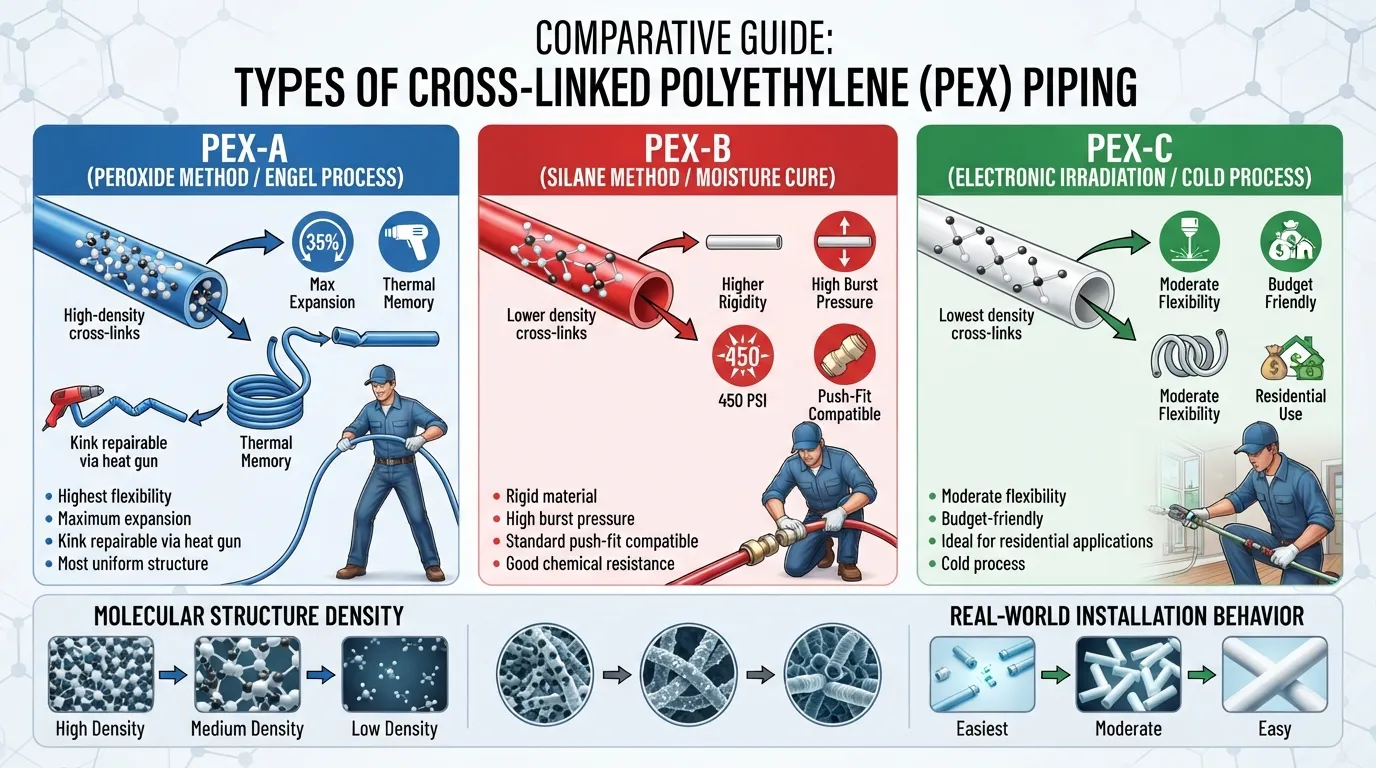
Identifying the exact sub-type of PEX tubing installed in your home is vital for choosing the correct connection method and fittings. While all three types serve as water supply lines, their manufacturing processes result in distinct physical properties and installation requirements.
PEX-A vs PEX-B vs PEX-C Key Differences
PEX tubing is categorized into three distinct manufacturing methods—A, B, and C—which determine its flexibility, expansion capacity, and resistance to kinking. Knowing these structural variations ensures you select compatible connection fittings like expansion rings or standard copper crimps.
- PEX-A (Engel Method): Manufactured using a peroxide method, offering the highest flexibility, superior freeze resistance, and the unique ability to expand and shrink back using expansion fittings.
- PEX-B (Silane Method): Created through a moisture-cure process that yields a slightly stiffer tube, commonly secured using traditional crimp fittings like copper rings or stainless steel clamps.
- PEX-C (Electronic Irradiation Method): Produced via electron-beam irradiation, resulting in a rigid profile that is more prone to kinking if bent too sharply.
How to Identify Your PEX Type from the Printed Label
Finding your specific PEX sub-type does not require laboratory testing; manufacturers print the exact classification code continuously along the outer jacket. Checking these stamped markings reveals the exact manufacturing standard and helps prevent installation failures.
- Locate the Stamped Text: Scan the length of the tubing for continuous ink markings indicating standards like ASTM F876.
- Read the Designation: Look immediately after the “PEX” text on the manufacturer stamp to verify whether the label reads PEX-a, PEX-b, or PEX-c.
Types of PVC Pipe Schedules
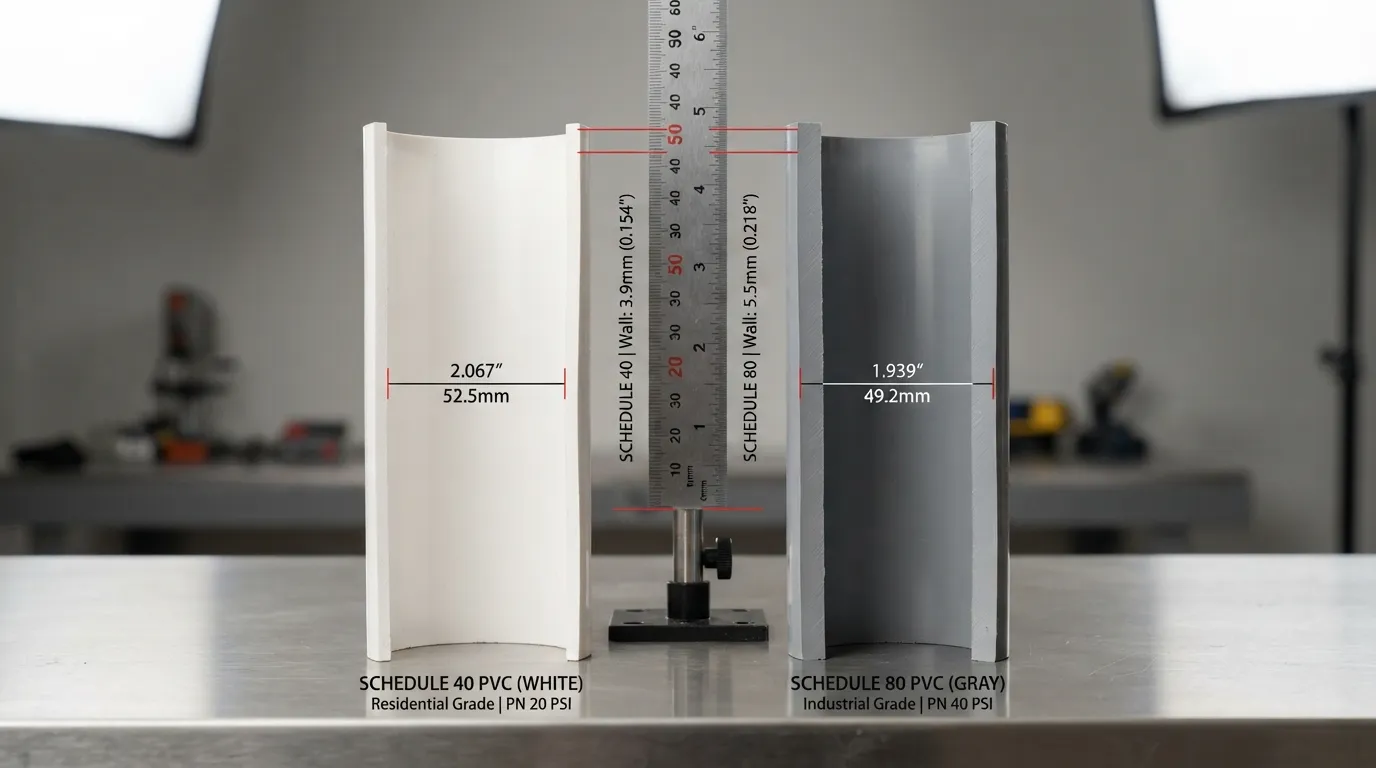
Identifying your PVC pipe requires understanding schedule ratings, which determine wall thickness and internal pressure handling capabilities. Choosing the incorrect schedule for a specific plumbing application can lead to burst lines or code violations.
Schedule 40 vs Schedule 80 PVC
The term “schedule” refers to the wall thickness and pressure rating of the pipe rather than its outer diameter. Distinguishing between these classifications ensures your plumbing system matches local codes and water pressure demands.
- Schedule 40 PVC: Features thin walls, is usually white or off-white, and handles moderate pressure levels suitable for standard residential plumbing and drainage.
- Schedule 80 PVC: Features thicker walls designed to reduce the inner diameter while keeping the outer diameter identical, built specifically to handle high-pressure industrial applications and typically colored dark gray.
Where Each Type is Commonly Used in Homes
Different plumbing applications within a residential structure demand specific PVC schedules and configurations to function safely and efficiently.
- PVC-DWV (Drain, Waste, Vent): Non-pressure Schedule 40 lines designed strictly to gravity-drain wastewater and vent sewer gases safely out of the roof.
- Main Water Supply & Irrigation: Pressurized Schedule 40 or 80 lines used for main outdoor sprinkler systems and incoming cold water supply lines where durability is critical.
Practical DIY Test How I Personally Check My Pipes
Inspecting household plumbing firsthand requires simple, reliable techniques that do not require specialized tools. Applying a few tactile and acoustic checks allows you to confirm your pipe materials quickly and accurately.
The Knock Tap Sound Test
Acoustic feedback provides an immediate clue about the density and rigidity of the plastic material inside your walls:
- Rigid PVC: Tapping lightly with a fingernail or tool produces a sharp, solid, hollow sound typical of thick thermoplastic.
- Flexible PEX: Tapping yields a duller, more muffled acoustic response because the material is soft and pliable.
Where to Check First Water Heater Under Sinks Main Shut-off Valve
Certain utility zones provide exposed access points where transition fittings and uninsulated piping are clearly visible:
- Water Heater Connection: Inspect the immediate piping where hot and cold lines enter the tank to spot flexible PEX or rigid CPVC/PVC connections.
- Under-Sink Plumbing: Look inside bathroom and kitchen cabinets where drain lines and supply lines intersect with wall stub-outs.
- Main Shut-off Valve: Check the primary entry point of water into the home for identification tags and exposed main supply runs.
What I Found When I Checked My Own Plumbing Personal Insight
During a recent home utility audit, inspecting my under-sink plumbing and the main shut-off valve area revealed a hybrid setup:
- Drain Lines: Composed entirely of rigid, white PVC connected with purple primer.
- Supply Lines: Built using flexible blue and red PEX tubing secured with copper crimp rings.
Is PEX Safe? Addressing Common Concerns
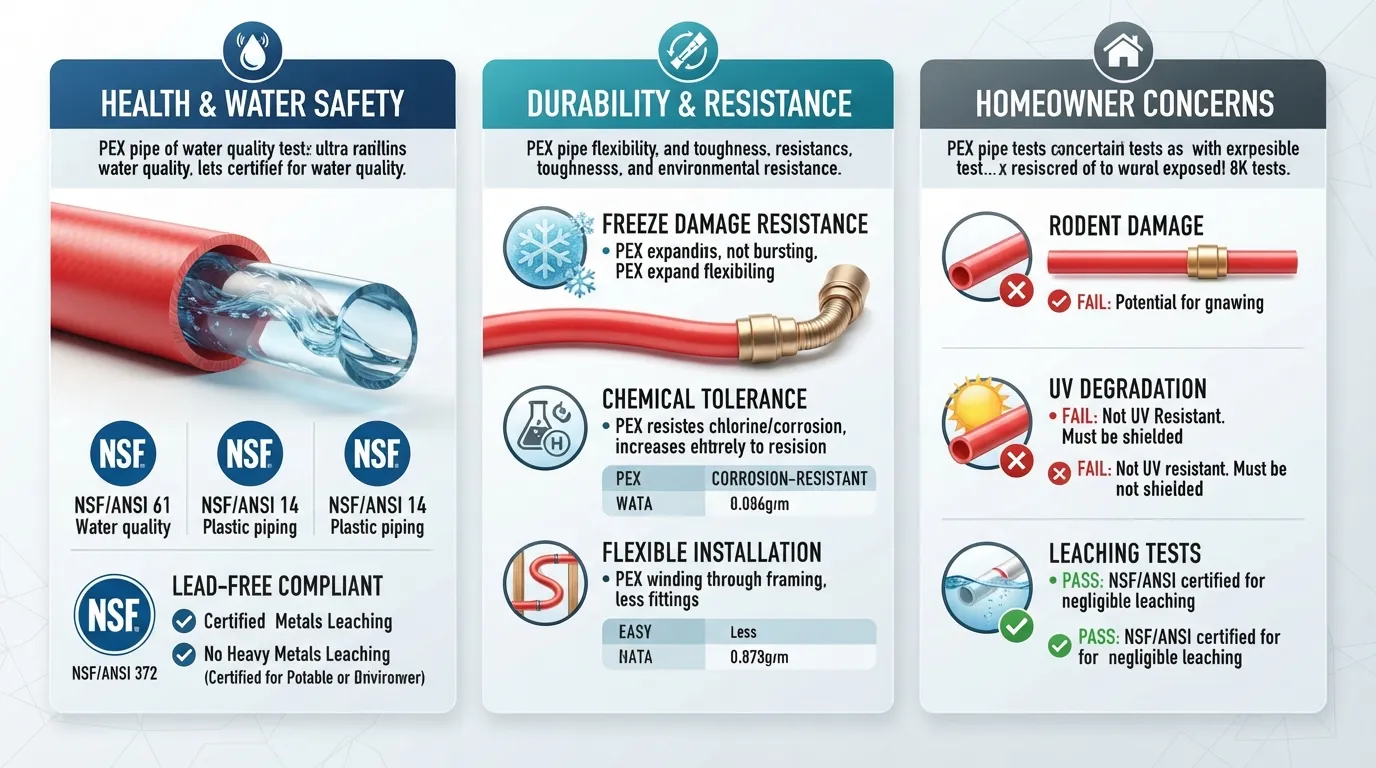
Evaluating the safety, longevity, and regulatory compliance of PEX tubing is essential before planning a whole-house repipe or repair. Understanding historical legal disputes and material limitations helps homeowners make informed decisions.
The Dura PEX Lawsuit What Homeowners Should Know
Past manufacturing defects involving specific brands have left lingering concerns among property owners regarding overall material reliability. Examining these historical cases clarifies whether modern installations face similar vulnerabilities.
- Class Action Settlement: The Dura PEX lawsuit involved early-generation brass fittings and tubing prone to zinc dezincification and cracking when exposed to aggressive water chemistry.
- Modern Improvements: Contemporary PEX manufacturing utilizes advanced cross-linking methods and highly resistant engineered polymer or stainless steel fittings to prevent premature failures.
Common Complaints About PEX Plumbing
While PEX is favored for its flexibility and ease of installation, certain environmental factors can pose challenges to long-term performance.
- UV Degradation: Unprotected PEX degrades rapidly when exposed to direct sunlight, restricting outdoor applications unless properly shielded.
- Chemical Sensitivity: Inadequate chlorine resistance in low-quality formulations can lead to structural breakdown over years of aggressive water treatment.
- Rodent Damage: Mice and rats can chew through soft plastic tubing much easier than traditional copper or rigid PVC lines.
Is PEX Banned in California? State Regulations Explained
Rumors regarding statewide bans often create confusion for homeowners navigating local municipal building codes and renovation permits.
- Code Approval: PEX is fully approved for use under the California Plumbing Code, though individual municipalities maintained restrictions for several years over environmental concerns.
- Current Status: Modern regulatory standards permit PEX statewide as long as certified products meet strict health and safety testing requirements for drinking water systems.
Can You Bury PEX or PVC? Longevity & Underground Use
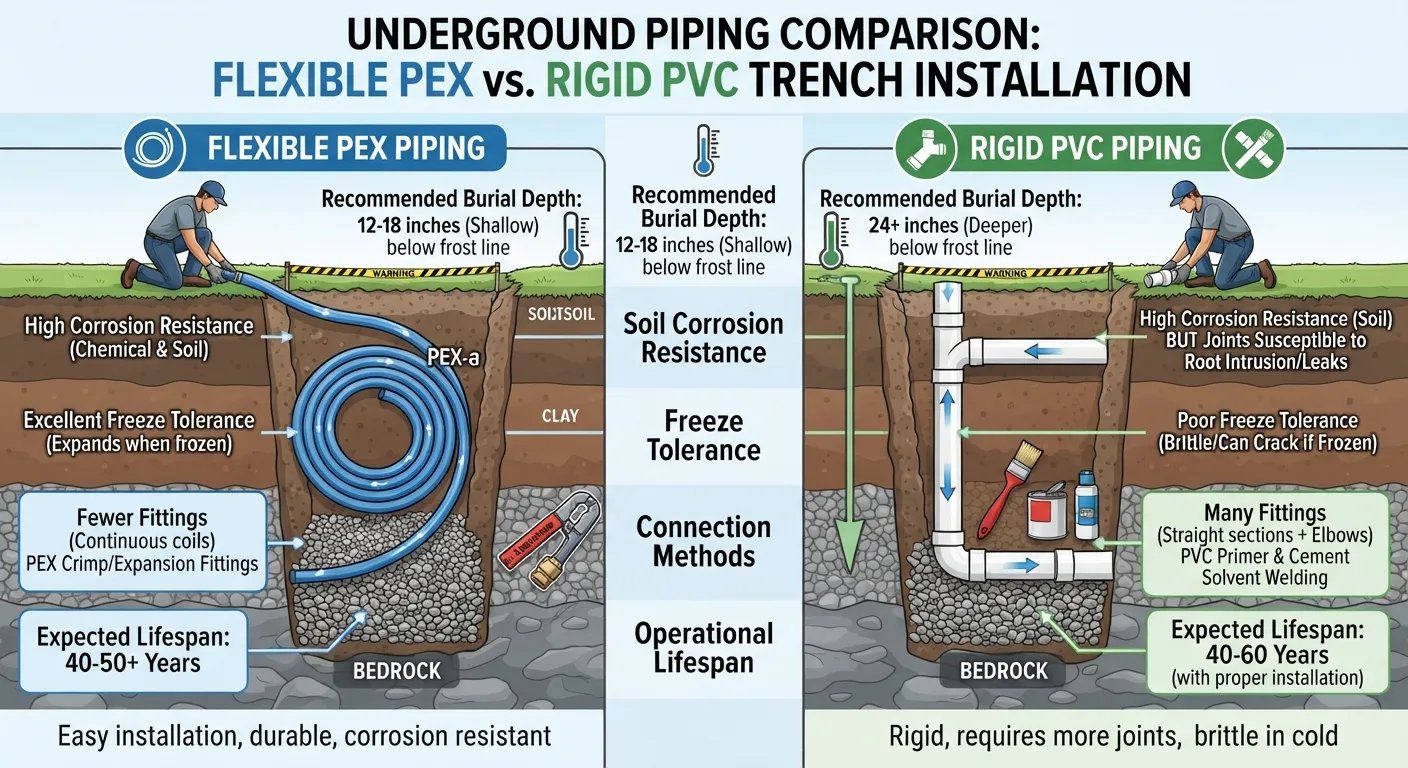
Determining whether a plumbing material can withstand underground burial is critical for main water lines, outdoor irrigation, and sewer connections. Both PEX and PVC handle subterranean environments effectively, provided you follow proper depth and shielding guidelines.
Can PEX Be Buried Directly in the Ground?
PEX is approved for direct burial applications, making it a popular choice for running underground water supply lines from a main meter to a home or outbuilding.
- Fittings Protection: While the PEX tubing itself resists soil corrosion, brass connection fittings must be wrapped or protected against corrosive elements found in certain soils.
- Sleeve Requirements: Local codes often require sliding PEX inside a protective conduit sleeve when passing beneath concrete slabs or areas subject to heavy surface loads.
How Long Does Buried PEX Last?
Understanding the expected PEX lifespan helps homeowners plan for long-term maintenance and replacement intervals.
- Estimated Longevity: Properly installed underground PEX systems routinely last between 40 to 50 years under normal operating pressures and temperatures.
- Environmental Factors: Lifespan depends heavily on avoiding sharp rocks in the trench bed, preventing kinks, and keeping exposure to UV sunlight zero prior to burial.
PVC Underground Durability Comparison
Rigid plastics behave differently under subterranean loads compared to flexible polymer tubing.
- Structural Rigidity: PVC offers exceptional PVC underground durability against crushing weight, making it the industry standard for underground DWV and main utility lines.
- Brittle Vulnerability: While strong against vertical soil pressure, standard PVC can crack if subjected to shifting ground or heavy vehicle traffic without proper trench bedding.
PEX vs PVC vs Copper Which is Better?
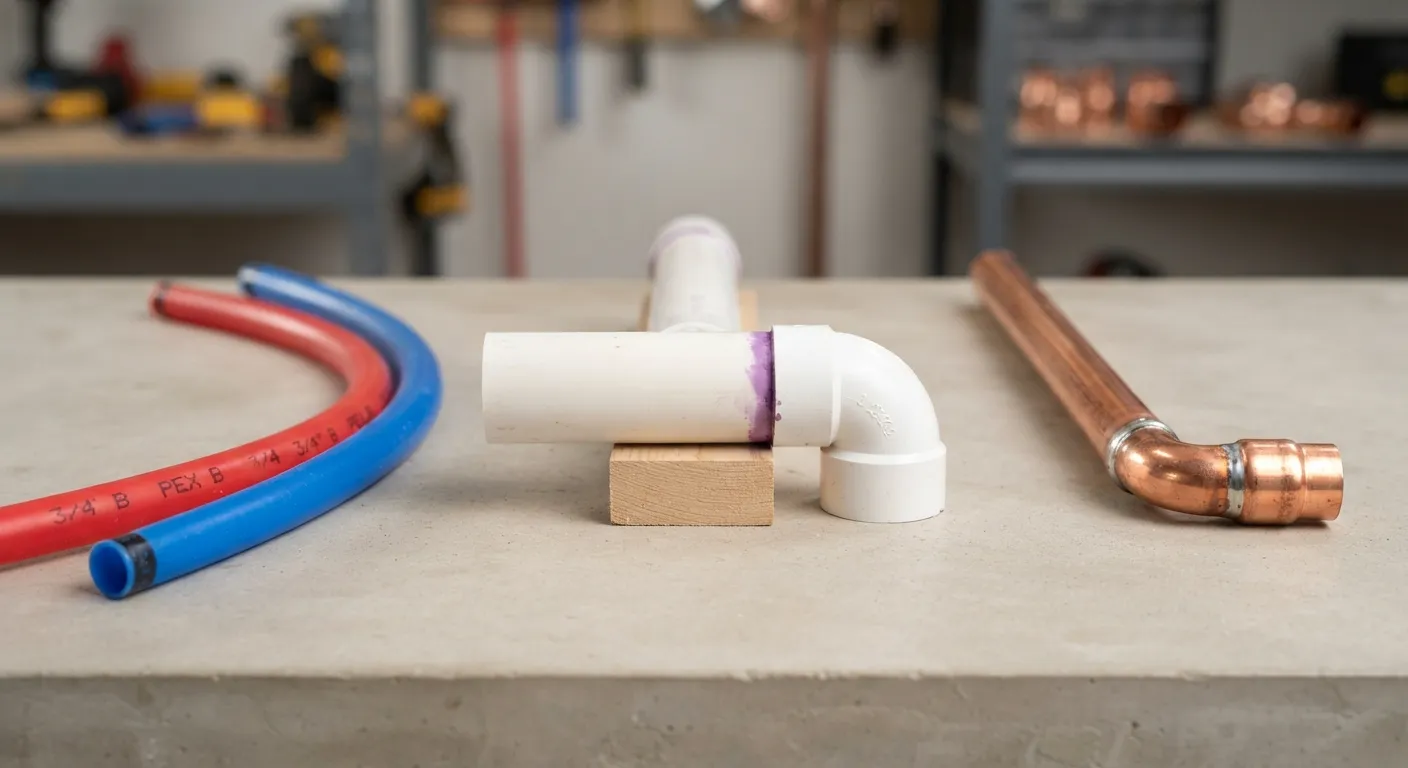
Comparing PEX, PVC, and copper pipe helps determine the best material for home renovations, repairs, and complete system overhauls. Each option offers unique trade-offs regarding upfront expenses, longevity, and installation complexity.
Cost Comparison
Material and labor expenses vary significantly across these three primary plumbing choices:
- PEX Tubing: Offers the lowest overall repiping cost due to fast installation times, fewer required fittings, and inexpensive raw material pricing.
- PVC Pipe: Highly cost-effective for drainage and outdoor supply lines, though its rigidity requires more elbows and joints.
- Copper Pipe: The most expensive option on the market, driven by high raw metal commodity pricing and intensive labor requirements like soldering.
Durability Comparison
Evaluating material resilience ensures your plumbing system withstands water pressure, chemical wear, and environmental stress over decades:
- Corrosion Resistance: PEX and PVC excel at resisting mineral buildup and chemical corrosion, whereas unprotected copper can pit or scale from aggressive water chemistry.
- Pipe Longevity: Copper boasts a 50 to 70-year lifespan, closely matching high-grade PEX and Schedule 80 PVC when properly installed.
Which One Should You Choose for a Repipe?
Selecting the ideal material depends on the specific project scope and whether you are updating supply or drainage lines:
- For Whole-House Supply Lines: PEX is generally the preferred choice due to its flexibility, freeze resistance, and lower labor overhead.
- For Drainage and Venting: Rigid PVC remains the undisputed industry standard for DWV (Drain, Waste, Vent) applications.
Frequently Asked Questions
Find quick answers to common questions regarding plumbing pipe identification, materials, and underground installation guidelines.
What does a PEX pipe look like?
PEX pipe looks like flexible plastic tubing and is commonly manufactured in bright red, blue, or white. It bends easily by hand and features continuous printed text along its length detailing the manufacturer, standards, and sizing.
What does PVC pipe look like?
PVC pipe is rigid, stiff, and typically white or off-white in color. It cannot be bent by hand and usually features black or red stamped text noting its schedule rating and pressure limits.
What is the gray PVC pipe called?
Dark gray rigid plastic pipe is typically Schedule 80 PVC used for high-pressure applications or electrical conduit, while flexible gray pipes in older homes are usually polybutylene.
What are the two types of PEX piping?
PEX is categorized into three main manufacturing types—PEX-A, PEX-B, and PEX-C—differing in their flexibility, manufacturing process, and compatible connection fittings.
Can you bury PEX directly in the ground?
Yes, PEX is approved for direct burial in underground applications, provided brass fittings are protected from soil corrosion and the pipe is bedded safely away from sharp rocks.
How long will PEX last buried underground?
A properly installed underground PEX system typically lasts between 40 to 50 years when protected from direct sunlight, sharp stones, and excessive physical stress.
Conclusion Final Recommendation
Identifying whether your home plumbing utilizes PVC or PEX comes down to checking key physical traits such as flexibility, color, printed labels, and joint connections. While PEX offers pliable, color-coded versatility for hot and cold supply lines, PVC provides unmatched rigidity for drainage and main water infrastructure.
If you are planning a major renovation, suspect outdated materials like polybutylene, or remain uncertain about your specific pipe schedule, schedule a professional plumbing inspection with a licensed plumber to ensure code compliance and long-term safety.

Oscar Vance | Master Plumber & Drainage Expert
Meet Oscar Vance, a licensed master plumber sharing practical solutions on residential repairs, preventive maintenance, and thoughtful home upkeep.