How to Clear a Clogged Plumbing Vent
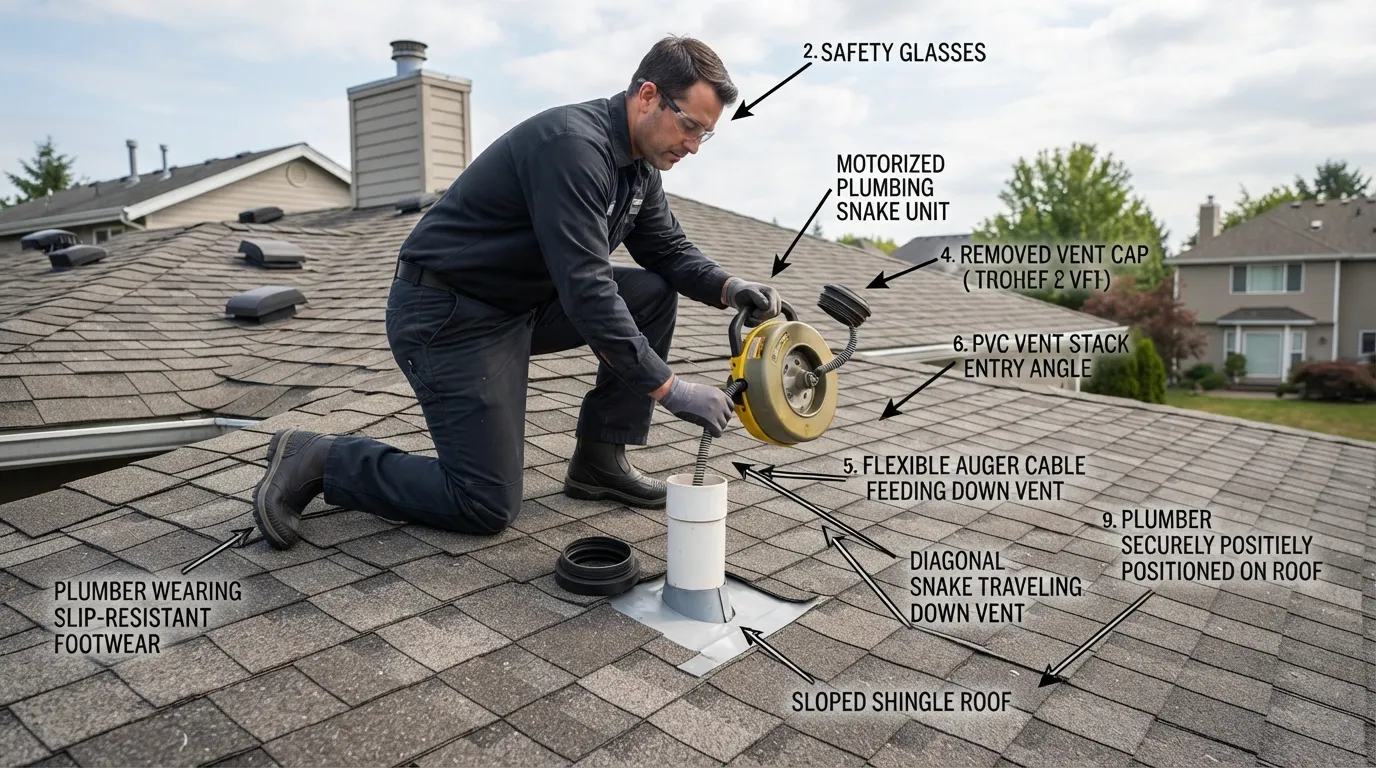
To clear a clogged plumbing vent pipe, you need to access your roof safely and remove blockages like leaves, nests, or debris using a garden hose or a plumber’s auger. Fixing this issue restores proper air pressure in your drainage system, eliminating slow drains and foul sewer odors.
What Is a Plumbing Vent and Why Does It Get Clogged?
A plumbing vent is a vertical pipe connected to your home’s drainage system that extends through the roof, allowing sewer gases to escape and air to enter for smooth water flow. Without this essential airflow, your entire plumbing network experiences pressure imbalances that cause slow drains and unpleasant odors indoors.
The Role of a Plumbing Vent in Your Drainage System
The primary function of a plumbing vent—often referred to as a vent stack—is critical air pressure regulation within your home’s PVC pipe or cast-iron pipe network. When wastewater flushes down a toilet or sink, it creates a vacuum that requires incoming air from the roof to maintain smooth gravitational flow.
- Prevents wastewater from siphoning water out of P-traps, effectively blocking hazardous sewer gas entry.
- Safely channels toxic odors up and away from living spaces directly into the outdoor atmosphere.
- Ensures fast, gurgle-free drainage across all connected household plumbing fixtures simultaneously.
Common Causes of a Clogged Vent Pipe Leaves Debris Animal Nests Snow Ice
Because roof vent openings remain permanently exposed to outdoor elements, various environmental blockages can easily disrupt airflow over time. Identifying these typical physical obstructions is the first step toward restoring proper drainage system functionality.
- Leaves and Twigs: Wind-blown foliage accumulates deep inside open pipe stacks during autumn storms.
- Animal Nests: Birds, squirrels, and wasps frequently build nests inside dark, vertical pipes for seasonal shelter.
- Decomposition Waste: Accumulated dirt, deteriorated shingle granules, and organic sludge solidify into dense internal blockages.
- Snow and Ice: Freezing winter conditions frequently form thick ice caps over the vent opening, sealing it completely shut.
Signs & Symptoms Your Plumbing Vent Is Clogged
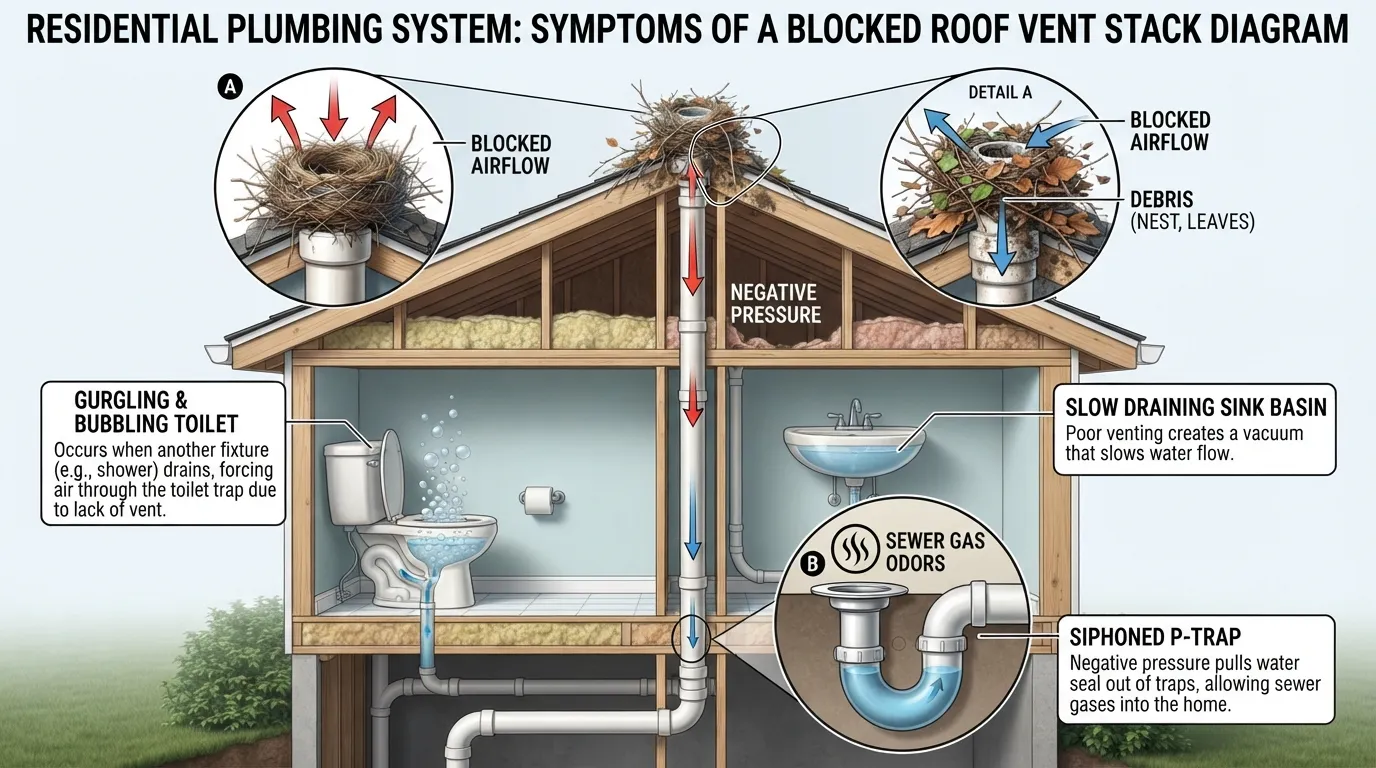
Recognizing the early warning signs of a blocked vent prevents severe wastewater backups and costly plumbing repairs. When your drainage system loses airflow, everyday water use produces distinct mechanical and sensory abnormalities.
How to Tell If Your Toilet Vent Pipe Is Clogged
A blocked toilet vent pipe creates localized vacuum pressure that directly interferes with waste evacuation. You will notice immediate operational changes in your bathroom fixtures whenever air cannot enter the system.
- Distinct gurgling sounds bubbling up through nearby bathtubs or sinks whenever you flush the toilet.
- Slow-moving water or sluggish drainage performance across multiple fixtures on the same floor.
- Unpleasant sulfur or sewer odor lingering around bathroom drains due to breached P-seal water barriers.
Will a Toilet Flush If the Vent Is Clogged?
A toilet can still flush when a vent is clogged, but the performance will be sluggish, weak, and highly unpredictable. The trapped air creates back-pressure that prevents the bowl contents from dropping smoothly down the drain.
- The water level in the bowl may rise dangerously high before slowly receding instead of flushing instantly.
- Simultaneously using a sink or shower can cause the toilet bowl to bubble or completely overflow.
- Persistent partial flushes frequently require repeated plunging to clear minor blockages caused by air locks.
How Do I Check My Plumbing Vent? Symptom to Cause Table
Matching specific household symptoms with underlying drainage behaviors helps confirm whether your roof stack requires immediate physical clearance.
Is a Clogged Plumbing Vent Dangerous? What Happens If You Don’t Fix It
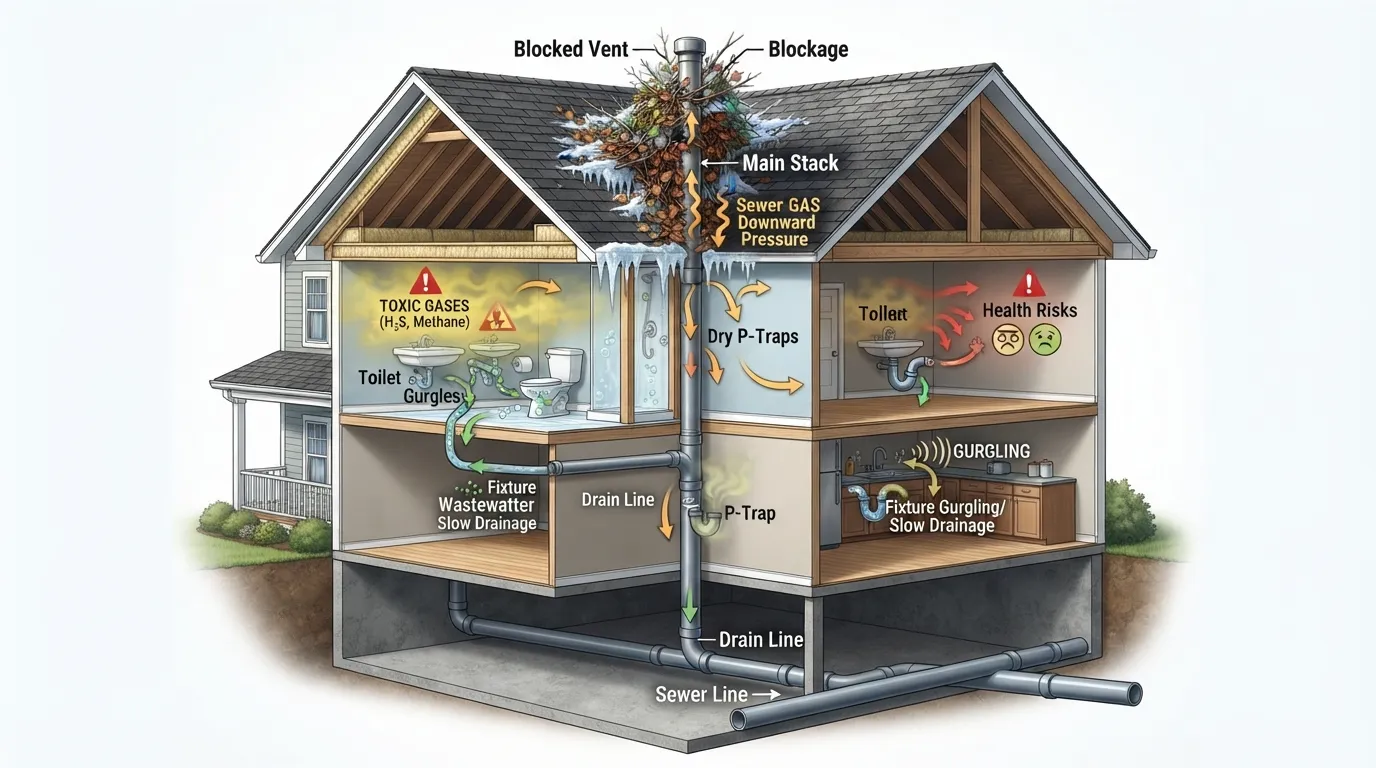
Ignoring a clogged plumbing vent poses serious risks to both your household health and your home’s structural integrity. When a blocked vent traps hazardous sewer gases and creates extreme pressure differentials, everyday plumbing operations quickly escalate into major hazards.
Health Risks Sewer Gas & Methane Exposure
A functional vent stack safely channels toxic decomposition byproducts above your roofline. When it clogs, these gases find alternative exit routes into your living spaces.
- Exposure to concentrated methane and hydrogen sulfide causes persistent headaches, dizziness, and nausea.
- Long-term inhalation of sewer gases severely compromises indoor air quality, posing grave risks to children and pets.
- Dry P-traps combined with a blocked vent create a direct, unhindered pathway for foul odors to flood indoor rooms.
Structural Risks Backflow and Fixture Damage
Pressure imbalances inside a restricted drainage network wreak havoc on your physical plumbing infrastructure over time. Left unaddressed, trapped vacuums cause expensive physical damage.
- Severe pressure vacuums can physically crack PVC pipes or strain older joints, leading to hidden leaks behind walls.
- Wastewater backflow pushes contaminated greywater and blackwater up into kitchen sinks, showers, and toilets.
- Constant gurgling and high-pressure surges weaken wax rings under toilets, resulting in costly subfloor water damage.
Where Is the Plumbing Vent Pipe Located? How to Find It
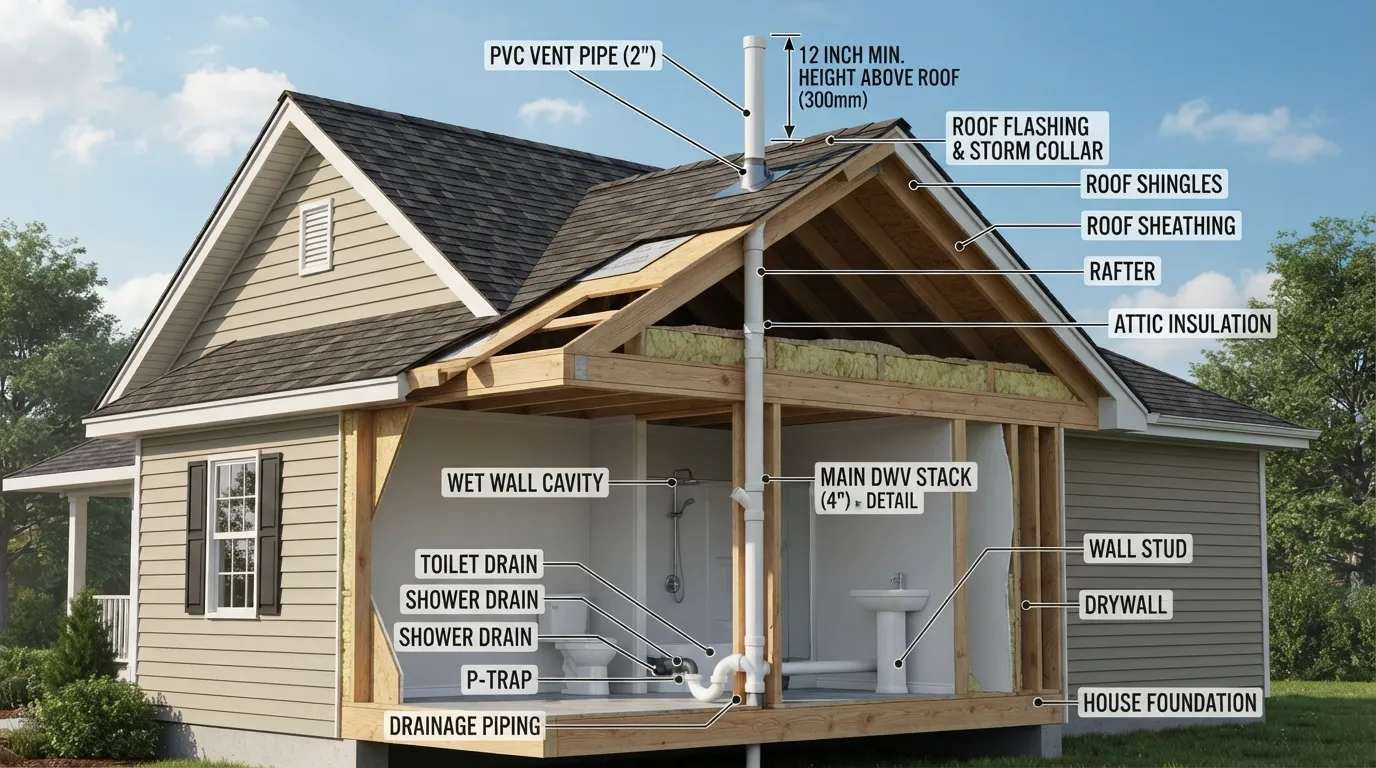
Finding your plumbing vent requires inspecting both the exterior roof layout and the interior framework of your home. Locating the correct pipe ensures you target the exact line causing your drainage issues.
Locating the Vent Pipe on Your Roof
Most residential plumbing vents exit directly through the roof via vertical PVC or metal pipes. Spotting them requires careful scanning from a secure ground vantage point.
- Look for vertical 3-4 inch pipes protruding straight up through the roof surface, usually aligned directly above your bathrooms and kitchen.
- Identify pipes fitted with flashing or protective vent caps designed to keep out rain and heavy debris.
- Note multiple vent pipes if your home features separate bathroom stacks or a complex multi-story layout.
Identifying the Vent Stack Inside Your Home
Interior vent lines connect directly to your main drainage fixtures before running vertically upward into the attic. Tracing these lines helps you understand your home’s complete piping network.
- Locate large vertical PVC or cast-iron pipes running behind drywall near kitchen sinks and toilet walls.
- Inspect unfinished basement or crawlspace areas where main branch lines tie into vertical stack risers.
- Follow pipes upward into the attic to confirm which specific roof penetration corresponds to your problem fixture.
Safety First Roof Access Precautions
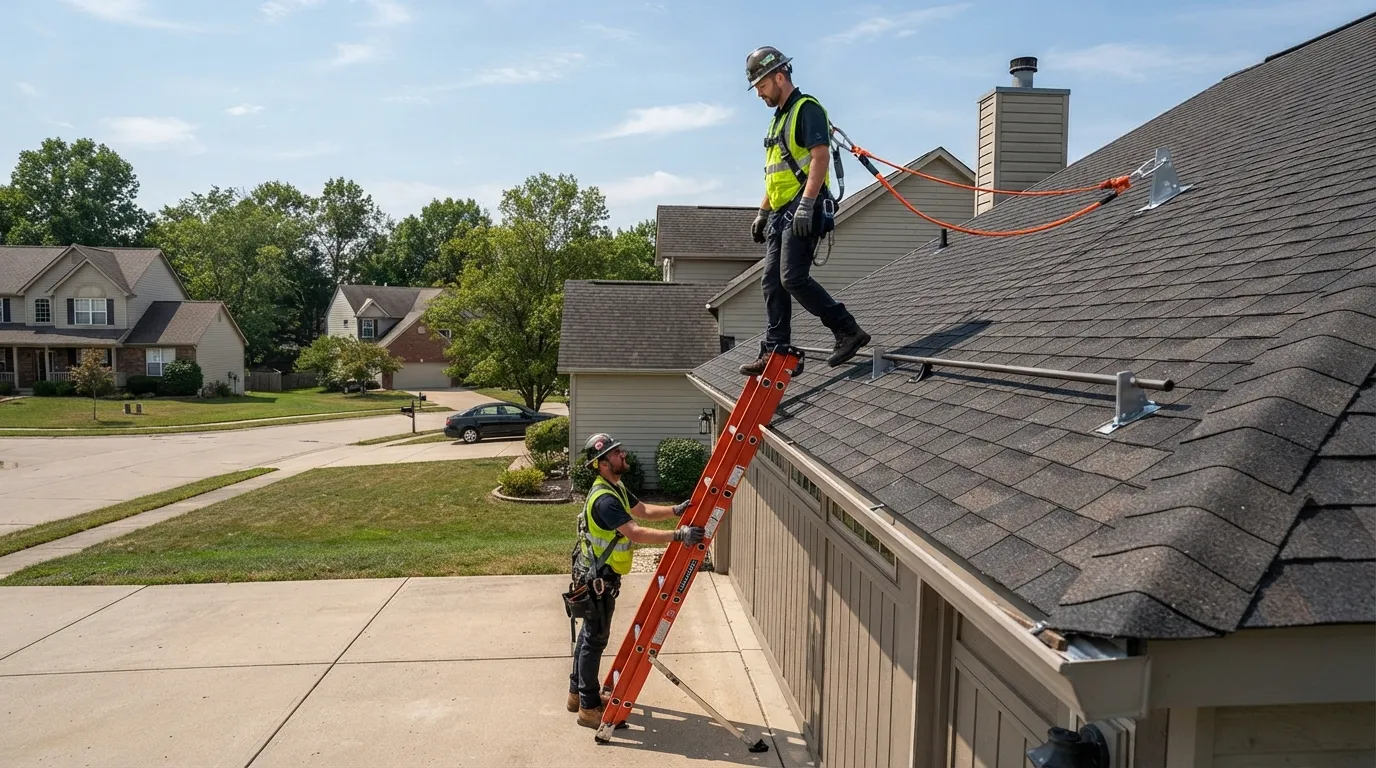
Climbing onto your roof to clear a plumbing vent exposes you to serious fall hazards and environmental risks. Prioritizing strict safety protocols ensures you complete the maintenance without risking physical injury or property damage.
Weather & Roof Pitch Conditions to Avoid
Environmental variables dramatically impact your stability when working at elevated heights. Never attempt roof-based plumbing repairs during unfavorable or unstable atmospheric conditions.
- Avoid climbing onto wet, icy, or frost-covered shingles where traction is severely compromised.
- Postpone maintenance during high winds, heavy rainstorms, or active lightning threats.
- Exercise extreme caution on steep-pitched roofs exceeding a 6-in-12 slope; steep surfaces require specialized harnesses and professional roof jacks.
Required Safety Gear Gloves Eye Protection Ladder Stability
Proper preparation minimizes exposure to sharp debris, chemical residues, and sudden slips. Equip yourself with reliable gear before handling any tools on an extension ladder.
- Wear heavy-duty work gloves and safety glasses to shield against flying rust, organic debris, and toxic mold spores.
- Ensure your extension ladder rests on firm, level ground following standard OSHA ladder safety guidelines.
- Maintain a strict three-point contact stance (two hands and a foot, or two feet and a hand) at all times while ascending or descending.
When You Should NOT Attempt This Yourself
Certain situations make DIY vent clearing hazardous or physically impractical. Recognizing your limitations protects you from severe accidents and structural mistakes.
- Call a licensed professional plumber if your roof is excessively high, multi-story, or structurally deteriorated.
- Avoid DIY attempts if you lack a secure helper to foot and stabilize the ladder base.
- Engage expert help immediately if the blockage involves major structural stack damage or frozen main lines that basic tools cannot clear.
How to Clear a Clogged Plumbing Vent From the Roof Step by Step Guide
Clearing a plumbing vent from the roof is the most direct and effective way to restore proper airflow and drainage across your entire home. Following a methodical, step-by-step process ensures you safely remove stubborn blockages without damaging your pipe stack.
Step 1 – Inspect the Vent Opening
Start by safely positioning your ladder and approaching the vent stack to identify the nature of the blockage. A careful visual examination prevents you from blindly pushing debris further down the drainage system.
- Shine a heavy-duty flashlight down the interior of the PVC or metal pipe stack.
- Look for structural nests, matted leaves, or thick layers of frozen ice blocking the opening.
- Check the surrounding flashing and pipe collar for cracks or structural deterioration.
Step 2 – Remove Visible Debris by Hand
Clear out any superficial obstructions sitting right at the mouth of the pipe before introducing water or tools. Wearing work gloves is essential here to protect your hands from sharp edges or insects.
- Reach into the top few inches of the pipe and pull out loose leaves, twigs, or acorns.
- Carefully extract bird nests or wasp debris in chunks rather than packing them tighter.
- Discard all pulled material into a bucket rather than letting it drop onto your roof shingles.
Step 3 – Flush With a Garden Hose
Once surface debris is gone, water pressure provides an efficient secondary method to wash away organic buildup clinging to the pipe walls. Controlled water streams help disintegrate mud and sludge.
- Feed a standard garden hose up onto the roof and secure a spray nozzle for adjustable flow.
- Insert the hose end several feet down into the plumbing vent pipe.
- Turn on the water at moderate pressure to flush soft blockages downward into the main sewer line.
Step 4 – Use a Plumber’s Snake Auger for Deep Clogs
Stubborn clogs located deep within vertical stacks require mechanical intervention using a flexible plumbing auger. This tool physically breaks apart dense masses that water alone cannot dissolve.
- Feed the coiled head of a manual plumber’s snake straight down into the vent pipe opening.
- Rotate the handle clockwise as you encounter resistance to hook or break up the blockage.
- Retrieve the auger slowly, wiping away dislodged debris before repeating the process if necessary.
Step 5 – Confirm the Clog Is Cleared
Verify that your repair efforts successfully restored total airflow and drainage functionality before packing up your tools. Testing ensures you won’t have to repeat the entire roof climb later.
- Pour a bucket of clean water down the vent pipe to check for rapid, unobstructed downward flow.
- Return inside your home and test all previously slow fixtures like sinks and toilets.
- Listen closely for the complete absence of bubbling, gurgling, or slow drainage sounds.
How to Unclog a Plumbing Vent Without Getting on the Roof
Clearing a blocked vent without climbing onto the roof is entirely possible using specialized indoor fixtures, pressure techniques, or chemical alternatives. These safe, ground-level methods help you restore drainage system airflow without risking ladder falls.
Using an Air Admittance Valve AAV
An Air Admittance Valve—commonly called a Studor vent—provides an interior mechanical solution when roof access is impossible. This one-way valve opens to allow air in when fixtures drain, and seals shut automatically to prevent sewer gas leaks.
- Install the AAV under sink cabinets or branch drain lines in compliance with local plumbing codes.
- Eliminate the need for exterior roof penetrations in finished attic or multi-story additions.
- Ensure the valve remains fully accessible for routine inspection and easy future replacements.
Interior Garden Hose Drain Flushing Method
Water pressure from a bathroom or laundry connection can force minor clogs downward through horizontal lines. This method utilizes existing indoor access points to clear blockages safely.
- Remove the P-trap beneath a clogged sink to access the main wall drainage pipe directly.
- Feed a specialized indoor drain bladder (bladder kit attached to a garden hose) into the wall opening.
- Turn on the water briefly; the rubber bladder expands to seal the pipe, sending a powerful jet stream upward or downward to clear trapped debris.
Plumber’s Snake Through Interior Drains
A hand-cranked plumbing snake can navigate through indoor traps and branch lines to reach clogs trapped near roof stack transitions. This tool provides targeted mechanical force from inside the house.
- Feed a flexible drum auger directly through the sink or shower drain opening after removing strainers.
- Push the cable inward until you feel firm resistance from the obstruction or stack bend.
- Crank the handle clockwise to catch and break up organic sludge or localized mineral buildup.
Baking Soda & Vinegar Solution
Natural chemical reactions help dissolve grease, soap scum, and organic buildup lining interior pipe walls without harsh acids. This preventative treatment keeps auxiliary vent pathways free-flowing.
- Pour one cup of baking soda followed by one cup of white vinegar down the slow-running drain.
- Cover the drain opening tightly with a stopper to trap the bubbling fizz reaction inside the pipes.
- Flush the line thoroughly with boiling water after thirty minutes to wash away loosened waste particles.
How to Clear a Clogged Plumbing Vent With a Garden Hose Focused Method
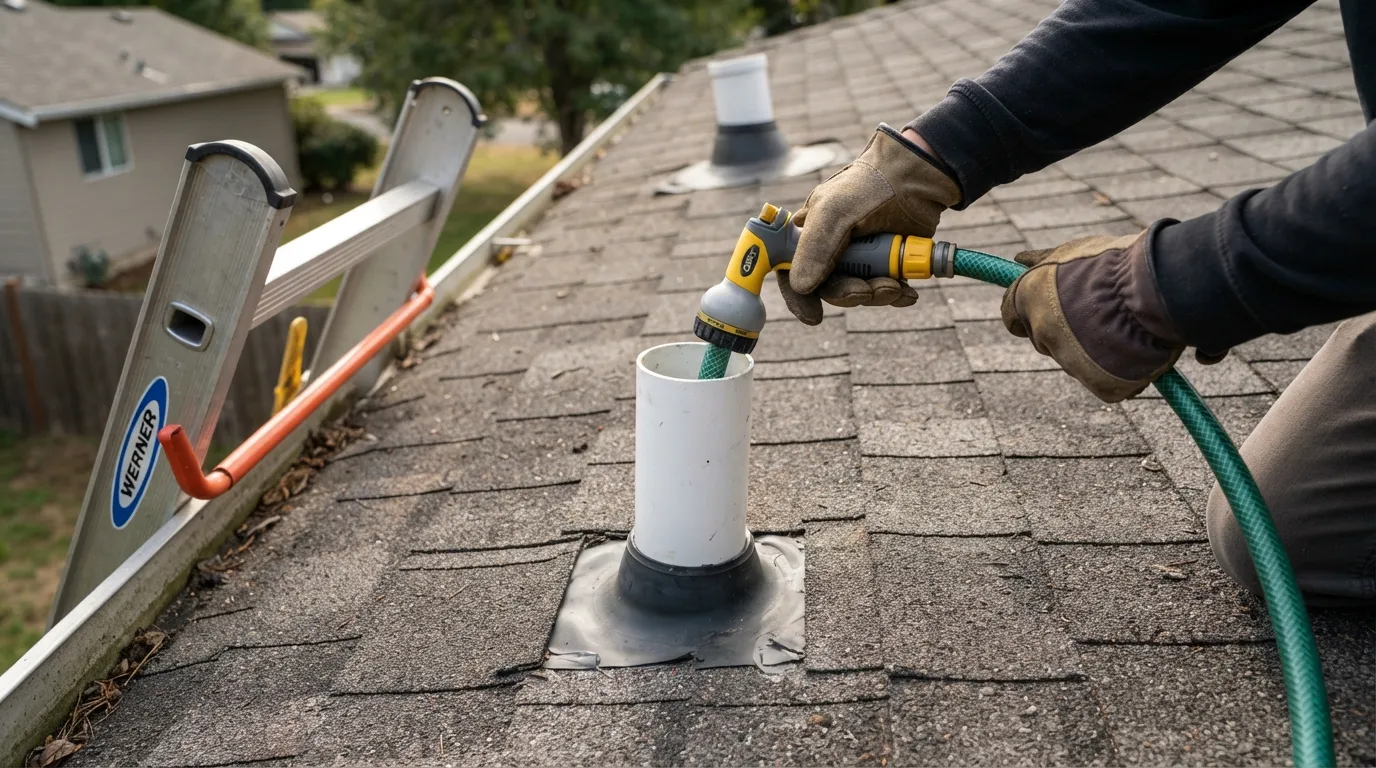
Using a garden hose is one of the safest and most effective ways to blast away stubborn organic buildup inside a roof vent stack. Controlling water volume and monitoring drainage response ensures you clear the line without causing accidental overflows.
Correct Water Pressure & Technique
Delivering the right volume of water at a controlled pressure breaks up matted leaves and nests without overpressurizing your home’s PVC joints. Proper hose handling keeps the cleaning process efficient and manageable.
- Attach a pistol-grip spray nozzle to your garden hose so you can easily control water flow from the rooftop.
- Insert the hose end at least two to three feet down into the vertical vent pipe before turning on the spigot.
- Apply short, pulsing bursts of water rather than a continuous high-pressure torrent to safely dislodge dense blockages.
Warning Signs to Stop Immediately Water Backing Up
Pouring water down a blocked vent can quickly overwhelm the system if the main obstruction refuses to budge. Recognizing critical failure signs protects your roof and ceilings from accidental indoor flooding.
- Shut off the water spigot immediately if the water level inside the vent pipe starts rising toward the brim.
- Watch for sudden wastewater or dirty overflow bubbling up into household sinks, tubs, or toilets.
- Switch to a mechanical plumber’s auger if water pooling indicates a solid, impenetrable mass that pressure cannot dissolve.
Special Cases Snow-Clogged Vents & Under-Sink Vent Clogs
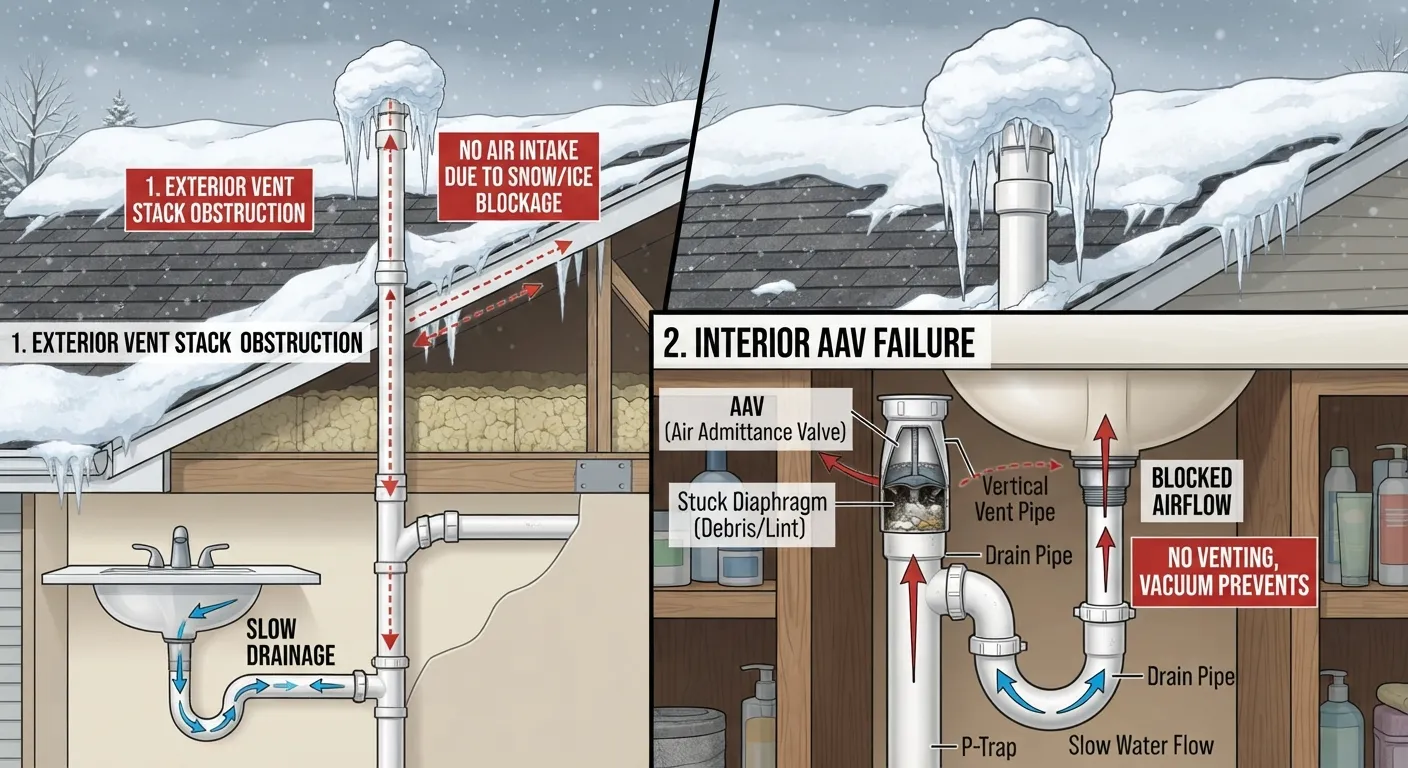
Certain plumbing vent issues arise from seasonal weather extremes or localized indoor fixture setups that require specialized troubleshooting. Addressing these unique scenarios prevents unexpected winter blockages and interior drainage failures.
How to Clear a Vent Pipe Clogged With Snow or Ice
Freezing winter temperatures frequently form thick ice caps over roof vent openings, completely cutting off household airflow. Safely melting or breaking this frost seal restores normal drainage performance.
- Pour warm (never boiling) water carefully down the iced vent opening to melt surface frost without cracking cold PVC pipes.
- Use a long-handled plastic scraper or broom handle from a secure position to gently dislodge frozen ice caps.
- Insulate exposed attic vent pipes with foam pipe wrap to prevent recurring freeze-thaw condensation blockages.
How to Unclog a Vent Pipe Under the Sink
Secondary venting issues often originate directly beneath kitchen or bathroom sinks where branch lines tie into wall cavities. Inspecting these mechanical components resolves localized airlock problems quickly.
- Check under-sink Air Admittance Valves (AAVs) for stuck diaphragms or mechanical failure preventing air intake.
- Unscrew and clean out accumulated grease and debris inside the P-trap to ensure smooth branch line venting.
- Clear mineral scale or trapped food particles from sanitary tees connecting sink drain arms to the main vertical stack.
Common Myths Can You Pour Water or Drain Cleaner Down a Vent Pipe?
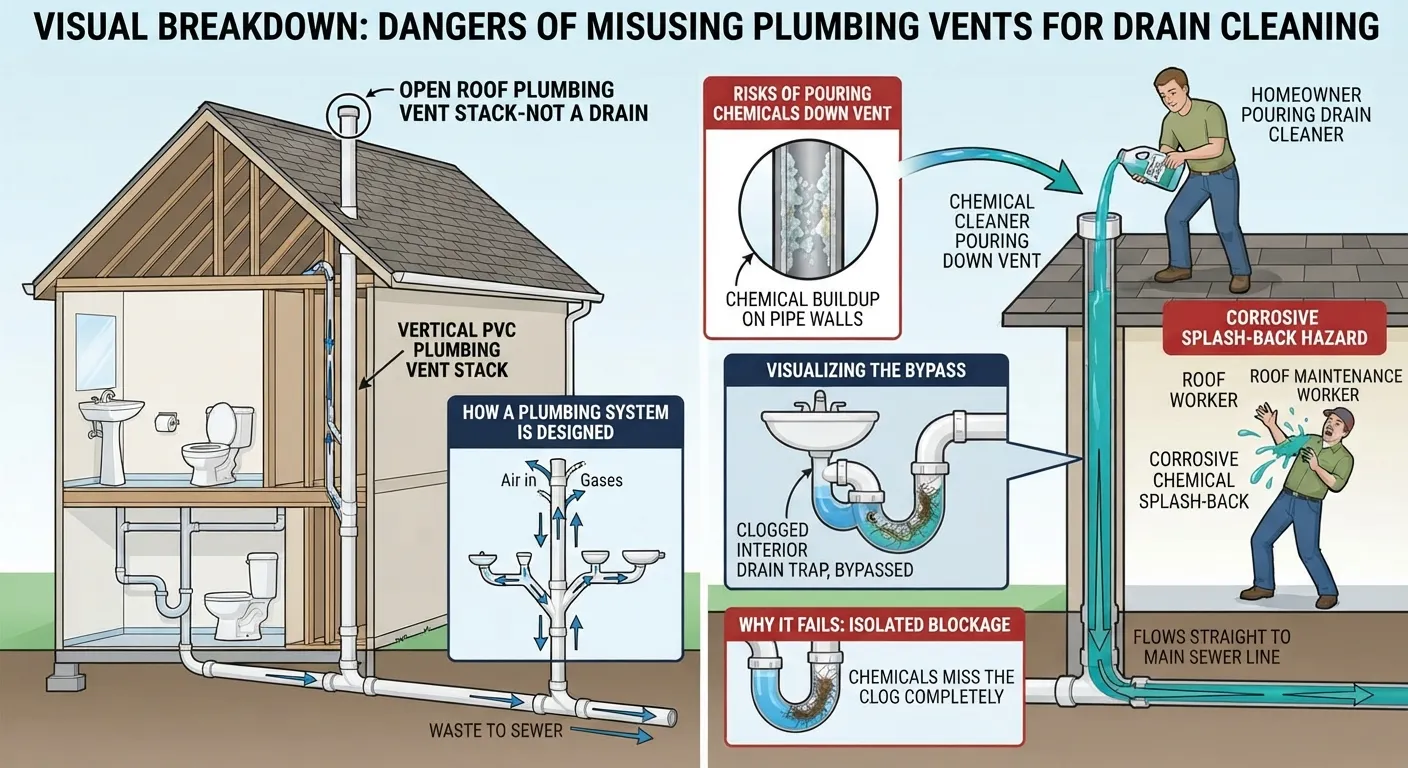
Misinformation about plumbing maintenance often leads to dangerous DIY practices and damaged infrastructure. Dispelling these widespread drainage myths protects your household pipes from irreversible chemical and structural harm.
Can You Pour Water Down a Vent Pipe?
Pouring water down a vent pipe is generally safe and often recommended to flush out loose debris, provided you do so with proper precautions. However, blind flooding can cause severe indoor backups if a dense clog sits further down the line.
- Safe to do in controlled amounts to test drainage clearance or wash down organic residue.
- Dangerous if performed without checking for a major blockage, as trapped water will quickly overflow into living spaces.
- Must always be done with warm water in winter to prevent thermal shock or instant refreezing inside cold exterior pipes.
Can You Pour Drano Liquid Drain Cleaner Down a Vent Pipe?
Pouring harsh chemical drain cleaners like Drano or lye down a roof vent pipe is extremely hazardous and should never be attempted. These chemical formulations are strictly engineered for localized indoor clogs, not vertical stack lines.
- Harsh chemicals can pool inside vent elbows, corroding PVC joints and destroying aging cast-iron pipe walls.
- Splashing caustic agents from a roof height poses severe chemical burn risks to your skin, eyes, and lungs.
- Commercial drain openers fail to dissolve typical roof blockages like animal nests, leaves, or thick layers of ice.
DIY Cost vs. Professional Plumber Cost to Unclog a Vent Pipe
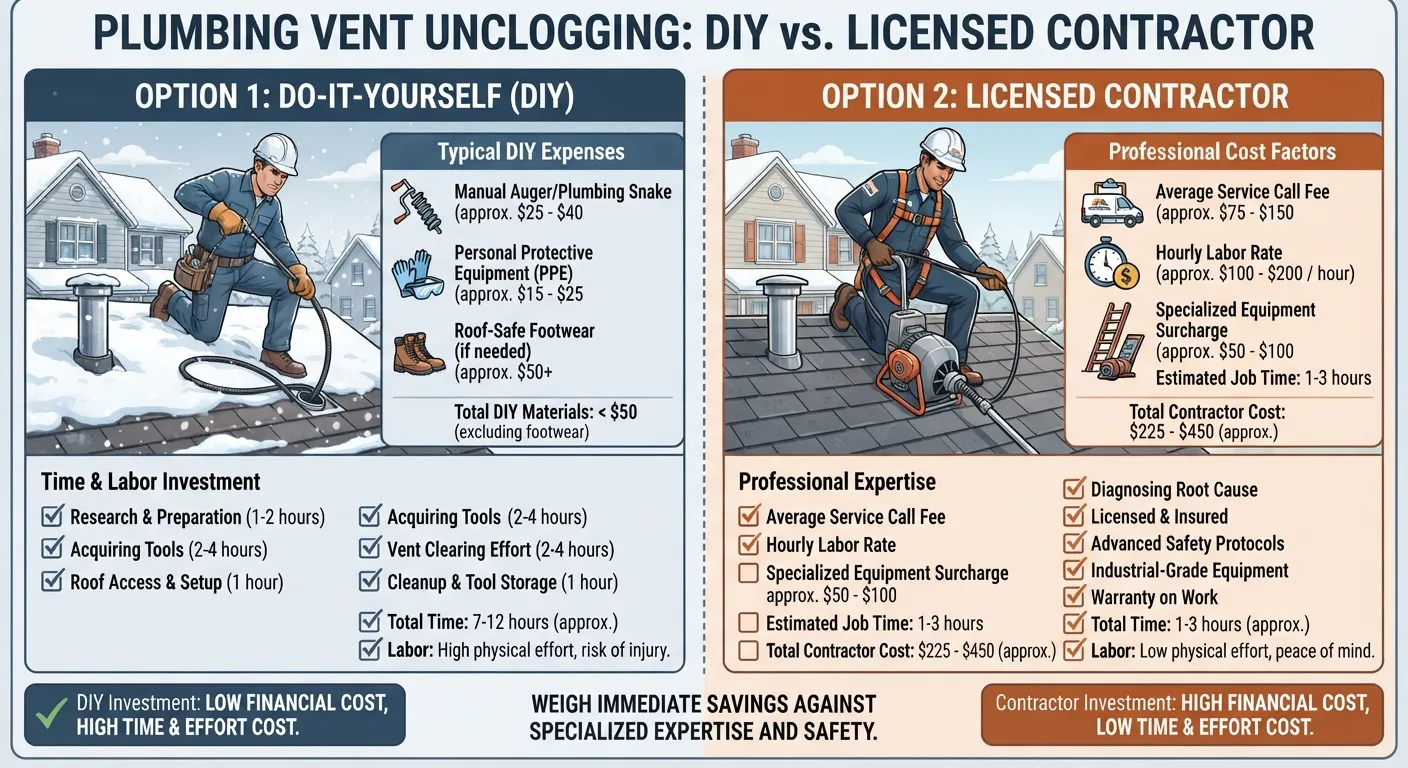
Understanding the financial investment helps you weigh the savings of a weekend DIY fix against the convenience of hiring an expert. Comparing tool expenses with contractor service fees allows you to budget effectively for your plumbing repair.
DIY Tool Costs Hose Snake AAV
Tackling a vent clog yourself requires minimal upfront investment if you already own basic yard tools and safety gear. Purchasing standard maintenance supplies remains a budget-friendly alternative for accessible roof stack issues.
- Standard garden hose and spray nozzle: $20 to $40 (if not already owned).
- Manual 25-foot plumber’s drum auger / snake: $25 to $60 at local hardware stores.
- Replacement Air Admittance Valve (AAV): $15 to $35 for under-sink installations.
Average Professional Plumber Service Cost
Hiring a licensed plumber ensures safe, code-compliant repairs, especially for multi-story roofs or stubborn structural blockages. Professional service rates reflect specialized labor, travel, and heavy-duty diagnostic equipment.
- Standard service call and diagnostic inspection fee: $100 to $250.
- Professional roof vent clearing and snaking labor: $150 to $350 total.
- Emergency after-hours or complex stack repair services: $300 to $600+ depending on regional labor rates.
When to Call a Professional Plumber Decision Framework
Deciding whether to tackle a vent blockage yourself or hire a licensed contractor depends on the complexity and safety risks of the job. Evaluating your specific situation prevents unnecessary property damage and physical injury.
DIY-Friendly Situations
Minor vent blockages that do not require complex structural interventions can often be managed successfully over a weekend. You can safely handle these scenarios using basic household tools and proper safety gear.
- Easily accessible single-story roofs with clear, safe pitch conditions.
- Surface blockages consisting of loose leaves, twigs, or superficial debris near the pipe opening.
- Minor gurgling in a single fixture that responds immediately to a garden hose flush or a household plunger.
Red Flags That Require a Professional
Certain plumbing complications demand advanced technical expertise, heavy-duty diagnostic equipment, and professional insurance protection. Recognizing critical warning signs keeps you safe from severe structural errors.
- Persistent sewage odors or slow drainage that returns immediately after a DIY clear.
- Multiple plumbing fixtures backing up simultaneously across different floors of your home.
- Excessively steep, multi-story, or iced roofs that present severe slip and fall hazards.
How to Prevent Future Plumbing Vent Clogs Maintenance Tips
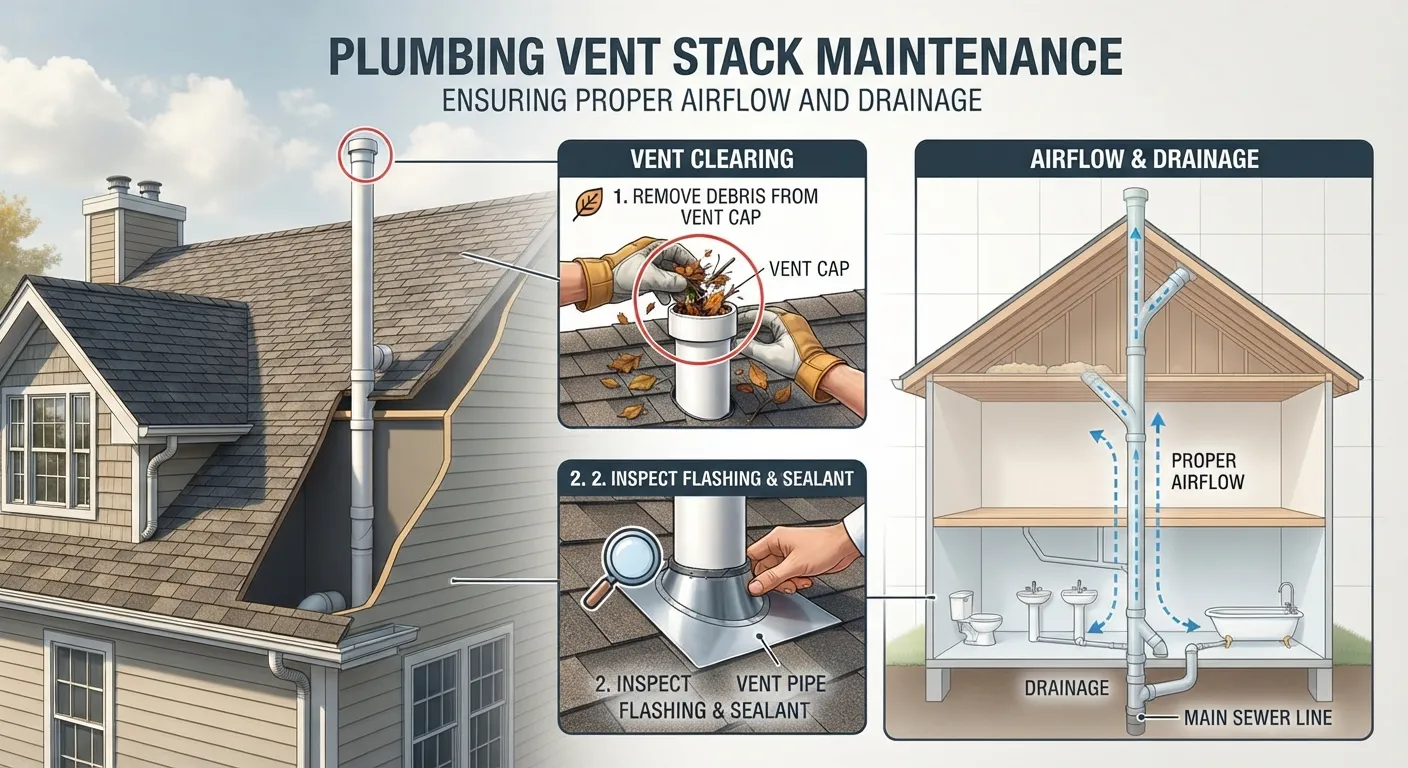
Preventing future vent stack blockages saves you from recurring drainage headaches and dangerous roof climbs. Implementing simple proactive measures protects your plumbing system from environmental debris and seasonal hazards all year round.
Install Vent Guards
Adding a physical barrier over your roof vent openings effectively stops animals and large debris from falling into your plumbing stack. These protective caps are inexpensive and easy to secure.
- Fit stainless steel wire mesh or plastic dome guards securely over every open PVC and metal pipe stack.
- Prevent birds, squirrels, and wasps from building nests inside dark, warm vertical pipe cavities.
- Block falling leaves, acorns, and pine needles while maintaining completely unrestricted airflow for drainage.
Trim Overhanging Branches
Tree limbs extending directly above your roofline serve as direct highways for leaves, twigs, and wildlife seeking shelter. Keeping branches trimmed back minimizes organic accumulation around your vent openings.
- Cut back tree branches so they maintain a minimum clearance of six to eight feet from all roof stack penetrations.
- Reduce the volume of autumn foliage dropping directly into your open PVC plumbing pipes during windstorms.
- Discourage squirrels and raccoons from jumping across from nearby trees onto your roof surfaces.
Schedule Seasonal Inspections
Routine visual checks catch minor blockages, frost caps, and animal activity before they escalate into major drainage backups. Incorporating bi-annual inspections into your home maintenance calendar ensures total peace of mind.
- Inspect your roof vents every spring after winter freezes and every autumn after leaf fall concludes.
- Check indoor fixtures periodically for subtle warning signs like slow drainage or intermittent gurgling sounds.
- Clear away accumulated roof debris around pipe bases to maintain clean, unobstructed drainage performance.
Frequently Asked Questions
Find quick, authoritative answers to common questions regarding plumbing vent maintenance, design standards, and system troubleshooting.
How Often Should I Clean My Drains and Vents?
Plumbing vents generally do not require routine annual cleaning unless you live in an area surrounded by heavy foliage or wildlife. Inspecting your roof stacks once or twice a year—ideally in spring and autumn—is usually sufficient to catch minor debris before it causes a major blockage.
Does Rainwater Get Into a Vent Pipe?
Rainwater enters your plumbing vent pipes regularly by design, as the open vertical stack extends straight through the roof. This incoming water flows safely down into your main drainage system and sewer lines without harming your plumbing infrastructure.
Should Vent Pipes Be Covered?
Vent pipes should be fitted with specialized open-mesh vent caps or flashing collars rather than solid lids. These protective covers block leaves, twigs, and animals from entering the stack while maintaining the continuous airflow required for proper drainage.
Can a Vent Pipe Get Clogged Completely?
A vent pipe can clog completely due to compacted animal nests, heavy ice accumulation during winter freezes, or a buildup of construction debris. Total blockages instantly create severe vacuum pressure, leading to slow drains, bubbling toilets, and foul sewer gas odors indoors.

Oscar Vance | Master Plumber & Drainage Expert
Meet Oscar Vance, a licensed master plumber sharing practical solutions on residential repairs, preventive maintenance, and thoughtful home upkeep.