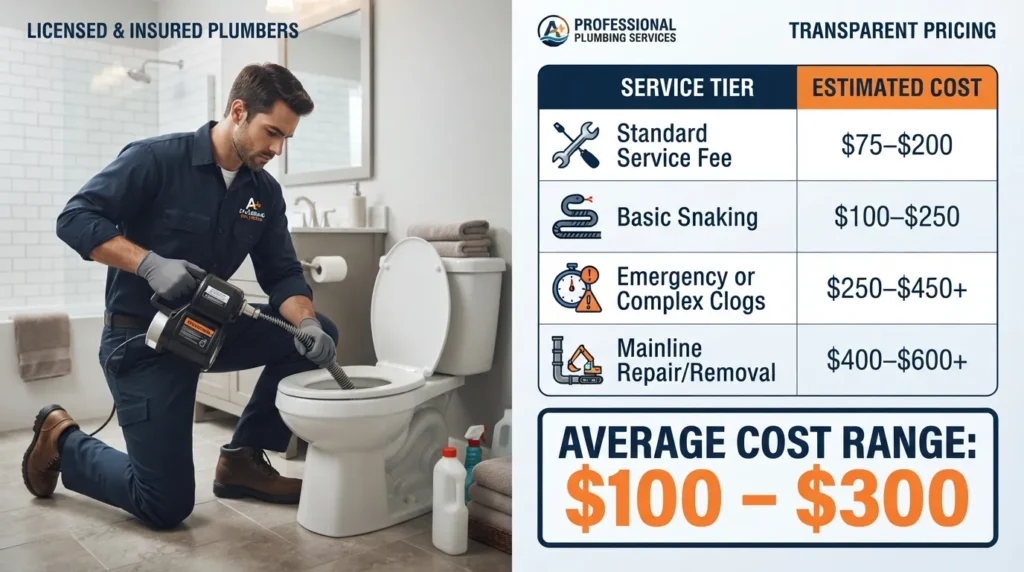
Understanding Underground Water Leaks and Non-Invasive Detection
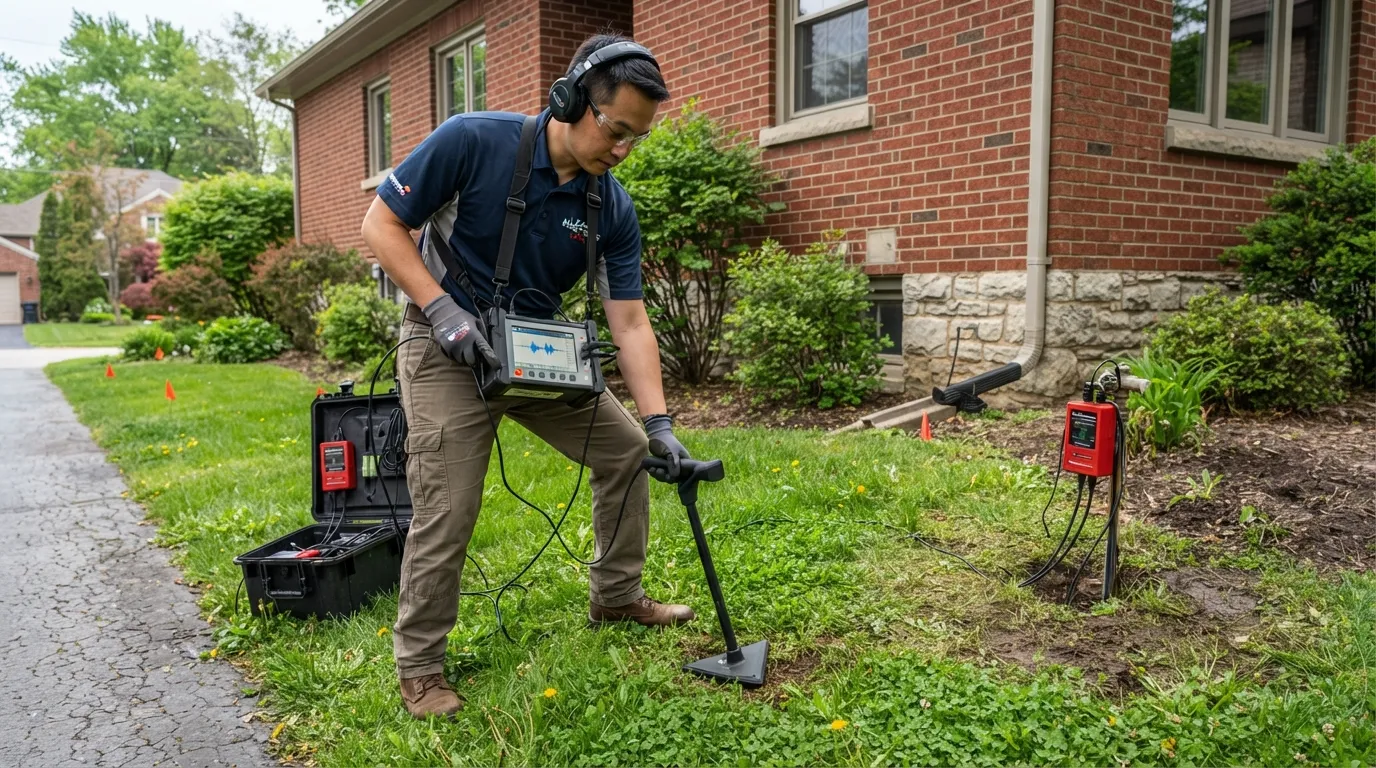
An underground water leak can quietly damage your property, inflate utility bills, and compromise structural integrity before it ever becomes visible on the surface. Modern plumbing solutions eliminate guesswork by utilizing advanced technologies like acoustic ground sensors and precise pipe locators to pinpoint exact fault lines without destroying your landscaping.
Professional detection relies on systematic diagnostic procedures performed by a licensed plumber. These non-invasive methods protect your property while quickly isolating the source of water loss, ensuring repairs are targeted and cost-effective.
- Acoustic Ground Sensors: Listen for the distinct frequency and vibration of pressurized water escaping underground pipes.
- Pressure Testing: Isolates specific plumbing segments to measure pressure drops and confirm active leakage.
- Advanced Pipe Locators: Trace the exact path and depth of metallic and non-metallic underground utility lines accurately.
Signs You Have an Underground Water Leak
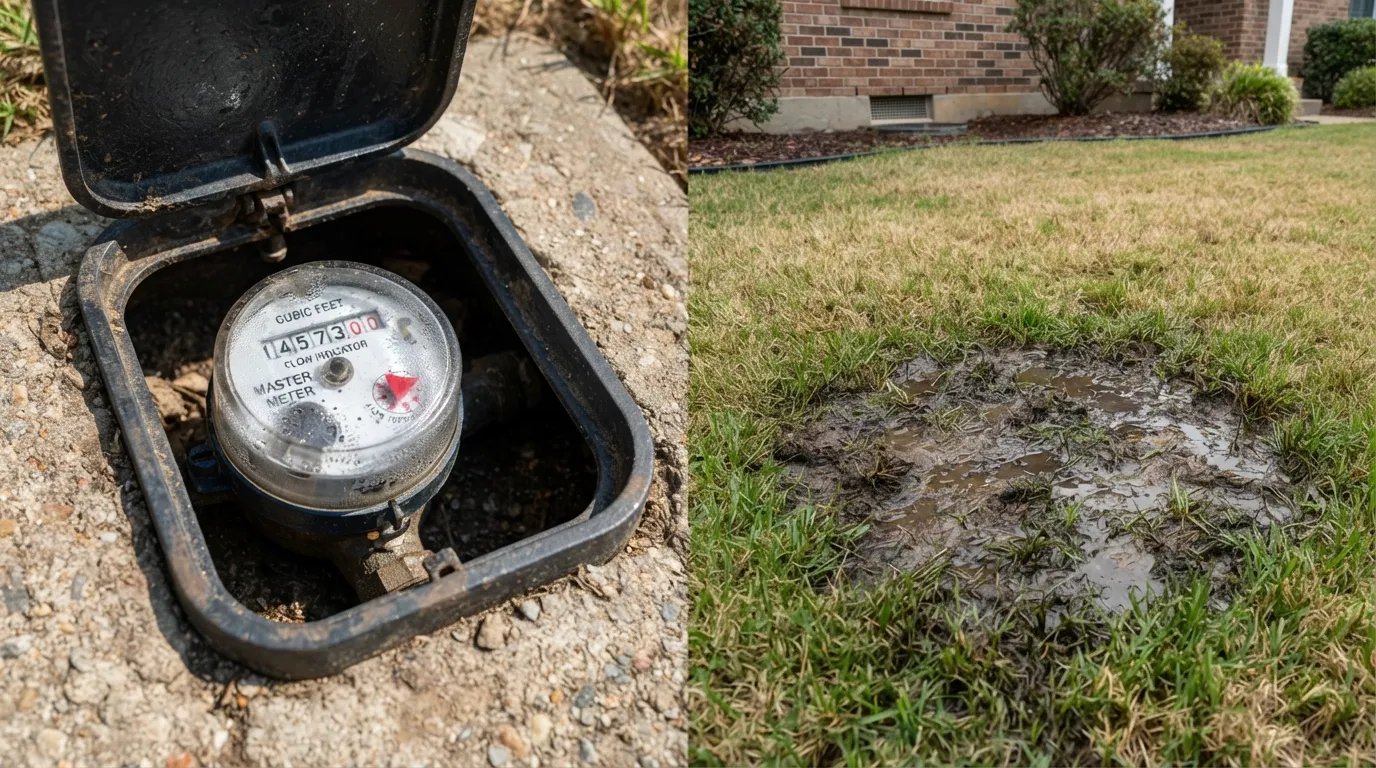
Recognizing the early indicators of a subsurface pipe failure prevents severe structural damage and costly property excavation. Homeowners can catch hidden issues early by monitoring utility usage, property conditions, and indoor plumbing behavior.
Unusually High Water Bill
A sudden, unexplained spike in your monthly water bill is frequently the clearest quantitative sign of an underground leak. If household water consumption habits remain identical while costs surge, pressurized water is likely escaping continuously into the ground.
- Compare current utility statements against historical seasonal averages to detect sudden usage deviations.
- Check your water meter dial when all indoor and outdoor faucets are completely closed to confirm continuous flow.
- Watch for persistent increments on the meter leak indicator wheel over a two-hour observation window.
Wet or Soggy Patches in the Yard
Subsurface pipe ruptures discharge gallons of water into surrounding soil, creating distinct saturated areas on your lawn. These wet spots often appear during dry weather seasons and may feature unusually lush or discolored grass growth.
- Inspect lawns for unexplained puddles, mud patches, or depressions that do not dry out naturally.
- Notice areas where grass grows significantly faster or greener due to constant subsurface irrigation.
- Observe soft or spongy ground conditions when walking across specific zones of your yard or driveway.
Low Water Pressure Throughout the House
A major break or structural split in an incoming supply line restricts the volume and velocity of water reaching your fixtures. This causes a noticeable water pressure drop across multiple taps, showers, and appliances simultaneously.
- Test multiple faucets and showers around the home to determine if the pressure reduction is systemic or isolated.
- Check whether pressure-dependent appliances like washing machines or dishwashers take longer to fill up.
- Consult industry resources like the EPA WaterSense guidelines to understand standard residential water pressure thresholds.
Sound of Running Water With Everything Off
Water escaping through a fractured pipe under high pressure generates distinct hydraulic noise that travels through building materials. Detecting a faint hissing or rushing sound when all taps are closed points directly to a hidden leak.
- Listen carefully near main entry water lines, crawlspaces, or utility walls during quiet night hours.
- Place your ear close to walls or floors near the main water shut-off valve to catch internal fluid movement.
- Investigate any recurring hissing sounds that persist even after verifying all toilets and appliances are inactive.
How a Plumber Confirms an Underground Leak
Professional plumbers follow a rigorous, methodical diagnostic process to verify subsurface leaks before deploying heavy excavation equipment. Confirming the issue accurately prevents unnecessary property damage and ensures that repair efforts focus exclusively on the compromised pipe section.
Watch this brief video demonstration detailing how plumbing professionals inspect and verify water meter indicators to confirm the presence of an active leak:
Water Meter Test Checking the Leak Indicator Dial
The water meter test serves as the definitive baseline verification for any suspected underground plumbing failure. By shutting off all active water sources and inspecting the meter dials, a plumber can mathematically prove whether water is continuously escaping.
- Locate the main property water meter box typically situated near the street or property boundary line.
- Ensure every single indoor and outdoor faucet, toilet, and water-using appliance is turned completely off.
- Observe the low-flow leak indicator triangle or sweep hand on the meter face for any continuous movement.
Isolation Testing Narrowing Down Main Line vs Internal Leak
Isolation testing isolates specific segments of a property’s plumbing network to distinguish between main service line failures and internal leaks. This crucial diagnostic step saves hours of troubleshooting and targets the exact zone of failure.
- Close the main shut-off valve where the water supply enters the house structure to separate interior plumbing from the external supply.
- Check the water meter again after closing the house valve to see if the dial stops spinning.
- Conclude that the leak is located on the underground exterior main line if the meter continues turning while the house valve is closed.
How Plumbers Map the Underground Pipe Path
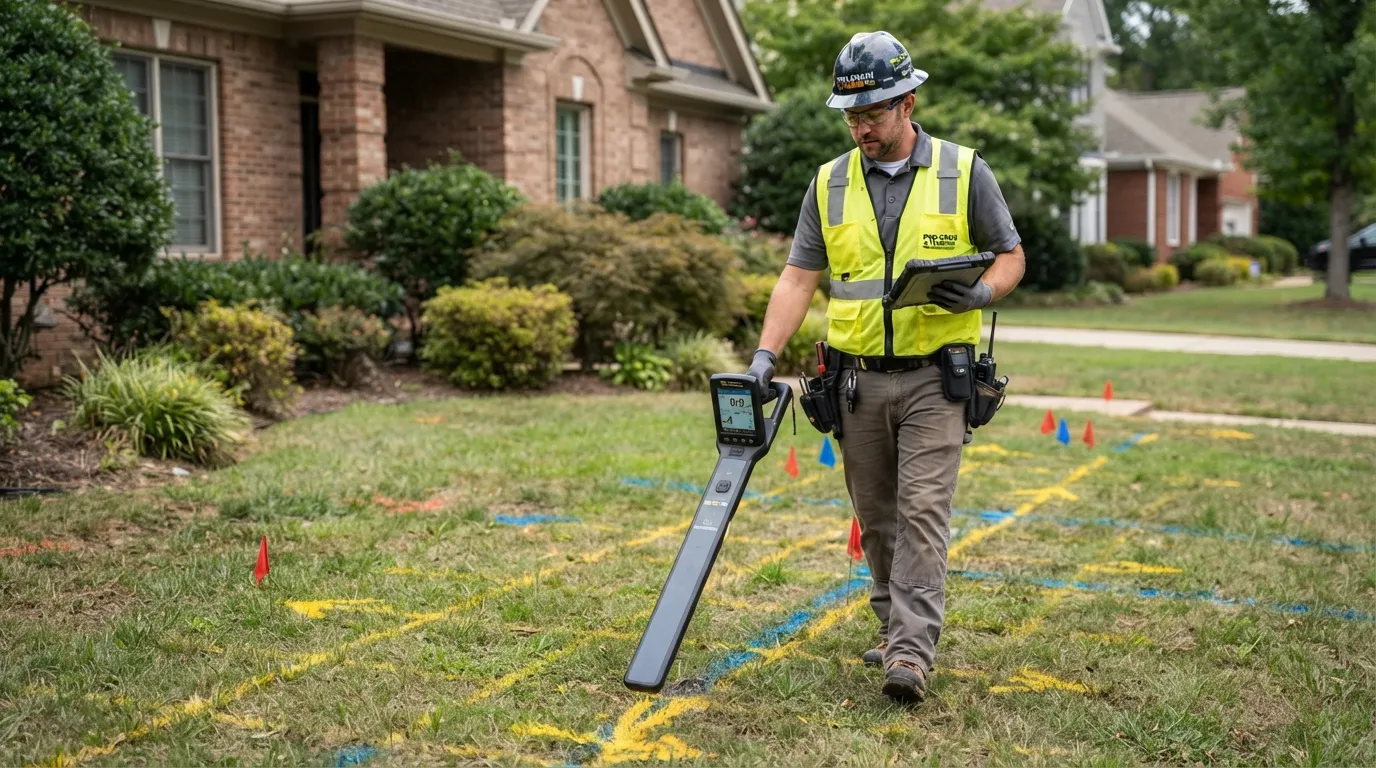
Mapping the precise geographical path of an underground water line prevents random, destructive trenching across a property. Professional plumbers use specialized electromagnetic and acoustic technology to trace buried pipes from the surface with pinpoint accuracy.
Understanding the layout of the distribution system ensures that subsequent non-invasive detection equipment is applied directly over the utility line rather than guessing its alignment.
Electronic Pipe Locators & Transmitters
Electronic pipe locators use radio frequencies and electromagnetic induction to trace non-metallic and metallic lines buried underground. A transmitter connects directly to an accessible hose bib or the main supply line to send a traceable signal through the pipe.
- Attach a specialized frequency transmitter to an outdoor hose bib or pressure regulator valve.
- Walk the surface of the yard while sweeping a handheld electromagnetic receiver tuned to match the transmitter frequency.
- Mark the exact routing path on the ground using flags or chalk as the receiver registers the strongest signal peak.
How a Pulse Generator (e.g., LeakTronics PG-2) Traces the Line
Advanced diagnostic tools like the LeakTronics PG-2 pulse generator push pressurized air and water pulses through the line to create acoustic vibrations. This hydraulic hammering effect makes tracing plastic or PVC pipes easy when standard electromagnetic locators fall short.
- Connect the pulse generator to an outdoor spigot to introduce dynamic pressure pulses into the sealed system.
- Use a ground microphone or pipe sensor to follow the traveling acoustic shockwaves along the buried route.
- Map out precise depth and directional turns based on the amplification of the rhythmic pulsing sound.
Techniques to Pinpoint the Exact Leak Location
Pinpointing an underground leak with millimeter accuracy requires combining advanced acoustic science, thermodynamic analysis, and specialized gas testing. These sophisticated methodologies eliminate the need for guesswork, saving structural foundations and expensive landscape renovations from unnecessary damage.
Watch this practical video demonstration highlighting how acoustic listening and thermal detection tools locate hidden leaks in real-world environments:
Acoustic Listening Devices Ground Microphones & Amplifiers
Acoustic listening devices detect the distinct frequencies produced when pressurized water forces its way through a crack in a pipe. High-gain ground microphones amplify these vibrations, allowing technicians to map the sound intensity peak directly above the rupture.
- Place heavy-duty ground plates or acoustic listening discs systematically across soil or concrete surfaces along the mapped pipe path.
- Monitor digital frequency readouts through professional-grade headphones to isolate water-escaping noise from environmental background interference.
- Locate the exact epicenter of the leak where the decibel level and acoustic vibration pitch reach their maximum amplitude.
Pressure & Tracer Gas Testing Hydrogen-Nitrogen Mix
When acoustic signals are too muffled by deep soil or loose fill, plumbers drain the line and introduce a safe, non-toxic tracer gas mixture of 5% hydrogen and 95% nitrogen. Because hydrogen molecules are extremely small, they escape through the crack, travel upward through the soil, and are detected above ground by a specialized sniffing sensor.
- Evacuate all standing water from the isolated plumbing line and pressurize the pipe with the hydrogen-nitrogen gas blend.
- Allow the lightweight tracer gas to permeate upward through dirt, gravel, clay, or concrete slabs over the pipeline route.
- Scan the surface with a sensitive electronic gas detector that beeps rapidly when it encounters escaping hydrogen molecules.
Thermal Imaging Infrared Cameras for Soil & Concrete
Infrared thermal imaging cameras detect temperature anomalies caused by continuous water flow beneath concrete slabs or landscaped terrain. Escaping hot or cold water alters the ambient thermal capacitance of the surrounding surface material, creating a visible signature on the thermal screen.
- Scan indoor concrete slabs and outdoor patio surfaces during optimal temperature differentials using a high-resolution infrared camera.
- Identify distinct hot or cold moisture plumes that indicate hidden moisture saturation pooling under foundations.
- Verify thermal findings by cross-referencing temperature gradients with the previously mapped underground pipe route.
Why the Method Changes for Plastic vs Metal Pipes
Acoustic and detection strategies must adapt to the material composition of the pipeline because different substrates transmit sound waves differently. Metal pipes act as exceptional acoustic conductors, whereas plastic and PVC lines dampen sound frequencies rapidly.
- Rely on high-frequency acoustic amplifiers or pressure pulse generators when tracking sound through dense PVC or poly pipe networks.
- Utilize electromagnetic induction and direct frequency transmitters more heavily when dealing with copper or galvanized iron lines.
- Deploy tracer gas testing as a primary backup method when acoustic waves fail to travel adequately through flexible plastic materials.
Comparison Table Which Detection Method Fits Which Situation
Selecting the appropriate non-invasive detection technique depends heavily on your property’s pipe material, surface composition, and the specific nature of the suspected leak. Review the detailed comparison table below to understand which diagnostic method matches your exact plumbing scenario.
Choosing the Right Strategy for Your Property
Matching the correct technology to your site conditions prevents wasted time and unnecessary exploratory digging. Professional technicians often deploy a multi-layered diagnostic approach to cross-verify findings before beginning physical repairs.
- Combine pipe locators with acoustic sensors to ensure technicians dig directly over the structural fault line.
- Opt for tracer gas testing when dealing with deep or stubborn leaks in complex plastic irrigation networks.
- Use thermal imaging alongside acoustic testing for properties built directly on concrete slab foundations.
How Much Does Underground Leak Detection Cost?
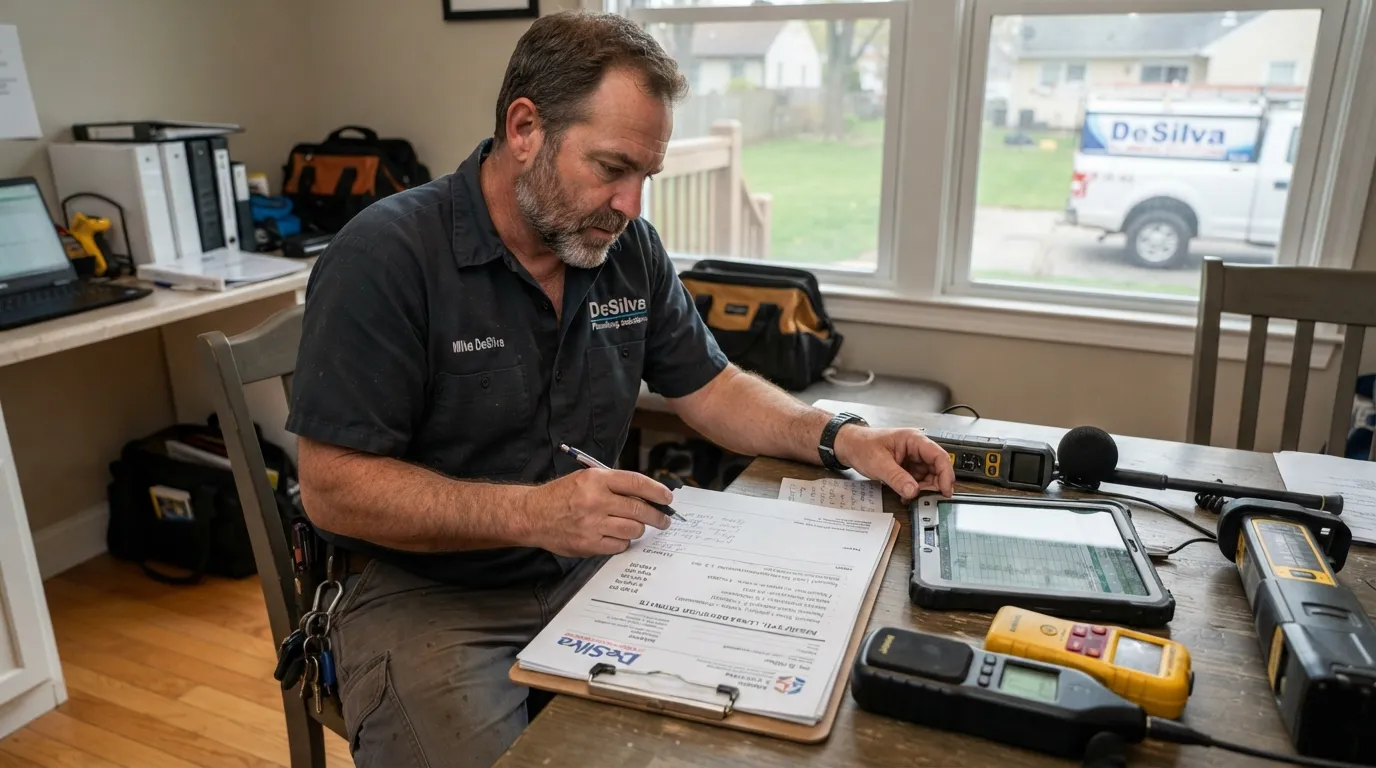
Investing in professional underground leak detection typically ranges from 150 to 400 dollars for standard diagnostic service calls, while complex property evaluations involving advanced tracer gas or multi-zone mapping can range from 400 to 1,000 dollars or more. Understanding pricing structures helps homeowners budget effectively for professional intervention before structural water damage escalates repair expenses.
Evaluating standard pricing brackets and the specific variables that influence contractor fees ensures complete transparency when hiring a certified leak detection specialist.
Average Cost Range by Detection Method
Different diagnostic technologies require specialized equipment, calibration time, and technical expertise, which directly influences service pricing. Professional plumbing contractors generally structure their pricing based on the scope of the technology deployed.
- Standard Acoustic & Meter Testing: Ranges from 150 to 350 dollars for basic mainline isolation and ground microphone checks.
- Tracer Gas Testing Services: Ranges from 400 to 800 dollars due to the specialized gas tanks, regulators, and setup time required.
- Thermal Imaging & Electronic Mapping: Ranges from 300 to 650 dollars depending on the total square footage and property layout complexity.
Factors That Increase or Decrease the Price
The final cost of underground leak detection varies based on specific site conditions, property accessibility, and the overall difficulty of locating the compromised line. Recognizing these pricing variables prevents unexpected charges during service execution.
- Depth and Location of the Pipe: Deeply buried lines or pipes running underneath concrete foundations require more intensive diagnostic time.
- Property Size and Layout: Extensive commercial lots or sprawling residential yards require extended scanning and multi-zone isolation tests.
- Accessibility of Shut-Off Valves: Hard-to-reach main water valves or missing property markers can add labor hours to the initial inspection phase.
How Long Does a Leak Detection Test Take?
Most professional underground leak detection appointments are completed efficiently to minimize disruption to your daily routine. On-site duration depends entirely on the complexity of the water system and the diagnostic methods required.
- Standard Residential Tests: Typically require between 1 to 2 hours for basic meter verification and acoustic ground sweeping.
- Complex Multi-Zone Inspections: Can take 3 to 5 hours when technicians must perform systematic isolation testing and tracer gas deployment.
- Immediate Follow-Up: Results and detailed mapping documentation are provided right on-site so repair options can be planned immediately.
Does Home Insurance Cover Leak Detection?
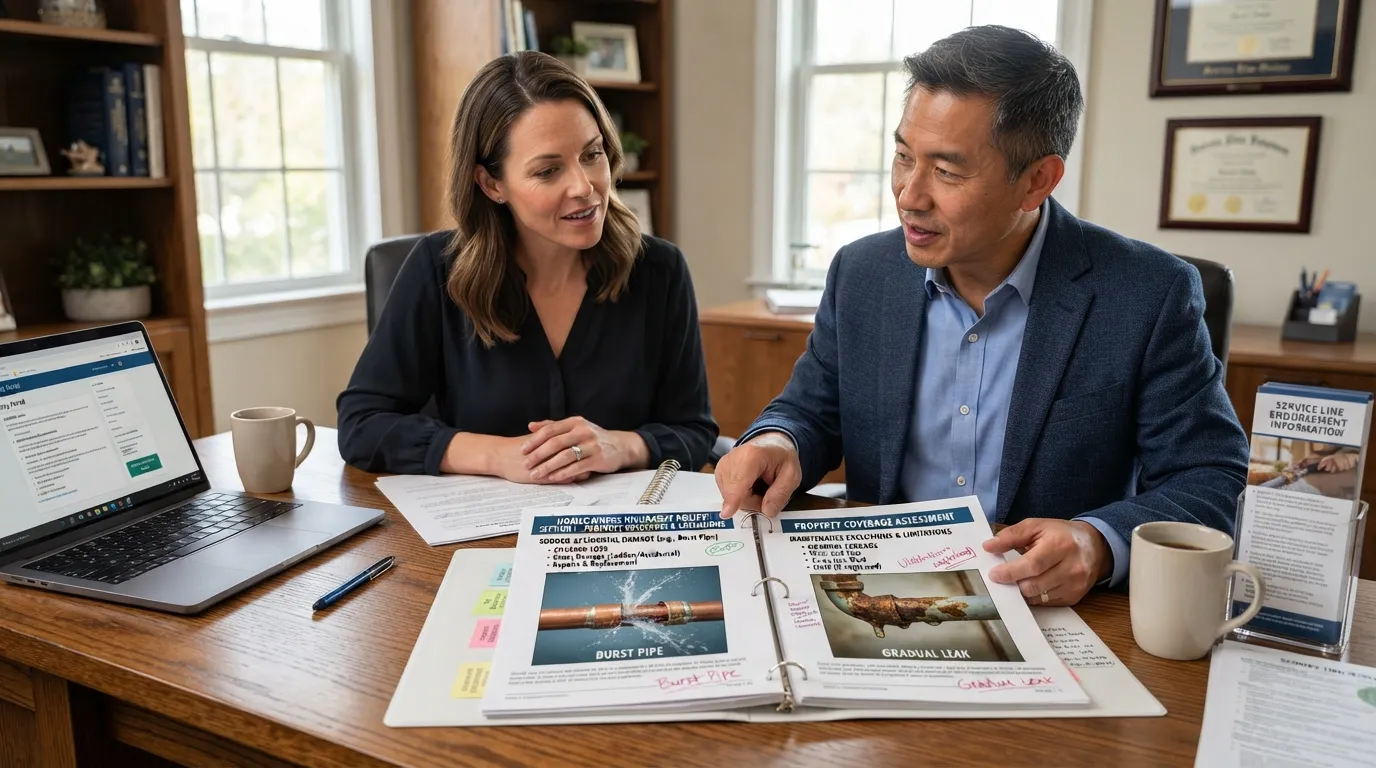
Navigating home insurance coverage for underground water leaks can be complex because most standard policies distinguish between the cost of locating the leak and the actual physical damage caused by escaping water. While property damage resulting from sudden and accidental pipe bursts is frequently covered, the out-of-pocket expenses for exploratory detection and diagnostic services depend heavily on specific policy riders and carrier guidelines.
Understanding what your insurance provider will pay for helps prevent financial surprises when filing a claim for hidden plumbing failures. Reviewing official municipal resources like the City of Portland Water Leak Resource Guide can also provide valuable context on managing utility responsibilities and property protection.
What Most Home Insurance Policies Typically Cover
Standard homeowner insurance policies focus primarily on sudden, catastrophic property damage rather than routine maintenance or wear-and-tear plumbing failures. Insurance carriers generally approve financial assistance under specific qualifying conditions.
- Symptomatic Water Damage: Repairs for drywall, flooring, and structural elements ruined by sudden, accidental pipe bursts are usually eligible for coverage.
- Endorsement Riders: Specific service line endorsements added to your policy may cover the excavation and repair costs of underground exterior water pipes.
- Consequential Loss: Secondary structural issues triggered by hidden moisture accumulation may qualify if the root cause was sudden and unforeseen.
When Detection Costs Are Usually Not Covered
Insurance companies frequently exclude the upfront cost of locating underground leaks from standard claims settlements. Homeowners should be prepared for specific common policy limitations regarding diagnostic fees.
- Preventative Maintenance: Standard diagnostic tests and routine leak detection services are categorized as homeowner maintenance responsibilities.
- Gradual Wear and Tear: Leaks caused by long-term pipe corrosion, root intrusion, or soil shifting are routinely denied if the damage developed over many years.
- Exploratory Service Fees: General contractor fees for acoustic listening, pipe mapping, and tracer gas testing often remain an out-of-pocket expense unless covered by a specialized utility endorsement.
Can You Detect an Underground Leak Yourself? DIY vs Professional
While homeowners can easily perform preliminary visual checks and basic meter monitoring, accurately pinpointing an underground leak requires professional-grade diagnostic equipment. Attempting to locate complex subsurface failures without specialized tools often results in destructive, unnecessary property excavation.
Watch this professional field demonstration showcasing how experts methodically track down hidden commercial water leaks using advanced tracing and isolation methods [00:00:11]:
What You Can Check Yourself Meter Test Visual Signs
Homeowners can perform simple initial diagnostics to confirm whether an active underground water leak exists before calling a certified specialist. These steps help establish whether water is escaping continuously within your property network.
- Locate your utility water meter [00:00:11] and verify that all indoor taps, showers, and outdoor irrigation valves are completely shut off.
- Observe the low-flow indicator triangle or sweep hand on the meter face to see if it continues moving.
- Walk your property perimeter to inspect for unexplained wet patches, sunken turf, or persistent hissing sounds near foundation walls.
Why Professional Tools Are Needed for Underground Pinpointing
Standard DIY observation can only tell you that a leak exists; it cannot determine where the pipe is broken beneath concrete or dense soil. Professional leak detection experts utilize advanced technology to eliminate guesswork and protect your property.
- Electromagnetic pipe locators map the exact horizontal trajectory and depth of buried utility lines [00:00:42].
- Acoustic ground microphones amplify structural vibrations to isolate the exact epicenter of high-pressure water escapes.
- Tracer gas testing and thermal imaging penetrate deep soil layers and thick concrete slabs without destructive trenching.
Is Hiring a Leak Detection Company Worth It?
Hiring a certified leak detection professional is well worth the investment because precision diagnostics prevent expensive, blind excavation mistakes. Knowing the exact millimeter location of a pipe failure saves thousands of dollars in landscape restoration and concrete repair.
- Avoid destroying driveways, expensive landscaping, or patio pavers by digging only where the fault is proven to exist [00:06:08].
- Save valuable time by letting trained technicians isolate complex multi-zone supply lines and hot water loops efficiently [00:04:30].
- Ensure long-term peace of mind with accurate engineering data that guarantees repair crews target the exact point of structural failure
Frequently Asked Questions About Underground Leak Detection
Get direct, expert answers to the most common questions regarding underground plumbing diagnostics, detection devices, and troubleshooting hidden water leaks.
Can a Plumber Detect a Leak Underground?
Yes, licensed plumbers use advanced electronic and acoustic non-invasive equipment to locate underground leaks accurately without digging up your entire yard.
- Professionals deploy ground microphones, electronic pipe locators, and pressure testing kits to isolate the exact fault line.
- Advanced diagnostics allow technicians to pinpoint leaks beneath concrete slabs, soil, and paved driveways.
What Is the Best Way to Find a Water Leak Underground?
The most effective approach combines acoustic ground listening with pressure isolation testing to narrow down and pinpoint the exact source of water loss.
- Isolation testing confirms whether the leak is on the main exterior supply line or internal plumbing.
- Acoustic sensors then track the specific frequency of escaping water to identify the exact spot to dig.
How Does a Plumber Find a Hidden Leak?
Plumbers follow a systematic three-step process involving meter verification, pipe path tracing, and high-frequency acoustic or gas detection.
- They check the water meter leak indicator dial to verify continuous flow.
- They trace the underground pipe path using electronic transmitters and pulse generators.
- They pinpoint the rupture using specialized listening equipment or a safe hydrogen-nitrogen gas mix.
What Device Can I Use to Detect Water Leaks Underground?
Professional detection relies on specialized heavy-duty tools that amplify sound waves, trace electromagnetic frequencies, or detect tracer gases.
- Acoustic ground microphones and listening discs amplify hydraulic hissing noises through soil or concrete.
- Pulse generators like the LeakTronics PG-2 send dynamic pressure waves through plastic and PVC pipes.
- Electronic hydrogen sniffers detect escaping tracer gas during pressure testing.
How Can I Locate a Leak in a Wall Behind a Fixed Cupboard?
Detecting leaks behind fixed cabinetry or finished walls requires specialized non-destructive tools that can evaluate moisture levels without tearing out built-in structures.
-
-
- Use non-invasive thermal imaging infrared cameras to scan walls for temperature anomalies caused by hidden moisture pooling.
- Apply pinless digital moisture meters against cabinet panels and drywall to track localized dampness gradients.
- Consult a professional plumber to use micro-acoustic listening probes or borescope cameras through small access holes if needed.
-

Oscar Vance | Master Plumber & Drainage Expert
Meet Oscar Vance, a licensed master plumber sharing practical solutions on residential repairs, preventive maintenance, and thoughtful home upkeep.