How to Snake a Bathtub Drain in 4 Steps
 Snaking a bathtub drain clears stubborn hair clogs and soap buildup trapped past the P-trap using a flexible plumbing cable. You can tackle most bathroom blockages in minutes by feeding the snake directly through the drain hole or the overflow opening.
The 4-Step
- Remove the bathtub stopper or strainer plate to access the open drain pipe.
- Insert the plumbing snake cable carefully into the opening until you feel resistance at the clog or P-trap.
- Rotate the handle clockwise while pushing gently to hook, break up, or capture the hair and debris.
- Retract the cable, clean off the pulled debris, and flush the pipe with hot water to verify proper drainage.
What You Need Before You Start
Proper preparation ensures you choose the correct tool for your blockage and protect your bathroom surfaces from accidental damage. Gathering your gear beforehand prevents messy mid-job scrambles and keeps the process efficient.
Tools and Materials Checklist
- Drain Snake: Choose a hand-crank auger, drum auger, or a plastic Zip-It tool depending on the clog depth.
- Screwdriver: Required for removing bathtub stopper assemblies and overflow faceplates.
- Safety Gear: Heavy-duty rubber gloves and protective eyewear, especially if chemical drain cleaners were recently used.
- Cleanup Supplies: An old towel to lay under the P-trap area, a bucket for dirty water and extracted debris, and cleaning rags.
- Flashlight or Headlamp: To inspect the alignment of the drain opening and internal pipes clearly.
Which Drain Snake Is Best for a Bathtub?
Selecting the right snake prevents pipe damage and ensures you reach deep-seated clogs past the P-trap. For most residential tubs, a 1/4-inch cable measuring 15 to 25 feet long provides the ideal balance of flexibility and reach.
Safety Gear and Precautions
If you recently poured chemical drain cleaner down the bathtub, take extra precautions before inserting a snake. Chemical residues can splash back when the cable breaks up the clog, causing severe skin burns or eye irritation.
- Always wear heavy-duty rubber gloves and protective safety glasses to shield against caustic splash-backs.
- Ensure the bathroom is well-ventilated by opening windows or running the exhaust fan.
- Pro Tip: Lay an old, thick towel directly inside the bottom of the tub and on the floor underneath your workspace to catch dripping sludge and protect porcelain surfaces from scratching.
Before You Snake
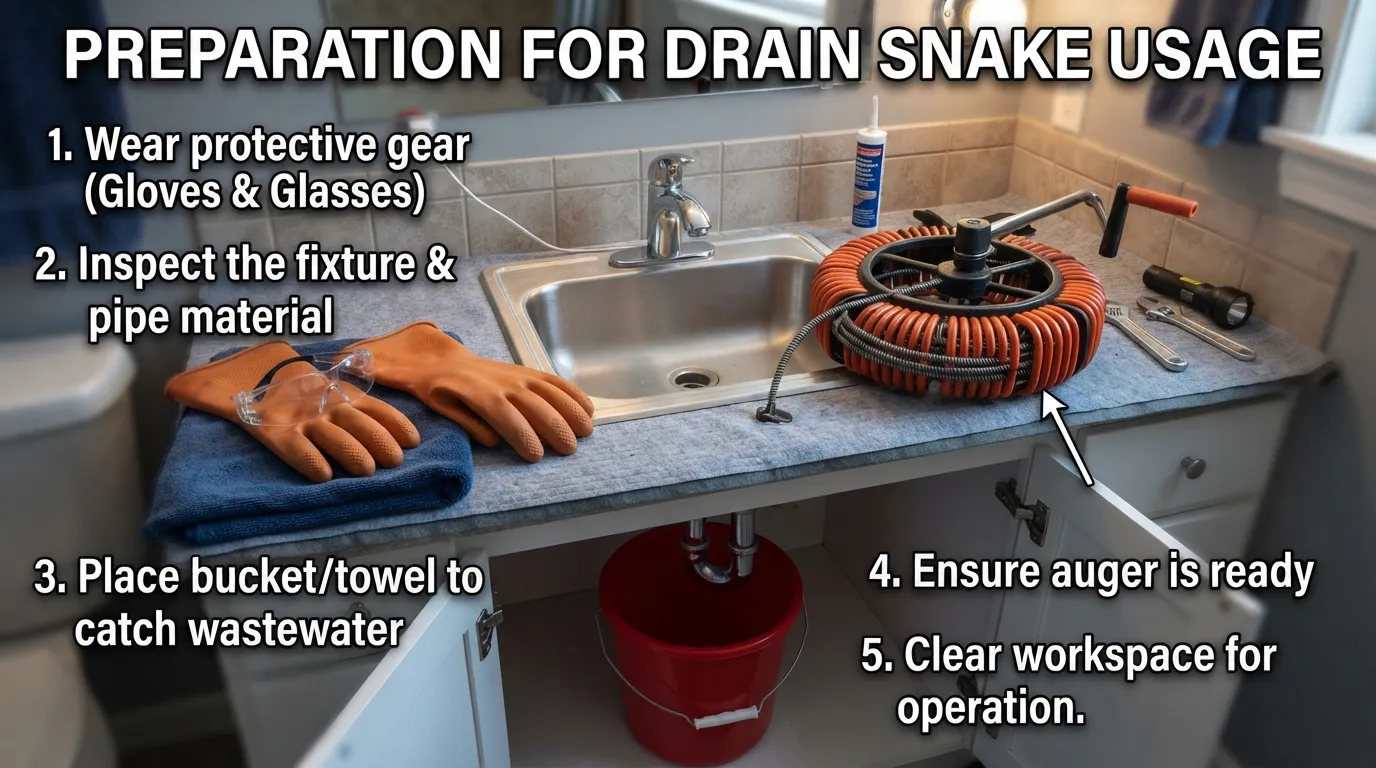 Taking a few moments to inspect your drainage system before feeding a cable saves you from frustrating snags and potential pipe damage. Identifying the physical path of your pipes and understanding the nature of your backup ensures your tool goes where it needs to.
Should You Run Water Before Using a Drain Snake?
You should not run a large volume of water immediately before snaking, but a small amount of standing water or a cup of liquid dish soap can help lubricate dry pipes. Running heavy water right beforehand makes the work zone messy and makes it harder to feel the tactile feedback of the cable hitting the clog.
- Leave a small puddle or add warm soapy water down the drain if the pipe is entirely dry to ease cable friction.
- Avoid active running water while inserting the auger so you can clearly feel the resistance when the cable touches debris.
- Flush water only after the snake has successfully broken up the hair clog and been retracted fully.
Is It Really a Clog?
Differentiating between a localized hair clog and a deeper plumbing vent issue prevents wasted effort. A slow drain that gradually clears usually indicates mild soap scum buildup along the pipe walls, whereas complete standing water points to a solid blockage.
- Slow Drain: Water slips away slowly, often indicating narrow paths bored through accumulated hair and conditioner.
- Standing Water: Complete blockage halts drainage entirely, typically trapped right at the P-trap or main drain tee.
- Vent Pipe Check: If multiple fixtures in the bathroom gurgle or drain slowly together, the problem is likely a roof vent restriction rather than just a tub clog.
Understanding Your Bathtub Drain Path
A bathtub plumbing layout differs significantly from a standard sink because it features a secondary vertical access point known as the overflow tube. Knowing this pathway helps you navigate awkward angles without jamming your cable.
- The Drain Opening: Leads directly down into a short shoe pipe that meets a sanitary tee junction.
- The P-Trap: A U-shaped bend located beneath the floor that holds standing water to block sewer gases; this is where hair and soap scum typically bind together.
- The Overflow Tee: Connects the top overflow opening to the drain line, providing a straight, unobstructed downward shot straight past the P-trap for your drain snake.
How to Snake a Bathtub Through the
The overflow route is professional plumbers’ preferred method for snaking a bathtub because it bypasses the sharp 90-degree angle and crossbars of the drain basket. Dropping your cable down this vertical pipe provides a smoother, straighter path straight down into the P-trap where hair and soap scum accumulate.
Step 1: Remove the Overflow Plate
Locate the metal or plastic cover plate on the wall of your tub below the faucet. Unscrew the mounting screws using a screwdriver and gently pull the plate outward.
- Pull the plate slowly as it is often attached to a metal trip-lever linkage or pop-up stopper mechanism inside the pipe.
- Wiggle the attached linkage upward to clear it completely out of the overflow opening before inserting your tool.
- Set the screws and faceplate aside on a dry towel to avoid losing hardware down the drain.
Step 2: Insert the Snake into the Overflow Opening
Pull 4 to 6 inches of cable out of your drum or auger housing and guide the tip directly into the exposed overflow opening. Point the cable downward toward the floor.
- Keep the drum or housing close to the tub wall to maintain control of the flexible cable length.
- Never force the cable if you feel an immediate unnatural hard catch right at the entry point; reposition the tip carefully.
Step 3: Feed Lock and Rotate the Cable
Feed an additional 6 to 12 inches of cable into the pipe, tighten the thumbscrew or locking mechanism on your auger to secure the cable length, and turn the handle clockwise.
- Rotate the handle smoothly in a clockwise direction while applying steady, gentle downward pressure.
- Loosen the thumbscrew, pull out another section of cable, lock it again, and repeat the rotation cycle until you reach the blockage.
Step 4: How to Know You’ve Hit the Clog
You will feel a distinct change in tension when the cable reaches the P-trap or the hair mass. Distinguishing between a routine pipe bend and a real clog prevents false assumptions.
- P-Trap Bend: A slight, springy resistance that yields easily as you continue rotating and pushing through the curve.
- Hair Clog: A heavy, spongy, or immovable resistance accompanied by a gritty feedback feeling in the cable handle.
- Real-World Mistake: When I first attempted this, I mistook the natural curve of the P-trap for a clog and stopped turning; always feed a few extra inches to confirm the cable has cleared the trap curve before declaring you’ve found the blockage.
Step 5: Pull Out the Debris and Clean the Cable
Once you feel the clog break apart or catch on the auger head, reverse the rotation counter-clockwise slightly and pull the cable slowly back up through the overflow pipe.
- Scrape extracted hair and black soap sludge off the auger tip directly into your waste bucket using an old rag.
- Wipe the entire length of the cable down with a damp disinfecting cloth as you retract it back into the drum.
Step 6: Reassemble and Test the Drain
Reinsert the trip-lever linkage back into the overflow pipe, align the overflow faceplate, and secure it tightly with the original screws.
- Run hot tap water into the bathtub for at least two minutes to flush away loosened debris particles.
- Verify that the standing water drains away rapidly without bubbling back up or backing into the tub base.
Method 2: How to Snake a Bathtub Drain
Snaking directly through the drain hole is necessary when your bathtub lacks an accessible overflow plate or when clogs are localized right below the strainer basket. While this route requires removing your tub stopper first, it offers direct access to shallow hair masses tangled around the crossbars.
How to Snake a Bathtub Drain With a Stopper
You cannot pass a rigid plumbing cable or a drum auger through a closed or partially blocked bathtub stopper assembly. Safely detaching your specific plug mechanism exposes the full diameter of the drain opening, allowing the cable head to enter smoothly without jamming.
- Identify your specific stopper configuration before attempting removal to avoid stripping internal components.
- Keep a small container or tray nearby to hold tiny set screws, springs, or balancing pins.
- Clean away any immediate surface hair or gunk trapped right around the flange once the plug is out.
Pop-Up Lift-and-Turn Toggle and Push-Pull Stoppers: How to Remove Each
Feeding the Snake Through the Drain Hole Without Scratching the Tub
The porcelain or acrylic surface around a bathtub drain scratches very easily when heavy metal cables or auger drums brush against it. Taking preventative shielding measures keeps your tub looking pristine during the process.
- Wrap the metal tip or the initial 2 inches of exposed cable with painter’s tape or slip a small piece of rubber tubing over it if your snake lacks a protective vinyl coating.
- Lay a clean, folded washcloth directly over the bottom edge of the drain hole to cushion the weight of the metal drum or hand crank.
- Guide the cable straight down with gloved hands rather than letting it whip around against the sides of the basin.
When Is the Drain Hole Method Better or Worse Than the Overflow?
Choosing the correct entry point depends entirely on where your clog resides and how your plumbing is configured. The drain hole route is fantastic for quick surface hair grabs, but it comes with distinct mechanical downsides.
- Why It Can Be Worse: The drain hole forces your snake to plunge downward and immediately execute a sharp 90-degree bend at the shoe elbow, which can make feeding a stiff cable difficult or cause it to catch on internal crossbars.
- When It Is Better: Use this method if your overflow plate is rusted shut, sealed permanently, or if you are using a flexible plastic hair-zipper tool designed exclusively for shallow surface blockages.
Snake Won’t Go Down the Bathtub Drain? Troubleshooting
Hitting an unexpected roadblock when feeding an auger cable can stall your plumbing repair instantly. Understanding why a snake refuses to advance or why a drain remains clogged after a sweep helps you correct your technique safely before risking pipe damage.
Why Won’t My Snake Go Down the Bathtub Drain?
A plumbing cable typically stalls because it hits a tight 90-degree pipe elbow, encounters a sharp internal crossbar, or meets a rigid blockage that requires a different angle. Identifying the specific source of obstruction prevents you from accidentally buckling your metal cable inside the wall.
The Snake Is Stuck or Kinked: What to Do
If your cable buckles or jams tightly inside the drain pipe, stop rotating the handle immediately to prevent tearing old PVC, ABS, or cast-iron joints. Pulling too hard in a straight panic can twist the metal coil into a permanent knot.
- Reverse the rotation of your hand crank or drum auger counter-clockwise while pulling gently backward on the cable housing.
- If the tip remains wedged, jiggle the cable slightly side-to-side to release the auger head from the pipe wall or debris mass.
- Never use power drills or excessive force on a bound cable, as it can snap the metal inside your plumbing infrastructure.
The Water Is Still Not Draining After Snaking
Failing to clear standing water after a full snake run usually means the primary hair clog was missed, or a secondary obstruction exists further down the main waste line. You may need to inspect deeper or re-evaluate your entry approach.
- Repeat the snaking process through the alternative route (switching between the overflow and the drain hole).
- Check if bathroom sink or toilet drains are also backing up, which points to a main branch line blockage rather than a solitary tub issue.
- Ensure you flushed enough hot water down the pipe to clear away residual slime loosened by the auger head.
How Far Should I Push the Snake?
You should typically push your drain snake 15 to 25 feet into the bathtub piping to successfully navigate past the P-trap and reach the primary vertical stack. Pushing beyond 25 feet is rarely necessary for standard residential bathtubs unless the blockage sits deep in the main house sewer line.
- Stop feeding more cable once you encounter heavy resistance that breaks apart or feels like you have cleared the trap curve.
- Mark your cable lightly with tape if you want to track exactly how deep the tool has traveled into the wall.
How Long Does It Take to Snake a Tub Drain?
Snaking a bathtub drain generally takes between 15 to 30 minutes from start to finish for most DIYers. Complex tasks involving stubborn stoppers, rusted overflow plates, or deeply packed grease clogs may extend the total project time closer to 45 minutes.
- Allow 5 to 10 minutes to remove hardware and prep the workspace with protective towels and gear.
- Allocate 10 to 15 minutes for actual cable feeding, rotating, and debris extraction.
Safety Pipe Damage and Common Mistakes
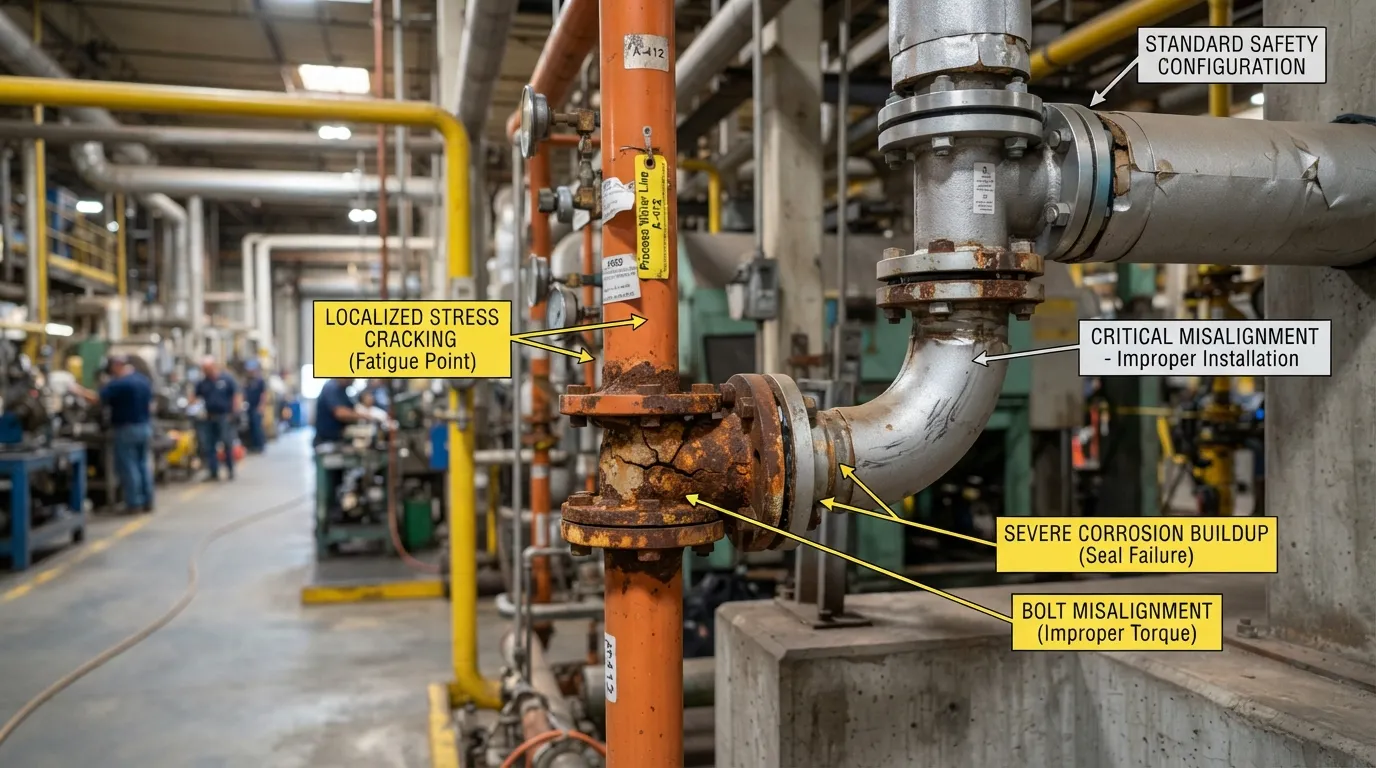 Maintaining safety standards and avoiding aggressive mechanical errors protects your home plumbing infrastructure from costly leaks and structural cracks. Understanding the precise boundaries of DIY drain cleaning ensures you clear blockages without damaging fragile pipe materials behind bathroom walls.
Can a Drain Snake Damage Your Bathtub Pipes?
A standard hand-crank or drum drain snake rarely damages healthy PVC, ABS, or modern copper pipes when used with moderate care. However, forceful rotation, aggressive drill attachments, or outdated, corroded cast-iron and galvanized steel piping can easily puncture, crack, or tear.
- Modern plastic PVC and ABS pipes tolerate flexible steel cables well, provided you do not force jammed blades at high rotational speeds.
- Older metal plumbing corrodes internally from decades of mineral buildup, making pipe walls dangerously thin and susceptible to sharp auger tips.
- Always prioritize tactile feedback; if the cable encounters an unyielding metallic blockage or hits a solid wall joint, stop immediately to investigate.
7 Common Mistakes When Snaking a Tub Drain
Avoiding frequent DIY pitfalls saves you from messy pipe ruptures, scratched fixtures, and recurring blockages that refuse to clear.
- Using Excessive Force: Jamming or hammering a stuck cable bends the steel coil into a tight knot that can destroy internal fittings.
- Feeding Too Much Cable at Once: Releasing 5 or 6 feet of slack into the pipe causes the metal snake to coil up and loop against itself inside wide drainage sections.
- Neglecting Protective Gear: Skipping rubber gloves and safety glasses exposes skin and eyes to toxic bacteria and residual chemical splash-backs.
- Ignoring Tub Surface Protection: Failing to place towels or tape around the drain hole or overflow rim leads to permanent scratches on acrylic and porcelain basins.
- Forcing a Snake After Harsh Chemicals: Pushing an auger through standing caustic drain cleaner causes hazardous chemical splashes onto your skin and surrounding surfaces.
- Choosing the Wrong Entry Point: Forcing a stiff cable directly through a tight drain basket when the accessible overflow pipe offers a much smoother path.
- Skipping the Final Flush Test: Assuming a clear line without running hot water for several minutes leaves dislodged sludge settled further down the main waste pipe.
Using a Snake After Chemical Drain Cleaners: What to Know
Mixing mechanical tools with chemical drain openers introduces serious health and safety hazards if harsh liquid residues remain trapped in the pipe. Lye and acid-based cleaners can splatter violently when struck by a rotating metal cable.
- If you recently poured commercial chemical cleaners down the tub, flush the drain thoroughly with lots of cold water before inserting any tool, or wait several hours.
- Always wear heavy-duty rubberized gloves, long sleeves, and chemical-splash goggles to prevent severe skin burns or eye injuries.
- Ensure adequate ventilation by keeping the bathroom window wide open or running the exhaust fan continuously during the entire clearing process.
What If You Don’t Have a Snake? ths
 If you don’t own a plumbing snake or want to try alternative solutions before opening up your drain lines, several household items and improvised tools can clear minor hair and soap clogs effectively. Understanding what actually works versus what is an internet myth saves you time and protects your plumbing infrastructure.
What Is the Fastest Way to Unclog a Bathtub Drain?
The fastest way to clear a bathtub drain is using a flexible plastic Zip-It hair tool or a specialized plunger designed for tubs to pull out shallow clogs immediately. These tools physically extract the hair mass in seconds without requiring chemical reactions or complex tool setups.
- Physical extraction beats chemical dissolvers instantly because it removes the solid core of the blockage instead of waiting for liquids to eat through hair.
- A flat-bottomed cup plunger works efficiently if you seal the overflow opening tightly with a wet rag to build proper pneumatic pressure.
Can Dawn Dish Soap Unclog Drains?
Dawn dish soap can successfully clear minor, grease-heavy slow drains when paired with boiling or very hot water, but it will not dissolve packed hair masses. The soap acts as a surfactant that breaks down greasy soap scum binding hair strands together to the pipe walls.
- Pour half a cup of Dawn dish soap down the drain, let it sit for 10 minutes, and chase it with a gallon of hot tap water.
- While great for kitchen grease clogs, dish soap has limited effectiveness against large, compacted hairballs found in typical bathroom tubs.
Does Baking Soda and Vinegar Really Work?
The classic baking soda and vinegar mixture creates a satisfying fizz that can loosen light surface gunk, but professional plumbers agree it lacks the mechanical or chemical strength to clear severe clogs. The effervescent chemical reaction neutralizes into salt water and carbon dioxide, offering more novelty than heavy-duty cleaning power.
- It provides a safe, natural way to deodorize smelly drains and freshen up light slime buildup near the surface.
- Do not rely on baking soda and vinegar to open a completely blocked pipe or dissolve deep-seated hair clusters.
Why Pour Salt Down the Drain?
Pouring dry salt down the drain combined with baking soda and hot water is largely a myth for clearing major blockages, though coarse salt can provide mild abrasive scrubbing action. It does not chemically dissolve hair or break up stubborn structural obstructions inside PVC or metal pipes.
- Leaving heavy salt sitting stagnant in metal drain pipes for extended periods can accelerate corrosion and pitting.
- Skip the salt trick and opt for mechanical pulling tools if your bathtub is completely backed up with standing water.
What Is the Strongest Thing to Unclog a Drain?
The absolute strongest and most reliable method to clear a stubborn bathtub drain is mechanical action using a drum auger or plumbing snake, backed up by professional-grade enzyme cleaners for ongoing maintenance. Commercial sulfuric acid or lye drain openers are extremely strong, but professional plumbers strongly advise against them due to extreme safety hazards.
- Harsh chemical drain openers generate dangerous heat that can melt flexible PVC pipe joints or crack ceramic toilet and tub fixtures.
- A mechanical snake physical removes the root cause of the backup without introducing corrosive liquid hazards into your home.
Zip-It Tool Plunger and Wet Dry Vac
Alternative physical tools offer fantastic results for homeowners who prefer avoiding mechanical cables or chemical liquids entirely.
- Zip-It Hair Tool: A flexible plastic strip with barbs that slides past drain crossbars to snag and pull out hair masses in seconds.
- Flat Cup Plunger: Creates a powerful suction seal over the bathtub drain hole to loosen and dislodge trapped debris when the overflow is sealed.
- Wet/Dry Vacuum: Turning a shop vac to high suction over the open drain hole can powerfully suck standing sludge and hair straight out of the pipe.
When to Call a Plumber
Sometimes DIY efforts are not enough to clear a severely compromised drainage system. Knowing when to stop snaking and call a licensed plumber prevents catastrophic pipe damage, raw sewage backups, and expensive structural repairs behind your bathroom walls.
5 Signs You Need a Professional
Stop DIY troubleshooting immediately if you experience multiple clogged fixtures simultaneously or hear unusual gurgling sounds from other drains. These red flags indicate a deeper, more hazardous blockage in your main waste line that a standard hand auger cannot safely reach.
- Multiple Clogged Fixtures: Water backs up into the bathtub when you flush the toilet or run the bathroom sink nearby.
- Gurgling Sounds: Trapped air bubbles releasing through the tub drain point to severe vent restrictions or main sewer line blockages.
- Recurring Clogs: The bathtub drains fine for a few days after snaking but quickly backs up again, indicating heavy, sticky sludge buildup along the pipe walls.
- Foul Sewage Smells: Persistent raw sewage odors mean the P-trap is siphoned dry or the primary sewer line is severely compromised.
- Stuck Plumbing Cable: If your drain snake gets hopelessly jammed inside the pipe, a plumber must safely extract it to avoid shattering the plumbing joints.
DIY vs Plumber: Cost Comparison
Choosing between a DIY fix and hiring a professional plumber requires balancing immediate out-of-pocket costs against long-term reliability. While a basic hand snake costs under $30 for simple jobs, professional services ensure permanent resolution for complex, deep-seated blockages.
What a Plumber Can Do That a Snake Can’t
Professional plumbers bring advanced diagnostic and clearing technology to tackle severe clogs that standard metal cables simply poke temporary holes through. They can safely restore pipes to a factory-clean state and pinpoint exact structural failures behind concrete or drywall.
- Hydro-Jetting: Uses highly pressurized water streams to scour away decades of hardened grease, soap scale, and mineral deposits, leaving pipe walls completely bare and smooth.
- Camera Inspection: Feeds a waterproof, fiber-optic video camera into the drain line to visually identify cracked PVC, bellied cast-iron pipes, or tree root intrusions before tearing up floors.
- Heavy-Duty Motorized Clearing: Plumbers utilize high-torque motorized augers capable of safely reaching 100+ feet deep into the main sewer line to shred solid blockages without snapping the cable.
How to Prevent Bathtub Clogs
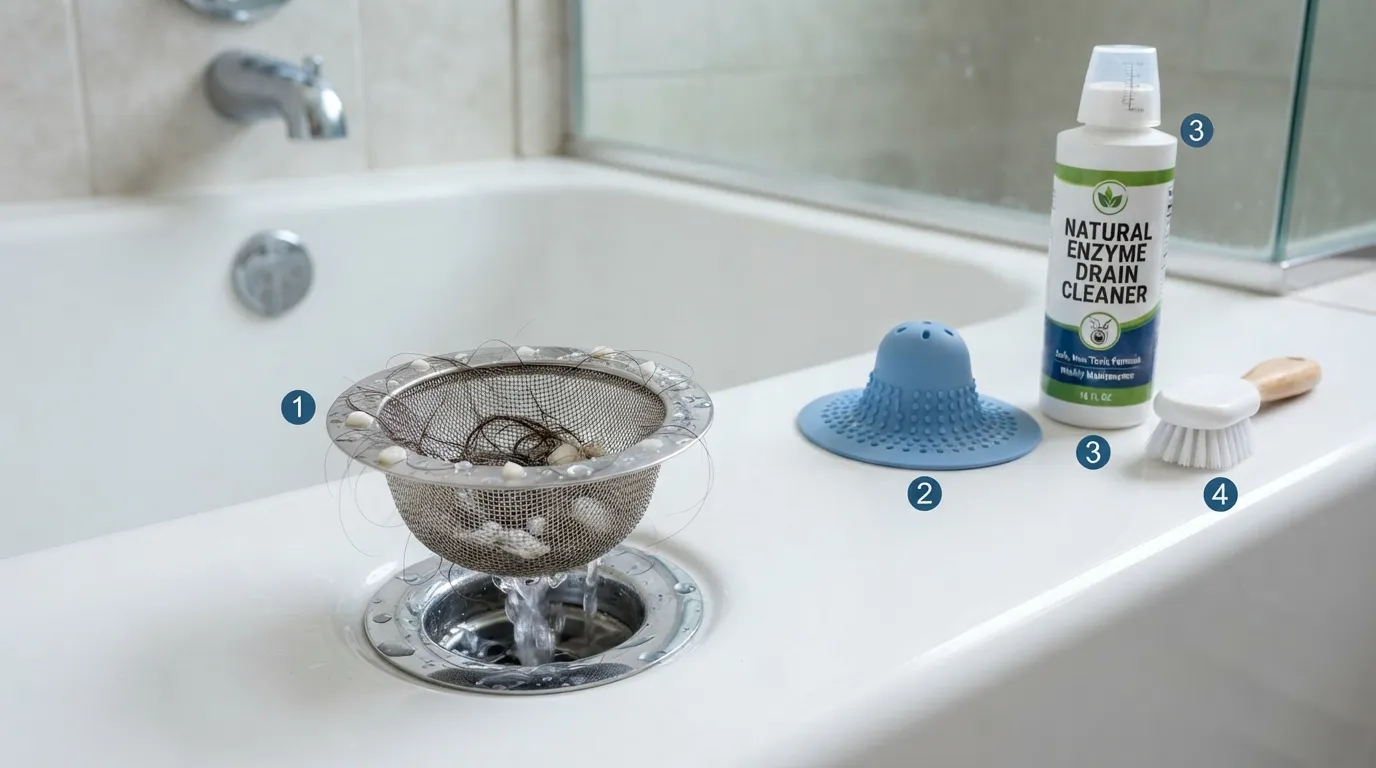 Preventing future bathtub clogs saves you from messy maintenance work and protects your plumbing infrastructure from recurring strain. Implementing simple daily habits and a consistent cleaning routine stops hair, soap scum, and debris from accumulating inside your P-trap.
Use a Hair Catcher or Drain Strainer
Installing a dedicated silicone or stainless-steel hair catcher over your bathtub drain is the single most effective way to stop clogs before they form. These inexpensive devices trap loose strands on the surface before they slip down into the plumbing lines.
- Clean out the collected hair mass from the catcher after every couple of showers to maintain rapid water flow.
- Ensure the catcher matches your drain style (flat strainer or basket-style insert) so it sits flush without letting hair slip underneath the edges.
Monthly Drain Maintenance Routine
Running a quick monthly maintenance cycle flushes away microscopic soap scum and organic buildup before they bond into a solid blockage. Consistent care keeps your pipes running freely year-round.
- Pour a pot of boiling water or piping hot tap water down the drain once a month to melt away greasy soap residue.
- Apply a bio-friendly enzyme cleaner monthly; natural bacteria digest organic hair and skin flakes safely without harming PVC or metal joints.
- Flush the line thoroughly with cold water a few hours after applying any preventative treatment.
What to Avoid Pouring Down Your Tub Drain
Bathtub drains are specifically engineered to handle water, body wash, and shampoo; introducing foreign substances causes rapid buildup and severe blockages.
- Excessive Oils and Bath Bombs: Heavy bath oils, heavy bath salts, and glitter-filled bath bombs coat pipe walls with sticky residue that traps loose hair instantly.
- Pet Hair and Mud: Wash pets using a specialized strainer or rinse pet mud out thoroughly with plenty of water to prevent thick dirt clogs.
- Chemical Overuse: Avoid pouring harsh, highly concentrated acid-based cleaners continuously, as they corrode pipe fittings and create hazardous splash risks.
Frequently Asked Questions
Get quick, direct answers to common questions about using plumbing snakes, tool versatility, safety precautions, and maintenance schedules for your bathroom fixtures.
Can you run a snake down a bathtub drain?
Yes, you can run a plumbing snake directly down a bathtub drain or through the overflow opening. The overflow route is usually recommended because it provides a smoother, straighter path directly into the P-trap, bypassing tight angles and crossbars.
Do drain plumbing snakes really work?
Drain snakes are highly effective tools for physically grabbing, breaking up, and removing stubborn hair clogs and soap blockages trapped past the P-trap. Unlike chemical dissolvers that only eat away a small tunnel, a snake removes the entire mass.
Is it safe to use a snake to clean a drain?
Using a drain snake is very safe for modern PVC, ABS, and copper pipes when handled with moderate care. Always wear gloves and eye protection, avoid using excessive force, and stop immediately if you encounter a rigid blockage.
Can you snake a bathroom sink or toilet with the same tool?
You can use a standard hand-crank drain snake for bathroom sinks, but standard drum augers should never be used in toilets. Toilets require specialized closet augers with protective vinyl guards to prevent scratching the porcelain bowl.
Can a plumbing snake cause damage to pipes, toilets or sewers?
A plumbing snake can scratch, puncture, or crack fragile, heavily corroded metal pipes or old clay sewer lines if forced with aggressive power tools. Always guide the cable gently and rely on tactile feedback rather than raw muscle.
How often should you snake a bathtub drain?
You do not need to snake a bathtub drain on a regular schedule unless you experience recurrent slow draining. Instead, rely on preventative mesh hair catchers and monthly enzyme maintenance treatments to keep your pipes clean.
Conclusion
Snaking a bathtub drain is a straightforward DIY project when you approach it with the right tools, protective gear, and technique. Prioritizing the overflow opening as your primary access point gives your cable a smooth, direct route straight through the P-trap without getting snagged on drain crossbars or sharp 90-degree elbows.
Always let tactile feedback guide your movements instead of relying on brute force. If your cable hits an immovable roadblock, encounters a kink, or if standing water persists after a thorough clearing attempt, stop immediately to avoid cracking old pipe joints. For deep-seated main line obstructions, multiple blocked fixtures, or stuck tools, contact a licensed professional plumber to handle the repair safely.

Oscar Vance | Master Plumber & Drainage Expert
Meet Oscar Vance, a licensed master plumber sharing practical solutions on residential repairs, preventive maintenance, and thoughtful home upkeep.