How Do You Keep Homeowners Insurance in Florida With Plumbing Concerns?
 Keeping Florida homeowners insurance with plumbing concerns requires proactive system maintenance, fast documentation, and immediate repairs of any wear or leaks. Insurers across the state regularly scrutinize aging pipes—such as outdated cast iron or polybutylene—to manage risk, making rigorous upkeep and formal proof of good condition your strongest defenses against policy non-renewal.
Core Steps to Maintain Coverage
- Inspect Regularly: Schedule routine evaluations with a licensed plumber to assess pipe integrity, water pressure, and drainage flow.
- Upgrade High-Risk Pipes: Replace defective or expired materials, including corroded cast iron, polybutylene, and galvanized steel, before insurers flag them.
- Install Leak Protection: Equip your plumbing network with automatic shut-off valves and smart leak detectors to mitigate catastrophic water damage.
- Document Everything: Keep detailed records, professional invoices, and photographic evidence of all plumbing upgrades, maintenance, and repairs.
- Act Fast on Notices: Respond immediately to insurer requests or policy notices by providing updated 4-point inspection reports and proof of remediation.
Which Situation Are You In?
- No Notice Yet: Your plumbing is aging, but your insurer hasn’t flagged it. Now is the ideal time to upgrade vulnerable pipes and schedule a preventive 4-point inspection.
- Inspection Requested: Your carrier sent an inspector who noted worn plumbing. You must quickly hire a licensed professional to service the system and submit compliance proof.
- Non-Renewal Received: Your policy faces cancellation due to plumbing concerns. Immediate remediation and a specialized underwriting appeal or alternative surplus lines coverage are required.
- Claim Just Filed: You are managing an active water damage claim. Document the source, separate sudden damage from wear-and-tear, and work closely with your adjuster.
Why Florida Insurers Scrutinize Your Plumbing
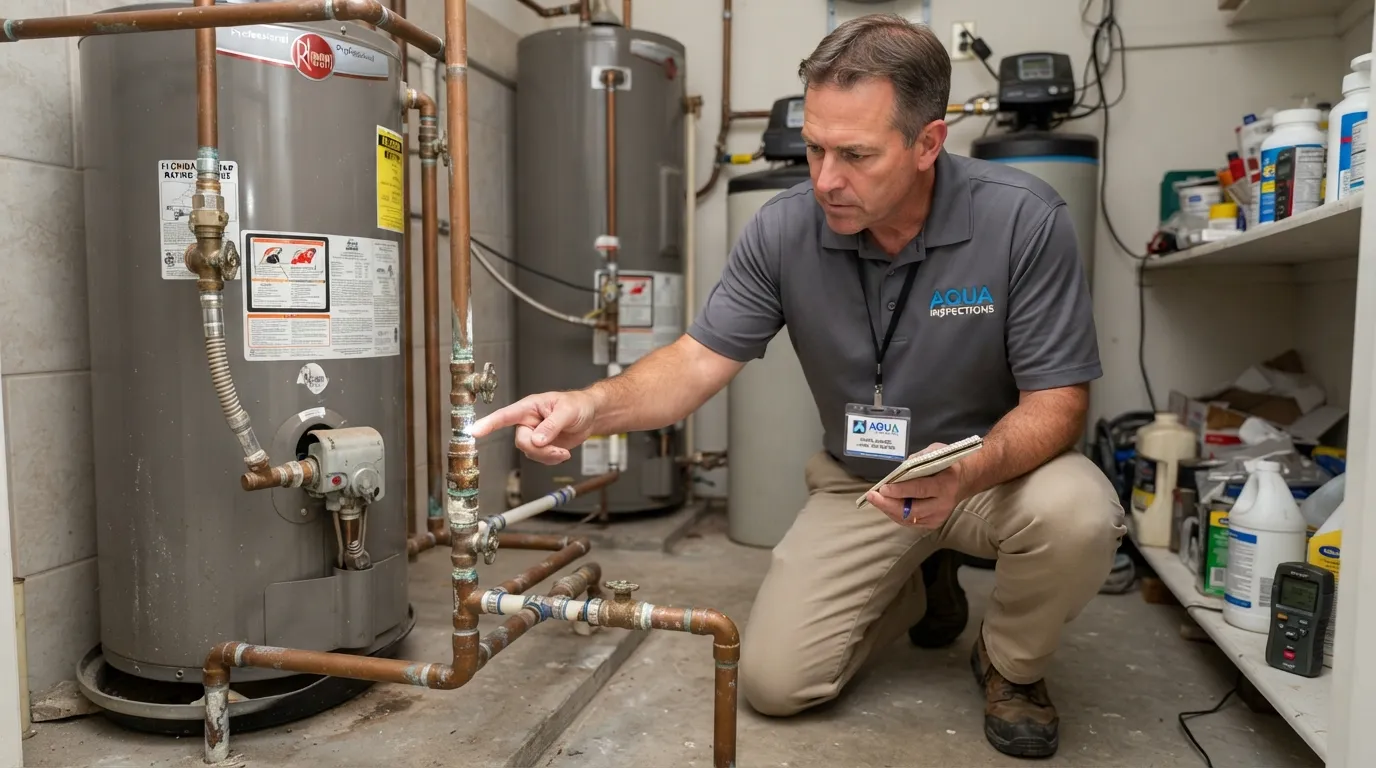 Florida insurance carriers aggressively scrutinize residential plumbing due to high water damage claim frequencies and expensive litigation costs across the state. Because water leaks cause severe structural damage and mold growth, insurers treat aging pipes as a primary financial risk that triggers policy non-renewals.
Water Damage as a Major Source of Claims
Water damage claims rank among the most frequent and costly residential insurance payouts in the Sunshine State. Undetected leaks behind walls or beneath floors create extensive property damage that drives up loss ratios for carriers.
- Slow leaks rapidly rot framing, destroy flooring, and foster toxic mold.
- High payout volumes force carriers to implement strict underwriting rules to limit exposure.
Florida’s Older Housing Stock and Aging Pipe Materials
A significant portion of Florida’s residential properties contains decades-old plumbing built with materials prone to sudden failure. Insurers closely examine these legacy systems during policy reviews to avoid paying for massive structural collapses.
- Decades-old cast iron drain lines corrode, scale, and crack from the inside out.
- Polybutylene supply pipes become brittle over time when exposed to common water treatment chemicals.
How Underwriting and Risk Assessment Work in the Florida Market
Florida insurance underwriting relies heavily on risk assessment models designed to measure the exact probability of plumbing failure. Carriers use this data to decide whether to maintain coverage, require system updates, or issue non-renewals.
- Automated algorithms flag properties with high risk scores for water-related losses.
- Underwriters assess whether regular property maintenance is enough to offset aging infrastructure.
What Insurers Look for at Renewal
When a policy approaches its annual renewal date, carriers evaluate specific indicators to determine the risk level of the property. Underwriters focus heavily on the physical condition and performance history of the plumbing network.
- Age of Home: Older properties face mandatory evaluations to prove that original plumbing systems have been modernized.
- Pipe Material: Carriers check for high-risk materials like polybutylene, galvanized steel, and deteriorating cast iron.
- Claim History: Previous water damage claims signal a higher statistical likelihood of future plumbing failures.
- Prior Maintenance: Lack of documented upkeep or past ignored leaks can result in immediate policy cancellation.
Plumbing Types and Conditions That Put Your Coverage at Risk
Specific pipe materials, aging components, and historical maintenance issues directly trigger coverage restrictions or non-renewals from Florida insurers. Understanding which plumbing types raise red flags allows homeowners to take targeted corrective action before underwriters issue a cancellation notice.
Pipe-Material Risk Profile
Insurers evaluate plumbing infrastructure based on known failure rates and material lifespans across residential properties.
Other Red Flags That Alarm Underwriters
Beyond pipe materials, insurers closely inspect secondary plumbing components and historical property maintenance records during evaluations.
- Old Water Heaters: Units exceeding 10 to 12 years of age pose high tank-rupture risks and often trigger mandated replacements.
- Active or Past Leaks: Any history of unmitigated water loss signals structural vulnerability to underwriters.
- Visible Corrosion: Green oxidation on copper joints or rust flaking on valves indicates neglected maintenance.
- Low-Quality DIY Repairs: Unpermitted homeowner modifications and mismatched fittings fail standard insurance inspections.
How to Identify What Pipes You Have
Determining your home’s pipe material requires checking accessible utility areas and evaluating the age of the structure.
- Inspect exposed supply lines in the garage, utility room, or beneath kitchen and bathroom sinks.
- Look for flexible gray or black plastic tubing (polybutylene), dull gray rigid metal (galvanized steel), or reddish-brown metal (copper).
- Plumber’s Tip: Gently scratch an unpainted pipe with a flathead screwdriver; if it reveals shiny copper underneath, you have copper lines, whereas silver metal that doesn’t change color is likely galvanized steel.
Does Home Age Alone Cause a Problem?
Age acts as a primary catalyst for insurance scrutiny, directly correlating with infrastructure degradation.
- Homes built before 1980 face automatic underwriting flags due to the common presence of aging cast iron and galvanized piping.
- Most Florida carriers require a comprehensive 4-point inspection for properties crossing the 30-year threshold.
- If original plumbing has not been updated in a home over 40 years old, securing standard, non-surplus lines coverage becomes significantly more difficult.
How to Keep Your Homeowners Insurance
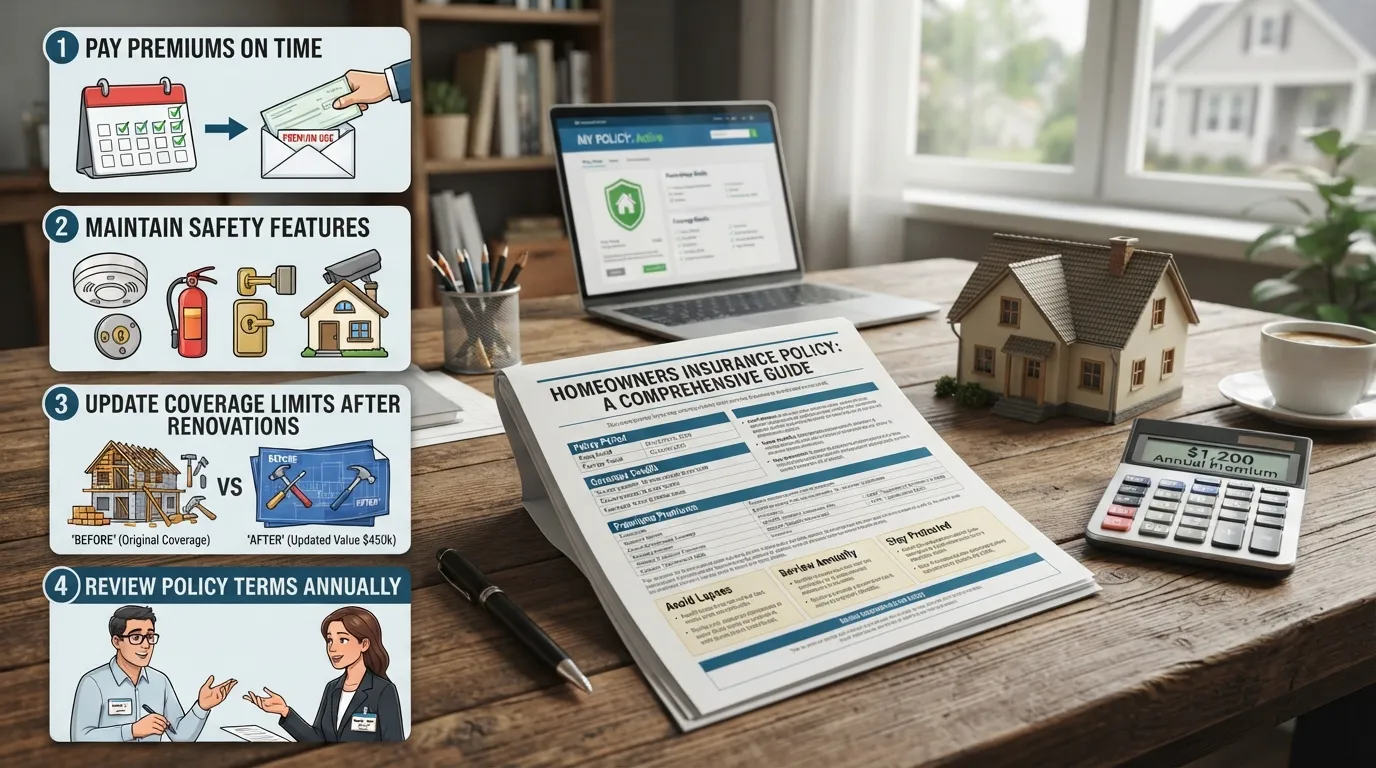 Proactively managing your home plumbing infrastructure prevents policy non-renewals and keeps your Florida home fully protected. Executing a structured mitigation and documentation strategy demonstrates financial responsibility to underwriters and secures ongoing coverage.
Step 1: Get a Licensed Plumber’s Inspection and Written Report
Hire a certified professional to conduct a comprehensive assessment of your entire residential water and drainage system. A detailed evaluation pinpoints hidden defects before your insurance carrier’s inspector discovers them.
- Schedule camera scopes for underground cast iron drain lines to check for cracks and internal scaling.
- Request a detailed condition assessment covering water pressure regulators, supply lines, and fixture connections.
Step 2: Prepare for the 4-Point Inspection
Florida insurance carriers frequently mandate a 4-point inspection for homes over a certain age, with plumbing being a primary point of failure. Understanding what the evaluator looks for allows you to address deficiencies in advance.
- Ensure all under-sink areas, shut-off valves, and water heaters are completely accessible and clear of stored items.
- Verify that supply and drain pipes show no signs of active weeping, active leaks, or heavy corrosion.
Step 3: Decide: Spot Repair Partial Replacement or Full Repipe
Determine the extent of plumbing work required based on your plumber’s findings and your insurer’s risk tolerance. Choosing the right scale of remediation prevents recurring coverage disputes.
- Spot Repair: Ideal for isolated issues like a single leaking joint or a localized section of damaged pipe.
- Partial Replacement: Recommended when aging sections, such as corroded galvanized branch lines, require targeted modern upgrades.
- Full Repipe: Essential for catastrophic materials like polybutylene or severely failing cast iron systems to guarantee policy renewal.
Step 4: Install Leak Detectors and an Automatic Water Shut-Off Valve
Modern smart home plumbing technology significantly mitigates risk and satisfies strict underwriting criteria. Many Florida insurers offer policy discounts for proactive leak prevention devices.
- Install smart automatic shut-off systems like Flo by Moen or Phyn Plus to instantly cut off water mains upon detecting abnormal flow.
- Place remote wireless moisture sensors near high-risk zones, including water heaters, washing machines, and refrigerator supply lines.
Step 5: Keep an Organized Paper Trail
Robust documentation proves to your insurance carrier that your plumbing system meets or exceeds safety standards. Incomplete records often trigger automatic underwriting declinations.
- Save all itemized invoices, engineering reports, and formal municipal permits for any plumbing work performed.
- Take clear before-and-after photographs of all upgraded pipes, new fixtures, and installed safety hardware.
Step 6: Talk to Your Agent Before the Renewal Date
Engage your insurance agent well ahead of your policy expiration window to review proactive improvements. Clear communication prevents last-minute panic if an insurer requests updated underwriting documentation.
- Submit new inspection reports and proof of professional upgrades directly to your agent before formal notices are generated.
- Ask your agent to apply available premium discounts for certified leak mitigation and updated plumbing systems.
What Homeowners Insurance Covers and Doesn’t for Plumbing Problems
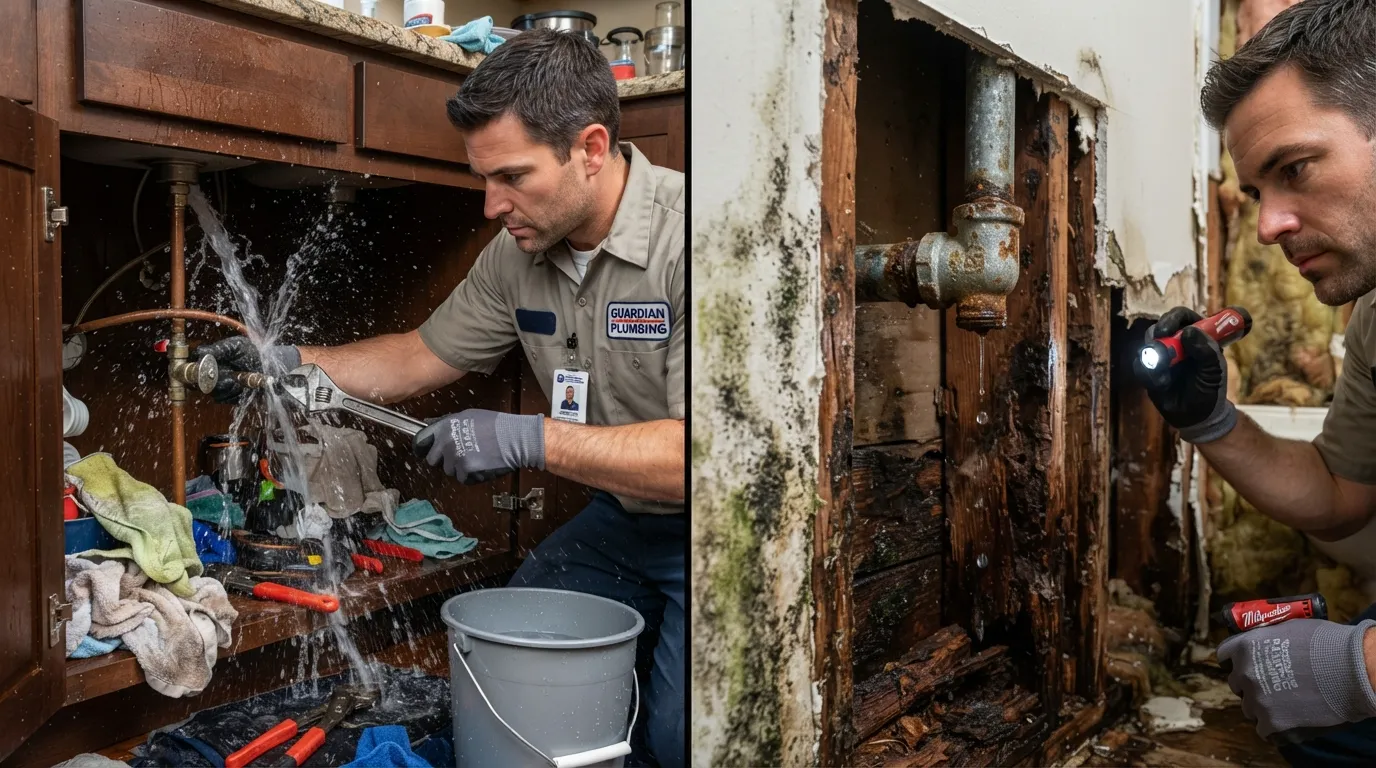 Navigating home insurance policies requires understanding the strict boundary between sudden plumbing failures and expected home maintenance. Insurers uniformly draw a line between discrete water damage events and long-term wear, directly shaping your financial responsibility during a leak.
Sudden and Accidental vs. Gradual or Long-Term Leaks
Standard insurance policies cover water damage only when the event is sudden and accidental. Gradual leaks, slow pipe corrosion, and continuous seepage resulting from neglect are universally excluded under policy terms.
- Sudden Incidents: A supply line bursting unexpectedly or a water heater tank rupturing overnight qualifies for coverage.
- Gradual Damage: A slow drip behind drywall that rots wood over six months is classified as wear and tear and denied.
Covered: Damage Caused by a Leak vs. the Pipe Itself
While insurance covers the physical destruction caused by water, it rarely pays to fix the underlying plumbing failure that caused the leak. Insurers view pipe degradation as homeowner maintenance.
- Policies pay to tear out and replace soaked drywall, warped flooring, and damaged cabinetry.
- Policies do not pay to repair, solder, or replace the actual leaky pipe, faulty valve, or broken drain line.
Will Insurance Pay to Repipe a House?
No, standard homeowners insurance will not pay to proactively repipe your home or replace outdated plumbing materials. Repiping is considered routine capital improvement and wear-and-tear upkeep rather than a covered insurance loss.
- Carriers require homeowners to replace aging systems like polybutylene or cast iron out-of-pocket to maintain eligibility.
- An insurer will only cover pipe repairs if a sudden, isolated accident explicitly damages a small section of otherwise sound plumbing.
Are Bathtub and Bathroom Leaks Covered?
Insurance covers bathroom water damage only if the leak stems from a sudden, accidental plumbing failure rather than long-term neglect. The cause and origin dictate whether your claim is accepted.
- A supply line suddenly snapping under the sink and flooding the bathroom floor is covered.
- Water leaking through worn-out tile grout, degraded shower pan liners, or old tub seals over years is excluded.
Matching Undamaged Cabinets After a Covered Leak
When a sudden leak destroys part of a custom bathroom or kitchen vanity, policyholders often face disputes over matching undamaged cabinetry. Coverage depends on state regulations and specific policy endorsements.
- Standard policies only pay to repair or replace the exact damaged section, which can lead to mismatched cabinets.
- Endorsements for matching materials or matching of undamaged items can help cover the cost of replacing an entire run of cabinets for visual uniformity.
Why a Poor Handyman Repair Can Turn Into a Major Claim Problem
Subpar DIY fixes or unpermitted handyman plumbing work create severe complications when filing an insurance claim. Insurers regularly deny claims if improper prior work contributed to the failure.
- If an uncertified repair fails and causes a flood, adjusters may cite negligence or code violations to reject the payout.
- Unauthorized modifications often void coverage guarantees for subsequent water damage originating from those modified lines.
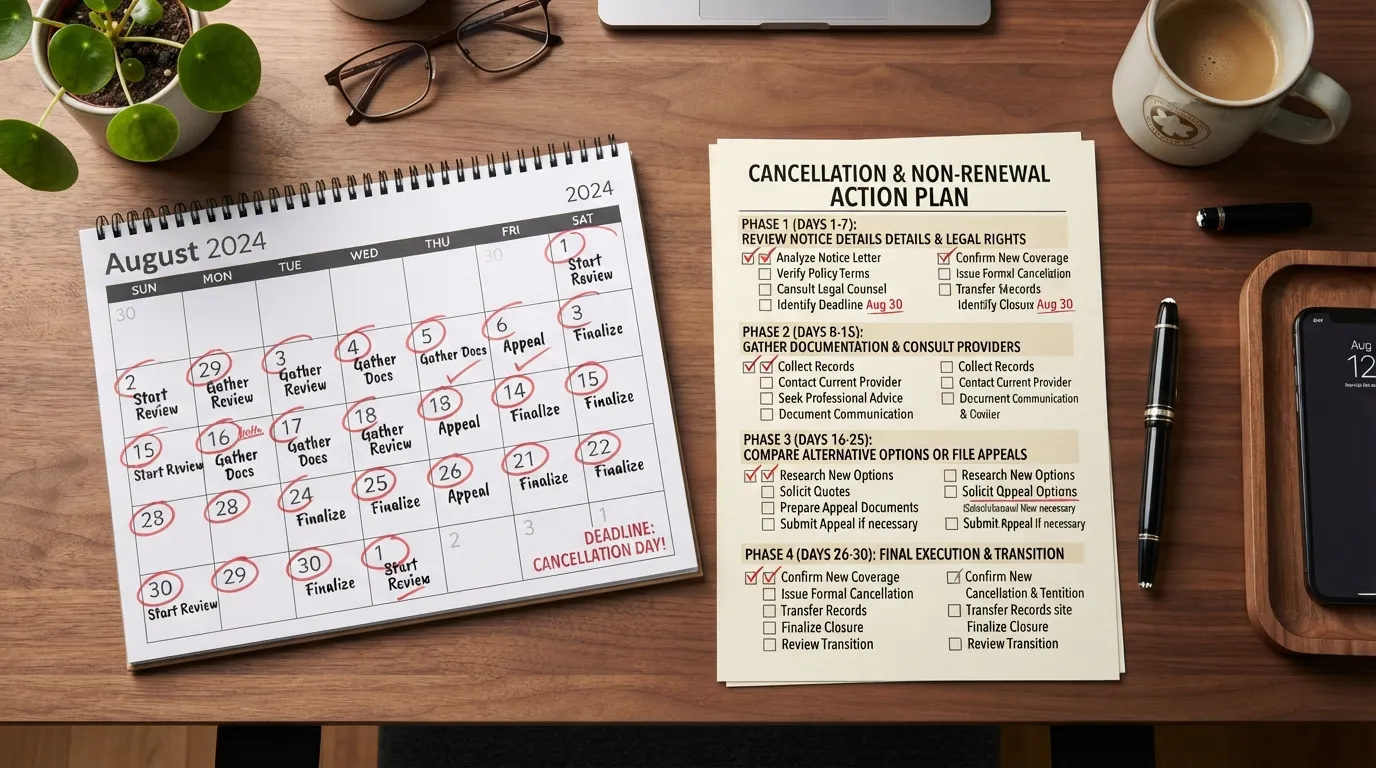
Received a Non-Renewal or Cancellation Notice? Your 30-Day Action Plan
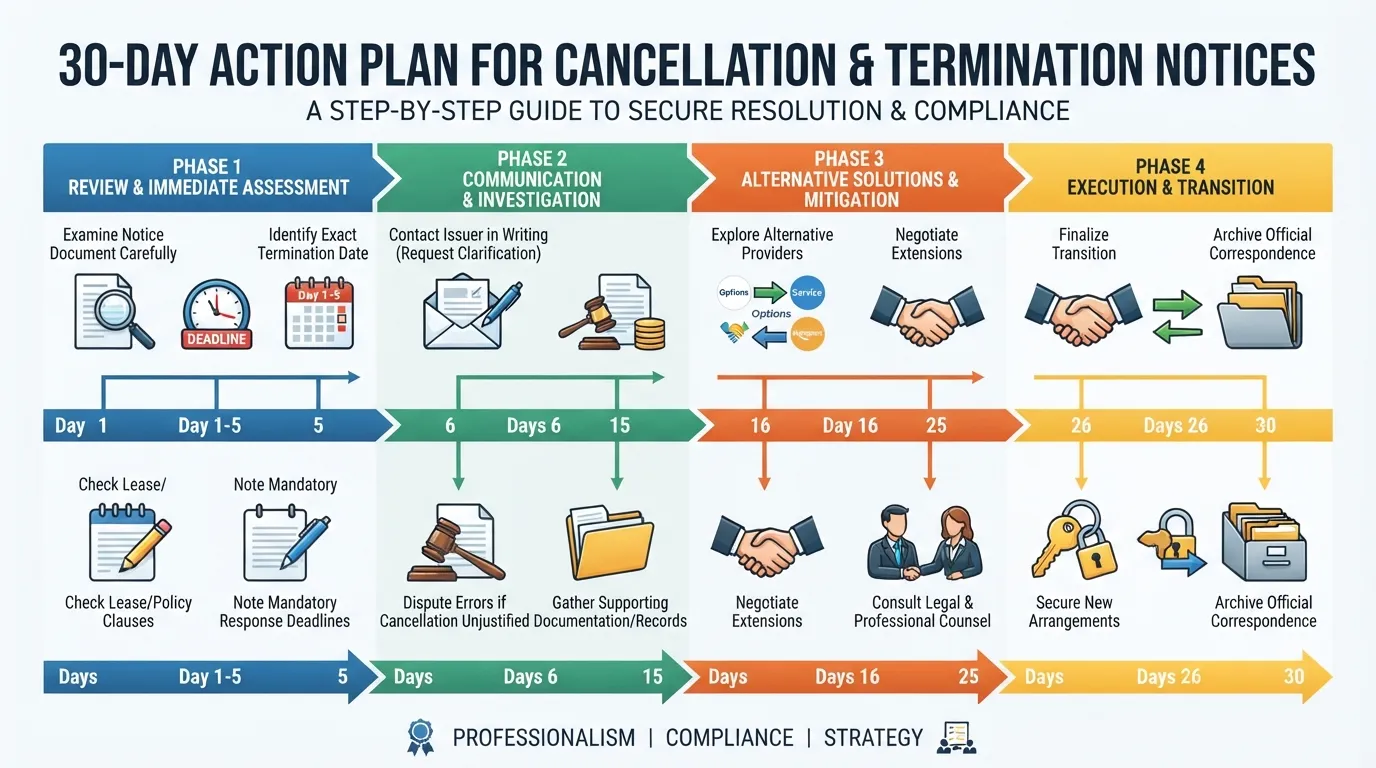 Receiving an insurance non-renewal or cancellation notice due to plumbing concerns can feel overwhelming, but swift, methodical action can save your coverage. Operating within strict statutory windows allows you to either reverse the decision, cure the issue, or successfully transition to a new carrier.
Read the Notice Carefully: Is Plumbing the Stated Reason?
Examine the document immediately to identify the precise rationale cited by the carrier. Florida law requires insurers to include the explicit, legal reason for dropping coverage.
- Verify whether the notice targets aging cast iron, polybutylene supply lines, or a history of past water damage claims.
- Check if the notice is a mid-term cancellation (due to non-payment or misrepresentation) or an end-of-term non-renewal.
Know the Notice Period Florida Insurers Must Give
Florida regulations mandate strict advance warning timelines to give homeowners adequate opportunity to find replacement coverage.
- Under Florida Statute § 627.4133, insurers must provide at least 120 days of advance written notice of non-renewal if you have been insured with them for more than three years.
- For policyholders with a shorter tenure, a 90-day advance window is typically enforced.
Fix the Cited Issue and Send Proof to Your Insurer
If the carrier flagged a fixable defect—such as an old water heater or corroded visible piping—you can often reverse the non-renewal through proactive remediation.
- Complete the mandated repairs immediately using a licensed, insured plumbing professional.
- Submit fresh invoices, municipal permits, and an updated 4-point inspection report directly to your carrier’s underwriting department for reconsideration.
Ask Your Agent About Reinstatement or Reconsideration
An experienced insurance agent can act as a crucial advocate between you and the carrier’s underwriting desk.
- Ask your agent to formally request an underwriting review once proof of plumbing updates is provided.
- Determine if attaching a smart automatic water shut-off valve endorsement can convince the carrier to rescind the notice.
Shop Other Carriers Through an Independent Agent
If your current insurer refuses to budge, an independent broker can simultaneously quote multiple private market carriers operating in Florida.
- Independent agents have access to specialized admitted and surplus lines markets that view upgraded plumbing configurations more favorably.
- Provide your fresh plumbing inspection reports upfront so brokers can target carriers specializing in older or historically renovated homes.
Citizens Property Insurance as the Insurer of Last Resort
When private market options are exhausted or priced out of reach, Florida’s state-backed insurer serves as the ultimate safety net.
- Citizens Property Insurance Corporation provides coverage to properties that cannot find open-market policies, provided they meet basic habitability and roof/plumbing standards.
- Be aware that Citizens policies often mandate secondary wind mitigation and policyholders may eventually be depopulated back into the private market as new carriers emerge.
Where to File a Complaint or Get Consumer Help in Florida
If you suspect an insurer has issued an unfair, unlawful, or improperly documented non-renewal, state consumer resources are available to intervene.
- You can review regulatory guidelines or submit formal consumer inquiries through the Florida Office of Insurance Regulation.
- The Florida Department of Financial Services (DFS) Consumer Services division also assists policyholders with mediation and formal complaint filing regarding unfair cancellation practices.
How Much Does Plumbing Repair or Repiping Cost in Florida?
 Budgeting for plumbing improvements requires balancing upfront remediation expenses against the high cost of policy non-renewal or catastrophic water damage. Understanding standard pricing models across Florida helps homeowners choose the most cost-effective path between spot repairs and full-scale system replacement.
Typical Cost Ranges: Spot Repair vs. Partial Replacement vs. Whole-House Repipe
Plumbing project expenses scale directly with the scope of work, labor intensity, and material selection across single-family residences. Current contractor pricing reflects regional labor demands throughout Florida markets.
- Spot Repair: Ranging from $250 to $1,000, spot fixes target isolated leaks, faulty shut-off valves, or short sections of damaged pipe.
- Partial Replacement: Costing between $1,500 and $4,500, partial updates replace high-risk branch lines, old water heater hookups, or degraded sections of galvanized piping.
- Whole-House Repipe: Total system replacements typically range from $4,000 to $15,000 (and can exceed $20,000 for large, multi-story estates), heavily driven by square footage and material choice.
What Drives the Price?
Several structural and logistical variables impact the final invoice provided by a licensed plumbing contractor.
- Pipe Material: Flexible PEX-A is generally the most cost-effective option, while copper requires higher material and soldering labor costs.
- Home Size & Fixture Count: Larger homes with multiple bathrooms, kitchens, and wet bars require more linear footage and complex branch routing.
- Foundation Type: Homes built on slab foundations often require cutting through concrete or rerouting lines through the attic, increasing labor overhead compared to crawl spaces.
- Permits & Wall Access: Local municipal permits ($150 to $600) and subsequent drywall cutting, patching, and painting add to the total bill.
How a Plumbing Upgrade Affects Your Premium or Insurability
Investing in major plumbing overhauls shifts your property’s risk profile from a liability to an insurable asset.
- Replacing expired polybutylene or corroded cast iron instantly satisfies underwriter requirements, removing the threat of immediate policy cancellation.
- Many Florida carriers offer meaningful annual insurance premium discounts when policyholders provide documentation of a certified whole-house repipe and installed smart leak detection hardware.
How to Choose a Florida Plumber
Selecting the right contractor ensures that your plumbing upgrades satisfy strict municipal building codes and insurance underwriting standards.
- License Verification: Confirm that the contractor holds an active, unencumbered Florida plumbing license via the Department of Business and Professional Regulation (DBPR).
- Detailed Written Estimates: Require a line-item quote specifying the exact pipe materials used, permit handling fees, and whether drywall repair and painting are included.
- Permit Handling: Ensure the plumber pulls all required local permits, as unpermitted work will fail future insurance 4-point inspections.
- Insurance Coverage: Verify that the company carries active general liability and workers’ compensation insurance to protect your property during major renovations.
Can You Do Your Own Plumbing in Florida?
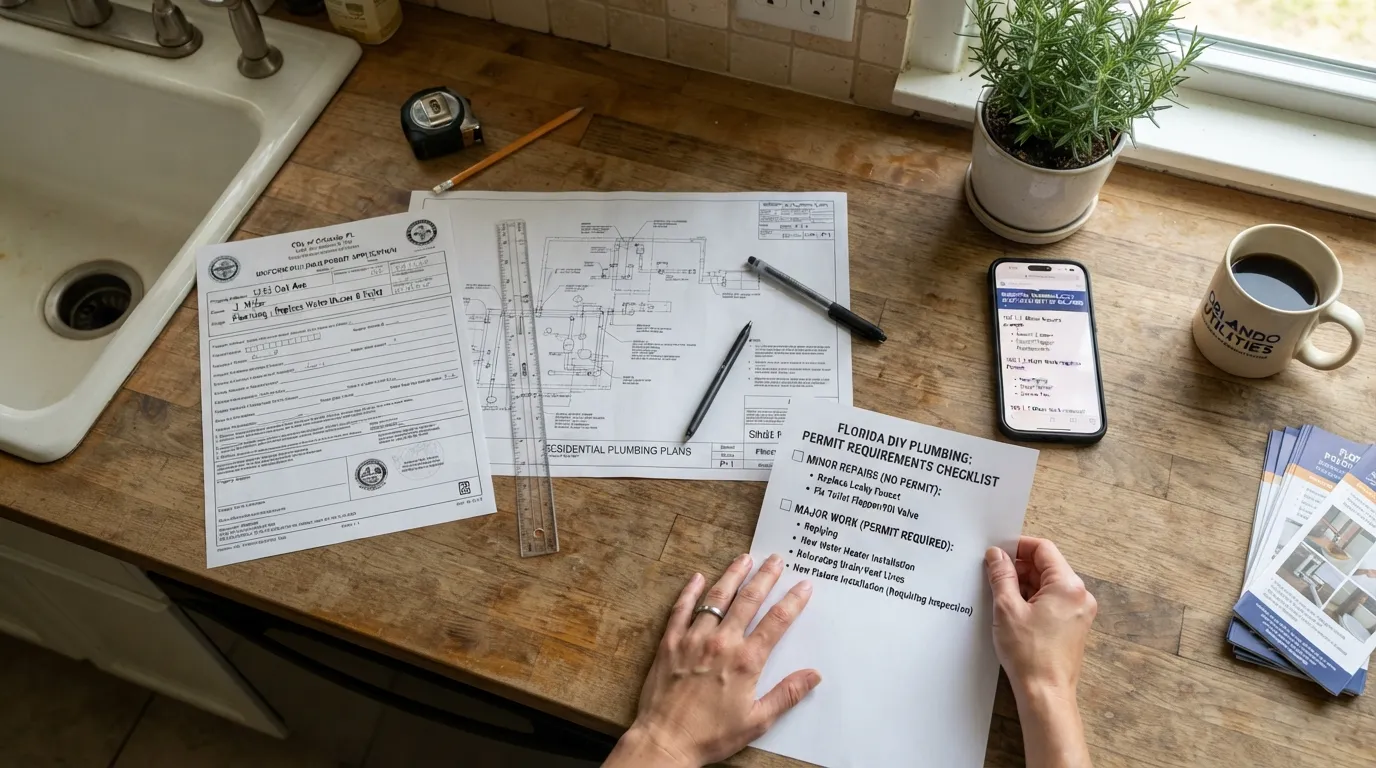 While DIY home improvement is popular, tackling plumbing projects in Florida carries strict legal boundaries and significant insurance risks. Understanding state statutes and building code requirements prevents costly mistakes that can compromise both your property and your insurance coverage.
What Florida Homeowners May Legally Do and What Requires a Licensed Plumber
Under Florida law and local municipal codes, the scale of the plumbing work dictates whether a homeowner can legally perform it themselves or if a licensed contractor is mandatory.
- Minor Repairs: Homeowners can generally perform basic cosmetic or minor fixes themselves, such as changing a showerhead, replacing a faucet washer, or swapping out an accessible P-trap under a sink.
- Major Alterations: Installing new supply lines, altering structural drain systems, replacing water heaters, or executing whole-house repipes legally require a state-certified or locally licensed plumbing contractor.
- The Owner-Builder Exemption: Florida Statute § 489.103 permits owner-occupants to pull their own permits and do plumbing work on their primary residence, but it requires signing a strict disclosure statement, passing a local review, and occupying the home for at least one year afterward without selling or leasing it.
Permit Requirements and Why Unpermitted Work Causes Insurance Problems
Major plumbing modifications require official building permits under Florida Statute § 553.79. Skipping this step creates a paper trail of non-compliance that insurers routinely catch during 4-point inspections.
- Unpermitted plumbing modifications have no official municipal sign-off, signaling potential building code violations to insurance underwriters.
- If an insurance inspector discovers unpermitted or unrecorded pipe replacements during a policy renewal review, the carrier may issue an immediate cancellation notice until the work is officially retrofitted and inspected.
How a Poor DIY or Handyman Repair Can Turn Into a Claim Denial
Attempting complex plumbing repairs without professional expertise or hiring an unlicensed handyman introduces severe liability during an insurance claim.
- If a faulty DIY pipe connection fails and floods your home, insurance adjusters may investigate the installation quality and deny coverage due to negligence, improper maintenance, or code non-compliance.
- Unlicensed handyman repairs that cause water damage often lead to total claim denials, leaving the homeowner entirely responsible for thousands of dollars in structural restoration.
What to Do When You Find a Leak: Protect Your Home and Your Claim
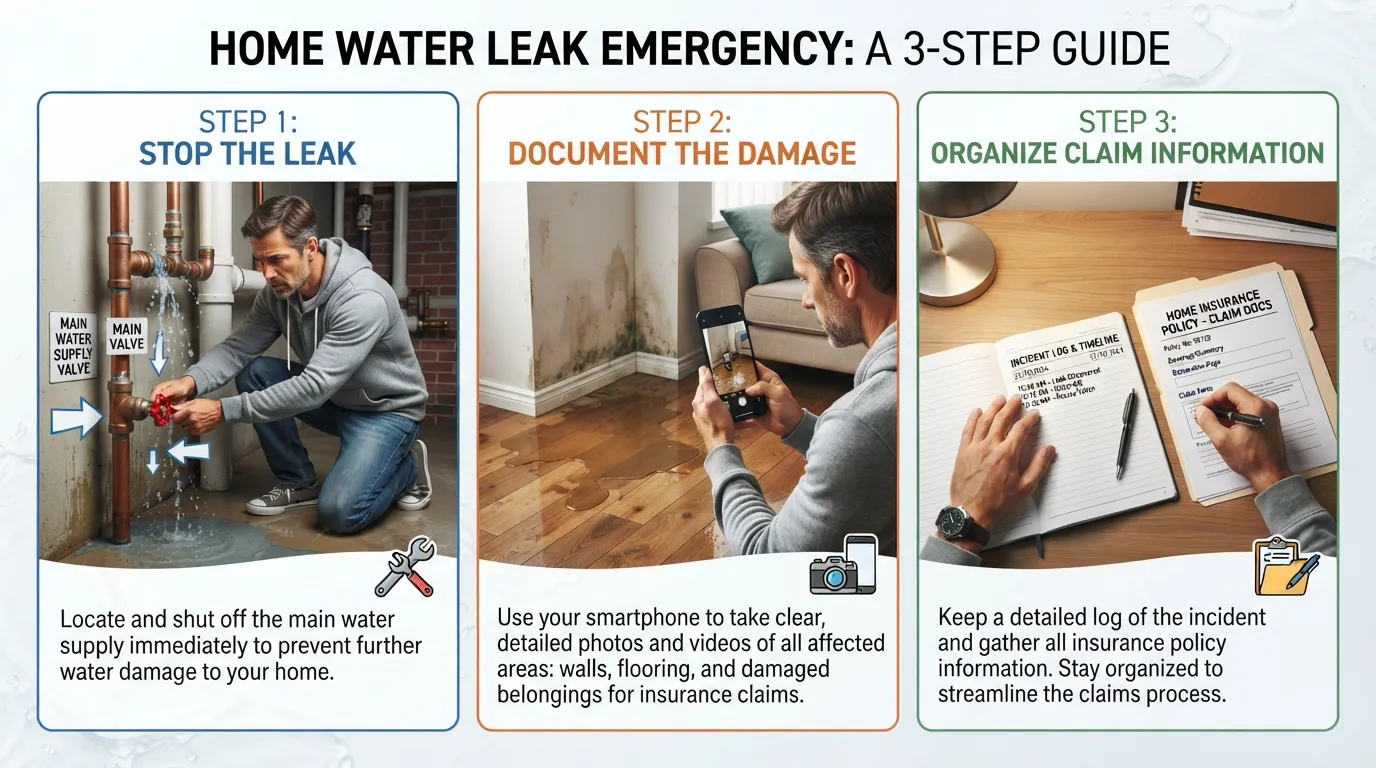 Discovering a sudden plumbing leak requires immediate, decisive action to minimize structural destruction and preserve your rights under your insurance policy. Following a structured emergency response protocol protects your home from catastrophic water damage and ensures your upcoming insurance claim is fully supported.
First 10 Minutes: Shut Off the Water Protect Belongings and Take Photos
The initial moments after discovering a leak dictate the severity of the damage and the strength of your future insurance claim. Swift intervention halts water flow before it can saturate subfloors and structural framing.
- Locate and close your home’s main water shut-off valve immediately to stop continuous flooding.
- Move rugs, electronics, and movable furniture away from standing water to prevent secondary staining and warping.
- Capture clear, high-resolution photographs and videos of the active leak and pooled water before beginning any cleanup efforts.
Call a Licensed Plumber and Your Insurer Promptly
Professional documentation and timely reporting are required by insurance contracts and validate the legitimacy of your loss. Delaying notification gives carriers grounds to dispute coverage.
- Contact a licensed emergency plumber to diagnose the failure point, stop the leak, and perform required professional mitigation or water extraction.
- Notify your insurance carrier or agent as soon as possible to formally open a claim file and receive initial instructions from an assigned adjuster.
What to Document for the Adjuster
Comprehensive records eliminate ambiguity and prevent insurance adjusters from under-allocating payouts for structural repairs. Detailed evidence is your best defense against a lowball settlement.
- Maintain a precise written timeline detailing when the leak was discovered, when the water was shut off, and who performed emergency repairs.
- Save all itemized invoices for emergency mitigation, drying services, and professional plumbing diagnostics.
- Keep a detailed inventory list of damaged personal property, including make, model, and estimated age where applicable.
Mistakes That Put Claims at Risk
Certain common reactions to a plumbing emergency can jeopardize your insurance payout or result in a total claim denial. Avoid these critical missteps during the recovery process.
- Delaying Mitigation: Failing to dry out standing water or ignoring a known leak allows mold to grow, giving insurers grounds to deny secondary damage claims due to negligence.
- Throwing Away Damaged Items: Disposing of ruined drywall, flooring samples, or damaged appliances before the insurance adjuster inspects them destroys vital claim evidence.
- Making Permanent Repairs Too Early: While emergency stopping is necessary, avoid executing permanent major repairs before the adjuster has documented the physical loss, unless required to prevent further immediate harm.
Smart Ways to Lower Your Florida Home Insurance Costs
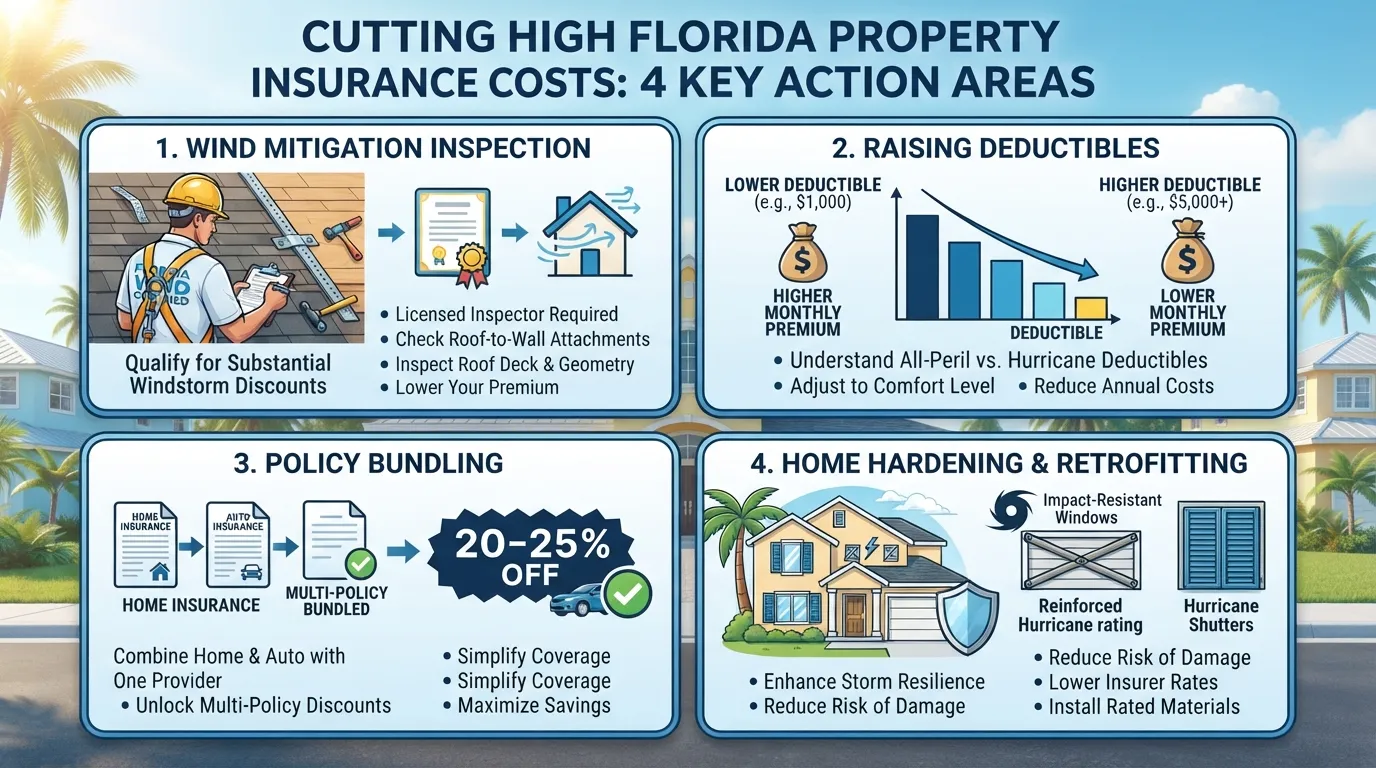 Mitigating risk through targeted home upgrades is one of the most effective ways to lower skyrocketing Florida homeowners insurance premiums. Focusing on plumbing enhancements alongside general property hardening signals low risk to underwriters and unlocks valuable policy discounts.
Plumbing Upgrades That Insurers May Reward
Carriers frequently provide financial incentives or policy credits to homeowners who eliminate high-risk infrastructure and install active water mitigation technology.
- Smart Leak Detection Systems: Installing whole-home monitoring devices (like Flo by Moen or Phyn) often triggers immediate annual premium discounts.
- Automatic Water Shut-Off Valves: Systems that automatically shut down your main water line upon detecting anomalous flow offer some of the highest plumbing-related discounts.
- Whole-House Repiping: Replacing outdated polybutylene, galvanized steel, or aging cast iron with modern PEX or copper eliminates underwriting penalties and lowers rates.
Other Improvements: The Role of Roofs and Wind Mitigation
While plumbing updates protect against internal water loss, overall insurance costs in Florida are heavily dictated by wind exposure and structural fortification.
- Roof Replacement: Securing a new roof with a secondary water-resistant barrier is often mandatory for coverage and drastically reduces premiums.
- Wind Mitigation Inspections: Upgrading roof-to-wall attachments, hurricane clips, and impact-resistant windows qualifies homes for mandatory state-regulated windstorm insurance discounts.
Bundling and Increasing the Deductible and the Risks
Adjusting your policy structure and combining multiple insurance lines can create immediate short-term savings, though it requires careful financial balancing.
- Policy Bundling: Combining your home, auto, and umbrella policies with a single carrier generally yields multi-policy discounts of 10% to 25%.
- Higher Deductibles: Raising your all-perils or hurricane deductible lowers your monthly premium, but increases your out-of-pocket financial liability during a claim.
Why You Should Compare Quotes Through an Independent Agent
Relying on a single captive insurance agent limits your market visibility, whereas independent brokers can leverage your home improvements across multiple competing carriers.
- Independent agents have access to dozens of admitted and surplus lines companies operating throughout Florida.
- An experienced broker ensures that your updated 4-point inspection, plumbing invoices, and wind mitigation reports are properly submitted to maximize your available credits.
Frequently Asked Questions
Get clear, direct answers to the most common questions Florida homeowners ask regarding plumbing concerns, policy renewals, and insurance coverage requirements.
Can my insurer drop me for old plumbing in Florida?
Yes, Florida insurance carriers can legally issue a non-renewal notice if your home features aging or high-risk plumbing materials, such as deteriorated cast iron or polybutylene pipes. Insurers view outdated infrastructure as a high statistical risk for catastrophic water damage, making proactive inspections and timely pipe replacements essential to preserving your coverage.
Will homeowners insurance pay to repipe a house?
Standard homeowners insurance policies do not pay to repipe a house or replace aging plumbing systems. Insurers classify routine system upgrades and material wear-and-tear as ongoing home maintenance responsibilities rather than covered sudden and accidental insurance losses, meaning homeowners must cover replacement costs out of pocket.
Does a 4-point inspection include plumbing?
Yes, a 4-point inspection explicitly evaluates the plumbing system alongside the roof, electrical, and HVAC networks. Inspectors check for active leaks, visible corrosion, age, and hazardous pipe materials like polybutylene or galvanized steel to help underwriters assess the overall risk profile of the property.
Are plumbing leaks covered by homeowners insurance?
Homeowners insurance covers water damage caused by plumbing leaks only if the failure is sudden and accidental, such as a burst supply line. Gradual leaks, slow seepage, and long-term pipe corrosion resulting from lack of maintenance are universally excluded under standard policy language.
Is a bathtub or bathroom leak covered?
Bathroom water damage is covered if it stems from a sudden, unexpected plumbing failure, such as a supply connection snapping beneath a sink. However, water damage resulting from years of slow leaking through degraded tile grout, worn tub seals, or rotting shower pan liners is considered wear and tear and is not covered.
Can a homeowner do their own plumbing in Florida?
Florida homeowners can legally perform minor cosmetic plumbing repairs, such as replacing a faucet or swapping a showerhead, on their primary residence. However, major alterations, water heater replacements, and whole-house repipes require a licensed plumbing contractor and official municipal building permits under state law.
What home improvements can lower homeowners insurance?
Installing smart leak detection systems, automatic water shut-off valves, and modern PEX or copper piping can significantly lower your insurance risk. Additionally, securing a new roof and completing a wind mitigation inspection offer some of the largest policy discounts available to Florida homeowners.
What not to say to your home insurance company?
When reporting a plumbing issue or filing a water damage claim, stick strictly to verifiable facts and avoid speculating about the timeline or cause. Never guess that a leak has been slow or gradual, and avoid admitting fault or implying negligence, as insurers may use casual statements to deny coverage.
What if I’m dropped and can’t find coverage?
If private market insurers decline your property due to plumbing concerns, you can seek coverage through Citizens Property Insurance Corporation, Florida’s state-backed insurer of last resort. Working with an independent agent also helps you explore alternative surplus lines carriers after completing required plumbing repairs.
Conclusion
Navigating Florida homeowners insurance with plumbing concerns demands vigilance, timely maintenance, and rigorous record-keeping. By addressing aging infrastructure before underwriters flag it and acting quickly when issues arise, you can successfully secure your policy and protect your home investment.
Key Takeaways
- Proactive plumbing maintenance and documented system upgrades are your best defense against unexpected insurance non-renewals.
- Standard insurance policies cover sudden and accidental water damage but exclude gradual wear, slow leaks, and proactive repiping.
- Florida law grants a minimum 120-day notice window for non-renewals, providing adequate time to make repairs, appeal, or shop the open market.
- Installing smart leak detectors and automatic shut-off valves mitigates risk and often unlocks valuable insurance premium credits.

Home Improvement Researchers & Guides Editors
Meet the Nest Team, a collective of dedicated researchers, home improvement enthusiasts, and industry writers sharing practical guides, thorough category research, and trusted solutions for residential repairs and thoughtful home upkeep.