Diagnostic Summary
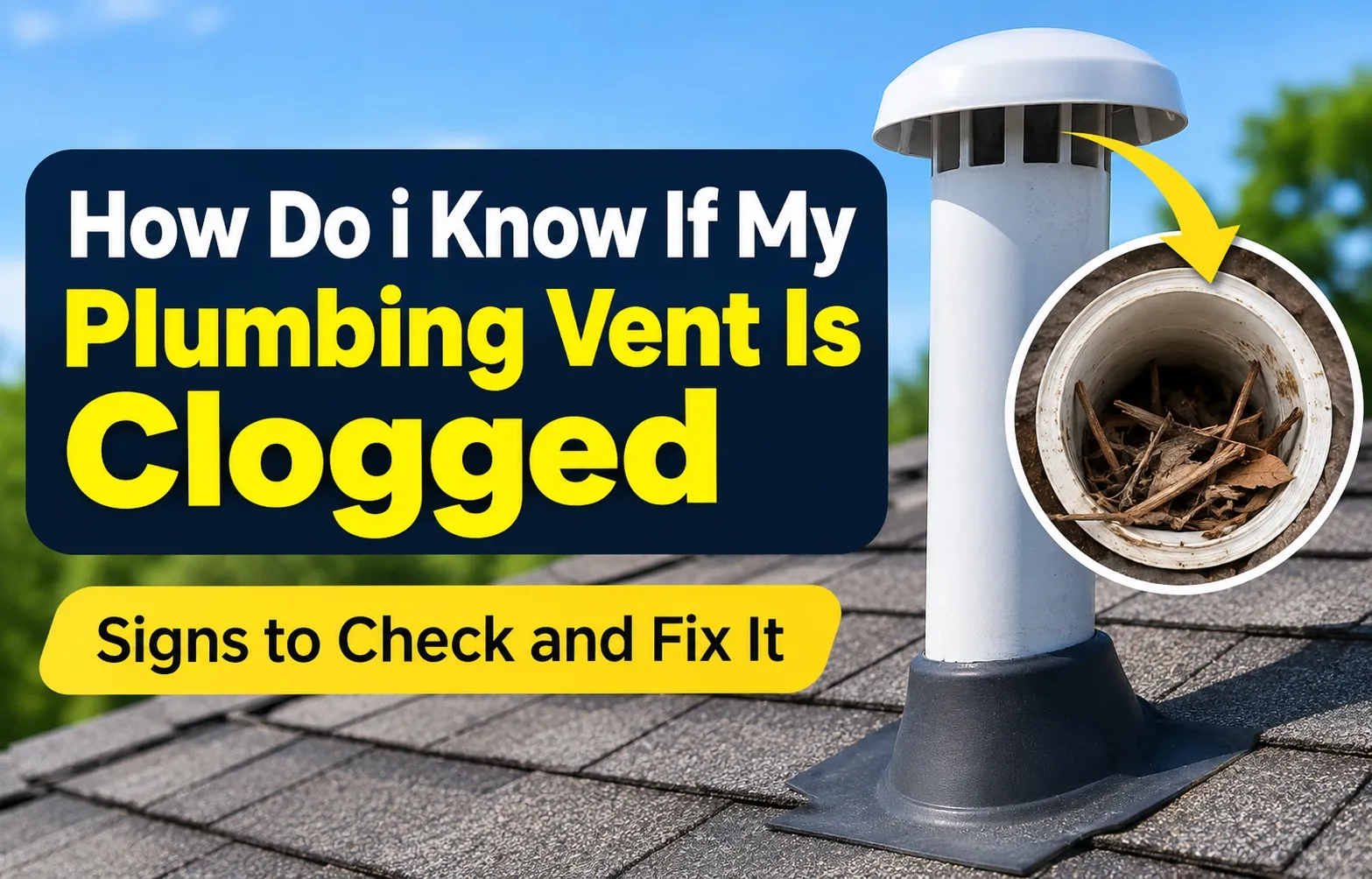 You can identify a blocked plumbing vent stack when multiple sinks, tubs, and toilets across your home gurgle, drain slowly, or release foul sewer gas odors simultaneously, even though physical drain lines are completely free of debris obstructions.
How to Know if Your Plumbing Vent Stack Is Blocked (At a Glance)
A blocked plumbing vent stack restricts necessary airflow into your drainage system, creating a negative air pressure imbalance. As water flows down the drain, this vacuum pulls replacement air through water traps, siphoning out the protective water seal and producing distinct atmospheric drainage symptoms.
- Gurgling Drains: Toilet bowls, shower drains, and sinks emit bubbling or burping noises during use.
- Slow Drainage Across Fixtures: Water drains sluggishly in multiple rooms despite clear local drain lines.
- Sewer Gas Odors: Foul hydrogen sulfide smells enter indoor spaces through dried-out P-traps.
- Unstable Water Levels: Toilet bowl water bounces, drops unexpectedly, or flushes weakly.
The Top 5 Red Flags of a Clogged Plumbing Vent
Recognizing the physical warning signs of a ventilation blockage helps homeowners systematically diagnose their plumbing system before property damage or hazardous gas leaks occur. Review these five core indicators to confirm whether your vent stack is obstructed.
1. Persistent Gurgling or Bubbling Sounds from Drains
When a plumbing vent stack is blocked, rushing wastewater creates a severe vacuum effect that disrupts atmospheric pressure inside the drainage pipes. This negative pressure violently pulls air through water traps, producing distinctive gurgling or bubbling noises from nearby drains.
- Toilets emit a loud gulping or burping sound immediately after finishing a flush cycle.
- Shower and bathtub drains make rhythmic air-popping sounds as wastewater empties down the branch line.
- Kitchen sinks bubble when a nearby appliance discharges water, signaling trapped air trying to escape through the sanitary tee.
2. Slow Draining Across Multiple Fixtures Simultaneously
A restricted vent pipe halts proper drainage because air cannot enter the sanitary tee behind the walls to offset water flow resistance. Unlike localized hair or grease clogs, an atmospheric air blockage forces multiple unrelated fixtures to drain sluggishly at the exact same time.
- Both bathroom sinks and the main bathtub exhibit slow water evacuation despite clear local traps.
- Chemical drain cleaners and manual snaking fail to resolve the sluggish water movement.
- The issue affects fixtures across different rooms or floors simultaneously rather than a single isolated sink.
3. Foul Sewer Gas Odors (Hydrogen Sulfide) Indoors
Severe vacuum pressure from a blocked vent causes complete P-trap dry-out by siphoning the protective standing water barrier down the pipe. This allows toxic sewer gas and hydrogen sulfide to vent directly into your living spaces unchecked.
- A persistent rotten egg smell lingers around bathroom fixtures, laundry rooms, or utility areas due to sewer gas toxicity.
- Odors intensify significantly after running high-volume appliances like washing machines.
- Refilling the P-trap temporarily masks the smell until the next heavy drain cycle pulls the water seal dry again.
4. Erratic Toilet Water Levels and Weak Flushes
Toilets rely heavily on balanced atmospheric pressure to generate the siphoning power needed for a clean flush. When a vent is obstructed, fluctuating air pressure causes the water level in the bowl to drop or rise unpredictably while weakening flush performance.
- The standing water level inside the toilet bowl sits noticeably lower or higher than normal operating bounds.
- Bowl water visibly ripples or bounces when strong winds blow across the roof vent opening.
- Flushes feel weak, sluggish, and require multiple attempts to clear standard waste.
5. Water Backups in Nearby Fixtures During Use
Trapped air seeking an escape path under negative pressure forces wastewater to surge backward into connected branch lines. A common real-world scenario involves flushing the toilet and watching the shower drain bubble or fill with water.
- Flushing a toilet forces air and standing water to burp upward through the nearby shower drain grate.
- Running the bathroom sink faucet causes air bubbles to surface inside the toilet bowl.
- Discharging water from an upstairs fixture forces backup pressure into lower level floor drains.
Fixture-Specific Troubleshooting (Shower vs. Toilet)
Specific plumbing fixtures respond distinctly to vent stack obstructions based on their volume discharge and physical location along the drainage branch. Examining shower and toilet behaviors reveals how severe negative pressure impacts your home’s water trap seal performance.
Why Your Shower Drain Is the First Warning Sign
Shower drains act as the earliest warning system for a blocked vent stack because they handle continuous, high-volume discharge directly at floor level. When large amounts of water move down the pipe without an open air supply, intense siphonic suction pulls water directly out of the shallow shower trap.
- Heavy siphonage drains the water trap seal beneath the floor grate, letting sewer gas escape into the bathroom.
- Surging water from flushing toilets creates negative pressure that causes the shower drain to make loud gulping noises.
- Water pools slowly around the drain opening even when the strainer grate is entirely clear of hair and debris.
Will a Toilet Flush if the Vent Pipe Is Clogged?
A toilet will still flush if the vent pipe is clogged, but the flush cycle becomes slow, weak, and inefficient. Toilets depend on an atmospheric vent to maintain gravity flow; without it, the toilet bowl siphon struggles to initiate, pulling air backward through adjacent fixture traps to complete the flush.
- The initial water drop in the bowl stalls, leading to an incomplete flush that leaves waste behind.
- Air drawn through neighboring sinks or shower traps causes noticeable gurgling while the toilet empties.
- Bowl water levels drop unusually low after flushing as the vacuum siphons out extra water at the end of the cycle.
Ground-Level & Safe DIY Diagnostic Tests (No Roof Climbing)
Homeowners can accurately diagnose a clogged plumbing vent stack without climbing onto a dangerous roof. Conducting safe diagnostic checks from inside your home and around the ground-level perimeter isolates atmospheric pressure issues without risking personal injury.
The Simultaneous Fixture Run Test
This non-invasive indoor test deliberately stresses your drainage system’s ventilation capacity to reveal air pressure imbalances. Running multiple fixtures simultaneously forces a blocked system to pull replacement air through nearby traps.
- Fill a bathroom sink and bathtub with 3 to 4 inches of standing water.
- Pull both drain stoppers at the exact same time to create a heavy drainage volume.
- Flush the main toilet immediately while both fixtures actively drain down the line.
- Observe the fixtures carefully; gurgling noises, bubbling water, or sudden toilet bowl drop confirms an airflow restriction.
Inspecting the Main Plumbing Cleanout Plug
Testing your main cleanout plug from ground level clearly distinguishes between a roof vent blockage and a physical main line stoppage. This diagnostic step pinpoints where pressure build-up or physical waste is concentrated.
- Locate the main cleanout plug, typically positioned near the foundation wall or basement floor line.
- Loosen the threaded cap slowly using a pipe wrench while wearing protective gloves and eye protection.
- Listen for a distinct rushing vacuum sound as air bursts into the pipe to equalize atmospheric pressure.
- Observe drainage performance; if indoor fixtures instantly drain fast without gurgling once opened, the roof vent stack is blocked.
How to Check Outside Vents and Frost Closures in Winter
Freezing temperatures create frost closure when moist sewer vapor turns to solid ice at the roof pipe exit. You can perform an effective ground-level inspection using visual tools to confirm cold-weather obstructions safely.
- Use binoculars from ground level to inspect the open roof termination for visible ice caps, snow piles, or bird nests.
- Check horizontal wall-vent terminations or lower stack cleanouts for localized frost closure during extreme cold snaps.
- Clear low-level exterior vent openings using a hand-guided plumbing snake without attempting risky roof ascents.
What Causes a Plumbing Vent Stack to Clog?
Plumbing vent stacks extend vertically through the roof, leaving their open terminations exposed to environmental debris, seasonal weather extremes, and wildlife intrusion. Understanding these root environmental and structural causes helps homeowners prevent recurring airflow restrictions.
Debris Buildup: Leaves, Twigs, and Dirt
Overhanging tree branches drop organic material directly into open roof vent pipes during autumn winds and heavy storms. Accumulated leaves, twigs, and windblown dirt collect at pipe elbows or internal sanitary tee junctions, gradually forming a dense plug that chokes off atmospheric airflow.
- Deciduous foliage and pine needles fall straight down vertical stack pipes without protective covers.
- Debris settles deep inside pipe bends where gravity and moisture compress it into a solid blockage.
- Installing a durable mesh roof vent cap stops airborne organic matter from entering the stack opening.
Animal Nests (Birds, Rodents, and Insects)
Small animals view open, warm vent stack pipes as ideal shelter locations to raise offspring during spring and summer nesting seasons. A severe bird nest obstruction or rodent burrow blocks the pipe throat completely, restricting essential system ventilation.
- Birds build compact nests out of twigs, mud, and grass directly inside the top few feet of the stack.
- Squirrels and rodents drop nuts, nesting material, and debris down the pipe, causing deep clogs.
- Wasp nests and bee hives inside the termination rim restrict airflow and present safety risks during repairs.
Winter Conditions: Snow Cover and Ice Caps
Freezing winter weather creates severe ventilation failures through frost closure and heavy snow accumulation. Warm, moist sewer gases continuously rise up the pipe, hitting sub-freezing air at the roof termination height and instantly freezing onto the inner pipe walls.
- Solid ice cap formation completely seals the pipe rim as continuous condensation freezes layer by layer.
- Heavy snowfall buries low-profile vent pipes that lack sufficient vertical termination height above the roof line.
- Insulating exposed attic vent piping reduces temperature drops and prevents vapor from freezing at the outlet.
Structural Pipe Damage or Corrosion
Aging plumbing infrastructure can develop internal mechanical blockages independent of external environmental debris. Structural pipe failures drop physical obstructions directly into the ventilation path, permanently disrupting pressure balance.
- Legacy cast iron stacks corrode internally over time, dropping heavy rust flakes that collect at the stack base.
- Galvanized steel lines build up mineral scale and corrosion rust inside, narrowing the pipe diameter.
- Cracked or shifted PVC vent pipes allow surrounding building insulation or drywall debris to collapse inward.
Step-by-Step Clearing Methods & When to Call a Pro
Clear a clogged vent stack safely by using a garden hose flush or plumbing auger while strictly adhering to professional safety standards, or call a licensed plumber when roof conditions, structural damage, or severe blockages exceed DIY capabilities.
Method 1: Flushing the Vent Pipe with a Garden Hose
Clear loose environmental debris like leaves, pine needles, and dirt by feeding a garden hose directly into the roof vent stack termination. This method utilizes water weight and hydraulic pressure to break down organic clogs and wash them safely down into the main drainage network.
- Secure an extension ladder firmly on stable, level ground and wear slip-resistant footwear before ascending to the roof.
- Insert the hose nozzle downward into the open vent pipe until it encounters the physical obstruction.
- Have a helper turn on the outdoor water tap fully to let hydraulic pressure and water weight force the debris past pipe bends.
Method 2: Clearing Blockages with a Plumber’s Auger
Remove dense animal nests, packed twigs, or stubborn ice packs by using a manual or motorized plumbing auger (snake). This mechanical tool bores directly into the blockage, allowing you to hook and pull compacted material out of the stack rather than pushing it deeper.
- Feed the flexible auger cable carefully down the vertical vent stack opening until you feel firm resistance from the obstruction.
- Rotate the hand crank or motor clockwise to bore into and securely entangle the nesting materials or debris bundle.
- Retrieve the cable steadily, pulling the clog up and out of the pipe opening to fully clear the ventilation path.
Safety Warning: When Roof Access and Sewer Gas Risk Require a Licensed Plumber
Professional plumbing assistance is required when dealing with steep roof pitches, icy conditions, deep structural blockages, or toxic sewer gas leaks. Local building codes and rigorous workplace safety regulations mandate specialized protection equipment to prevent severe fall injuries or hazardous gas exposure.
- Observe strict roof pitch limits and secure a certified roof safety harness before attempting any work above ground level.
- Review official safety protocols and compliance measures outlined by OSHA Fall Protection Standards to protect against high-elevation workplace hazards.
- Contact a certified, licensed plumber if structural pipe corrosion, collapsed vent lines, or persistent main stack blockages require specialized hydro-jetting or professional repair.
Frequently Asked Questions
Addressing common long-tail queries clarifies technical plumbing vent mechanics and provides immediate answers regarding safety, costs, and maintenance protocols.
Can I pour water down my vent pipe?
Yes, you can pour water down your vent pipe because it connects directly to your home’s main drainage line. Clean water poured down the roof stack flows into the main sewer or septic system, providing safe trap seal replenishment without causing interior flooding.
How much does it cost to unclog a plumbing vent?
Unclogging a plumbing vent stack costs between $150 and $450 on average, depending on accessibility and severity. Standard repair cost estimates cover clearing localized roof debris, while complex main stack obstructions requiring specialized equipment or pipe repairs can reach up to $600.
Is a clogged vent pipe dangerous to your health?
Yes, a clogged vent pipe is dangerous to your health because negative pressure drains protective P-traps, releasing toxic sewer gas into living areas. Chronic methane gas exposure and hydrogen sulfide inhalation cause headaches, dizziness, nausea, and severe respiratory irritation.
Does rainwater get into a plumbing vent pipe?
Yes, rainwater naturally enters open roof vent pipes without damaging your home’s infrastructure. Standard plumbing codes design vent stacks to channel direct rainwater drainage safely into the main sewer system along with normal household wastewater.

Oscar Vance | Master Plumber & Drainage Expert
Meet Oscar Vance, a licensed master plumber sharing practical solutions on residential repairs, preventive maintenance, and thoughtful home upkeep.