7 Critical Reasons Why You Need a Home Electrical Inspection
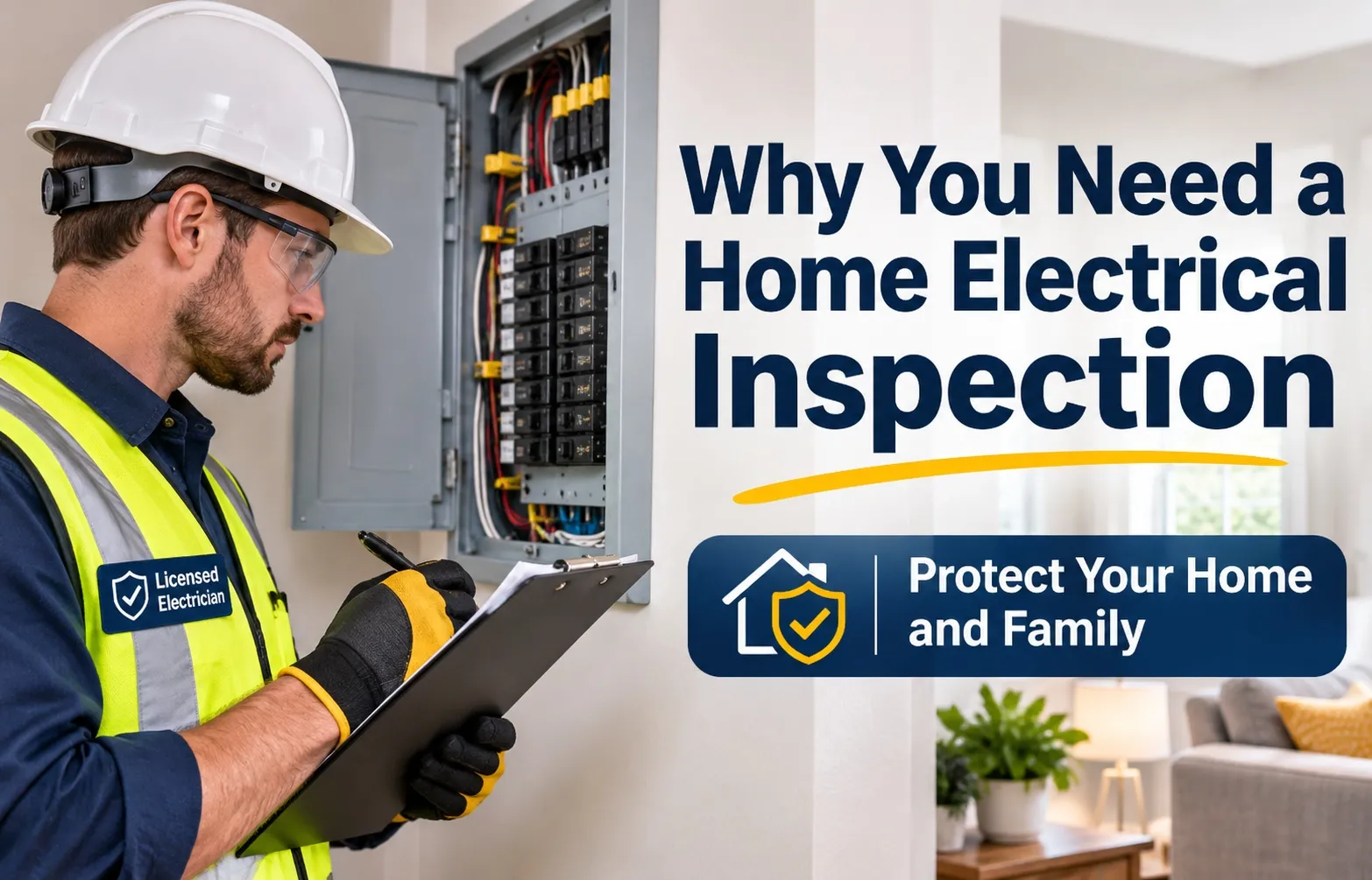 Understanding why you need a home electrical inspection goes far beyond checking if your light switches turn on. Modern households draw significantly more continuous amperage than homes built even two decades ago, placing invisible stress on aging conductors, breaker busbars, and grounding connections that only a diagnostic evaluation can uncover.
1. Preventing Hidden Electrical Fires Before They Start
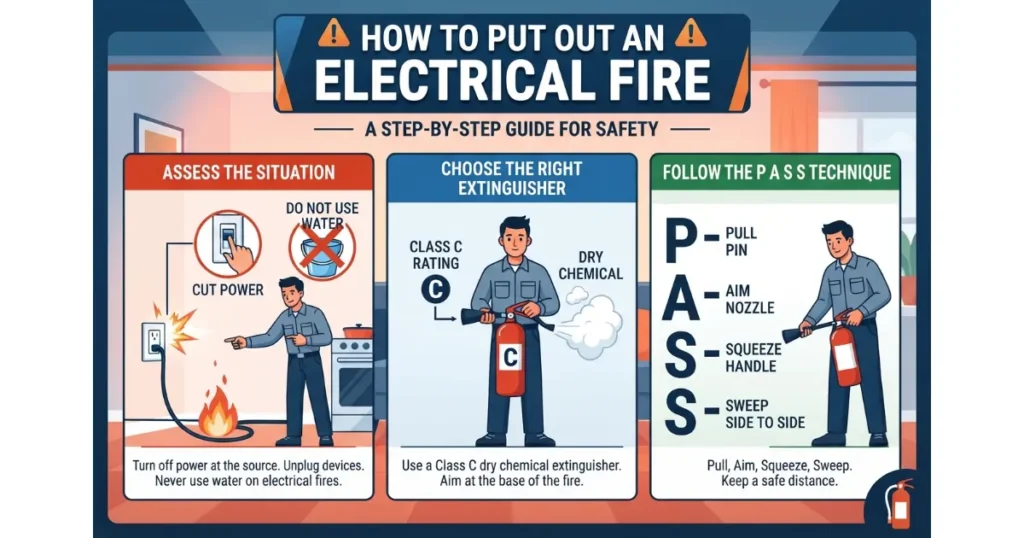
Residential electrical malfunctions cause tens of thousands of structure fires annually, often smoldering silently inside wall cavities long before smoke alarms trigger. According to National Fire Protection Association (NFPA) electrical fire data, electrical distribution and lighting equipment rank among the leading causes of home fire property damage.
During an inspection, a licensed electrician identifies early-stage ignition hazards that remain completely invisible during everyday living:
- Degraded Wire Insulation: Heat, age, and rodent damage cause cloth or brittle thermoplastic insulation to crack, exposing live copper conductors to wooden framing.
- Parallel and Series Arcing: Loose terminal screws at outlets or switches generate microscopic electrical arcs reaching temperatures over 10,000°F, capable of igniting surrounding dust and timber.
- Overloaded Branch Circuits: DIY additions often tie too many high-wattage outlets onto a single 15-amp circuit, overheating conductors inside insulated walls without immediately tripping older breakers.
2. Identifying Obsolete & Hazardous Wiring Systems
Homes constructed prior to the 1980s frequently contain legacy electrical materials that are now recognized as severe fire liabilities or uninsurable defects. A thorough inspection documents the exact wiring and panel architecture installed throughout your attic, basement, and service entrance.
- Knob-and-Tube Wiring: Common in pre-1950s homes, this ungrounded two-wire system relies on porcelain insulators and lacks a ground path, posing extreme shock risks and overheating when buried under modern attic insulation.
- Single-Strand Aluminum Wiring: Installed between 1965 and 1973, aluminum branch circuits expand and contract more than copper under load, loosening at outlet screws and creating dangerous oxidation and resistance heat.
- Federal Pacific Electric (FPE) Stab-Lok & Zinsco Panels: These recalled breaker panels suffer from documented mechanical failure rates where breakers jam internally and fail to trip during a short circuit, allowing raw current to melt wires.
3. Ensuring Modern NEC Safety Compliance (GFCI & AFCI Protection)
The National Electrical Code (NEC) updates every three years to address newly identified electrocution and fire mechanisms. Even if your wiring was legal when the house was built, missing modern protective devices leaves occupants vulnerable to preventable shock and arc-fault incidents.
- GFCI (Ground Fault Circuit Interrupter) Outlets: Required in bathrooms, kitchens, garages, basements, and exterior outlets, GFCIs monitor current balance and cut power within 1/40th of a second if electricity leaks toward water or a human body.
- AFCI (Arc Fault Circuit Interrupter) Protection: Mandatory for bedrooms, living rooms, and hallways, AFCI breakers detect the unique waveform of dangerous arcing caused by pinched lamp cords or damaged behind-wall Romex cables.
- Tamper-Resistant (TR) Receptacles: Built-in spring-loaded shutters prevent children from inserting foreign objects into live outlet slots.
4. Protecting Real Estate Value & Strengthening Buyer Negotiations
For homebuyers and sellers, an electrical inspection removes guesswork from real estate negotiations by separating minor cosmetic age from costly structural defects. Armed with a licensed electrician’s itemized report, buyers gain concrete leverage to request seller repair credits or price reductions before closing.
- Accurate Repair Cost Estimates: Knowing whether a home needs a $250 GFCI upgrade versus a $15,000 full-house rewire prevents unexpected post-closing financial shocks.
- Smoother Seller Disclosures: Sellers who commission a pre-listing electrical check can resolve minor code violations upfront, preventing last-minute buyer walk-aways during escrow.
5. Passing Homeowners Insurance & 4-Point Underwriting
Insurance carriers aggressively scrutinize electrical infrastructure before issuing or renewing policies on homes over 30 to 40 years old. Many underwriters require a clean 4-point home inspection—which evaluates roofing, HVAC, plumbing, and electrical systems—before binding coverage.
- Avoiding Policy Denials: Insurers routinely refuse coverage or issue non-renewal notices if active knob-and-tube wiring, ungrounded 60-amp fuse boxes, or FPE/Zinsco breaker panels are present.
- Qualifying for Safety Discounts: Providing documented proof of an updated 200-amp panel, whole-home surge protection, and verified grounding can lower annual homeowners insurance premiums.
6. Preparing Your Panel for Modern High-Draw Appliances
Older residences typically feature 60-amp or 100-amp electrical service, which was engineered for basic lighting, a refrigerator, and a few small appliances. Adding contemporary electrification upgrades without a professional load calculation can easily overwhelm an aging main breaker.
- 100-Amp vs. 200-Amp Service Capacity: An electrician calculates your home’s continuous electrical load to determine whether your existing panel has spare breaker slots and busbar capacity or requires a 200-amp heavy-up.
- Dedicated Circuit Readiness: High-demand additions—including Level 2 EV chargers (40–60 amps), electric tankless water heaters, heat pump HVAC conversions, and solar panel grid tie-ins—require dedicated, properly gauged circuits to operate safely.
7. Eliminating Phantom Power Loss & High Utility Bills
Faulty electrical connections do not just threaten safety—they quietly inflate your monthly electricity bills. When wire splices corrode or terminal lugs loosen inside a panel, electrical resistance spikes, converting usable energy into wasted heat.
- Voltage Drop & Appliance Strain: Poor connections starve motors in refrigerators, HVAC compressors, and washing machines of proper voltage, forcing them to draw higher amperage and wear out prematurely.
- Tightening & Balancing Loads: Re-torquing panel lugs, replacing worn receptacles, and balancing uneven phase loads across your main panel immediately improves system efficiency and lowers ongoing energy waste.
General Home Inspector vs. Licensed Electrician: What’s the Difference?
A general home inspection provides a broad overview of a property’s overall condition during a real estate transaction, but it intentionally excludes deep diagnostic electrical testing. Knowing what a general home inspection does not look for prevents dangerous safety blind spots when purchasing or maintaining a residential property.
Visual Surface Checks vs. Deep Diagnostic Testing
A standard real estate home inspection evaluates readily accessible components like visible wall switches, standard receptacles, and basic breaker panel operation. In contrast, a licensed electrical contractor performs an invasive, code-intensive technical audit that evaluates circuit continuity, wire ampacity limits, and grounding integrity.
The following video demonstrates what a professional electrician looks for during a comprehensive evaluation:
Inside the Inspection: How Thermal Imaging Uncovers Invisible Danger
Infrared thermography is an advanced diagnostic technique that uses a thermal imaging camera to capture non-contact surface temperature differentials across electrical panels, breaker switches, and wiring runs. Because failing electrical connections generate abnormal resistance heat long before causing visible smoke or a tripped breaker, thermal scans expose hidden hazards behind walls without requiring destructive drywall demolition.
- Detecting Loose Terminals: High-resistance loose wire lugs or breaker connections glow bright white on an infrared screen, pinpointing exact points of friction and impending arc failures.
- Assessing Load Imbalances: Thermal scans instantly reveal whether specific circuit phases in a main panel are drawing disproportionate current that threatens to overheat the busbar.
- Non-Destructive Precision: Electricians evaluate internal breaker and wire micro-faults instantly without shutting down the entire household or tearing open structural framing.
The Homebuyer’s Dilemma: Code Violations vs. Immediate Fire Hazards
When reviewing an inspection report on an older home, buyers frequently panic over dozens of flagged code infractions. Under grandfathered electrical code rules, existing residential wiring is legally permitted to remain as originally installed unless you remodel that circuit, meaning you must separate harmless age-related quirks from genuine safety deal-breakers during a real estate repair addendum.
Grandfathered Wiring Quirks You Can Safely Live With
Homes built between the 1940s and 1980s routinely fail modern National Electrical Code standards simply because safety regulations evolve every three years. These non-compliant legacy features rarely require immediate tear-out or justify walking away from an otherwise sound property:
- Ungrounded Two-Prong Outlets in Dry Rooms: An open ground on older two-slot receptacles in bedrooms or living rooms is common in mid-century construction and can be legally upgraded for shock protection by installing a GFCI breaker or upstream GFCI receptacle.
- Missing AFCI Breakers on Unmodified Circuits: Modern arc-fault breakers were not required prior to 1999, so their absence on existing bedroom circuits is a standard grandfathered condition rather than an active defect.
- Older but Reliable Breaker Panels: Well-maintained legacy panels from reputable manufacturers like Square D QO or Cutler-Hammer often operate safely for decades if breakers trip cleanly and show zero signs of heat damage.
- Minor Cosmetic Conduit or Cable Sheathing Wear: Surface oxidation on exterior metal conduit or older braided NM-B cable jackets in dry, undisturbed attics does not compromise conductor safety when insulation remains intact.
True Electrical Deal-Breakers That Demand Immediate Remediation
Certain electrical findings represent active fire, electrocution, or insurance underwriting hazards that must be repaired by a licensed electrician before closing or negotiated as a major seller credit:
- Uninsurable FPE Stab-Lok or Zinsco Panels: Because these recalled panels suffer documented mechanical trip failures and busbar overheating, most homeowners insurance carriers will refuse to bind coverage until the entire panel is replaced.
- Double-Tapped Breakers: Connecting two live circuit wires under a single breaker lug not rated for multiple conductors causes loose clamping, arcing, and localized overheating inside the main panel.
- Active Overheating & Scorch Marks: Melted wire insulation, discolored busbars, or charred outlet boxes indicate ongoing electrical failure that can ignite surrounding framing at any moment.
- Reverse Polarity Wiring: When hot and neutral wires are swapped at an outlet or light fixture, switches fail to cut power to the appliance chassis, leaving metal housings energized even when turned off.
- Exposed Live Splices Outside Junction Boxes: Open wire nuts twisted together in attics, crawlspaces, or behind drywall without enclosed metal or PVC junction box splices violate basic fire containment rules and expose live conductors to rodents and insulation.
The Complete Home Electrical Inspection Checklist (What Inspectors Check)
A thorough residential electrical inspection systematically audits every component from the utility service drop down to individual wall receptacles. Licensed electricians follow a structured National Electrical Code (NEC) verification checklist across four core zones to ensure your entire distribution network operates safely under load.
Main Service Panel, Sub-Panels & Breakers
Your main breaker panel serves as the central nervous system of your home’s electrical distribution and is the primary focal point of any safety audit. Inspectors remove the panel cover to verify mechanical integrity, wire-to-breaker compatibility, and proper overcurrent protection.
- Service Amperage Rating: Confirms whether your main disconnect is rated for 60, 100, 150, or 200 amps and matches the gauge of the incoming service conductors.
- Busbar Condition & Corrosion: Examines the internal copper or aluminum busbar for pitting, moisture intrusion, rust streaks, or heat discoloration caused by loose breaker stabs.
- Proper Breaker Sizing: Ensures each circuit breaker’s amperage matches its connected wire gauge (such as 15-amp breakers on 14-gauge copper wire and 20-amp breakers on 12-gauge copper wire) to prevent wire insulation from melting before a trip occurs.
- Sub-Panel Neutral & Ground Separation: Verifies that neutral and ground wires are isolated on separate bars inside sub-panels to eliminate dangerous parallel neutral current paths on metal enclosures.
- Clear Circuit Labeling & Panel Clearance: Checks that every breaker has an accurate, legible directory label and maintains at least 36 inches of unobstructed working space in front of the enclosure.
Grounding, Bonding & Surge Protection
Proper grounding and bonding direct stray fault current safely into the earth so circuit breakers trip instantaneously rather than energizing metal appliances or plumbing pipes. Inspectors trace the entire grounding electrode system to verify continuous, low-resistance earth connections.
- Grounding Electrode Conductor & Grounding Rod: Inspects the heavy bare copper wire running from the main panel to exterior copper-clad grounding rod electrodes, checking for tight clamps and unbroken continuity.
- Metallic Water & Gas Pipe Bonding: Confirms that interior copper water lines, water heater pipes, and metallic gas piping are bonded with properly sized copper jumpers to prevent shock potential.
- Whole-Home Surge Protection Status: Evaluates whether a Type 1 or Type 2 whole-home surge protection device is installed at the service panel and checks its diagnostic LED indicator to confirm the internal sacrificial components have not degraded.
Outlets, Switches & Interior Branch Wiring
Interior branch circuits represent the highest-touch electrical interfaces in your home and suffer the most wear from daily appliance use and DIY modifications. Inspectors test receptacle wiring polarity, mechanical grip tension, and life-safety protective devices room by room.
- GFCI & AFCI Trip Testing: Uses calibrated circuit testers to simulate ground faults and arc faults on kitchen, bathroom, garage, basement, and bedroom circuits, verifying rapid millisecond shutoff.
- Tamper-Resistant (TR) Outlets: Checks living areas and bedrooms for modern tamper-resistant (TR) outlets equipped with internal safety shutters that block single-prong foreign object insertion.
- Backstabbed Outlet Checks: Inspects aging receptacles for push-in “backstab” wire connections, which frequently loosen over time and cause localized arcing compared to side-screw terminal clamping.
- Smoke & Carbon Monoxide Detector Hardwiring: Verifies that interconnected, hardwired smoke and CO alarms have functioning battery backups and meet current bedroom and hallway placement rules.
Exterior Meter Base, Weatherhead & Outdoor Circuits
Outdoor electrical components endure constant UV radiation, rain, freeze-thaw cycles, and shifting soil that degrade protective sheathing over time. Inspectors walk the exterior perimeter to catch weatherproofing failures before moisture enters your main panel.
- Service Entrance Cable & Weatherhead Integrity: Examines the overhead weatherhead, drip loop, and vertical service entrance cable sheathing for UV cracking or fraying that allows rainwater to wick directly into the meter socket or breaker box.
- Weatherproof In-Use Covers: Confirms that exterior GFCI outlets feature extra-duty, weatherproof “bubble” covers that keep receptacles dry even while cords remain plugged in.
- Pool, Spa & Hot Tub Equipotential Bonding: Tests outdoor water features, pump motors, and nearby metal railings to verify compliant equipotential bonding grids and dedicated GFCI protection.
6 Warning Signs You Need an Electrical Inspection Immediately
Ignoring minor electrical quirks in your home can quickly escalate from an inconvenience into a catastrophic fire hazard. Recognizing active symptoms allows you to schedule a professional evaluation before failing components experience total thermal breakdown.
Urgent Red Flags You Should Never Ignore
Certain physical warning signs indicate that your wiring, breakers, or outlets are enduring dangerous stress levels under normal household loads. If you experience any of these symptoms, call a licensed electrician promptly:
- Flickering or Dimming Lights: When lights dim or pulse whenever heavy-motor appliances like refrigerators or air conditioners kick on, it often signals an overloaded circuit or a severe voltage drop across loose connections.
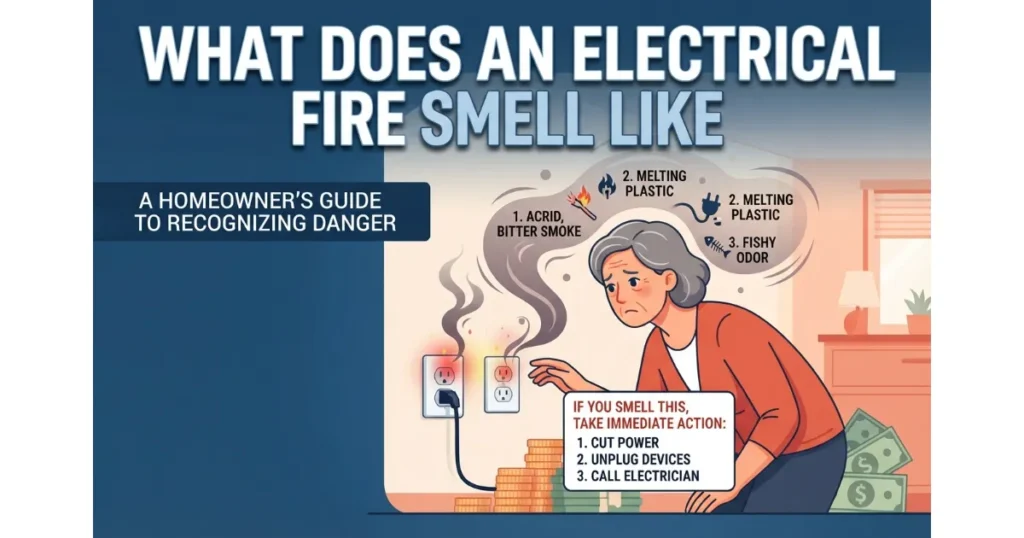
- Burning Plastic or Fishy Odors: A distinct, unexplained smell of melting plastic, hot wire insulation, or ozone near switches and receptacles points to active electrical arcing inside the wall.
- Warm or Discolored Outlet Faceplates: Switch plates or warm outlets indicate high electrical resistance from loose terminal screws, demanding immediate replacement before plastic housing ignites.
- Frequent Circuit Breaker Trips: A breaker that repeatedly trips means a circuit is drawing more amperage than its rated capacity, or a short circuit is occurring along the line.
- Buzzing or Crackling Breaker Boxes: A humming, buzzing, or snapping sound emanating from your main panel reveals failing breaker contacts or loose busbar lugs that require emergency service.
- Mild Static Shocks from Appliances: Feeling a slight tingling or static zap when touching metal appliance chassis or water fixtures indicates a dangerous loss of equipment grounding.
The following short video highlights quick visual and auditory warning signs that indicate immediate electrical trouble in your home:
Milestone Triggers: When to Schedule Routine Checks
Even if your home shows no active symptoms of electrical failure, specific lifestyle milestones and environmental events require a proactive safety evaluation to verify system integrity.
- Buying or Selling a Property: Scheduling a dedicated electrical audit before closing uncovers hidden upgrade costs and prevents post-purchase financial surprises.
- Property Turning 30 to 40 Years Old: Homes reaching this milestone frequently feature aging branch wiring insulation, outdated breaker panels, and wear that predates modern safety codes.
- Post-Major Storm or Flood Damage: A thorough post-storm electrical inspection is critical if heavy winds, fallen tree limbs, or standing water compromise underground lines, service weatherheads, or crawlspace outlets.
- Before and After Major Remodeling: Assessing panel capacity prior to adding high-draw additions—such as a kitchen remodel, spa, or home addition—ensures your system can handle the increased load.
Frequently Asked Questions About Home Electrical Inspections
How much does a typical electrical inspection cost?
A standard electrical inspection cost typically ranges from $150 to $400 for an average single-family home. If you request advanced diagnostic evaluations—such as full-home infrared thermography or detailed load calculations for a 200-amp service upgrade—expect to pay between $400 and $600 or more.
- Basic Safety Audit ($150–$250): Covers visual panel checks, GFCI/AFCI trip testing, and random outlet sampling.
- Comprehensive Diagnostic Inspection ($250–$400+): Includes dead-front panel removal, full circuit tracing, and grounding verification.
- Thermal Imaging Add-On ($400–$600+): Adds non-destructive infrared scans to pinpoint hidden overheating inside walls and breaker boxes.
What will automatically fail an electrical inspection?
An inspection is flagged as a failed electrical inspection whenever an electrician discovers active fire hazards, severe electrocution risks, or direct violations of life-safety codes. Addressing these high-priority defects is mandatory before passing municipal permit sign-offs or securing homeowners insurance.
- Exposed Live Wiring: Open wire splices outside enclosed junction boxes or frayed cables in attics and crawlspaces.
- Missing GFCI Protection: Absence of working Ground Fault Circuit Interrupter outlets within six feet of sinks, bathrooms, garages, and exterior walls.
- Double-Lugged Neutrals or Double-Tapped Breakers: Multiple wires clamped under single terminals not rated for dual conductors.
- Ungrounded or Unbonded Panels: Missing grounding electrode rods or unbonded metallic water and gas piping.
- Recalled Breaker Boxes: Presence of hazardous Federal Pacific Electric (FPE) Stab-Lok or Zinsco panels.
How long does a home electrical inspection usually take?
A thorough residential electrical evaluation takes between 1 and 2 hours for a standard single-family house under 2,500 square feet. Larger properties, historic homes with legacy knob-and-tube wiring, or residences with multiple sub-panels and detached garages can require 3 to 4 hours to audit completely.
- 1 to 1.5 Hours: Modern condos, townhomes, and single-panel residences built after 1990.
- 2 to 4 Hours: Pre-1970s homes, multi-story estates, and properties with pools, solar tie-ins, or detached workshops.
What is the first thing an electrical inspector wants to see?
The first thing an electrical inspector wants to see is immediate, unobstructed access to your main service panel and any sub-panels. Under NEC clearance rules, your panel must remain completely clear of stored boxes, shelving, and furniture so the electrician can safely remove the dead-front cover.
- NEC Panel Clearance Requirements: At least 30 inches wide, 36 inches deep in front of the enclosure, and 6.5 feet of vertical headroom.
- Secondary Access Points: Clear pathways to attic hatches, basement ceilings, and crawlspace junction points where branch wiring is visible.
Do you legally need an electrical inspection to live in a house?
You do not legally need a routine electrical inspection simply to continue living in an existing home you already own. However, municipal code inspectors legally require a passed electrical inspection before issuing a Certificate of Occupancy for new construction, major structural remodels, or service panel replacements.
- Legal Occupancy Triggers: Mandatory when pulling permits for room additions, whole-house rewiring, or installing Level 2 EV chargers.
- Financial & Underwriting Triggers: Often required by mortgage lenders (such as FHA/VA loans) and homeowners insurance carriers before issuing policies on homes over 30 to 40 years old.

Oscar Vance | Master Plumber & Drainage Expert
Meet Oscar Vance, a licensed master plumber sharing practical solutions on residential repairs, preventive maintenance, and thoughtful home upkeep.