Factors Affecting Total Cost of Plumbing Repairs
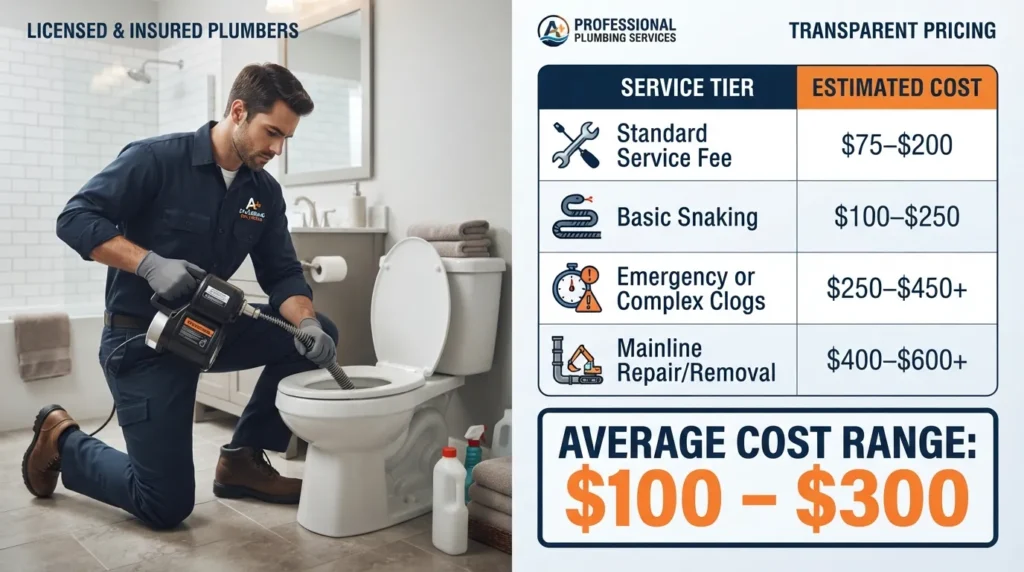
 Facing an unexpected plumbing issue can instantly disrupt a household budget, with professional quotes ranging anywhere from $150 for a minor fix to over $3,000 for major line overhauls. Understanding the core drivers behind these expenses helps homeowners evaluate contractor estimates fairly, anticipate emergency surcharges, and make informed decisions before authorizing any work.
When evaluating plumbing repair costs, homeowners frequently encounter wildly different estimates for identical symptoms. This variance stems from a complex mix of labor structures, material grades, job accessibility, and regional service rates that influence final billing.
Why Plumbing Quotes Vary So Wildly
Plumbing quotes are rarely uniform because no two residential piping systems or failure points are identical. Even two homes experiencing a clogged drain or a leaking pipe can require vastly different amounts of labor, diagnostic time, and specialized equipment to resolve safely.
- Diagnostic Overhead: Modern plumbers invest heavily in advanced diagnostic tools like thermal imaging cameras, acoustic leak detectors, and digital sewer scopes to pinpoint hidden issues without destructive guesswork.
- Business and Regulatory Expenses: Licensed plumbing contractors carry significant operational expenses, including commercial liability insurance, vehicle maintenance, state licensing, and ongoing continuing education.
- Job Site Complexity: The physical effort required to access a damaged pipe—whether it sits openly under a vanity or is buried beneath a concrete slab—directly dictates the billable hours required for completion.
- Material Selection: The type of replacement material used, such as rigid copper, flexible PEX-A, or schedule 40 PVC, influences both material expenses and the specialized tools needed for installation.
The 6 Core Factors Affecting Total Plumbing Repair Costs
Pinpointing the exact price of a plumbing intervention requires examining six primary variables that dictate labor hours, material sourcing, and logistical overhead. Understanding these underlying cost drivers helps property owners evaluate contractor estimates with confidence.
Every plumbing service call is shaped by a unique combination of technical requirements, site conditions, and regulatory mandates. Reviewing these individual elements clarifies why minor fixes and major overhauls carry vastly different price tags.
1. Labor Rates & Professional Skill Level (Apprentice vs. Master Plumber)
Labor rates represent a significant portion of any plumbing invoice, varying widely based on whether the technician is an apprentice or a licensed master plumber. While master plumbers command higher hourly rates, their diagnostic speed, troubleshooting precision, and advanced licensing frequently reduce total billable hours and prevent costly diagnostic errors.
Contractors typically bill clients using one of two standard industry structures:
- Time-and-Materials Pricing: Technicians charge an hourly wage combined with the exact cost of parts used, making this common for open-ended or complex diagnostic repairs.
- Flat-Rate Pricing: Contractors quote a fixed price upfront for specific standardized tasks, protecting the homeowner from unexpected hourly overruns if complications arise mid-job.
2. Job Complexity & Scope of Work (Minor Fixes vs. Major Replacements)
The overall scope and technical complexity of a plumbing repair dictate the time, equipment, and workforce required. Straightforward interventions like clearing a localized sink clog take minutes, whereas comprehensive system repiping requires extensive structural work and heavy-duty mechanical equipment.
The depth of mechanical intervention required directly influences project billing:
- Minor Repairs: Replacing a standard flapper, fixing an exposed trap, or clearing a minor branch drain requires basic hand tools and minimal labor time.
- Major Replacements: Rebuilding a main sewer stack, upgrading an entire home water supply grid, or installing tankless water heater configurations demands specialized multi-day labor.
3. Pipe Location & Structural Accessibility (Exposed vs. Behind Drywall & Slabs)
Pipe accessibility is a major cost multiplier because concealed lines demand destructive extraction and restoration work. While exposed pipes beneath sinks or in basements require minimal effort to reach, pipes buried behind drywall or beneath concrete slabs require specialized detection tools.
Access barriers introduce additional labor phases to the repair process:
- Slab Leak Detection & Specialized Sensors: Locating leaks beneath concrete foundations requires acoustic sensors, thermal imaging, and electronic line tracing before any physical excavation begins.
- Structural Tear-Outs: Cutting through finished drywall, tile, subflooring, or concrete foundations adds intensive demolition and post-repair patching labor to the bill.
4. Parts, Materials, and Component Quality (PEX, PVC, Copper, and Fixture Grades)
The selection of plumbing materials directly impacts both upfront installation bills and long-term durability. High-grade components like flexible PEX-A or rigid copper cost more initially than budget PVC alternatives, but they offer superior resistance to pressure fluctuations, temperature extremes, and chemical corrosion.
Material grade choices significantly influence the longevity and material cost of the repair:
- PEX-A vs. Copper Piping: Copper remains a premium, rigid material valued for longevity, whereas cross-linked polyethylene (PEX-A) offers faster installation times and superior freeze-break resistance at a lower price point.
- Fixture and Valve Grades: Commercial-grade brass valves and manufacturer-certified replacement parts cost more upfront compared to generic hardware store alternatives, but they reduce the risk of premature failure.
5. Timing, Urgency, and Emergency Surcharges (After-Hours & Weekend Calls)
When a plumbing failure happens outside standard business hours, emergency call-out fees and overtime surcharges apply. Immediate dispatch during nights, weekends, or holidays ensures rapid damage mitigation but increases labor billing multipliers significantly.
Urgency-driven service calls incorporate specific fee adjustments:
- Emergency Call-Out Fees: Contractors charge an upfront dispatch fee to mobilize a service vehicle outside normal operating hours, covering immediate travel and rapid-response logistics.
- After-Hours Labor Premiums: Labor rates during holidays or late-night hours often carry a 1.5x to 2x multiplier to compensate technicians for emergency schedule disruptions.
6. Municipal Permits and Code Compliance (When Permits Are Legally Required)
Major plumbing installations and structural line replacements legally mandate municipal permits and formal building inspections. Local governing bodies enforce strict plumbing codes to protect public health and safety, adding administrative fees and scheduling requirements to the overall project scope.
Permit and code compliance factors include:
- Municipal Permit Fees: Major structural changes—such as water heater replacements, gas line repairs, or main sewer tie-ins—require local government sign-offs and filing fees.
- Code Upgrade Mandates: Licensed plumbers are legally required to bring outdated surrounding infrastructure up to current local plumbing codes during major permitted repairs, which can increase material and labor requirements.
Industry Secrets: Why Plumbers Cost So Much and What Is the “135 Rule”?
Homeowners frequently experience sticker shock when reviewing plumbing invoices, wondering why skilled labor commands such high rates. Understanding the operational realities behind running a professional trade business reveals that plumbing costs extend far beyond the minutes a technician spends working under a sink.
Professional plumbing companies operate under heavy financial and regulatory burdens that dictate their pricing models. Examining these underlying factors explains why service calls carry substantial baseline costs.
Breaking Down Overhead: Why Plumbers Charge High Hourly Rates
Professional plumbing rates reflect heavy commercial expenses rather than pure labor time. Contractors must finance expensive vehicle fleets, specialized diagnostic equipment, mandatory trade licensing, and comprehensive insurance policies before ever arriving at a residential job site.
The true cost of running a professional plumbing business includes several major line items:
- Commercial Liability Insurance and Bonding: Contractors pay steep premiums to protect homeowners and properties against accidental water damage or structural incidents during repairs.
- Fully Equipped Truck Stock: Service vehicles carry hundreds of specialized fittings, valves, and replacement parts so technicians can complete most repairs on the first visit.
- Advanced Diagnostic Gear: Maintaining high-tech equipment like electronic sewer cameras, thermal leak detectors, and hydro-jetters requires significant capital investment.
Is a Diagnostic or Service Call Fee Normal?
Yes, diagnostic or service call fees are standard, necessary practice across the plumbing industry. These dispatch charges cover the technician’s travel time, fuel, and expert troubleshooting time required to accurately identify complex system failures.
Service call fees protect both the homeowner and the contractor through structured evaluations:
- Eliminating Guesswork: Skilled troubleshooting ensures technicians diagnose the root cause of an issue rather than treating superficial symptoms.
- Separate Dispatch vs. Labor: Most reputable contractors credit a portion of the diagnostic fee toward the total repair labor if the homeowner proceeds with the work.
What Is the 135 Rule in Plumbing Pricing?
The “135 Rule” is a classic contractor pricing guideline and multiplier used to calculate sustainable flat-rate service charges. It ensures that standard plumbing repairs account for direct labor, material markup, and business overhead to keep operations profitable.
This pricing approach helps contractors manage complex variables transparently:
- Balancing Material Markup: Wholesale parts must carry a standard retail markup to cover warehousing, transport, and warranty replacements.
- Protecting Against Complications: Flat-rate pricing built on trade formulas safeguards companies against unexpected hurdles encountered behind finished walls or beneath concrete slabs.
Consumer Advocacy: How to Tell If Your Plumber Is Overcharging
Facing an unexpected plumbing emergency leaves homeowners vulnerable to predatory pricing and dishonest contractor practices. Recognizing key plumbing contractor red flags enables property owners to audit estimates, protect their household budgets, and avoid paying for unnecessary work.
Reviewing billing transparency and industry standards helps distinguish reputable professionals from operators relying on high-pressure sales tactics.
Red Flag #1: Refusal to Provide Written, Itemized Estimates
A reputable plumbing professional will always provide a clear, written plumbing estimate before starting any physical work on your property. Contractors who rely on verbal quotes or demand blank-check authorizations often inflate labor hours or add unexpected fees once your pipes are exposed.
- Demand Signed Documentation: Insist on a printed or digital estimate detailing labor, parts, and contingency fees before granting approval.
- Reject Lump-Sum Ambiguity: Estimates that bundle all expenses into a single mysterious total prevent you from spotting inflated line items.
Red Flag #2: Vague Line Items & Excessive Material Markups
Scrutinizing an itemized invoice ensures you are not paying an unreasonable material markup percentage for standard replacement parts. While contractors are entitled to a fair retail markup for sourcing, delivery, and warranty coverage, inflated charges exceeding standard wholesale rates indicate predatory billing.
- Check Market Pricing: Compare component costs against standard retail hardware prices to verify fairness.
- Audit Extra Fees: Watch out for unannounced disposal charges or administrative fees hidden within material totals.
Red Flag #3: High-Pressure Same-Day Replacement Tactics
Predatory plumbing sales tactics often rely on manufactured panic, pushing homeowners into immediate, expensive equipment replacements. Dishonest technicians may claim a minor fixture leak requires an entire system overhaul, coercing quick decisions before you can secure a second opinion.
- Pause and Evaluate: Step back from high-pressure demands and request a cooling-off period to review quotes.
- Seek Multiple Quotes: For major repairs, consulting a second independent plumber provides an accurate baseline for actual system condition.
What Plumbers Won’t Tell You About Quick Fixes
Not every minor plumbing failure requires a complete component overhaul or expensive repiping. Contractors prioritizing high-commission replacements frequently push total upgrades when targeted repairs or simple valve replacements would resolve the underlying issue affordably.
- Inquire About Targeted Repairs: Always ask your technician if a smaller localized patch or gasket replacement is a viable alternative to full replacement.
- Know Your Rights: Review independent home service standards and consumer rights resources, such as the Federal Trade Commission consumer protection guidelines, to protect your household against deceptive contracting practices.
The Homeowner’s Step-by-Step Quote Audit Framework
Executing a thorough plumbing quote audit before signing a contract protects your household from hidden expenses and unverified charges. Systematic contractor accountability relies on verifying itemized labor rates, material costs, and post-repair restoration duties prior to authorizing any professional work.
Adopting a methodical evaluation checklist prevents unexpected billing surprises and ensures transparent communication between property owners and service contractors.
Step 1: Verify Labor vs. Material Breakdown
Separating labor charges from material costs is the foundational step of any plumbing quote audit. Reputable contractors provide clear transparency by itemizing billable hours, specialized diagnostic time, and exact component pricing rather than presenting a single ambiguous lump-sum total.
- Utilize an Itemized Estimate Checklist: Cross-reference every proposed task against standard industry rates to ensure labor hours match the scope of work.
- Inspect Hourly vs. Flat-Rate Lines: Confirm whether labor is billed at a flat project rate or calculated through time-and-materials tracking.
Step 2: Check for Post-Repair Restoration Costs (Drywall & Painting)
Plumbing repairs involving hidden leaks or wall-mounted piping frequently require cutting through drywall or subflooring. Clarifying whether drywall restoration and painting are included in your quote prevents unexpected secondary expenses after the technician completes the primary pipe repair.
- Define Scope of Patching: Determine if the contractor handles complete wall finishing or if you must hire a separate subcontractor for surface restoration.
- Protect Finished Surfaces: Ensure quotes account for protecting flooring and surrounding furniture during invasive structural interventions.
Step 3: Confirm Permit Fees and Debris Disposal Inclusion
Major plumbing interventions often demand local municipal permits and generate heavy construction waste. Ensuring that permit fees and debris disposal fees are explicitly covered within your initial estimate guarantees complete transparency and reinforces contractor accountability.
- Verify Municipal Compliance: Check whether local building codes require formal permits for water heater replacements or sewer line modifications.
- Clarify Cleanup Duties: Confirm that old piping, broken fixtures, and packaging debris are hauled away by the contractor without extra surcharges.
Frequently Asked Questions About Plumbing Repair Costs
Navigating plumbing repairs involves understanding how pricing structures, emergency expenses, and DIY interventions impact your overall household budget. Reviewing common homeowner dilemmas clarifies what to expect when hiring licensed plumbing contractors.
Should I pay a flat fee or hourly rate for plumbing repairs?
Choosing between flat rate vs hourly plumbing depends on the complexity and predictability of the job. Flat-rate pricing offers budget certainty for complex repairs, whereas hourly billing is often more cost-effective for transparent, straightforward troubleshooting tasks that take minimal time.
- Flat-Rate Protection: Fixed pricing protects homeowners from unexpected hourly overruns if complications arise behind walls or beneath slabs.
- Hourly Transparency: Time-and-materials billing ensures you only pay for exact labor hours on simple, highly predictable tasks.
How much emergency buffer should I add to my plumbing repair budget?
Homeowners should always set aside an emergency repair budget buffer of 20% to 30% above estimated standard repair costs. Unexpected complications like hidden pipe corrosion or after-hours surcharges frequently inflate baseline plumbing quotes once technicians open walls or flooring.
- Accounting for Surcharges: Emergency call-out fees and weekend premiums quickly increase baseline labor expenses.
- Covering Secondary Repairs: A financial buffer ensures you can afford necessary drywall patching and surface restoration after plumbing fixes.
Can I fix minor plumbing leaks myself to save money?
Executing a minor pipe leak fix independently can save money, provided you understand basic DIY plumbing safety and shut off the main water supply beforehand. However, attempting complex pressurized pipe repairs without professional tools risks severe water damage and costly structural leaks.
- Safe DIY Tasks: Replacing worn faucet washers or tightening accessible PEX fittings are manageable intermediate projects.
- When to Call a Pro: Main supply lines, gas connections, and hidden in-wall leaks require licensed professional expertise and insurance protection.

Oscar Vance | Master Plumber & Drainage Expert
Meet Oscar Vance, a licensed master plumber sharing practical solutions on residential repairs, preventive maintenance, and thoughtful home upkeep.