Difference Between Duct Tape and Electrical Tape
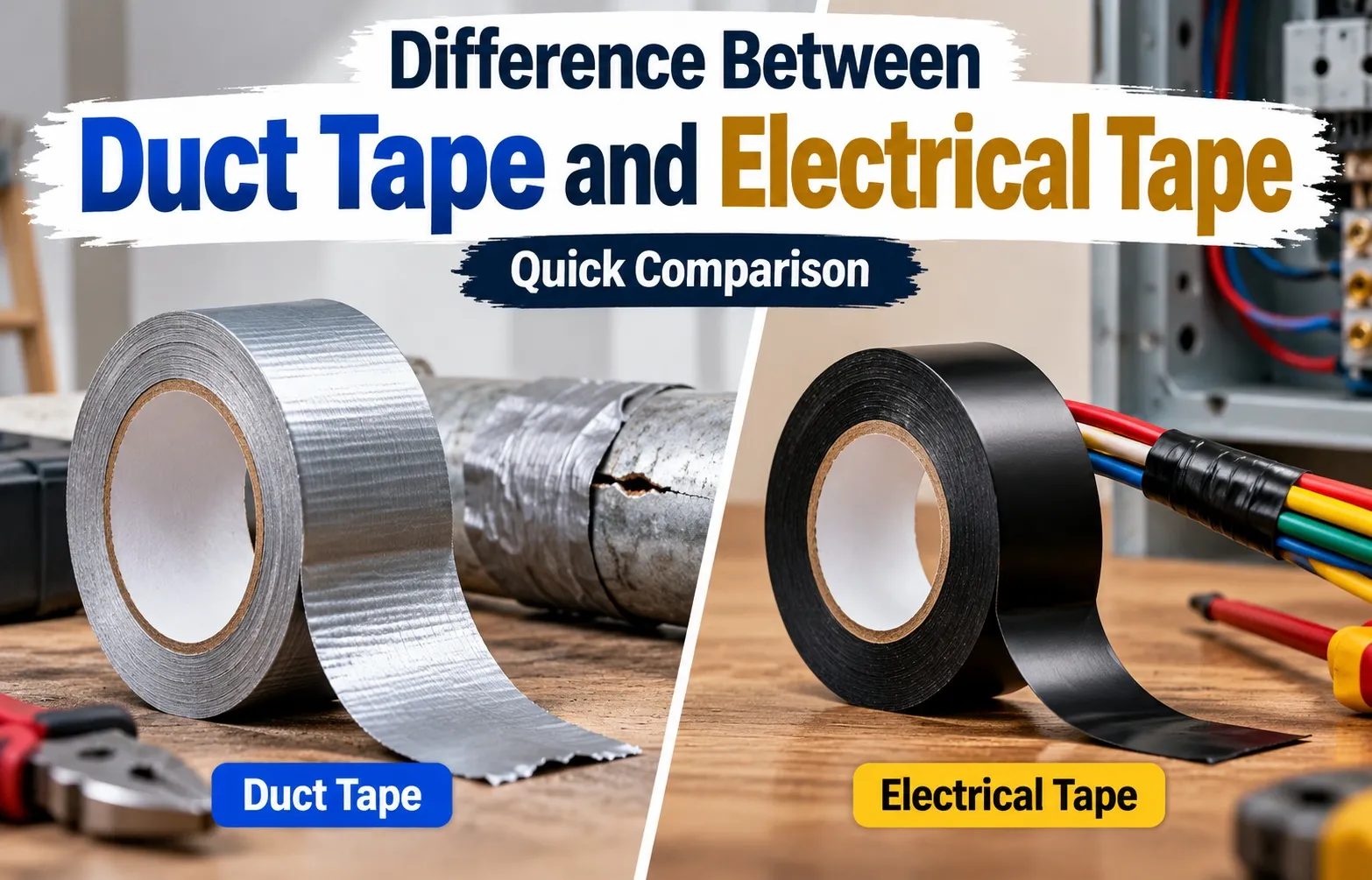 Duct tape and electrical tape are non-interchangeable adhesives engineered for entirely different physical and electrical applications. You should never use duct tape on live electrical wiring, frayed cords, or inside junction boxes because it lacks dielectric insulation and presents a severe fire hazard. Conversely, electrical tape lacks the high tensile strength, shear resistance, and fabric backing required for heavy-duty structural bonding, sealing, or mechanical patching.
While duct tape uses a rubber-based adhesive on a polyethylene film reinforced with a woven cloth scrim, electrical tape relies on a stretchy, plasticized vinyl or PVC backing that safely resists electric current up to standard voltage ratings. Substituting duct tape for electrical work increases the risk of electrical shock, short circuits, and localized thermal combustion under continuous load.
Difference Between Duct Tape and Electrical Tape: Comprehensive Comparison Matrix
Understanding the engineering specifications of duct tape and electrical tape is critical for both safety and project durability. While duct tape is designed for mechanical strength, surface adhesion, and shear resistance, electrical tape is engineered specifically for dielectric insulation, thermal stability, and conformability around conductors. Comparing their technical properties highlights why these two pressure-sensitive adhesives cannot be used interchangeably.
Feature-by-Feature Specification Breakdown
The matrix below provides a side-by-side technical evaluation of both tapes, detailing exact breakdown voltages, operating temperature ranges, structural backings, and flame-retardant capabilities.
- Dielectric Rating Significance: Standard vinyl electrical tape typically exhibits a dielectric breakdown voltage ranging between 7,000 to 10,000 volts per mil of thickness, ensuring safe operation under 600V threshold limits.
- Thermal Degradation Differences: When exposed to elevated temperatures, duct tape adhesive softens, turns gummy, and loses structural bond strength. Electrical tape maintains structural memory and elasticity within its rated temperature range.
Understanding Duct Tape: Material Composition & Limits
Duct tape is an iconic pressure-sensitive adhesive engineered primarily for tensile strength, shear holding power, and quick physical bonding across diverse surfaces. Understanding its multi-layer construction explains why it excels at structural patching and mechanical holding, yet fails completely in electrical, high-heat, or UV-exposed environments.
The Anatomy of Duct Tape: Polyethylene Film Cloth Scrim and Rubber
Modern duct tape relies on a three-layer laminate structure that gives the material its distinct combination of flexibility, water resistance, and tensile durability.
- Polyethylene (PE) Outer Coating: A smooth top layer of polyethylene film acts as a durable water-resistant barrier, protecting the inner layers from superficial moisture, abrasion, and wear.
- Woven Fabric Mesh (Cloth Scrim): Embedded directly beneath the PE film is a woven cotton or synthetic fabric scrim. The mesh count (threads per square inch) directly dictates the tape’s tensile strength and determines how easily it tears straight across by hand without requiring cutting tools.
- Natural or Synthetic Rubber Adhesive: A thick layer of aggressive rubber-based compound fills the spaces within the fabric scrim, providing immediate high-tack adhesion to rough, smooth, or irregular surfaces.
Where Duct Tape Excels: Ideal Applications
Duct tape performs exceptionally well when applied to mechanical, non-electrical, and short-term structural tasks that benefit from high shear resistance and surface grip.
- Heavy-Duty Bundling & Holding: Securely wrapping pipes, timber, metal rods, or loose construction materials together during transport or assembly.
- Temporary Mechanical Patching: Sealing minor punctures in plastic tarps, outdoor equipment, canvas covers, or non-pressurized drainage hoses.
- General Household Repairs: Fixing broken plastic housings, securing carpet edges temporarily, or binding cardboard packaging for storage.
Critical Limitations: UV Degradation Heat Breakdown and Residue
Despite its physical strength, duct tape possesses major material vulnerabilities that cause rapid performance failure when exposed to environmental stressors over extended periods.
When exposed to sustained heat or direct thermal loads, the thick rubber adhesive softens and undergoes thermal liquefaction. This heat breakdown causes the rubber compound to lose cohesive strength, leading to slippage under load and severe adhesive transfer that leaves a gummy, sticky residue on the substrate.
Additionally, prolonged exposure to ultraviolet (UV) radiation breaks down the polyethylene film outer layer, causing it to crack, peel, and dry out. Once the PE coating degrades, moisture penetrates the exposed cotton scrim scrim, deteriorating the internal mesh structure and completely destroying the adhesive bond.
Understanding Electrical Tape: Insulation & Elasticity
Electrical tape is an engineered thermoplastic polymer specifically formulated to isolate electrical conductors, prevent short circuits, and withstand thermal and mechanical stress. Unlike multi-purpose utility tapes, its unique molecular composition provides the critical dielectric resistance required to manage live household currents safely.
Vinyl PVC Backing and Dielectric Insulation Properties
The core performance of electrical tape stems from its flexible plasticized PVC backing combined with a specialized pressure-sensitive rubber adhesive. This chemical composition grants the material exceptional dielectric strength, meaning it resists electrical breakdown under high voltage stress.
- Non-Conductive Matrix: The vinyl formulation contains no metallic or conductive cloth threads, entirely eliminating current leakage pathways.
- Dielectric Breakdown Resistance: High-grade vinyl can withstand thousands of volts per mil of thickness before its insulation barrier fails.
- Chemical Stability: The rubber-based adhesive resists degradation from oils, acids, and alkalis commonly found in industrial or residential wiring environments.
The Role of Elastic Stretch in Weatherproofing Wire Splices
Elasticity is a vital engineering property that allows electrical tape to conform tightly around complex wire splices, terminals, and irregular cable contours without losing tension.
When technicians wrap a splice, stretching the tape by a specific percentage activates its elastic memory. This continuous tension compresses the layers together, forming a moisture-proof, hermetic seal that prevents water ingress, oxidation, and corrosion over time.
- Conformal Memory: The vinyl backing stretches up to 100% to 200% of its resting length, hugging multi-strand copper wires tightly.
- Moisture Exclusion: Tight, tensioned overlapping layers block humidity and condensation from reaching bare copper conductors.
Standards to Look For: UL 510 Certification and Voltage Ratings (Up to 600V)
Ensuring absolute safety during electrical repairs requires verifying industry compliance standards. Genuine professional electrical tape carries rigorous certifications that guarantee performance under stress.
- UL 510 Certification: The Underwriters Laboratories 510 standard certifies that the tape is flame-retardant, self-extinguishing, and physically robust enough for primary electrical insulation.
- CSA Certification: Canadian Standards Association approval verifies compliance with strict North American safety and durability benchmarks.
- Voltage Ratings: Standard electrical tape is rated for primary insulation up to 600 volts and operating temperatures reaching 80°C (176°F) or 105°C (221°F) for premium grades.
Critical Safety Deep-Dive: Why Duct Tape on Wiring is a Fire Hazard
Using regular duct tape as a temporary or permanent fix for exposed electrical wiring is a critical safety violation that directly endangers lives and property. While duct tape’s physical strength and heavy adhesion create a false sense of security, its internal construction lacks basic dielectric insulation, making it a major fire hazard and electrical shock risk when exposed to live current.
Flammability and Conductivity: The Hidden Risks of Duct Tape Mesh
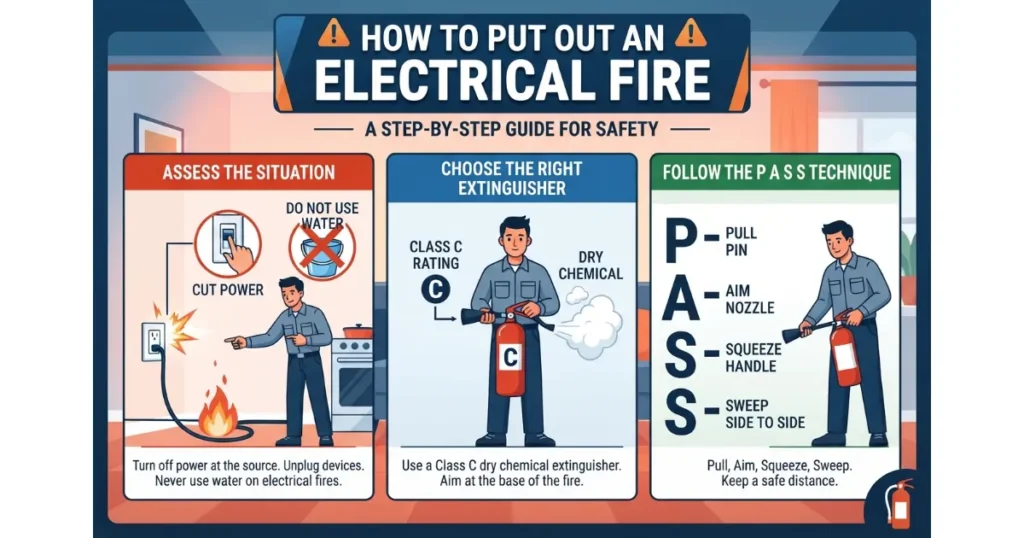
Duct tape is entirely unrated for electrical safety because its structural components are physically incapable of blocking electric current or resisting open flames.
- Combustible Fabric Scrim: The woven cotton or synthetic cloth mesh embedded inside duct tape acts as a fuel source when exposed to electrical sparking, arcing, or localized heat spikes.
- Conductive Arc Pathways: Unlike plasticized vinyl, raw cotton fibers inside duct tape can absorb ambient moisture, creating a conductive bridge that allows electricity to travel across the surface of the tape rather than containing it.
- Lack of Self-Extinguishing Properties: Standard duct tape does not meet UL 510 flame-retardant standards. Once ignited by an electrical short, it continues to burn rapidly, dripping flaming rubber adhesive onto surrounding building materials.
Thermal Breakdown: How Electrical Current Melts Duct Tape Adhesive
Electrical current flowing through wires naturally generates resistance heating, especially in loose connections, frayed splices, or overloaded household circuits.
When exposed to sustained thermal loads from mains voltage, the natural or synthetic rubber adhesive on duct tape undergoes rapid thermal melting. As the adhesive turns into a soft, sticky liquid, the tape loses its physical grip and unravels, leaving live conductors exposed to air, metal enclosures, and human contact.
- Adhesive Liquefaction: Normal operating temperatures above 60°C (140°F) cause the rubber adhesive to liquefy, leading to total bond failure.
- Short-Circuit Generation: As the softened tape shifts or unravels under tension, bare wires can make contact with one another, causing immediate short circuits and high-energy arc flashes.
Frayed Phone Chargers Outlet Wiring and Extension Cords
Homeowners often default to duct tape for quick household electrical fixes without realizing the immediate danger created by wrapping live conductors with non-insulated material.
- Frayed Phone Charger Cables: Wrapping duct tape around a damaged USB or laptop charging cable fails to stop internal copper strand fracturing. Continuous bending generates localized heat that degrades the duct tape rubber, exposing users to shock hazards or fire risks while sleeping.
- In-Wall Outlet & Switch Wiring: Applying duct tape to loose wire connections inside an outlet box is an extreme fire hazard. Over time, heat generated from high-draw appliances (such as space heaters) melts the duct tape, triggering a hidden arc fire inside the wall cavity.
- Damaged Extension Cords: Using duct tape to patch nicked outer jackets on heavy-duty extension cords exposes the internal phase conductors to moisture and mechanical abrasion, significantly increasing the risk of electrocution during outdoor or workshop use.
Addressing Heavy-Duty & Specialty Tapes
When searching for heavy-duty adhesive solutions, homeowners and tradespeople frequently mistake specialized industrial tapes for electrical insulators. While products like Gorilla Tape, Speed Tape, Gaffer Tape, and Friction Tape offer incredible mechanical strength or specialized surface properties, none of them serve as a safe replacement for certified vinyl electrical tape when handling live wiring.
Can Gorilla Duct Tape Be Used for Electrical Work?
Gorilla Duct Tape should never be used for electrical repairs, wire insulation, or covering exposed conductors. Although Gorilla Tape is engineered with a double-thick adhesive layer, a reinforced fabric backing, and a tough all-weather shell, physical durability does not equate to electrical safety.
- Lack of Dielectric Insulation: Gorilla Tape is not rated by Underwriters Laboratories (UL) or any electrical safety board for dielectric strength. It cannot predictably block current leakage.
- Heavy-Duty Rubber Adhesive Risks: The thick rubber adhesive melts when exposed to high heat from electrical resistance, turning into a runny, flammable compound that leads to bare wire exposure.
- Increased Fire Hazard: The dense cotton fabric scrim inside Gorilla Tape provides fuel for electrical arcing, turning a minor short circuit into a fast-spreading fire.
Speed Tape (100 mph Tape) vs. Duct Tape: What’s the Difference?
Speed tape (often called 100 mph tape or 500 mph tape in military and aviation contexts) is an aviation-grade aluminum foil tape designed for temporary minor repairs on aircraft outer skins and high-speed vehicles. It is fundamentally different from standard cloth-backed duct tape.
- Aviation-Grade Aluminum Backing: Speed tape uses a soft aluminum foil backing rather than polyethylene film and fabric mesh, making it resistant to extreme wind shear, UV radiation, and high-altitude temperature shifts.
- Electrical Conductivity Hazard: Because speed tape is made of real aluminum foil, it is inherently conductive to electricity. Applying speed tape to electrical wiring creates an immediate, highly dangerous dead-short circuit.
- Temperature Resistance: Speed tape uses an acrylic adhesive system capable of handling environmental extremes from -54°C to 149°C (-65°F to 300°F), far exceeding the thermal limits of duct tape.
Gaffer Tape vs. Electrical Tape: Studio Applications vs. Wire Insulation
Gaffer tape (or gaff tape) is a heavy-duty matte fabric tape popular in film, television, and audio production to secure cables to floors (“gaffing”). Despite its widespread use around power cables, gaffer tape is not an electrical insulator.
- Matte Cloth Backing: Gaffer tape uses a non-reflective, high-thread-count cotton fabric backing that tears easily by hand and prevents glare under studio lighting.
- Residue-Free Removal: Gaffer tape uses a specialized synthetic petroleum-based adhesive engineered to release cleanly from cables and studio floors without leaving a sticky residue behind.
- Physical Cable Management Only: Gaffer tape is meant to bundle and anchor intact, jacketed power cords safely to surfaces. It must never be applied directly to bare copper wires, frayed cables, or open electrical splices.
Safe Alternatives When You Don’t Have Electrical Tape
If you need to fix a damaged wire or secure an electrical connection but do not have vinyl electrical tape on hand, never resort to standard household adhesives. Relying on makeshift substitutes risks electrical shock, short circuits, and severe fire hazards. Safe, code-compliant methods exist for insulating exposed conductors without compromising safety.
Safe Electrical Alternatives: Wire Nuts, Heat-Shrink Tubing, and Liquid Electrical Tape
When performing electrical repairs, temporary or permanent insulation must meet strict dielectric and fire-resistance standards. The following professional alternatives provide reliable protection for exposed wiring and splices:
- Wire Nuts (Twist-On Wire Connectors): Designed for joining two or more conductors inside an electrical junction box, wire nuts feature a threaded metal insert housed in a flame-retardant plastic shell. They form a secure mechanical bond and fully insulate exposed copper ends.
- Heat-Shrink Tubing: Made from cross-linked polyolefin, heat-shrink tubing slides over damaged wire jackets or splices. When heated with a heat gun, it shrinks tightly around the conductor, creating a durable, waterproof, and high-dielectric barrier.
- Liquid Electrical Tape: A brush-on rubberized coating formulated for tight spaces or irregular splices. Once cured, it forms a flexible, moisture-proof, and flame-retardant seal that meets safety standards similar to standard vinyl tape, complying with recognized benchmarks like UL 510 Flame-Retardant Certification Guidelines.
Unsafe Household Tapes You Must Avoid (Painter’s Tape Masking Tape Scotch Tape Duct Tape)
Homeowners often wonder if everyday household tapes can serve as an emergency wire insulation substitute. The short answer is strictly no. Common stationary and utility tapes lack dielectric properties and present extreme safety risks when exposed to voltage or heat:
- Painter’s Tape & Masking Tape: Composed of thin paper backings and light acrylic adhesives, painter’s tape absorbs ambient moisture, offers zero dielectric resistance, and ignites easily if exposed to electrical arcing.
- Scotch Tape (Cellophane/Clear Tape): Extremely thin and prone to brittle fracturing, clear tape degrades rapidly under heat, melting immediately when exposed to low-level electrical resistance.
- Duct Tape: As detailed previously, duct tape features a flammable woven cloth scrim and a heat-sensitive rubber adhesive that liquefies, unravels, and creates serious fire hazards around electrical wires.
Weather Resistance & Environmental Factors
Operating conditions like rain, extreme temperatures, and direct sunlight heavily influence how long tape lasts and how well it performs. Choosing between duct tape and electrical tape for outdoor or harsh environments requires evaluating their moisture barriers, thermal thresholds, and resistance to ultraviolet (UV) degradation.
Is Duct Tape Truly Waterproof Under Pressure?
Duct tape is water-resistant on its outer surface, but it is not truly waterproof under water pressure or prolonged immersion. While its polyethylene top layer repels superficial water, moisture can seep through the exposed edges and absorb into the internal woven fabric scrim.
- Water-Resistant Outer Shell: Polyethylene film effectively sheds rain, splash water, and light condensation on contact.
- Edge-Wicking Vulnerability: Water entering from cut edges soaks into the cotton fabric scrim, breaking down the rubber adhesive and causing delamination over time.
- Pressurized Leaks: Under fluid pressure (such as in plumbing pipes or garden hoses), water easily forces its way past the adhesive layer, rendering duct tape ineffective for permanent leak repairs.
Cold & Heat Performance: Which Tape Handles Extreme Weather Better?
Temperature fluctuations directly impact adhesive flexibility and bonding power. Both tapes behave differently when exposed to freezing winter cold or high summer heat.
In freezing conditions, standard duct tape becomes stiff and brittle, causing its rubber adhesive to freeze, lose tackiness, and peel off surfaces. Premium vinyl electrical tape designed for cold weather wrapping remains flexible down to -18°C (0°F), allowing it to maintain an airtight, moisture-proof seal around wires even in freezing environments.
- High-Heat Tolerance: Standard vinyl electrical tape tolerates continuous ambient heat up to 80°C (176°F), with high-temperature electrical tapes rated up to 105°C (221°F). Duct tape adhesive softens, turns gummy, and slips off at temperatures above 60°C (140°F).
- UV Resistance: Standard duct tape degrades rapidly under direct sunlight as UV rays break down the polyethylene surface and dry out the adhesive. Premium black vinyl electrical tape contains carbon black additives that provide superior UV resistance for long-term outdoor exposure.
Color Coding and Circuit Identification with Vinyl Electrical Tape
Beyond insulation, color-coded vinyl electrical tape is essential for circuit identification, safety compliance, and phase mapping in residential, commercial, and industrial electrical systems.
Electricians use standardized tape colors to mark wire functions at junction boxes, breaker panels, and conduits, ensuring clear visual identification for future maintenance and safety checks:
- Black: Primary insulation and low-voltage hot wire phase identification (Phase A).
- Red: Secondary hot wire phase identification (Phase B) and system control lines.
- Blue: Third hot wire phase identification (Phase C) in three-phase electrical systems.
- Green: Grounding conductors and safety ground identification.
- White or Gray: Neutral wire identification across AC power distribution circuits.
Frequently Asked Questions About Duct Tape vs. Electrical Tape
Below are quick, authoritative answers to the most common questions regarding electrical tape, duct tape, safety limits, and adhesive performance.
Is duct tape conductive to electricity?
Duct tape is not technically classified as an electrical conductor, but it is entirely non-insulating and poses a severe electrical hazard. Its woven cloth scrim can absorb environmental moisture to form conductive pathways, while its flammable cotton mesh and rubber adhesive easily ignite during electrical arcing or resistance heating.
Why do electricians use black tape?
Electricians primarily use black vinyl electrical tape because it contains carbon black additives that provide superior resistance to ultraviolet (UV) radiation, weather exposure, and chemical degradation. Black electrical tape also serves as the industry standard for insulating primary low-voltage conductors and identifying Phase A wiring in power distribution systems.
How can I tell if tape is genuine electrical tape?
Genuine electrical tape is made of smooth, highly stretchable vinyl or plasticized PVC with no woven fabric scrim visible inside or along the torn edge. It should feature a distinct rubber adhesive, display elasticity when pulled, and carry an official UL Listed stamp (such as UL 510) or CSA certification printed directly inside the cardboard roll core.
What holds better: electrical tape or duct tape?
Duct tape provides significantly better mechanical hold, tensile strength, and shear resistance for heavy bundling, structural patching, and surface bonding due to its embedded fabric mesh. Electrical tape is engineered for elastic stretch and dielectric insulation, meaning its vinyl backing will stretch, deform, and lose grip under heavy structural loads.
Can electrical tape fix a broken plug with exposed wires?
Electrical tape can serve as a temporary emergency patch for minor outer cord jacket nicks, but it should never be used as a permanent fix for broken plug housings or severed copper conductors. Damaged plugs on high-draw household appliances must be properly replaced using a new certified attachment plug or completely discarded to prevent fire hazards and electrical shock.

Oscar Vance | Master Plumber & Drainage Expert
Meet Oscar Vance, a licensed master plumber sharing practical solutions on residential repairs, preventive maintenance, and thoughtful home upkeep.