How Much Heat Can Electrical Tape Withstand?
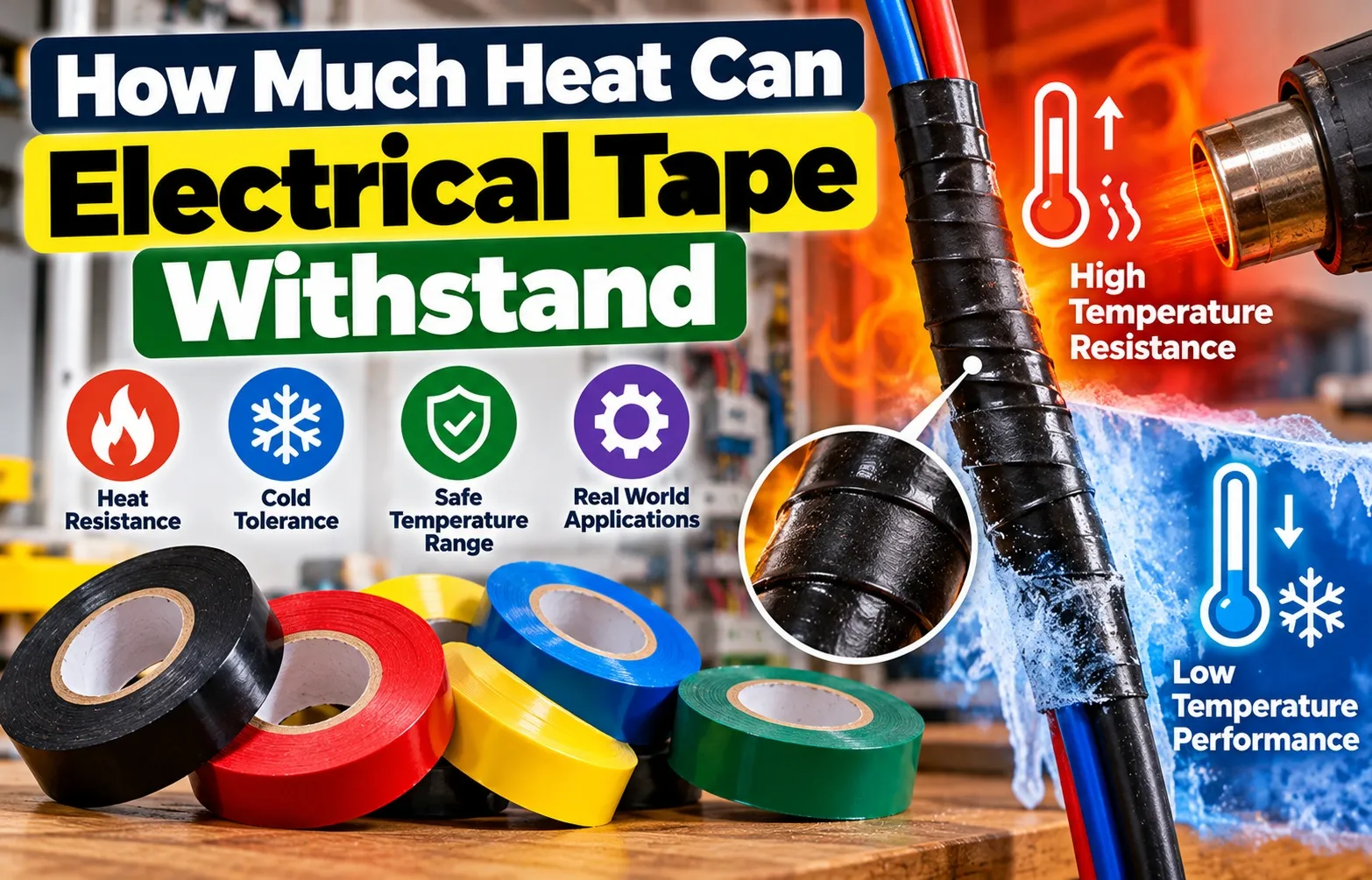 Standard PVC vinyl electrical tape safely withstands continuous operating temperatures between 176°F to 221°F (80°C to 105°C). The exact thermal threshold depends on regulatory ratings, with Underwriters Laboratories (UL 510) testing most general-purpose vinyl tapes up to 176°F (80°C) and Canadian Standards Association (CSA) certification approving heavy-duty grades up to 221°F (105°C).
Operating standard electrical tape beyond these limits causes severe material breakdown and compromises electrical insulation. When ambient temperatures exceed the rated limits, the pressure-sensitive adhesive loses structural integrity, leading to peeling, exposed live conductors, and fire risks.
What Happens at Different Temperature Stages?
Understanding the degradation threshold of vinyl tape helps prevent catastrophic electrical failures. Electrical tape undergoes distinct physical state changes as heat increases beyond safe limits:
- 122°F – 176°F (50°C – 80°C): The synthetic rubber adhesive begins to soften and lose tackiness. The backing starts sliding, creeping, or oozing sticky residue around wire splices.
- 176°F – 221°F (80°C – 105°C): The polyvinyl chloride (PVC) backing reaches its maximum regulatory thermal limit. Elastic memory fails, causing the wrapped tape to uncoil and lose mechanical tension.
- 320°F – 392°F+ (160°C – 200°C+): Full structural collapse occurs. The vinyl polymer chars, shrinks, releases toxic off-gassing fumes, and presents a severe fire hazard under direct heat exposure.
Complete Temperature & Material Comparison Guide
Selecting the right insulation tape requires matching the material substrate to the maximum operating environment. Standard Polyvinyl Chloride (PVC) tape works well for low-voltage household applications, but high-temperature settings like engine bays, furnaces, or commercial lighting demand specialized heat-resistant materials like self-amalgamating silicone or polyimide.
The table below breaks down the thermal capabilities, core applications, and regulatory ratings across primary electrical tape materials:
Peak vs. Continuous Temperature Ratings Explained
A critical mistake when selecting electrical tape is confusing the continuous heat rating with peak intermittent exposure limits. Continuous operating temperature refers to the maximum heat level the tape can safely endure 24 hours a day, 7 days a week without losing adhesion or electrical resistance.
Peak intermittent exposure represents short-term thermal spikes that the tape can survive without immediate structural failure. Understanding this distinction prevents premature breakdown in demanding environments:
- Continuous Operating Rating: Defines long-term thermal endurance. Exceeding this limit leads to slow adhesive degradation, unravelling, and eventual dielectric breakdown.
- Peak Intermittent Rating: Applies to brief heat surges, such as motor startup cycles or momentary engine heat soak, lasting from a few seconds to a few minutes.
- Standard Compliance: Premium tapes adhere to strict ASTM ratings (like ASTM D4388 for Ethylene Propylene Rubber) to ensure performance under short-term overload conditions.
Physical Behavior Under Extreme Heat: Melting vs. Burning
Standard PVC electrical tape does not liquefy into a runny puddle when exposed to heat due to its thermoplastic polymer structure. Instead, it softens, deforms, shrinks, and eventually chars or burns when pushed past its thermal limits.
The pressure-sensitive adhesive (PSA) layer fails long before the vinyl backing degrades. As temperatures rise, the synthetic rubber adhesive loses cohesion, causing the tape to slip, ooze sticky residue, and unwrap from wire splices.
Toxic Fumes and Off-Gassing Hazards
When electrical tape undergoes severe thermal degradation above 320°F (160°C), it breaks down chemically and releases hazardous byproducts. The chemical breakdown of polyvinyl chloride produces hydrogen chloride gas, which is both highly corrosive and toxic.
Inhaling smoke from burning electrical tape poses serious health risks and can damage sensitive electronic components nearby. Key hazards associated with overheated tape include:
- Corrosive Acid Release: Hydrogen chloride gas combines with ambient moisture to form hydrochloric acid, corroding bare copper wires and electrical terminals.
- Intense Black Smoke: Plasticizers and chemical additives burn off rapidly, generating dense smoke that reduces visibility in enclosed electrical boxes.
- Rapid Flame Spread: Unrated or aged tapes can sustain combustion, transforming an overheating wire connection into an active structural fire source.
Why Standard Black Electrical Tape Has Higher UV & Heat Resistance
Most standard electrical tape is manufactured in black because it contains high concentrations of carbon black additives. Carbon black acts as a powerful ultraviolet (UV) stabilizer that absorbs solar radiation and prevents premature polymer breakdown.
Beyond weatherproofing, carbon black improves thermal stability and mechanical strength compared to brightly colored alternatives. Key benefits of black electrical tape include:
- UV Radiation Blocking: Prevents sunlight from breaking down the PVC polymer chains during outdoor wiring installations.
- Enhanced Heat Stabilization: Distributes localized thermal stress more evenly across the vinyl backing under moderate heat loads.
- Extended Operational Lifespan: Maintains flexibility and adhesive tackiness significantly longer than white, green, or transparent vinyl tapes.
Applications & High-Heat Scenarios
Standard vinyl electrical tape should never be used near high-heat engine components like exhaust manifolds, turbochargers, or engine blocks, where temperatures routinely exceed 500°F (260°C). Radiant exhaust heat rapidly melts the synthetic adhesive, causing standard PVC tape to unravel and expose sensitive engine bay wiring to oil, moisture, and road debris.
To safely insulate and bundle automotive wire harnesses inside an engine bay, specialized heat-resistant wrapping materials must be used instead:
- Self-Fusing Silicone Tape: Creates an airtight, seamless seal capable of handling continuous temperatures up to 392°F (200°C) without sticky adhesive residue.
- High-Temp PET Cloth Harness Tape: Offers superior heat resistance and abrasion protection around engine looms, matching OEM automotive manufacturing standards.
- High-Temperature Wire Loom: Provides a durable corrugated physical barrier around primary wiring paths exposed to engine vibration and heat soak.
Can Electrical Tape Touch a Hot Wire?
Electrical tape can safely touch energized wires under normal operating conditions, but it must never be used to wrap or repair a wire that is overheating due to an active electrical overload. It is critical to distinguish between normal ambient wire warmth and thermal spikes caused by resistance or excessive electrical current load.
Wrapping an overloaded wire with electrical tape masks a dangerous underlying hazard instead of resolving it. Overheating wires indicate serious system issues that require immediate troubleshooting:
- Excessive Electrical Current Load: Pulling more amperage than the wire gauge is rated to carry creates high internal resistance, leading to thermal breakdown.
- Loose Terminal Connections: High resistance at terminal blocks or junction boxes generates localized hot spots that burn through standard tape insulation.
- Violations of Fire Safety Codes: Masking damaged, undersized, or overloaded conductors violates national safety standards established under UL 510 standards for polyvinyl chloride insulation tape.
Light Fixtures Ovens and Heating Appliances
High-wattage light fixtures, recessed ceiling cans, ovens, and heating appliances present elevated thermal environments that quickly degrade standard vinyl tape. Junction boxes directly attached to heat-generating appliances often experience ambient temperatures well above the 176°F (80°C) threshold of standard PVC tape.
When working on internal wiring for heat-producing household appliances, specialized high-temperature wiring components and insulation materials are mandatory:
- Glass Cloth Tape: Uses a woven fiberglass backing coated with thermosetting silicone adhesive to withstand continuous temperatures up to 356°F (180°C) inside light sockets and furnace controls.
- High-Temp Ceramic Wire Nuts: Secure bare wire splices in extreme-heat zones like oven elements and space heaters where plastic connectors melt.
- High-Temperature Silicone or Fluoropolymer (PTFE) Insulated Wire: Prevents wire insulation from becoming brittle and cracking under constant appliance heat exposure.
When NOT to Use Electrical Tape & Safer Alternatives
Relying on electrical tape as a permanent, standalone fix for bare high-voltage wire splices or high-stress mechanical connections creates severe electrical and fire hazards. Tape should never replace proper mechanical connections such as wire nuts or crimp connectors, nor should it be applied directly over twisted wires without mechanical securing.
Common taping errors compromise safety and shorten the lifespan of electrical installations. Always avoid these hazardous practices:
- Taping Open Twisted Splices: Wrapping tape directly over bare, hand-twisted copper wires without a solid mechanical connector allows wires to pull apart under physical strain.
- Underground Burial or Direct Submersion: Standard vinyl tape degrades quickly under continuous moisture, leading to current leakage, ground faults, and short circuits.
- Over-Stretching During High-Heat Wraps: Excessive tension during application thins out the vinyl backing, accelerating thermal breakdown and insulation failure when exposed to heat.
Heat Shrink Tubing vs. Electrical Tape
Heat shrink tubing made from cross-linked polyolefin offers far superior performance compared to traditional electrical tape in demanding, high-vibration, or elevated-temperature environments. Unlike tape, heat shrink tubing creates a seamless, permanent protective sleeve that will not peel, uncoil, or leave sticky residue behind over time.
Comparing key characteristics demonstrates why heat shrink tubing is often the preferred choice for industrial and automotive wiring repairs:
- Temperature Resistance: Polyolefin heat shrink tubing routinely handles continuous operating temperatures up to 275°F (135°C), significantly outperforming standard PVC vinyl tape.
- Moisture & Environmental Protection: Dual-wall adhesive-lined shrink tubing melts its internal sealant layer as it contracts, forming a completely waterproof barrier against moisture and corrosion.
- Mechanical Strength & Durability: Provides exceptional resistance to physical abrasion, chemical exposure, and mechanical stress, preventing wire fatigue in high-vibration applications.
Liquid Electrical Tape & Lever Connectors (WAGO)
For complex wire repairs, irregular splice shapes, or quick connections, modern alternatives like liquid electrical tape and lever connectors provide cleaner, safer solutions than standard wrapping.
Integrating the correct modern electrical hardware ensures reliable, long-lasting circuit connections:
- WAGO Lever Nuts: WAGO lever connectors create secure, vibration-proof, and reusable wire connections without requiring wire twisting or electrical tape. They maintain firm spring-loaded contact that prevents loose connections and thermal hot spots.
- Liquid Electrical Tape: A brushed-on rubber coating that dries into a flexible, waterproof dielectric layer. It easily coats hard-to-reach splices, irregular terminals, and tight bends where standard tape cannot adhere properly.
- Pre-Insulated Wire Nuts: Provide mechanical locking and electrical insulation in a single step, ensuring safe, code-compliant splices inside junction boxes.
Why Duct Tape and Gorilla Tape Should NEVER Be Used for Electrical Wiring
Duct tape, Gorilla tape, and standard masking tapes are strictly forbidden for electrical repairs. Using non-electrical general-purpose tapes on live wiring creates extreme fire hazards and electrical shock risks due to their underlying chemical construction.
General utility tapes lack electrical insulation properties and actively contribute to fire hazards under electrical stress:
- Flammable Cotton Backing: Cloth-backed duct tape contains flammable cotton mesh fibers that ignite easily when exposed to electrical sparks, short circuits, or warm wiring.
- Conductive & Degrading Adhesives: Rubber-based adhesives in utility tapes often contain conductive filler materials and moisture that break down rapidly, creating arc tracking risks.
- Zero Dielectric Rating: Utility tapes are not tested or certified by safety agencies (like UL or CSA) to resist voltage penetration, allowing electric current to pass directly through the material.
Frequently Asked Questions
Can electrical tape catch fire?
Quality electrical tape certified under the UL 510 safety standard contains flame-retardant additives designed to self-extinguish when removed from a direct flame. However, uncertified tapes or severe electrical short circuits generating extreme temperatures above 392°F (200°C) can ignite the vinyl backing and sustain active combustion.
What temperature does standard vinyl electrical tape melt?
Standard PVC vinyl electrical tape does not liquefy into a liquid puddle when heated. Instead, its synthetic adhesive softens and loses grip between 122°F and 176°F (50°C to 80°C), while the vinyl backing reaches its structural threshold at 176°F to 221°F (80°C to 105°C) before charring.
Does electrical tape fall off when it gets wet or hot?
Yes, standard vinyl electrical tape often peels or falls off under heat or moisture. Elevated temperatures cause severe adhesive failure and loss of shear resistance, while prolonged moisture exposure degrades the pressure-sensitive adhesive, allowing water to penetrate and break the bond completely.
Is Gorilla Tape as good or as heat-resistant as electrical tape?
No, Gorilla Tape is not a safe or suitable substitute for electrical tape. It lacks a UL 510 electrical insulation rating, and its flammable cotton-mesh cloth backing and rubber adhesive can easily ignite or conduct current under electrical stress, posing severe shock and fire risks.

Oscar Vance | Master Plumber & Drainage Expert
Meet Oscar Vance, a licensed master plumber sharing practical solutions on residential repairs, preventive maintenance, and thoughtful home upkeep.