What Causes a Buzzing Sound from an Electrical Panel?
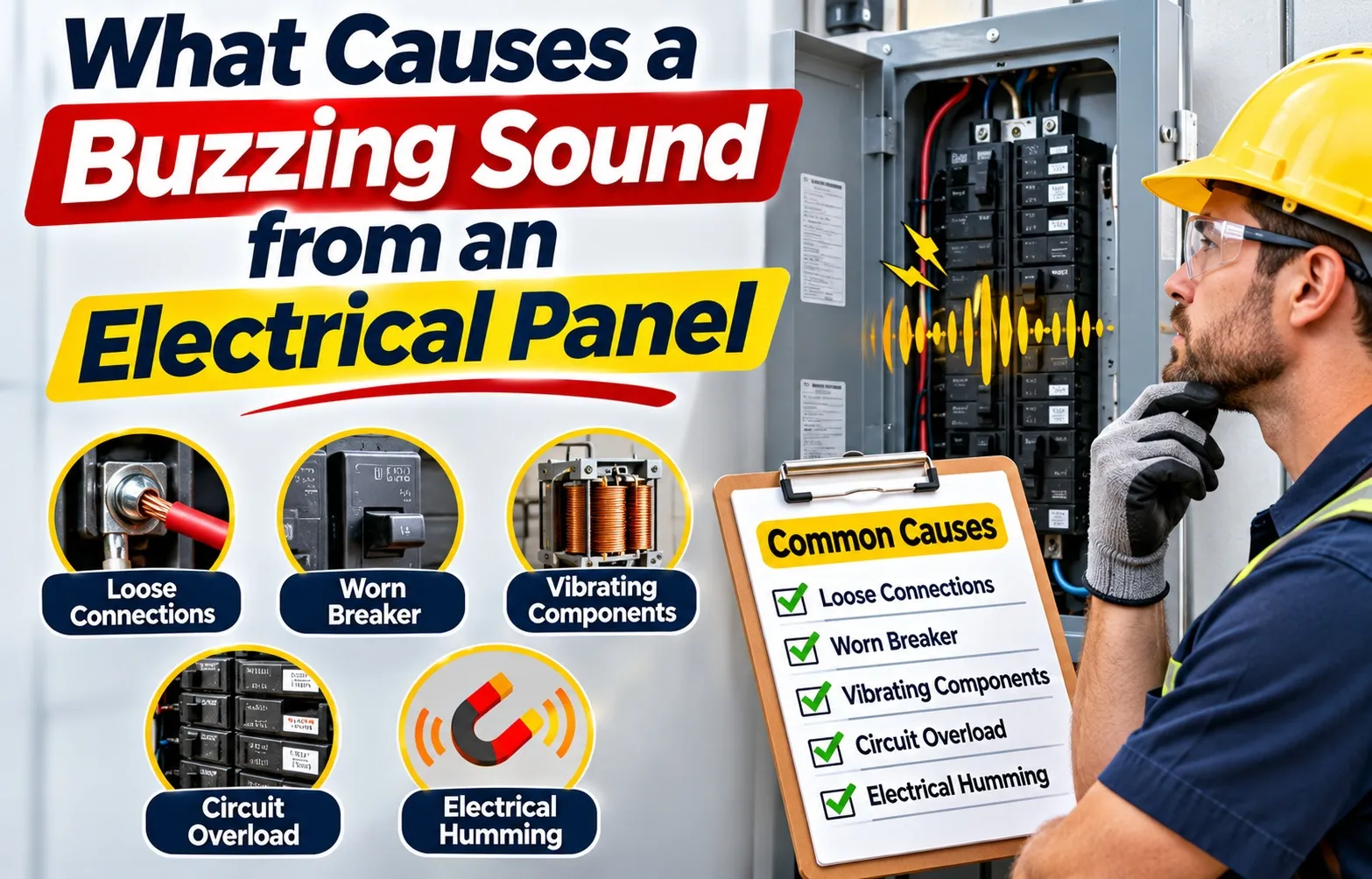 Hearing a buzzing sound coming from your breaker box or main service panel is an urgent indicator that demands immediate attention. While a barely perceptible background hum can occasionally occur under normal operating conditions, a loud, sharp, or sudden buzzing points to mechanical vibration, loose hardware, or dangerous electrical micro-arcing that can quickly escalate into a serious fire hazard.
Is a Buzzing Electrical Panel Dangerous?
Electricity flowing through a properly installed and tightly secured circuit breaker panel should operate silently. When an audible buzz, hum, or crackle develops, it signals that electrical current is encountering resistance or that internal mechanical components are vibrating out of alignment.
- Micro-Arcing and Sparking: Loose terminal connections create microscopic gaps where electrical current jumps, generating extreme localized heat capable of melting wire insulation and igniting surrounding dust or housing materials.
- Accelerated Thermal Expansion: Continuous mechanical vibration causes metal bus bars and screw terminals to expand and contract, worsening the gap and turning a minor loose connection into a critical electrical failure.
- Failed Mechanical Mechanisms: Aging breakers with worn internal springs fail to absorb operational stress correctly, resulting in persistent buzzing and loss of overcurrent protection.
Normal 60Hz Hum vs. Alarming Electrical Buzz
Homeowners must accurately evaluate the nature of the sound to determine whether the situation requires continuous monitoring or an immediate emergency response governed by strict safety warning protocols.
- The Benign 60Hz Alternating-Current (AC) Hum: A very quiet, low-frequency hum that is strictly localized and only audible when pressing your ear directly against the metal enclosure. This is standard electromagnetic vibration from alternating current and is entirely normal.
- The Alarming Electrical Buzz, Sizzle, or Crackle: A prominent, aggressive noise audible from several feet away or across the room. This demands an immediate safety shutdown of heavy appliances and prompt professional intervention.
5 Main Reasons Your Circuit Breaker Panel is Buzzing
Identifying the exact root cause of an electrical panel noise is critical for home safety. Buzzing sounds typically stem from mechanical vibrations or failing electrical connections under stress within the breaker box assembly.
1. Loose Circuit Breaker Connections and Terminal Screws
Loose terminal screws and breaker clips are among the most frequent culprits behind an audible electrical buzz. When hardware loosens over time, electrical current faces increased electrical resistance across the joint, causing micro-sparks and localized heating.
- Micro-Arcing: Tiny electrical arcs jump across microscopic gaps, producing a distinct buzzing or sizzling sound.
- Hardware Fatigue: Vibrations from normal household power usage gradually back out unsecured terminal screws.
- Component Damage: Unchecked loose connections can rapidly melt wire insulation and scorch breaker housings.
2. Overloaded Circuits and Heavy Appliance Draw
Drawing excessive current through a single circuit forces components to operate beyond their rated threshold, creating thermal and mechanical stress. This overcurrent condition causes internal wires and breaker mechanisms to vibrate audibly under heavy electrical loads.
- High-Draw Equipment: Running heavy appliances like air conditioners, space heaters, or clothes dryers strains the circuit.
- Thermal Expansion: Rapid heating and cooling cycles from excess current cause metal components to expand, warp, and buzz.
3. Worn-Out or Failing Internal Breaker Springs
Circuit breakers rely on precise internal mechanical springs to snap open and closed instantly. When these springs wear out, lose their tension, or become fatigued from age, they fail to hold internal contacts firmly together, resulting in a persistent humming noise.
- Mechanical Chatter: Loose internal contacts vibrate at 60Hz frequency against each other instead of locking tightly.
- Compromised Tripping: Worn breakers may fail to trip properly during a genuine electrical fault, creating significant safety risks.
4. Dangerous Electrical Arc Faults
An electrical arc fault occurs when electricity unintentionally discharges through damaged wire insulation or faulty connections. This violent sparking generates crackling, sizzling, and sharp buzzing sounds accompanied by dangerous amounts of heat.
- Insulation Breakdown: Frayed, pinched, or aging wires inside or behind the panel invite spontaneous electrical arcing.
- Immediate Fire Risk: Unmitigated arc faults are a leading cause of electrical fires and require immediate professional shutdown.
5. Loose Bus Bars and Aging Panel Infrastructure
The main bus bar is the heavy copper or aluminum spine that distributes power to every breaker in the box. If the mounting bolts or stabs securing the bus bar loosen due to age or structural shifts, the entire infrastructure can vibrate and hum loudly.
- Systemic Vibration: A loose main bus bar transmits a deep, humming rattle across multiple adjacent breakers simultaneously.
- Obsolescence: Older legacy panels often feature degraded mounting assemblies that lose structural integrity over decades of service.
Why Does My Breaker Box Buzz When Specific Appliances Turn On?
When an electrical panel hums only during specific household activities, the issue is typically linked to heavy electrical loads and electromagnetic forces reacting to high power demands. Correlating panel noise with appliance cycles helps pinpoint whether normal motor mechanics or a failing component is to blame.
Buzzing Sound When the AC Compressor Starts
When an HVAC compressor kicks on, it demands a massive surge of starting current across its dedicated branch circuit, causing the corresponding circuit breaker and supply wires to vibrate violently under the sudden inductive load. This high demand forces metal internal components to flex and hum temporarily.
- Inrush Current Spike: An air conditioner can pull up to six times its normal running amperage the exact second the compressor motor engages.
- Magnetic Field Fluctuations: This sudden surge generates intense electromagnetic forces inside the breaker, producing a loud momentary buzz that should fade once the unit settles into normal operation.
- Component Wear: If the buzzing persists long after startup, it usually indicates that the breaker contacts or terminal screws are loose and struggling to handle the high electrical load.
Furnace Blower Motors and Inductive Load Kickback
A furnace blower motor creates an electromagnetic surge—known as inductive load kickback—when its heavy internal copper windings energize, resulting in a temporary mechanical hum or buzz inside the breaker panel. Because heating motors draw substantial power upon startup, they place heavy stress on the wiring.
- Inductive Reactance: Motors use magnetic coils that store and release energy, creating phase shifts and electrical feedback that can cause a subtle vibration in the feeding circuit breaker.
- Cycling Strain: If your furnace cycles on and off frequently, the repetitive thermal and mechanical expansion can gradually loosen the terminal connections inside the panel.
Intermittent vs. Constant Noise Correlated with Amperage Draw
An intermittent buzzing sound that directly mirrors appliance cycles indicates that high amperage draw is stressing a weak connection or a worn breaker, whereas constant humming points to a persistent mechanical issue. Differentiating between these patterns helps determine the severity of the electrical strain.
- Amperage Correlation: Notice whether the buzzing occurs exclusively when high-draw devices like hair dryers, microwaves, or sump pumps run simultaneously.
- Progressive Failure: An intermittent buzz under load often acts as an early warning sign before a weak breaker permanently fails or trips under pressure.
Acoustic Diagnosis: How to Tell What Type of Sound You Are Hearing
Performing a careful acoustic diagnosis of your electrical panel helps homeowners quickly differentiate between harmless background operational sounds and critical electrical hazards. Recognizing the specific acoustic signature of your breaker box determines whether you can monitor the situation safely or need an immediate emergency response.
The Low-Frequency Magnetic Hum (When It Is Normal)
A quiet, low-frequency hum originating from the main panel is usually a benign side effect of alternating current. This safe sound is caused by standard electromagnetic vibration within the metallic core of transformers or tightly wound breakers.
- Acoustic Profile: A steady, soft 60Hz hum audible only when your ear is pressed directly against the closed metal door.
- Verification Check: If the sound does not change when turning on major appliances and cannot be heard from more than a few inches away, it is entirely normal operation.
- Underlying Physics: Alternating electrical current creates minor physical expansion and contraction in steel core laminations at 60 cycles per second.
Noticeable Vibration or Medium Humming (When to Monitor)
When a humming sound becomes loud enough to hear in the immediate hallway or kitchen, it signals that internal components or bus connections are experiencing increased mechanical stress or slight loosening.
- Acoustic Profile: A moderate, continuous hum that fluctuates slightly when high-draw kitchen or laundry appliances operate.
- Verification Check: Note if the vibration corresponds with specific heavy loads like a refrigerator compressor or washing machine cycle, indicating normal inductive load reaction.
- Monitoring Action: Keep a close eye on the panel over the next few days to see if the noise escalates into sharp clicking or buzzing.
Sharp Sizzling, Cracking, or Pop Sounds (Immediate Emergency)
An aggressive sizzling sound, loud popping, or erratic crackling indicates active micro-arcing and immediate electrical danger. These erratic noises mean electrical current is jumping across damaged gaps, generating extreme heat that violates standard National Electrical Safety Guidelines.
- Acoustic Profile: Sharp, erratic popping, frying, or static-like sizzling sounds audible from across the room.
- Verification Check: Check for accompanying warning signs such as a distinct burning odor, warm wall surfaces, or flickering lights throughout the home.
- Emergency Response: Treat this as an urgent fire hazard, shut off the main breaker if safely accessible, and call a professional emergency electrician right away.
What Should You Do If Your Electrical Panel is Making Noise?
Discovering an unexpected sound from your breaker box requires a calm, methodical response that prioritizes personal safety above all else. Knowing exactly which safe troubleshooting steps to take—and understanding where strict DIY limits begin—protects your home from severe electrical risks.
Safe Troubleshooting Steps You Can Take Right Now
Before calling for professional help, you can perform safe, non-invasive observations to gather helpful diagnostic details without ever opening or touching the electrical enclosure.
- Isolate Heavy Appliances: Turn off major high-draw electronics or appliances like your air conditioner, furnace, or dryer to see if the buzzing sound immediately stops or changes pitch.
- Document the Behavior: Note whether the noise occurs continuously, only when a specific room’s lights are on, or intermittently throughout the day.
- Perform a Sensory Check: Check if the wall surrounding the panel feels unusually warm to the touch or if you notice any faint burning odors nearby.
What NOT to Do: Never Remove the Panel Dead Front Cover
Safety regulations strictly prohibit homeowners from removing the dead front cover of an electrical panel. Exposing the interior components of a live breaker box invites catastrophic electrocution, severe burns, and explosive arc-flash hazards.
- Never Insert Tools: Never push screwdrivers, flashlights, or any other objects into gaps or slots around the breakers.
- Avoid DIY Tightening: Do not attempt to tighten terminal screws or tamper with internal wiring yourself, even if the power appears to be off.
- Recognize Limits: A breaker panel houses uninsulated live bus bars carrying lethal voltages directly from the utility grid.
When to Call a Licensed Emergency Electrician
If the buzzing noise is loud, persistent, or accompanied by physical warning signs, you must execute a safe main breaker shutdown if accessible and immediately contact a licensed emergency electrician to inspect the system.
- Advanced Diagnostic Tools: Professionals utilize advanced tools like thermal camera diagnostics to detect hidden heat signatures, loose internal connections, and failing breakers safely behind closed doors.
- Comprehensive Evaluation: A certified technician provides an accurate professional diagnosis and performs necessary component replacements or panel upgrades to eliminate fire risks.
- Emergency Triggers: Call a pro immediately if you smell burning plastic, see scorch marks, or hear loud crackling or sizzling sounds coming from the box.
Frequently Asked Questions About Electrical Panel Buzzing
Homeowners frequently encounter specific scenarios regarding panel noise, load shifts, and component failure. Exploring these common questions helps clarify when a sound requires professional intervention versus routine monitoring.
Is it a fire hazard if the circuit breaker hums when the furnace runs?
A humming circuit breaker when your furnace kicks on is usually a normal reaction to the high starting amperage of the blower motor, but it can escalate into a severe fire hazard if loose connections cause hidden resistance heating. Furnace motors pull heavy inductive loads that stress branch circuits every time they cycle.
- Normal Operation vs. Risk: A brief hum during motor startup is common, but a continuous loud buzz indicates that the breaker or terminal wire is overheating under pressure.
- Thermal Damage: Continuous high-amperage stress can degrade wire insulation over time, making prompt professional inspection essential if the hum persists.
How can you tell if a 15-amp circuit breaker is bad?
You can identify a failing 15-amp circuit breaker by recognizing physical symptoms like a warm faceplate, a loose toggle switch, frequent unexpected tripping, or a persistent internal buzz pointing to a faulty breaker mechanism. When internal springs lose tension, the breaker fails to maintain a solid electrical connection.
- Physical Indicators: Look for discoloration, a melting plastic odor, or scorch marks directly on or around the individual breaker switch.
- Operational Failures: A breaker that refuses to reset or trips immediately under normal household loads has likely suffered internal mechanical failure.
Why is my breaker box buzzing louder at night?
A breaker box often appears to buzz louder at night primarily due to reduced background household noise and nighttime grid load variation, where electric utility providers supply slightly elevated voltage levels to balance lower overall neighborhood demand. Higher utility voltage increases electromagnetic core vibration within transformers and breakers.
- Acoustic Masking: Daytime ambient sounds like traffic, appliances, and conversation easily mask minor 60Hz panel hums that become noticeable in quiet evening hours.
- Grid Voltage Shifts: When total community power demand drops overnight, incoming line voltage can rise slightly, forcing panel components to vibrate more intensely.

Oscar Vance | Master Plumber & Drainage Expert
Meet Oscar Vance, a licensed master plumber sharing practical solutions on residential repairs, preventive maintenance, and thoughtful home upkeep.