Can a General Contractor Do Electrical Work?
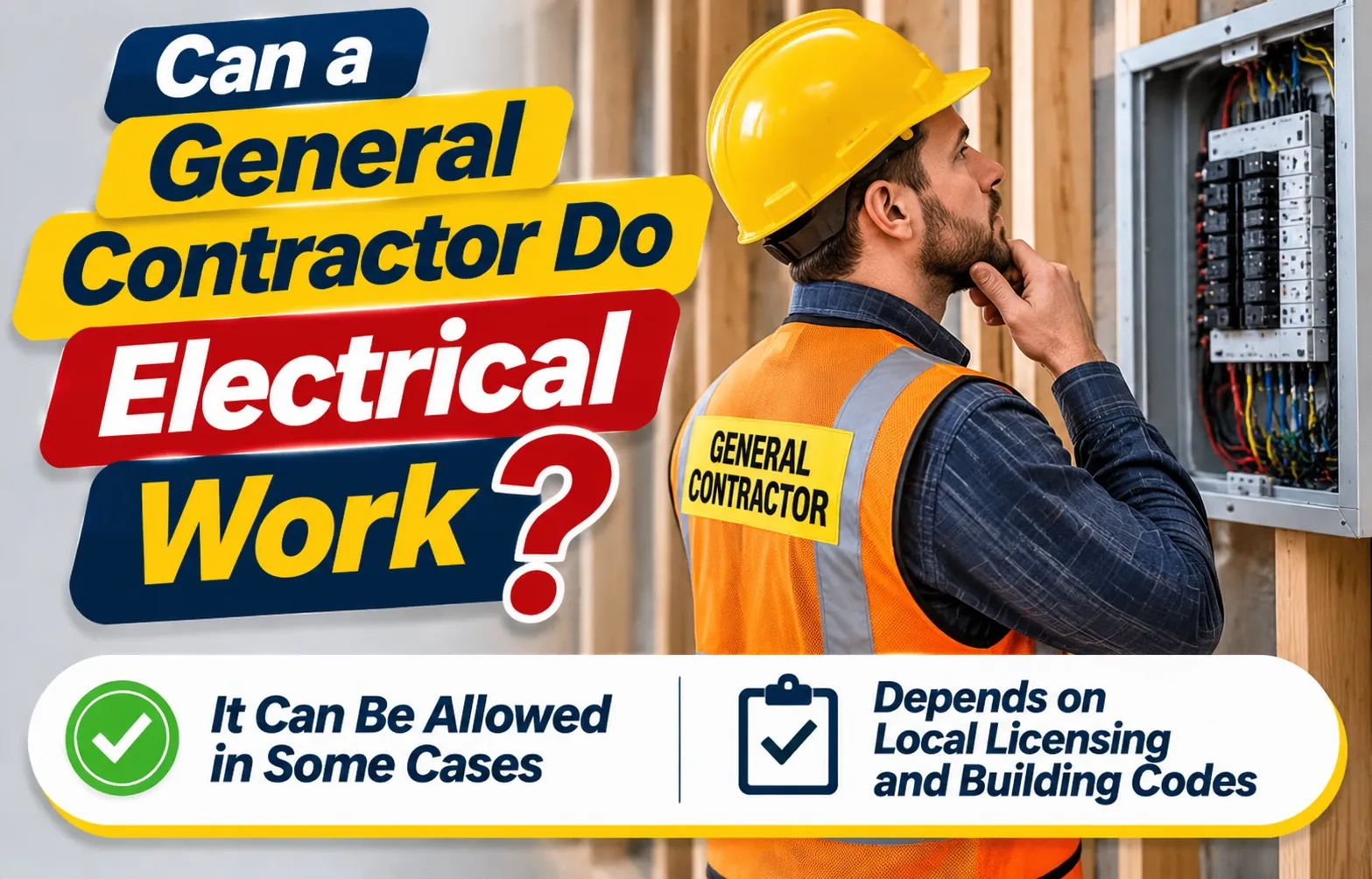 Generally, a general contractor cannot legally perform significant electrical work unless they hold a separate, specialized electrical contractor license. While general contractors manage the overall scope of a construction or remodeling project, state licensing boards strictly separate general building permits from electrical trade authorizations to maintain structural and fire safety standards.
Can a General Contractor Do Electrical Work?
In most residential and commercial jurisdictions, general contractors are legally restricted from handling complex wiring, electrical panel upgrades, or high-voltage installations. These tasks require a licensed electrician who has completed specialized technical training and passed rigorous trade examinations. Attempting major electrical modifications without proper credentialing violates local building codes and municipal regulations.
- General contractors oversee multi-trade scheduling, project management, and general construction.
- Specialized electrical work demands a certified electrician or dual-licensed professional.
- Minor cosmetic replacements sometimes fall under specific local building license allowances, though rules vary widely.
Why Licensing Boundaries Matter in Home Remodeling
Strict division between general contracting and electrical contracting protects homeowners from severe electrical hazards, code violations, and costly project delays. Municipal inspectors require trade-specific permits to ensure that every circuit, outlet, and fixture complies with national safety standards. Bypassing these regulatory boundaries exposes property owners to failed inspections, red-tagged projects, and denied insurance claims in the event of an electrical failure.
- Protects residential properties against faulty wiring and potential fire hazards.
- Ensures seamless passage through municipal building inspections and code reviews.
- Preserves the validity of manufacturer warranties and homeowners insurance coverage.
What Electrical Work Can a General Contractor Legally Do?
Understanding the exact legal boundaries between general contracting and specialized electrical work prevents costly code violations, failed inspections, and severe safety hazards. While general contractors manage comprehensive home remodeling projects, their authority to handle electrical components depends heavily on state licensing regulations, local municipal codes, and the specific scope of work involved.
Minor Incidental Work and Cosmetic Swaps
In select jurisdictions and under specific licenses, such as a Class B general building license, a general contractor may perform very basic or incidental tasks. These allowances typically cover simple cosmetic replacements that do not alter the underlying electrical circuit infrastructure or increase electrical load.
- Swapping out existing standard light fixtures with identical or direct-replacement units.
- Replacing worn wall plates, standard light switches, or basic electrical outlets.
- Executing minor maintenance tasks permitted under specific regional residential remodeling statutes.
Major Electrical Systems (Where GCs Must Stop)
General contractors are strictly prohibited from performing major electrical modifications, installations, or structural wiring. Because these tasks directly impact electrical load and structural safety, state building authorities require certified electricians to handle high-risk systems.
- Installing new dedicated circuits or running wiring behind finished walls.
- Upgrading electrical service panels, subpanels, or main breaker boxes.
- Wiring high-voltage systems such as Level 2 EV chargers, central HVAC units, or heavy kitchen appliances.
The General Contractor vs. Licensed Electrician Comparison Table
Can a General Contractor Pull an Electrical Permit?
Navigating building permits and municipal inspections is one of the most critical steps during any residential renovation or remodeling project. While general contractors routinely secure overarching structural building permits, their authority to pull specialized trade permits—particularly for complex wiring or panel upgrades—depends entirely on state statutes and local municipal regulations.
Master Permits vs. Trade-Specific Permits
Most municipal building departments distinguish clearly between general structural permits and specialized trade authorizations. A master building permit covers overall construction milestones, but electrical work typically requires a separate, trade-specific permit issued to a licensed electrical contractor.
- General contractors can pull primary structural and remodeling permits for overall project execution.
- Electrical permits generally mandate verification of an active electrical contractor license or a specialized dual credential.
- Subcontracting licensed electricians ensures that trade-specific permits are legally filed under the appropriate professional credentials.
Local Municipal Rules and State Variations (Washington & California Context)
Permitting laws vary dramatically across different state lines and local city jurisdictions. For instance, the California State License Board (CSLB) enforces strict guidelines regarding specialty trades, whereas agencies like Washington L&I impose rigorous licensing requirements on who can sign off on electrical installations.
- Local municipalities enforce adherence to the National Electrical Code (NEC) during every phase of inspection.
- State-specific labor and industries departments audit job sites to confirm that correct trade permits match the actual work performed.
- Municipal building inspectors have the legal authority to reject permits pulled by unqualified or improperly licensed contractors.
What Happens If Work Proceeds Without the Correct Permit?
Initiating or completing electrical installations without securing the proper trade permits carries severe legal, financial, and safety consequences. Municipal inspectors routinely issue stop-work orders or red-tag unpermitted installations, forcing property owners to tear open finished walls for compliance reviews.
- Unpermitted electrical modifications can result in heavy municipal fines and mandatory code correction penalties.
- Future home sales face significant delays or failed escrows due to missing electrical permit records.
- Home insurance providers may deny coverage or payout claims if a fire originates from unpermitted or unlicensed wiring work.
The Hidden Risks and Liabilities of Unlicensed Electrical Work
Allowing unqualified individuals or general contractors without specialized electrical credentials to perform complex wiring introduces severe legal and financial vulnerabilities. Beyond failing to meet standard building requirements, unverified electrical modifications directly compromise household safety and leave property owners entirely unprotected when liabilities arise.
Voided Homeowners Insurance Policies
Property insurance agreements explicitly require all structural and mechanical alterations to comply with local building codes and be executed by certified professionals. If an electrical fire or surge causes property damage and investigators discover that unlicensed or unpermitted wiring was installed, insurance carriers frequently deny claims and void coverage entirely.
Insurance claims resulting from faulty wiring or unpermitted modifications are subject to immediate rejection.
Policyholders may face canceled coverage or significantly higher premiums following a code violation discovery.
Homeowners assume 100% of the financial liability for property restoration and personal injury damages.
Failed Municipal Inspections and Red Tags
Municipal building inspectors examine remodeling projects at critical milestones to verify adherence to safety regulations. When electrical installations lack proper trade permits or fail to meet national standards, inspectors issue red tags, halting all construction progress until licensed professionals rectify the infractions.
Red-tagged projects bring multi-trade remodeling schedules to a complete, costly standstill.
Rectifying code violations often requires tearing out finished drywall, subflooring, and cabinetry to access faulty wiring.
Homeowners must pay additional municipal re-inspection fees and hire emergency licensed electricians to fix non-compliant work.
Safety Hazards and Fire Risks
Electricity demands precise adherence to load calculations, wire gauge ratings, and grounding protocols. Unlicensed modifications, overloaded circuits, and improper connections dramatically increase the risk of electrical arcs, short circuits, and devastating structural fires that threaten human life.
Faulty connections and improper wire sizing generate excessive heat behind finished walls.
Non-compliant installations create chronic shock hazards for residents and future occupants.
Hidden electrical degradation can remain undetected for months before culminating in catastrophic failure.
The Owner-Builder Loophole and Subcontracting Realities
Navigating home improvement projects often tempts property owners to explore legal shortcuts, such as pulling an owner-builder permit to bypass trade restrictions. Understanding how these exemptions work, along with proper subcontractor management, is essential to protecting your project from severe legal and financial liabilities.
Can a Homeowner Pull Their Own Permit and Let the GC Wire?
An owner-builder exemption allows property owners to pull permits and perform construction work on their own primary residence without a general contractor license. However, utilizing this exemption just to let a non-licensed general contractor perform electrical work is illegal in most jurisdictions and violates state licensing laws.
- Owner-builder permits legally require the property owner to personally perform the work or directly supervise unpaid labor.
- Allowing a hired general contractor or unlicensed worker to execute electrical installations under an owner-builder permit constitutes permit fraud.
- Municipal building departments strictly penalize fraudulent owner-builder filings upon discovering that commercial contractors completed the labor.
Who Holds the Liability When Subcontracting an Electrician?
When a general contractor manages a renovation, proper subcontractor agreements dictate who carries responsibility for trade-specific work. If a GC hires an independent, licensed electrical subcontractor, liability and warranties are clearly divided between the parties involved.
- Licensed electrical subcontractors carry their own specialized bond and liability insurance for the trade work performed.
- General contractors oversee scheduling and project management but cannot waive the statutory requirement for independent electrical licensing.
- Comprehensive subcontractor agreements ensure that warranties and compliance guarantees remain directly tied to the licensed electrical professional.
How to Protect Your Project: A Vetting Checklist for Homeowners
Safeguarding your home remodeling investment requires proactive vetting before signing any construction agreement. Establishing clear legal boundaries, verifying credentials in writing, and confirming trade responsibilities protect you from structural liabilities and ensure full compliance with municipal building codes.
Step 1: Verify Dual Licensing Status
Before hiring a general contractor for a project involving electrical modifications, check their official state licensing board records to confirm their exact classification. Ensure that any contractor claiming to handle electrical work holds both a general building license and a valid, active electrical contractor certification.
- Search state licensing databases online to confirm active license status and check for any past disciplinary actions.
- Request physical copies of both general liability insurance certificates and specific trade bonding documents.
- Confirm that the contractor’s credentials match the exact scope of mechanical and electrical work outlined in your project proposal.
Step 2: Demand Separate Subcontractor Contracts
Never rely on verbal assurances that qualified electricians will handle specialized wiring. Insist on clear, itemized contracts that explicitly name the licensed electrical subcontractor responsible for executing and warranting the electrical portion of the renovation.
- Review the primary construction agreement to ensure independent electrical subcontractor fees and scopes are clearly delineated.
- Verify that the electrical subcontractor provides a direct workmanship warranty alongside the general contractor’s project guarantee.
- Ensure all agreements specify that all wiring will strictly adhere to current National Electrical Code (NEC) standards.
Step 3: Confirm Permit Responsibilities in Writing
Permit acquisition and municipal sign-offs should never be left to informal verbal agreements. Your contract must explicitly state who is legally responsible for pulling trade permits, scheduling municipal inspections, and paying associated regulatory fees.
- Explicitly outline in the contract terms that the responsible party will secure all mandatory electrical permits prior to starting work.
- Include a clause requiring the contractor to provide copies of approved municipal inspection certificates upon project completion.
- Withhold final financial disbursements until all trade permits are officially closed out and signed off by local building inspectors.

Oscar Vance | Master Plumber & Drainage Expert
Meet Oscar Vance, a licensed master plumber sharing practical solutions on residential repairs, preventive maintenance, and thoughtful home upkeep.