How Many HVAC Systems Are Installed Incorrectly?
 According to field research highlighted by the U.S. Department of Energy Building Technologies Program and Energy Star studies, between 65% and 90% of residential HVAC systems are installed with significant performance-compromising errors. These installation defects severely degrade equipment operating efficiency, accelerate premature system failure, and elevate monthly utility bills.
The Shocking Reality of HVAC Installation Failures
Most homeowners assume buying a premium, high-SEER heating and cooling brand guarantees optimal performance. However, extensive field testing reveals that the quality of the installation matters vastly more than the brand name stamped on the cabinet.
An improperly installed residential AC system forced to operate under flawed conditions can lose up to 30% of its rated efficiency from day one. Common installation defects that plague modern homes include:
- Improper System Sizing: Oversizing or undersizing units by skipping precise Manual J heat gain and loss calculations.
- Refrigerant Charge Errors: Overcharging or undercharging refrigerant lines, leading to compressor burnout and uneven cooling.
- Airflow Bottlenecks: Undersized ductwork or poor return-air design causing severe static pressure imbalances.
- Duct Leakage: Unsealed joints that leak conditioned air into unconditioned attics, basements, or crawl spaces.
Even high-efficiency, multi-stage equipment will perform like a lower-tier model if fundamental commissioning steps are skipped. Protecting your investment requires verifying that your contractor follows strict installation standards rather than relying on equipment brand reputation alone.
The Hard Statistics: Breaking Down the 65%–90% Failure Rate
Understanding why installation statistics range so widely from the official Department of Energy baseline of 65% up to 90% in independent field audits requires looking at how systems are evaluated. While federal estimates focus primarily on sizing and major efficiency mismatches, comprehensive field inspections uncover a vast array of hidden configuration faults that compromise overall system performance.
DOE & Energy Star Research Data
Government and utility studies consistently demonstrate that standard residential installations fail to meet factory-certified performance metrics. When technicians bypass rigorous system evaluation steps, high-efficiency SEER ratings become entirely theoretical rather than functional realities.
Inspections typically categorize installation flaws into two distinct tiers:
- Minor Installation Oversights: Minor insulation gaps, unsealed line set joints, or slightly miscalibrated blower speeds that lead to minor efficiency degradation.
- Critical System-Failing Errors: Severe refrigerant mischarges, omitted load calculations, catastrophic static pressure imbalances, and leaking duct systems that prematurely destroy equipment.
Field Studies vs. Reality: Why Is the Error Rate So High?
Industry discussions and field observations among professional technicians reveal a troubling reality behind why up to 90% of installations flag defects. Competitive market pressures often force residential contractors to cut corners to maximize daily installation volume.
Common contractor shortcuts and industry pitfalls driving these failure rates include:
- Lowest-Bidder Pricing: Contractors bidding unrealistically low must rush through installations in a few hours, skipping vital verification steps.
- Rule-of-Thumb Guessing: Relying on outdated square-footage estimates instead of performing accurate load calculations.
- Skipping Commissioning Testing: Neglecting final static pressure measurements, airflow performance diagnostics, and precise system commissioning checks before departure.
The 5 Most Common HVAC Installation Errors
Executing a flawless installation requires strict adherence to physical and engineering standards. When technicians cut corners or rely on guesswork, mechanical components fail prematurely, efficiency drops sharply, and indoor air quality suffers across the entire home.
1. Skipping Manual J & Manual D Calculations (Incorrect System Sizing)
Guessing unit tonnage based purely on square footage remains one of the most widespread industry mistakes. Proper sizing requires an ACCA Manual J heat load calculation alongside an ACCA Manual D duct design assessment to account for insulation levels, window orientation, and ceiling heights.
Sizing errors trigger two distinct operational problems:
- Oversized Systems: Cool or heat space too quickly, leading to short-cycling. This prevents the system from running long enough to dehumidify the air, resulting in clammy conditions and mold growth.
- Undersized Systems: Run continuously during peak outdoor temperatures, failing to reach setpoints while subjecting components to excessive friction and premature wear.
2. Improper Refrigerant Charging (Overcharged or Undercharged Lines)
Precision refrigerant metering is critical for thermodynamic efficiency. Installers must calculate subcooling and superheat levels using digital manifold gauges and outdoor ambient temperatures rather than estimating line pressures.
- Undercharged Lines: Force liquid refrigerant to boil off too early in the evaporator coil, causing ice buildup, restricted airflow, and reduced cooling capacity.
- Overcharged Lines: Send unvaporized liquid refrigerant back into the compressor, causing hydraulic lock and liquid slugging that destroys the compressor valves.
3. Flawed Ductwork Design & Severe Air Leaks
Even a perfectly charged compressor cannot compensate for inadequate distribution channels. Unsealed joints, crushed flexible ducts, or sharp transitions create severe static pressure resistance and air leakage into unconditioned attics or crawl spaces.
Restricted return ducts starve the air handler, forcing blower motors to work harder while pulling unfiltered dust and moisture directly into the HVAC system from building cavities.
4. Incorrect Blower Fan Speed & Static Pressure Setup
Modern ECM blower motors require precise speed tap configuration based on the total external static pressure (TESP) of the duct system. Technicians must measure static pressure across the coil and filter using a digital manometer during startup.
If static pressure exceeds manufacturer thresholds, airflow drops below the necessary cubic feet per minute (CFM) per ton. This leads to frozen evaporator coils, high electrical draw, and premature blower motor burnout.
5. Bypassing System Commissioning & Electrical Safety Checks
Final commissioning validates that all mechanical and electrical parameters match factory engineering specs. Too many installers turn on the system, confirm cold air is blowing, and leave without verifying actual system performance.
Proper commissioning requires measuring operating amp draws on the compressor and blower, testing safety float switches to prevent condensate overflow, and verifying correct thermostat wiring and staging sequences.
Industry Rules Demystified: The $5,000 Rule & The 20% Rule
Navigating HVAC maintenance and efficiency decisions often comes down to industry rules of thumb. Understanding these guidelines helps homeowners decide whether to repair an aging unit damaged by bad installation or upgrade to a properly commissioned system.
What Is the $5,000 Rule for HVAC Systems?
The $5,000 rule HVAC decision framework helps evaluate the financial viability of a repair versus a full system replacement. When an improperly installed unit suffers a major component failure—such as a burnt-out compressor or cracked heat exchanger—this formula determines if repair costs make financial sense.
The evaluation formula is straightforward:
- Index Value Over $5,000: Replacement is strongly recommended over repair, especially if initial installation errors caused the failure.
- Index Value Under $5,000: Repairing the system is generally economical, provided underlying installation faults are corrected simultaneously.
What Is the 20% Rule in HVAC Energy Consumption?
The 20 percent HVAC rule highlights the hidden financial penalty of sub-optimal installation quality and ductwork design. Industry metrics show that a system suffering from poor duct sealing, incorrect refrigerant charge, or improper airflow automatically wastes between 20% and 30% more energy than a properly calibrated system.
This severe energy loss manifests in several distinct ways:
- Unexplained Utility Bill Spikes: Higher monthly electric bills despite consistent thermostat settings and usage habits.
- Shortened Equipment Lifecycle: Motors and compressors working 20% to 30% harder to maintain comfort levels, leading to premature breakdown.
- Reduced Heating & Cooling Capacity: Up to a third of total conditioned air escaping into unconditioned spaces before reaching indoor living zones.
Legal Rights & Contractor Liability: Can You Sue for Bad Installation?
Homeowners dealing with a botched HVAC installation face significant financial risk, as improper work can void equipment protection and compromise household safety. Understanding contractor liability and your legal remedies is critical when poor workmanship leads to severe system failures or property damage.
Contractor Liability vs. Manufacturer Warranties
A common misconception among homeowners is that a manufacturer warranty covers any equipment failure occurring shortly after installation. In reality, HVAC manufacturers strictly distinguish between component defects and installation errors.
Key warranty and liability distinctions include:
- Manufacturer Warranties: Cover factory defects in internal parts (e.g., coils or compressors), but explicitly exclude coverage for damages caused by poor workmanship, improper sizing, or incorrect refrigerant charging.
- Contractor Liability: Holds the installing company financially responsible for labor errors, voided manufacturer warranties, building code non-compliance, and secondary damage caused by improper setup.
When Bad HVAC Work Crosses Into Legal Action
Not every minor dispute justifies formal legal proceedings, but severe failure on the contractor’s part creates clear grounds for legal recourse. Homeowners typically pursue claims based on specific legal causes of action:
- Breach of Contract: Occurs when the contractor fails to deliver specified services, skips mandatory commissioning steps, or fails to install agreed-upon equipment models.
- Building Code Violations: Involves failing to pull required municipal permits, ignoring safety venting standards, or violating local electrical code requirements.
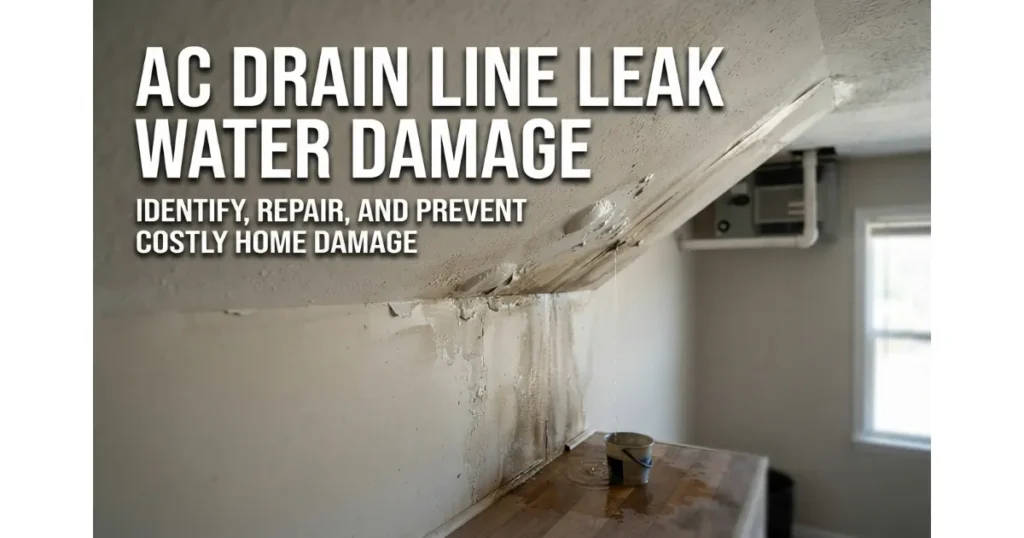
- Property Damage & Safety Hazards: Entails structural damage, mold growth from unvented condensate drains, water damage, or electrical fires resulting from faulty wiring.
- Gross Negligence: Involves reckless disregard for standard industry safety practices, leading to carbon monoxide hazards or dangerous gas line leaks.
Steps to Resolve HVAC Installation Disputes
Before taking a contractor to court, following a structured escalation path builds a strong paper trail and improves your chances of obtaining compensation:
- Request a Third-Party HVAC Inspection: Hire an independent, NATE-certified contractor to conduct a thorough diagnostic audit and issue a written report detailing all installation defects.
- Send a Certified Letter to the Contractor: Mail a formal demand letter outlining the documented defects, attached inspection report, required corrective actions, and a strict deadline for resolution.
- File a Complaint with the State Licensing Board: Report contractor negligence, code violations, or unpermitted work directly to your state contractor licensing board or department of consumer protection.
- Pursue Small Claims or Legal Action: Seek monetary damages through small claims court for repair costs, or consult an attorney for higher-value property damage and breach of contract lawsuits.
The Post-Installation Homeowner Checklist
Never sign off on final payment or let the installation crew pack up their tools until you have independently verified the quality of their work. Conducting a thorough pre-payment audit protects your investment and ensures your new equipment operates safely and efficiently.
7 Things to Verify Before Your Installer Leaves
A systematic review of documentation, physical connections, and operational parameters prevents costly callbacks and protects your manufacturer warranties. Use this detailed checklist before the technician departs:
- Ask for Written Manual J Load Calculation Sheet: Request proof that the equipment tonnage was sized based on home insulation, window orientation, and square footage rather than rule-of-thumb guesswork.
- Confirm Static Pressure Test Readings on Commissioning Report: Ensure the technician measured total external static pressure and recorded the final numbers on your official commissioning report.
- Inspect Refrigerant Line Insulation and Condensate Drain Trap Line: Check that outdoor suction lines are completely insulated without gaps and that condensate drain lines feature properly primed traps with downward pitch.
- Test Supply Airflow Balance in Distant Rooms: Walk through far-reaching bedrooms and living spaces to verify that adequate supply airflow is reaching every corner of the house.
- Check Return Air Grill Noise and Filter Sizing: Listen closely for whistling or excessive noise, which often indicates restricted return air grilles or an incorrectly sized air filter.
- Verify Thermostat Setup and Stage-Heating/Cooling Calibration: Confirm that multi-stage equipment or heat pumps are wired correctly and calibrated to prevent auxiliary heat from kicking on prematurely.
- Review Labor Warranty vs. Manufacturer Parts Warranty Paperwork: Obtain signed documentation detailing your contractor’s labor guarantee alongside registered manufacturer parts warranties before final payment.
Frequently Asked Questions
Addressing key consumer queries around installation quality, equipment longevity, and pricing helps clarify common industry misconceptions before making a purchasing decision.
What percentage of HVAC installs are done incorrectly?
Field studies from the U.S. Department of Energy and independent industry audits confirm that 65% to 90% of residential HVAC installations contain significant performance errors. Common issues include improper refrigerant charge, unsealed ductwork, restricted airflow, and oversized equipment that compromise overall efficiency.
What is the number one problem with HVAC systems?
Poor installation quality is the leading root cause of recurring HVAC failures, accounting for most premature compressor burnouts, short-cycling, and energy waste. When fundamental setup steps like load calculations and static pressure testing are skipped, even premium systems suffer frequent breakdowns.
What brand of HVAC is the most reliable?
Installation quality impacts long-term reliability far more than brand reputation. Major manufacturers—including Trane, Carrier, Lennox, and Goodman—build durable equipment, but any top-tier brand will fail prematurely, suffer frequent breakdowns, and lose energy efficiency if installed incorrectly or under improper airflow conditions.
How much does a properly installed HVAC system cost for a 2,000 sq ft house?
In 2026, a properly sized and fully commissioned HVAC replacement for a 2,000 square foot home typically ranges from $7,500 to $14,000. Total pricing depends on system efficiency (SEER2 rating), ductwork modifications, permits, and whether specialized labor controls like Manual J load calculations are included.
Conclusion: Protecting Your HVAC Investment
An improperly installed HVAC system is a silent financial drain, costing thousands of dollars over its lifespan in inflated energy bills, constant repairs, and premature replacement. Research proves that equipment longevity and efficiency depend heavily on precision installation work rather than brand reputation alone.
Prioritizing Quality Installation Over the Lowest Bid
Protecting your home investment requires shifting focus from finding the absolute lowest price to choosing qualified, meticulous technicians. Taking proactive verification steps during the hiring and installation phase ensures lasting comfort and lower operating costs.
Key strategies for guaranteeing long-term system success include:
- Hire a NATE-Certified Technician: Partner with licensed, certified contractors who commit to standard industry practices, including Manual J heat load calculations and static pressure verification.
- Demand Full Commissioning Reports: Ensure your contractor completes comprehensive testing of refrigerant charge, airflow, and electrical parameters before signing off on final payment.
- Focus on Long-Term Energy Savings: Avoid low-bid contractors who cut corners during setup, as short-term labor savings are quickly erased by long-term energy waste and early component failure.

Oscar Vance | Master Plumber & Drainage Expert
Meet Oscar Vance, a licensed master plumber sharing practical solutions on residential repairs, preventive maintenance, and thoughtful home upkeep.