 Understanding Your Home’s Plumbing System Basics
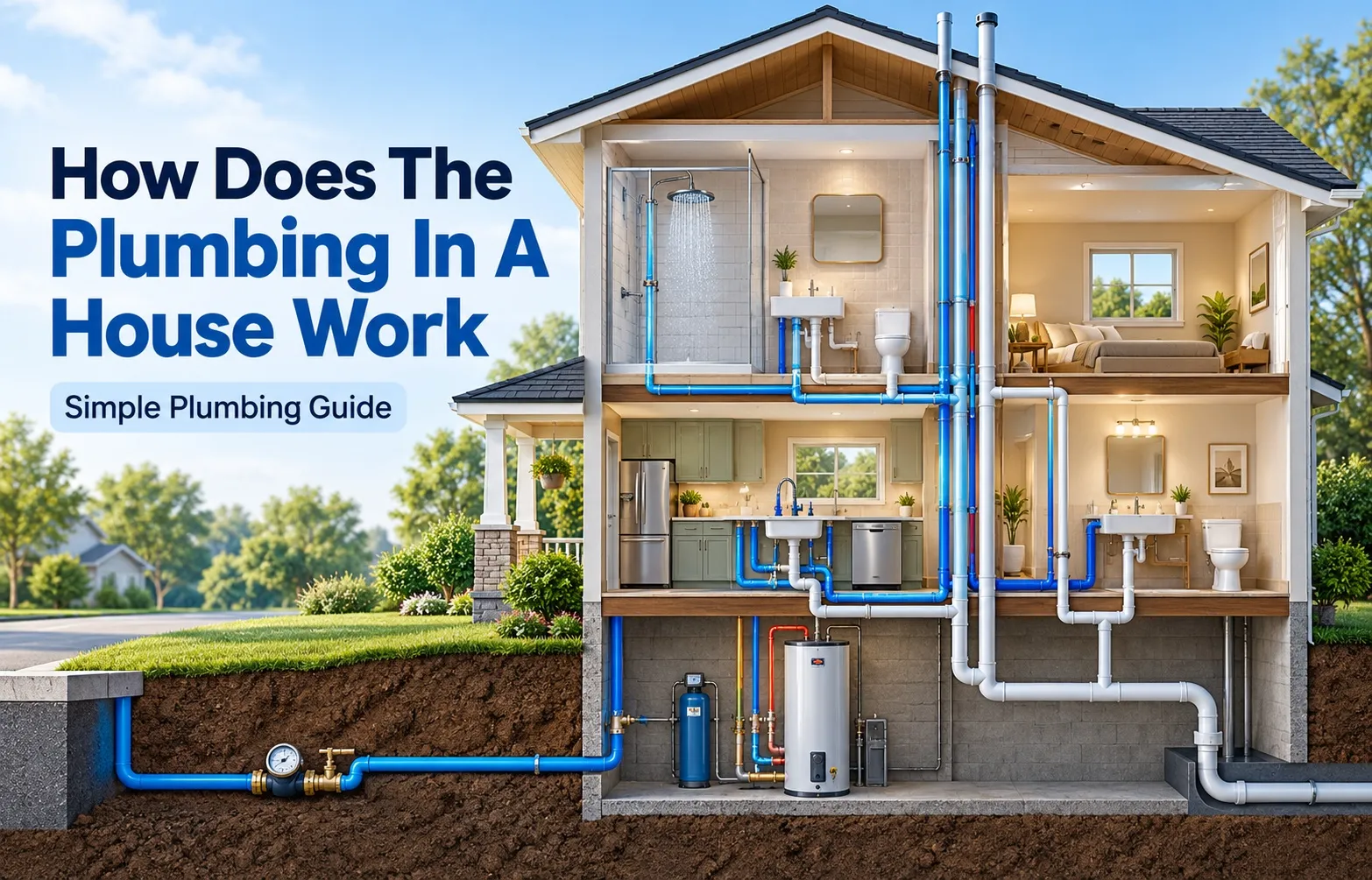
Residential plumbing may look like an intimidating maze of hidden metal and plastic pipes, but home plumbing architecture is actually built on two completely separate, independent networks. At its core, a house’s plumbing infrastructure relies entirely on bringing clean, pressurized water in and safely removing used wastewater down using gravity.
The Two-Part System: Fresh Water In, Wastewater Out
The entire network of residential plumbing is divided into two distinct, non-overlapping subsystems that never cross paths. One side handles clean water distribution under high pressure, while the unpressurized drainage side relies entirely on gravity and proper airflow to clear out waste.
Keeping these two loops completely separated is essential for health, safety, and operational efficiency. Understanding how these pathways function demystifies household maintenance entirely.
- The Fresh Water Supply Loop: Delivers clean, potable water under constant municipal or well pressure directly to faucets, showers, and appliances.
- The Drain-Waste-Vent (DWV) Loop: Uses gravity, large-diameter pipes, and roof vent stacks to swiftly carry away used water and harmful sewer gases.
The Human Body Analogy: How Plumbing Actually Works
Comparing residential plumbing to the human body offers the easiest way to grasp basic mechanics without getting bogged down in engineering jargon. Just like human anatomy, a house requires a dedicated circulatory network for vital resources and a separate elimination pathway to remove waste cleanly.
This biological comparison illustrates how seamless modern home infrastructure operates behind walls and beneath floors every single day.
- The Circulatory System: Mirrors the supply pipes that pump pressurized, clean water to every room that needs hydration or cleaning capability.
- The Digestive System: Acts identically to the drain pipes and waste stacks that collect, process, and expel liquid and solid byproducts out of the building.
- The Respiratory Balance: Corresponds to the roof vent pipes that regulate internal air pressure, ensuring smooth liquid flow without vacuum lock or siphoned traps.
System 1 – The Fresh Water Supply System (Under Pressure)
The fresh water supply system is a pressurized network that delivers clean, potable water from its source directly to every fixture and appliance in your home. It operates under continuous pressure so that clean water instantly sprays or flows the moment you open a valve.
Where Water Begins: Municipal Mains vs. Private Wells
Clean water enters your residential property from one of two primary sources: a public municipal water main or a private underground well system. Municipal networks rely on city pumps and elevated water towers to push water through miles of underground piping, while private well setups utilize a dedicated electric submersible pump and a pressure tank right on the property.
Regardless of whether your water comes from a city utility or a rural well, it must enter your home’s infrastructure cleanly and reliably before distribution begins.
- Municipal Water Mains: Delivers treated water directly from city treatment plants under steady, pre-regulated municipal pressure.
- Private Well Systems: Relies on an active underground pump combined with a pressure tank to store and regulate groundwater flow.
Visual reference: Watch this complete walkthrough on Behind the Walls: How Plumbing Systems Work! on YouTube.
The Pressure Zone: How Water Travels at 40 to 80 PSI
Water travels through residential supply pipes at a forceful pressure rating typically between 40 to 80 PSI (pounds per square inch), driven by municipal pumps or pressure tanks. This consistent pressure pushes water upward to second-story bathrooms and across long distances without losing momentum.
If incoming pressure exceeds 80 PSI, a specialized pressure regulator is installed near the main entry point to protect delicate fixtures, joints, and appliances from bursting under excessive strain.
- Optimal PSI Range: Standard residential systems function best between 50 and 60 PSI for balanced flow and safety.
- Pressure Regulators: Crucial mechanical devices that reduce dangerously high municipal pressure to protect indoor plumbing lines.
The Water Meter and the Crucial Main Shut-Off Valve
Before entering the home’s interior distribution network, incoming water passes through a utility meter that tracks total consumption for billing purposes. Immediately after the meter, every home features a primary main shut-off valve that instantly stops the entire water supply during emergencies or repairs.
Knowing the exact location of this valve is vital for every homeowner to prevent catastrophic flooding if a pipe bursts or an appliance fails unexpectedly.
- Utility Meter: Measures household water usage and is typically monitored or maintained by the local municipal water department.
- Main Shut-Off Valve: The single most important emergency valve in your house, usually located near the front foundation wall or near the water meter.
Splitting the Stream: Hot and Cold Distribution Lines (PEX vs. Copper)
Once past the main shut-off valve, the main supply line splits into two separate pathways: one dedicated to cold water and another feeding into the water heater to create hot water lines. These pipes branch out through walls and floors using modern flexible PEX pipe or rigid copper pipe to supply every sink, shower, and appliance.
Modern plumbing favors PEX for its flexibility, freeze resistance, and ease of installation, while copper remains a trusted choice for durability and longevity in main trunk lines.
- Cold Water Distribution: Routes untreated cold water directly to toilets, outdoor spigots, and the cold sides of faucets.
- Hot Water Branching: Directs cold water into the water heater tank or tankless unit, where it is heated and sent through dedicated hot water lines.
- PEX vs. Copper Piping: PEX offers flexible, cost-effective installation with fewer fittings, whereas copper provides rigid, long-lasting structural reliability.
System 2 – The Drainage, Waste, and Vent (DWV) System
The Drain-Waste-Vent (DWV) system is an unpressurized network designed to safely remove used water and biological waste from your home while venting harmful sewer gases through the roof. Unlike the fresh water supply network, this entire infrastructure relies completely on gravity and precise downward pipe slopes rather than mechanical pressure.
The Power of Gravity: How Wastewater Leaves Your Home
Wastewater leaves your home exclusively through gravity, flowing downward through wide, unpressurized pipes set at a precise 1/4-inch per foot slope. This exact downward tilt ensures that solid waste and liquids move smoothly toward the main sewer line without stalling or causing blockages inside your walls.
Unlike pressurized supply lines, drainage pipes operate completely open to atmospheric pressure. Water simply falls downward once it is released from a fixture.
- Precise Pipe Slope: Building codes mandate a strict downward drop so wastewater maintains momentum and self-cleans the interior pipe walls.
- Open-Air Design: Drainage networks connect directly to vent stacks, ensuring air flows freely to prevent suction locks or vacuum pulls.
Pipe Materials: Understanding PVC, ABS, and Cast Iron
Residential drainage networks use durable, corrosion-resistant materials like PVC, ABS, and cast iron to handle high-volume wastewater safely. Each material offers unique installation and acoustic benefits depending on where it is installed within the home’s vertical and horizontal plumbing chases.
Modern drainage construction relies heavily on rigid plastics for ease of installation, while older multi-story buildings often use heavy metal options for sound suppression.
- PVC (Polyvinyl Chloride): Lightweight, white or gray plastic pipes that resist chemical corrosion and glue together easily for fast drain installation.
- ABS (Acrylonitrile Butadiene Styrene): Sturdier black plastic pipes known for handling extreme cold temperatures without cracking during construction phases.
- Cast Iron: Heavy, durable metal piping traditionally used in vertical stacks to dampen the loud sound of rushing wastewater between floors.
The Secret Protector: Why Every Fixture Needs a P-Trap
A P-trap is a curved, U-shaped section of pipe installed directly beneath every sink and plumbing fixture to block toxic sewer gases from entering living spaces. This constant pool of standing water acts as an impenetrable physical barrier against foul odors and harmful airborne bacteria.
Whenever you run a sink or flush a fixture, a small amount of water remains trapped in the bottom curve. This trapped water prevents sewer gas from venting upward into your rooms.
- Sewer Gas Prevention: Blocks methane, hydrogen sulfide, and foul odors from migrating backward out of municipal sewer lines into your house.
- Built-In Toilet Traps: Toilets feature an internal S- or P-trap molded directly into the porcelain base, eliminating the need for an external under-bowl curve.
Where It All Ends: Main Sewer Lines and Septic Tanks
All individual home branch drains eventually converge into a single large-diameter main sewer line that exits the building foundation and connects to public municipal sewers or a private septic tank. This final outflow pipe carries all household waste safely away from the property for municipal treatment or organic decomposition.
The main building drain exits through the basement wall or concrete slab, transitioning to an outdoor sewer lateral buried deep underground.
- Municipal Sewer Connections: Directs household wastewater straight into city treatment facilities via a public underground collection network.
- Private Septic Systems: Routes effluent into an underground concrete or fiberglass tank where solids settle before liquid disperses into a drain field.
The Hidden Hero – Vents and Air Pressure
While fresh water supply systems rely on mechanical pressure and drainage networks depend on gravity, neither can function without a carefully engineered balance of atmospheric air pressure. Roof vent pipes and vent stacks work invisibly behind walls to regulate airflow, preventing dangerous vacuums and protecting your home from sewer gas leaks.
Why Your Drains Need Breath: The Roof Vent Stack
A roof vent pipe connects the internal drainage network directly to outdoor air through a vertical stack extending past the roofline. When a large volume of water rushes down a drainpipe, it acts like a syringe piston, pushing air ahead of it while creating a powerful suction vacuum behind it.
Without a continuous supply of fresh air from the roof vent stack, that moving water would literally suck the water right out of nearby P-traps. Maintaining steady atmospheric pressure ensures water flows fluidly and traps remain safely sealed.
- Atmospheric Balancing: Equalizes the internal air pressure of drainage pipes so wastewater falls smoothly without resistance.
- Protecting Trap Seals: Prevents siphoned traps by blocking negative air pressure from sucking out the protective pool of water inside P-traps.
What Happens When a Vent Clogs? (Gurgling and Slow Drains)
When a roof vent pipe becomes blocked by bird nests, falling leaves, or winter ice, the drainage system starves for air. This restriction creates irregular pressure shifts that manifest as sluggish drainage and distinct gurgling sounds as air struggles to find an entry point.
If a vent remains blocked, the resulting vacuum can completely dry out fixture traps, allowing noxious sewer gases to enter living spaces unchecked.
- Gurgling Fixtures: Air bubbling up through sink or tub drains when another fixture (like a toilet) is flushed nearby.
- Sluggish Draining: Water pooling in sinks despite clean P-traps, caused by internal pipe air resistance slowing down gravity flow.
- Siphoned Traps: Vacuum forces pulling the water seal completely out of the trap, leading to sudden sewer odors.
Air Admittance Valves (AAVs): Modern Solutions for Tight Spaces
Air admittance valves (AAVs), commonly called mechanical vents or Studor vents, provide an alternative air intake solution when running a traditional pipe up through the roof is structurally impossible. These one-way mechanical valves open automatically to let air inside when a negative pressure vacuum occurs.
Once air pressure stabilizes, gravity and an internal spring snap the valve tightly shut, completely sealing off sewer gases from escaping into rooms.
- One-Way Air Intake: Opens only when a drainage vacuum forms, drawing air into branch lines to maintain smooth wastewater flow.
- Odor-Tight Seal: Remains firmly closed under neutral or positive pressure to trap foul sewer odors inside the piping system.
- Retrofit Flexibility: Ideal for remote kitchen islands, basement additions, or complex remodels where roof tie-ins are unfeasible.
Advanced Plumbing Nuances, Materials, and Professional Standards
Professional residential plumbing requires strict adherence to engineering standards, precise fitting angles, and high-performance material choices. Understanding these advanced nuances explains how modern houses maintain flawless water delivery and waste removal over decades of continuous use.
Modern Piping Breakdown: PEX vs. PVC vs. Copper
Selecting the right piping material depends entirely on whether you are working with high-pressure supply lines or gravity-fed drainage networks. Modern residential construction relies heavily on cross-linked polyethylene (PEX) for supply flexibility, rigid polyvinyl chloride (PVC) for drains, and copper for traditional mainline durability.
Each material possesses unique structural advantages that dictate where and how it is deployed behind walls and beneath flooring.
- PEX (Cross-Linked Polyethylene): Highly flexible, cost-effective, resistant to freeze damage, and connects with fewer joints than rigid piping.
- PVC and ABS Plastics: Rigid, lightweight plastics utilized specifically for drain, waste, and vent (DWV) systems due to their smooth interiors and corrosion resistance.
- Copper Piping: Traditional rigid metal known for longevity, fire resistance, and natural antimicrobial properties, ideal for main supply trunks.
Understanding Code Standards and Slope Requirements
Plumbing codes dictate exact installation practices, fitting angles, and pipe sizing to prevent catastrophic leaks, sewer backups, and structural health hazards. A foundational requirement in these uniform codes is maintaining a precise downward drainage slope for all waste lines. For deeper background on foundational principles, refer to the HowStuffWorks Plumbing Guide.
Using correct fitting angles and slope metrics ensures that solid waste maintains momentum without catching on sharp corners or causing clogs.
- The Drainage Slope Rule: Horizontal drain pipes must maintain a consistent downward slope of 1/4 inch per foot to prevent pooling.
- Optimized Fitting Angles: Avoiding sharp 90-degree elbows on waste lines, opting instead for sweeping long-turn bends to facilitate smooth solid flow.
- Backflow Prevention: Professional installation standards requiring check valves or air gaps to prevent contaminated wastewater from siphoning back into the fresh water supply.
How Long Does a House Plumbing System Last?
A home plumbing system typically lasts anywhere from 20 to over 70 years depending on material quality, local water chemistry, and routine maintenance habits. While copper supply lines and cast iron stacks endure for decades, flexible plastic connections, valves, and water heaters eventually require proactive repiping or replacement.
Recognizing the operational lifespan of different components helps homeowners schedule preventive maintenance before leaks or pipe failures occur.
- Supply Pipe Lifespan: Copper pipes last 50 to 70+ years, while modern PEX lines are rated to last 40 to 50 years under normal operating conditions.
- Drainage Pipe Durability: PVC and ABS drainage systems easily last 50 to 80 years, whereas older galvanized steel lines often fail within 30 to 50 years due to internal rust buildup.
- Indicators for Repiping: Discolored water, recurring low water pressure, pinhole leaks, and frequent backups signal that an aging plumbing network requires comprehensive repiping.
Emergency Readiness & Quick Troubleshooting Checklist
Practical plumbing preparedness can mean the difference between a minor inconvenience and thousands of dollars in water damage. Knowing how to execute an emergency shut-off and diagnose common issues quickly empowers homeowners to take control before a professional arrives.
Instant Action: How to Locate and Turn Off Your Main Water Valve Today
Locating your emergency shut-off valve immediately can stop an indoor flood within seconds when a pipe bursts or a supply line snaps. Every homeowner should identify this main water valve before a crisis hits, as it is typically positioned near the front foundation wall where the municipal or well service line enters the house.
Acting fast during a plumbing emergency minimizes structural damage and buys you time to assess the situation safely. Familiarize yourself with your home’s valve layout today so you are never caught unprepared.
- Locate the Entry Point: Check basement walls, crawlspace access areas, utility rooms, or outdoor meter boxes near the street perimeter.
- Identify Valve Types: Modern homes use quarter-turn ball valves that shut off completely with a simple lever alignment, while older homes use multi-turn gate wheels.
- Test Operation: Ensure the valve turns smoothly annually so it does not seize up or rust shut when an urgent situation arises.
Clogged Drain vs. Clogged Vent: How to Tell the Difference
Telling the difference between a localized clog and a clogged vent saves you from wasting time on incorrect plumbing troubleshooting steps. While a standard drain block affects only a single sink or tub, a blocked roof vent restricts airflow and causes multiple fixtures throughout the house to gurgle or drain sluggishly.
Understanding these symptom patterns helps you pinpoint whether the restriction is sitting right inside the trap or deep within the roof stack system.
- Localized Drain Clogs: Slow drainage or complete blockages isolated to a single fixture caused by hair, grease, or foreign debris buildup.
- Vent Blockage Symptoms: Simultaneous bubbling, gurgling sounds, or sluggish performance across multiple unconnected fixtures when water runs elsewhere.
When to Call a Licensed Professional Plumber
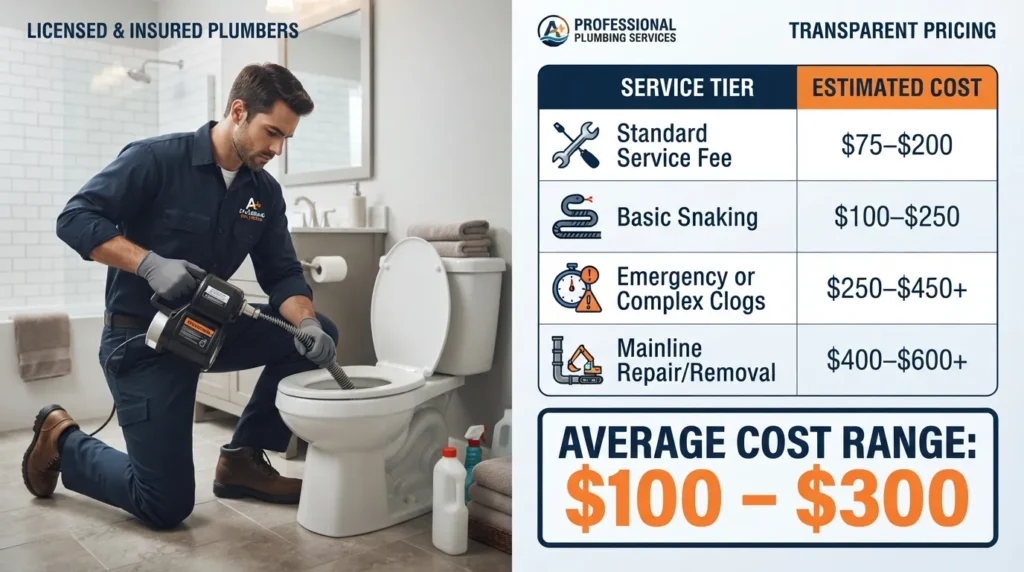
Knowing when to call a licensed professional plumber prevents minor DIY fixes from turning into major structural disasters. While simple trap cleanings and minor fixture swaps are manageable for homeowners, complex system failures require certified expertise, insurance protection, and heavy-duty diagnostic gear.
Attempting advanced repairs without proper licensing or specialized tools often leads to code violations and severe water damage.
- Main Sewer Line Failures: Recurring basement backups, sewage odors, or yard depressions that indicate a broken or tree-root-invaded main lateral.
- Slab Leaks and Hidden Bursts: Unexplained spikes in water bills, warm spots on concrete floors, or damp drywall requiring electronic leak detection.
- Extensive Repiping Projects: Replacing aging galvanized steel or corroded pipe networks with modern PEX or copper to restore safe household flow.
Home Improvement Researchers & Guides Editors
Meet the Nest Team, a collective of dedicated researchers, home improvement enthusiasts, and industry writers sharing practical guides, thorough category research, and trusted solutions for residential repairs and thoughtful home upkeep.