Plumbing Snake Toilet Main Kaise Use Karte Hain
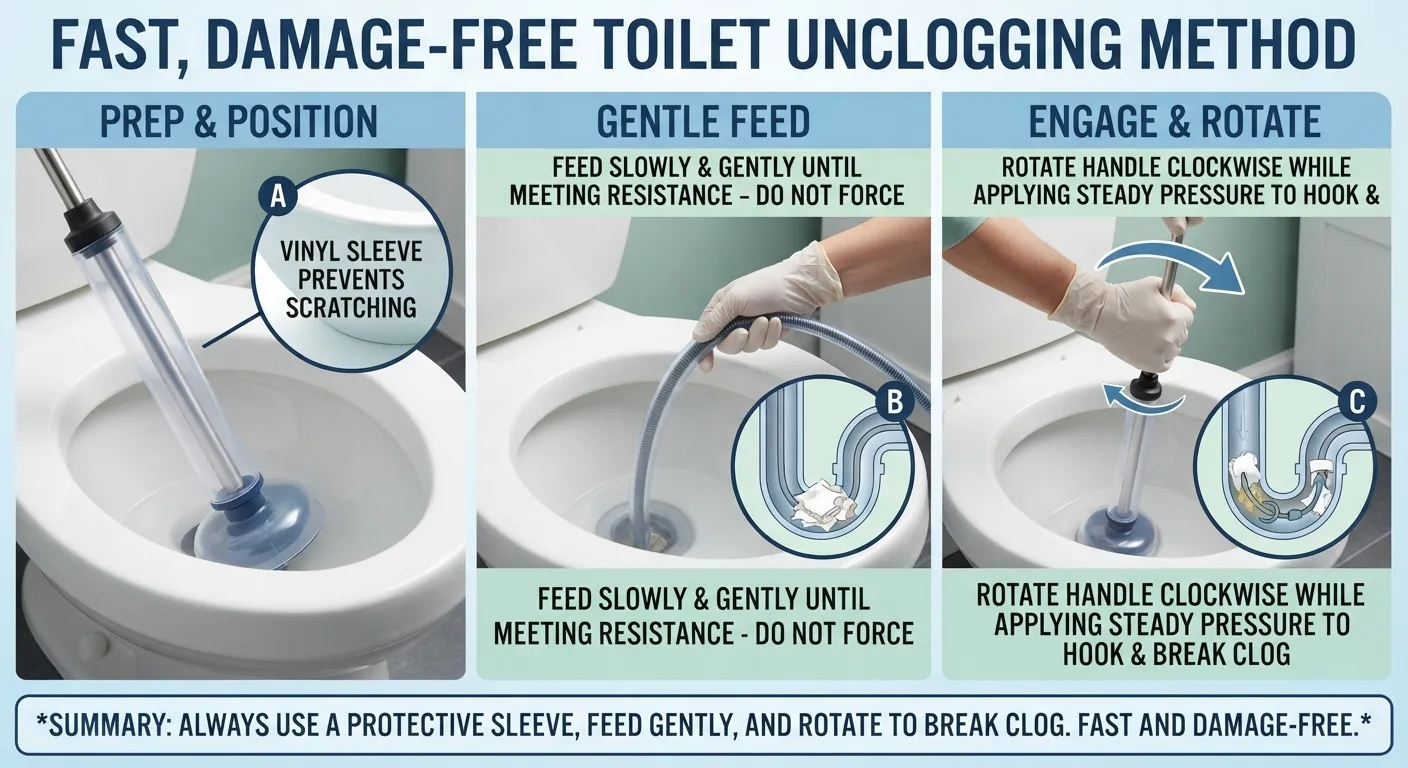
A toilet clog can be quickly resolved using a specialized plumbing snake, commonly known as a toilet auger. By carefully guiding the rubber-sleeved cable through the drain trap and turning the handle clockwise, you can easily catch, break up, or retrieve stubborn blockages without damaging your porcelain fixture.
How to Snake a Toilet in Under 5 Minutes
Using a toilet auger requires precision and the right technique to protect your bathroom plumbing from scratches. Follow these essential steps for a fast, hassle-free cleanup:
- Protect the Bowl: Position the rubber protective sleeve of the auger against the bottom of the toilet bowl to prevent scratching the porcelain.
- Insert the Cable: Pull the handle back and feed the flexible metal snake head directly into the toilet drain opening.
- Crank Clockwise: Slowly push the cable forward while turning the crank handle in a clockwise direction when you feel resistance against the clog.
- Retrieve or Break Up: Once the snake hooks the blockage or breaks it apart, rotate counter-clockwise and gently pull the cable back out.
- Flush to Test: Pour a bucket of warm water or flush the toilet normally to verify that the drain flow has been fully restored.
Toilet Auger vs Plumbing Snake vs Drain Snake Kya Farq Hai?
Choosing the right clearing tool prevents permanent damage to your bathroom fixtures while successfully clearing tough blockages. Understanding the structural differences between a specialized toilet auger and a standard drain snake ensures you deploy the correct equipment for the job.
Toilet Auger Kya Hota Hai Aur Kyun Toilet ke Liye Alag Tool Chahiye
A toilet auger, also referred to as a closet auger, features a rigid metal shaft housed inside a protective plastic or rubber sleeve. This protective coating is engineered specifically to prevent the bare steel from scratching, cracking, or chipping delicate porcelain toilet bowls.
Standard drain snakes lack this protective casing and feature long, flexible cables meant for open pipe runs. Using an unprotected snake inside a toilet bowl will almost certainly ruin the ceramic surface on contact.
Regular Drain Snake vs Toilet Snake Key Differences
Kitchen Sink Snake Toilet Main Kyun Use Nahi Karna Chahiye
Standard sink snakes are designed for narrow, straight PVC or metal pipes found beneath kitchen counters. Inserting them into a toilet creates multiple operational hazards:
- Severe Porcelain Damage: The exposed metal cable scrapes against the ceramic interior, leaving permanent gray marks or structural cracks.
- Ineffective Trap Navigation: Sinks snakes lack the specialized crank bend required to easily maneuver through the built-in P-trap or S-trap of a toilet.
- Kinking Risks: The longer, thinner wire of a kitchen snake coils uncontrollably inside a wide toilet bowl instead of pushing straight down the drain opening.
Cheezein Jo Aapko Chahiye Hongi Tools & Preparation
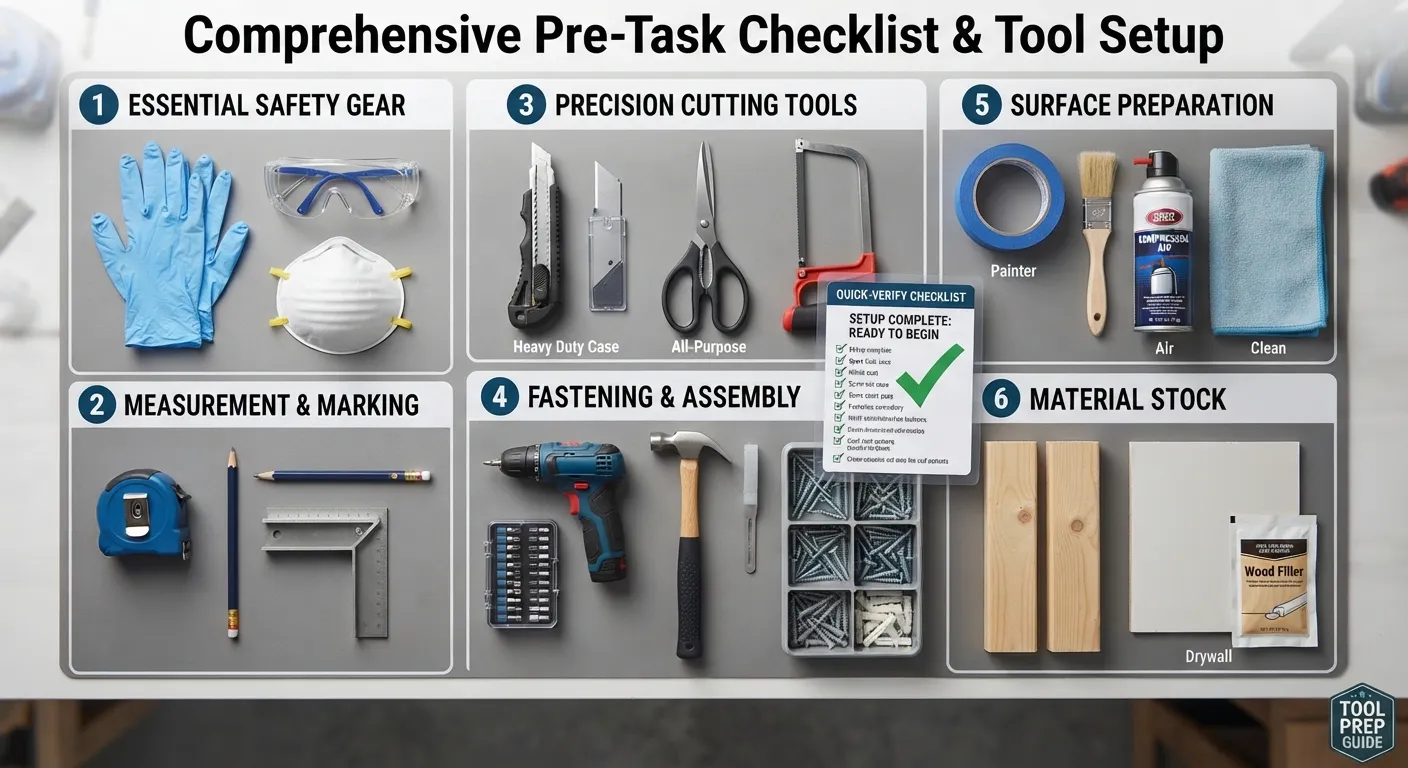
Gathering the right equipment before beginning prevents unnecessary mess and ensures you finish the unclogging process safely. Having specialized tools and protective gear on hand keeps your bathroom floors clean during the procedure.
Toilet Auger Length Guide Kitni Length Kaafi Hai
Selecting the correct auger cable length depends entirely on the distance of the clog inside the integrated toilet trap. Using a cable that is too short will fail to reach the obstruction, while an excessively long cable is difficult to control.
- 3-Foot Auger Cable: The industry standard length required to navigate the built-in P-trap of a standard household toilet effectively.
- 6-Foot Auger Cable: Recommended if you suspect the blockage is lodged further down past the floor flange into the main drain line.
- Avoid Long Drum Snakes: Standard 25-foot motorized drain snakes are entirely unnecessary and pose a high risk of cracking residential toilet bowls.
Gloves Bucket aur Old Towels Protective Setup
Working with a backed-up toilet involves exposure to wastewater and potential splashing hazards. Preparing your workspace with proper barriers keeps cleanup fast and sanitary:
- Heavy-Duty Rubber Gloves: Wear thick, waterproof gloves that extend past your wrists to protect your skin from bacteria and chemical residue.
- Old Towels and Rags: Lay absorbent old towels entirely around the base of the toilet to catch any accidental spills or overflow water.
- Plastic Bucket and Disinfectant: Keep an empty bucket nearby for carrying out wet tools and a surface cleaner ready to sanitize the area afterward.
Step by Step Guide Toilet Ko Snake Kaise Karein
Snaking a toilet requires a systematic approach using a closet auger to clear stubborn blockages safely. Following these seven direct steps ensures you eliminate the clog without damaging the internal ceramic porcelain or trapway.
Step 1 — Rubber Sleeve Ko Bowl Ke Base Pe Set Karein
Begin by pulling the auger handle all the way back so the metal head retracts into the shaft. Position the protective rubber boot firmly against the lowest curved point of the toilet bowl to guard the porcelain against scratches.
Step 2 — Cable Ko Drain Opening Main Insert Karein
Guide the flexible metal cable carefully into the entrance of the toilet drain trap. Ensure the curved elbow of the protective sleeve points directly upward toward the internal channel before feeding the wire.
Step 3 — Handle Clockwise Crank Karke Cable Feed Karein
Hold the guide tube securely with one hand while turning the crank handle in a smooth clockwise rotation with your other hand. Slowly push downward on the handle to advance the rotating cable deeper into the trapway.
Step 4 — Resistance Feel Hone Par Clog Locate Karein
As you feed the cable down, you will encounter sudden tension or resistance once the spring head makes direct contact with the obstruction. Stop forcing the wire forward immediately to avoid twisting or kinking the cable inside the drain trap.
Step 5 — Clog Ko Break Ya Hook Karein
Continue turning the handle in a consistent clockwise rotation while applying moderate forward pressure to chew through or hook the buildup. Alternate pushing and pulling slightly to break up soft waste or snag solid items like paper towels.
Step 6 — Cable Retract Karein
Once the resistance eases, begin a steady counterclockwise retract while gently pulling the auger handle back up. This motion safely draws the hooked obstruction out of the bowl or pulls back any remaining cable wire into the protective housing.
Step 7 — Flush Karke Test Karein
Perform an initial flush test using a bucket of clean water poured directly down the bowl to check the flow. If the water drains swiftly without backing up, complete a standard tank flush to verify the drain system is fully open.
Common Mistakes Ye Cheezein Bilkul Na Karein
Avoiding common operational errors protects your bathroom fixtures from permanent damage and keeps you safe from hazardous chemical splashes. Being aware of these pitfalls ensures a smooth and damage-free unclogging process.
Zyada Force Se Cable Na Dabayein Cable Double-Back Risk
Never push the auger cable forward with extreme force when you encounter an unyielding blockage. Forcing the handle causes the flexible wire to double back and kink inside the narrow drain trap, rendering the tool completely useless and difficult to extract.
Chemical Drain Cleaner + Snake Ka Combo Kyun Khatarnak Hai
Avoid pouring commercial liquid drain openers down the toilet right before using a mechanical plumbing snake. The sudden mechanical agitation can splash caustic chemical residues onto your skin, eyes, or bathroom surfaces, creating severe chemical burn risks.
Porcelain Scratch Se Bachne Ke Tips
Always ensure the rubber sleeve or boot remains correctly positioned against the bottom of the ceramic bowl during operation. Exposing bare steel wire directly against the porcelain surface will leave permanent dark gray metal marks and can chip the glaze.
Troubleshooting Jab Snake Kaam Na Kare
Encountering resistance or a stuck cable can be frustrating when you are trying to clear a persistent toilet blockage. Understanding the root causes of tool snags and knowing when to escalate the issue prevents costly plumbing disasters.
Snake Drain Main Neeche Kyun Nahi Ja Raha? Angle & Bend Issues
A plumbing snake often fails to advance past the initial opening because of the sharp internal geometry of the bowl. The built-in S-trap and narrow ceramic bends require a precise insertion angle to let the flexible wire pass through freely.
- Incorrect Insertion Angle: Pushing the cable straight down instead of following the curved contour of the trapway causes the head to jam against porcelain walls.
- Too Much Slack: Allowing the cable to loop or coil outside the drain opening prevents rotational torque from transferring down the line.
- Rigid Guide Tube Placement: Ensure the rubber protective sleeve is pushed right up to the drain hole so the wire is guided smoothly into the pipe.
Kya Snake Toilet Main Phas Sakta Hai? Reassurance + Fix
It is entirely normal for a flexible cable to occasionally get stuck on an unyielding obstruction or tight pipe bend. Panicking and jerking the tool back with brute force can damage your internal plumbing lines.
- Reverse Rotation: Stop pushing forward immediately and gently turn the crank handle counter-clockwise while pulling back lightly.
- Wiggle the Handle: Gently oscillating the handle back and forth helps free the auger head if it has snagged on a hard foreign object.
- Professional Extraction: If the cable remains completely immovable, call a licensed plumber to safely extract the tool without breaking the fixture.
Agar Clog Phir Bhi Na Toote To Kya Karein
When mechanical snaking fails to restore proper drainage, the blockage is likely located deeper within the main sewer line rather than the toilet trap. Continuing to force tools can push the issue further down into your home infrastructure.
- Stop Using Fixtures: Refrain from flushing any toilets or running sinks to prevent further wastewater overflow into your bathroom.
- Check Main Vent Stacks: Ensure your outdoor plumbing vent stacks are clear of debris, leaves, or animal nests causing a vacuum.
- Call a Professional: Contact a certified plumber equipped with heavy-duty motorized augers or sewer camera inspection tools.
Plumbing Snake vs Plunger Kab Kaunsa Use Karein
Choosing between a standard flange plunger and a plumbing snake depends entirely on the depth, composition, and severity of the blockage. Knowing when to switch tools saves time and prevents unnecessary wear on your bathroom fixtures.
Plunger Kab Kaam Karta Hai
A flange plunger relies on air pressure and water displacement to clear minor, organic blockages trapped within the upper curves of the toilet trapway. It is your best first line of defense for standard paper or waste clogs where the water level drops slightly during pumping.
Snake Kab Zaroori Ho Jata Hai
A toilet auger becomes mandatory when a plunger fails repeatedly or when non-flushable items like baby wipes, paper towels, or children’s toys cause a stubborn obstruction. Unlike a plunger, which can compress foreign objects tighter into the bend, a snake physically hooks or breaks apart deep blockages. For professional guidance on evaluating severe plumbing failures and safety standards, consult resources like Bob Vila’s expert plumbing guide.
Comparison Table
DIY vs Professional Plumber Cost Comparison
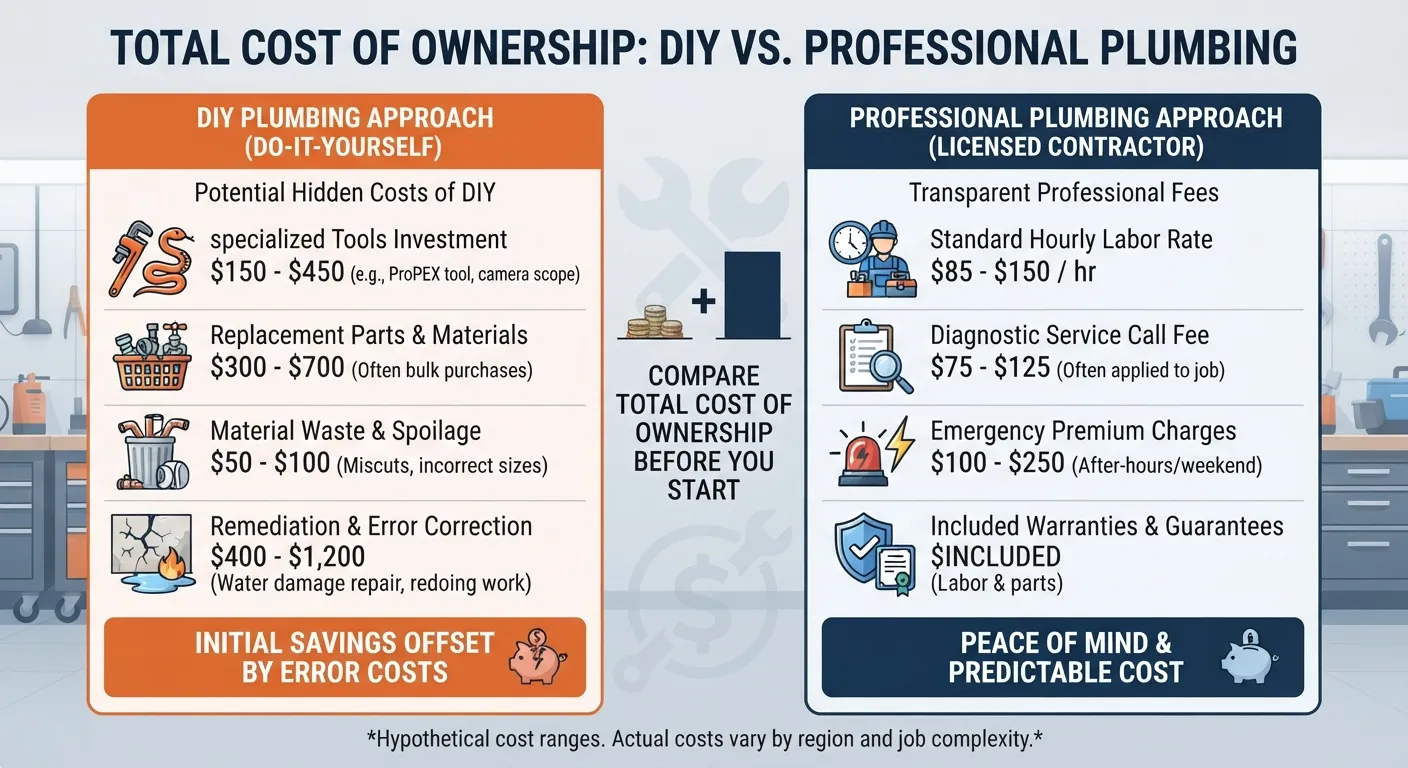
Deciding whether to tackle a stubborn toilet clog with a DIY plumbing snake or hire a licensed professional depends on your budget, comfort level, and the severity of the blockage. Weighing the potential costs helps you avoid wasting money on tools for issues that require expert intervention.
Average Plumber Charges
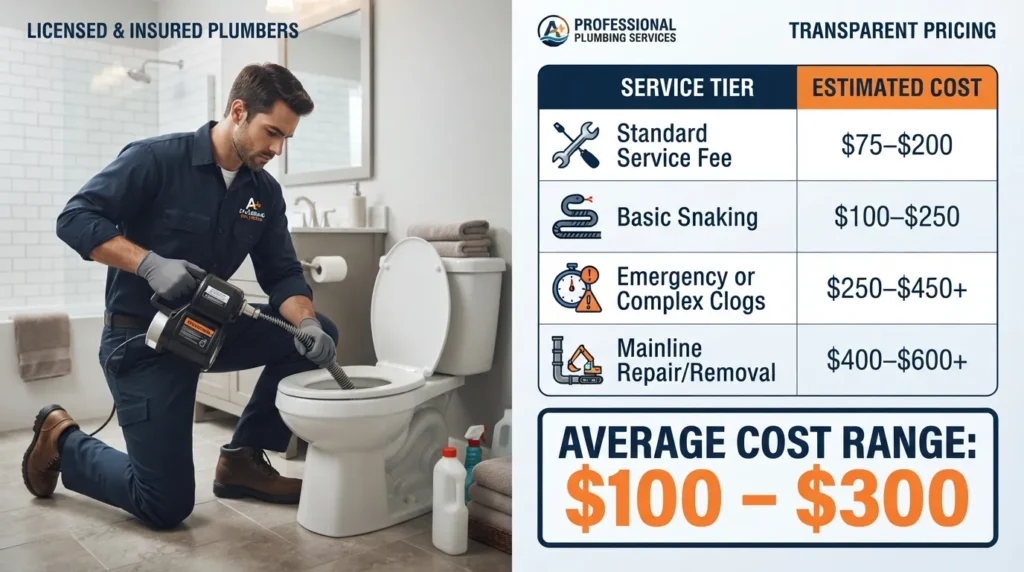
Hiring a professional plumber to clear a localized toilet clog typically ranges from $100 to $250 for standard service. If the blockage resides deeper within the main sewer line or requires removing the porcelain fixture entirely to extract a lodged object, costs can escalate from $300 to $800+. In contrast, purchasing a manual toilet auger for a DIY fix costs only $20 to $40.
Kab DIY Karna Safe Hai Kab Professional Bulana Chahiye
Attempting a DIY fix is smart for standard paper or organic clogs that do not respond to a basic plunger. However, you should call a certified plumber immediately if you notice multiple household drains backing up simultaneously, sewage surfacing in your tubs, or if your manual snake gets permanently stuck inside the drain trap.
Clog Ki Wajah Kya Ho Sakti Hai
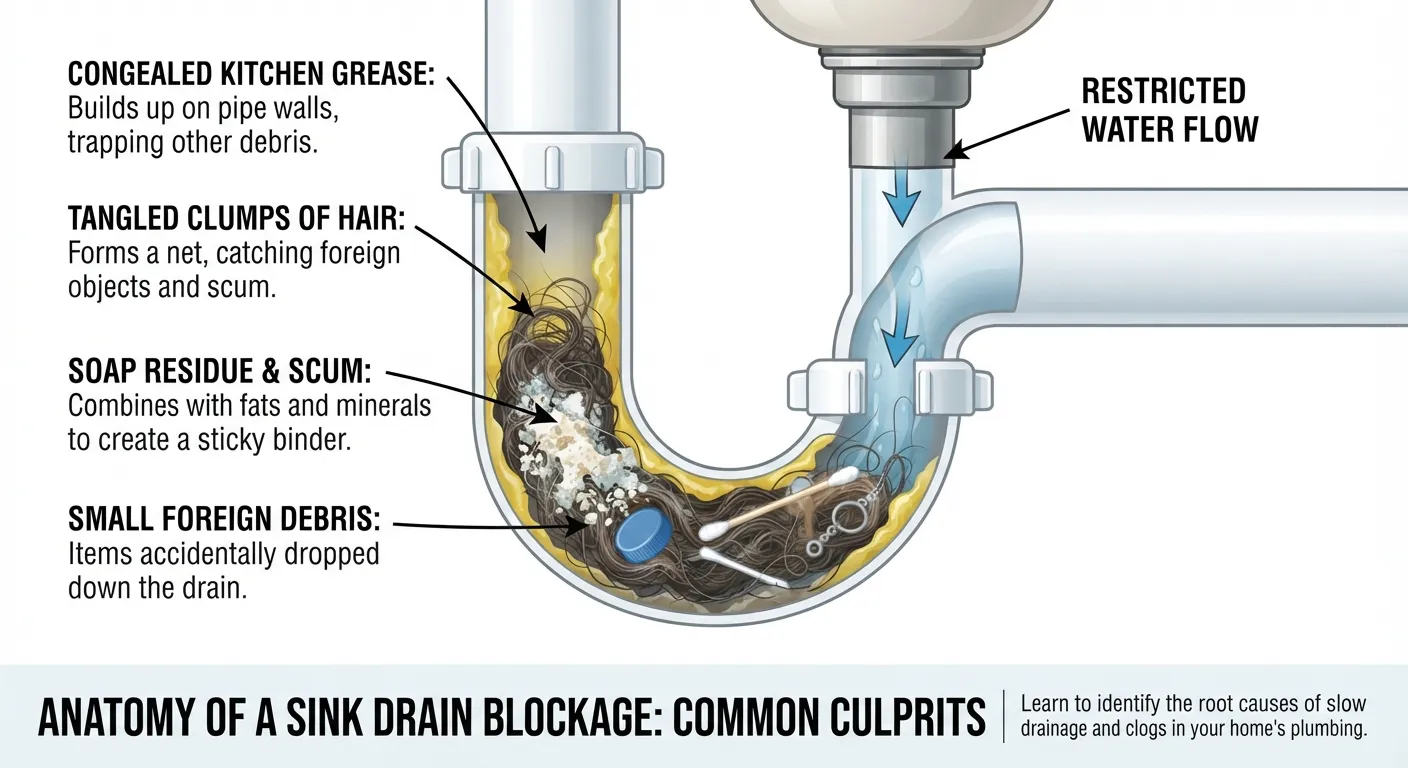
Identifying the root cause of a toilet blockage prevents repeated plumbing failures and protects your drainage system from recurring damage. Understanding what triggered the backup helps you adjust your household habits for better long-term performance.
Common Clog Causes Wipes Toys Paper Buildup
Most residential toilet clogs are caused by foreign items that fail to dissolve or break down in water. Even products marketed as flushable often trap themselves inside narrow ceramic bends:
- Baby Wipes and Makeup Removers: Non-woven synthetic fibers do not disintegrate and quickly wrap around bends to trap waste.
- Excessive Toilet Paper: Bundles of thick, multi-ply paper can wedge tightly inside the trapway if flushed all at once.
- Children’s Toys and Household Items: Accidental drops of plastic toys, air freshener caps, or feminine products create impenetrable solid barriers.
Future Clogs Se Kaise Bachein
Implementing simple preventive habits in your daily routine dramatically reduces the risk of future backups and protects your plumbing infrastructure:
- Trash Can Placement: Keep a dedicated waste basket next to the toilet exclusively for wipes, cotton products, and sanitary items.
- Moderate Paper Usage: Teach family members to flush paper in manageable amounts rather than rolling large wads down at once.
- Regular Maintenance: Perform periodic flush tests with warm water and avoid introducing harsh chemical cleaners that degrade wax rings over time.
Frequently Asked Questions
Find direct answers to the most common questions regarding toilet augers, snaking techniques, and troubleshooting plumbing clogs.
Can I use a plumbing snake to unclog a toilet?
Yes, but you must use a specialized toilet auger (closet auger) equipped with a rubber protective sleeve. Standard drain snakes meant for sinks have exposed metal cables that will permanently scratch and ruin porcelain toilet bowls.
What are common mistakes using drain snakes?
Common errors include forcing the cable too aggressively which causes it to kink, using a regular sink snake instead of a toilet auger, failing to position the rubber protective boot, and combining harsh chemical drain cleaners with mechanical tools.
How long of a snake do I need to unclog a toilet?
A 3-foot toilet auger is the standard and ideal length required to safely navigate the built-in P-trap of any residential toilet. Longer 6-foot cables are only necessary if the obstruction has traveled past the floor flange.
Why won’t my drain snake go down the toilet?
The cable may fail to advance due to an incorrect insertion angle, too much slack on the wire, or hitting the sharp internal bends of the S-trap. Ensure the rubber guide tube is held firmly against the drain opening before turning the handle.
Is it better to plunge or snake a toilet?
A flange plunger is always best to try first for minor organic and paper clogs. However, a toilet auger is significantly better and necessary when dealing with hard foreign objects, flushable wipes, or deep stubborn blockages.
How common is it for a snake to get stuck in your toilet?
It is moderately common for a flexible snake to snag on a tight pipe bend or an unyielding solid object. Turning the crank counter-clockwise while pulling back gently will usually free the stuck tool without damaging your plumbing.
How much will a plumber charge to snake a toilet?
A professional plumber typically charges between $100 and $250 to clear a standard localized toilet clog. Complex main sewer line blockages or fixtures requiring removal can cost $300 to $800 or more.
Is there a difference between a toilet snake and a drain snake?
Yes, a toilet snake (closet auger) features a protective rubber coating and a rigid crank designed to protect porcelain bowls. A standard drain snake features an exposed metal cable built for long, straight runs in sink or tub pipes.
What is the strongest thing to unclog a toilet?
Mechanically, a commercial-grade motorized toilet auger or closet auger provides the strongest physical force to break up or retrieve solid blockages. Chemical solutions are generally discouraged due to pipe and fixture damage risks.
What not to do when unclogging a toilet?
Never use an unprotected metal sink snake, avoid applying excessive brute force to the handle, never mix chemical drain openers with manual snaking, and refrain from flushing non-disintegrating items like wipes or plastic toys.

Oscar Vance | Master Plumber & Drainage Expert
Meet Oscar Vance, a licensed master plumber sharing practical solutions on residential repairs, preventive maintenance, and thoughtful home upkeep.