 What Is a Plumbing Vent and Why Does It Get Blocked?
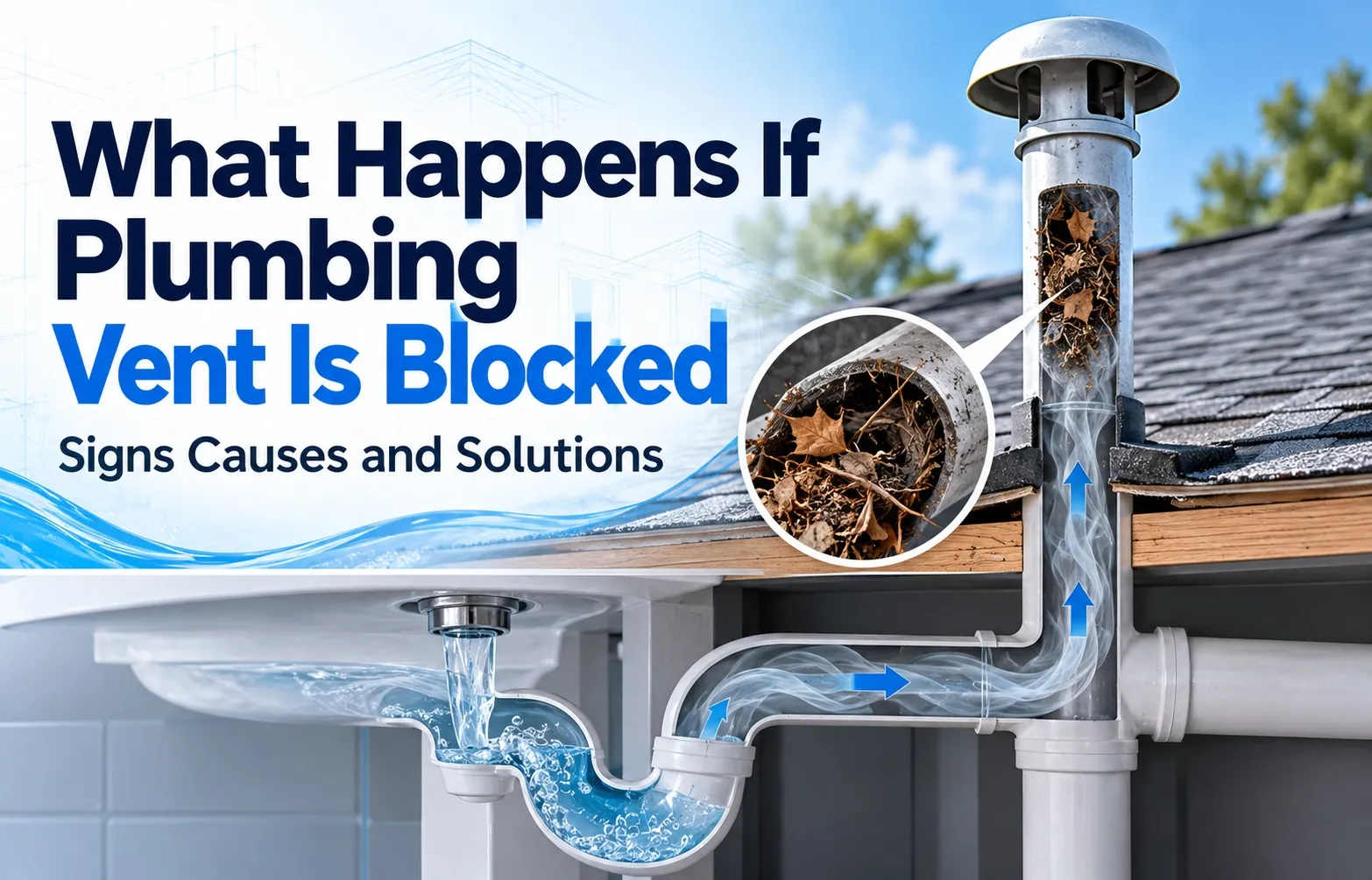
A plumbing vent, commonly referred to as a vent stack, is a vertical pipe extending through your roof that regulates air pressure and safely routes noxious sewer gases outside your home. Without this critical component, your entire drainage network experiences severe pressure vacuums, stopping water from flowing smoothly and pulling trapped gases right into your living spaces.
The Vital Role of the Vent Stack in Your Home’s Drainage System
Every time you flush a toilet or empty a sink, a heavy volume of water rushes down your drain pipes, pushing air ahead of it and creating a vacuum behind it. The vent stack acts as a direct lifeline to outdoor atmospheric pressure, instantly supplying the necessary air to balance out this pressure shift and keep water moving efficiently.
- Maintains neutral air pressure throughout the entire drainage network.
- Allows foul sewer gases, methane, and toxic odors to escape safely above the roofline.
- Prevents the siphoning of standing water from P-traps located beneath sinks and tubs.
What Happens When Air Flow Stops (The Pressure Vacuum Effect)
When a plumbing vent becomes completely blocked by debris, leaves, or animal nests, fresh air can no longer enter the system. As wastewater drains away, it drags air downward and creates an intense suction vacuum within the closed pipes because replacement air cannot enter from the roof opening.
- Traps dangerous sewer gases inside your home’s pipe infrastructure with nowhere to vent.
- Forces air bubbles upward through toilet bowls and sink drains, causing distinctive gurgling sounds.
- Sucks water completely out of P-trap barriers, removing the vital liquid seal that blocks odors.
The Golden Diagnostic Test: Is It a Local Clog or a Blocked Vent?
Figuring out whether your plumbing issues stem from a simple local clog or a blocked main vent is essential for effective troubleshooting. While a local clog affects only one specific drain, a vent blockage disrupts the entire drainage system, causing simultaneous symptoms across multiple fixtures throughout your house.
Single Fixture Clog vs. Main Vent Blockage (The Key Differences)
Understanding the root cause of slow drainage saves time and prevents unnecessary plumbing repairs. A local clog is usually caused by hair, soap scum, or grease trapped right inside a single pipe, whereas a vent blockage impacts the air pressure equilibrium of the entire home.
- Local Clog Impact: Restricted strictly to one drain, such as a single bathroom sink or shower, while other nearby plumbing fixtures function normally.
- Main Vent Blockage Impact: Affects multiple independent fixtures simultaneously, creating synchronized slow drainage and bubbling across toilets, tubs, and sinks.
- Problem Location: Local blockages sit close to the fixture trap or branch line, while vent issues originate high up in the roof stack due to outside debris.
The Multi-Fixture Synchronicity Test (How to Diagnose a Vent Issue Instantly)
You can instantly identify a vent stack problem by performing a quick multi-fixture synchronicity test. If flushing your toilet causes water to bubble up in your nearby bathtub or bathroom sink, you are dealing with a negative air pressure vacuum caused by a blocked vent.
- Test your main toilet and observe if flushing triggers gurgling or erratic water level shifts in unconnected bathroom fixtures.
- Check if running a heavy stream of water in the kitchen sink causes slow drainage or unusual gurgling noises in separate utility lines.
- Verify if foul sewer odors accompany these synchronized symptoms, confirming that trapped air and gases can no longer escape through the roof.
Core Symptoms of a Blocked Plumbing Vent (What Happens Inside Your Home?)
Recognizing the distinct warning signs of a clogged plumbing vent early can prevent major drainage failures and property damage. When the roof stack is obstructed, your home’s internal air pressure collapses, triggering a distinct cascade of physical symptoms across your fixtures.
Gurgling or Bubbling Drains When Water Flows
Gurgling drains happen when trapped air inside the plumbing lines tries to escape through standing water. As wastewater rushes down without adequate venting from the roof, it pushes air bubbles backward through your toilet bowls, sinks, or bathtubs, creating a distinct bubbling sound.
- Triggered immediately when flushing toilets or running heavy water streams in kitchen sinks.
- Indicates that air is desperately seeking an exit route through the nearest fixture trap instead of the roof.
Simultaneous Slow Drains Across Multiple Fixtures
Unlike localized pipe clogs that affect only one isolated drain, a blocked vent causes simultaneous slow draining across multiple unconnected fixtures throughout the house. Because the entire drainage network shares a single main stack, air restriction chokes water flow everywhere.
- Bathrooms, kitchens, and laundry utility lines all drain sluggishly at the same time.
- Clearing individual drain traps or using standard drain snakes fails to resolve this widespread issue.
Unexplained and Persistent Sewer Odors Indoors
Persistent sewer odors inside your living spaces indicate that noxious gases are backing up through your pipes. Without an open vent stack to safely channel methane and hydrogen sulfide gases above the roofline, indoor air quality quickly degrades.
- Foul smells become particularly noticeable around bathrooms, laundry areas, and kitchen sinks.
- Occurs because negative pressure actively draws gases backward through dry or compromised fixture traps.
Siphoned P-Traps and Broken Water Seals
Siphoned P-traps happen when intense suction vacuums inside blocked vent pipes physically suck the standing water right out of the U-shaped pipe bends. This liquid barrier is critical because it acts as the final line of defense blocking sewer gas.
- Water is pulled completely out of sink and tub traps by the system’s vacuum force.
- Destroys the airtight liquid seal, leaving a direct open pathway for foul odors to flood rooms.
Fluctuating or Unpredictable Toilet Water Levels
Unpredictable fluctuations in your toilet bowl water levels are a classic indicator of severe pressure imbalances within the vent system. As air gets trapped and compressed, it forces water levels to rise or drop erratically without anyone even flushing.
- Bowl water levels drop dangerously low or surge unexpectedly during heavy drainage cycles.
- Signals an urgent need to inspect the roof stack before complete system failure occurs.
Common Causes Behind Plumbing Vent Blockages
Plumbing vent blockages typically originate at the roof opening, where outdoor elements, nesting wildlife, and severe weather choke off vital airflow. Understanding these primary root causes helps homeowners implement targeted preventative measures before total drainage failure occurs.
Organic Debris (Leaves, Twigs, and Roof Dirt)
Overhanging tree branches and seasonal storms frequently drop leaves, pine needles, twigs, and loose shingle granules directly into the open vent stack. Over time, this loose debris accumulates, packs tightly together, and forms a dense physical plug.
- Gradual accumulation restricts vital air intake and chokes overall residential drainage performance.
- Heavy autumn leaf fall serves as the leading seasonal trigger for unexpected stack obstructions.
Animal Nests (Birds, Squirrels, and Insects Inside the Pipe)
The warm, protected environment of a vertical roof vent makes an exceptionally attractive nesting site for birds, squirrels, mice, and stinging insects. These animals pack twigs, grass, mud, and feathers deep inside the pipe, completely sealing off the airflow.
- Wildlife actively seeks out dark, elevated cavities for seasonal shelter and breeding safety.
- Wasp nests and bee colonies can harden inside the stack, creating stubborn, concrete-like blockages.
Ice, Snow, and “Frost Closing” During Freezing Weather
During severe winter freezes, moisture-laden air rising from your indoor plumbing condenses and freezes around the cold rim of the roof opening. This phenomenon, known as frost closing, builds up heavy layers of ice until the vent is completely capped shut.
- Sub-zero outdoor temperatures rapidly transform rising indoor steam into solid frost rings.
- Accumulated snowdrifts can physically blanket the vent opening during heavy blizzards and winter storms.
How to Unclog a Plumbing Vent (With and Without Roof Access)
Clearing a blocked plumbing vent can be accomplished safely whether you choose to work from the ground or climb onto the roof. By utilizing proper tools like garden hoses, plumbing augers, or leaf blowers, you can efficiently break down stubborn blockages and restore optimal airflow. Before attempting any physical maintenance, always review standard plumbing safety guidelines to protect yourself from falls and structural damage.
How to Check and Clear Your Vent From Ground Level (No Roof Access)
Working from the ground eliminates the danger of climbing slippery roofs while still allowing you to clear minor vent obstructions. Homeowners can often resolve clogs using specialized cleanout ports or forced-air tools without ever setting foot on a ladder.
- Locate the plumbing cleanout access pipe typically found outside the house or in the basement near the main drainage stack.
- Attach a leaf blower or high-powered wet-dry vacuum to the cleanout port to force pressurized air upward, blowing out leaves and twigs through the roof opening.
- Inspect exterior drain lines to ensure no secondary yard obstructions are contributing to the backup.
Safe Methods for Clearing Debris From the Roof Stack
When ground-level clearing methods fail, accessing the roof becomes necessary to directly remove packed animal nests or dense organic debris. Safety harnesses, non-slip footwear, and a secure ladder placement are mandatory precautions before climbing.
- Set up an extension ladder on firm, level ground and have a spotter secure the base before stepping onto the roof surface.
- Shine a bright flashlight down the vent stack to visually inspect the exact depth and composition of the blockage.
- Use a small hand trowel or gloved hand to carefully scoop out surface leaves, twigs, or insect nests without pushing them deeper down the pipe.
Using Plumbing Augers and Garden Hoses Effectively
Stubborn clogs lodged deep within the vent pipe require specialized equipment like plumbing augers or garden hoses to break apart the obstruction. Controlled water pressure or mechanical rotation clears the pipe walls completely.
- Feed a plumbing snake or drain auger down through the roof vent opening until you encounter resistance from the blockage.
- Crank the handle clockwise to break up frozen ice rings or packed organic material, then pull the debris upward out of the stack.
- Run a garden hose down the vent pipe to flush out remaining residue and confirm that water flows smoothly through the drainage system.
Professional Clearing vs. Vent Pipe Replacement
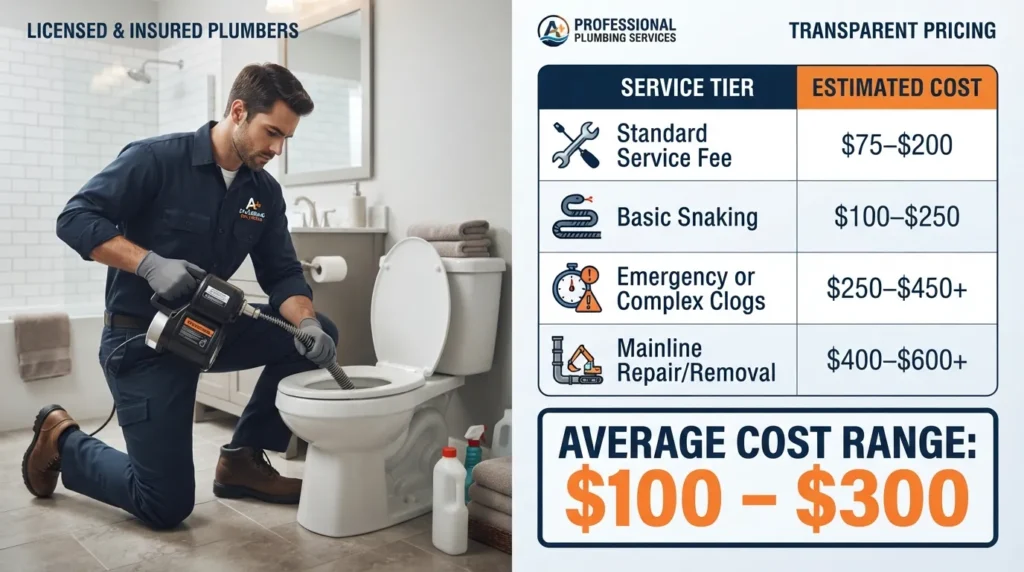
Hiring a professional to clear a blocked plumbing vent typically costs between $150 and $350, depending on the severity of the obstruction and roof accessibility. Meanwhile, full vent pipe replacement projects range from $500 to $1,500 or more based on material choices and labor complexity.
Average Cost to Hire a Professional to Unclog a Vent
Professional plumber fees for clearing an obstruction generally reflect standard hourly service charges combined with specialized equipment needs. Calculating the exact cost to unclog plumbing vent systems depends heavily on how deeply the obstruction is lodged inside the stack.
- Standard service call rates usually range from $100 to $250 for basic diagnostic and clearing work.
- Additional equipment surcharges apply if the plumber requires high-pressure water jetting or specialized motorized augers.
- Dangerous multi-story roof access can add hazard surcharges to the final billing structure.
Factors Impacting Full Vent Pipe Replacement Costs
When an existing vent pipe suffers from severe structural damage, rust corrosion, or crack propagation, a complete replacement becomes necessary. Overall replacement cost fluctuates significantly based on the layout of your home and local contractor pricing structures.
- Choosing modern PVC piping is generally more affordable and faster to install than legacy cast-iron lines.
- Labor rates increase if plumbers must cut through drywall, ceilings, or roof structures to reach hidden pipe sections.
- Local building code requirements and municipal permit fees can add minor administrative costs to major plumbing overhauls.
Preventive Maintenance and Frequently Asked Questions
Implementing regular preventive maintenance and understanding common troubleshooting scenarios ensures your home’s drainage system remains clear and fully functional year-round. Proactive care stops unexpected blockages before they compromise your plumbing network.
How to Prevent Future Vent Blockages (Vent Caps and Wire Mesh)
Protecting your roof vent with specialized vent caps and heavy-duty wire mesh prevents leaves, dirt, and nesting wildlife from re-entering the stack. Regular preventive maintenance stops blockages before they disrupt your home drainage system and create costly emergency repairs.
- Install a sturdy metal or heavy plastic vent cap to block falling twigs, acorns, and heavy precipitation.
- Secure stainless steel wire mesh or animal guards over the roof opening to deter birds, squirrels, and insects.
- Schedule annual roof inspections during autumn to clear accumulated organic debris before winter frost sets in.
Frequently Asked Questions (FAQs)
Addressing common homeowner questions provides immediate clarity on technical plumbing behaviors, helping you diagnose drainage anomalies quickly and accurately.
Will a Toilet Flush If the Vent Is Clogged?
A toilet will usually still flush when the vent is clogged, but the water will drain sluggishly or cause bubbling in other fixtures. Because the blocked stack creates a heavy vacuum, air pressure struggles to equalize, severely compromising normal waste disposal and flushing performance.
- Flushing pushes trapped air through the drain system, creating distinct gurgling noises in nearby sinks or tubs.
- Drainage speed slows down significantly across the entire bathroom fixture network due to pressure resistance.
Can You Pour Water Down a Vent Pipe?
You can safely pour water down a plumbing vent pipe to clear minor loose debris like leaves, dust, or light dirt. However, you must avoid high-pressure flooding if a dense animal nest or solid ice clog is suspected, as it can cause wastewater to overflow.
- Use a garden hose with low to moderate pressure to gently wash away loose roof dust and small organic particles.
- Check indoor drains simultaneously during flushing to ensure water moves downward instead of backing up into rooms.
Can a Shower and Toilet Share a Vent?
A shower and a toilet can share a plumbing vent as long as the installation complies with local plumbing code sizing and distance requirements. Modern wet venting allows multiple fixtures to connect to a single shared stack safely and efficiently.
- Proper pipe sizing is vital to handle the combined air pressure demands of both high-volume fixtures.
- Local building codes dictate the exact maximum distance permitted between the fixture trap and the shared vent stack.

Oscar Vance | Master Plumber & Drainage Expert
Meet Oscar Vance, a licensed master plumber sharing practical solutions on residential repairs, preventive maintenance, and thoughtful home upkeep.