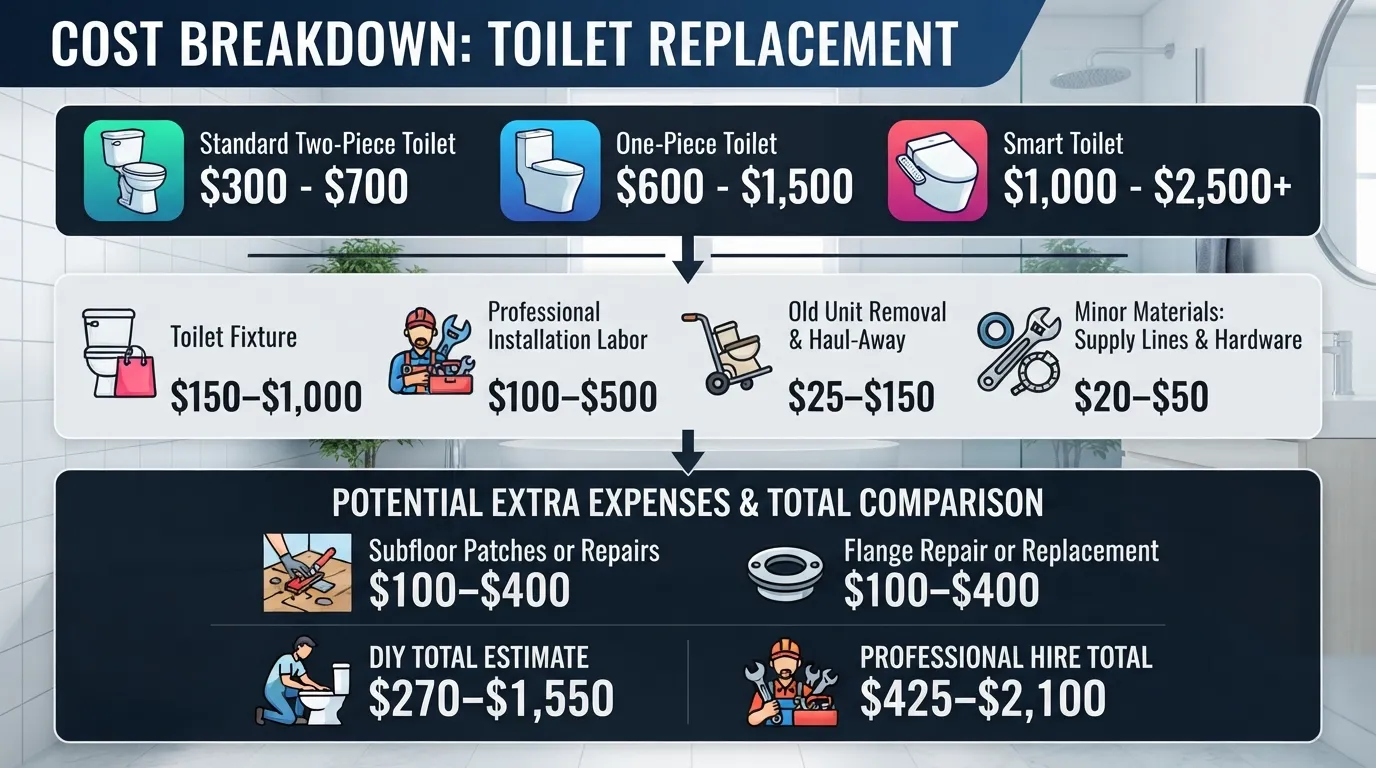
Complete Cost Breakdown of Toilet Replacement
Calculating the exact expenses to install toilet fixtures requires evaluating individual line items, from baseline plumbing labor to disposal fees and hardware upgrades. Breaking down these specific costs ensures transparency when reviewing contractor estimates.
What Plumbers Charge ($200-$500)
Professional plumber charges typically reflect hourly rates or flat-fee structures for standard residential swaps. Standard installations usually take between one to two hours of active labor.
- Standard Swap Rate: $200 to $500 for a straightforward removal and replacement on an intact subfloor.
- Hourly Pricing: Independent plumbers often bill $75 to $150 per hour plus a service call dispatch fee.
- Complex Modifications: Rerouting supply lines or repairing rotted subfloors increases total labor expenses significantly.
Toilet Fixture Cost Standard vs Mid-Range vs Premium
The chosen toilet fixture heavily influences overall expenditures, varying by design style, flushing mechanics, and brand reputation.
- Budget & Standard Models: $150 to $300 for reliable two-piece gravity-feed toilets suited for standard bathrooms.
- Mid-Range & Comfort Height: $300 to $600 for sleek one-piece models featuring elongated bowls and water-saving dual flushes.
- Premium & Smart Toilets: $600 to $1,500+ for luxury fixtures with integrated bidets, heated seats, and automated flushing.
Supplies Wax Ring & Old Toilet Haul-Away Cost
Minor installation accessories and disposal fees prevent unexpected line-item surprises on your final invoice.
- Installation Hardware: $15 to $50 for a heavy-duty wax ring, braided stainless steel supply lines, and brass floor bolts.
- Haul-Away & Disposal: $50 to $100 for old toilet removal, eco-friendly recycling, or municipal dumping fees.
- Flange Repair Kits: $30 to $100 extra if a damaged toilet flange requires reinforcement plates or complete replacement.
Sample Cost Table Low End vs Average vs High-End
Hidden & Extra Costs That Can Increase Your Price
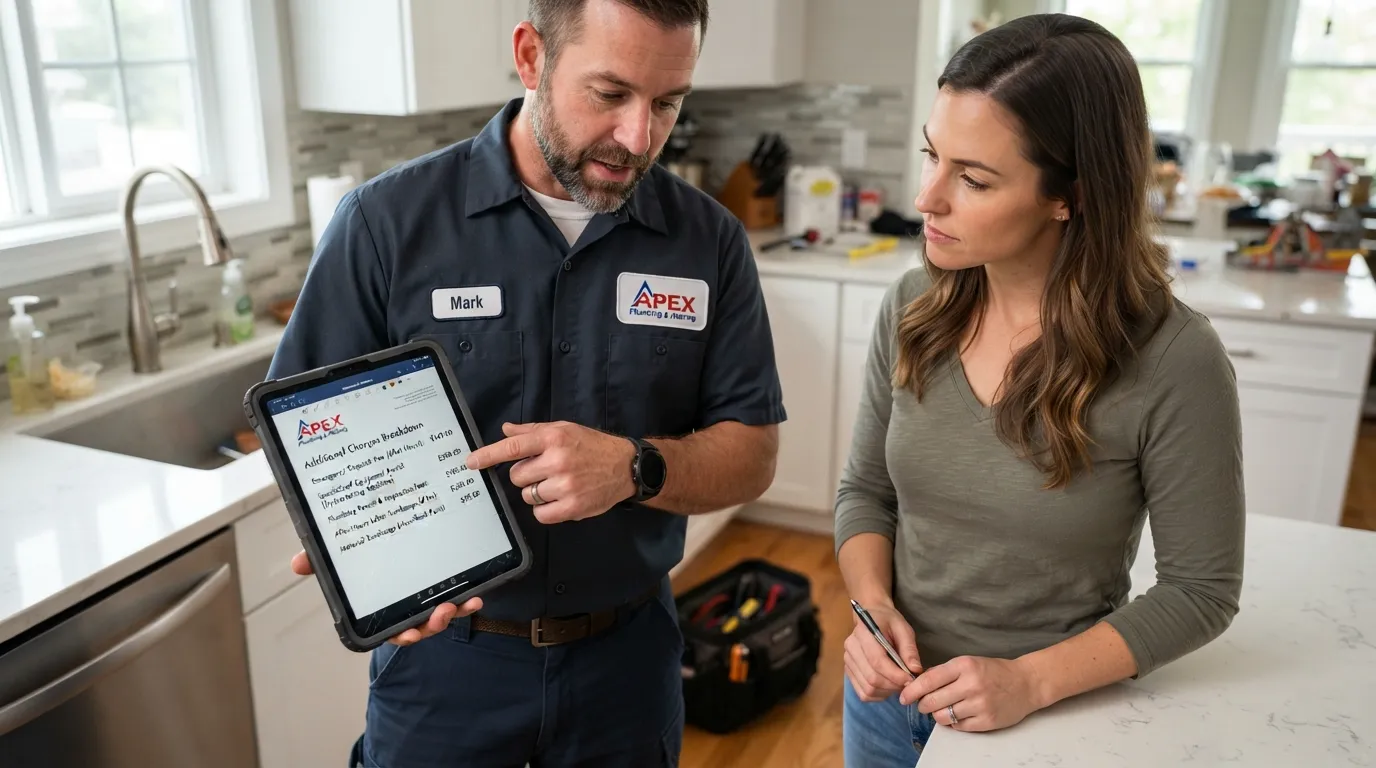
Unforeseen plumbing complexities and site-specific challenges can quickly push a straightforward bathroom upgrade far beyond initial budget estimates. Anticipating these unexpected line items prevents last-minute invoice shocks.
Damaged Flange or Rotted Subfloor $200-$1,500+
Water leaks from a failing wax ring often go unnoticed for years, quietly destroying the surrounding structural framework and the floor anchor point.
- Toilet Flange Repair: $150 to $350 to replace a rusted or cracked cast-iron or PVC floor flange that fails to secure new bolts.
- Subfloor Rot Remediation: $500 to $1,500+ if moisture has compromised plywood subflooring or floor joists, requiring carpentry work before installation.
- Vinyl or Tile Patching: Additional costs may apply if flooring materials must be cut or replaced to accommodate a larger footprint.
Why Prices Are 30-50% Higher in Metro Areas
Geographic location remains one of the most volatile variables influencing professional service pricing across the country.
- Labor Rate Disparities: Plumbers in major metropolitan hubs charge higher hourly wages to offset steep local living costs and commercial overhead.
- Permitting & Inspection Fees: Certain municipalities mandate local permits and compliance inspections for plumbing fixture retrofits.
- Travel & Parking Surcharges: Urban contractors often factor downtown parking constraints and transit overhead into their flat-rate pricing.
Old Toilet Removal & Disposal Fees
Decommissioning a heavy porcelain fixture requires specialized handling and waste management transport that standard municipal trash services refuse to collect.
- Curbside Limitations: Local trash collectors frequently reject bulk ceramic items unless broken down or stickered with special tags.
- Recycling Facility Fees: Landfills and private transfer stations charge tipping fees to process discarded porcelain and plumbing hardware.
- Contractor Handling: Professional haul-away services bundle these transport and eco-friendly disposal duties directly into the service agreement.
Plumber vs Handyman vs Home Depot vs Lowe’s vs DIY
Choosing who performs your toilet replacement drastically impacts your total out-of-pocket expense, warranty protection, and installation timeline. Comparing service providers ensures you balance upfront savings against professional reliability.
Comparison Table Cost Time & Warranty by Provider
Home Depot Toilet Installation Cost
Home Depot partners with local licensed subcontractors to provide standardized installation packages for customers who purchase fixtures in-store or online.
- Standard Flat-Rate Pricing: Typically ranges from $150 to $300 for basic drop-in replacements.
- Vetted Subcontractors: All labor is performed by background-checked, insured local pros backed by a 1-year service guarantee.
- Exclusions Apply: Haul-away, flange repairs, and supply line replacements often incur extra itemized fees on-site.
Lowe’s Toilet Installation Cost
Lowe’s operates a comparable program, utilizing local independent service providers to execute bathroom fixture retrofits.
- Estimated Labor Fees: Standard installation quotes generally hover between $120 and $300.
- Scheduling Window: Turnaround times depend on local contractor availability, usually requiring a few days from purchase to completion.
- Project Scope Limits: Standard installation covers like-for-like swaps; complex structural subfloor fixes are not included in baseline fees.
Independent Plumber vs Local Handyman Pricing
Choosing between an independent master plumber and a general handyman involves weighing specialized licensure against casual repair savings.
- Licensed Plumbers: Command higher rates ($250–$500) but possess deep expertise to handle unexpected code compliance issues or cracked drain lines.
- Local Handymen: Offer budget-friendly labor rates ($120–$250) ideal for straightforward, non-complex swap-outs.
- Risk Factor: Handymen may lack formal insurance or specialized licensing if a catastrophic wax-ring failure causes structural water damage later.
Is a “Free Installation with Purchase” Deal Really Free?
Promotional offers advertising free installation on high-end luxury or smart toilets require careful reading of the fine print.
- Hidden Prerequisites: Promotions frequently require purchasing expensive proprietary models or mandatory ancillary maintenance plans.
- Exclusions on Prep Work: Standard promotional terms rarely cover old unit disposal, new shut-off valves, or flange replacements.
- Markup Adjustments: Retailers occasionally embed the baseline installation labor cost directly into an inflated retail price of the toilet fixture itself.
Fair Price by Location: Regional Cost Guide
Geographic location is a major driver of professional service rates, with regional cost-of-living adjustments creating significant price variations across the country. Understanding these regional dynamics helps you evaluate local contractor quotes accurately.
Regional Price Table California Texas New York Midwest Rural Areas
Why Urban vs. Rural Pricing Differs
The stark difference between urban center service fees and rural plumbing rates boils down to standard market economics and operating overhead.
- Overhead Expenses: City plumbers face steep commercial insurance premiums, commercial vehicle leasing, and fuel surcharges.
Local labor demand in dense population centers also commands higher wages to match elevated housing costs.
- Travel Distances: Rural contractors frequently factor extended drive times between service calls into their overall project bids.</
How to Find a Localized Estimate
Pinpointing exact pricing for your specific neighborhood requires utilizing reliable localized data sources and direct local outreach.
- Online Cost Calculators: You can easily get a localized estimate using digital platforms to factor in your specific postal code and material selections.
- Multiple Quotes: Gather at least three independent itemized bids from licensed local contractors to establish a true market baseline.
- Community Referrals: Consult local neighborhood forums to find trusted plumbers offering fair pricing without hidden service dispatch fees.
Repair vs. Full Replacement What Do You Actually Need?
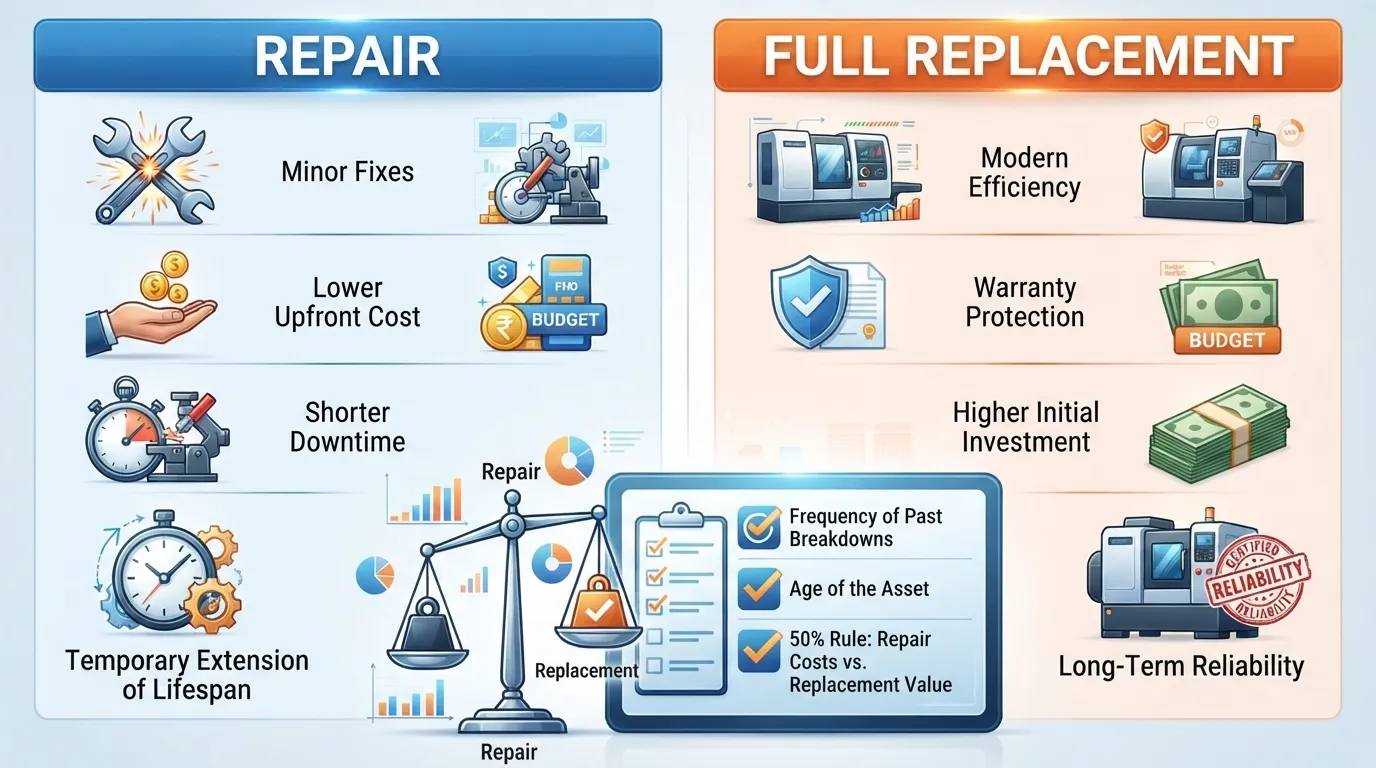
Not every plumbing issue warrants purchasing a brand-new porcelain fixture. Knowing whether to troubleshoot minor internal components or invest in a full replacement saves hundreds of dollars in unnecessary hardware costs.
Signs You Only Need a Repair Wax Seal Fill Valve Flange
Targeted repairs are ideal when the structural integrity of the bowl and tank remains intact, but an isolated component has worn down.
- Running Water: Continuous tank filling usually stems from a faulty flapper or fill valve rather than a broken bowl.
- Base Puddles: Water pooling around the floor base typically indicates a degraded wax ring rather than a cracked porcelain trapway.
- Wobbling Base: Loose rocking without visible porcelain fractures can usually be fixed by tightening floor bolts or resetting the flange.
Cost to Replace a Wax Seal
Replacing a worn wax seal is one of the most cost-effective plumbing maintenance tasks, resolving leaks quickly.
- DIY Material Cost: $5 to $15 for a standard wax ring or a heavy-duty rubber-gasket seal kit.
- Professional Labor Cost: $100 to $200 if a plumber lifts the toilet, cleans the horn, and installs a fresh seal.
- Time Commitment: Takes approximately 45 to 60 minutes for a complete reseating procedure.
Cost to Replace a Toilet Flange
A damaged floor anchor requires immediate corrective action to secure the toilet stability and stop subfloor leaks.
- Repair Kit Expense: $20 to $50 for a stainless steel repair ring or flange spacer plate.
- Total Professional Cost: $150 to $350 for a plumber to cut away old PVC or cast iron and secure a new flange.
- Structural Complications: Severe subfloor rot surrounding the flange can push repair totals much higher.
Signs You Need a Full Replacement
Certain structural failures make complete fixture retirement the only safe and sensible long-term option.
- Visible Cracks: Hairline fractures in the tank or bowl threaten catastrophic leaks and structural water damage.
- Constant Clogging: Older low-efficiency or outdated gravity models that clog repeatedly justify an upgrade to a modern pressure-assisted flush.
- Severe Mineral Build-Up: Permanent internal jet scaling and severe hard water staining that resists all chemical descaling warrant a fixture swap.
DIY vs Hiring a Professional
Deciding whether to tackle a bathroom upgrade yourself or bring in a licensed expert depends on your plumbing experience, available tools, and the overall condition of your bathroom infrastructure. Evaluating the time and complexity prevents costly installation mistakes.
How Long Does It Take to Replace a Toilet?
For an experienced do-it-yourselfer or professional plumber, a straightforward swap takes between 1 to 3 hours from start to finish.
- Removal & Cleanup: 30 to 45 minutes to shut off the water, drain the tank, unbolt the old unit, and clean the flange horn [00:00:27].
- Preparation & Reseating: 20 to 30 minutes to set a new wax ring, position the bowl, and level the unit securely.
- Tank Assembly & Testing: 30 to 45 minutes to mount the tank, attach supply lines, test flush mechanisms, and check for leaks.
Is Toilet Replacement a Big DIY Job? Difficulty Level
Replacing a standard residential toilet is ranked as a moderate DIY home improvement project. While physically manageable, it carries specific risks regarding water leakage [00:01:38].
- Weight & Handling: Porcelain fixtures are heavy and awkward to maneuver, requiring careful lifting to avoid cracking the bowl or scratching flooring.
- Precision Alignment: Lowering the bowl straight down onto floor bolts and the wax ring requires a steady hand on the first try to maintain an airtight seal [00:01:38].
- Long-Term Risk: A misaligned wax seal or overtightened bolt can cause slow, hidden leaks that rot subflooring before becoming noticeable [00:01:38].
Tools & Skills Needed for DIY Installation
Successfully completing a bathroom upgrade without professional assistance requires a specific toolkit and basic mechanical proficiency.
- Essential Toolset: Adjustable wrench, sponge, bucket, putty knife, tape measure, level, and a hacksaw for stubborn rusted bolts.
- Consumable Materials: A fresh wax ring (or rubber gasket alternative), braided stainless steel supply line, and plastic shims for leveling.
- Basic Plumbing Skills: Comfort turning off supply valves, working in tight spatial clearances, and handling heavy porcelain fixtures.
When You Should Always Hire a Plumber
Certain red flags indicate that a project has moved beyond a simple DIY swap and requires licensed professional intervention.
- Severe Subfloor Rot: When the floor surrounding the flange gives way or feels spongy underfoot, structural carpentry work is required [00:00:51].
- Broken Cast-Iron Flanges: Cutting away and replacing damaged metal drain plumbing requires specialized tools, torches, or cutting equipment.
- Smart Toilet Integration: High-end luxury fixtures requiring dedicated electrical outlets, complex bidet water lines, or specialized wall-tank framing demand certified expertise.
How to Get a Fair Quote & Avoid Overcharging
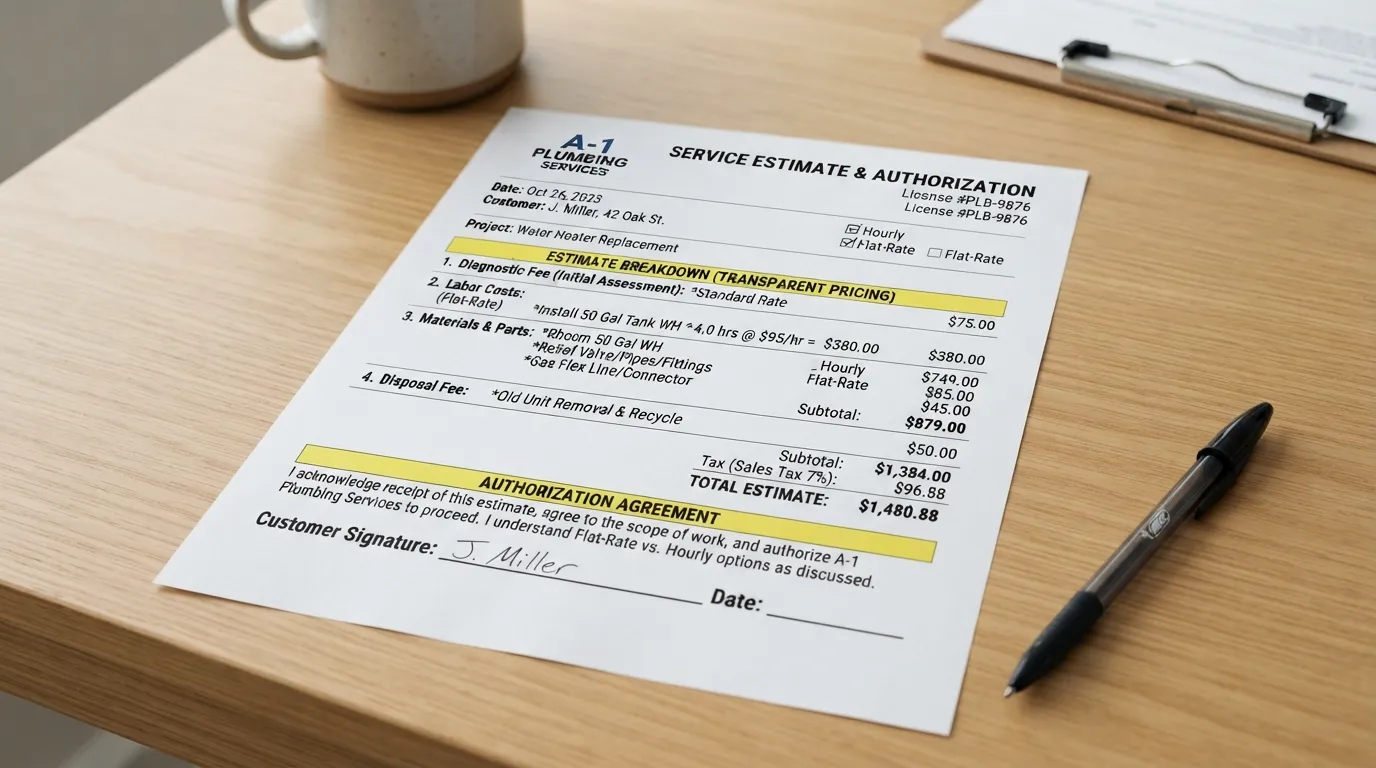
Navigating contractor estimates requires a keen eye for transparent pricing and clear scopes of work. Recognizing common overcharging tactics and gathering multiple independent bids ensures you pay a fair market rate for your bathroom upgrade.
Red Flags of an Overpriced Quote
Dishonest service providers occasionally exploit homeowner urgency by inflating standard supply charges or billing for unnecessary extras.
- Vague Line Items: Quotes that lump labor, materials, and disposal into a single unitemized total without breaking down individual expenses.
- Excessive Markup on Parts: Charging triple or quadruple the retail value for standard wax rings, supply lines, or basic gravity-feed toilets.
- High-Pressure Sales Tactics: Insisting that an immediate, premium upgrade is required due to supposed catastrophic plumbing failure when only a minor seal replacement is needed.
What Real Plumbers Handymen Charge Reddit & Community Insights
Real-world homeowner discussions across community forums and plumbing boards consistently highlight expected baseline costs.
- Standard Plumber Flat Rates: Most homeowners report paying $250 to $450 for standard labor when the flange and subfloor are completely intact.
- Handyman Savings: General handymen frequently charge $120 to $200 for simple swaps, though experienced DIYers note the lack of professional insurance guarantees.
- Surprise Add-Ons: Community feedback warns that rusted floor bolts or hidden flange repairs routinely add $150 to $300 to initial telephone estimates.
Before Hiring
Screening potential contractors with targeted inquiries clarifies service limitations and protects you from hidden fee disputes.
- Does the quote include haul-away? Confirm whether old fixture removal and disposal fees are factored into the flat rate.
- What happens if the flange is damaged? Ask upfront how the contractor bills for unexpected subfloor rot or cracked drain pipe repairs.
- What warranty is provided? Verify whether the service provider backs their workmanship with a written 1-year installation guarantee.
How to Compare Multiple Quotes
Evaluating competing bids side-by-side ensures you select a reliable professional without overpaying for standard labor.
- Apples-to-Apples Comparison: Ensure every contractor bid includes the exact same scope of work, including supply lines, wax rings, and disposal.
- Beware Lowball Bids: Estimates drastically lower than the local market average often conceal hidden add-on fees billed later on-site.
- Verify Licensing & Insurance: Confirm that independent pros carry active general liability insurance to cover any accidental water damage during installation.
Choosing the Right Toilet Types & Reliable Brands
Selecting the ideal bathroom fixture requires weighing aesthetic design preferences, flushing performance, and long-term brand reliability. Understanding different configurations ensures your investment delivers optimal water efficiency and durability.
Two Piece vs One Piece vs Smart Toilets
Different plumbing fixture configurations offer distinct advantages regarding installation ease, cleaning maintenance, and spatial footprint.
- Two-Piece Toilets: The traditional standard featuring a separate bowl and tank, offering budget-friendly pricing and straightforward replacement handling.
They remain the most popular choice for standard residential bathroom retrofits [00:00:26].
- One-Piece Toilets: Seamlessly integrated tank and bowl designs that eliminate hard-to-reach crevices, making them significantly easier to clean and sanitize.
- Smart Toilets: High-end luxury fixtures equipped with integrated bidets, heated seats, auto-flush sensors, and powerful water-saving pressure-assist systems.
Most Reliable Toilet Brands Buying Guide
Investing in industry-trusted manufacturing brands ensures consistent flushing power, readily available replacement parts, and robust warranty backing.
- Toto: Renowned globally for exceptional flushing performance, powerful siphon jets, and reliable internal fill valves.
- Kohler: Offers a diverse lineup ranging from dependable budget gravity models to high-tech intelligent bidet systems.
- American Standard: A staple in residential plumbing known for clog-resistant trapways, WaterSense efficiency ratings, and accessible replacement components.
Budget vs Premium What’s Worth the Extra Cost?
Balancing upfront material expenses against long-term operational convenience helps determine which features justify a higher investment.
- Budget Models ($150–$300): Perfectly adequate for guest bathrooms or rental properties, providing reliable daily performance without luxury frills.
- Mid-Range Comfort Height ($300–$600): Worth every penny for primary master bathrooms, offering ADA-compliant seating heights and superior flushing velocity.
- Luxury Smart Units ($900+): Ideal for homeowners prioritizing ultimate bathroom comfort, heated seating, and customized bidet cleaning cycles.
When Should You Replace Your Toilet?
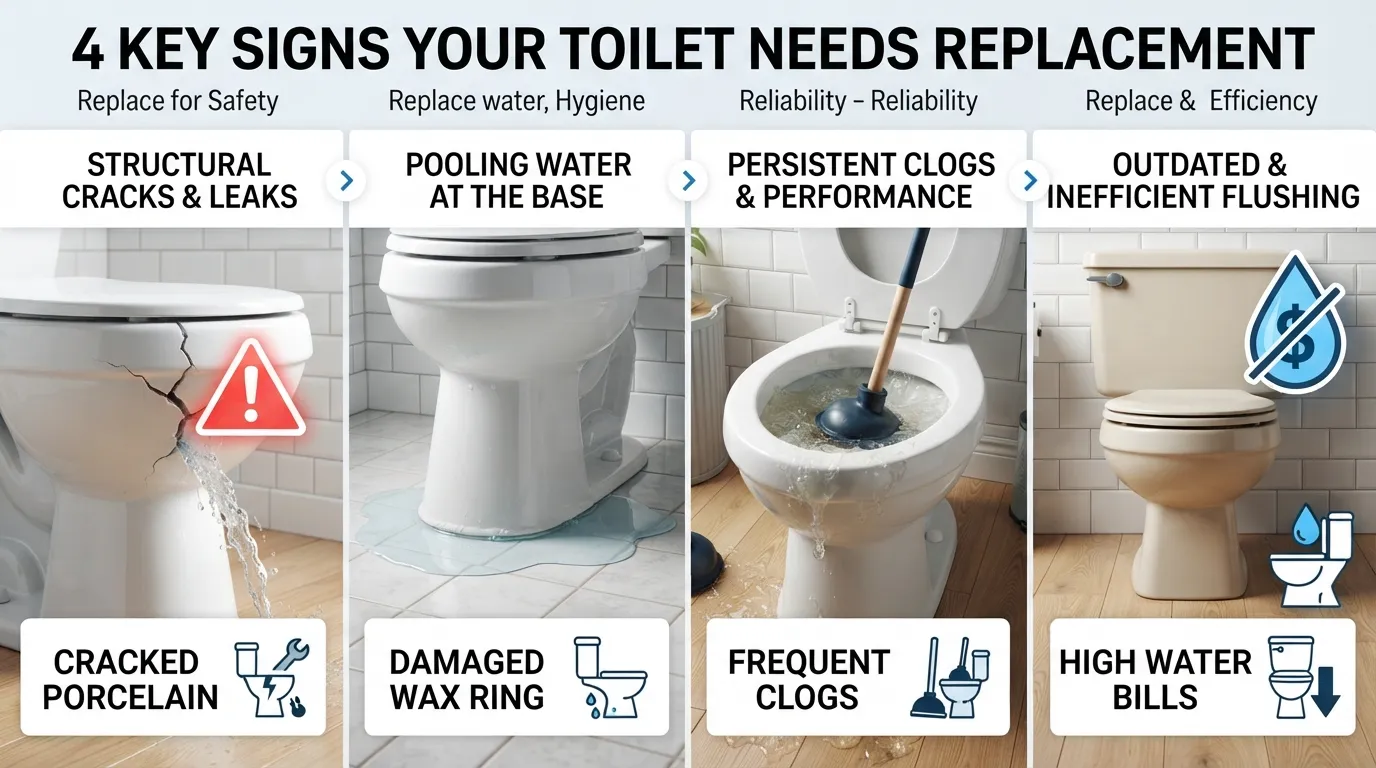
While porcelain fixtures are built to endure decades of daily use, normal mechanical wear, mineral scaling, and outdated water efficiency standards eventually make retirement the most practical option. Recognizing key replacement milestones prevents unexpected bathroom emergencies.
Average Lifespan of a Toilet
The porcelain bowl and tank structure can easily last for 50 years or more, but the internal working components and seals require periodic maintenance.
- Porcelain Structural Durability: 30 to 50+ years for the ceramic body if kept free from severe structural impact or thermal cracking.
- Internal Working Parts: 5 to 10 years for fill valves, flush valves, flappers, and trip levers before natural rubber degradation occurs.
- Wax Seals & Hardware: 10 to 15 years before floor seals harden and risk slow, hidden subfloor leaks.
Signs Your Toilet Needs Replacing
Persistent operational issues often signal that repairing old components is no longer cost-effective compared to installing a fresh unit.
- Recurrent Clogging: Older low-efficiency models that require multiple flushes or constant plunging waste water and cause daily frustration.
- Persistent Mineral Scaling: Internal jet holes permanently clogged by hard water buildup that resists chemical descaling and ruins flush velocity.
- Unexplained Leaks: Hairline fractures in the tank or bowl wall that weep water directly onto flooring, risking structural rot.
Should You Replace a 20 Year Old Toilet?
Retiring a two-decade-old fixture often delivers immediate financial and environmental benefits that outweigh continued repairs.
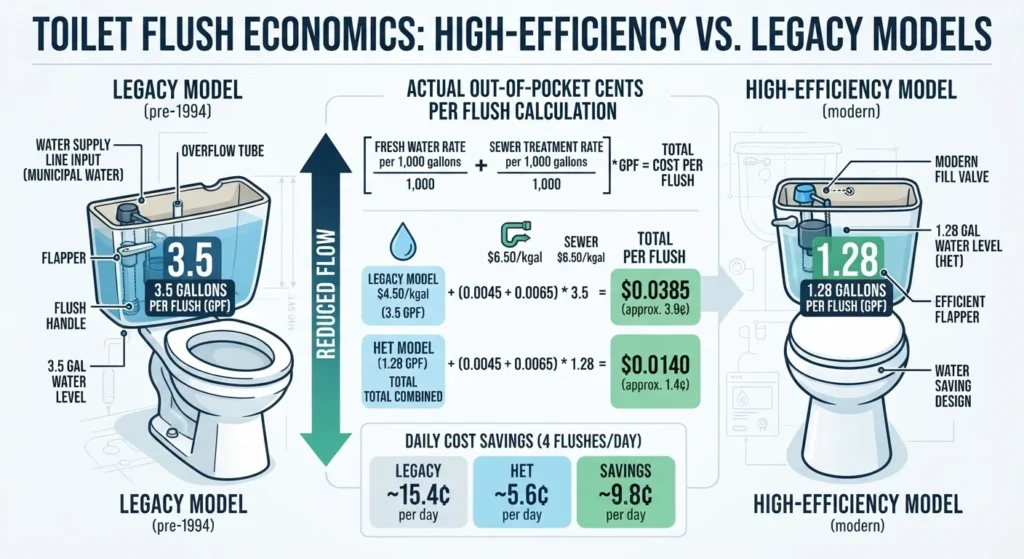
- Water Conservation Gains: Older models consume 3.5 to 7 gallons per flush, whereas modern WaterSense certified toilets use just 1.28 gallons, cutting household water usage significantly.
- Component Availability: Sourcing proprietary replacement valves or unique flush mechanisms for 20-year-old discontinued models becomes increasingly difficult and expensive.
- Proactive Upgrade Value: Replacing an aging fixture on your own schedule prevents catastrophic tank failures or sudden midnight bathroom floods.
Frequently Asked Questions
Addressing common homeowner inquiries regarding pricing, installation requirements, and troubleshooting provides instant clarity and captures Google PAA search intent.
How much should I pay someone to replace a toilet?
Homeowners should expect to pay between $400 and $900 total for a standard professional toilet replacement, which covers both the plumbing labor and a mid-range toilet fixture. For labor alone, expect charges ranging from $200 to $500 depending on your geographic location and site complexity.
How much does a plumber charge to fit a new toilet?
A licensed plumber typically charges between $200 and $500 for a straightforward like-for-like installation if the existing floor flange and subfloor are completely intact. Additional charges will apply if old toilet haul-away, new supply lines, or flange repairs are required.
How much does it cost to replace a toilet fill valve?
Replacing a faulty fill valve costs between $15 and $30 for DIY parts, or $100 to $200 total if you hire a professional handyman or plumber to perform the repair. It is a quick maintenance fix that usually takes less than thirty minutes.
Do you need a plumber, or can you do it yourself?
A standard toilet replacement is a manageable DIY project if you are comfortable working in tight spaces and handling heavy porcelain fixtures. However, you should hire a licensed plumber if you encounter a broken floor flange, rotted subfloor, or if you are installing a complex smart bidet toilet.
Why did my toilet tank crack for no reason?
Sudden toilet tank cracks are usually caused by over-tightened mounting bolts, internal manufacturing stress, or severe thermal shock from extreme water temperature fluctuations. Once a ceramic tank or bowl develops a fracture, it cannot be safely repaired and must be replaced immediately.
How much would it cost to install new toilets and faucets together?
Combining a toilet replacement with a bathroom faucet installation typically pushes total labor costs to $400 to $800, excluding the retail price of the hardware fixtures. Contractors often offer bundled service rates when performing multiple minor plumbing upgrades during the same visit.
Conclusion Final Fair Price Summary
Navigating bathroom fixture upgrades becomes straightforward when you understand the true baseline expenses and variables involved. Armed with clear pricing transparency, you can confidently budget for your project and hire the right professional.
Final Verdict: What’s a Fair Price in 2026?
A fair total investment for a professional toilet replacement ranges from $400 to $900 for standard residential installations. While baseline labor usually costs between $200 and $500, total project expenses fluctuate based on geographic location, plumbing accessibility, and whether you select a standard gravity model or a luxury smart fixture.
Quick Checklist Before You Hire
Reviewing these essential action items before booking a service provider protects you from hidden fees and guarantees high-quality results.
- Get Itemized Bids: Confirm that contractor quotes clearly separate labor, fixture retail costs, wax rings, and disposal fees.
- Check the Flange & Subfloor: Inspect the bathroom floor around the base for softness or moisture to anticipate potential repair add-ons.
- Verify Workmanship Warranties: Ensure your hired plumber or retailer backs their installation labor with a written service guarantee.

Oscar Vance | Master Plumber & Drainage Expert
Meet Oscar Vance, a licensed master plumber sharing practical solutions on residential repairs, preventive maintenance, and thoughtful home upkeep.
Pingback: Can I Replace a Toilet Myself? DIY Guide & Time