 Which Plumbing Device Helps Prevent Backflow?
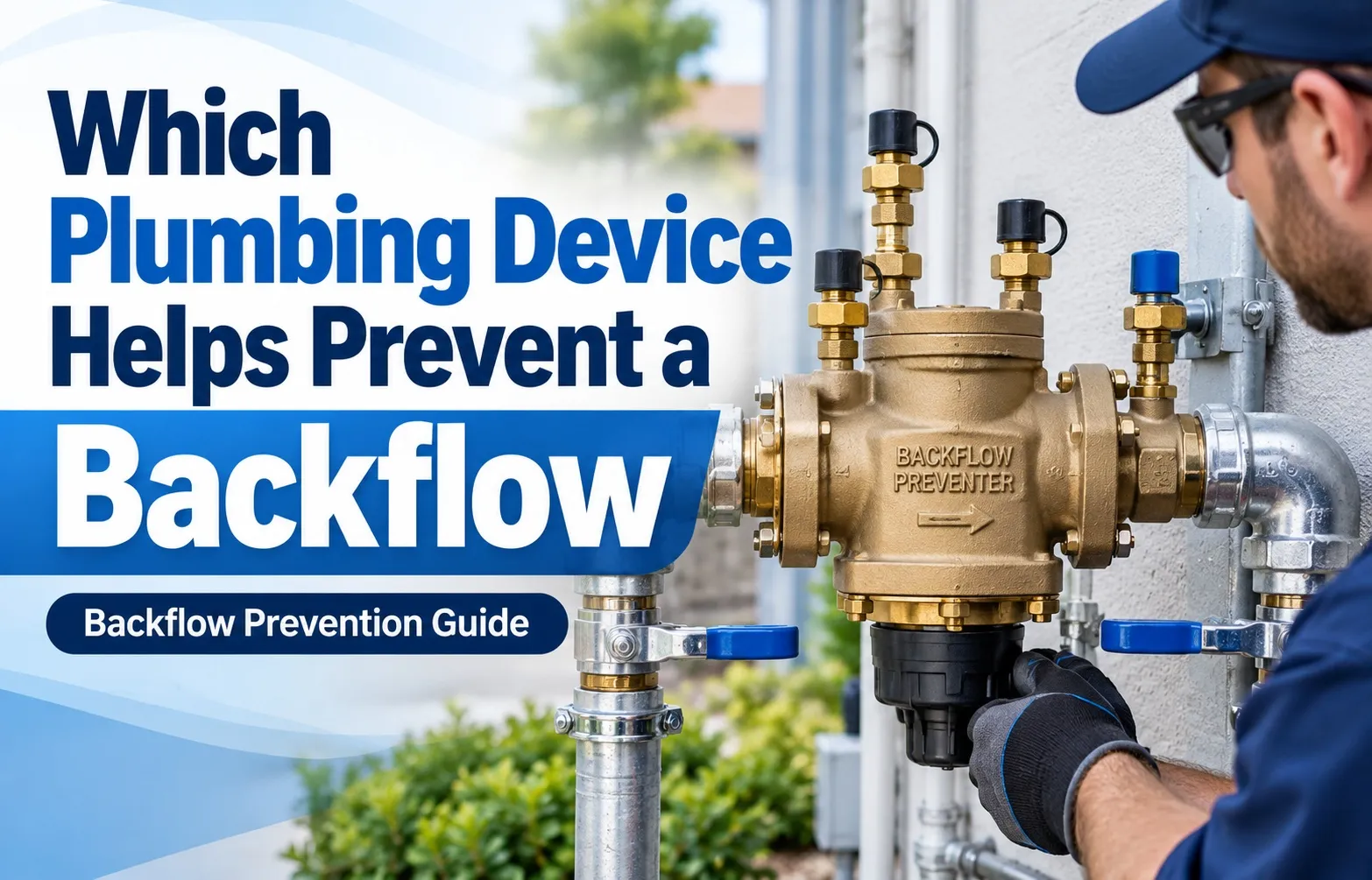
The primary plumbing device engineered to prevent backflow and safeguard potable water supplies from contamination is the backflow preventer. This crucial mechanism stops dangerous non-potable substances, sewage, and chemicals from reversing flow and entering municipal or residential clean water networks.
The Backflow Preventer and Its Primary Types
A backflow preventer stops pressure drops or siphoning from pulling contaminated water backward into clean pipes. Depending on the installation environment and hazard level, different mechanical assemblies serve this protective function.
- Check Valve: A simple single-flap device that allows water to flow forward while automatically sealing shut to prevent reverse flow.
- Vacuum Breaker: A mechanical valve that introduces atmospheric air into the line to break siphoning action and stop backsiphonage.
- Reduced Pressure Zone (RPZ) Assembly: A high-hazard assembly featuring two independently operating check valves and an automatic relief valve.
- Double Check Valve Assembly: A dependable inline system comprising two independent check valves designed for low-hazard cross-connections.
- Air Gap: A physical, vertical empty space between the water supply outlet and the flood rim of a fixture, offering the highest level of protection.
- Backwater Valve: A specialized sewer line flap valve engineered to stop municipal sewage from backing up into home drain systems.
Which Device Is the Right
Plumbing certification exams, building inspector tests, and food safety assessments like ServSafe frequently test candidates on backflow prevention. Knowing the exact terminology expected by examiners ensures correct test results.
- Standard Exam Choice: When a multiple-choice question asks which device prevents backflow, look for vacuum breaker or backflow preventer as the primary correct answer.
- Contextual Options: If multiple valid devices appear, choose an air gap if absolute physical separation is listed, or an RPZ valve for high-hazard commercial kitchen sinks.
- Distractor Awareness: Discard terms like cross-connection (which describes the vulnerable pipe junction, not a device) and grease trap (which captures fats, not backflow).
What Is Backflow and Why Does It Happen?
Backflow occurs when water reverses its intended flow direction within a plumbing system, pulling polluted or contaminated liquids into the clean potable water supply. This dangerous reversal is driven by sudden drops in municipal water pressure or excessive downstream pressure, creating serious public health hazards.
What Is Backflow in Plumbing?
At its core, standard plumbing relies on unidirectional flow to keep drinking water clean. When pressure gradients shift unpredictably, flow reverses, allowing hazardous liquids from domestic or industrial sources to infiltrate the clean lines.
- Flow Reversal: Water moves backward from a fixture into the distribution network.
- Pressure Vulnerability: Unstable water pressure is the primary driver of this failure mode.
- Public Threat: Unchecked backflow compromises community hygiene and safety standards.
Back-Siphonage vs. Back-Pressure: What’s the Difference?
Backflow is triggered by one of two distinct hydraulic phenomena: back-siphonage or back-pressure. Each mechanism operates through different physical principles but results in the same hazardous contamination.
What Is a Cross Connection?
A cross connection is any physical link or potential junction between a safe potable water pipeline and a source of polluted or contaminated water. It represents a system vulnerability rather than a safety device.
- Hose Bibb: A standard garden hose left submerged in a bucket of chemical pesticide or fertilizer.
- Submerged Spout: A faucet sitting below the flood rim of a utility sink filled with dirty water.
- Boiler Connection: Direct piping linking chemically treated industrial heating loops to domestic lines.
Why Backflow Is a Health Risk
Reversing contaminated water into the public water supply introduces severe biological and chemical hazards that threaten community wellness. Understanding these toxins emphasizes the critical need for proper backflow prevention.
- Dangerous Pathogens: Bacteria, sewage, and microorganisms that cause severe waterborne illnesses.
- Toxic Chemicals: Agricultural fertilizers, pesticides, and industrial cleaning agents from unprotected hose bibbs.
- Widespread Impact: Community-wide health emergencies, boil-water advisories, and prolonged utility shutdowns.
Types of Backflow Prevention Devices Explained
Backflow prevention relies on a variety of mechanical assemblies and valves engineered for specific hazard levels and plumbing configurations. Selecting the proper device guarantees compliance with plumbing codes and safeguards the public water supply from dangerous contamination.
Backflow Preventer Types at a Glance
This comprehensive comparison outlines the primary mechanical backflow prevention options, detailing their operation, protection levels, common residential and commercial applications, and vital installation requirements.
Check Valve
A check valve is a foundational one-way mechanical gate that allows water to flow forward while automatically sealing shut under reverse pressure. While essential for basic flow control, it is vulnerable to debris fouling and is never considered sufficient on its own for high-hazard connections.
- Unidirectional Design: Flap or spring mechanisms open under forward pressure and clamp shut during reversal.
- Inherent Limitation: A single check valve lacks redundancy and test ports, making it unreliable for toxic cross-connections.
Atmospheric Vacuum Breaker AVB
An Atmospheric Vacuum Breaker uses a movable float or disc that drops to open an air vent when supply pressure drops, breaking suction and stopping backsiphonage. It provides economical protection for isolated fixtures but has strict operating limitations.
- Continuous Pressure Restriction: AVBs cannot withstand continuous pressure for more than 12 hours and must never have a downstream shut-off valve.
- Common Usage: Ideal for specific hose bibbs, service sinks, and manual lawn sprinklers.
Pressure Vacuum Breaker PVB
A Pressure Vacuum Breaker incorporates spring-loaded check valves and an air inlet valve that operates under continuous pressure. It is a preferred choice for outdoor irrigation networks where pressure fluctuations occur frequently.
- Elevation Requirement: Must be installed upright and positioned a minimum of 12 inches above all downstream piping and sprinkler heads.
- Continuous Pressure Ready: Unlike AVBs, PVBs tolerate continuous water pressure safely without premature failure.
Double Check Valve Assembly DCVA
A Double Check Valve Assembly consists of two independently operating spring-loaded check valves housed in series within a single body, complete with shut-off valves and test cocks. It provides dependable defense against non-health hazards.
- Redundancy Protection: If one check valve fails or gets blocked by debris, the second check valve maintains structural protection.
- Typical Applications: Widely deployed in commercial fire protection lines and low-hazard industrial water feeds.
Reduced Pressure Zone RPZ Assembly
A Reduced Pressure Zone assembly represents the highest tier of backflow protection, combining two independent check valves with an hydraulically operated differential relief valve. This setup maintains an air gap zone between the checks to isolate toxic contaminants.
- High-Hazard Defense: Mandatory for facilities handling chemicals, boilers, commercial medical equipment, and irrigation fertilizer injectors.
- Discharge & Testing: Requires adequate floor drainage space to accommodate routine relief valve discharge during pressure fluctuations, plus annual testing.
Backwater Valve Sewer Backflow
A backwater valve is a specialized plumbing mechanism designed exclusively to prevent municipal sewer lines from backing up into residential or commercial buildings. It addresses drainage flooding rather than drinking-water contamination.
- Flap Mechanism: A one-way gate allows wastewater to exit the building into the main sewer but seals tightly shut when municipal flow reverses.
- Distinct Purpose: While often confused with water supply preventers, backwater valves protect structural basements from wastewater overflow.
What Is the Most Effective and Safest Backflow Prevention Method?
The absolute most effective, safest, and 100% reliable method for preventing backflow is an air gap. Because it relies on a physical, empty vertical space rather than moving mechanical parts, it eliminates any possibility of mechanical failure, valve sticking, or seal degradation.
Is an Air Gap a Backflow Preventer?
An air gap is officially recognized by plumbing codes as a non-mechanical backflow prevention method rather than a manufactured device. Addressing common community inquiries and online discussions regarding whether an air gap qualifies, plumbing standards confirm it provides the ultimate level of defense.
- Physical Separation: It creates an unobstructed vertical distance between the water supply outlet and the flood level rim of a receiving fixture or basin.
- Zero Failure Risk: With no springs, rubber washers, or check flaps to wear out, contamination cannot bridge the physical void.
- Code Recognition: Regulatory authorities rank air gaps superior to all mechanical valves.
Why Air Gaps Aren’t Always Practical
Despite offering unmatched safety, air gaps cannot be deployed universally across all modern plumbing infrastructures. Their physical constraints restrict their use in high-pressure or enclosed applications.
- Closed Loop Pressurization: Systems requiring continuous water pressure—such as firefighting lines or sealed boilers—cannot function with an open gap.
- Irrigation Networks: Underground lawn sprinkler grids need maintained pressure to push water through distribution pipes.
- Space Limitations: Compact commercial setups often lack the vertical clearance necessary to accommodate proper flood-rim spacing.
What Is the Most Commonly Used Backflow Device?
When physical air gaps are impractical, mechanical assemblies take over, with utilization varying drastically depending on whether the property is residential or commercial.
- Residential Settings: Atmospheric and pressure vacuum breakers dominate residential lawn irrigation systems and outdoor hose connections.
- Commercial Properties: Double Check Valve Assemblies (DCVA) and Reduced Pressure Zone (RPZ) units are standard in larger commercial and industrial facilities.
Which Is Best? It Depends on the Hazard Level
Selecting the optimal backflow device always depends on evaluating the specific hazard degree associated with the cross-connection.
- Non-Health (Low Hazard): Use a Double Check Valve Assembly when backflow water presents aesthetic nuisance issues (taste, odor, color) rather than toxicity.
- Health Hazard (High Hazard): Deploy an RPZ assembly when backflow carries toxic chemicals, sewage, or biological pathogens that threaten human life.
- Isolation vs. Containment: Match the assembly rating strictly to local plumbing code mandates and municipal cross-connection control surveys.
Which Backflow Preventer Do You Need?
Choosing the correct backflow prevention device depends entirely on your specific plumbing application, the degree of hazard involved, and local municipal codes. Matching the right device to each unique scenario ensures full compliance and maximum protection against contamination.
Lawn Sprinklers and Irrigation Systems
Irrigation networks are major targets for backflow due to fertilizers, pesticides, and stagnant water pooling in underground sprinkler heads. A Pressure Vacuum Breaker (PVB) or Reduced Pressure Zone (RPZ) assembly is standard depending on chemical injection usage.
- Elevation Requirement: PVBs must be installed upright at least 12 inches above the highest sprinkler head on the zone.
- Common Installation Mistakes: Plumbers frequently fail by mounting the device too low or too close to exterior walls, restricting maintenance access and causing code violations.
Outdoor Hose Bibbs and Garden Hoses
Hose bibbs represent one of the most common cross-connection vulnerabilities in residential properties when garden hoses are left submerged in puddles, pools, or chemical buckets.
- Hose-Connection Vacuum Breakers: These inexpensive, screw-on devices attach directly to outdoor spigots.
- Effortless Defense: They automatically prevent back-siphonage whenever the hose is unpressurized or dropped in contaminated water.
Kitchens Restaurants and Food Service
Commercial kitchens handle heavy grease, chemical sanitizers, and raw foods, making rigorous backflow prevention mandatory for public health and safety compliance.
- Critical Fixtures: Mop sinks, dishwashers, and carbonated beverage dispensers require dedicated air gaps or specialized dual-check valves.
- Beverage Protection: Carbonators use vented dual-check valves to prevent toxic carbon dioxide gas from pushing copper-leached water back into supply lines.
Boilers Water Heaters and Home Plumbing
Closed-loop heating systems and residential water heaters introduce thermal expansion and chemical additives that require localized backflow management.
- Thermal Expansion: Closed water heating loops need expansion tanks and check valves to manage pressure spikes safely.
- Boiler Feeds: Boiler water lines require approved dual check or RPZ assemblies to block corrosion inhibitors and boiler compounds.
Commercial Buildings
Commercial and industrial facilities manage complex multi-story piping networks with high hazard classifications, ranging from manufacturing chemicals to fire suppression loops.
- Containment Strategy: Municipalities typically require an approved assembly immediately where the public main enters the property.
- Regulatory Benefits: Proper commercial backflow prevention limits legal liability, protects building occupants, and satisfies strict insurance mandates.
RVs
RV water hookups at campgrounds are highly susceptible to pressure fluctuations from shared municipal spigots. Installing a simple brass hose-connection backflow preventer or pressure regulator safeguards your fresh RV water holding tank.
Sewer Backups in Basements
Protecting a home from municipal sewage overflow requires a specialized backwater valve rather than a potable water supply device. Installed on the main sewer drain line, its internal flap allows waste to exit freely while blocking street sewage from flooding basement floors.
How Much Does It Cost to Install a Backflow Preventer?
Professional installation costs for a backflow prevention device typically range from $200 to $1,100 for standard residential setups, with most homeowners spending around $350 for parts and labor combined. Pricing varies based on your geographic region, local permit rules, and whether you are installing a basic hose breaker or a heavy-duty commercial assembly.
Typical Cost Ranges by Device Type
Device selection dictates the baseline material and installation expense. Based on current 2026 pricing data from verified trade and contractor estimates, costs break down across standard configurations as follows:
What Affects the Price?
Several variables impact the final invoice provided by your plumbing contractor. Understanding these cost drivers helps you budget accurately without unexpected financial surprises.
- Device and Pipe Sizing: Larger diameter pipes (such as 2-inch or 3-inch commercial lines) require heavy-duty brass or stainless assemblies that cost substantially more than standard residential ½-inch or 1-inch valves.
- Permits and Municipal Fees: Most local building departments require an installation permit ranging from $50 to $200 to ensure cross-connection compliance.
- Initial Certification Testing: Many jurisdictions mandate an official test immediately upon completion, which adds $50 to $150 if not bundled into the installation quote.
Do You Need a Licensed Plumber?
Hiring a licensed professional is strongly recommended and legally mandated in most municipalities for permanent backflow installations.
- Code Compliance: Improperly mounted devices fail municipal inspections, forcing costly re-work.
- Certified Testing: Certified technicians possess specialized pressure-differential gauges required to legally sign off on cross-connection control forms.
Common Quiz Question: Vacuum Breaker vs. Cross Connection vs. Grease Trap
Plumbing certification assessments and food safety exams like ServSafe frequently test candidates on cross-connection controls and contamination hazards. Recognizing the exact device terminology and distinguishing it from system vulnerabilities ensures accurate test performance.
Backflow Prevention Rules Testing and Responsibility
Backflow prevention is governed by strict municipal codes, environmental regulations, and plumbing standards designed to safeguard public health. Understanding legal requirements, testing mandates, and property owner obligations ensures complete compliance and continuous drinking water safety.
Is Backflow Prevention Required by Law?
Yes, backflow prevention is legally mandated by national plumbing codes, state environmental agencies, and local water utilities whenever a potential cross-connection poses a threat to the public distribution system. Regulations vary by jurisdiction, but building codes consistently require approved mechanical assemblies or air gaps for commercial properties, irrigation systems, and industrial facilities. For comprehensive regulatory frameworks and cross-connection guidelines, consult resources such as the EPA Cross-Connection Control Manual.
Why Annual Testing Matters
Mechanical backflow preventers contain vital internal springs, rubber check seals, and movable valve components that degrade over time due to mineral buildup, water pressure spikes, and normal wear and tear.
- Certified Inspection: Municipalities typically require annual testing performed by a licensed, certified backflow tester using calibrated differential pressure gauges.
- Failure Consequences: If an assembly fails a test, it must be immediately repaired or replaced to restore legal water supply protection and prevent utility shut-offs.
Who Is Responsible: Owner Utility or Plumber?
Responsibility for backflow prevention is clearly divided among key stakeholders in the water supply network.
- Property Owner: The property owner is entirely responsible for purchasing, installing, maintaining, and annually testing required backflow prevention assemblies on their premises.
- Water Utility: The local municipal water supplier sets cross-connection mandates, monitors hazard classifications, and enforces compliance to protect the public water main.
- Licensed Plumber: Certified plumbing professionals handle compliant physical installations, retrofits, and mechanical repairs.
Signs Your Backflow Preventer Needs Attention
Property owners often wonder why backflow valves or relief valves leak water unexpectedly. Common warning signs and their underlying triggers include:
- Debris Fouling: Sediment, sand, or pipe scale trapped inside check valve seats, preventing a tight seal.
- Worn Seals and Springs: Rubber washers and internal springs degrading over years of continuous operation.
- Freezing Damage: Exterior or uninsulated devices cracking during sub-freezing winter weather.
- Pressure Fluctuations: Sudden municipal pressure spikes causing normal intermittent discharge from an RPZ relief valve.
How to Winterize a Backflow Preventer
Properly winterizing your outdoor backflow preventer is essential to prevent costly freeze damage during sub-freezing winter months. Exposed brass valves, irrigation vacuum breakers, and commercial RPZ units are highly susceptible to cracking when trapped water expands as it turns to ice.
Why Backflow Devices Freeze and Crack
Brass and bronze backflow bodies retain water even after sprinkler systems are turned off for the season. When temperatures drop below freezing, stagnant water inside the valve chamber expands with immense force, fracturing metal housings, splitting internal check modules, and destroying expensive assemblies.
- Water Expansion: Trapped water exerts thousands of pounds of pressure as it freezes.
- Exposed Placement: Above-ground installations face severe wind-chill and rapid temperature drops.
Basic Winterizing Steps
Protecting your equipment requires a systematic approach to draining and insulating the assembly. Always follow the manufacturer’s specific instructions—such as those for Zurn Wilkins units—for your exact model.
- Shut Off the Water Supply: Turn off the main isolation valve located indoors or below the frost line to cut off water flow to the backflow device.
- Open Test Cocks and Ball Valves: Open the upstream and downstream ball valves to an angle of 45 degrees, and open all test cocks to drain trapped internal water.
- Drain and Bleed Residual Pressure: Use a compressed air blowout if necessary, ensuring all moisture is cleared from the internal chambers.
- Insulate and Cover: Wrap the assembly with specialized foam insulation and install an insulated weather-resistant backflow pouch or cover.
When to Call a Professional
While basic insulation and valve closing can be DIY tasks, certain situations require professional intervention. Contact a licensed technician if you have complex commercial assemblies, experience stubborn test cocks, or discover pre-existing freeze cracks that demand immediate part replacement before spring startup.
Frequently Asked Questions
What are three common backflow prevention devices?
Three common backflow prevention devices include the Pressure Vacuum Breaker (PVB), the Double Check Valve Assembly (DCVA), and the Reduced Pressure Zone (RPZ) assembly. These mechanical units protect water supplies across residential irrigation, commercial plumbing, and industrial networks by stopping contaminated water from reversing flow into clean pipes.
What is the valve called that prevents backflow?
A valve that prevents backflow is officially referred to as a backflow preventer or check valve assembly. Specific models include atmospheric and pressure vacuum breakers, dual check valves, and differential pressure relief valves, all engineered to stop reverse flow and protect clean drinking water systems.
What is a backflow prevention device for water?
A backflow prevention device for water is a mechanical plumbing assembly designed to stop non-potable substances, chemicals, and sewage from being siphoned or forced backward into the clean municipal or residential potable water supply during sudden pressure drops.
What are the four types of backflow preventers?
The four main types of mechanical backflow preventers are the Atmospheric Vacuum Breaker (AVB), Pressure Vacuum Breaker (PVB), Double Check Valve Assembly (DCVA), and Reduced Pressure Zone (RPZ) assembly. Each offers differing degrees of hazard protection depending on your plumbing setup.
What is the only 100% safe method for backflow prevention?
An air gap is the only 100% safe and foolproof method for backflow prevention. By maintaining an unobstructed physical vertical space between the water supply outlet and the flood level rim of a fixture, it completely eliminates mechanical failure risks.
Do backflow preventers need to be tested every year?
Yes, mechanical backflow preventers generally require annual testing by a certified backflow technician. Because internal rubber seals, springs, and check valves wear down or collect debris over time, yearly testing ensures they remain fully operational and compliant with local building codes.
Can I install a backflow preventer myself?
While simple hose-connection vacuum breakers can be hand-screwed onto outdoor spigots by homeowners, permanent backflow preventers require a licensed plumber. Municipal codes mandate professional installation, proper permitting, and certified testing to legally safeguard public drinking water.
What is a plumbing backflow device?
A plumbing backflow device is a specialized valve system installed on water supply lines to prevent polluted water, fertilizers, or sewage from flowing backward into safe drinking water pipes during pressure surges or negative siphonage events.
Conclusion and Key Takeaways
Safeguarding your drinking water from toxic contamination requires understanding backflow risks, selecting the appropriate mechanical device or method, and complying with local regulatory standards. Proper installation and maintenance protect both public health and your plumbing investment.
Key Takeaways
- Core Definition: A backflow preventer is a specialized plumbing valve engineered to stop contaminated water from reversing flow into clean potable supplies.
- Main Device Types: Common options include check valves, atmospheric and pressure vacuum breakers, double check valve assemblies, and RPZ units.
- The Safest Method: An air gap provides 100% foolproof protection by using physical vertical space instead of moving mechanical parts.
- Situation-Based Selection: Match your device strictly to the hazard level, utilizing PVBs for irrigation systems and RPZs for high-hazard toxic lines.
- Professional Installation: Permanent backflow assemblies require licensed plumbers to ensure proper permitting and code compliance.
- Annual Testing Mandate: Mechanical preventers must be tested yearly by certified technicians to verify internal valve integrity.
Home Improvement Researchers & Guides Editors
Meet the Nest Team, a collective of dedicated researchers, home improvement enthusiasts, and industry writers sharing practical guides, thorough category research, and trusted solutions for residential repairs and thoughtful home upkeep.