Do You Have to Repaint Colored Metal Roofing?
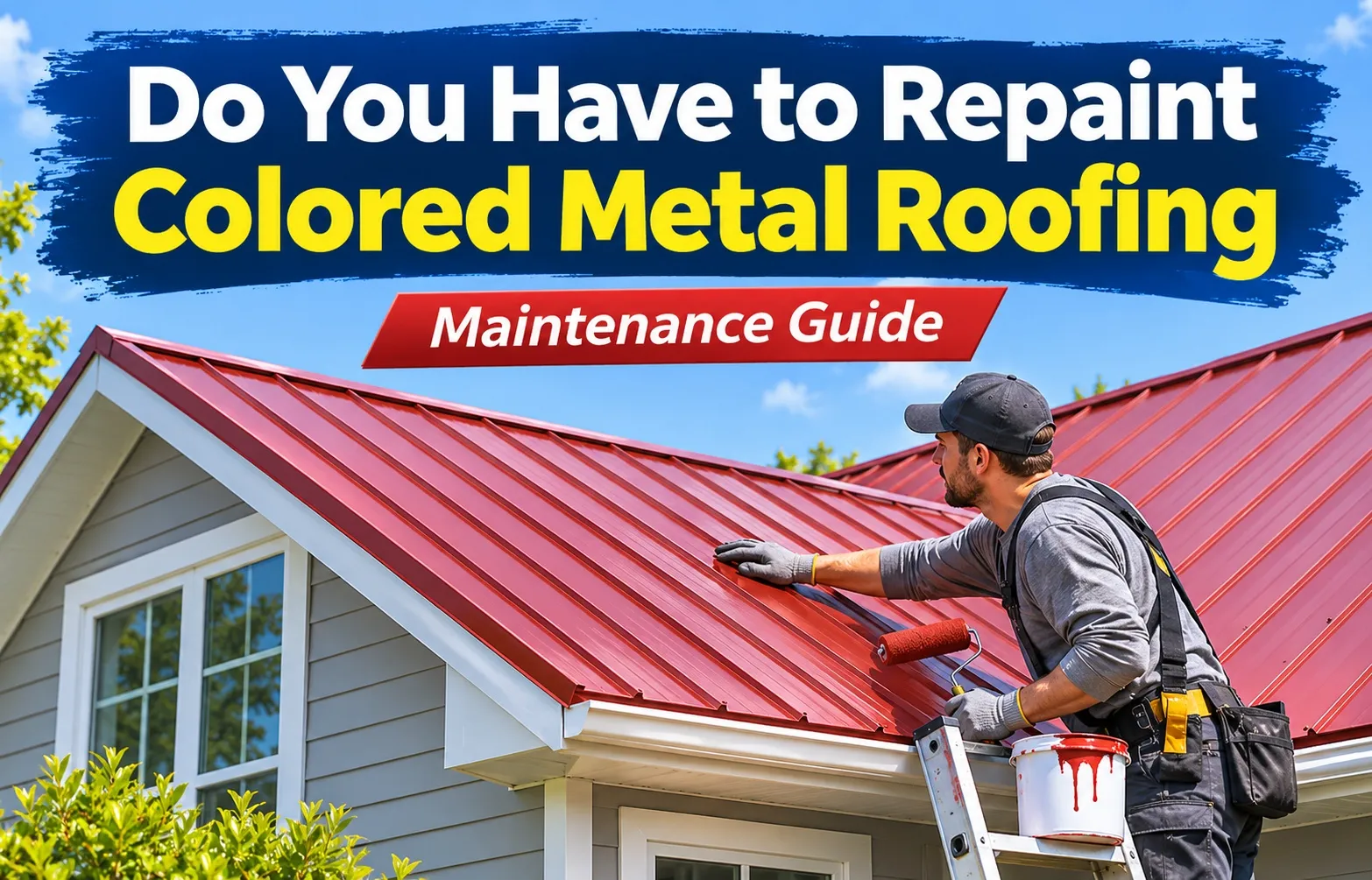 No, you do not have to repaint colored metal roofing if the underlying metal substrate is structurally sound, leak-free, and protected by an intact factory finish. Repainting is an optional cosmetic upgrade unless severe chalking, widespread surface oxidation, or raw metal exposure threatens the roof lifespan.
Factory-applied baked-on finishes last anywhere from 20 to 40 years without requiring a field-applied coating. Unless you want to change your home’s aesthetic or stop early-stage surface rust, routine roof maintenance requires only periodic washing rather than fresh paint.
Do You Have to Repaint a Colored Metal Roof?
Repainting a colored metal roof is only necessary when the original protective barrier degrades to the point where bare metal is vulnerable to weather exposure. Modern factory-applied finishes like PVDF coating systems are engineered to resist extreme UV radiation, chalking, and color fading for decades.
If your roof maintains structural soundness and shows no signs of flaking, peeling, or rust, applying new paint offers zero functional benefit. However, when factory paint wears down to the bare metal substrate, repainting becomes critical to prevent rust formation and extend total roof lifespan.
- Factory Finish Integrity: Baked-on factory coatings protect against environmental degradation far longer than standard field-applied paints.
- Structural Soundness: As long as fasteners, seams, and metal panels remain watertight, repainting remains entirely optional.
- Cosmetic vs. Functional Need: Uniform color fading is a natural cosmetic change, whereas active peeling or rust indicates a functional need for paint.
Decision Matrix: Repaint, Leave Alone, or Replace?
Determining whether to repaint, leave your roof alone, or invest in a full replacement depends on visual condition, roof age, and structural integrity. Evaluating these key indicators helps prevent unnecessary expenditure on cosmetic fixes when repairs or replacements are required.
Review the breakdown below to match your roof’s current status with the appropriate course of action:
- Leave Alone: Minor surface color fading, fully intact factory finish, no chalking residue, and zero active water leaks.
- Repaint: Severe chalking, desire for a complete aesthetic style change, localized surface rust spotting, or a roof aged 20+ years with a solid, sound metal substrate.
- Replace: Widespread pitting rust, extensive panel corrosion, major structural seam failures, or persistent leaks caused by metal degradation.
Factory Finish vs. Field Paint: The Science of Metal Roof Coatings
Understanding why factory-applied metal roof coatings outlast aftermarket paint comes down to manufacturing chemistry and application physics. Factory coatings are thermally cured directly to the raw coil under controlled industrial conditions, creating a chemical bond that air-dried field paints cannot replicate.
Applying standard house paint over an engineered metal substrate often leads to rapid flaking, peeling, and adhesion loss within a few seasons. Recognizing the underlying material science helps you make informed choices about coating selection, maintenance, and long-term protection.
PVDF (Kynar 500) vs. SMP (Siliconized Modified Polyester)
The two dominant factory-applied paint systems used in modern colored metal roofing are Polyvinylidene Fluoride (PVDF, commonly known by the brand name Kynar 500) and Siliconized Modified Polyester (SMP). Both are applied via an automated coil coating process, where flat metal sheets are cleaned, pretreated, painted, and baked in high-temperature ovens at temperatures exceeding 450°F (232°C).
This intense thermal curing process cross-links the resin molecules, creating a non-porous, highly dense shield. In contrast, field-applied paints dry naturally at ambient air temperatures, leaving microscopic voids that allow moisture and UV rays to degrade the bond much faster.
- PVDF (Kynar 500): Uses fluoropolymer resin technology with extremely strong carbon-fluorine bonds. It offers elite resistance to chalking, color fading, and harsh chemical exposure.
- SMP (Siliconized Modified Polyester): Blends silicone with polyester resins to optimize hardness and scratch resistance. It provides good durability at a lower price point, but chalks faster under intense sunshine than PVDF.
- Coil Coating Advantage: Precise factory film thickness and high-temperature curing ensure consistent adhesion and UV resilience across every square inch of the panel.
Why Standard Exterior House Paint Will Fail on Metal
Using conventional exterior wall paint or basic acrylic latex on a metal roof is one of the most common DIY mistakes homeowners make. Metal roofs undergo continuous thermal expansion and contraction throughout the day as sunlight hits and releases heat from the steel or aluminum substrate.
Standard architectural house paint lacks the elastomeric flexibility needed to expand and contract alongside metal panels. As the surface shifts under temperature fluctuations, rigid paint films crack, wrinkle, and delaminate from the surface.
- Thermal Expansion Dynamics: Metal panels expand significantly under summer heat. Non-flexible house paints snap under tension, creating micro-cracks that trap moisture.
- Adhesion Loss on Galvanized Steel: Bare galvanized steel contains a smooth zinc protective layer. Standard paints cannot etch into or bond with non-porous zinc without specialized primers, leading to widespread peeling.
- Chemical Incompatibility: Alkaline compounds in certain paints react poorly with zinc or aluminum, causing saponification—a chemical reaction that turns the bottom layer of paint into a soft, soapy film that loses all adhesion.
Fading, Chalking, and Color Physics in Metal Roofing
Color degradation on a metal roof is driven by continuous exposure to ultraviolet (UV) radiation and intense thermal absorption. Over time, sunlight breaks down the chemical structure of the paint layer, changing how light reflects off the panel surface.
Distinguishing between normal cosmetic fading and structural coating degradation is essential for evaluating whether your roof needs immediate maintenance or can simply be left alone.
Understanding UV Degradation: Fading vs. Chalking
UV radiation degrades metal roof coatings through two distinct processes: color fading and resin chalking. Fading occurs when high-energy ultraviolet light alters the chemical bonds within the paint pigments, reducing color vibrancy and altering shade depth.
Chalking happens when UV rays break down the resin binder holding the pigment particles together on the roof surface. As the resin chemistry decomposes, it leaves behind a fine white powdery residue that rubs off easily on skin or clothing.
- Color Fading: A gradual loss of pigment saturation caused by photon bombardment breaking down color compounds in the coating.
- Chalking Residue: White, film-like powder formed on top of the paint layer as the organic resin matrix erodes under weather exposure.
- Coating Health Assessment: Light chalking can often be scrubbed away during cleaning, but severe resin breakdown signals that the metal panel is losing its weather barrier.
Which Metal Roof Colors Fade the Fastest?
The speed at which a metal roof color degrades depends heavily on pigment chemistry and thermal absorption rates. Paints crafted with organic pigments—such as vibrant reds, deep blues, forest greens, and dark browns—absorb higher energy wavelengths, making their molecular structures far more susceptible to rapid pigment breakdown under sunlight.
In contrast, light shades utilize inorganic ceramic or mineral oxide pigments (such as titanium dioxide for whites, tans, and light grays). These mineral-based compounds reflect UV energy much more effectively and maintain shade stability across decades of climate exposure.
Thermal performance also plays a central role in long-term finish survival, as measured by the Solar Reflectance Index (SRI). Darker roofs absorb heat, reaching surface temperatures above 160°F (71°C) on hot summer days. This thermal load accelerates the chemical erosion of low-grade paints, whereas high-SRI coatings reflect radiation and keep surface temperatures low.
To inspect exact resin formulations and ultraviolet endurance testing standards, review technical data outlined in official PVDF resin performance specifications.
When Repainting Won’t Help (When to Replace)
Repainting a metal roof is a protective and cosmetic restoration technique, not a structural repair solution. Coating over structurally compromised panels, active leaks, or corroded metal substrates wastes money without addressing underlying building safety risks.
Recognizing the difference between cosmetic surface degradation and irreversible structural failure prevents costly mistakes. When metal panel integrity is lost, full roof replacement becomes mandatory.
Severe Substrate Rust vs. Surface Rusting
Not all rust on a metal roof carries the same structural weight. Surface oxidation—often appearing as fine white zinc powder on galvanized steel or minor light brownish spotting—can typically be wire-brushed, primed with rust inhibitors, and painted over successfully.
Severe red oxide rust breakthrough indicates that the protective zinc or Galvalume barrier has completely worn away, allowing oxygen and moisture to consume the core steel substrate. Painting over deep rust flakes or pitted metal traps moisture underneath, accelerating internal structural decay.
- Cosmetic Surface Oxidation: Light surface spots or zinc oxide scale that have not eaten into the core metal thickness. These can be prepped, treated, and recoated.
- Red Oxide Rust Breakthrough: Advanced iron oxide corrosion that degrades panel thickness, causes metal flaking, and creates micro-pinholes.
- Substrate Pitting: Deep cratering in the steel where metal integrity is compromised. Paint applied over pitted metal will bubble and peel off rapidly.
Structural Seam & Fastener Failures
A primary failure point in aging metal roofs is at the mechanical attachment joints and panel laps. Applying a liquid paint film over loose screws, deteriorated rubber gaskets, or separated standing seam locks cannot restore watertight performance.
Field-applied roof paints and coatings lack the tensile strength and gap-bridging capability needed to hold expanding and contracting roof panels together or stop structural leaks.
- Fastener Degradation: Neoprene and EPDM washers dry out, crack, and back out under thermal movement over 15 to 20 years. Paint will not seal dry-rotted screw holes.
- Standing Seam Failure: If folded interlocks gap open or snap locks fail, wind-driven rain will bypass panel seams regardless of topcoat thickness.
- Active Roof Leaks: Liquid roof coatings are designed to protect surfaces, not seal open structural gaps or structural entry points.
Step-by-Step Metal Roof Repainting Protocol
Achieving a durable finish on a metal roof requires strict adherence to professional surface preparation, rust treatment, and coating application guidelines. Skipping preparation steps is the primary cause of premature peeling and coating failure.
Following a precise step-by-step workflow ensures proper adhesion between the metal substrate and the new topcoat, maximizing protection and longevity.
Step 1: Surface Preparation & Chalk Removal
Thorough surface preparation is mandatory to eliminate dirt, biological growth, and accumulated chalk residue before any primer touches the metal. Power washing between 2500 and 3000 PSI combined with a Trisodium Phosphate (TSP) or specialized metal cleaning solution scrubs away loose powder and oil residue.
Rinse the roof thoroughly with clean water and allow it to dry completely for at least 24 to 48 hours before applying primers or coatings.
- Pressure Washing Specs: Maintain a safe distance (12 to 18 inches) to avoid damaging panel seams or flashing joints while lifting embedded contaminants.
- TSP Detergent Application: Breaks down stubborn grease, industrial fallout, and degraded resin binders.
- Drying Window: Ensure zero moisture remains trapped in panel overlaps or fastener pockets prior to priming.
Step 2: Treating Rust & Galvanized White Rust
Active rust spots and galvanized white rust (zinc oxidation) must be manually neutralized and treated to prevent corrosion from spreading underneath the fresh paint film. Use mechanical wire brushing or abrasive sanding pads to clear away flaky red rust and powdery white zinc deposits.
Apply a high-performance Direct-To-Metal (DTM) rust-inhibiting primer to all bare metal areas and treated corrosion sites to establish a strong chemical anchor.
- Mechanical Abraison: Wire brushing or sanding opens up the microscopic pores of exposed metal for better primer mechanical lock.
- White Rust Treatment: Wash zinc-coated areas with an acidic etching solution to neutralize white oxidation crusts.
- DTM Primer Application: Forms an anti-corrosive barrier that stops iron oxidation and primes the surface for topcoat adhesion.
Step 3: Choosing the Correct Field Coating
Selecting the appropriate field coating depends on your climate conditions, roof slope, and budget. Avoid standard paints and choose specialized formulations engineered specifically for metal substrates.
Compare the three primary coating systems used for metal roof restoration:
- 100% Acrylic DTM Roof Coatings: Offer exceptional UV stability, color retention, and flexibility against thermal expansion cycles.
- Elastomeric Roof Coatings: High-build, rubberized formulas designed to bridge micro-cracks, waterproof seams, and lower building interior temperatures.
- Silicone Alkyd Coatings: Provide moisture resistance and good hardness, though less stretchable than acrylic or elastomeric options.
Step 4: Application Methods (Airless Spraying vs. Rolling)
Coating application requires strict adherence to environmental parameters and film thickness specifications. Ambient temperatures should remain between 50°F and 85°F with relative humidity below 85 percent during application and curing.
Professional contractors typically utilize high-pressure airless sprayers for uniform coverage, followed by back-rolling on textured panels to push the coating into seams and fasteners.
- Airless Sprayer Setup: Delivers rapid, even coverage across large corrugated or standing seam roof surfaces.
- Dry-Film Thickness (DFT) Specs: Measure wet film thickness during application to ensure the coating cures to the manufacturer’s recommended dry-film mil thickness.
- Weather Windows: Avoid painting in direct midday sun on extremely hot panels or when rain is forecasted within 24 hours.
Cost Analysis: Repainting vs. Replacing
Evaluating the financial commitment of maintaining a colored metal roof requires comparing the metal roof repainting cost against a full structural replacement. Understanding these numbers helps homeowners maximize roof replacement ROI while avoiding unnecessary teardowns.
Reviewing detailed per-square-foot metrics for both professional contracting and DIY execution clarifies the immediate and long-term financial differences.
Average Cost to Repaint a Metal Roof (Per Sq. Ft.)
The total investment required to repaint a metal roof varies depending on whether you hire a professional contractor or complete the work yourself using specialized coating materials cost kits. Professional painting typically includes thorough pressure washing, chemical cleaning, rust treatment, primer application, and topcoating.
DIY projects save on labor expenses but require purchasing industrial-grade sprayers, safety harnesses, and specialized DTM coatings.
- Professional Contractor Cost: Ranges between $1.50 and $3.50 per square foot, covering full surface prep, safety rigging, and multi-layer coating application.
- DIY Material Cost: Ranges between $0.55 and $1.10 per square foot, factoring in commercial-grade DTM primers and acrylic topcoats.
- Roof Size and Pitch Impact: Steep pitches, complex architectural detailing, and multi-story structures increase labor time and overall project pricing.
Repainting vs. Roof Replacement Cost Comparison Table
Choosing between recoating and full tear-off replacement involves balancing upfront expenses against expected longevity and warranty protection. For structurally sound roofs experiencing cosmetic fading or minor chalking, repainting delivers significant financial savings.
Examine the detailed comparison matrix below to determine the best financial strategy for your property:
- Initial Financial Barrier: Repainting costs a fraction of total replacement, making it an attractive intermediate maintenance step.
- Lifespan Return on Investment: Extending an aging roof’s service life by a decade delays major capital expenditures until structural replacement becomes unavoidable.
- Warranty Limitations: Field coating warranties protect against peeling and blistering, whereas full replacements offer comprehensive metal panel performance guarantees.
The Warranty Trap: What Happens When You Paint?
Applying an aftermarket paint system to a factory-finished metal roof carries significant legal and financial consequences for your existing coverage. Many homeowners inadvertently forfeit valuable long-term manufacturer guarantees by painting over factory coatings without reading the underlying terms.
Understanding how field-applied paints affect your current protections allows you to make informed decisions before altering your roof surface.
Does Painting Void Your Factory Metal Roof Warranty?
Yes, field painting almost universally voids your original factory paint integrity and finish warranties. Standard manufacturer agreements for PVDF or SMP finishes include strict clauses that prohibit applying unauthorized topcoats, unapproved chemical solvents, or improper surface treatments.
Factory guarantees—such as 30-year film integrity warranties or 20-year chalk and fade covenants—rely on precise baking conditions during manufacturing. Introducing unapproved field paints disrupts the original chemical layer and revokes the manufacturer’s liability for future flaking, blistering, or delamination.
- Warranty Voidance Clauses: Factory policies state that applying unapproved paint layers automatically terminates original chalk, fade, and film integrity coverage.
- Loss of Film Integrity Protection: If a field coat causes moisture entrapment and damages the underlying metal finish, the manufacturer is not responsible for repair costs.
- Fastener and Substrate Exceptions: While paint voidance cancels finish coverage, structural panel warranties (against rust-through perforated metal) may remain intact depending on manufacturer terms.
How to Secure a New Field-Applied Coating Warranty
If your factory warranty has already expired or you must repaint to address severe chalking, you can secure new protection through a field-applied coating warranty. Professional liquid-applied acrylic and elastomeric roof coatings offer replacement coverage ranging from 5 to 15 years.
To qualify for these performance guarantees, manufacturers usually require the product to be applied by a certified applicator who follows strict surface prep, priming, and dry-film thickness protocols.
- Certified Applicator Requirement: Commercial coating manufacturers issue leak-proof and adhesion warranties only when installed by trained, factory-approved contractors.
- Pre-Inspection Verification: Contractors must perform adhesion tape tests and document surface prep before coating to validate warranty standing.
- Labor vs. Material Guarantees: DIY paint cans offer basic product replacement for bad paint batches, whereas professional field warranties cover both material and labor costs.
Frequently Asked Questions About Repainting Colored Metal Roofing
Addressing common questions about colored metal roof maintenance helps homeowners make practical decisions regarding coating lifespan, color adjustments, and energy performance. Clear answers to key search queries clarify what to expect during a roof recoating project.
Can you change the color of a metal roof completely (e.g., Black to White)?
Yes, executing a complete roof color change from a dark shade like black to a bright shade like white is entirely feasible. To block dark background bleed-through and ensure proper topcoat adhesion, apply a high-hiding Direct-To-Metal (DTM) acrylic primer followed by two coats of premium elastomeric or 100% acrylic roof paint.
Shifting to a lighter color significantly boosts reflective solar energy performance, reducing thermal heat gain during hot summer months.
- High-Hiding Blockers: Specialty primers prevent dark underlying factory pigments from showing through light topcoats.
- Multi-Coat Application: Applying two full topcoats ensures complete color coverage and uniform visual appearance.
- Thermal Benefits: Transitioning from dark to light shades lowers summer roof surface temperatures dramatically.
How long does paint last on a metal roof?
Coating lifespan varies significantly depending on whether the paint system is applied in a factory environment or in the field. Original factory-applied PVDF (Kynar 500) systems last between 30 and 40+ years without peeling or significant chalking.
High-quality field-applied elastomeric or DTM acrylic coating systems typically provide a reliable service life of 10 to 15 years when applied over properly prepped surfaces.
- Factory PVDF Coatings: 30 to 40+ years of high UV endurance and color stability.
- Professional Field Coatings: 10 to 15 years of weatherproofing protection under proper maintenance.
- DIY Paint Applications: 5 to 8 years before requiring touch-up work or recoating.
Is recoating a metal roof worth it?
Recoating a metal roof provides high roof recoating value when the metal panels remain structurally sound, rust-free, and securely attached. Repainting extends the overall service life by up to 15 years at approximately 30 percent of the cost of a full roof replacement.
However, recoating offers poor return on investment if applied over deeply corroded metal, failing seams, or structural water leaks.
What is the coolest color for a metal roof to lower energy bills?
White is the most effective cool metal roof color for maximizing residential energy efficiency. High-reflective white coatings bounce back up to 80 percent of solar radiation, maintaining lower panel temperatures and reducing household cooling demands.
Light beige, tan, and reflective light silver colors also feature high Solar Reflectance Index (SRI) ratings, serving as energy-efficient alternatives when white does not match home architecture.
- Bright White: Highest SRI rating; reflects the maximum percentage of solar heat away from the building.
- Light Beige & Tan: Excellent thermal reflection with a warmer architectural appearance.
- Reflective Light Silver: Combines metallic aesthetics with strong solar reflection to help decrease utility costs.

Oscar Vance | Master Plumber & Drainage Expert
Meet Oscar Vance, a licensed master plumber sharing practical solutions on residential repairs, preventive maintenance, and thoughtful home upkeep.