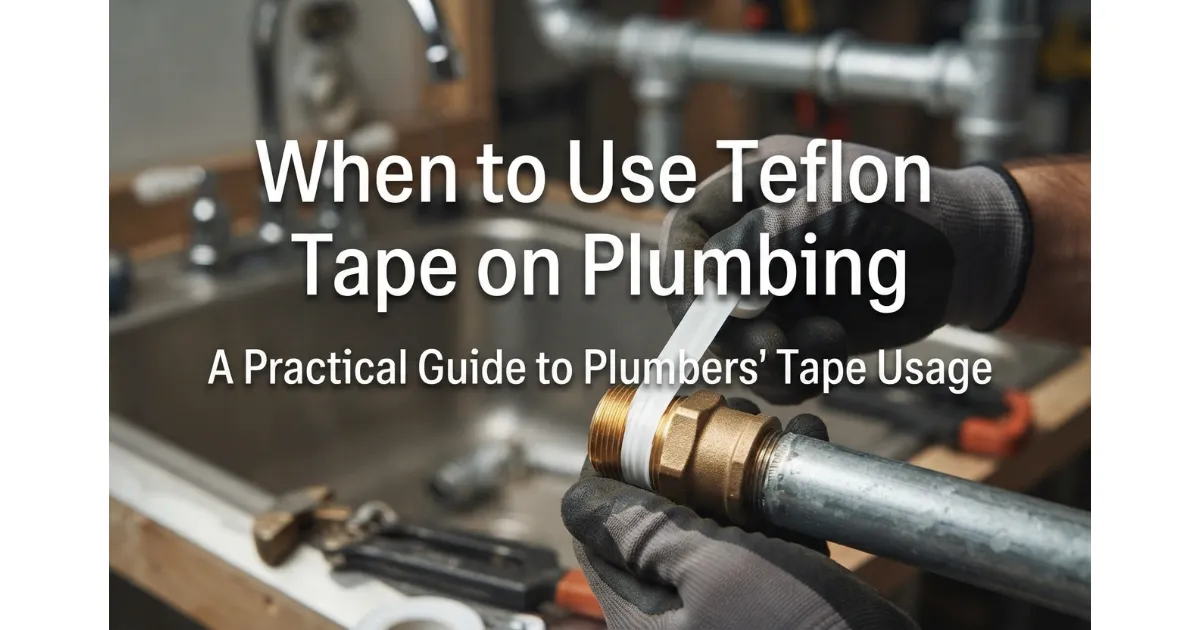
Introduction to Teflon Tape and Its Essential Plumbing Role
Thread seal tape, commonly known as Teflon tape or PTFE tape, is an indispensable material in modern plumbing and mechanical installations. It functions as a deformable filler and lubricant, ensuring a leak-proof seal when wrapping male pipe threads before assembly.
Understanding the exact application guidelines prevents joint failures, prevents thread galling, and ensures long-term system reliability across residential and commercial water or gas lines.
Teflon Tape Kab Use Karein
Teflon tape ka istemal tab kiya jata hai jab aap tapered threads wale plumbing joints ko connect kar rahe hon. Yeh tape threads ke darmiyan hone wale minor gaps ko seal karke pani ya gas ke leakage ko mukammal taur par rokti hai.
- Thread Type: Iska istemal sirf tapered threads (jaise NPT fittings) ke liye hota hai, parallel ya compression fittings ke liye nahi.
- Material Compatibility: Yeh metal aur plastic dono tarah ke threaded pipe joints par asani se apply ki ja sakti hai.
- Primary Function: Yeh sirf threads ko lubricate karke tight fit banati hai, na ke ek adhesive glue ki tarah kaam karti hai.
What Is Teflon Tape & Why It’s Used in Plumbing
Foundation building and proper material understanding are critical for any successful plumbing or mechanical installation. Knowing the exact chemical composition and mechanical purpose of thread seal materials ensures reliable, leak-free connections across every project.
Teflon PTFE Tape Kya Hota Hai
Teflon tape, scientifically known as Polytetrafluoroethylene (PTFE) tape, is a thin, synthetic fluoropolymer film supplied on a spool. It is specifically engineered to wrap around threaded pipe joints to create a secure, pressure-resistant seal.
- Chemical Inertness: PTFE is highly resistant to corrosive chemicals, solvents, and extreme temperature variations, making it ideal for diverse fluid systems.
- Physical Flexibility: The film stretches and compresses easily without tearing when pulled under tension across male pipe threads.
- Standardized Use: Industry professionals rely on standard-grade white tapes for domestic water lines and denser yellow tapes for gas lines.
Yeh Kaise Kaam Karta Hai Lubrication + Filler Function
The sealing mechanism of PTFE tape relies on a dual-action process involving both thread lubrication and gap filling. When tightening tapered threads, metal-on-metal friction can prevent a complete lock, leaving microscopic pathways for fluids or gases to escape.
- Thread Lubrication: The low friction coefficient of PTFE allows male and female threads to slide smoothly past each other, enabling deeper and tighter thread engagement.
- Microscopic Filler: As the threads are torqued down, the compressed tape deforms into every tiny imperfection, void, and thread micro-gap.
- Pressure Barrier: This deformation forms a solid, uniform barrier that withstands internal line pressure without blowing out.
Teflon Tape vs Plumber’s Tape Naam Ki Confusion Clear Karna
Many beginners confuse Teflon tape with structural “plumber’s tape,” leading to incorrect applications and installation errors. Clarifying these terminology differences ensures that the correct hardware is chosen for the job.
- PTFE Thread Seal Tape: Strictly used for wrapping threaded pipe joints to seal water, air, or gas against leaks.
- Hanger Strap Plumber’s Tape: A perforated metal or plastic strip used to hang, secure, and support overhead pipes or ducts from joists.
- Distinction Importance: Using hanger straps instead of thread seal tape results in immediate leaks, while wrapping pipes with structural metal strips is physically impossible.
When to Use Teflon Tape on Plumbing
Identifying the exact scenarios where thread seal tape is required ensures proper mechanical sealing and prevents costly joint failures. Applying tape universally without checking thread types can lead to stripped fittings, compromised seals, or code violations.
Threaded Metal or Plastic Pipes Tapered Male Threads NPT BSPT
Teflon tape must be applied exclusively to male threads featuring a tapered design, such as National Pipe Thread (NPT) or British Standard Pipe Taper (BSPT). These tapered threads rely on thread interference and a sealant to create a secure, pressurized hydraulic or pneumatic barrier.
- Male Thread Application: Always wrap the tape solely around the external male threads, never the internal female receiver.
- Tapered Design Function: As tapered threads tighten, the wedging action compresses the PTFE film into the helical spiral path.
- Material Versatility: Suitable for galvanized steel, brass, copper, black iron, and rigid plastic pipes like PVC or CPVC.
Water Supply Lines Par Use
Water distribution systems in residential and commercial buildings heavily rely on PTFE tape to secure threaded connections under continuous operational pressure. It prevents weeping joints and structural water damage behind walls or under sinks.
- Household Fixtures: Used on shower arms, water heater nipples, threaded valve connections, and supply line adapters.
- Pump and Filter Assemblies: Secures threaded joints on well pumps, water filtration housings, and inline pressure regulators.
- Corrosion Protection: Acts as a galvanic barrier between dissimilar metals (like brass and galvanized steel) to minimize electrochemical corrosion.
Gas Lines Par Use Yellow Pink Tape Ka Zaroori Zikr
Gas line installations demand rigorous safety compliance, making the selection of gas-rated thread seal tape mandatory. Standard thin white tape lacks the necessary density and chemical resistance for flammable or fuel gases.
- Gas-Rated Density: Yellow or pink gas-rated tapes are thicker, denser, and specifically formulated to withstand natural gas, propane, and butane without degrading.
- Regulatory Compliance: Always verify that the chosen tape meets local building codes and industry standards (such as UL listing for gas applications).
- Application Care: Ensure zero loose shreds enter the gas stream during wrapping to prevent downstream valve or regulator blockages.
Connections 1 Inch Ya Usse Kam Diameter Wale Joints
Thread seal tape is optimized for smaller diameter piping connections typically found in residential plumbing systems. Larger commercial or industrial infrastructure often requires specialized pipe joint compounds instead of or in combination with tape.
- Small Diameter Scope: Highly effective on plumbing fittings measuring 1 inch, 3/4 inch, 1/2 inch, and smaller.
- Tightening Control: Smaller diameters allow accurate torque control, ensuring the tape does not bunch up or shred during wrench tightening.
- Joint Integrity: Prevents over-tightening stress cracks in smaller brass or PVC fittings while locking them securely into alignment.
White vs Yellow vs Pink Tape Kaunsa Kahan Use Hota Hai
Different colors of Teflon tape indicate distinct densities, thicknesses, and regulatory ratings designed for specialized applications. Choosing the correct color ensures optimal sealing performance and system safety.
- Standard White Tape: Low density, general-purpose tape primarily used for residential water supply lines and air compressors.
- Yellow Gas Tape: Heavy duty, high-density tape certified specifically for natural gas, propane, butane, and oil lines.
- Pink Heavy-Duty Tape: High density, professional-grade tape used for plumbing lines and higher-pressure water or pneumatic applications.
When NOT to Use Teflon Tape
Using Teflon tape incorrectly is one of the most common causes of persistent plumbing leaks, damaged fittings, and failed installations. Knowing where thread seal tape should never be applied is just as critical as knowing how to use it.
Compression Fittings Par Kabhi Na Lagayen Kyun Ferrule Seal Disturb Hoti Hai
Compression fittings rely on a metal or plastic ring called a ferrule that gets compressed tightly against the pipe wall to create a watertight seal. Applying Teflon tape to these threads interferes with the mechanical travel and seating of the nut and ferrule.
- Interfered Torque: The tape throws off the precise torque required to crush the ferrule properly against the tubing.
- Misaligned Sealing: Instead of the ferrule biting into the pipe, the slippery PTFE film causes parts to slip out of alignment.
- Real Consequence: Water will continuously bypass the distorted ferrule, resulting in stubborn joint leaks that cannot be tightened away.
Gaskets & O-Rings Wale Joints Shower Heads Garden Hoses Flexible Supply Lines
Fittings that utilize rubber O-rings, washers, or flat internal gaskets create a seal via surface compression, not thread engagement. Wrapping Teflon tape on these threads serves zero functional purpose and can actively prevent the mating surfaces from seating fully.
- Unnecessary Barrier: The threads merely hold the connection together while the rubber gasket handles 100% of the water-blocking job.
- Blocked Seating: Excess tape can bunch up against the shoulder of the fitting, preventing the O-ring from compressing properly.
- Real Consequence: The shower head swivel or flexible faucet connector will leak right at the connection nut despite heavy taping.
Straight Threads Par Na Lagayen
Straight threads (such as NPS or UNS fittings) are designed to hold a mechanical connection rather than wedge together to block fluid path. They require gaskets or O-rings to seal and cannot wedge PTFE tape into place like tapered threads do.
- No Wedging Action: Straight threads do not tighten progressively, meaning tape will simply shred, bunch, or push out during assembly.
- Thread Jamming: Loose shreds of tape can contaminate internal valve seats or clog downstream aerators.
- Real Consequence: The joint will fail pressure tests, and uncompressed tape will degrade rapidly under water flow.
Soldered Copper Ya Glued PVC/PEX Joints Par Na Lagayen
Permanent or chemical bonding methods—such as soldered copper, solvent-welded PVC, or crimped PEX connections—rely entirely on chemical fusion or permanent mechanical deformation. Teflon tape has no place in these systems.
- Chemical Incompatibility: Solvent cements used on PVC will not bond if PTFE film coats the slipping surfaces.
- Thermal Damage: Applying tape near areas requiring torch soldering creates toxic fumes and ruins the joint.
- Real Consequence: The pipe connection will lack structural integrity, blowing apart under normal household water pressure.
Real Consequence Example: Agar Tape Lagane Se Leak Ya Damage Hojaye To Kya Hota Hai
Misapplying Teflon tape creates hidden mechanical stress and false security that often leads to property damage or costly part replacements. Ignoring application rules results in immediate system failures.
- Fitted Stress Cracks: Over-taping parallel or female fittings creates massive hoop stress, cracking expensive brass or PVC valves from the inside out.
- Hidden Water Damage: A weeping joint behind a wall or under a vanity can rot subflooring and breed mold for months before discovery.
- Costly Rework: Fixing a damaged fitting requires completely shutting off the main water supply, cutting or unscrewing components, cleaning out shredded tape, and replacing ruined hardware.
Teflon Tape vs Pipe Dope Which One Should You Use?
Choosing between thread seal tape and pipe thread compound is one of the most common dilemmas in plumbing. While both materials serve the primary purpose of sealing tapered threads, their physical compositions, application styles, and ideal use cases differ significantly across residential and commercial projects.
Pipe Dope Kya Hota Hai
Pipe dope, scientifically known as thread sealant paste or pipe joint compound, is a thick liquid or paste brushed directly onto male pipe threads prior to assembly. It acts as both a chemical sealant and a lubricant, filling coarse thread gaps more completely than thin film tape.
- Composition & Form: Supplied in cans with an integrated applicator brush, utilizing resin, mineral fillers, and specialized solvents.
- Gap Filling Strength: Flows into deep thread imperfections, making it highly effective on heavy metal, stainless steel, or coarse iron connections.
- Chemical Formulations: Requires matching the specific paste rating to system contents, such as potable water lines, high-pressure steam, or fuel gas.
Teflon Tape vs Pipe Dope Comparison Table Use Case Material Compatibility Ease of Use
Kya Aap Dono Ek Sath Use Kar Sakte Hain?
Yes, many professional trade experts and technical references—such as guidance outlined in industry breakdowns like Ferguson’s Pipe Dope vs Teflon Tape analysis—confirm that combining both sealants on critical or high-pressure joints is acceptable when executed correctly.
- The Combined Technique: Wrap the male threads with PTFE tape first following standard clockwise rotation, then brush a thin layer of compatible pipe dope directly over the taped threads.
- When to Use Both: Typically reserved for large industrial diameters, high-vibration equipment, or demanding gas/air infrastructure requiring maximum redundancy.
- Compatibility Check: Always verify that the chemical formula of the pipe dope does not degrade the plastic base material underneath if working with composite fittings.
Professional Plumbers Ka Practical Rule of Thumb
Experienced field technicians rely on simple heuristics based on pipe scale and fluid medium to choose the optimal sealant instantly without second-guessing.
- The Size Threshold: Use Teflon tape for 1-inch and smaller residential water lines due to clean installation and speed; reserve pipe dope for larger diameter commercial pipes.
- Gas System Preference: While yellow gas tape is fully compliant, many pipe fitters prefer a high-density gas-rated pipe dope on black iron gas headers to ensure absolute void filling on rough-cut threads.
- Clean Thread Rule: Never apply new tape or dope over old, crusty residue; always wire-brush or wipe male threads clean down to bare metal or plastic before applying a fresh seal.
How to Apply Teflon Tape Properly
Applying thread seal tape correctly is an essential skill that separates professional plumbing results from messy, weeping leaks. Following a precise mechanical method ensures the tape beds cleanly into the threads without bunching or unraveling during assembly.
Step 1: Threads Ko Clean Karein
Before touching any tape, inspect the male threads and remove any dirt, old sealant residue, metal shavings, or grease. A clean foundation allows the PTFE film to grip the raw metal or plastic surface securely.
- Wire Brush Use: Scrub metal threads vigorously with a wire brush to dislodge oxidized debris or old crusty tape remnants.
- Degreasing Check: Wipe the threads down with a clean shop rag to ensure oil or cutting fluid does not compromise the friction seal.
Step 2: Pehla Thread Bare Chorein Kyun Zaroori Hai
Always start your wrap leaving the very first edge thread entirely exposed. Starting tape directly at the absolute tip of the pipe creates a ragged edge that catches and cross-threads when entering the female fitting.
- Clean Alignment: Leaving the first thread bare allows the male and female fittings to engage smoothly and self-center before meeting the seal.
- Debris Prevention: Preventing loose tape strands from hanging over the pipe edge stops stray shreds from breaking off into the water stream.
Step 3: Clockwise Direction Mein Wrap Karein
Hold the roll of Teflon tape in your right hand and the pipe in your left hand, wrapping the tape in a clockwise direction around the male threads. Wrapping counter-clockwise will cause the tape to unspool and bunch up when you screw the fitting together.
- Thread Orientation: Standard pipe threads tighten righty-tighty (clockwise); wrapping in the same direction locks the tape down into the grooves.
- Tension Maintenance: Keep the tape aligned flat across the thread face without letting it fold, wrinkle, or twist sideways.
Step 4: Tape Ko Tight Rakhein
Pull the tape taut as you wrap so that it stretches slightly and molds firmly into the individual V-grooves of the pipe threads. Loose tape fails to compress properly and will slide out of position during wrench tightening.
- Contour Mold: As you pull it tight, the tape should take on the distinct shape of the thread teeth underneath.
- Firm Overlap: Ensure each successive turn overlaps the previous one by about half the width of the tape.
Step 5: 3 to 4 Wraps Complete Karein
Apply between 3 to 4 complete rotations around standard fittings, adjusting slightly based on tape thickness and thread pitch. Over-wrapping with too many layers creates excessive mechanical stress and makes tightening extremely difficult.
- Standard Density Rule: 3 to 4 wraps of standard white tape or 2 to 3 wraps of heavy-duty yellow gas tape is usually optimal.
- Tear Cleanly: Pull the tape tight until it snaps cleanly, then press the loose tail flat against the threads with your thumb.
Practical Tip: Real DIY Experience Se Common Beginner Mistake
A frequent error among beginner DIYers is applying too many layers of tape or wrapping counter-clockwise, which forces the fitting to jam halfway through tightening. If the joint stops spinning prematurely while leaving the connection loose, unscrew it completely, strip off the ruined tape, and start fresh with correct tension and 3 wraps.
- Resist Over-Taping: More tape does not mean a better seal; excess layers cause hoop stress that cracks fittings.
- Smooth Finish: The threads should still be clearly visible underneath a smooth, matte white or yellow wrapping layer.
What Happens If You Use Too Much Teflon Tape?
More is not always better when it comes to plumbing, and applying an excessive amount of Teflon tape is a classic mistake. Over-wrapping creates hidden mechanical hazards that can easily turn a simple weekend plumbing fix into a costly emergency repair.
Cross-Threading Ka Risk
Wrapping too many layers of PTFE tape bulks up the male threads far beyond their engineered tolerances. When you attempt to screw the heavy-duty fitting into a female receiver, the excess material forces the components out of alignment.
- Forced Alignment: The bloated thread profile prevents the parts from tracking straight into their helical grooves.
- Stripped Threads: As you apply wrench force, the misaligned teeth grind against each other, shearing off the metal or plastic threads entirely.
Fitting Crack Ho Sakti Hai Plastic Fittings Par Especially
Excessive tape acts like a hydraulic wedge inside the connection. As the joint tightens, the thick layers build up massive internal pressure (hoop stress) against the outer walls of the female fitting.
- Plastic Vulnerability: Rigid plastic fittings like PVC, CPVC, and ABS have zero give and will crack or split wide open under this outward pressure.
- Delayed Failures: Even brass or galvanized fittings can develop hairline stress fractures that leak or burst hours after the water pressure is restored.
Uneven Seating Aur Leak Ka Ulta Risk
Piling on five, six, or ten layers of tape prevents the threads from engaging deeply enough to lock together properly. Instead of creating a tight, compressed seal, the bunching tape creates gaps.
- Incomplete Engagement: The fitting bottoms out or hits high resistance before reaching its fully seated depth.
- Persistent Weeping: Water or gas finds an easy escape route through the uncompressed folds, resulting in stubborn, unfixable leaks until the joint is disassembled and re-wrapped correctly.
Teflon Tape for Specific Plumbing Areas
Different plumbing fixtures and connection types require distinct sealing approaches to prevent leaks and hardware damage. Knowing precisely which components require tape and which ones rely on alternative seals eliminates guesswork during home repairs.
Teflon Tape on Toilet Supply Line Kab Zaroori Hai
Toilet supply lines typically feature two distinct ends with different sealing mechanisms, making correct tape application critical. Applying tape to the wrong connection guarantees a leak.
- Shut-Off Valve Connection: Apply 3 wraps of Teflon tape to the male threaded outlet of the wall shut-off valve where the supply line connects.
- Toilet Tank Connection: Never use Teflon tape on the threaded plastic or brass shank underneath the toilet tank.
- Rubber Gasket Rule: The connection at the toilet tank relies entirely on a built-in rubber cone washer or gasket to stop water, rendering tape completely useless.
Teflon Tape on Shower Head Shower Arm Threads Par Haan Gasket Par Nahi
Installing or replacing a shower head involves joining the threaded pipe protruding from the wall to the shower fixture itself. Correct execution ensures a steady, high-pressure spray without wall leaks.
- Shower Arm Wall Connection: Wrap Teflon tape around the male threads of the shower arm before screwing it into the hidden drop-ear elbow inside the wall.
- Shower Head Connection: Wrap 3 wraps of tape onto the exterior threads of the shower arm where the shower head screws on.
- Screen Washer Caution: If the shower head swivel nut contains an internal rubber or mesh washer gasket, ensure the tape stays clear of the sealing face so the gasket seats flat.
Should You Put Teflon Tape on PVC?
Applying Teflon tape to PVC fittings depends entirely on whether the threads are tapered or if a gasket is present. General PVC solvent-welded joints never take tape, but threaded PVC fittings do.
- Threaded PVC Fittings: Yes, use 2 to 3 wraps of Teflon tape on male tapered PVC pipe threads to lubricate and seal the joint.
- Avoid Over-Tightening: Plastic threads strip and crack easily, so hand-tighten plus only one-quarter to one-half turn with a wrench.
- Solvent-Welded Joints: Never put tape on slip-fit PVC pipes connected with purple primer and clear cement, as it blocks chemical fusion.
Teflon Tape on Water Supply Lines Flexible Lines Ka Istisna
Flexible braided stainless steel or polymer water supply lines used for faucets and sinks have built-in fittings that require special handling. Misapplying tape to these lines often ruins the built-in rubber seal.
- Flexible Hose Fittings: Do not use Teflon tape on compression nuts or swivel connectors that feature internal rubber washers.
- Rigid Nipple Exceptions: Only apply tape if the flexible line attaches directly to a threaded metal pipe nipple without a built-in gasket seal.
- Hand Tightening Standard: Flexible supply line nuts should be tightened securely by hand and snugged gently with a wrench to avoid crushing the internal seal.
Troubleshooting Still Leaking After Applying Teflon Tape?
Discovering a persistent leak immediately after wrapping and tightening a pipe joint can be frustrating. A leaking connection despite tape application indicates a specific mechanical error or hardware defect that requires immediate diagnosis and correction.
Possible Reason 1: Galat Fitting Type Par Tape Use Kiya
The most common cause of ongoing leaks is applying Teflon tape to a fitting that was never designed for thread seal tape in the first place. Straight threads, flare fittings, and compression joints cannot be sealed with PTFE film.
- Compression Ring Failure: If tape was wrapped under a brass ferrule, water will bypass the distorted ring.
- Missing Gasket: Fittings that rely on a rubber O-ring or flat washer will continue to leak if tape blocks the mating surface from compressing properly.
Possible Reason 2: Kam Ya Zyada Wraps
Applying too few wraps fails to fill the helical voids, while wrapping the pipe too many times creates excessive bulk that forces threads to part or strip during wrench tightening.
- Insufficient Material: Using only 1 or 2 thin wraps leaves deep microscopic pathways open for water or air pressure to escape.
- Over-Bulking: Piling on 6 to 8 layers pushes the fitting apart prematurely, preventing deep thread engagement and causing weeping leaks.
Possible Reason 3: Cracked Fitting Ya Damaged Threads
Physical damage to the pipe or receiver components makes a watertight seal impossible regardless of how much tape or paste is applied. Over-tightening in the past often causes hidden structural failures.
- Hairline Cracks: Brass fittings and PVC sockets easily develop invisible micro-fractures under excessive torque.
- Stripped Thread Teeth: Cross-threaded installations flatten out the metal or plastic teeth, destroying the gripping friction required for a seal.
Diagnostic Checklist Bullet Format
Systematically checking these core variables helps isolate the exact root cause of your leaking plumbing connection and guides your repair strategy.
- Check the Seal Type: Verify whether the joint relies on tapered threads, a compression ferrule, or a rubber gasket washer.
- Inspect the Wrap Direction: Confirm that the tape was wrapped in a clockwise direction so it tightens into the grooves rather than unspooling.
- Examine for Cracks: Look closely under bright light for hairline fractures or bulging plastic around the female socket.
- Clean and Reset: Disassemble the joint completely, strip away all old debris and torn tape, and re-wrap with exactly 3 to 4 clean clockwise layers.
How Long Does Teflon Tape Last?
Understanding the long-term durability of thread seal tape helps homeowners anticipate maintenance schedules and prevent unexpected plumbing failures. PTFE is chemically stable and exceptionally durable when installed correctly within its rated operational parameters.
Average Lifespan of Teflon Tape Seals
When properly installed on compatible tapered pipe threads, a Teflon tape seal can easily last as long as the piping system itself, often enduring for decades without degradation.
- Chemical Stability: PTFE does not break down, harden, dry out, or rot over time when exposed to water, air, or common household chemicals.
- Lifespan Expectation: In standard residential water supply lines, a professionally wrapped joint remains leak-free for 15 to 30 years or more.
- Environmental Factors: Exposure to extreme UV radiation, severe mechanical vibration, or aggressive industrial chemicals can shorten the functional lifespan of the tape.
Kab Re-Wrap Karna Chahiye Signs of Wear
Certain situations demand that you completely disassemble a joint, strip off the old tape, and re-wrap the threads with a fresh application to maintain system integrity.
- During Pipe Disassembly: Anytime a threaded joint is unscrewed for repairs or fixture replacement, the old tape is compromised and must be completely removed.
- Witnessing Weeping Leaks: If moisture or mineral buildup appears around the base of a threaded connection, the seal has failed and requires re-wrapping.
- Post-Maintenance Inspection: Whenever plumbing components undergo heavy vibration or routine servicing, inspect the joints to ensure the seal remains secure and dry.
Frequently Asked Questions
Addressing common queries regarding thread seal tape ensures complete clarity for DIY enthusiasts and professionals seeking precise installation guidelines across specialized plumbing scenarios.
Will Teflon Tape Stop a Water Leak?
Yes, Teflon tape effectively stops water leaks when applied correctly to tapered pipe threads (such as NPT or BSPT fittings). However, it will not stop a leak if applied to straight threads, compression fittings, or joints that utilize rubber gaskets.
- Thread Requirement: The joint must rely on thread engagement to form a seal for the tape to work.
- Source Inspection: If a fitting is cracked or cross-threaded, tape will not fix the underlying structural damage.
Can I Use Silicone Instead of Teflon Tape?
Silicone sealants and thread seal tape serve entirely different mechanical functions in plumbing installations. RTV silicone or silicone caulk is meant for surface waterproofing, whereas threaded pipe joints require a deformable lubricant and filler.
- Lubrication Deficit: Silicone does not allow proper thread torque progression like PTFE film or pipe dope.
- Messy Disassembly: Using silicone on pipe threads makes future disassembly extremely difficult and contaminates the line.
Is Teflon Tape the Same as Plumber’s Tape?
The term “plumber’s tape” causes frequent confusion because it is used colloquially to describe two completely different hardware products. Knowing the distinction prevents dangerous installation errors.
- Thread Seal Tape: Thin PTFE film wrapped around pipe threads to block fluid leaks.
- Hanger Strap Tape: Perforated metal or plastic banding used to hang and support overhead pipes from joists.
Do Water Supply Lines Need Teflon Tape?
Whether a water supply line needs Teflon tape depends entirely on the specific connection type. Tapered metal joints require it, while gasket-sealed fittings do not.
- Threaded Nipples: Yes, threaded pipe connections behind walls or on water heaters require tape.
- Flexible Hoses: No, flexible faucet or toilet supply lines use rubber cone washers that handle the seal independently.
Why Is Yellow Teflon Tape Used for Gas Pipes and White for Water Pipes?
Tape colors correspond directly to material density, thickness, and specialized chemical certifications required for different line pressures and media. Using the right color ensures system safety.
- White Tape: Low density, designed primarily for residential water and air lines.
- Yellow Tape: Heavy duty and certified to withstand natural gas, propane, and fuel oil without chemical breakdown.
Should You Use Teflon Tape on Gasoline or Oil Fittings?
Standard white Teflon tape degrades or dissolves when exposed to petroleum-based fluids, fuels, or heavy solvents. Always use a fuel-rated, high-density yellow tape or a specialized solvent-resistant pipe dope for gasoline and oil lines.
- Chemical Compatibility: Standard PTFE can soften or fail under continuous fuel exposure.
- Alternative Sealants: Look for thread compounds explicitly rated for hydrocarbons and petroleum products.
Is Teflon Tape a Safe Substitute for Loctite?
No, Teflon tape and thread-locking adhesives like Loctite serve completely opposite mechanical purposes. Loctite is a liquid chemical threadlocker that cures anaerobically to bond metal threads permanently against vibration.
- Bonding vs Sealing: Tape lubricates and deforms to block leaks; Loctite hardens to lock bolts and prevent loosening.
- Application Separation: Never substitute thread seal tape in high-vibration automotive or mechanical bolt applications requiring threadlocker.
Mastering Teflon Tape for Every Plumbing Project
Mastering the correct application and usage limits of Teflon tape ensures long-lasting, leak-free plumbing connections across your entire home. By matching the right tape density, thread type, and application technique, you eliminate common failure points before they start.
Key Takeaways Summary Box
- Thread Compatibility: Apply Teflon tape exclusively to tapered male threads (NPT/BSPT), never to compression fittings, straight threads, or gasket-sealed connections.
- Correct Wrapping Technique: Keep the first thread bare, wrap tightly in a clockwise direction, and complete 3 to 4 uniform layers for standard seals.
- Color and Density Matching: Use standard white tape for everyday water lines, and switch to heavy-duty yellow tape for gas and fuel installations.
- Avoid Over-Taping: Restrict layer counts to prevent excessive hoop stress that can crack rigid fittings or cause joint slippage.

Oscar Vance | Master Plumber & Drainage Expert
Meet Oscar Vance, a licensed master plumber sharing practical solutions on residential repairs, preventive maintenance, and thoughtful home upkeep.