What Are the Pros and Cons of Metal Roofing?
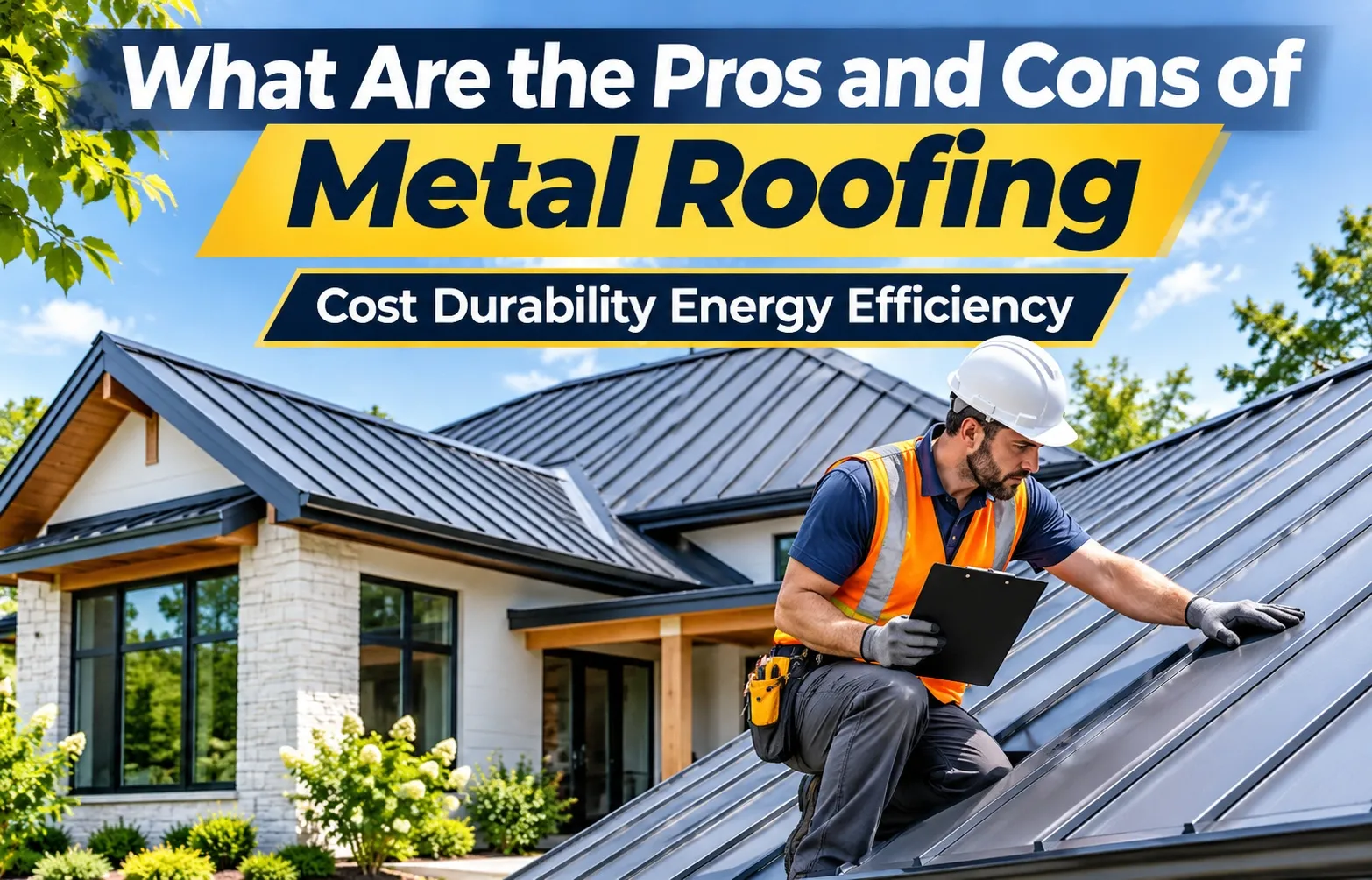 Metal roofing offers an exceptional lifespan of 40 to 70+ years, high fire resistance, and superior storm protection, but it carries a higher initial installation cost and potential noise concerns during severe rainstorms. Homeowners choosing between metal roofing systems and traditional asphalt shingles must weigh long-term financial return against upfront capital investment.
Evaluating the primary trade-offs early helps streamline your roofing decision based on budget, local climate conditions, and intended tenure in your home:
- Core Advantages: Unmatched durability, Class A fire rating, Class 4 impact resistance, low maintenance, and potential home insurance premium discounts.
- Core Disadvantages: Higher upfront investment, potential noise without solid decking, installation skill requirements, and thermal expansion considerations.
Key Takeaways for Homeowners
Deciding whether metal roofing fits your property depends primarily on your financial horizon and local weather vulnerabilities. Consider these core factors before finalizing your choice:
- Long-Term Value: While initial installation costs are roughly double to triple that of asphalt shingles, metal roofs often last three times longer, preventing multiple costly tear-offs over a lifetime.
- Structural Protection: Standing seam metal panels provide maximum resistance to wind uplift, heavy snow accumulation, and severe hail impact, protecting home structural integrity.
- Energy & Insurance Savings: Reflective solar paint coatings reduce summer air conditioning energy loads, while Class 4 impact ratings often qualify policyholders for regional home insurance discounts.
The Advantages Why Homeowners Switch to Metal Roofing
Metal roofing has transformed from an industrial-only application into a premier residential choice due to its unmatched longevity, superior climate resilience, and long-term financial return. Homeowners investing in standing seam or Galvalume steel configurations enjoy structural durability that routinely outperforms traditional building materials.
Modern manufacturing innovations have eliminated historical drawbacks, introducing advanced metal alloys and specialized paint systems that protect properties while drastically reducing recurring maintenance burdens.
Exceptional Lifespan & Long-Term Return on Investment (40 to 70+ Years)
Metal roofs deliver an extraordinary operational lifespan of 40 to 70+ years, lasting up to three times longer than standard asphalt shingle roofs. Utilizing corrosion-resistant Galvalume steel ensures that property owners avoid the recurring cycle of complete roof replacements every 15 to 25 years.
- Reduced Lifecycle Costs: Although initial capital expenses are higher, eliminating multiple future replacement cycles delivers an exceptional long-term ROI.
- Home Resale Value: Properties equipped with premium metal roofing systems experience higher appraisal valuations and faster market turnover.
- Structural Interlocking: High-grade panels utilize secure interlocking fasteners that resist degradation over decades of exposure.
Superior Weather & Fire Resistance (Class A & Class 4 Ratings)
Advanced metal roofing systems provide exceptional defense against extreme environmental hazards, earning top-tier safety certifications. Their non-combustible material composition prevents ignition from flying embers or nearby wildfires.
- Class A Fire Rating: The highest possible fire resistance classification, ensuring total non-combustibility during severe wildfire threats.
- Class 4 Impact Resistance: Engineered to withstand severe hail strikes and wind-blown debris without puncturing or losing structural integrity.
- High Wind Uplift Thresholds: Properly installed standing seam profiles withstand sustained hurricane-force wind gusts up to 140 mph or more.
Energy Efficiency & Solar Heat Reflection (Save 20% to 40% on Cooling)
Metal roofs significantly reduce residential cooling costs by utilizing radiant heat reflection instead of absorbing thermal energy into the attic structure. Advanced pigments integrated into factory coatings actively bounce solar radiation away from the building envelope.
- Kynar 500 & PVDF Coatings: High-performance polymer resin systems retain color vibrancy and maximize solar reflectance over decades.
- Cool Roof Technology: Lowers peak summer attic temperatures, reducing cooling loads and decreasing monthly utility electricity bills by 20% to 40%.
- Thermal Emittance: Rapidly releases any absorbed heat during evening hours, preventing residual heat buildup inside the home.
Minimal Maintenance & High Resistance to Rot, Mold, and Insects
Unlike organic roofing materials that degrade in damp or humid environments, metal is completely inert and impervious to biological decay. Modern designs also feature clean aesthetics that facilitate smooth HOA approval processes.
- Immune to Biological Pests: Metal panels cannot be compromised by termites, carpenter ants, rodents, or wood-boring insects.
- No Rot or Mold Growth: Moisture cannot penetrate the surface layer, eliminating structural rot, moss, and fungal mold formation.
- Low Upkeep Routine: Requires only occasional visual inspections and clearing of debris rather than aggressive chemical treatments or shingle repairs.
Environmental Sustainability & 100% Recyclability
Metal roofing stands out as one of the most environmentally responsible building materials available on the market today. It conserves natural resources and minimizes construction waste destined for overflowing landfills.
- High Recycled Content: Most steel and aluminum roofing panels incorporate 25% to 95% recycled post-consumer material.
- 100% End-of-Life Recyclability: Unlike petroleum-based asphalt shingles that sit in landfills for centuries, metal can be melted down and repurposed indefinitely without losing quality.
- Net-Zero Waste Impact: Supports green building certifications and sustainable residential construction goals.
Insurance Premium Discounts (5% to 35% Savings Potential)
Insurance providers actively reward homeowners who upgrade to metal roofing by offering substantial annual premium discounts. These discounts directly reflect the proven resilience and risk reduction associated with metal materials.
- Class 4 Impact Proof: Insurance underwriters require certified test documentation proving Class 4 impact resistance to authorize maximum weather discounts.
- Wildfire Risk Mitigation: Class A fire-rated assemblies qualify homes located in wildfire-prone zones for significant policy rebates.
- Long-Term Savings Accumulation: Premium discounts ranging from 5% to 35% compound annually, offsetting a portion of the initial roofing investment.
The Drawbacks Cons and How to Fix Them
While metal roofing provides exceptional long-term advantages, it also presents distinct challenges, including high upfront costs, potential noise concerns, and structural expansion complexities. Understanding these trade-offs and their engineered solutions allows homeowners to make an informed, realistic purchasing decision.
Evaluating these potential drawbacks transparently helps mitigate risks related to installation errors, aesthetic imperfections, and budget overruns before construction begins:
High Upfront Initial Investment (2x to 3x More Than Shingles)
Metal roofing requires a significant initial capital investment that typically runs two to three times higher than conventional asphalt shingle installations. Premium standing seam profiles, specialized metal alloys, and rigorous labor demands drive these steep upfront expenses.
- Material vs. Labor Split: High-grade panels and specialized trims account for a large portion of the budget, alongside skilled labor rates.
- Budgetary Shock: Homeowners accustomed to low-cost shingle replacements often experience sticker shock when reviewing initial metal roofing contractor estimates.
- Financial Return Horizon: The high initial cost is offset over decades by zero replacement cycles, lower energy bills, and potential insurance savings as detailed in the State Farm Metal Roof Impact Rating Guide.
Noise During Rain and Hailstorms: Myth vs. Architectural Science
Rain and hail can sound noticeably louder on a metal roof than on asphalt shingles if installed directly over open framing without proper dampening layers. However, modern residential assemblies eliminate this issue entirely through strategic multi-layer construction.
- The Noise Mitigation Formula: Combining a solid plywood roof deck, high-grade synthetic underlayment, and dense attic insulation creates an acoustic barrier quieter than standard shingle roofing.
- Solid Decking Absorption: Installing metal over a solid wood substrate absorbs vibration energy rather than letting sound reverberate freely.
- Attic Insulation Effect: Standard fiberglass or cellulose attic insulation dampens sound waves, rendering interior rain noise virtually imperceptible.
Thermal Expansion, Contraction, and Fastener Maintenance
Temperature fluctuations cause metal roofing panels to expand and contract continuously throughout the day and across changing seasons. Without proper engineering accommodations, this movement creates mechanical stress that can loosen fasteners or warp panels.
- Standing Seam Solution: Standing seam systems utilize concealed clips that allow panels to glide freely during thermal expansion without buckling.
- Exposed Fastener Risks: Systems relying on exposed screws with neoprene washers require regular maintenance every 10 to 15 years to prevent washer degradation and leaks.
- Thermal Stress Management: Correct panel sizing and pre-drilled slotted fastening holes ensure structural integrity through extreme climate swings.
Denting Vulnerabilities & Aesthetics (Understanding “Oil Canning”)
Softer metals like aluminum and copper are prone to cosmetic denting from severe hail storms or falling heavy tree branches, while wide flat panels can display a visual waviness known as oil canning. Understanding these aesthetic vulnerabilities helps guide correct material selection.
- What Is Oil Canning? A natural, stress-relieving visual distortion that creates slight ripples across flat metal panel surfaces, affecting overall curb appeal.
- Combating Panel Distortion: Choosing heavy-gauge steel, textured finishes, or adding factory-rolled striations and structural ribs significantly minimizes oil canning visibility.
- Hail Impact Resistance: While harder steel resists most impacts, softer architectural metals may accumulate cosmetic blemishes during extreme weather events.
Specialized Labor Shortages & Contractor Installation Errors
Installing a metal roof requires specialized technical training and precision tools that general roofing contractors may lack. Poor installation practices are the leading cause of premature metal roof failure and localized water leaks.
- Complex Flashing Details: Valleys, penetrations, and chimney flashings require precise custom bending and sealant application to remain watertight.
- Over-Torqued Screws: Driving exposed fastener screws too tightly crushes neoprene washers, leading to future leaks as the rubber degrades.
- Certified Installer Search: Homeowners must vet local contractors thoroughly, ensuring manufacturer certification and verifiable experience with metal roofing systems.
Types of Metal Roofing — Systems & Materials Breakdown
Choosing the right metal roofing system requires balancing regional climate factors, aesthetic preferences, and budget constraints. Understanding how structural configurations and base metals differ ensures your roof delivers maximum durability and long-term performance.
From concealed fastener systems built for high-wind environments to specialized coastal alloys, matching the material to your specific environment prevents premature wear and structural degradation.
Standing Seam vs. Exposed Fastener Systems
Roofing configurations determine how panels connect to the deck and how well they manage thermal movement and moisture sealing. The two primary structural options offer distinctly different installation requirements and maintenance profiles.
- Standing Seam Mechanism: Features vertical interlocking ribs with concealable fasteners hidden beneath the panels. This design allows smooth thermal expansion and requires professional installation expertise.
- Exposed Fastener Panels: Secured directly through the metal face using screws with rubber washers. While more budget-friendly and accessible for DIY applications, they demand periodic fastener inspection.
- Gauge Thickness Standards: High-end residential standing seam typically utilizes heavy-duty 24-gauge steel, whereas budget agricultural or DIY kits often use thinner 29-gauge panels.
Material Options: Steel, Aluminum, Copper, and Zinc
The base metal alloy dictates corrosion resistance, weight, flexibility, and overall lifespan. Selecting the correct metal depends heavily on local atmospheric conditions such as humidity, wind, and salt-air exposure.
- Galvalume and Galvanized Steel: The most common residential choice, combining high tensile strength with aluminum-zinc alloy coatings for superior rust protection.
- Marine-Grade Aluminum: The ideal solution for coastal properties. Unlike steel, marine-grade aluminum does not corrode or oxidize when exposed to salty sea air and moisture.
- Copper and Zinc: Premium architectural metals that require virtually zero maintenance. Copper develops a distinctive protective green copper patina over time, while zinc self-heals minor surface scratches.
Metal Shingles vs. Corrugated Panels
Metal profile styles dictate how a roof looks from the street and whether it meets strict neighborhood aesthetic guidelines. Manufacturers stamp metal into various configurations to mimic traditional roofing materials without sacrificing durability.
- Corrugated & Ribbed Panels: Traditional wavy or trapezoidal panels offering quick installation and high cost-efficiency, typically used for modern residential accents or outbuildings.
- Stamped Metal Shingles & Tiles: Engineered modules designed to imitate slate, clay tile, or architectural asphalt shingles. They satisfy strict HOA guidelines while providing metal strength.
- Interlocking Modular Systems: Individual interlocking tiles that anchor securely against high winds while concealing all fasteners for clean, seamless residential curb appeal.
Cost Analysis & Financial Decision Guide
Understanding the true cost of a metal roof requires looking beyond initial material quotes to evaluate long-term installation costs, tear-off expenses, and multi-decade replacement cycles. A comprehensive financial comparison reveals how higher upfront capital converts into substantial lifetime savings over time.
Evaluating total lifetime ownership costs helps homeowners evaluate whether a metal roofing system fits their immediate budget constraints and long-term financial goals:
Average Cost for a 2,000 Sq. Ft. Home (Material + Labor Breakdown)
A standard 2,000-square-foot residential home requires approximately 20 roofing squares (where 1 roofing square equals 100 square feet). Total installed costs vary widely depending on panel geometry, metal gauge, and fastener design.
- Exposed Fastener Systems: Average $7.00 to $10.00 per square foot installed ($14,000 to $20,000 total investment).
- Standing Seam Panels: Average $12.00 to $18.00+ per square foot installed ($24,000 to $36,000+ total investment).
- Tear-Off & Substrate Preparation: Removing old shingles and installing synthetic underlayment typically adds $1.50 to $3.00 per square foot in labor costs and disposal fees.
Is $30,000 Too Much for a Metal Roof?
No, a $30,000 price quote is not unreasonable for a standard 2,000 to 2,500-square-foot home installing a high-grade, standing seam metal roof. Specialized labor demands and premium material longevity justify this figure within modern residential roofing markets.
- System Engineering Factors: Standing seam roofs feature concealed fasteners, custom flashing, and complex ridge work that demand high contractor expertise and elevated labor fees.
- Home Appraisal Value Boost: Premium metal installations recover up to 60% to 85% of their cost in immediate home equity, boosting overall market valuation.
- Complex Architectural Pitch: Steep roofs, dormers, chimneys, and multiple valleys increase safety requirements and labor hours, pushing costs toward the $30,000 threshold.
Long-Term Financial Comparison: Metal Roof vs. Asphalt Shingle Replacement Cycles
Evaluating cost over a 50-year timeline illustrates the dramatic financial difference between single-installation metal systems and recurring asphalt shingle replacements. While shingles appear cheaper initially, their short lifecycle multiplies long-term expenses.
- The 50-Year Shingle Cycle: Standard asphalt roofs last 15 to 20 years, requiring at least two to three complete tear-off and replacement projects over 50 years ($35,000+ cumulative cost with inflation).
- The 50-Year Metal Cycle: A single standing seam metal roof lasts 50+ years with negligible repair costs, effectively capping lifetime roofing expenditures.
- Lifetime Cost Analysis: Factoring in energy savings (up to 40% on cooling) and insurance premium reductions, metal roofing often proves less expensive per year of service than asphalt shingles.
What Reddit, Quora & Roofers Won’t Tell You
Online forums and practical trade experience reveal practical details about metal roofing that glossy brochures rarely cover. Addressing real-world installation caveats, maintenance surprises, and regulatory hurdles ensures you avoid costly mistakes over the lifespan of your roof.
Navigating building codes, physical phenomena, long-term wear components, and local board approvals before signing a contract saves time and protects your investment:
Can You Install Metal Roofing Over Existing Asphalt Shingles?
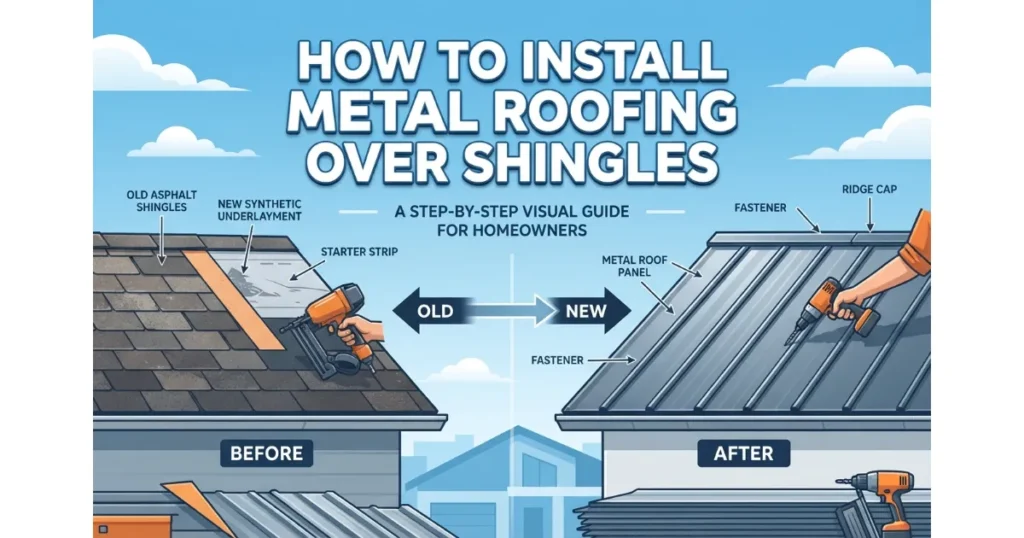
Installing metal panels directly over existing asphalt shingles is permitted by many local re-roofing building codes, but it requires careful preparation. Skipping a full tear-off saves initial labor costs, but it introduces long-term trade-offs regarding weight and moisture control.
- Weight & Building Codes: Most residential structures safely handle the combined weight of shingles and lightweight metal panels, provided local building codes permit two roofing layers.
- Attic Moisture Trapping: Laying metal directly over shingles without a breathable synthetic underlayment can trap condensation between layers, leading to deck rot over time.
- Uneven Decking Surface: Old, curling asphalt shingles can create an uneven substrate, causing visual panel distortion and uneven fastener tension.
Do Metal Roofs Attract Lightning? (Scientific Reality)
The belief that metal roofing attracts lightning strikes is a persistent scientific myth. Lightning strikes the highest point in a given area, determined by topography and structure height rather than roof surface material.
- Attraction vs. Conductance: Metal does not attract lightning, but as an electrical conductor, it safely disperses energy when a strike occurs.
- Safe Grounding Path: A properly grounded metal roof provides a non-combustible path for electrical current, dispersing energy harmlessly into the ground.
- Fire Hazard Reduction: Unlike combustible materials like wood shakes or asphalt, metal panels will not ignite from intense lightning heat.
The Hidden Issue of Washer Deterioration on Exposed Screws
Exposed fastener metal roofing relies on thousands of surface screws fitted with rubber or neoprene washers. While the metal panels may easily last 40+ years, these washers degrade much faster under constant exposure to ultraviolet rays and temperature shifts.
- 10-to-15 Year Degradation: Sun exposure and thermal cycling cause neoprene washers to harden, crack, and shrink over 10 to 15 years, creating subtle leak paths.
- Maintenance Overhead: Homeowners with exposed fastener roofs must budget for regular roof inspections and potential screw retightening or replacement over time.
- Standing Seam Advantage: Choosing standing seam systems eliminates this risk entirely by concealing all clip fasteners beneath interlocking metal seams.
HOA Restrictions & Neighborhood Aesthetic Guidelines
Homeowners Associations (HOAs) frequently enforce strict architectural guidelines that restrict industrial-looking materials. Securing HOA board approval requires presenting options that blend with existing neighborhood designs.
- HOA Approval Criteria: Architectural boards often reject raw, shiny, or corrugated panel designs, preferring low-gloss, neutral, or non-reflective paint finishes.
- Approved Styles: Stamped metal shingles, slate-look profiles, and muted standing seam panels are far easier to get approved than exposed agricultural panels.
- Pre-Approval Requirements: Submit physical panel samples, paint swatches, and manufacturer spec sheets to your HOA board before placing a material deposit.
Frequently Asked Questions About Metal Roofing
Get quick, direct answers to common questions about installing and owning a residential metal roof:
What is the biggest problem with metal roofs?
The biggest problem with metal roofs is the high initial cost, which ranges from two to three times higher than asphalt shingles. Additionally, improper installation can lead to leaks around flashings, and exposed fastener systems require screw replacement every 10 to 15 years as neoprene washers degrade.
Why don’t more people use metal roofs?
More people don’t use metal roofs primarily due to the steep upfront installation cost barrier and a lack of specialized local contractors. Additionally, strict Homeowners Association (HOA) architectural guidelines and shorter average home ownership tenure lead many homeowners to choose lower-cost asphalt shingles instead.
Does homeowners insurance go down with a metal roof?
Yes, homeowners insurance can go down by 5% to 35% when upgrading to a metal roof. Insurance providers grant these premium discounts because metal roofs carry Class 4 impact resistance ratings against hail damage and Class A fire ratings, significantly reducing overall property hazard claims.
What is the average lifespan of a metal roof compared to shingles?
The average lifespan of a metal roof is 40 to 70+ years, whereas standard architectural asphalt shingles last only 15 to 30 years. High-grade metal materials like Galvalume steel and marine aluminum outlast traditional shingles by up to three times, eliminating multiple costly roof replacements.
Are metal roofs noisy during heavy rainstorms?
No, metal roofs are not noisy during rainstorms when installed over solid plywood decking, synthetic underlayment, and standard attic insulation. This multi-layered construction absorbs impact vibrations, making rain noise inside the home virtually identical to or quieter than traditional asphalt shingle roofs.

Oscar Vance | Master Plumber & Drainage Expert
Meet Oscar Vance, a licensed master plumber sharing practical solutions on residential repairs, preventive maintenance, and thoughtful home upkeep.