Who is Responsible for Plumbing Repairs in a Rental?
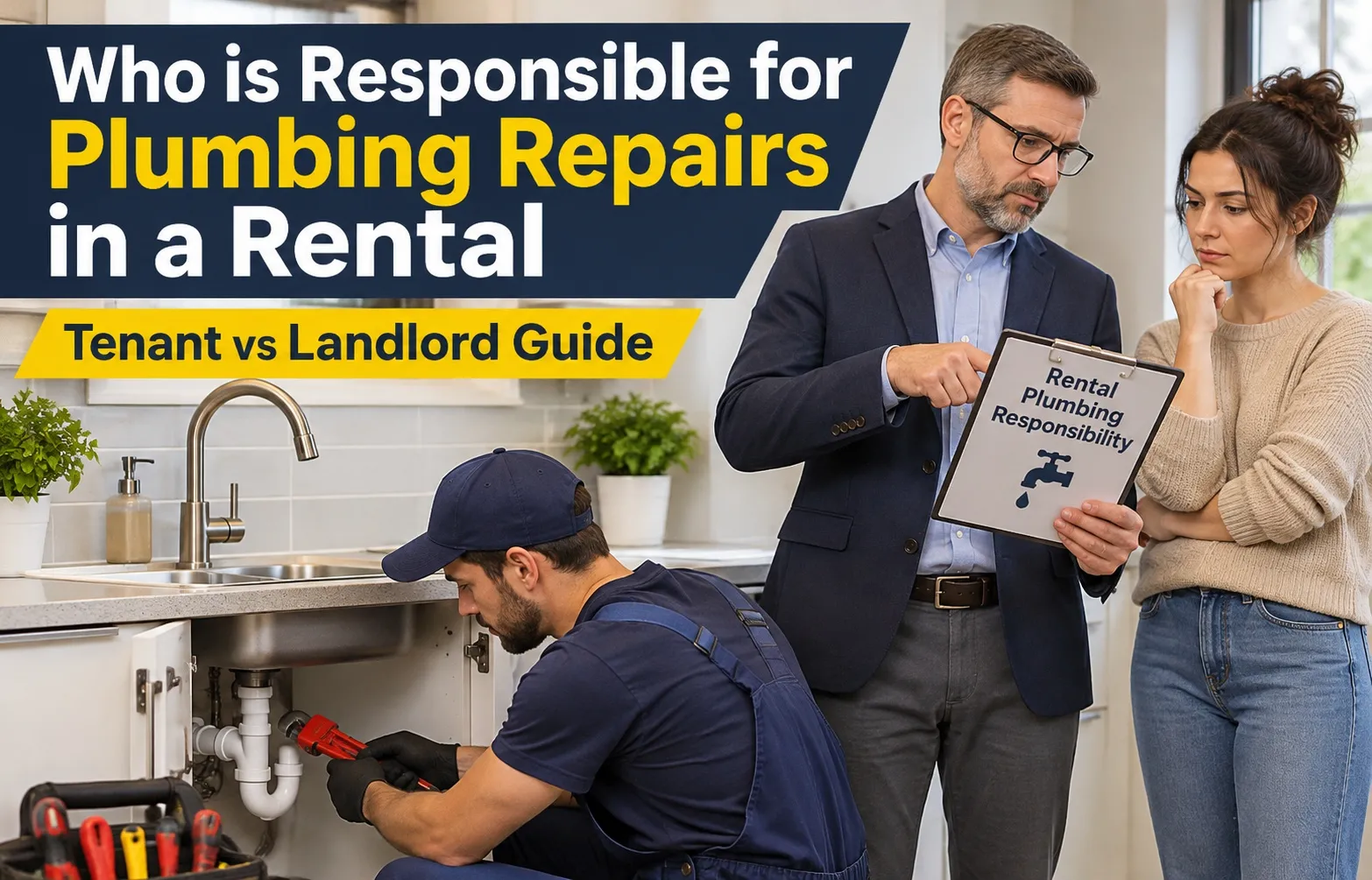 Landlords are legally required to maintain rental property infrastructure and ensure compliance with the implied warranty of habitability, meaning they cover structural plumbing failures and normal wear and tear. Tenants are financially responsible only for plumbing damage caused by direct misuse, foreign objects, or explicit lease violations.
- Landlord Obligations: Structural pipe integrity, water heater systems, main sewer lines, and habitability standards ensuring running hot and cold water.
- Tenant Responsibilities: Minor routine upkeep, clearing minor sink or toilet clogs, and preventing damage from unapproved waste disposal.
- Rental Plumbing Liability: Determined by statutory housing codes, lease terms, and the provable cause of the plumbing failure.
Landlord Responsibilities: Structural, Infrastructure, and Habitability
Landlords carry full financial and legal responsibility for internal pipe infrastructure and structural plumbing defects that degrade over time. When pipes corrode within walls, crack from age, or burst due to ordinary building shifts, property owners must cover all professional repair and water damage restoration costs.
Building frameworks and hidden supply lines fall squarely under landlord duties because occupants lack legal access to structural walls or subflooring. Failing to maintain these vital systems violates local building codes and lease agreements.
- Internal Wall Leaks: Water damage resulting from aging galvanized or copper pipes concealed behind drywall or framing.
- Pipe Freezing Protection: Landlords must ensure properties are insulated adequately against seasonal temperature drops, though tenants must take reasonable precautions like opening cabinet doors during extreme freezes.
- Structural Compliance: Upgrading substandard plumbing systems that fail to meet modern municipal housing codes during an active tenancy.
Water Heaters and Hot Water Compliance
Providing reliable water heater replacement and functional hot water delivery is a non-negotiable statutory requirement for residential landlords. A broken water heater directly breaches basic housing standards and requires immediate professional intervention at the property owner’s expense.
Hot water is categorized under essential utilities, meaning landlords cannot delay repairs indefinitely without facing severe legal penalties, tenant rent withholding claims, or local housing board citations.
- System Replacement: Full replacement costs for worn-out tank or tankless water heater units that fail due to normal mechanical wear and tear.
- Temperature Regulation: Ensuring water heating systems comply with local safety temperature thresholds and pressure relief valve codes.
- Routine Servicing: Conducting periodic safety checks on gas or electric heating units to prevent hazardous malfunctions, carbon monoxide risks, or tank leaks.
Sewer Mains, Tree Roots, and Structural Drain Collapse
Main sewer line backups, tree root intrusions, and structural drain collapses are strictly landlord liabilities because they involve the property’s primary waste infrastructure. These severe blockages originate outside the individual occupant’s control and require heavy machinery or professional hydro-jetting services.
Ignoring external or underground drainage issues leads to catastrophic sewage overflow, exposing property owners to severe habitability violations and emergency tenant compensation claims.
- Root Intrusion: Removing aggressive tree roots that infiltrate clay, cast iron, or PVC sewer lateral lines over years of property growth.
- Line Collapse: Excavating and repairing collapsed, cracked, or sagging sewer pipes running underneath the yard, driveway, or foundation.
- Multi-Unit Backups: Resolving main stack backups that affect multiple tenants simultaneously through no fault of individual residents.
Habitability Standards and State Health Codes
The implied warranty of habitability mandates that residential rental units must maintain running hot and cold water and sanitary facilities at all times. State health codes dictate that failure to supply functional sanitation infrastructure renders a property legally uninhabitable under housing law.
This foundational legal doctrine protects occupants from hazardous living conditions and ensures that essential life-support utilities remain operational throughout the entire duration of the lease.
- Sanitary Waste Removal: Ensuring all toilets, bathtubs, and kitchen sinks drain properly into municipal sewers without backing up into living spaces.
- Water Pressure & Supply: Maintaining adequate municipal pressure and continuous water delivery to all essential plumbing fixtures.
- Code Enforcement: Adhering strictly to local health ordinances that govern safe indoor plumbing, wastewater management, and clean drinking water access.
Tenant Responsibilities: Day-to-Day Upkeep and Negligence
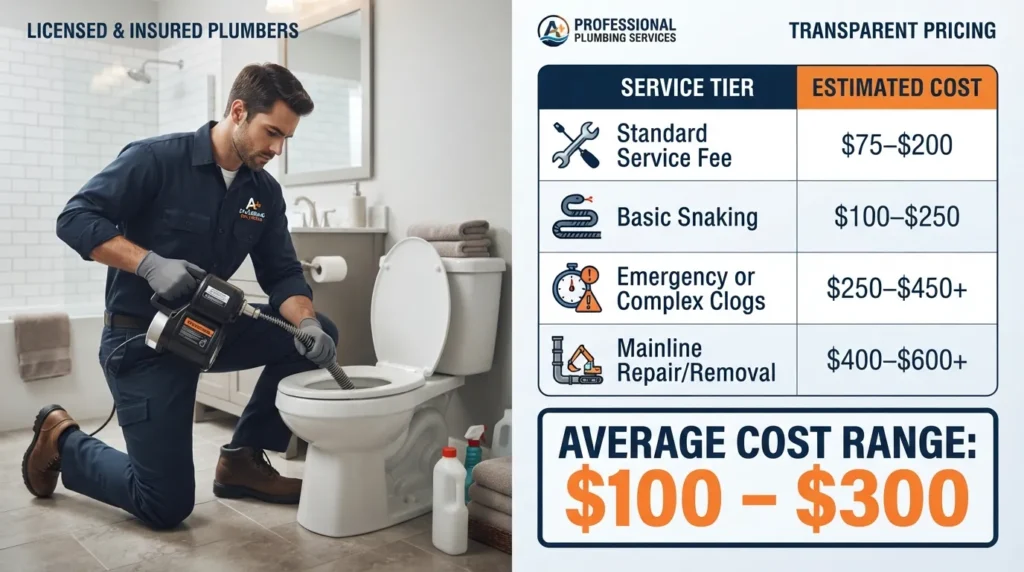
Tenants are responsible for minor day-to-day upkeep and basic troubleshooting that does not require professional intervention. Simple household tasks, such as clearing minor clogs or replacing inexpensive hardware components specified in the lease, fall directly onto the occupant.
- Minor Clogs: Clearing routine sink, tub, or toilet blockages using standard household plungers or basic manual snakes.
- Fixture Hardware: Replacing inexpensive wear-and-tear items like worn faucet washers or showerhead washers when outlined in the lease agreement.
- Routine Care: Maintaining basic cleanliness around bathroom and kitchen fixtures to prevent buildup and scale accumulation.
Tenant Negligence: Clogs Caused by Foreign Objects and Grease
When plumbing damage stems directly from occupant actions or unapproved disposal habits, the tenant assumes financial liability for the resulting plumber’s bill. Flushing inappropriate materials or pouring cooking fats down drains constitutes tenant misuse, legally releasing the landlord from repair costs.
- Wet Wipes and Paper Towels: Avoiding the flushing of wet wipes, facial tissues, or paper towels that cause severe toilet blockage and pipe choking.
- Grease Disposal: Preventing grease disposal in kitchen sinks, as cooled cooking fats solidify and create stubborn blockages requiring professional intervention.
- Property Damage Liability: Covering repair costs when tenant misuse, unapproved modifications, or foreign objects dropped into drains cause avoidable plumbing failures.
The Duty to Report Leaks Promptly
Occupants have a legal and contractual duty to report minor leaks or slow-developing plumbing issues to property management immediately. A failure to report maintenance needs promptly transforms a simple, inexpensive fix into catastrophic structural damage, shifting financial liability back onto the tenant.
- Immediate Notification: Informing property management at the first sign of running toilets, damp drywall, or slow sink drainage.
- Preventing Escalation: Stopping minor valve leaks or joint drips from escalating into major mold growth or floor rot.
- Liability Mitigation: Documenting and reporting maintenance issues quickly protects occupants from being blamed for accelerated property damage liability.
Resolving Rental Plumbing Disputes and Establishing Fault
When a landlord unjustly charges you for a blocked drain or broken pipe, your immediate step is refusing verbal accusations and demanding verifiable physical proof. Protect yourself by establishing a strict paper trail, referencing your pre-move-in checklist, and requiring that any maintenance billing be backed by a certified plumbing professional.
- Demand Written Justification: Require property management to provide a formal itemized breakdown and a professional technician’s report rather than casual assumptions.
- Reference Move-In Checklists: Compare the current damage against your signed pre-move-in inspection report to prove the plumbing defect existed before your tenancy began.
- Protect Your Security Deposit: Object in writing immediately if a landlord attempts an unlawful security deposit deduction for pre-existing or structural plumbing failures during tenant liability disputes.
Using Plumber Diagnostics and Camera Scope Inspections as Proof
A licensed plumber’s written diagnosis serves as the ultimate legal shield in any tenant liability dispute. By utilizing high-tech camera scope inspections, independent technicians can visually verify whether a backup stems from external tree root intrusion, collapsed sewer lines, or actual tenant misuse.
- Independent Verification: Hire or request an unbiased third-party plumber to inspect the main line and document the exact root cause of the plumbing blockage.
- Camera Scope Footage: Review digital sewer scope recordings that clearly distinguish between structural pipe corrosion and foreign object obstructions.
- Written Diagnostic Reports: Ensure the service invoice explicitly states whether the failure is structural or tenant-induced to settle disputes before legal escalation.
Reviewing Your Lease Agreement for Hidden Maintenance Clauses
Hidden clauses tucked away in residential leases often attempt to shift unlawful financial burdens onto occupants. Carefully reviewing lease maintenance clauses reveals whether specific minor repair deductibles or questionable plumbing disclaimers conflict with state housing laws and local implied habitability rights.
- Identify Maintenance Deductibles: Check if your contract includes a tenant maintenance threshold clause requiring you to pay for minor plumbing service calls up to a specific dollar limit.
- Spot Unenforceable Waivers: Understand that lease terms attempting to waive a landlord’s duty to maintain structural plumbing or habitability are legally void in most jurisdictions.
- Consult Local Tenant Laws: Compare ambiguous contract language against municipal rental statutes, which override unfair lease provisions regarding vital infrastructure repairs.
Legal Notice, Communication Rules, and Tenant Rights
While text messages and emails provide fast, convenient communication, their legal validity as a formal written repair notice depends heavily on local jurisdiction and lease terms. Modern housing courts increasingly recognize digital messages as admissible proof if the landlord acknowledges them, but traditional leases often mandate certified mail to trigger strict legal repair timelines.
To ensure total legal protection, occupants should always back up verbal chats or quick text updates with a formal written email or certified letter. Establishing a clear paper trail prevents landlords from claiming they never received official notification of a developing plumbing failure.
- Electronic Notice Validity: Texts and emails establish quick communication records, though formal leases frequently require written physical notices for legal disputes.
- Certified Mail Protection: Sending notices via certified mail guarantees delivery tracking, providing indisputable evidence should a tenant liability dispute escalate to court.
- Acknowledgment Records: Save all landlord replies, read receipts, and digital acknowledgments to prove they were officially notified of the plumbing defect.
How to Properly Document and Report Emergency Plumbing Issues
When major plumbing failures occur, proper documentation and swift reporting dictate whether repairs happen promptly or drag out indefinitely. Severe plumbing emergencies, such as burst pipes or raw sewage backups, carry a strict emergency plumbing repair timeline requiring landlord intervention within 24 to 48 hours under habitability laws.
Occupants must photograph all affected areas, record video evidence of active leaks, and document every conversation with property management. Accurate timestamps and detailed logs protect tenants from unfair blame and secure their right to safe living conditions.
- Visual Evidence: Take clear, high-resolution photographs and videos of water pooling, pipe leaks, or overflowing toilets before cleanup begins.
- Repair Timelines: Note the exact hour and date the emergency was reported to enforce legal turnaround windows for habitability violations.
- Mitigation Steps: Take reasonable steps to prevent further damage, such as placing buckets under leaks or shutting off local water valves, without endangering personal safety.
What Legal Recourse Do You Have If a Landlord Ignores Repairs?
When property management ignores urgent plumbing repair requests, occupants can leverage specific statutory remedies protected under local tenant rights. Depending on regional housing laws, neglected repairs can empower tenants to file formal housing board complaints, execute repair-and-deduct actions, or pursue constructive eviction claims.
Reviewing official state resources provides absolute clarity on localized renter protections. For comprehensive guidance on housing standards and legal dispute processes, consult the California Department of Real Estate Guidebook or your local housing authority portal.
- Housing Board Complaints: Filing formal municipal grievances triggers immediate code enforcement inspections and legal penalties for non-compliant landlords.
- Repair-and-Deduct Remedies: Certain jurisdictions permit tenants to hire licensed plumbers independently and deduct the service cost directly from their monthly rent.
- Constructive Eviction: Severe, unaddressed plumbing hazards that render a home uninhabitable may legally allow occupants to break their lease and vacate without penalty.
Frequently Asked Questions About Rental Plumbing Repairs
Can a Landlord Make Me Pay for a Clogged Toilet?
A landlord can only make you pay for a clogged toilet if they can prove the blockage was caused by your direct negligence or misuse, such as flushing wet wipes, paper towels, or foreign objects. For routine clogs caused by standard daily use or aging internal plumbing, the property owner covers the professional repair costs entirely.
- Negligence vs. Normal Wear: Landlords cover mechanical failures and structural wear, while tenants pay if unapproved items or grease caused the stoppage.
- Plumber Verification: Always request an itemized plumber’s report to verify whether the blockage was structural or user-induced before accepting charges.
- Lease Terms: Check your rental agreement for any specific clauses regarding tenant maintenance responsibilities or minor plumbing deductibles.
Can I Legally Withhold Rent if My Plumbing is Broken?
Withholding rent entirely without following strict local legal procedures can lead to legal eviction or a lease violation, even if your plumbing is severely broken. Most jurisdictions require tenants to place rent into a court-sanctioned escrow account or utilize formal repair-and-deduct statutes only after providing proper written notice.
- Escrow Protection: Depositing rent into an official escrow account protects you from eviction while compelling landlords to address habitability breaches.
- Legal Compliance: Never stop paying rent outright without consulting local tenant rights laws or housing legal aid specialists first.
- Written Notice Requirement: You must provide documented written notice and allow the legally mandated landlord repair window before taking independent financial action.
What Is the “135 Rule” in Plumbing, and Does It Affect Tenants?
The “135 rule” in plumbing refers to technical drainage design standards governing fixture unit loads, pipe sizing, and slope angles for sanitary waste systems. It is an engineering guideline that primarily impacts professional contractors, building inspectors, and property developers rather than daily tenant responsibilities.
- Drainage Standards: The rule specifies maximum fixture unit counts to ensure residential wastewater flows smoothly without chronic blockages.
- Structural Compliance: Landlords are legally required to ensure building plumbing meets these code standards to prevent systemic building-wide backups.
- Tenant Relevance: Tenants do not need to manage or understand the 135 plumbing rule, as it governs structural installation rather than occupant upkeep.
How Long Does a Landlord Legally Have to Fix Plumbing Issues?
A landlord must typically address emergency plumbing issues, such as a major pipe burst or total sewage backup, within 24 to 48 hours to maintain habitability standards. Non-urgent repairs, like a slow sink drain or a minor faucet drip, generally have an extended landlord repair window ranging from 7 to 14 days depending on local housing laws.
- Emergency Turnaround: Severe habitability breaches demand immediate emergency plumbing turnaround times to prevent health hazards and mold growth.
- Statutory Timelines: Local municipal housing codes define the exact response windows that property managers must respect to avoid legal penalties.
- Documenting Delays: Keeping precise timestamps of your initial repair request helps enforce accountability if the property manager exceeds the allowable window.

Oscar Vance | Master Plumber & Drainage Expert
Meet Oscar Vance, a licensed master plumber sharing practical solutions on residential repairs, preventive maintenance, and thoughtful home upkeep.