How to Get Rid of Roaches in Electrical Outlets
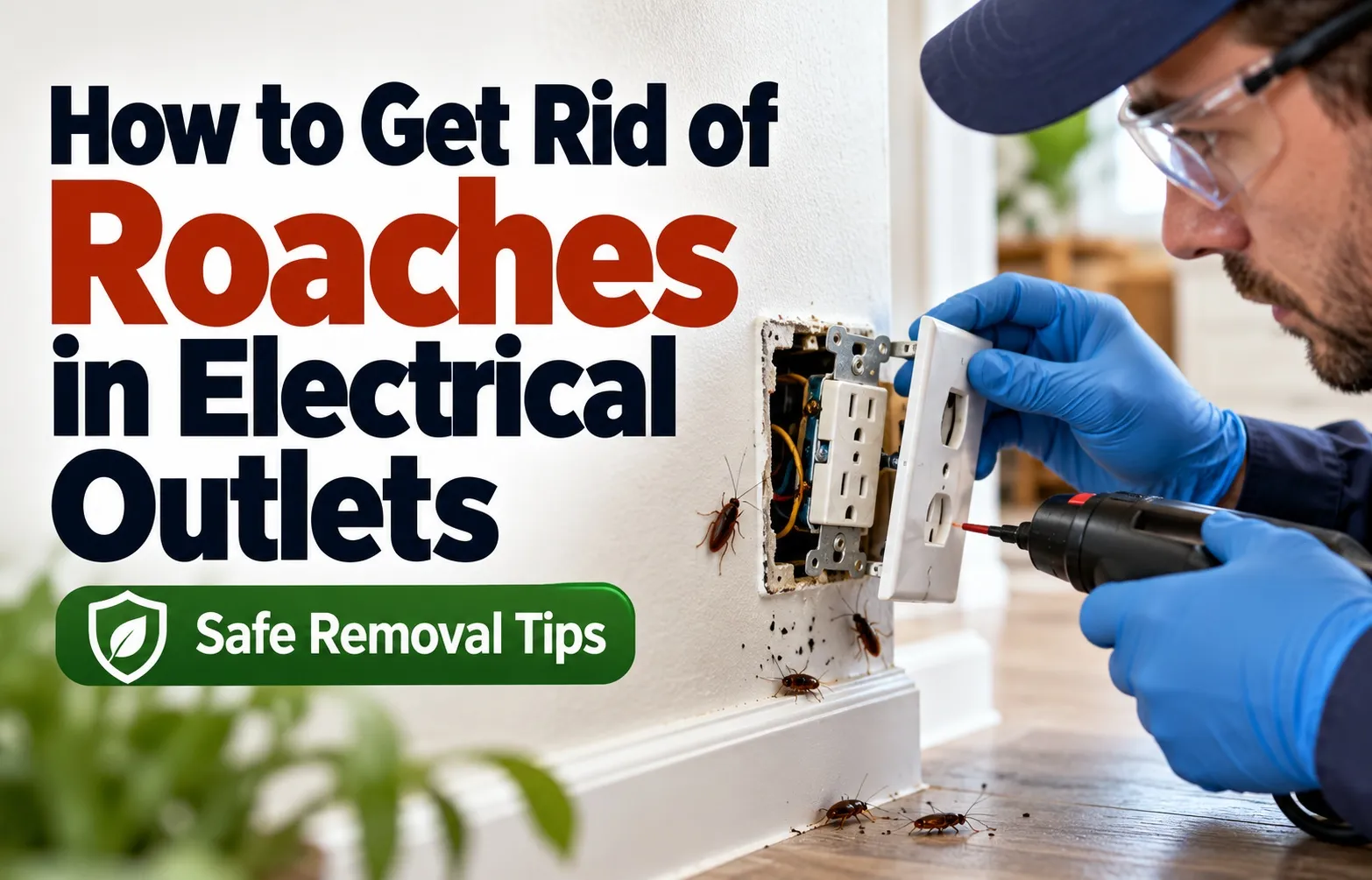 To eliminate roaches hiding in electrical outlets safely, you must cut power at the main circuit breaker, remove the faceplate, and apply a non-conductive insecticidal dust like boric acid or diatomaceous earth into the wall void surrounding the electrical box.
Cockroaches gravitate toward outlet receptacles because the electrical current generates persistent warmth, while the interior wall cavity provides total darkness and protection. However, treating these areas requires strict precautions to avoid personal injury or property damage.
How to Safely Remove Roaches from Electrical Outlets (Fast Summary)
Eradicating an infestation inside electrical boxes requires a precise three-step protocol designed to destroy the nest without disrupting electrical wiring or creating a shock hazard.
- Cut Power at the Breaker: Locate your main electrical panel and switch off the circuit breaker dedicated to the target room. Verify the outlet has no live voltage using a non-contact tester before proceeding.
- Remove the Outlet Cover Plate: Unscrew the faceplate using an insulated screwdriver to expose the wall void surrounding the plastic or metal electrical receptacle box.
- Apply Non-Conductive Insecticidal Dust: Inject a light coating of non-conductive insecticidal dust, such as technical-grade boric acid, diatomaceous earth, or specialized bait powder, into the gaps surrounding the electrical box using a hand bulb duster.
Once the powder is applied, install a foam socket sealer behind the faceplate and screw the cover back into place before restoring electricity at the breaker panel.
Critical Safety Warning: What You Must NEVER Do
Standard pest control methods used in kitchens or living areas can cause immediate catastrophic electrical failure when introduced to outlets and light switches.
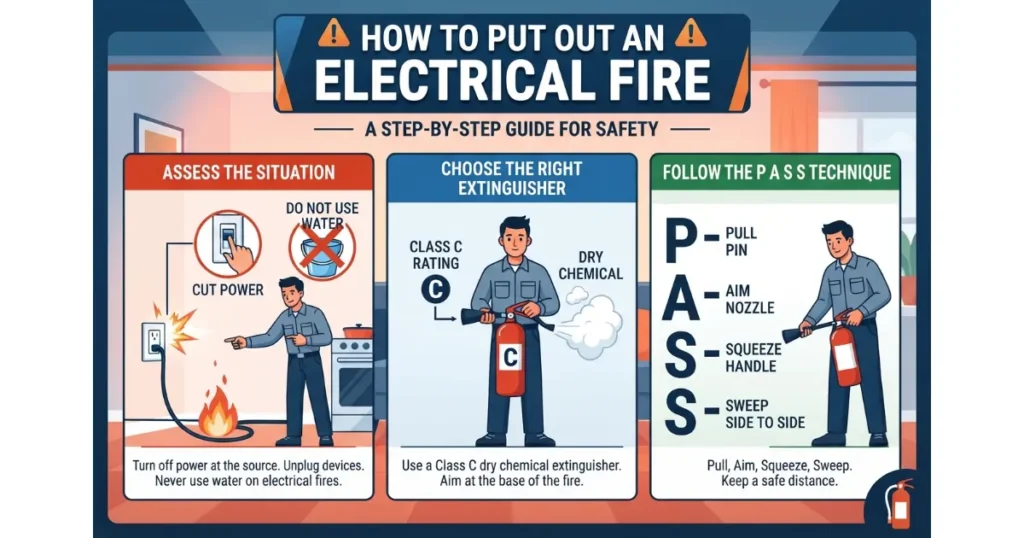
- NEVER Spray Liquid Insecticides: Liquid aerosol sprays, water-based solutions, liquid bleach, and aerosol contact killers conduct electricity. Spraying liquids into an active outlet triggers an instant short circuit, permanent wiring destruction, and high-voltage electrocution.
- NEVER Insert Metal Tools into the Socket: Prying into plug slots with screwdrivers, knives, or wire probes to dislodge physical insects will bridge live terminals and cause severe electrical shock or arc flashes.
- NEVER Touch Bare Terminal Screws: Even when power is shut off, avoid contacting internal side terminal screws directly with uninsulated hands or tools.
- NEVER Pack Powder Excessively: Over-filling the electrical box with heavy layers of dust can insulate the contacts, resulting in poor plug connections or overheating issues.
Why Cockroaches Nest in Electrical Outlets
Cockroaches infest electrical outlets because wall outlets act as artificial incubators, supplying constant micro-heat from electrical currents alongside complete darkness and sheltered wall voids.
Electrical receptacles create ideal shelter conditions, protecting roach populations from open-air predators and household cleaning routines while granting them direct access to internal wall cavities.
Heat, Darkness, and Wall Voids: The Perfect Nesting Environment
Electrical outlets generate continuous low-level thermal energy as micro-currents run through internal copper wiring and terminal connections. This ambient warmth makes outlet boxes one of the most thermally attractive harboring spots in a home.
- Thermal Attraction: The heat emitted by electrical wiring heat draws roaches seeking warm microclimates, particularly during cooler months or inside air-conditioned rooms.
- Protected Wall Voids: The unsealed gap between the drywall cutout and the electrical box leads directly into hollow wall cavities, providing undisturbed shelter for breeding.
- Safe Egg Deposition: Female roaches drop or secure egg cases (oothecae) behind outlet faceplates, shielding their offspring from external pest treatments.
Infestation signs near outlets include clustered black droppings around faceplate screws, shed skins sticking to electrical boxes, and a faint musty odor near active receptacles.
German Roaches vs. Outdoor Roaches in Outlets
Identifying which cockroach species is inhabiting your electrical fixtures determines whether you are dealing with a localized harborage or a broader structural invasion.
- German Cockroaches (Blattella germanica): German roaches actively nest, feed, and multiply directly inside electrical boxes. They build established colonies within wall cavities, utilizing outlets as primary access points into living spaces.
- Outdoor Cockroaches (American or Smokybrown Roaches): Larger outdoor species rarely establish permanent nests inside small outlet boxes. Instead, they use electrical conduit pipes and wall voids as highway systems to travel through rooms in search of food or moisture.
Diagnostic Check: Roach Frass vs. Electrical Arcing
Black specks around your wall receptacles indicate either a pest infestation or a severe electrical fire hazard that requires immediate professional intervention.
Determining whether dark residue on faceplates stems from cockroach activity or short circuits prevents misdiagnosing active electrical damage as simple pest infestation.
Identifying Roach Droppings (Frass) Around Receptacles
Cockroach waste around electrical outlets leaves distinct organic markers created as roaches travel between faceplate gaps and wall cavities.
- Visual Appearance: Roach frass appears as fine, raised black specks resembling coarse ground black pepper or dark coffee grounds clustered near screw heads and socket openings.
- Smear Marks: In areas with high humidity or heavy activity, droppings appear as dark, raised ink-like smears along the edges of the faceplate.
- Associated Signs: Accompanied by a distinct musty or oily odor, shed nymphal skins, and living roaches emerging when lights switch off.
Recognizing Electrical Burn Marks and Short-Circuit Hazards
Electrical arcing occurs when electrical current jumps between damaged wires, scorching the faceplate material and creating immediate fire hazards.
- Visual Appearance: Arcing leaves flat, powdery black soot residue spread in a scorched pattern around plug slots or internal wiring connections.
- Structural Damage: Heat from short circuits deforms plastic faceplates, creating melted plastic edges, discolored brown or yellow scorching, or brittle electrical boxes.
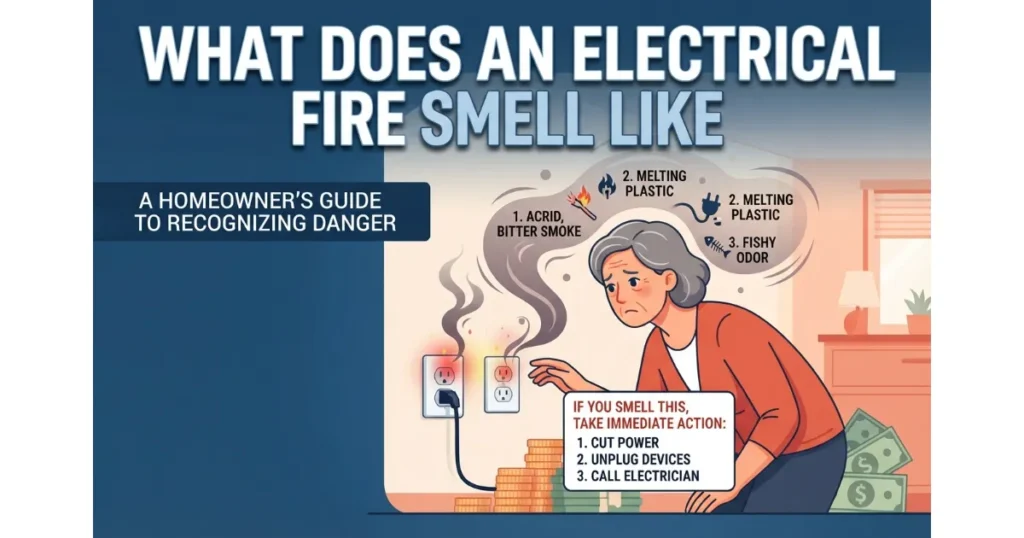
- Associated Signs: Characterized by an acrid chemical burning smell, popping or buzzing sounds, warm faceplates, or frequently tripped circuit breakers.
Diagnostic Comparison Table
Use this breakdown to differentiate roach contamination from electrical burn hazards before starting any cleaning or pest treatment.
How to Eradicate Roaches in Outlets Safely
Eliminating cockroaches from electrical outlets requires a methodical, safety-first procedural approach that treats the wall void while safeguarding your home’s electrical system. Following a strict sequence ensures complete pest eradication without risking short circuits or personal injury.
By using non-conductive dust formulations and precise baiting techniques, you can safely target hidden colonies residing deep inside your walls.
Step 1: Shut Off Power at the Main Breaker Panel
Disabling electricity at the main breaker panel is the mandatory first step before treating roaches in wall cavities. This completely isolates the circuit and protects you from severe shock or fatal electrocution while working around open receptacle boxes.
- Locate the Circuit Breaker: Go to your home’s main electrical service panel and switch off the specific breaker controlling the target room or wall.
- Verify Power Loss: Test connected lamps or appliance plugs in the room to ensure the electrical current is entirely cut off.
Step 2: Remove Faceplates and Test for Live Voltage
Use an insulated screwdriver to remove cover plate screws, then confirm zero active current with a non-contact voltage tester before touching any interior components. Never begin manual pest treatment until voltage verification is complete.
- Unscrew Cover Plates: Carefully remove the plastic or metal outlet faceplate and set aside the mounting screws.
- Use a Voltage Tester: Hold a non-contact voltage tester against the receptacle to ensure no hidden live wires carry active current.
Step 3: Apply Non-Conductive Insecticidal Dust Into Wall Voids
Inject non-conductive dusts like boric acid, diatomaceous earth, or Doxem Precise bait dust directly into wall voids using a bulb duster. These fine powders adhere to roach cuticles and kill insects safely without conducting electricity.
- Load the Bulb Duster: Fill a specialized hand bulb duster or puffer with a small amount of boric acid powder, food-grade diatomaceous earth, or Doxem Precise bait dust.
- Target the Electrical Box Gap: Insert the tip of the duster into the gap between the drywall and the electrical box, puffing a light, even layer into the inner wall void. Avoid over-packing.
Step 4: Gel Bait Placement Strategy (Outer Perimeter Only)
Apply roach gel bait exclusively along the outer perimeter of the faceplate rather than inside live electrical boxes. Gel baits are electrically conductive and create severe fire hazards or short circuits if placed directly on wiring terminals.
- Understand Conductivity Risks: Standard roach gel bait contains moisture and ionic compounds that conduct electricity, making it dangerous inside live terminal enclosures.
- Exterior Application Only: Dot the roach gel bait strictly along the outer edges of the outlet cover plate or on the wall surface just outside the box where foraging roaches travel.
Step 5: Seal and Reassemble the Outlet
Reinstall the outlet cover plate securely, seal any surrounding drywall gaps, and restore power at the main breaker panel. This final step locks out future pests while returning your electrical system to normal operation.
- Reattach the Faceplate: Screw the cleaned outlet cover plate back into position over the electrical box.
- Restore Circuit Power: Return to the main breaker panel and switch the circuit breaker back to the ON position.
Watch this video walkthrough for a visual demonstration of safe application techniques around home electrical fixtures:
How to Bug-Proof Outlets for Long-Term Prevention
Bug-proofing wall outlets creates a permanent physical barrier that prevents cockroaches from migrating out of wall cavities and entering your living space.
Implementing structural pest exclusion techniques seals off entry paths, eliminates draft corridors, and protects your home’s electrical network from recurring infestations.
Installing Foam Socket Sealers / Gaskets
Foam socket sealers and outlet gaskets fit directly behind faceplates to compress against the wall surface and completely seal the perimeter opening.
- Select Pre-Cut Gaskets: Purchase fire-retardant foam outlet gaskets designed specifically for standard electrical receptacles and light switches.
- Insert Behind Cover Plate: Remove the faceplate screws, place the foam socket sealer over the outlet box, and reattach the plate tightly over the gasket.
Adhering to general electrical maintenance standards ensures that faceplate modifications remain safe and compliant with home safety protocols outlined by the Electrical Safety Foundation International (ESFI).
Caulking Drywall Gaps Around Electrical Boxes
Gaps between drywall cutouts and electrical boxes serve as primary entry highways for roaches moving within hollow wall voids.
- Inspect Box Margins: Remove the outlet cover to reveal any uneven gaps between the sheetrock edge and the outer border of the plastic or metal outlet box.
- Apply Paintable Silicone Caulk: Run a continuous bead of paintable silicone caulk along the outer edge of the box to seal all perimeter drywall gaps, ensuring no caulk enters the box interior.
Using Safety Caps for Unused Sockets
Plastic child-safety outlet plugs provide an instant physical barrier that prevents roaches from traveling through open receptacle slots into your rooms.
- Block Open Plug Slots: Insert tight-fitting safety outlet plugs into all empty electrical sockets, particularly in kitchens, bathrooms, and utility areas.
- Eliminate Immediate Exit Paths: Using safety caps ensures roaches harbored in wall cavities cannot exit through unused faceplates while active treatments take effect.
Multi-Unit & Apartment Strategies
Controlling cockroaches in apartments and multi-family housing presents unique challenges because roaches easily travel between adjacent units through shared wall cavities and electrical conduits.
A successful apartment strategy requires combining individual structural exclusion techniques with coordinated building-wide pest management to permanently sever roach travel corridors.
Blocking Travel Routes Through Shared Wall Voids
Electrical wiring and plumbing conduits act as continuous highway systems throughout multi-family buildings, allowing pests to move freely between neighboring apartments.
- Establish Barrier Dusting: Apply a long-lasting non-conductive powder, such as boric acid or diatomaceous earth, into the shared wall cavities behind every electrical faceplate and plumbing escutcheon plate in your unit.
- Seal All Outlet Perimeters: Combine foam socket gaskets with paintable silicone caulk along every wall box margin to turn your individual apartment into a tightly sealed, pest-proof zone.
Coordinating Treatment with Property Management
When dealing with a persistent building-wide infestation, treating a single unit only offers temporary relief if neighboring apartments remain untreated.
- Notify Building Management Promptly: Submit a formal written request to your landlord or property management company requesting a professional inspection by a licensed pest control operator (PCO).
- Advocate for Adjacent Unit Inspections: Ensure the pest control operator treats adjoining units on both sides, as well as units directly above and below yours, to eliminate the root harborage inside shared utility voids.
Frequently Asked Questions
Quick answers to common questions about managing cockroaches in electrical outlets and home wiring safely.
Can cockroaches live inside electrical outlets?
Yes, cockroaches can nest directly inside electrical outlets and wall voids. The warm electrical current, complete darkness, and narrow gaps behind faceplates make outlet boxes an ideal breeding ground for species like German cockroaches.
What can I put in outlets to kill roaches immediately?
To kill roaches safely without electrical risks, apply non-conductive insecticidal dusts like boric acid, diatomaceous earth, or Doxem Precise into the gaps around the electrical box. Avoid liquid contact kill spray solutions inside outlets, as liquids trigger fatal short circuits and fire hazards.
Can spraying Raid in an outlet cause a fire?
Yes, spraying Raid or any liquid aerosol insecticide directly into an electrical outlet can cause a short circuit, sparks, and an immediate electrical fire. Liquid sprays conduct electricity between live terminals and can destroy household wiring or cause severe shock.
What cleaner do roaches hate the most?
Cockroaches strongly dislike cleaners containing citrus limonene, vinegar, bleach, or concentrated essential oils like peppermint and tea tree oil. While cleaning surface faceplates with these natural deterrents helps repel pests, liquid cleaners or pouring bleach in drains should never be applied inside live outlet boxes.
When should I call a licensed electrician vs. an exterminator?
Call a licensed electrician immediately if you notice scorch marks, buzzing sounds, melted plastic, or tripped breakers, as these indicate serious electrical arcing damage. Contact a professional exterminator for a comprehensive exterminator inspection if roaches persist across multiple rooms or return despite localized dusting and exclusion efforts.

Oscar Vance | Master Plumber & Drainage Expert
Meet Oscar Vance, a licensed master plumber sharing practical solutions on residential repairs, preventive maintenance, and thoughtful home upkeep.