Hero Direct Cost Snapshot
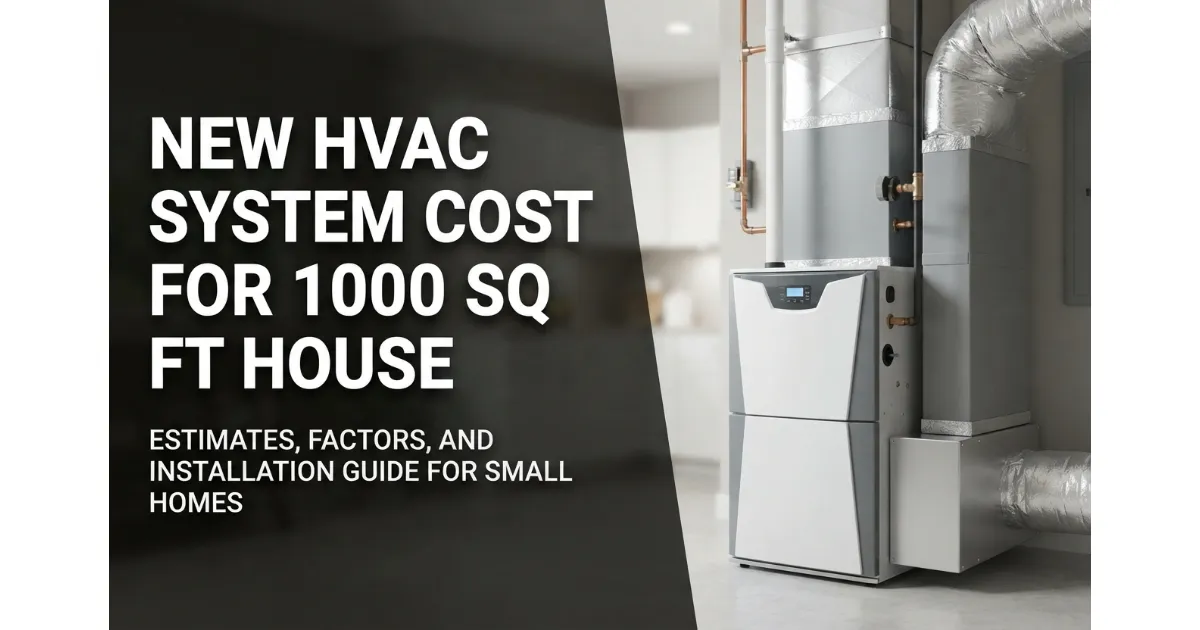 Replacing an HVAC system for a 1,000 sq ft house typically ranges from $4,200 to $8,500, depending on equipment efficiency and labor rates. Most homeowners with existing ductwork fall comfortably into this average range for a standard 1.5- to 2-ton replacement unit.
How Much Does a New HVAC System Cost for a 1,000 Sq Ft House?
Smaller homes require less capacity, making a 1,000 sq ft home relatively affordable to upgrade compared to larger multi-story properties. Total project expenses are heavily influenced by the chosen SEER rating, equipment brand, and whether major duct modifications are required.
- Typical Tonnage Needed: 1.5 to 2 tons is standard for a 1,000 sq ft layout.
- Primary Cost Drivers: Unit efficiency, installation labor, and local permitting fees.
- Ductwork Impact: Using existing ductwork saves thousands in installation overhead.
Cost Breakdown by System Type
Choosing the right HVAC setup for a 1,000 sq ft home depends on your climate, existing infrastructure, and energy efficiency goals. Different system types feature distinct pricing tiers, installation complexities, and long-term operating costs.
Central AC + Furnace Replacement Cost
A traditional split system combines a central air conditioner and a gas furnace, utilizing existing ducts to heat and cool your home. For a 1,000 sq ft home, this complete setup typically runs between $5,500 and $8,500 installed.
- Efficiency Ratings: Look for units with high SEER2 ratings for cooling and high AFUE percentages for gas heating efficiency.
- Infrastructure Reliance: Requires healthy existing ducts to distribute conditioned air properly across rooms.
- Climate Suitability: Ideal for regions experiencing cold winters that require reliable gas heating power.
Heat Pump System Cost Best for Year-Round Efficiency
Heat pumps provide both heating and cooling by transferring thermal energy, making them extremely efficient for moderate climates. Installing a modern heat pump system generally costs between $5,000 and $8,000.
- Dual-Function Operation: Handles summer cooling and winter heating through a single outdoor unit.
- Energy Savings: Uses electricity instead of burning gas, cutting down monthly utility footprints significantly.
- Duct Dependence: Typically ties into standard existing ducts, though ducted and ductless variants exist.
Ductless Mini-Split Cost No Ductwork Option
Ductless mini-splits use an outdoor compressor paired with one or more indoor air handlers connected via small wall conduits. The cost for a multi-zone or single-zone setup for a 1,000 sq ft home ranges from $4,000 to $7,500.
- No Ducts Required: Perfect for homes without existing ductwork or converted garage spaces.
- Zone Control: Allows independent temperature regulation for different rooms to maximize comfort.
- Discreet Installation: Wall-mounted units require minimal construction compared to extensive duct retrofits.
AC-Only Replacement Cost Keeping Existing Furnace
If your gas furnace is still fully functional, you can replace just the outdoor central air conditioner and indoor evaporator coil. This targeted swap costs between $3,200 and $5,000 for a 1,000 sq ft property.
- Budget-Friendly Choice: Saves upfront capital by retaining working heating components.
- System Matching: Technicians must ensure the new AC matches your existing furnace blower capacity.
- Lifespan Strategy: Best implemented if your current furnace is less than 10 years old.
What Size HVAC Unit Does a 1,000 Sq Ft Home Need?
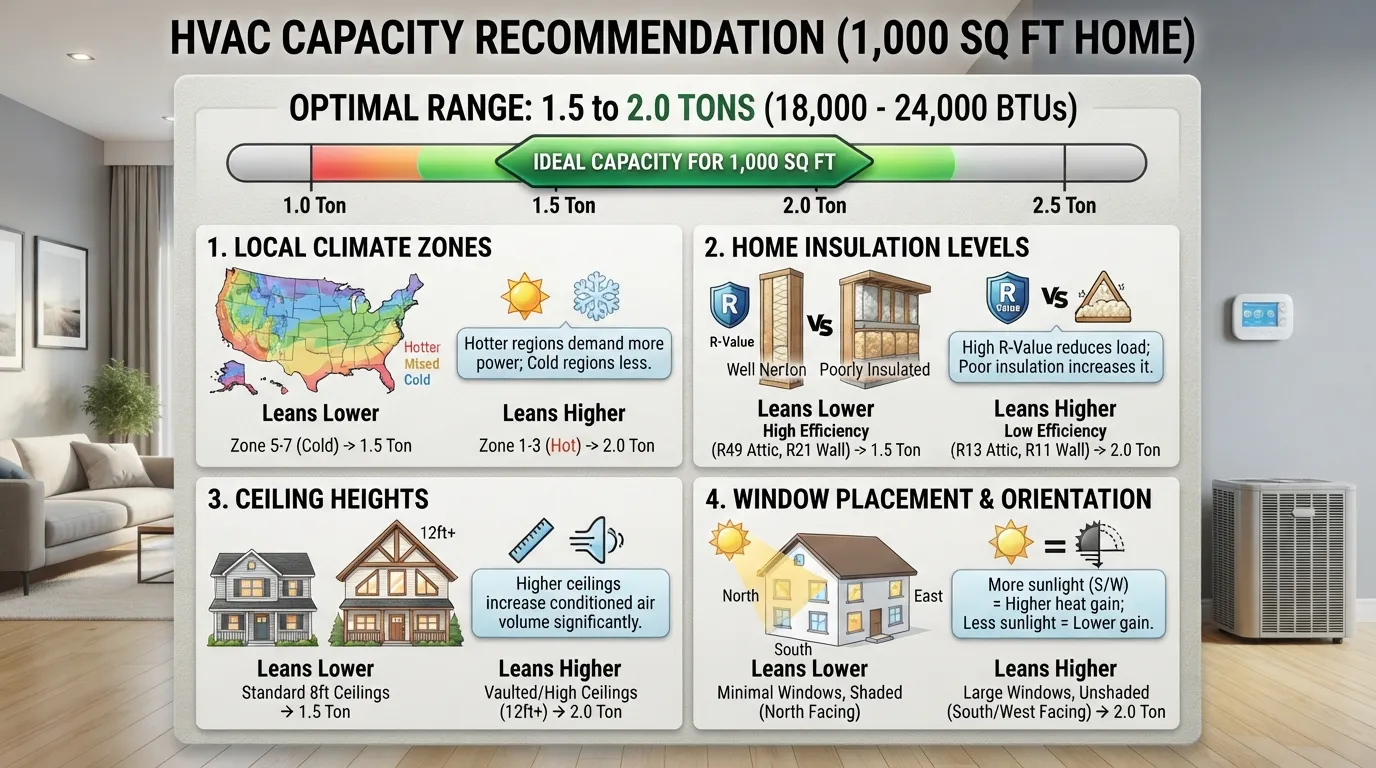 For most 1,000 square foot homes, a 1.5-ton to 2-ton HVAC unit delivering roughly 18,000 to 24,000 BTUs is the standard requirement. However, exact sizing depends heavily on local climate conditions, insulation quality, and architectural design rather than square footage alone.
Tonnage Calculation Basics 1.5-Ton vs 2-Ton Explained
Understanding HVAC capacity relies on translating square footage into BTUs and tonnage. A single ton of cooling capacity equals 12,000 BTUs per hour, meaning standard requirements for compact homes generally oscillate between 1.5 and 2 tons.
- 1.5-Ton Units (18,000 BTUs): Ideal for exceptionally well-insulated homes or mild climate regions with lower cooling loads.
- 2-Ton Units (24,000 BTUs): Necessary for standard homes, warmer climates, or properties experiencing higher daily solar heat gain.
- Manual J Calculation: Always request a professional load calculation from an expert rather than guessing based solely on floor space.
Factors That Change Sizing Insulatio Ceiling Height Climate Zone
Floor space is only a starting point for determining accurate equipment capacity. Environmental variables and architectural features directly impact how much thermal energy your system must process daily to maintain comfort.
- Ceiling Height: High vaulted ceilings increase total air volume, potentially pushing a 1,000 sq ft home into higher tonnage territory.
- Insulation Quality: Old or drafty insulation forces units to work harder, demanding higher capacity ratings to compensate.
- Climate Zone: Hotter southern regions require significantly more cooling power per square foot than cooler northern states.
Why Oversizing or Undersizing Costs You More Long-Term
Installing the wrong sized unit damages your wallet and indoor comfort over time. Matching equipment precisely to your home ensures peak efficiency, consistent temperatures, and a prolonged mechanical lifespan.
- Undersized Units: Run continuously without ever reaching target temperatures, leading to high utility bills and premature motor burnouts.
- Oversized Units: Short-cycle rapidly, turning on and off too fast to properly dehumidify indoor air, resulting in damp conditions.
- Financial Impact: Correctly sized systems minimize costly emergency repairs and maximize your long-term return on investment.
Major Cost Factors That Change Your Final Price
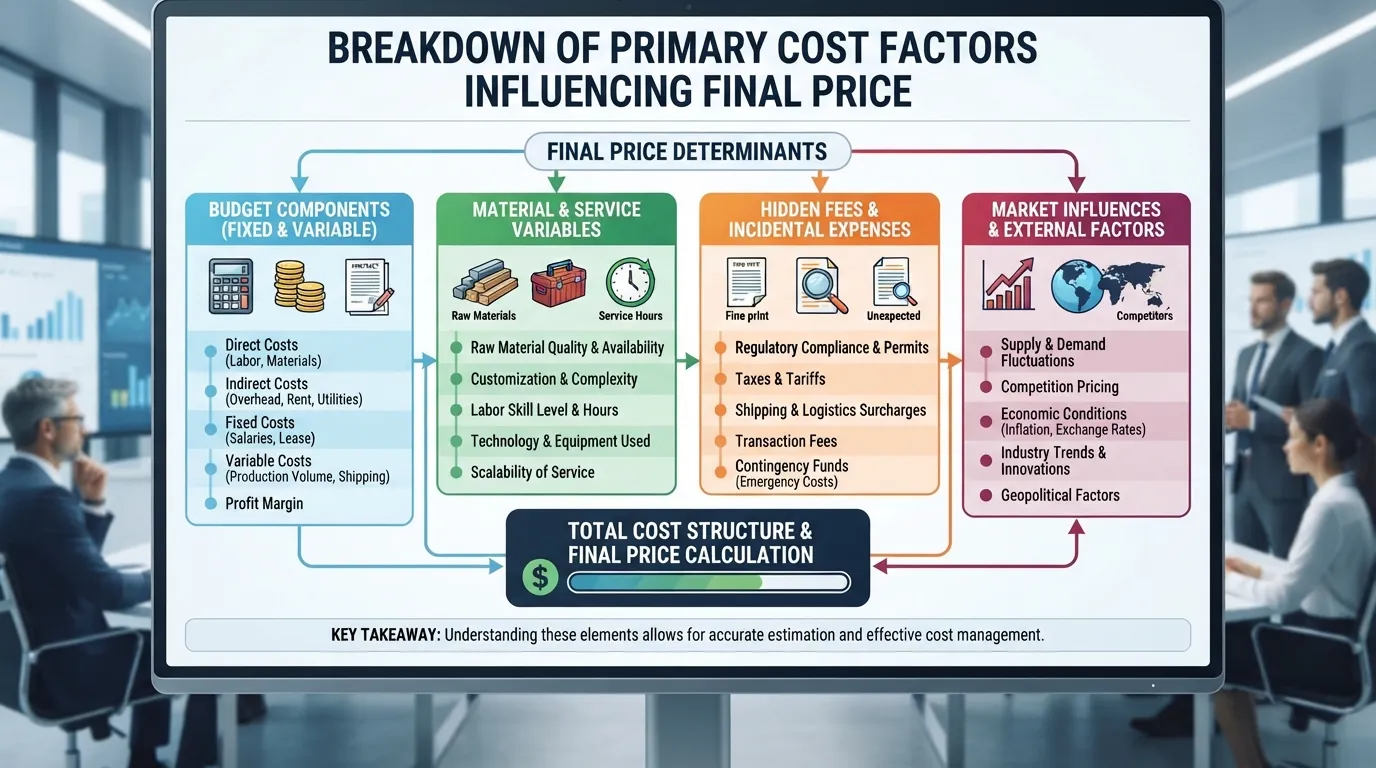 The final installation quote for a 1,000 sq ft HVAC system can fluctuate significantly based on unexpected site conditions and equipment specifications. Recognizing these primary cost drivers helps you budget accurately and avoid surprise expenses during the installation process.
Ductwork Condition New Ducts Can Add 1,000–4,000
Damaged, leaking, or undersized air ducts severely restrict airflow and system efficiency. Replacing or heavily repairing your home’s ductwork network can easily add an extra $1,000 to $4,000 to the total project budget.
- Air Leaks: Compromised ducts waste conditioned air into crawlspaces or attics, spiking monthly energy bills.
- Full Replacement: Complete duct overhauls require extensive labor and drywall cutting, increasing project time.
- Inspection Value: Always mandate a professional camera inspection of your ducts before signing a final installation contract.
Efficiency Rating SEER2 & AFUE Impact on Upfront vs Long-Term Cost
Higher-efficiency systems carry a steeper initial price tag but pay off over time through lower utility bills. Balancing your upfront budget with long-term energy savings is crucial when selecting equipment tiers.
- SEER2 Standards: Modern cooling metrics demand higher efficiency baselines, affecting entry-level manufacturing costs.
- AFUE Ratings: Furnaces with 95% AFUE or higher cost more upfront than standard 80% models but capture more usable heat.
- Utility Rebates: Premium high-efficiency systems often qualify for local utility company rebates and federal tax credits.
Labor Rates & Regional Pricing Differences
Geographic location heavily influences contractor labor rates and local overhead expenses. Urban areas with high costs of living typically feature significantly higher installation labor quotes than rural regions.
- Contractor Overhead: Insurance, licensing, and local business taxes get factored directly into hourly or flat-rate labor charges.
- Seasonal Demand: Peak summer and winter installation rushes can drive up labor prices due to high contractor demand.
- Permit Fees: Local building permits and mandatory municipal inspections add minor administrative fees to the project.
Electrical Panel Upgrades & Hidden Add-On Costs
Older homes may lack the electrical capacity required to safely power modern, high-efficiency HVAC equipment. Upgrading your home infrastructure prevents electrical hazards and ensures code compliance.
- Panel Upgrades: Transitioning to a high-draw heat pump might require a 200-amp electrical panel upgrade costing $1,500 to $3,000.
- Disconnect Boxes: Technicians often need to replace old outdoor electrical disconnect switches and wiring whips.
- Thermostat Upgrades: Smart programmable thermostats improve comfort control but may add $150 to $350 for hardware and setup.
The $5,000 Rule Repair or Replace?
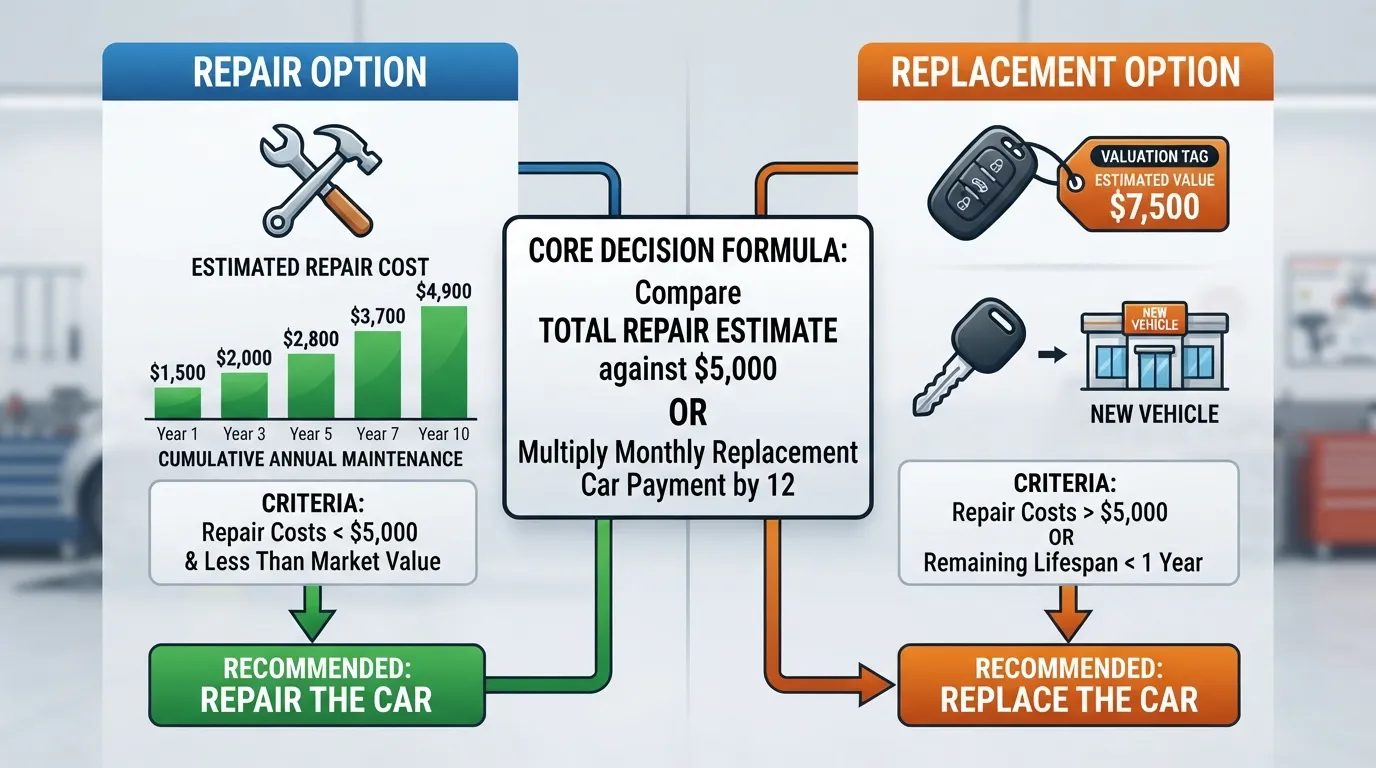 The “$5,000 Rule” is a popular, reliable guideline used by HVAC professionals to help homeowners decide whether to repair an aging unit or invest in a brand-new system. Multiply the estimated repair cost by the age of the system in years; if the resulting dollar figure exceeds $5,000, replacement is usually the smarter financial choice.
How the $5,000 Rule Works Formula Explained
Mechanical equipment degrades predictably over time, and throwing money at frequent repairs on an expiring unit wastes capital. The rule creates a quick mathematical threshold by weighing immediate fix expenses against overall system longevity.
- The Formula: Repair Cost × System Age in Years = Total Index Value.
- Decision Threshold: If the calculated index is greater than $5,000, put that money toward a modern replacement.
- Warranty Context: Older units typically lack active parts warranties, meaning future breakdowns remain likely soon after a major fix.
Applying the Rule to a 1,000 Sq Ft Home
Consider a typical 1,000 sq ft home with a central air conditioner that is currently 10 years old and needs a major compressor repair costing $600.
- The Calculation: $600 (Repair Cost) × 10 (System Age) = $6,000 Index Value.
- The Verdict: Because $6,000 exceeds the $5,000 threshold, investing in a complete replacement is more cost-effective than patching an aging unit.
- Long-Term Savings: A new system provides reliable performance, fresh warranties, and much higher energy efficiency.
Should You Replace a 20-Year-Old HVAC System?
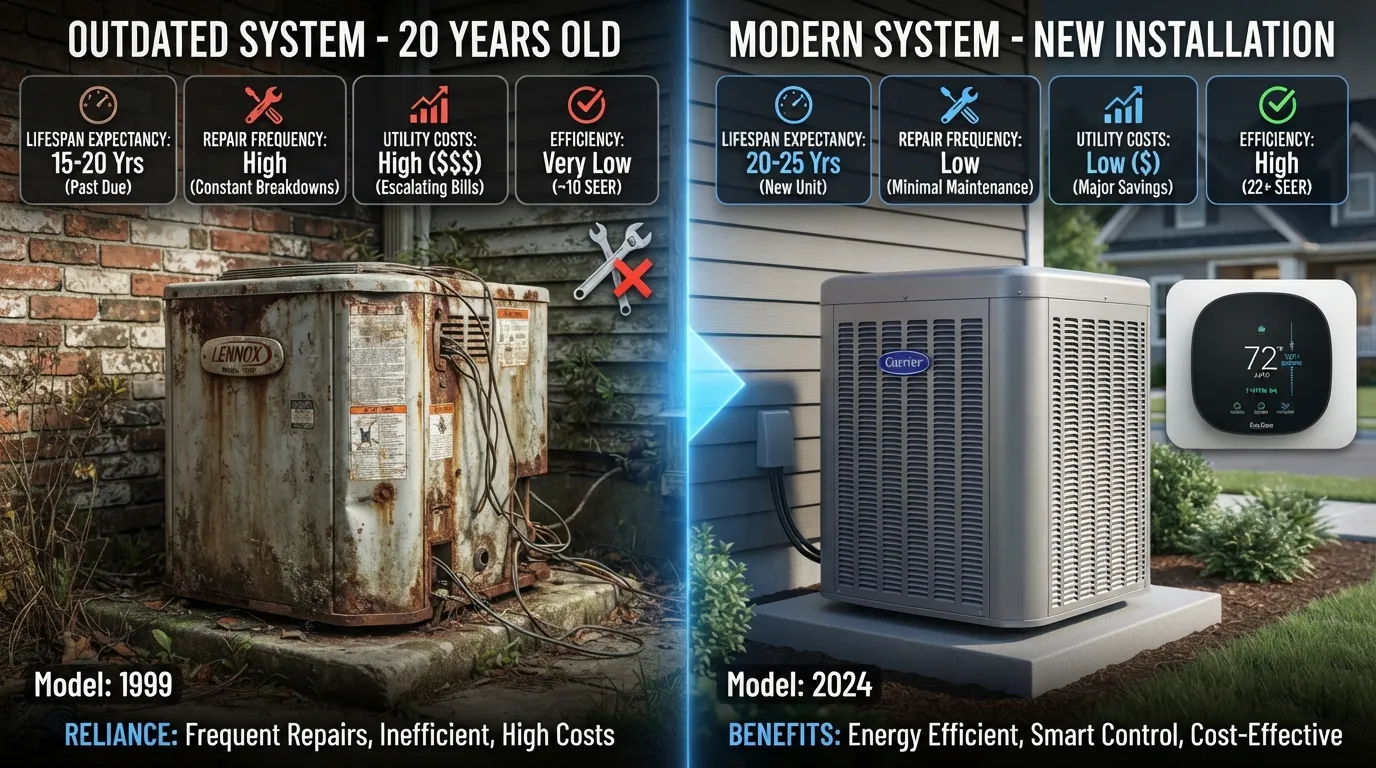 Operating a 20-year-old HVAC system in a 1,000 sq ft home is a financial and operational liability. Systems of this age have exceeded their engineered lifespan, operating at a fraction of their original efficiency while risking sudden, catastrophic failure during peak weather months.
Average HVAC Lifespan 10–20 Years Explained
Most standard HVAC equipment is manufactured to last between 15 and 20 years with consistent annual maintenance. Once equipment crosses the two-decade mark, critical internal components like compressors, heat exchangers, and blower motors experience severe wear.
- Central Air Conditioners: Typically peak in reliability during their first 10 to 15 years before efficiency drops significantly.
- Gas Furnaces: Can occasionally reach 20 years if properly maintained, but heat exchanger fatigue creates dangerous carbon monoxide risks.
- Obssolete Refrigerants: Older systems often rely on phased-out refrigerants like R-22, making minor leak repairs prohibitively expensive.
Warning Signs Your System Needs Replacing
Recognizing the physical indicators of mechanical failure prevents emergency breakdowns during extreme weather seasons. A 20-year-old unit rarely breaks down quietly; it usually provides multiple clear warning signs.
- Frequent Breakdowns: Needing multiple service calls or part replacements within a single year signals systemic decline.
- Inconsistent Temperatures: Uneven heating or cooling across different rooms indicates failing blowers or restricted airflow.
- Strange Noises or Odors: Grinding metal sounds, persistent squealing, or musty burning smells point to failing mechanical parts.
Cost of Waiting Too Long Efficiency Loss + Repair Frequency
Holding onto an expiring system out of hesitation often costs more than a brand-new installation. Aging equipment bleeds money through inflated utility bills and continuous emergency repair patches.
- Plunging SEER Ratings: A 20-year-old unit may operate under 10 SEER, doubling energy costs compared to modern 14+ SEER systems.
- Compounded Repair Costs: Spending hundreds of dollars fixing an old machine is throwing money away on temporary band-aids.
- Peace of Mind: Proactively replacing an ancient unit ensures reliable home comfort and eliminates the stress of sudden system crashes.
Best Time of Year to Replace Your HVAC
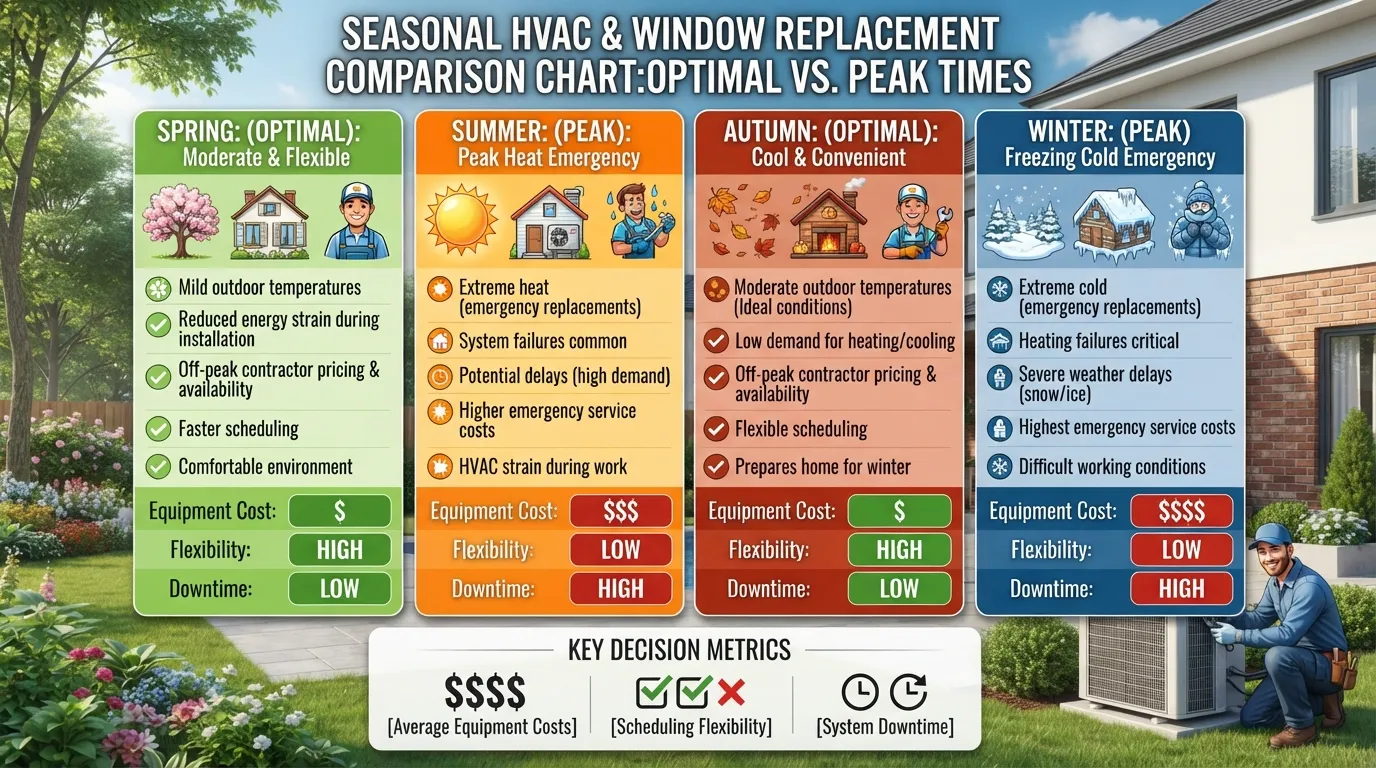 Timing your HVAC replacement during shoulder seasons like spring and fall can save you hundreds or even thousands of dollars in installation costs. Strategic scheduling allows you to avoid emergency premium rates while securing better contractor availability and manufacturer promotional discounts.
Off-Season Discounts Spring & Fall Pricing Advantage
Contractors experience slower booking schedules during mild weather months between winter heating and summer cooling peaks. To keep their installation crews busy, HVAC companies frequently offer special seasonal rebates, reduced labor rates, or complimentary service packages.
- Shoulder Season Window: March through April and September through October offer the ideal weather conditions and pricing flexibility.
- Manufacturer Rebates: Equipment manufacturers often launch seasonal rebate programs during spring and fall transitions.
- Relaxed Scheduling: Choosing off-peak months gives you ample time to research options and schedule installations without rushing.
Why Summer Peak Season Installs Cost More
Attempting to replace your HVAC system during freezing winter or scorching summer months puts you at a distinct financial disadvantage. Peak demand spikes contractor workloads and compresses equipment supply chains.
- Emergency Surcharges: Total system crashes during extreme weather lead to rushed, premium-rate installations with zero time to shop around.
- High Contractor Demand: Technicians are fully booked handling emergency repairs, reducing willingness to discount labor quotes.
- Supply Chain Delays: High seasonal demand can delay equipment delivery, leaving your home uncomfortable for extended periods.
HVAC Tax Credits & Rebates
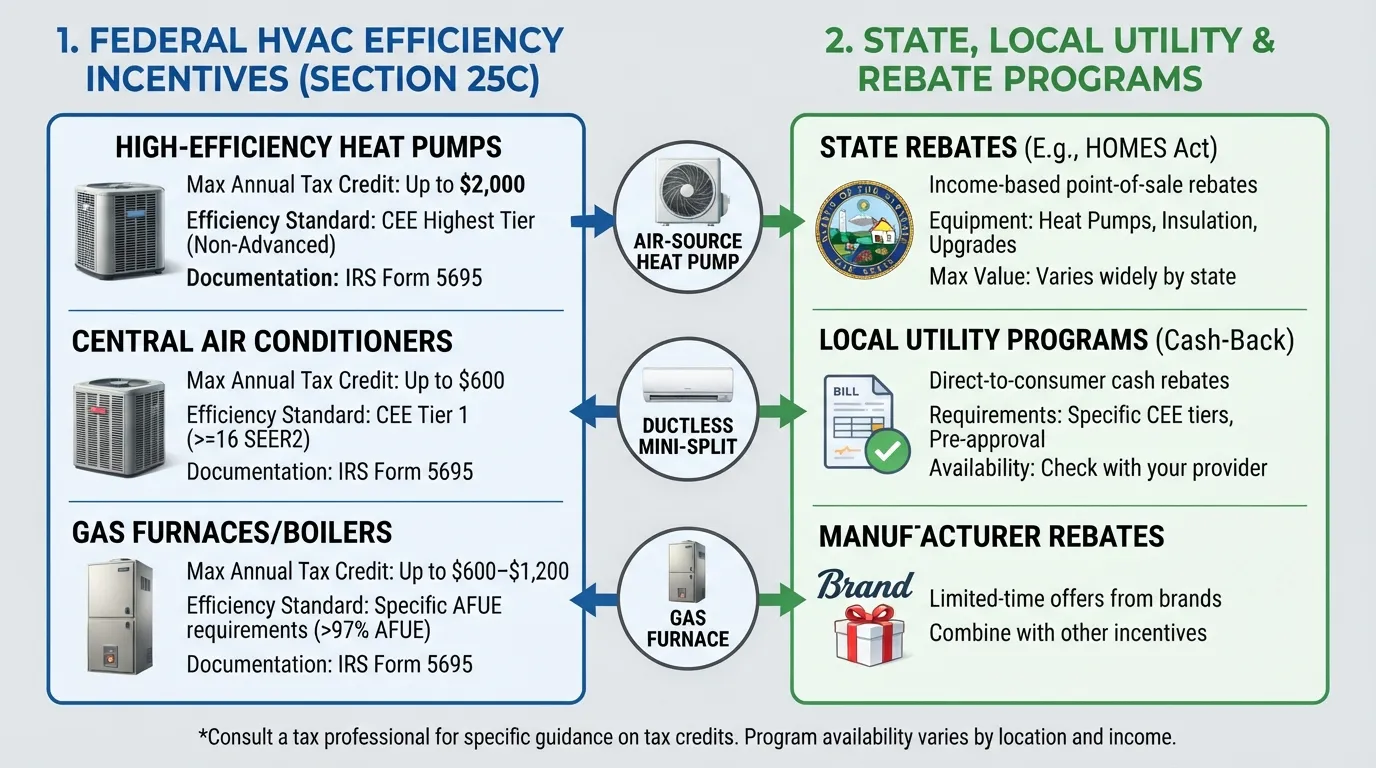 Navigating financial incentives can significantly lower the net cost of upgrading your 1,000 sq ft home’s HVAC equipment. While landscape-level federal tax incentives like the old Section 25C program concluded for equipment placed in service after December 31, 2025, numerous state-level programs, utility cash-back options, and high-efficiency manufacturer rebates remain widely accessible.
Federal Incentive Landscape & State-Level Alternatives
Although the former federal Energy Efficient Home Improvement Credit (Section 25C) expired for new installations at the close of 2025, regional and state energy offices have stepped in with alternative funding. Local jurisdictions and state programs actively promote home electrification and efficiency upgrades.
- Federal Status Check: Systems installed throughout 2026 no longer qualify for the previous $2,000–$3,200 federal tax credit limits, making local research essential.
- State Energy Programs: Many states manage specialized whole-home energy efficiency initiatives designed to offset equipment replacement costs.
- Documentation Requirements: Always verify that your chosen contractor provides certified AHRI rating certificates to qualify for active regional programs.
How Much You Can Save With Rebates
Local electric and gas utilities often provide direct cash-back incentives for homeowners who transition to high-SEER2 cooling equipment or cold-climate heat pumps. These point-of-sale or mail-in rebates can instantly shave hundreds of dollars off your project balance.
- Utility Cash-Back: Regional power providers routinely offer $500 to $1,500 in instant rebates for qualifying ENERGY STAR certified heat pumps and central systems.
- Whole-House Programs: Coordinated efficiency projects combining air sealing, insulation, and HVAC upgrades can unlock deeper state-backed financial assistance.
- Manufacturer Promos: Major HVAC brands frequently run seasonal instant-rebate campaigns during transition months to incentivize high-efficiency adoptions.
Will HVAC Prices Go Down? Market Trend Forecast 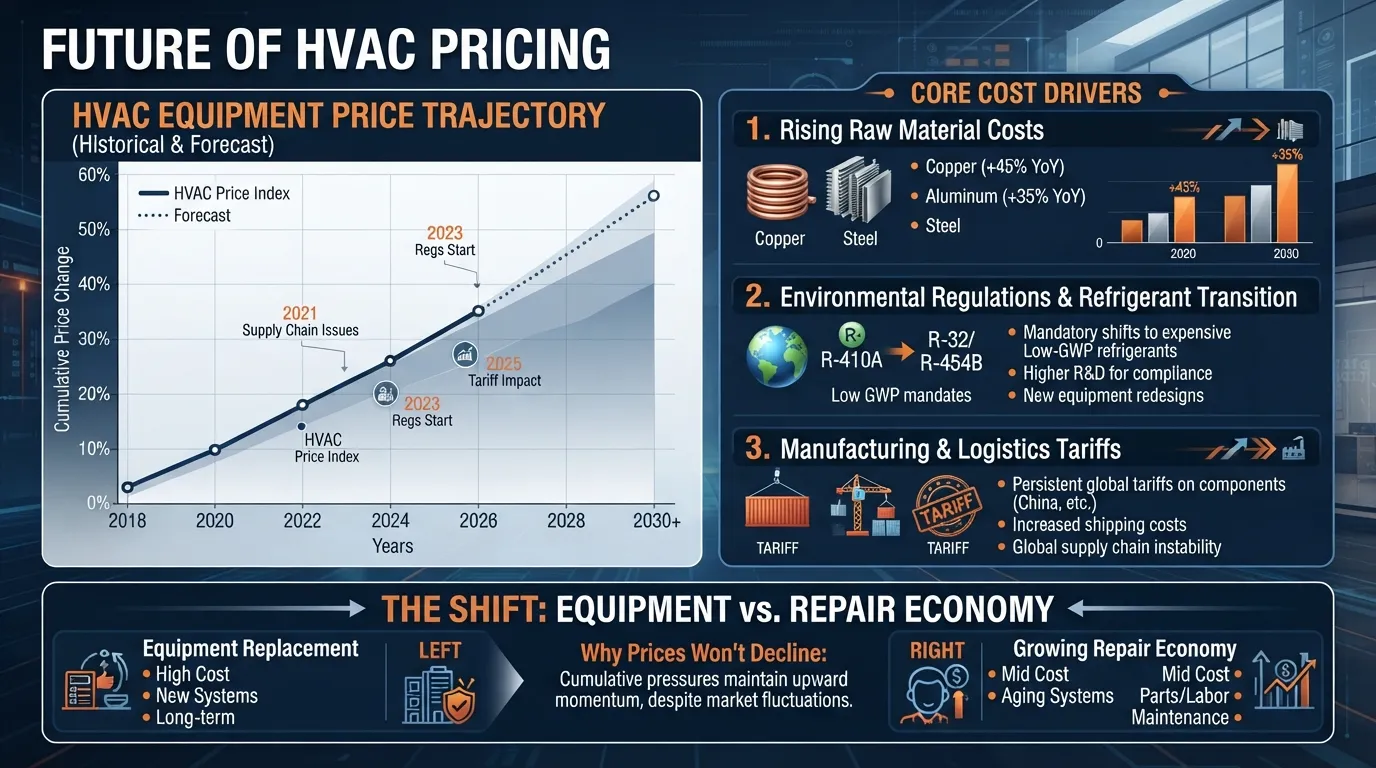
HVAC equipment prices are not expected to decrease. Persistent manufacturing inflation, raw material volatility, and ongoing regulatory shifts mean that waiting for equipment costs to drop is an ineffective strategy for homeowners.
Current Market Factors Material Costs Refrigerant Regulations Demand
Market data indicates that production costs for heating and cooling systems continue a steady upward trajectory. Structural changes across the manufacturing sector keep upward pressure on retail installation quotes.
- Raw Material Pressures: Ongoing market fluctuations in copper, aluminum, and cabinet steel directly drive up baseline equipment manufacturing expenses.
- Regulatory Refrigerant Shifts: The mandatory industry-wide transition to lower-GWP A2L refrigerants like R-454B requires redesigned hardware and safety sensors, adding to baseline production costs.
- Labor Wage Inflation: Specialized technician and installer wages have risen steadily to match broader economic adjustments, impacting local labor quotes.
Should You Wait or Buy Now?
Delaying a necessary HVAC replacement in hopes of future price drops rarely pays off. As older units age, their plunging efficiency and rising repair frequency usually outpace any hypothetical future market adjustments.
- Escalating Depreciation Costs: Operating an inefficient, aging system bleeds cash monthly through inflated utility bills that far outweigh minor equipment price shifts.
- Urgency Risks: Waiting for a complete system crash forces you into emergency replacement scenarios during peak seasons when discounts are entirely unavailable.
- Strategic Action: If your system is past its prime or requiring frequent fixes, replacing it proactively during the shoulder season secures the best financial outcome.
What Homeowners Actually Paid
Actual homeowner spending on HVAC replacements often diverges from baseline manufacturer estimates due to unpredictable site challenges and customized equipment packages. Reviewing real-world project outcomes and contractor discussions provides valuable clarity on true installation expenditures.
Why Some Quotes Exceed $10,000 Premium Brands Electrical Work Peak Season
While standard 1,000 sq ft home replacements often average between $5,000 and $8,000, specialized projects frequently eclipse the $10,000 mark. Discussions on community forums like the Reddit r/hvacadvice community thread highlight how complex site conditions, electrical overhauls, and top-tier equipment dramatically inflate total out-of-pocket expenses.
- Premium Equipment: Top-tier variable-speed inverter systems from brands like Trane or Carrier carry significantly higher hardware costs.
- Extensive Electrical Upgrades: Upgrading outdated fuse boxes or installing heavy-duty breaker subpanels adds substantial labor overhead.
- Challenging Access: Tight crawlspaces, difficult attic installations, or custom crane lifts for rooftop units drive up contractor billing hours.
How to Read and Compare Contractor Quotes Like a Pro
Securing at least three detailed, itemized quotes from licensed local contractors is essential before committing to any HVAC investment. Comparing apples-to-apples line items prevents hidden fees and ensures you get maximum value for your money.
- Detailed Line Items: Ensure quotes explicitly break down equipment model numbers, coil matches, labor warranties, and permit fees.
- Scope of Work Verification: Confirm whether duct sealing, old unit disposal, and electrical whip replacements are included in the lump sum.
- Warranty Documentation: Prioritize contractors who offer robust labor warranties alongside standard manufacturer parts coverage.
Which HVAC Brand Lasts the Longest?
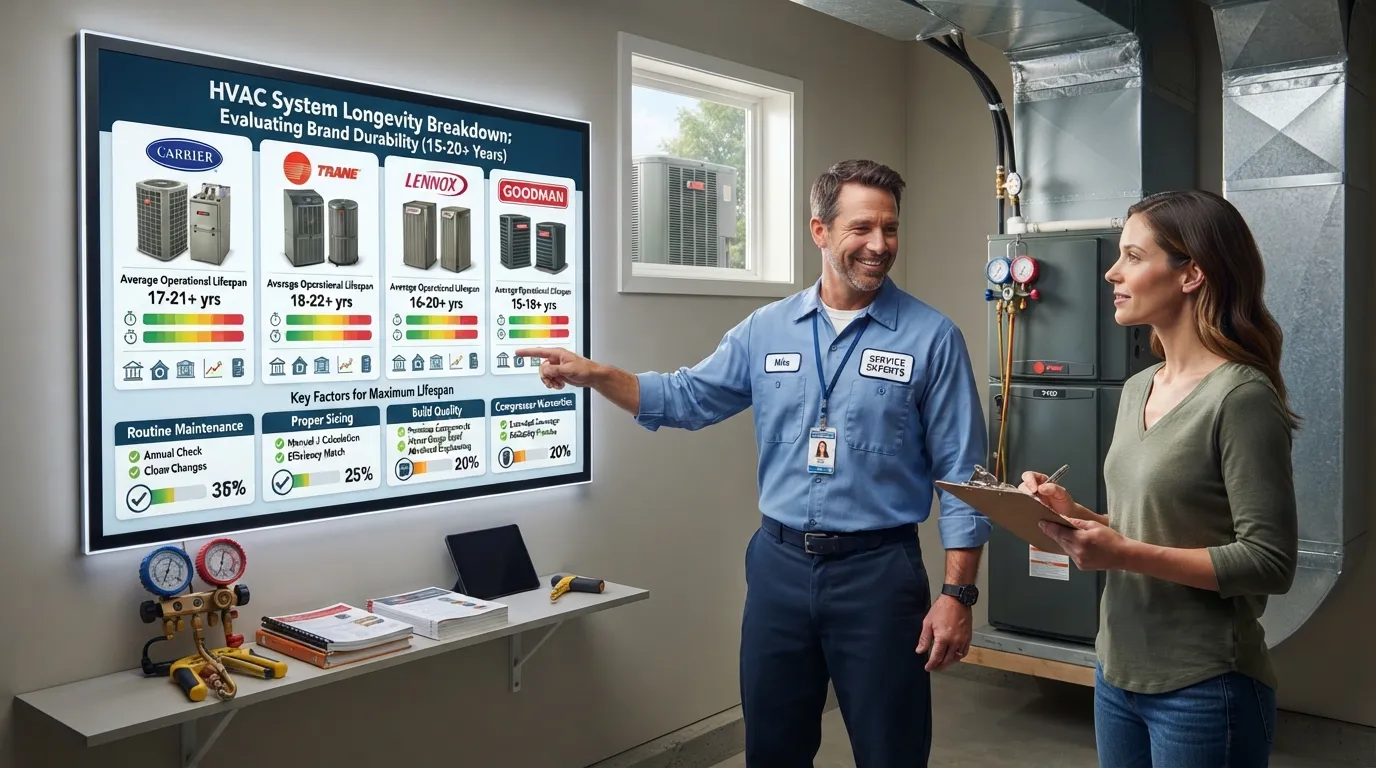 Homeowners often search for the single “best” HVAC brand, but industry experts agree that installation quality and regular maintenance matter far more than the manufacturer logo on the side of the unit. Leading brands like Carrier, Trane, Lennox, and American Standard consistently score high in reliability rankings, but proper setup dictates actual lifespan.
Top Reliable Brands General Comparison No Bias
While component quality varies across product tiers, established manufacturers generally offer solid warranties and durable engineering. Comparing major brands helps you understand what standard market offerings look like.
- Trane & American Standard: Renowned for proprietary rugged spine-fin coils and durable compressor designs.
- Carrier & Bryant: Highly regarded for quiet operating performance and advanced variable-speed inverter technology.
- Lennox: Known for industry-leading high-SEER efficiency ratings, though replacement parts can occasionally carry a premium price.
What Actually Determines Longevity Maintenance Brand Name
Even the most expensive, premium-tier HVAC system will fail prematurely if it is improperly sized or neglected. Routine professional upkeep is the single most powerful factor governing how many years your equipment will survive.
- Proper Installation: Correct refrigerant charge, balanced airflow, and precise electrical wiring prevent early component burnout.
- Annual Tune-Ups: Scheduling bi-annual spring and fall maintenance catches minor issues before they turn into costly mechanical failures.
- Filter Changes: Replacing air filters every 1 to 3 months protects the blower motor and maintains healthy system airflow.
Sizing & Buying Checklist Before You Get Quotes
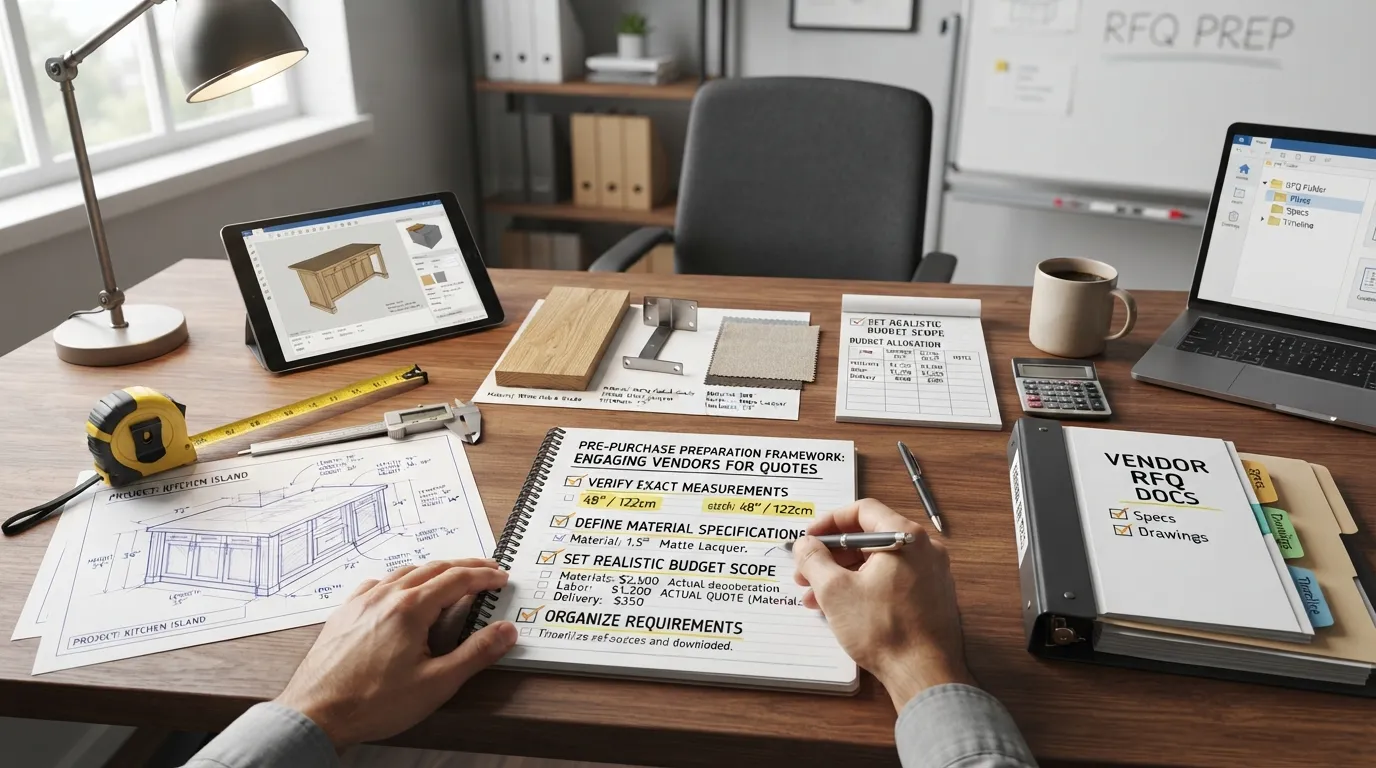 Preparing a structured checklist before inviting HVAC contractors to your home ensures you remain in control of the purchasing process. Asking the right questions and screening for common red flags protects you from substandard installations and inflated billing charges.
Questions to Ask Every Contractor
Never rely on a simple glance at your square footage when discussing a replacement system. Ask targeted questions during the estimate consultation to verify technical competence and professional accountability.
- Manual J Calculation: “Will you perform a detailed Manual J load calculation to determine the exact tonnage needed for my home?”
- Permits & Inspections: “Does your lump-sum quote include all municipal building permits and required local code inspections?”
- Warranty Breakdown: “What are the exact terms for the manufacturer parts warranty versus your company’s labor warranty?”
Red Flags in a Quote
Spotting unprofessional practices early saves you from costly installation errors and voided equipment warranties down the road. Walk away immediately if a contractor exhibits these warning signs.
- Rule-of-Thumb Sizing: Contractors who guess unit size based purely on square footage without inspecting ductwork or insulation.
- Vague Line Items: Quotes that list a single lump sum without detailing equipment model numbers, SEER2 ratings, or coil specifications.
- Cash-Only Pressure: High-pressure sales tactics offering massive discounts exclusively if you pay upfront in cash without a formal written contract.
Frequently Asked Questions
Homeowners exploring HVAC replacements for compact homes frequently encounter specific technical questions regarding sizing, longevity, and investment costs. Reviewing these direct answers clarifies common uncertainties before you schedule consultations.
What is the best HVAC system for a 1,000 square-foot house?
The best HVAC system for a 1,000 sq ft home is typically a 1.5- to 2-ton central split system or a high-efficiency heat pump. Choosing between them depends on your regional climate, existing duct infrastructure, and preference for all-electric versus dual-fuel heating.
- Heat Pumps: Excellent for moderate climates, delivering both efficient heating and cooling through a single unified system.
- Central AC & Furnace: Ideal for colder northern regions that require the powerful heating performance of a gas furnace.
What’s the average lifespan of an HVAC system?
The average lifespan of a modern HVAC system ranges from 15 to 20 years for central air conditioners and gas furnaces, provided they receive regular semi-annual maintenance. Heat pumps often experience slightly heavier wear due to year-round operation, typically averaging 12 to 15 years.
- Maintenance Impact: Routine professional tune-ups and clean filter changes are the most critical factors determining whether a unit reaches its maximum lifespan.
- Environmental Factors: Heavy cooling loads in humid southern climates can accelerate component degradation over time.
How much does HVAC cost for a 1,200 sq ft house?
Replacing an HVAC system for a slightly larger 1,200 sq ft home generally ranges from $5,000 to $9,000 installed. This incremental price increase over a 1,000 sq ft home accounts for the potential step up to a 2.5-ton unit and slightly higher material costs.
- Capacity Shift: Properties near the 1,200 sq ft threshold frequently require a 2.0- to 2.5-ton capacity depending on ceiling height.
- Duct Modifications: Larger layouts may require extended duct runs or zoning dampers to maintain uniform room temperatures.
What size HVAC do I need per square foot (general rule)?
A common rule of thumb in the HVAC industry is to allocate roughly 20 BTUs of cooling capacity per square foot of living space. For a 1,000 sq ft home, this calculation suggests a baseline requirement of approximately 20,000 BTUs, which translates directly to a 1.5- to 2-ton unit.
- Limitations of Rules of Thumb: General rules ignore critical variables like insulation quality, window placement, and local climate zones.
- Professional Load Calculation: Always rely on an authorized Manual J calculation from a licensed technician rather than relying solely on square footage estimates.

Oscar Vance | Master Plumber & Drainage Expert
Meet Oscar Vance, a licensed master plumber sharing practical solutions on residential repairs, preventive maintenance, and thoughtful home upkeep.