Understanding the Rotten Egg Odor in Your Home Water Supply
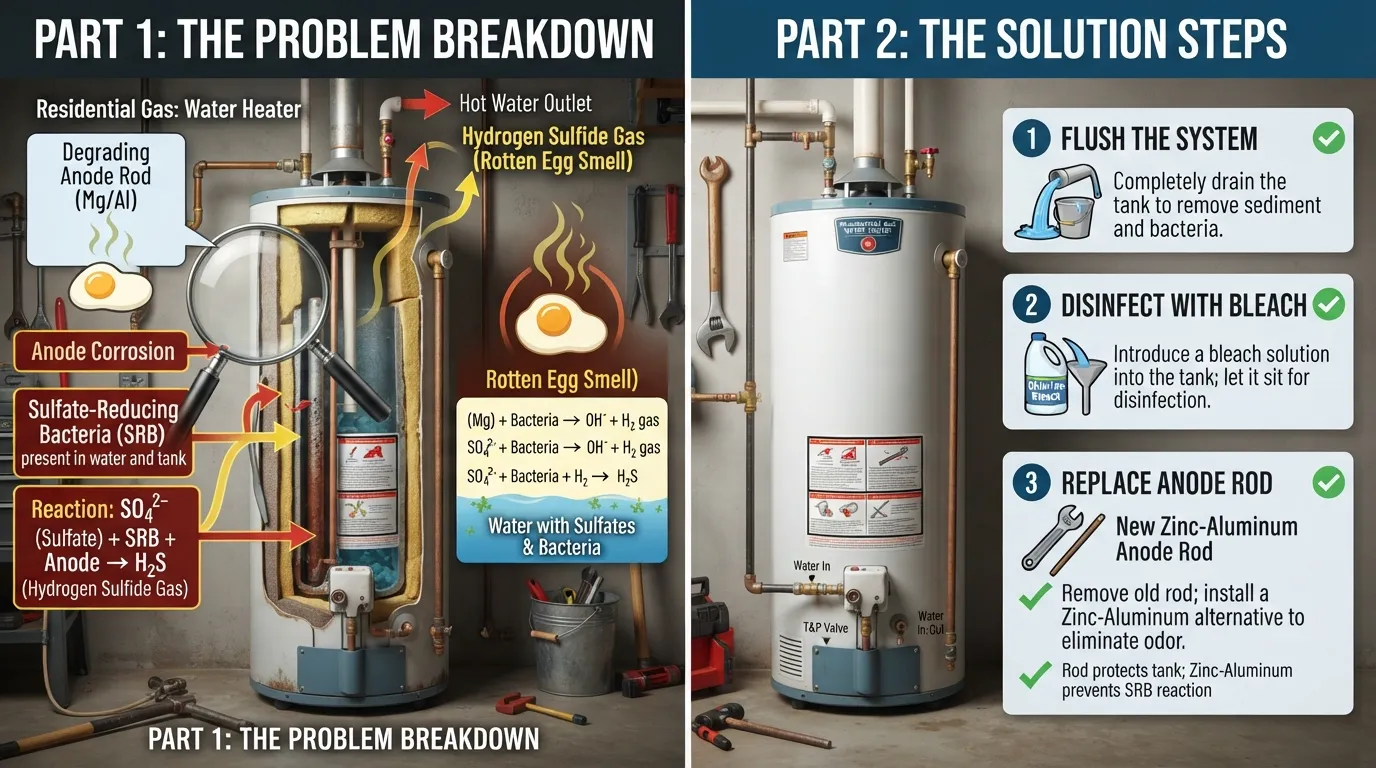
When your hot water smells like rotten eggs, the culprit is typically hydrogen sulfide gas generated inside your water heater by harmless sulfur bacteria interacting with the anode rod. While this distinct sulfur smell can be intensely unpleasant, it is generally non-toxic at low levels and does not indicate an immediate health emergency. Homeowners can quickly resolve this issue by identifying the exact source, flushing the tank, or replacing the anode rod to eliminate the gas production for good.
Why Does Hot Water Smell Like Rotten Eggs?
Sulfate-reducing bacteria are microorganisms that thrive in warm, low-oxygen environments inside household plumbing and water tanks. These specialized sulfur bacteria feed on harmless sulfates naturally present in groundwater, converting them directly into pungent hydrogen sulfide gas.
- Thrive in environments with minimal oxygen circulation and elevated heat.
- Convert natural water sulfates into pungent hydrogen sulfide gas.
- Concentrate heavily inside residential water heaters where conditions are ideal.
The Magnesium Anode Rod Reaction Chemical Explanation
The magnesium anode rod inside your water heater creates a chemical reaction that releases free hydrogen ions into the tank water. When these free hydrogen ions combine with sulfur bacteria, they accelerate the chemical production of hydrogen sulfide gas.
- Anode rods are designed to corrode sacrificially to protect the steel tank from rust.
- Standard magnesium models react more aggressively with certain water chemistries.
- Produces a localized electrochemical balance that aids bacterial proliferation.
Why It Gets Worse After Vacation or Inactivity Stagnant Water Angle
Stagnant water sitting undisturbed for days creates a prime breeding ground for bacteria because the daily flow and thermal mixing are disrupted. When you return from a trip, the accumulated hydrogen sulfide gas rushes out all at once, resulting in an overpowering sulfur smell.
- Lack of water movement allows bacteria colonies to multiply unchecked inside the tank.
- Extended time and continuous heat combine to maximize gas concentration.
- First-draw water after long absences delivers the strongest odor punch.
Hot Water vs Cold Water Diagnostic Table
When only your hot water smells like rotten eggs while cold water remains completely odorless, the issue is almost always isolated inside your water heater tank. The combination of heat and the sacrificial anode rod creates the ideal breeding ground for sulfur bacteria, leaving your cold water lines unaffected.
- The water heater is the exclusive site of hydrogen sulfide gas production.
- Cold water lines bypass the tank entirely, remaining fresh and clean.
- Focusing troubleshooting on the water heater tank resolves the problem.
Both Hot and Cold Water Smell What It Means
If both your hot and cold water emit a sulfur or rotten egg odor, the problem originates from your primary water supply source rather than the water heater. This typically points to contaminated well water, a failing whole-house water filter, or issues within municipal water mains.
- Indicates contamination entering the entire household plumbing infrastructure.
- Commonly associated with deep private wells rich in organic sulfur compounds.
- Requires whole-house filtration solutions rather than tank-level fixes.
Only One Faucet Smells Intent Gap Localized Issue
When the rotten egg smell comes exclusively from a single faucet—often a guest bathroom or utility sink—the issue is usually localized to that specific drain or aerator. Organic buildup, hair, and soap scum trapped in the p-trap can mimic a water supply odor.
- Bacterial slime buildup inside the drain creates a sulfur smell as water runs.
- The odor is actually airborne sewer gas rising from the drain, not the water.
- Cleaning the aerator and sanitizing the drain instantly eliminates the smell.
Well Water vs City Water Does It Matter?
The source of your water supply drastically changes how you diagnose and treat sulfur odors. Private well water naturally contains high levels of dissolved minerals and sulfur bacteria, whereas municipal city water is treated with chlorine or chloramines to prevent bacterial growth.
- Well water systems frequently require UV sterilization or iron/sulfur filtration.
- City water rarely develops sulfur bacteria inside heaters unless chloramines dissipate.
- Testing your water source helps pinpoint the exact remediation equipment needed.
Is It Dangerous? Sulfur Smell vs Natural Gas Leak
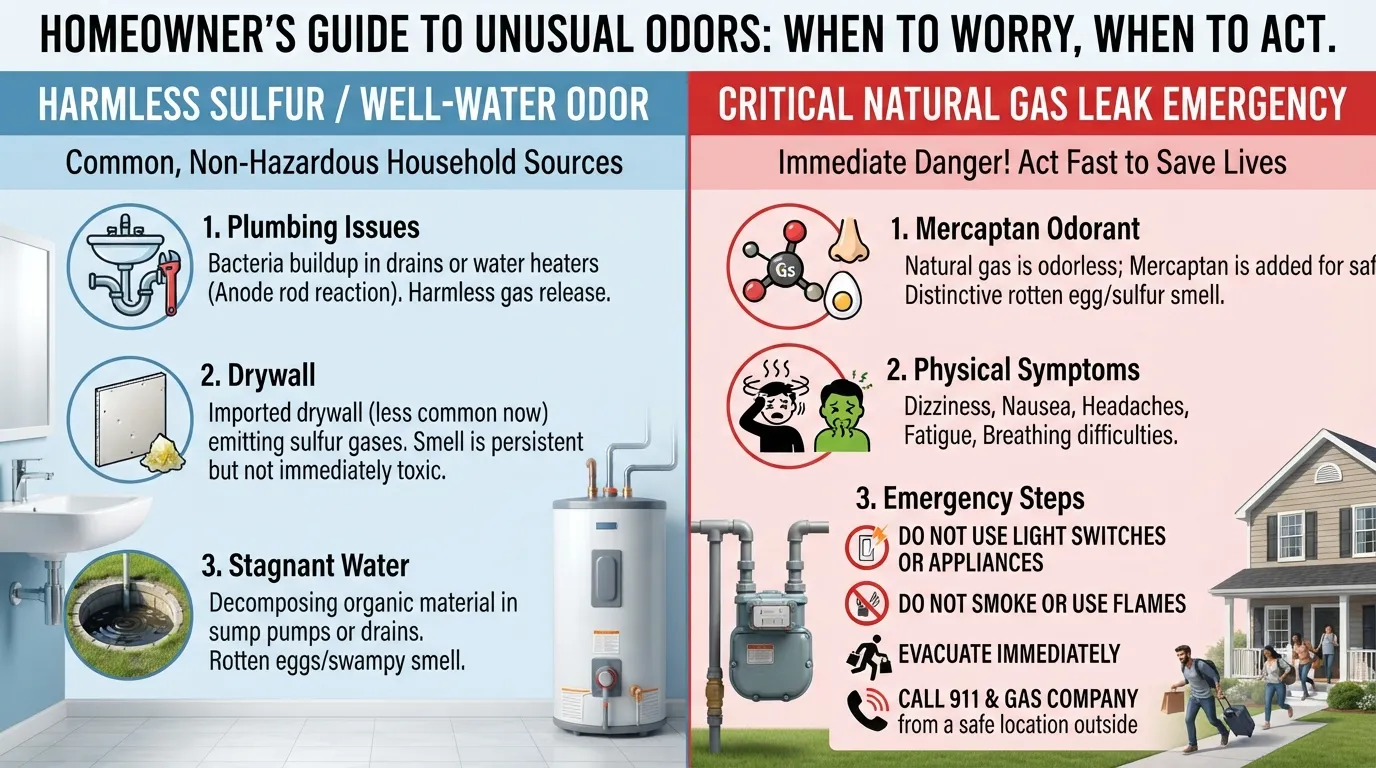
Showering in water that smells like rotten eggs is generally considered safe because the hydrogen sulfide gas is present at extremely low, non-toxic concentrations. According to guidance from the Minnesota Department of Health, the odor is primarily an aesthetic and nuisance issue rather than an acute health hazard.
- Skin absorption of low-level hydrogen sulfide gas during a typical shower poses virtually no health risk.
- Your nose detects the gas at microscopic parts-per-billion levels, long before it reaches harmful physical thresholds.
- While non-toxic, the strong odor can cling to skin and hair temporarily, making regular hygiene unpleasant.
Is It Safe to Drink This Water?
Drinking water with a mild sulfur smell is usually not harmful, though most people find the taste completely unappealing and difficult to stomach. The human nose detects hydrogen sulfide long before concentrations become toxic, meaning standard levels found at household taps rarely pose direct poisoning risks.
- High concentrations can occasionally cause mild nausea or digestive upset in sensitive individuals or small children.
- Testing your water source is strongly recommended to rule out hidden co-contaminants like coliform bacteria.
- Installing an activated carbon filter or addressing the water heater clears up the taste and safety concerns.
How to Tell the Difference Between Sulfur Smell and a Real Gas Leak
Distinguishing between water-borne sulfur and a natural gas leak comes down to locating where the odor intensifies in your indoor environment. Natural gas is deliberately scented with mercaptan, giving it a heavy rotten egg smell that fills rooms, whereas water-borne hydrogen sulfide only emerges when a faucet or shower is running.
- Water-borne odors originate strictly from drains, sinks, or plumbing fixtures when water is actively running.
- Natural gas leaks emit a constant, ambient smell that lingers heavily in the air independently of plumbing use.
- Gas leaks often present with faint hissing sounds near supply lines, gas meters, or combustion appliances.
When to Evacuate and Call the Gas Company Immediately
You must evacuate your home and call your local utility or emergency services immediately if the rotten egg smell persists without running water or if you suspect a gas line breach. Natural gas is highly combustible, making rapid safety protocols essential when an ambient line leak is suspected.
- Leave the premises immediately and avoid turning on electrical switches, using phones, or creating sparks.
- Contact your gas provider or emergency services from a safe distance well away from the building structure.
- Do not re-enter the property until certified utility professionals clear the environment and declare it safe.
How to Fix It Yourself Step by Step DIY Guide
Step 1 — Sanitize the Tank Heat Treatment Method 140°F
Raising your water heater thermostat to 140°F for 24 hours effectively kills off sulfur-producing bacteria residing inside the tank structure. Be sure to run hot water through all home faucets to circulate the heated water through the entire piping network.
- Increases thermal stress inside the tank to neutralize living bacteria colonies.
- Requires caution to prevent accidental scalding at active household taps.
- Serves as a temporary fix if bacteria re-emerge after cooling the tank.
Step 2 — Flush and Drain the Water Heater
Connecting a garden hose to the bottom drain valve and completely emptying the tank removes heavy sediment buildup and trapped sulfur pockets. Flushing out accumulated debris starves the remaining bacteria of the nutrients they need to multiply.
- Shut off the power or gas supply before draining to prevent element burn-out.
- Open a nearby hot water faucet to break the vacuum and ensure proper drainage.
- Rinse the tank thoroughly by briefly opening the cold water supply valve mid-drain.
Step 3 — Replace the Anode Rod Magnesium to Aluminum-Zinc
Swapping your deteriorating standard magnesium anode rod for an aluminum-zinc or powered alternative permanently stops the chemical reaction causing the hydrogen sulfide gas. This targeted hardware upgrade eliminates the primary catalyst that sustains sulfur bacteria.
- Requires a socket wrench and breaker bar to remove the stubborn factory anode rod [00:07:35].
- Zinc-powered models react differently with water chemistry to halt odor production.
- Provides a long-term solution when regular chemical flushing fails to work.
Step 4 — Chlorine Shock Treatment For Well Water Systems
Introducing a measured chlorine bleach solution directly into your well and plumbing network eradicates widespread bacterial contamination across the entire water supply. This intensive shock treatment cleans out deep well casings and pressure tanks efficiently.
- Pour chlorine bleach down the well head according to precise gallon calculations.
- Circulate chlorinated water through every indoor tap until a distinct bleach smell appears.
- Let the solution sit undisturbed for 12 to 24 hours before flushing lines completely.
Tankless Water Heaters A Different Case
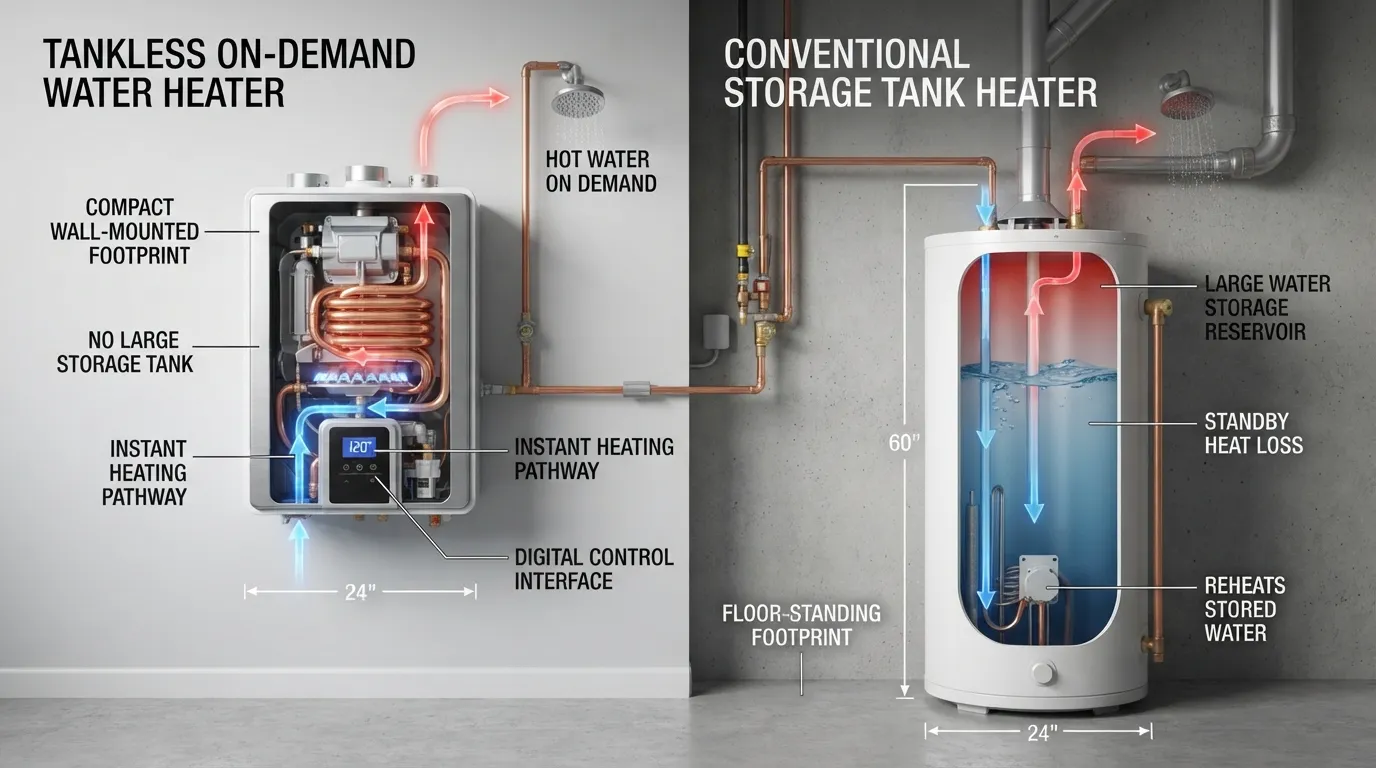
Tankless water heaters rarely develop a rotten egg smell because they lack a storage tank and a traditional sacrificial anode rod. Since water passes through on-demand rather than sitting stagnant, sulfur bacteria have no opportunity to colonize or produce hydrogen sulfide gas.
- On-demand heating prevents the stagnant water conditions required by sulfur-reducing bacteria.
- Absence of a magnesium or aluminum tank anode eliminates the primary electrochemical reaction.
- Odors in tankless systems almost always point to external plumbing issues, sink traps, or well supply sources.
Smelling Gas Near Tankless Heater Vents Normal or Warning Sign?
Detecting a faint exhaust or combustion odor near the exterior venting pipes of a tankless water heater can happen momentarily during startup, but a persistent gas smell requires immediate attention. Because gas-fired units rely on precise air-fuel mixtures, unburned gas or exhaust draft issues demand a professional safety inspection.
- Brief puffs of exhaust smell right as the burner ignites are typically normal operation.
- A constant or strong raw gas odor around intake or exhaust lines indicates a potential valve or combustion leak.
- Contact a certified HVAC technician immediately if the smell lingers or if your carbon monoxide detector activates.
Other Places You Might Notice the Smell
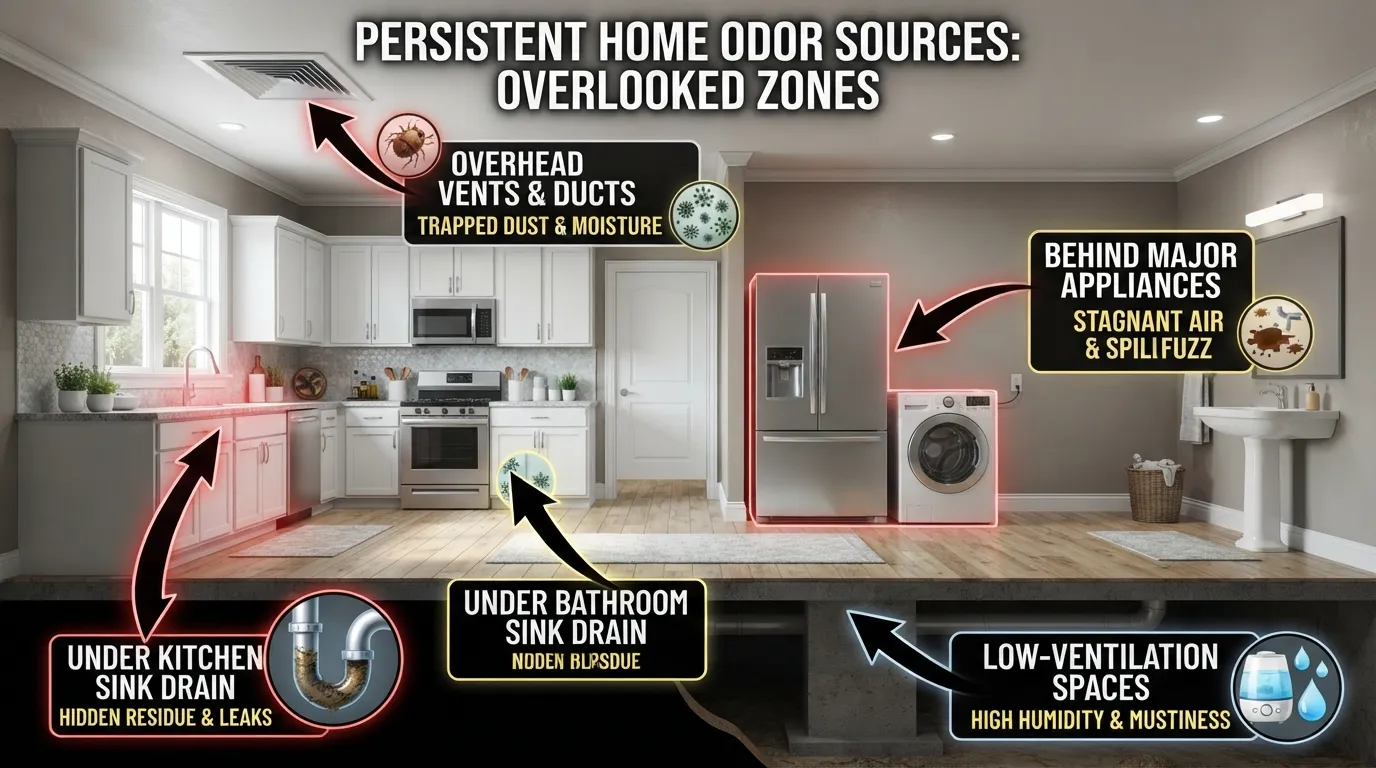
Jetted tubs frequently emit a powerful rotten egg odor when stagnant water, body oils, and soap scum trapped inside the internal plumbing lines create a breeding ground for bacteria. When you turn the jets on, these trapped organic deposits blast out into the tub, releasing an overwhelming sulfur smell that mimics water heater issues.
- Internal circulation lines trap moisture and organic waste that ordinary cleaning misses.
- Biofilm layers coat the inner tubing, fostering active colonies of sulfur-producing bacteria.
- Running a hot water system flush with specialized cleaner or bleach sanitizer clears out the buildup.
Why Does My Washing Machine Smell Like Rotten Eggs?
A washing machine producing a rotten egg or sulfur smell is usually suffering from heavy detergent buildup, mold growth in the rubber door seal, or a slow-draining utility line. Trapped lint and organic residue decompose in low-oxygen drum environments, producing sour or sulfurous gas pockets.
- Front-load rubber gaskets trap water, creating ideal dark conditions for smelly mildew.
- Excessive use of liquid fabric softeners leaves a waxy coating that feeds odor-causing microbes.
- Running a hot maintenance cycle with vinegar or washing machine cleaner eliminates the residue.
Am I the Only One Who Can Smell It? Localized Phantom Smell Clarification
If you notice a rotten egg smell that no one else in your household can detect, the issue could be a dry drain trap, an olfactory sensitivity, or a localized plumbing vent issue. Localized drain traps allow sewer gas to waft up near specific fixtures without contaminating the broader home environment.
- Evaporated water in infrequently used floor drains lets sewer gas escape into a single room.
- Individual sensitivity to sulfur compounds can make certain family members notice faint odors first.
- Pouring water down all unused household sink and floor drain traps usually solves the mystery.
Is This a Sign Your Water Heater Is Failing?
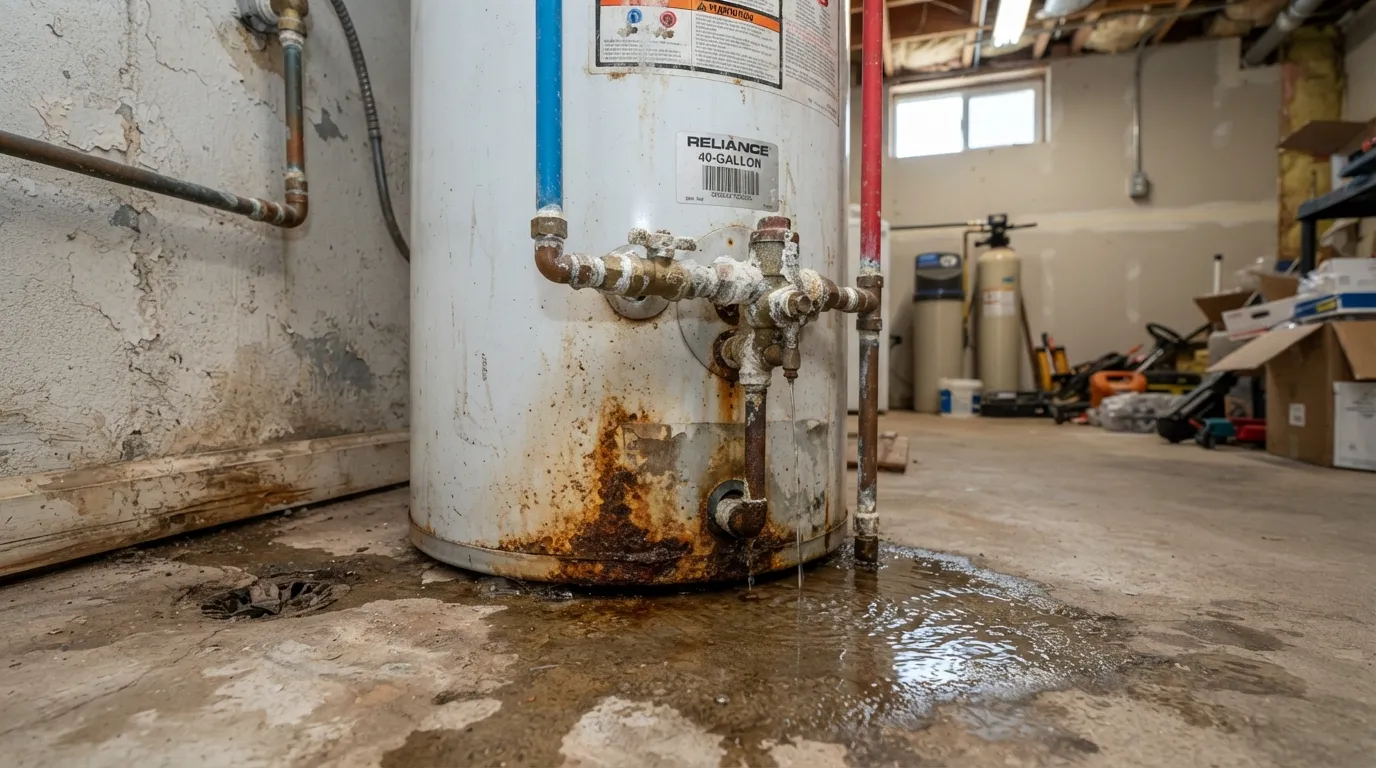
While a rotten egg smell is usually just a bacterial and anode rod issue, other warning signs indicate your water heater is nearing total mechanical failure. Discolored water, unusual rumbling noises, and minor pooling leaks around the base point to internal tank degradation.
- Rusty or brownish hot water indicates internal tank corrosion is actively eating through the steel.
- Loud popping or rumbling sounds signal heavy sediment hardening at the bottom of the tank.
- Persistent moisture or weeping leaks around structural welds mean the tank wall has breached.
How Many Years Does a Water Heater Usually Last?
A standard tank-type water heater typically lasts between 8 to 12 years with regular maintenance and annual sediment flushing. Tankless units boast a longer lifespan of 15 to 20 years, provided their internal heat exchangers are periodically descaled to prevent mineral buildup.
- Regular anode rod replacements can extend a traditional tank’s operational life significantly.
- Water hardness levels heavily influence durability, requiring water softeners in high-mineral regions.
- Units operating past the 12-year mark carry a much higher risk of sudden internal tank rupture.
Symptoms of a Bad Thermostat on a Water Heater
A failing water heater thermostat will cause erratic water temperatures, delivering water that is either freezing cold or dangerously scalding hot. If adjusting the dial produces no temperature change, the electrical thermostat or gas control valve has likely failed and requires replacement.
- Inconsistent heating cycles leave you with lukewarm water halfway through a normal shower.
- Complete lack of hot water despite a continuously burning pilot light points to control valve failure.
- Tripped high-limit safety switches repeatedly shut down the unit to prevent thermal overheating.
Can You Still Shower If the Water Heater Is Off?
You can still take a shower if the water heater is turned off, but you will only have access to cold water once the remaining heated water in the tank is depleted. Turning off the unit temporarily for maintenance or safety reasons poses no health risk during your regular hygiene routine.
- Remaining stored water stays warm for a few hours depending on tank insulation quality.
- Cold showers are entirely safe, though unpleasant during colder winter weather months.
- Remember to let the tank refill completely and reheat before turning power back on to protect elements.
When to Call a Professional
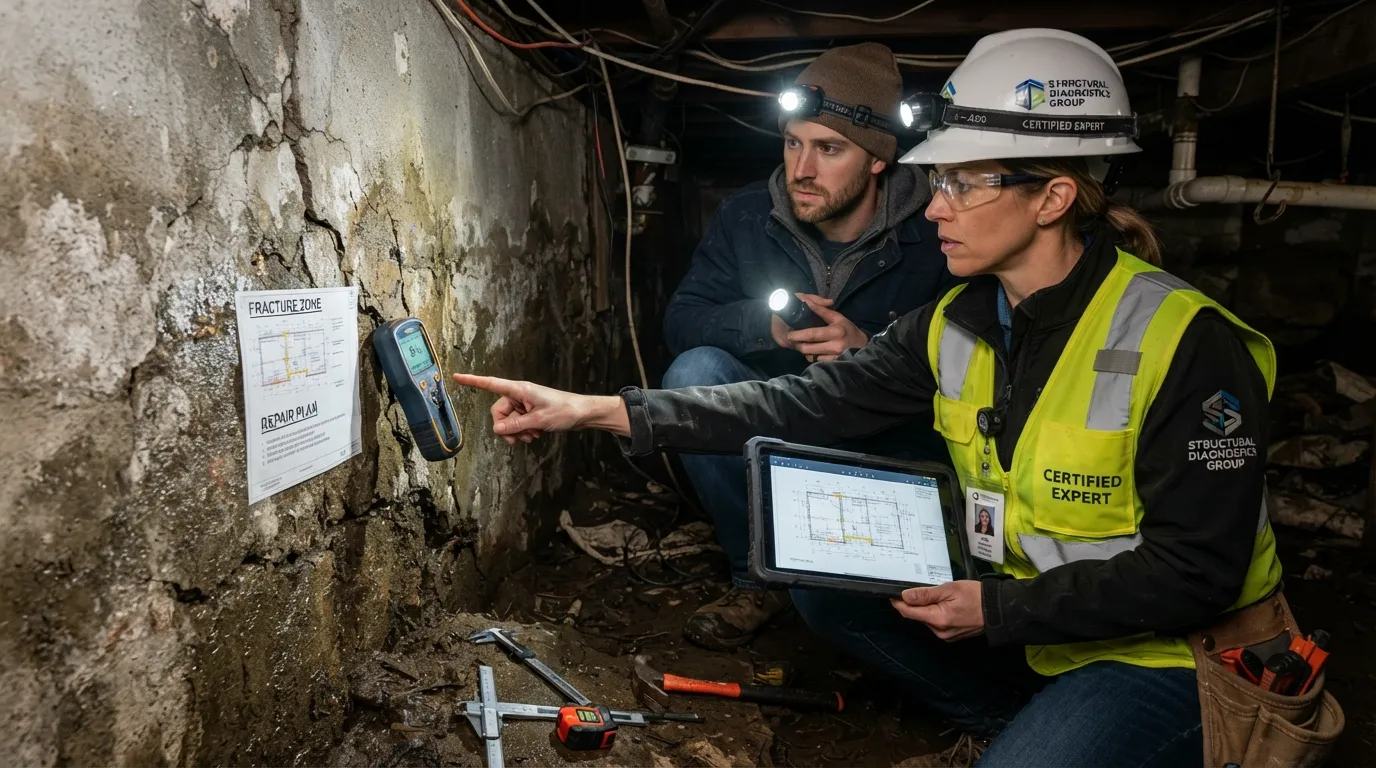
You should call a licensed plumber when you need complex hardware replacements like a rusted anode rod, a broken drain valve, or a failing thermostat. Professional plumbers have the heavy-duty tools and technical expertise required to safely service or replace residential water heater components.
- Handling stubborn, factory-tightened anode rods that resist standard homeowner wrenches.
- Diagnosing and repairing active leaks, faulty relief valves, or internal plumbing connections.
- Installing replacement water heaters safely in compliance with local building codes.
When You Need a Water Treatment Specialist
Contact a certified water treatment specialist if your rotten egg smell persists across both hot and cold taps or stems from a contaminated private well. These experts specialize in whole-house filtration upgrades, UV purification, and chemical injection systems.
- Analyzing comprehensive water test reports to identify specific mineral and bacterial imbalances.
- Designing custom well water filtration setups tailored to heavy sulfur and iron loads.
- Installing specialized water softeners and sulfur-removal carbon backwashing filters.
When to Call the Gas Company Instead
Immediately call your local gas utility or emergency services if you suspect an ambient gas line breach, damaged meter, or malfunctioning gas control valve. Natural gas leaks present an immediate fire and explosion hazard that requires professional utility intervention.
- Detecting a persistent, heavy rotten egg odor indoors when no plumbing fixtures are running.
- Hearing a distinct hissing sound near gas supply lines, appliances, or utility meters.
- Experiencing pilot light failures accompanied by lingering unburned gas or exhaust smells.
Frequently Asked Questions About Hot Water Odors
How do I get rid of the rotten egg smell in my hot water heater?
Eliminating the rotten egg smell from your water heater involves sanitizing the tank, flushing out accumulated sediment, or replacing the standard anode rod. Upgrading to a zinc-powered anode rod or a powered alternative permanently stops the chemical reaction that produces hydrogen sulfide gas.
- Raise the water heater thermostat to 140°F for 24 hours to kill active sulfur bacteria.
- Drain and flush the tank completely to remove organic debris and trapped gas pockets.
- Replace the factory magnesium anode rod with an aluminum-zinc or powered anode rod.
Why does my hot water smell like rotten eggs but my cold water doesn’t?
When only hot water smells like rotten eggs, the issue is isolated inside your water heater tank where heat and the anode rod foster sulfur-reducing bacteria. Cold water bypasses the tank entirely, leaving your cold supply lines fresh and completely odorless.
- Sulfur bacteria thrive in the warm, low-oxygen environment of residential water heaters.
- Sacrificial anode rods react with water chemistry to generate hydrogen sulfide gas exclusively in hot lines.
- Cold water plumbing lines remain unaffected because they lack internal heating and anode components.
What is the most common cause of water heater failure?
The most common cause of traditional tank water heater failure is internal rust and corrosion resulting from the normal depletion of the sacrificial anode rod. Once the anode rod is fully consumed, the steel tank walls begin to corrode, eventually leading to structural leaks.
- Heavy sediment buildup at the bottom of the tank causes overheating and bottom-plate fatigue.
- Neglecting annual flushing allows mineral scale to harden and accelerate tank wear.
- Exceeding the normal 8 to 12 year lifespan significantly increases the risk of sudden tank rupture.
How long does it take for the smell to go away after fixing it?
The rotten egg smell typically clears up within 24 to 48 hours after you flush the water heater and replace the anode rod. Running all household hot water taps helps flush the lingering hydrogen sulfide gas completely out of your plumbing lines.
- Residual gas trapped in long pipe runs can take a day or two to fully clear.
- Thoroughly purging every faucet speeds up the replacement of old water with fresh treated water.
- Powered anode rods usually neutralize stubborn odors within 24 hours of installation.
Can boiling or heating water make the smell worse temporarily?
Heating water can temporarily intensify the rotten egg odor because higher temperatures accelerate the release of trapped hydrogen sulfide gas. As the water warms up inside the tank or hits a hot pan on the stove, dissolved sulfur gases volatilize into the air more rapidly.
- Elevated thermal energy drives dissolved gases out of solution, making the scent more noticeable.
- Running hot water taps fills enclosed bathrooms with strong sulfur vapors during initial use.
- Turning down the heat temporarily can reduce gas release until a permanent fix is applied.
Conclusion and Next Steps
Dealing with a rotten egg smell in your hot water can be an unsettling experience, but understanding that it stems from harmless sulfur bacteria and your water heater’s anode rod helps take the panic out of the situation. Whether you choose to tackle the issue yourself by flushing the tank and installing an aluminum-zinc anode rod or decide to call in a professional plumber or water treatment specialist, the problem is entirely fixable. Take action today by diagnosing your symptoms, protecting your home’s water quality, and enjoying fresh, odor-free hot water once again.

Oscar Vance | Master Plumber & Drainage Expert
Meet Oscar Vance, a licensed master plumber sharing practical solutions on residential repairs, preventive maintenance, and thoughtful home upkeep.