Direct Verdict: The Flushable Litter Paradox
 Flushable cat litter is generally not safe for household plumbing or septic systems, regardless of the claims printed on the packaging. Professional plumbers, municipal wastewater management authorities, and environmental agencies strongly advise against flushing any type of kitty litter down household toilets.
While plant-based and organic litters may eventually dissolve under ideal laboratory conditions, home drainage lines present a starkly different environment. Flushing litter frequently leads to severe pipe blockages, main sewer line backups, and costly plumbing repairs.
- Clumping Action: Moisture-activated litters continue expanding and absorbing water long after being flushed, creating thick sludge inside drain lines.
- Pipe Accumulation: Organic materials like corn, wheat, wood pellets, and tofu collect along rough pipe walls, catching hair and other waste.
- Septic System Failure: Solidified litter alters septic tank ecosystems, disrupting natural bacterial breakdown and clogging drain fields.
The Marketing Loophole: How Flushable Litter Passes Lab Tests But Destroys Pipes
Litter manufacturers market products as flushable because they pass controlled laboratory pipe disintegration tests. These standardized tests flush small amounts of fresh litter through high-pressure, short vertical pipes with continuous, heavy water volume.
Real-world residential plumbing systems rarely match laboratory environments. Most home drainage systems present structural hurdles that trap organic litter before it reaches main municipal sewer mains.
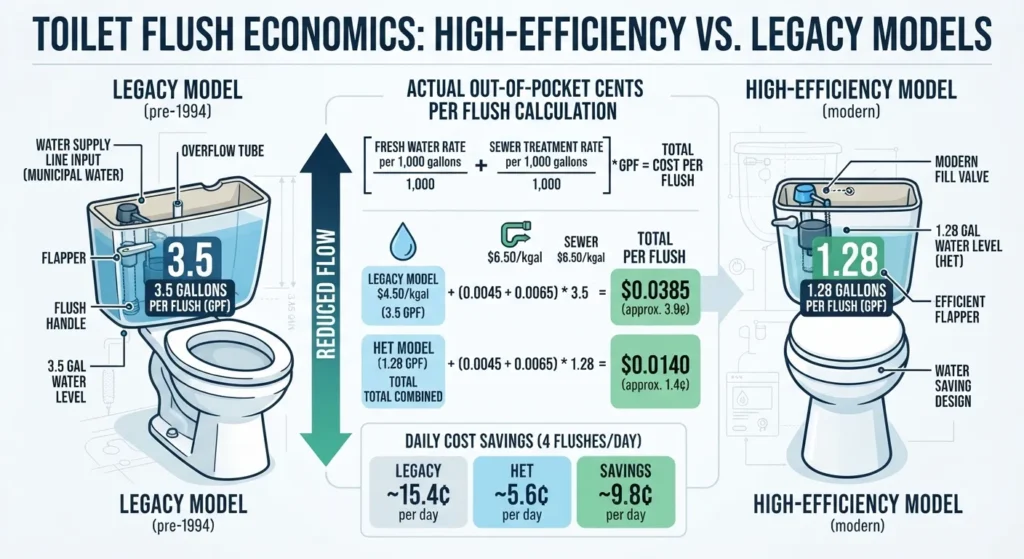
- Low-Flow Toilets: Modern fixtures flushing at 1.28 gallons per flush (GPF) lack the mechanical force needed to push heavy organic mass through long pipe runs.
- Horizontal Pipe Pitch: Drainage pipes underneath home floors often run horizontally at low slopes, allowing heavy litter particles to settle and harden.
- Cast-Iron Pipe Scale: Older iron and clay pipes feature rough interior surfaces, rust scale, and tree root intrusion that snag sticky litter particles.
- U-Bends and Traps: Toilet traps and internal U-bends collect dehydrated waste, quickly reducing pipe diameter and restricting water flow.
Additionally, cat feces dehydrates over time inside the litter box. When flushed, dried waste acts like concrete rather than dissolving like human waste, violating standard municipal wastewater treatment safety guidelines.
Why Plumbers Warn Against Flushing Cat Litter
Even biodegradable or plant-based cat litters pose severe threats to residential drainage infrastructure. When exposed to plumbing water, corn, wheat, tofu, and paper litters continue to absorb fluid rapidly, creating a dense organic litter sludge.
Unlike human waste or toilet paper designed to break down instantly under mild shear stress, accumulated litter particles settle at the bottom of horizontal PVC drain lines and older cast iron pipes. Over time, these masses bind with hair and grease, forming rock-hard blockages that trigger a catastrophic sewer line clog.
- Moisture Retention: Plant starches swell upon repeated water exposure, losing their fluidity and acting like adhesive mortar.
- Friction Points: Granular particles cling to pipe imperfections, creating a sticky base layer that traps subsequent waste.
- Complete Flow Restriction: As layers accumulate, the internal diameter of the pipe narrows, eventually blocking wastewater evacuation entirely.
The Impact on Septic Tanks vs. City Sewer Lines
Homeowners on private septic systems face even higher risks when introducing cat litter into their waste streams. A healthy septic tank relies on a delicate biological equilibrium of anaerobic bacteria to digest domestic organic matter.
Flushed cat waste and heavy litters introduce foreign silicates, clay binders, and high-density solids that bypass microbial digestion. This accelerates sludge accumulation at the bottom of the tank, blinding outlet baffles and causing premature septic tank failure and leach field saturation.
- Microbial Disruption: Feline waste and litter compounds alter tank chemistry, inhibiting the natural bacterial breakdown of household effluent.
- Solid Accumulation: Insoluble minerals and dense fibers settle rapidly, requiring frequent and costly professional tank pump-outs.
- Drain Field Destruction: Suspended particulates migrate past the tank baffles, clogging soil absorption pores in the drain field.
Low-Flow Toilets (1.28 GPF) and The Mechanical Force Problem
Modern residential bathrooms are equipped with water-saving fixtures designed to conserve municipal water resources. However, low-flow toilets operating at GPF (gallons per flush) ratings of 1.28 or lower lack the hydrodynamic momentum required to transport dense media.
When heavy clumps of litter are introduced, reduced water volume prevents proper suspension. Instead of being propelled through fifty feet of main sewer drain, the slurry stalls in flat architectural pipe runs.
- Insufficient Velocity: Low flush volumes create a weak wave front that pushes liquid past while leaving heavier granules behind in pipe traps.
- U-Bend Accumulation: Toilet traps and internal bends catch settling grains instantly, anchoring a foundation for future debris buildup.
- Hydraulic Failure: Without sufficient kinetic energy, multiple flushes are required—waging an ineffective battle against accumulating pipe blockages.
Health & Environmental Hazards (Toxoplasmosis & Laws)
Flushing cat litter and waste introduces severe public health hazards that extend beyond home plumbing systems. Cat feces is the primary host environment for Toxoplasma gondii, a microscopic parasite that forms resilient oocysts (spores) capable of surviving harsh environmental conditions for over a year.
Standard municipal wastewater treatment plant processes are engineered to neutralize human biological pathogens. Most facilities rely on settling basins, chlorination, or ultraviolet light, none of which reliably destroy hardy Toxoplasma gondii oocysts before treated water is discharged back into public waterways.
- Extreme Spore Survival: The protective outer shell of feline parasite spores allows them to resist standard chemical disinfectants, chlorine treatments, and thermal shifts.
- Filter Bypass: Conventional physical filtration systems in municipal plants fail to trap micro-scale oocysts, letting them pass directly into open aquatic habitats.
- Public Health Exposure: Discharged spores contaminate downstream water sources, posing health risks to pregnant individuals and immune-compromised populations.
Marine Life Hazards and Regional Flushing Regulations
When parasites pass through a wastewater treatment plant into coastal ecosystems, they cause severe damage to marine life protection efforts. Ingested by invertebrates such as mussels and clams, Toxoplasma gondii concentrates in the marine food chain, causing fatal brain infections in sea otters and harming coastal wildlife populations.
Due to these environmental risks, legislative bodies have enacted strict disposal guidelines. California cat litter legislation explicitly requires manufacturers to include warning labels on packaging, advising consumers against flushing cat feces into plumbing systems to protect marine habitats.
- Impact on Sea Otters: Toxoplasmosis has been identified as a leading cause of neurological disease and mortality in Southern sea otter populations along the Pacific coast.
- Bioaccumulation in Shellfish: Bivalve mollusks filter contaminated water, concentrating parasite oocysts that are subsequently consumed by apex marine mammals.
- Regulatory Mandates: California Penal Code guidelines and product labeling laws require prominent warnings against flushing pet waste down toilets connected to municipal sewers.
Brand Breakdown Matrix: Packaging vs. Reality
Understanding the difference between commercial marketing claims and actual plumbing safety requires evaluating the specific raw materials used across major litter brands. While packaging often highlights eco-friendly or flushable properties, real-world drain performance varies based on material density, expansion rates, and binder chemistry.
Below is an itemized flushability matrix comparing popular formulations, common brand examples, and their actual impact on home drainage networks and sewer systems.
- Clay-Based Formulations: Products containing bentonite clay must never enter drainage lines under any circumstance due to their rapid swelling and permanent hardening properties.
- Plant-Based Alternatives: Organic litters like corn, tofu, and walnut shells expand upon contact with water, creating high-viscosity sludge that low-flow fixtures cannot clear.
- Marketing vs. Utility Realities: Lab-tested solubility does not guarantee safe passage through aging residential pipes, tree-rooted main lines, or residential septic systems.
Addressing Common Plumbing & Packaging Myths
Flushing cat waste without litter is still unsafe for household plumbing and public water systems. Unlike human feces, which is soft and breaks down rapidly in water, feline waste dehydrates inside the litter box and becomes dense and petrified.
When dry cat feces enters drain lines, it acts like a rigid solid rather than dissolving. Ingested feline hair, bone fragments, and microscopic clay particles attached to the feces form a durable core that catches grease and debris inside cast-iron scale and PVC joints.
- Dehydration Factor: Low-moisture feline waste absorbs water in the pipe rather than breaking apart, creating hard physical obstructions.
- Fur and Debris Binding: Ingested fur acts as a reinforced binder inside the waste mass, holding it intact through long horizontal pipe runs.
- Pathogen Dispersion: Flushing unattached feces still releases resilient parasite spores like Toxoplasma gondii into municipal wastewater streams.
Is It Safe to Flush “Just a Tiny Clump”?
Flushing small amounts or single clumps on a regular basis is not safe and causes gradual, severe damage. Micro-exposures create cumulative pipe buildup along the bottom floor and side walls of your drainage network.
Each small clump introduces fine silicates, starches, and organic binders that coat the interior of drain lines. Over time, these thin coats harden into a rough scale, catching hair, toilet paper, and organic waste until the pipe narrows completely.
- Cumulative Scale Formation: Repeated small flushes build up thin, hard layers of sludge along horizontal runs and U-bends.
- Low-Flow Stagnation: Low-volume flushes lack the water volume to carry even small clumps past aging iron pipe scale or tree root snags.
- Hidden Blockages: The main line may clear initially, but lingering residual sediment creates an anchor for future catastrophic clogs.
Can You Sue Litter Manufacturers for Plumbing Damage?
Homeowners who experience severe pipe blockages after using products labeled as “flushable” face significant legal hurdles when seeking compensation from manufacturers. Product packaging relies on strict fine print disclaimers that protect companies from liability in real-world plumbing scenarios.
Manufacturers typically state that products are flushable only in “well-maintained plumbing,” “non-septic systems,” or under specific municipal conditions. Proving that your home’s internal pipe pitch, water pressure, and age met their precise laboratory standards makes establishing manufacturer liability nearly impossible in court.
- Fine Print Disclaimers: Packaging warnings limit manufacturer responsibility by specifying conditions that home plumbing systems rarely meet.
- Burden of Proof: Claimants must prove the litter alone caused the blockage, excluding pre-existing pipe scale, low flow, or hair accumulation.
- Plumber Consensus: Because professional plumbing guidelines universally warn against flushing litter, courts view flushing as a user-assumed risk.
Emergency Triage: What to Do If You Already Flushed Cat Litter
If cat litter was recently flushed down your toilet, taking fast action minimizes the risk of a complete main drain blockage. Plant-based and clay litters absorb remaining trap water quickly, so stabilizing the fixture prevents sludge from hardening inside deep pipe elbows.
Executing an immediate plumbing emergency triage protocol stops incoming water volume from forcing standing litter deeper into your home’s horizontal drainage network.
- Stop Flushing Immediately: Turn off the water shut-off valve behind the toilet tank to prevent accidental flushes that push litter deeper into the line.
- Avoid Chemical Drain Cleaners: Never pour caustic drain openers down the toilet. Exothermic chemical reactions can bake plant starches into rock-hard sludge or crack vitreous china bowls.
- Isolate Adjacent Fixtures: Refrain from running water in nearby sinks, tubs, or showers connected to the same drain branch to prevent standing wastewater from backing up.
DIY Clearing Techniques vs. When to Call a Professional Plumber
Clearing a flushed litter emergency requires specialized mechanical tools rather than basic household plungers. Plunging forces dense slurry further into low-flow traps, compressing wet granules into a tight, impenetrable plug.
Utilizing a dedicated toilet auger allows you to break apart standing debris within the trapway safely before assessing whether main sewer line backup signs require professional camera inspection and hydro-jetting.
- Deploy a Heavy-Duty Toilet Auger: Feed a six-foot manual drain snake into the toilet bowl trapway. Rotate the cable head to fragment settled clumps and extract bound waste masses.
- Perform a Warm-Water Gravity Test: Pour a bucket of warm (never boiling) water into the bowl from waist height. Gravity head pressure helps flush fragmented organic particles without engaging the flush valve.
- Identify Sewer Backup Signs: Watch for gurgling sounds in floor drains, slow-draining shower pans, or water rising in adjacent fixtures—clear indicators of a main line blockage.
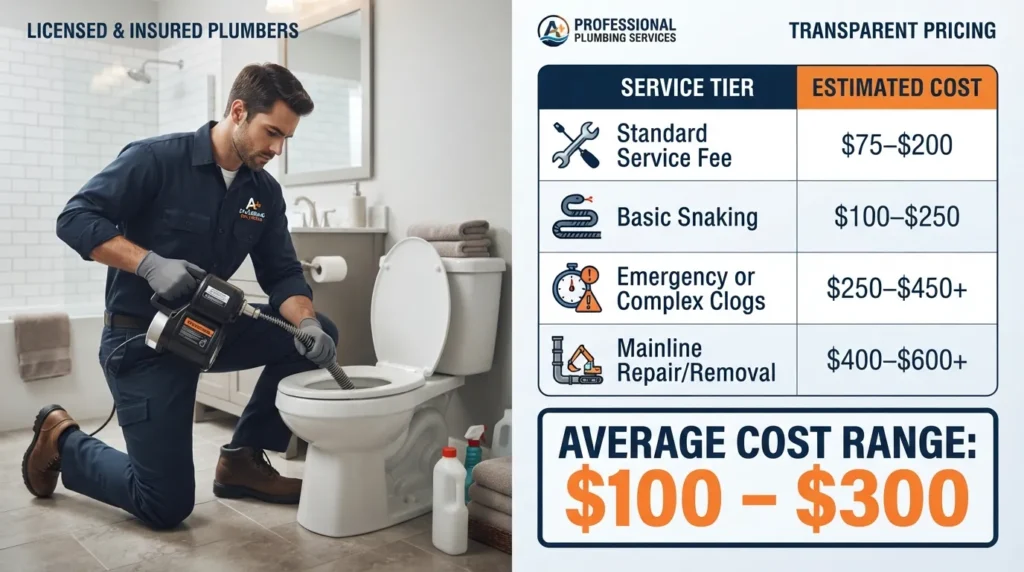
- Know When to Call a Plumber: If water backs up into lower-level tubs or multiple fixtures gargle simultaneously, contact a licensed plumber immediately for hydro-jet clearing.
Safe & Eco-Friendly Disposal Alternatives
The Double-Bagged Trash Method
The safest and most reliable way to dispose of used cat litter is through standard municipal solid waste disposal. Bagging waste properly prevents dust dispersion, traps odors, and eliminates any potential risk to residential plumbing or public water infrastructure.
To optimize daily routine hygiene while keeping environmental impact low, combine dedicated containment systems with heavy-duty biodegradable poop bags. Double-bagging ensures that heavy, moist waste remains sealed throughout transport to municipal landfills.
- Dedicated Disposal Pails: Utilize airtight litter disposal pails equipped with multi-layer barrier films to seal away odors and prevent moisture accumulation between trash days.
- Biodegradable Liners: Choose high-density biodegradable poop bags made from plant starches (such as cornstarch) to reduce single-use plastic waste while maintaining tear resistance.
- Secure Tying Technique: Always knot individual waste bags tightly before adding them to your main trash receptacle to prevent leakages and deter pests.
Composting Plant-Based Litters (Non-Edible Landscaping Only)
Composting cat litter offers a sustainable waste reduction strategy, but it requires strict safety protocols to prevent environmental contamination. Only 100% plant-based litters (such as wood pellets, corn, wheat, or tofu) free from synthetic fragrance additives are suitable for home composting.
Because feline waste contains pathogens like Toxoplasma gondii that survive low-temperature composting, cat litter compost must be completely isolated from edible food gardens and reserved exclusively for non-edible landscaping, flower beds, and ornamental plants.
- Strict Isolation Rules: Never apply feline waste compost to soil used for growing vegetables, herbs, or fruit trees. Limit application strictly to ornamental shrubs and decorative flower beds.
- High-Heat Requirement: Maintain a dedicated, enclosed compost bin that reaches thermophilic temperatures (at least 140°F / 60°C) for several consecutive days to accelerate organic breakdown.
- Remove Solid Waste First: Scoop and discard solid feces into the trash prior to composting urine-soaked plant litter to minimize parasite load in the compost pile.
Litter Waste Digesters & Trash Subscriptions
Homeowners seeking long-term, eco-friendly alternatives can install specialized outdoor pet waste digester systems. Functioning similarly to miniature septic tanks buried in the yard, these units utilize natural enzymes and water to safely break down organic pet waste directly in the soil.
For urban pet owners, specialized pet waste subscription services provide doorstep collection of compostable litter and waste. These services transport pet waste to commercial high-heat composting facilities designed to safely neutralize pathogens at scale.
- In-Ground Pet Digesters: Install a subterranean pet waste digester in well-draining soil away from vegetable gardens, adding digestion enzymes periodically to process solid waste.
- Commercial Collection Services: Enroll in local pet waste pickup programs that process organic litter in industrial composting operations engineered to destroy parasite spores.
- Eco-Friendly Sourcing: Pair waste management systems with sustainably harvested pine or paper litters to minimize environmental impact from production to final disposal.

Oscar Vance | Master Plumber & Drainage Expert
Meet Oscar Vance, a licensed master plumber sharing practical solutions on residential repairs, preventive maintenance, and thoughtful home upkeep.