Introduction & The 30-Second Diagnostic
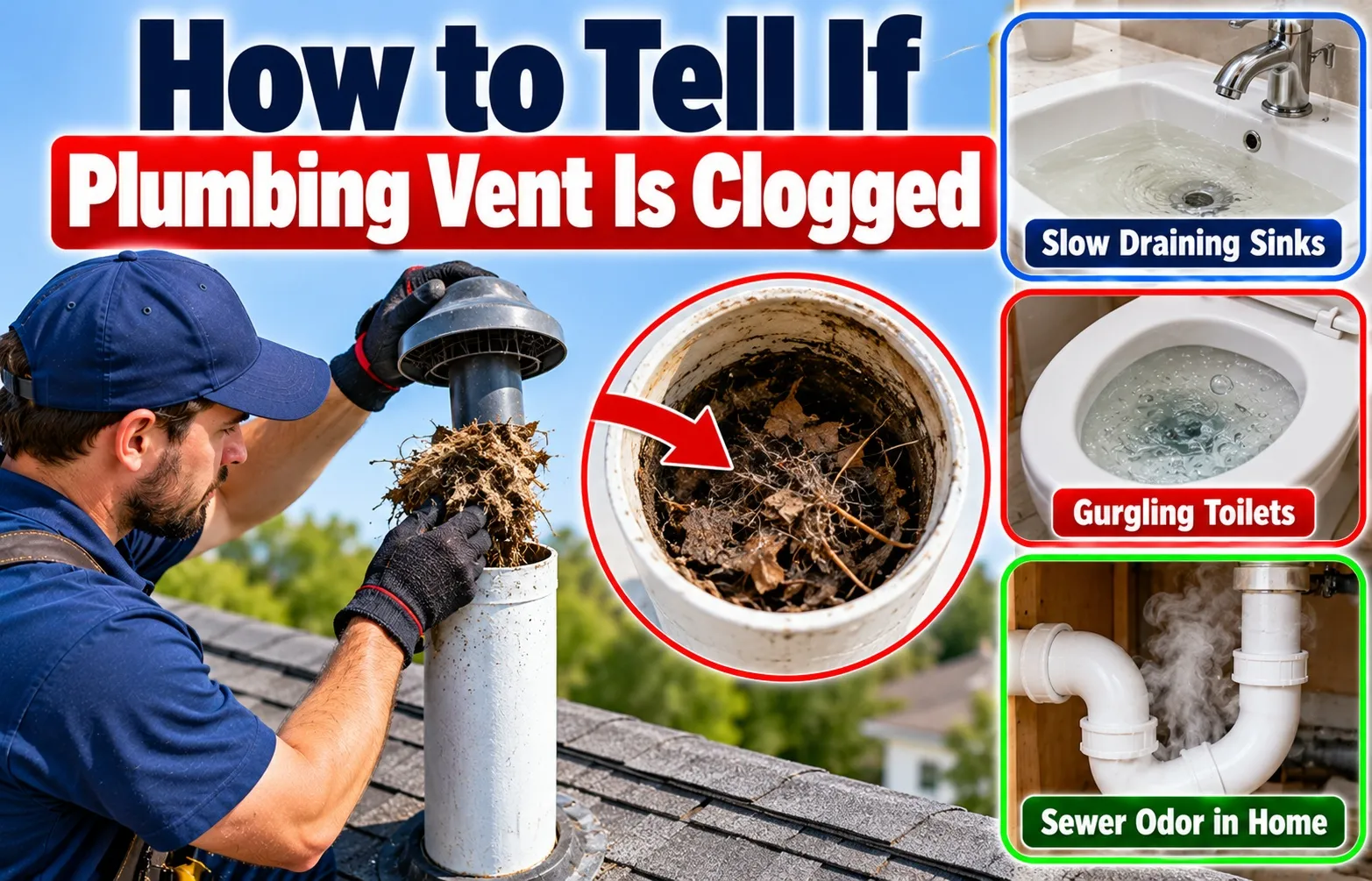 A clogged plumbing vent stack prevents proper drainage by disrupting internal pipe pressure, which causes vacuum locks, foul odors, and slow-moving water throughout your home. Identifying a blocked stack early prevents sewer gas backflow and costly pipe damage.
Plumbing Vent Stack vs. Exhaust Fan
A plumbing vent stack is a dedicated vertical pipe that extends through your roof to regulate drainage airflow and safely release sewer gases outdoors. It is entirely separate from your bathroom exhaust fan or dryer vent, which simply remove humid air or heat from living spaces.
30-Second Diagnostic Checklist (At-a-Glance)
If your plumbing vent stack is obstructed, your home will exhibit one or more of the following distinct symptoms:
- Gurgling Fixtures: Toilets, sinks, or tubs make loud glug-glug noises when water drains due to air pulled through the P-trap vacuum.
- Slow Draining Across Multiple Fixtures: Water empties sluggishly from multiple sinks, showers, or tubs simultaneously, even when individual drain lines are clean.
- Sewer Gas Odors Indoors: Negative pressure siphons water out of drain traps, allowing hazardous sewer gas backflow (methane and hydrogen sulfide) into your living areas.
- Bouncing Toilet Bowl Water: Water levels in the toilet bowl fluctuate, drop unexpectedly, or bubble when other water fixtures discharge.
- Weather-Linked Drainage Issues: Drainage problems that worsen during heavy frost, freeze cycles, or strong wind events near the roof terminal.
5 Unmistakable Signs Your Plumbing Vent Is Clogged
When debris, ice, or animal nests obstruct your roof vent stack, the entire drainage network loses its essential air supply. This restriction creates a powerful negative pressure vacuum effect inside the pipes, directly disrupting how water and air flow throughout your home plumbing system.
1. Gurgling Sounds From Sinks, Tubs, or Toilets
When you run water or flush a toilet, the rushing stream pulls air down behind it. If the roof vent stack is blocked, the system cannot draw replacement air from outside, forcing trapped air backward through the water in your P-trap water seal and producing loud bubbling sounds.
- Noticeable glug-glug noises coming from bathroom sinks when a shower drains.
- Caused directly by air seeking an outlet to equalize internal pipe pressure.
2. Slow Draining Across Multiple Fixtures Simultaneously
Standard clogs usually affect a single isolated pipe, such as a localized hair blockage in a bathtub drain. However, a blocked vent produces simultaneous slow drains across multiple unconnected fixtures throughout the house because all branch lines feed into the same restricted main stack.
- Kitchen sink and upstairs bathroom sink both empty sluggishly at the same time.
- Clearing individual P-traps fails to resolve the widespread drainage delay.
3. Persistent Sewer Odors Indoors (Methane & Hydrogen Sulfide)
Healthy plumbing vents safely disperse foul gases well above the roofline. When a vent is clogged, the vacuum effect siphons the protective standing water straight out of your drain traps, drying them completely and allowing hazardous methane gas and hydrogen sulfide to seep into living areas.
- Faint sulfur or rotten-egg odors lingering around bathroom floors and laundry rooms.
- Smells that intensify significantly right after running large volumes of water.
4. Bubbling or Fluctuating Water Levels in the Toilet Bowl
A gurgling toilet or erratic standing water level is one of the clearest indicators of an air-starved plumbing system. When a nearby appliance discharges water, unstable pressure in the stack forces air bubbles up through the toilet bowl or causes the water level to wander up and down.
- Water level in the bowl drops unexpectedly or bounces without being flushed.
- Visible bubbling occurs when a washing machine or dishwasher pumps water out.
5. Weather-Dependent Drainage Performance
Plumbing vent performance often fluctuates in response to external environmental conditions. During prolonged sub-zero temperatures, warm interior humidity condenses and freezes inside the exposed roof opening, forming an ice plug that seals the pipe completely until weather conditions warm up.
- Drainage problems that peak overnight during deep winter freeze cycles.
- Sudden onset of symptoms following heavy autumn leaf accumulation or severe wind storms.
Plumbing Vent Clog vs. Standard Drain Clog (Comparison)
Diagnosing drainage issues correctly prevents wasted time and unnecessary plumbing expenses. Knowing whether your system suffers from a physical blockage in a pipe or an airflow restriction in the vent stack determines the exact corrective action needed.
Localized Clog vs. Main Line Clog vs. Vent Pipe Clog
Different plumbing blockages present distinct physical symptoms. The breakdown table below highlights the key differences between localized pipe blockages, main line clogs, and vent stack failures.
- Localized Drain Clog: Caused by physical debris like hair or grease trapped in a single branch line.
- Main Sewer Line Clog: Stemming from main pipe collapse or tree root invasion, backing up dirty water at the lowest point of the home due to blocked hydrostatic pressure relief.
- Vent Pipe Clog: An airflow failure caused by an obstructed stack roof terminal, preventing proper plumbing system ventilation.
The Vacuum Effect Explained: The Straw Analogy
To understand why proper ventilation matters, consider placing your thumb tightly over the top of a drinking straw filled with water. The liquid remains trapped inside the straw because the sealed top prevents atmospheric air from pressing down from above.
- Lifting your thumb allows air to enter the straw, letting the liquid drain out instantly.
- A blocked vent stack acts exactly like that thumb placed over your home’s drainage network.
- Without fresh air entering through the roof, liquid creates a strong vacuum inside the pipes, resulting in severe water trap siphonage and sluggish flow.
Safe Diagnostics: How to Check a Vent Stack Without Getting on the Roof
You can effectively diagnose a blocked plumbing vent from the safety of your ground level or attic space without risking a dangerous fall. Performing targeted ground-level troubleshooting and attic checks helps you confirm an airflow obstruction before attempting any risky roof work.
Ground-Level & Cleanout Diagnostic Checks
Temporarily opening your main sewer cleanout cap allows trapped negative pressure to vent and helps you determine if the restriction lies in the stack. If opening the cleanout cap immediately restores normal drainage speed to your household sinks and toilets, you have confirmed a blocked vent stack.
- Locate your main drainage cleanout pipe outside the foundation or in the basement.
- Loosen the cap slowly while wearing protective gloves to release built-up sewer air.
- Test a nearby fixture to check if air relief temporarily resolves slow drainage symptoms.
Attic Inspection Methods
Inspecting accessible attic PVC vent pipe sections allows you to identify structural separations, cracks, or heavy frost accumulation without stepping outside. Gaps or disconnections in the attic can vent raw sewer gases indoors or cause water leaks during heavy rain.
- Shine a bright flashlight along the entire vertical run of the vent pipe in your attic.
- Check joint connections for signs of moisture, mold growth, or pipe cracking.
- Listen closely near the pipe while a partner flushes an upstairs toilet to detect muffled air flow blockages.
The Flashlight & Mirror Roof Test (From Safety Ladders)
If ground and attic inspections are inconclusive, perform a safe roof stack inspection using binoculars or a secured extension ladder without climbing onto slippery roof slopes. Adhering strictly to standard plumbing safety precautions prevents severe falls and ladder accidents.
- Set up an extension ladder on firm, level ground and secure the top rails properly.
- Climb only high enough to look down into the pipe opening or use a telescoping inspection mirror.
- Look for visible bird nests, tennis balls, leaves, or dense winter frost rings blocking the top terminal.
Seasonal Causes & Common Blockage Objects
Environmental conditions and structural oversights frequently cause unexpected vent stack obstructions. Understanding these seasonal triggers and structural vulnerabilities allows you to take preventive action before complete airflow blockages occur.
Winter & Freezing Weather: Frost Caps & Ice Plugs
During prolonged sub-zero temperatures, warm, moisture-laden sewer gas rises through the uninsulated stack toward the open roof terminal. As this humid air meets freezing ambient air, water vapor rapidly condenses and freezes around the rim of the pipe opening, gradually forming a solid frost cap or heavy ice plug.
- Common in regions experiencing sustained periods of severe winter weather.
- Completely restricts internal airflow until outdoor temperatures rise or warm water flushes through the system.
- Can be prevented by insulating the portion of the vent pipe running through an unheated attic space.
Animal Nests & Debris Accumulation
In warmer months, unshielded stack openings act as inviting entry points for wildlife seeking shelter. Small animals and debris fall down or nest inside the vertical pipe, creating a dense physical bird nest obstruction or organic plug that traps airflow.
- Bird & Rodent Activity: Birds, squirrels, or rodents build nests directly over or inside open vent terminals.
- Wasp & Insect Nests: Paper wasps and mud daubers build mud or comb structures inside the upper pipe rim.
- Foliage & Wind Debris: Falling leaves, pine needles, twigs, and small seed pods drop into unshielded pipes during autumn storms.
Construction & Architectural Flaws
Not all vent stack restrictions stem from nature; improper installation or roofing modifications can introduce long-term drainage vulnerabilities. Installing a durable mesh roof cap screen prevents physical entry while maintaining proper airflow.
- Roofing Errors: Roofers occasionally cover, misalign, or accidentally drop roofing felt and shingle debris down vent pipes during roof replacements.
- Incorrect Pipe Sizing: Undersized vent pipes freeze over significantly faster during winter freeze cycles than properly dimensioned pipes.
- Missing Protection Caps: Omitting protective wire caps leaves vertical runs completely exposed to debris accumulation and animal entry.
Is a Clogged Plumbing Vent Dangerous?
A blocked vent stack is more than a minor drainage inconvenience; it creates genuine health, fire, and structural hazards inside your home. Unaddressed airflow blockages allow hazardous gases to enter living spaces and cause severe system backups.
Sewer Gas Infiltration Risks (Methane & Hydrogen Sulfide)
When negative pressure siphons water out of P-traps, it exposes your living areas to toxic indoor air contamination. Continuous exposure to trapped gases poses direct health risks, making dry drain trap risks a serious concern for household occupants.
- Toxic Exposure Symptoms: Inhaling trapped gases leads to persistent headaches, nausea, dizziness, fatigue, and eye or respiratory irritation.
- Chemical Hazards: Gas buildups contain harmful levels of methane and hydrogen sulfide. Review official OSHA Sewer Gas Safety Standards to understand threshold limits and exposure guidelines.
- Preventive Steps: Pour water into infrequently used basement or utility room drains regularly to keep P-trap seals filled.
Flammability & Explosion Hazards
In addition to health risks, severe methane accumulation inside closed spaces creates an extreme fire hazard. Methane is an odorless, highly flammable gas that can ignite when exposed to small electrical sparks or open flames in unventilated areas.
- Trapped sewer gas creates an explosive sewer atmosphere when confined in crawlspaces, basements, or utility rooms.
- Ignition sources like furnace pilot lights, water heater burners, or light switches can trigger dangerous fires.
- Immediate ventilation and professional plumbing intervention are required if strong sulfur smells persist.
Plumbing System Strain & Fixture Overflows
A completely blocked vent stack prevents water from discharging smoothly through drain lines, turning normal household water usage into a major flooding hazard. Without air pressure relief, water displacement creates extreme backpressure inside main lines.
- Flushing a toilet or draining a full bathtub forces wastewater to back up through the lowest available fixture openings.
- Trapped air pockets dislodge water traps and cause toilets to overflow unexpectedly onto bathroom floors.
- Continued water pressure build-up strains indoor pipe joints, accelerating internal pipe deterioration and leakage risks.
How to Clear a Clogged Plumbing Vent & Estimated Costs
Clearing a clogged roof vent stack safely restores proper drainage airflow, eliminating gurgling drains and foul sewer odors throughout your home. Depending on roof accessibility and the severity of the blockage, you can tackle minor clogs yourself or hire an experienced professional.
Step-by-Step DIY Clearing Methods (For Accessible Roofs)
Safely clearing an accessible roof stack requires proper ladder placement and standard safety gear. Two primary DIY methods effectively clear organic blockages, nests, or loose debris from the upper vent terminal.
- Method 1: The Garden Hose Flush: Running a standard garden hose up to the roof terminal allows water pressure to wash away loose leaves and bird nest debris down the stack. Have an assistant monitor indoor cleanouts or drains to ensure the blockage flushes downward smoothly.
- Method 2: The Plumber’s Snake / Drain Auger: Inserting a flexible manual drain auger or plumbing snake directly into the vent opening helps break up dense bird nests, packed leaves, or minor debris clumps lodged just below the roofline. Crank the handle slowly and pull back any tangled obstruction.
When to Call a Professional Plumber
Certain structural challenges and safety hazards make roof stack clearing too dangerous for DIY attempts. Recognizing when to bring in a licensed plumber prevents severe personal injury and further pipe damage.
- Steep Roof Pitch: Multi-story or steep-sloped roofs present extreme fall hazards requiring specialized safety harnesses or professional equipment.
- Frozen Frost Plugs: Sub-zero ice plugs formed deep inside vent pipes require professional steam thawing rather than manual snaking.
- Deep Pipe Obstructions: Blockages located deep within vertical stack runs that cannot be reached with standard portable snakes.
- Cracked Indoor Vent Stacks: Structural pipe cracks, major joint separations, or hidden leaks behind drywall.
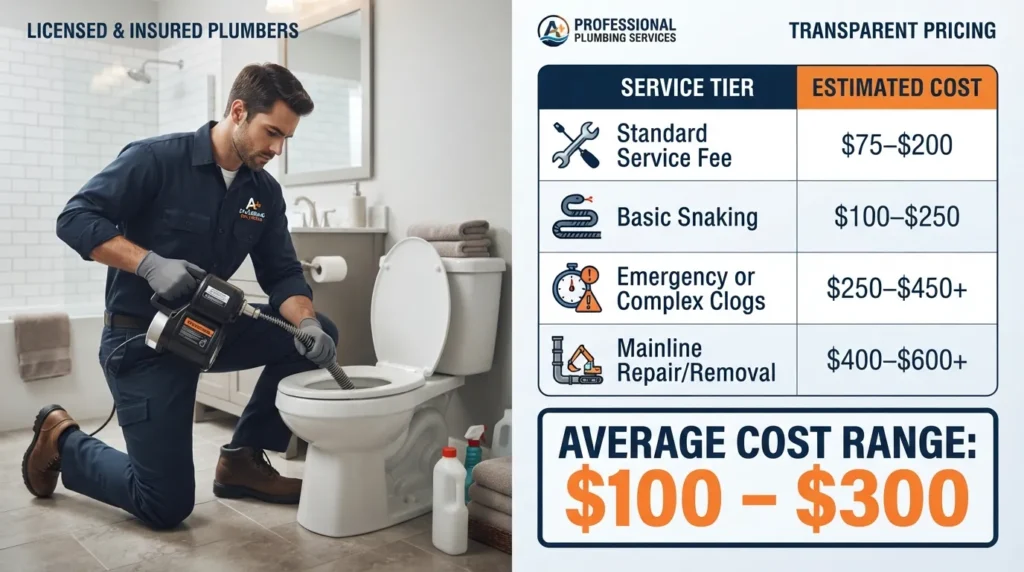
Cost Breakdown: DIY vs. Professional Repairs
Understanding typical plumbing repair cost estimates helps you budget effectively for vent clearing services. While DIY methods cost very little, professional services provide safe, guaranteed results.
Frequently Asked Questions
Can a clogged vent pipe cause a toilet to overflow?
Yes. Negative pressure prevents wastewater from draining properly down the main stack, causing trapped air and displaced water to force their way backward through the P-trap and result in a dangerous toilet overflow.
- Air pressure imbalances prevent the smooth downward flow of flushed water.
- Wastewater seeks the nearest relief point, often backing up directly into the toilet bowl.
How do you unclog a plumbing vent without getting on the roof?
You can clear system air locks and minor restrictions from ground level by removing the main cleanout plug, utilizing a sewer jetter through exterior cleanout access lines, or checking accessible PVC vent pipes in the attic space.
- Loosening the ground-level cleanout cap temporarily releases trapped system vacuum.
- Professional snaking through ground cleanouts can clear blockages located further up the stack.
Do bathroom exhaust vents get clogged the same way as plumbing vents?
No. Evaluating a bathroom exhaust fan vs plumbing vent reveals entirely different systems and maintenance needs. Exhaust fans move humid indoor air through ductwork and accumulate dust or lint, whereas plumbing roof stacks regulate drainage air pressure and vent sewer gases.
- Exhaust vents require periodic lint and dust removal from flexible ducts and exterior flappers.
- Plumbing vent stacks require clearance from outdoor debris, leaves, and winter frost plugs.
How much does a plumber charge to unclog a vent stack?
Standard plumbing service pricing for professional roof stack clearing typically ranges between $150 and $350. Total costs vary based on roof height, steepness, safety accessibility requirements, and the severity of the blockage.
- Basic ground-level or single-story clearing usually falls on the lower end of the pricing spectrum.
- Multi-story roofs or frozen ice plug removal requiring specialized equipment cost more.

Oscar Vance | Master Plumber & Drainage Expert
Meet Oscar Vance, a licensed master plumber sharing practical solutions on residential repairs, preventive maintenance, and thoughtful home upkeep.