The Most Common Household Plumbing Problems
 The most common household plumbing problems include clogged drains, running toilets, dripping faucets, leaky or burst pipes, low water pressure, and water heater failures. Most issues stem from everyday wear and tear, sediment buildup, or high water pressure, and require either quick DIY maintenance or professional emergency plumbing intervention.
Fast Diagnostic Overview: 6 Most Frequent Household Issues
Understanding the root cause of your plumbing issue helps prevent severe structural water damage and unnecessary repair expenses. Below is a quick diagnostic summary of the six most frequent residential plumbing problems homeowners encounter:
- Clogged Drains & Sinks: Caused by hair, soap scum, grease, and food waste accumulation. Solved with a plunger or drain auger before chemical corrosion occurs.
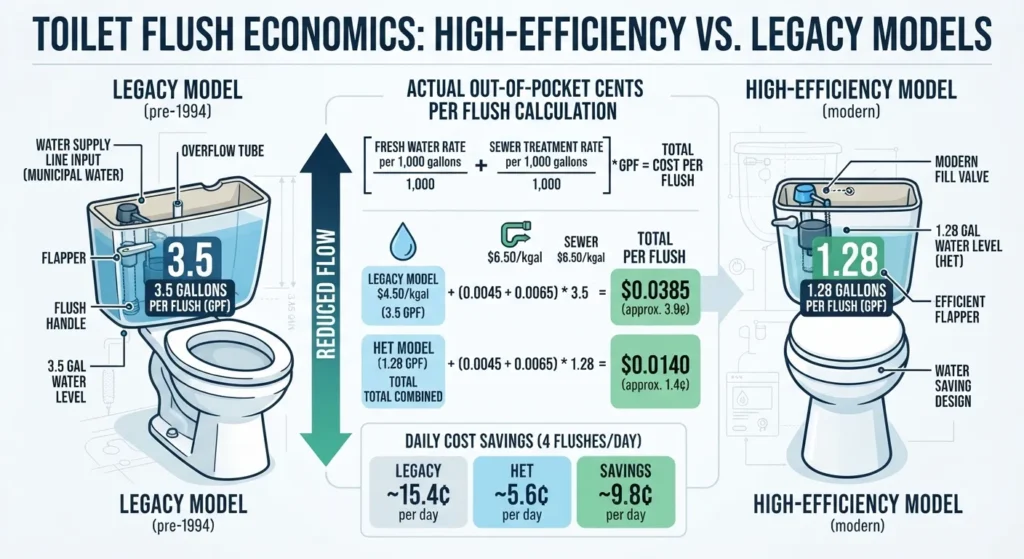
- Running or Clogged Toilets: Triggered by worn rubber flapper valves, damaged fill valves, or excess paper waste. A running toilet can waste up to 200 gallons of water daily.
- Dripping Faucets: Caused by deteriorated O-rings, internal cartridges, or rubber washers. Continual drips increase utility bills and accelerate fixture wear.
- Leaky & Burst Pipes: Resulting from pipe corrosion, freezing temperatures, or excessive water pressure. Requires immediate main water shut-off to mitigate property damage.
- Low Water Pressure: Often caused by mineral scale buildup inside faucet aerators, hidden pipe leaks, or partially closed main supply shut-off valves.
- Water Heater Failures: Stemming from sediment accumulation at the tank base, failed heating elements, or broken thermostats. Annual flushing restores operating efficiency.
Deep-Dive: Diagnostic Signs, Causes, and Quick Fixes
Diagnosing household plumbing issues quickly prevents minor wear from escalating into expensive property damage. Below are step-by-step troubleshooting methods, root causes, and practical solutions for the six most common plumbing failures encountered by homeowners.
1. Clogged Drains & Sinks (Grease, Hair, and Soap Scum Buildup)
Slow-draining sinks and showers usually result from hair, soap scum, or congealed grease accumulating along the interior pipe walls. Avoid harsh chemical cleaners that corrode metal joints. Instead, use these proven remediation steps:
- Pour a mixture of baking soda and hot vinegar down the drain, let it fizz for 15 minutes, and flush thoroughly with boiling water.
- Use a flange plunger to break up minor blockages by creating strong air and water pressure inside the trap.
- Insert a manual hand-cranked drain snake or hair extraction tool to physically hook and pull out deep clogs from the P-trap.
2. Running or Clogged Toilets (Flapper Valve, Chain, & Fill Valve Failures)
A continuously running toilet wastes hundreds of gallons daily, while stubborn bowl clogs stem from excess paper or solid waste blockages. Inspect the tank mechanics and follow these direct troubleshooting guidelines:
- Adjust or replace a worn rubber flapper valve that fails to create a watertight seal at the tank bottom.
- Fix a slack or tangled flapper chain that prevents the flush handle lever from dropping correctly into place.
- Clear toilet bowl blockages using a heavy-duty flange plunger or closet auger to dislodge deep obstructions safely.
3. Dripping Faucets (Worn Washers, O-Rings, & Cartridges)
Persistent faucet drips waste water and drive up utility bills due to internal component degradation from daily friction. Repairing a leaking fixture requires shutting off supply valves and checking specific parts:
- Shut off the hot and cold water supply valves located directly beneath the sink before disassembly.
- Disassemble the faucet handle and inspect internal rubber washers, O-rings, or ceramic cartridges for cracking.
- Replace damaged components with exact manufacturer-matching replacements to restore a tight seal.
4. Leaky & Burst Pipes (Corrosion, High Water Pressure, & Freezing Risks)
Pipe leaks and sudden bursts cause severe structural destruction, typically driven by corrosion, extreme freezing temperatures, or high incoming water pressure. Mitigate emergencies rapidly with these operational protocols:
- Locate and immediately close the main water shut-off valve to stop active flooding throughout the entire property.
- Apply temporary fixes such as rubber repair clamps, plumber’s tape, or epoxy putty for minor pinhole leaks.
- Call a licensed professional for permanent pipe replacement, utilizing durable modern PEX pipes or copper upgrades.
5. Sudden Low Water Pressure (Aerator Mineral Clogs vs. Supply Line Leaks)
A sudden drop in water pressure across specific fixtures indicates localized sediment buildup, whereas whole-house pressure drops signal supply line leaks. Diagnose and fix pressure issues efficiently:
- Unscrew the screw-on faucet aerator at the tip of the spout and inspect internal mesh screens for mineral scale.
- Soak clogged aerators in white vinegar overnight to dissolve calcium deposits and restore normal water flow.
- Verify that your main water meter shut-off valve is fully open and inspect exposed walls for hidden damp spots.
6. Water Heater Malfunctions (Sediment Accumulation & Thermostat Failures)
Inconsistent hot water or strange rumbling noises usually point to heavy sediment buildup at the base of the tank or a failing thermostat. Maintain operational longevity with these steps:
- Perform an annual sediment flush by attaching a garden hose to the tank drain valve to clear out mineral debris.
- Inspect the electrical thermostat settings or check the pilot light assembly on gas-powered tank systems.
- Test the temperature and pressure relief valve periodically to ensure safe internal tank operating levels.
Main Line Failure vs. Localized Clog: Advanced Diagnostics
Distinguishing between an isolated fixture blockage and a main sewer line failure is critical for preventing catastrophic property damage. While a localized clog affects a single sink or toilet, a main line failure impacts your entire drainage system and requires immediate diagnostic action.
Warning Signs of a Clogged Main Sewer Line
A main sewer line clog occurs deep within your underground piping network, often caused by tree root intrusion, pipe collapse, or accumulated debris. Identifying whole-house symptoms early helps prevent raw sewage backups into your living spaces:
- Multiple Fixture Backups: Using one plumbing fixture causes water to back up into another (such as running the washing machine and seeing water rise in the shower drain).
- Gurgling Toilets & Drains: Air trapped by a main line blockage creates gurgling noises in toilets or lower-level floor drains when sinks are emptied.
- Water Standing in the Cleanout Pipe: Opening your exterior main cleanout cap reveals standing water or sewage, confirming the obstruction lies downstream toward the municipal sewer connection.
What is the 135 Rule in Plumbing Slope and Drain Line Design?
Proper drainage depends on correct pipe slope and fitting geometry to move wastewater efficiently without leaving solid waste behind. The 135 rule in plumbing design governs horizontal pipe grade and directional fitting changes to prevent chronic clogging:
- Standard Slope Ratio: Horizontal drain lines must maintain a consistent slope of 1/4 inch drop per foot of run (approximately a 2% grade or 135-degree alignment dynamics across longer distances) to balance water velocity and waste transport.
- Directional Change Limits: Drain fittings must not exceed sharp 90-degree abrupt changes; installing 45-degree wyes or long-sweep elbows ensures smooth flow and reduces friction along the main line.
- Prevention of Standing Water: Incorrect slope—either too flat or excessively steep—causes liquids to separate from solids, leading to recurring main line blockages over time.
DIY vs. Pro Decision Matrix & Service Costs
Knowing when to tackle a plumbing repair yourself versus hiring a licensed professional prevents expensive property damage and wasted time. Evaluating average service rates, emergency fees, and potential risks helps homeowners make informed financial decisions when plumbing failures occur.
Average Call-Out Charges and Hourly Rates for Plumbers
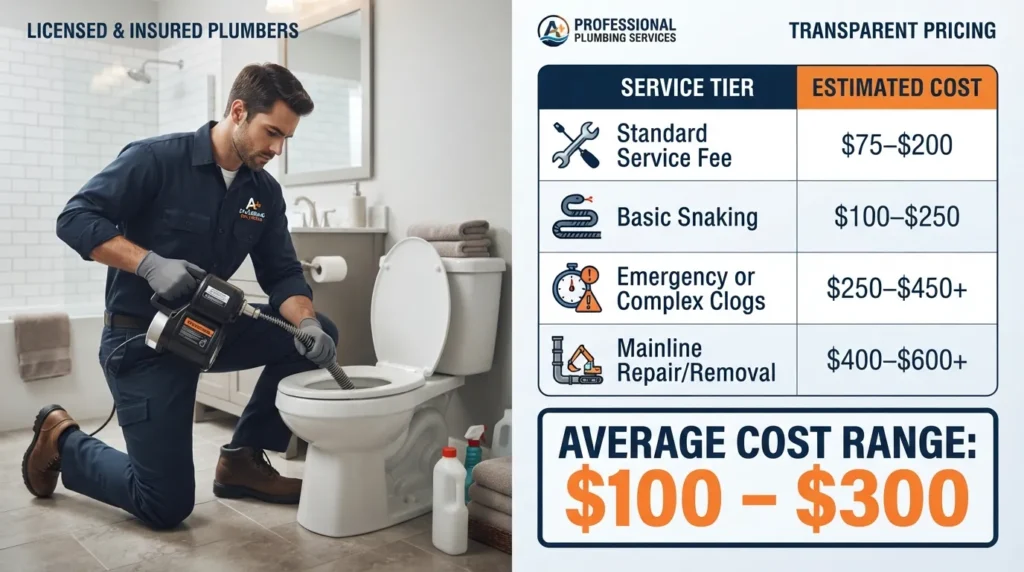
Professional plumbing services typically involve a base fee in addition to labor and parts. Understanding standard pricing structures prevents unexpected repair bills:
- Call-Out Charges & Minimum Service Fees: Most plumbers charge a standard dispatch fee ranging from $100 to $250 just to travel to your property and inspect the issue.
- Hourly Labor Rates: Standard hourly rates for licensed plumbers generally fall between $75 and $150 per hour, depending on geographic location and licensing level.
- Emergency Plumbing Costs: After-hours, weekend, or holiday service calls frequently carry premium emergency hourly rates between $150 and $300 per hour.
- Drain Cleaning Costs: Routine mechanical drain snaking or hydro-jetting services usually cost between $150 and $400 for standard residential line clearances.
When to DIY vs. When to Call an Emergency Plumber
While minor maintenance tasks like plunging a toilet or soaking a faucet aerator are ideal DIY projects, other situations demand immediate professional intervention to avoid severe property damage risks:
- Safe DIY Projects: Minor clogs, running toilets caused by worn flappers, and changing loose washers are safe weekend projects that require minimal tools and low financial investment.
- When to Call a Pro: Main sewer line backups, gas water heater failures, extensive pipe corrosion, and active slab leaks require specialized diagnostic equipment and licensed expertise.
- Property Damage Risks: Incorrectly tightening PVC fittings or over-torquing supply lines can cause sudden pipe bursts, leading to thousands of dollars in structural mold and water damage.
- Expert Safety Guidance: For deeper insights on recognizing hidden system vulnerabilities before they escalate, consult the Family Handyman Safety & Emergency Plumbing Guide.
Old Homes vs. New Builds & Tenant Liabilities
Plumbing risks vary significantly depending on building age and property ownership structures. Understanding the material vulnerabilities of aging supply lines versus modern materials—along with clear legal repair boundaries in rental agreements—helps prevent unexpected financial liability.
Hidden Plumbing Issues in Older Homes (Cast Iron & Galvanized Steel)
Homes built before the 1980s often contain piping materials that deteriorate internally over decades. Comparing legacy plumbing materials to modern piping reveals distinct failure modes and structural pipe wear issues:
- Galvanized Steel Pipes: Prone to internal corrosion and rust accumulation over time, leading to restricted water volume, discolored water, and sudden pinhole leaks.
- Cast Iron Drain Lines: Frequently suffer from interior scale buildup, cracking, and bottom-trench rusting, which catches toilet paper and causes recurring main sewer line blockages.
- Copper vs. PEX Upgrades: While copper remains a reliable traditional choice, flexible PEX piping offers superior freeze resistance, lower installation costs, and immunity to pinhole corrosion in modern retrofits.
Tenant vs. Landlord: Who Pays for Plumbing Repairs?
Determining financial responsibility for plumbing repairs in rental properties depends on local housing regulations, written lease agreements, and the root cause of the fixture failure:
- Landlord Responsibilities: Property owners are legally obligated to maintain essential habitability standards, covering costs for natural pipe degradation, water heater failures, and pre-existing main line issues.
- Tenant Negligence: Tenants are usually financially liable for repairs caused by improper usage, such as flushing non-flushable wipes, pouring grease down kitchen sinks, or failing to report active leaks promptly.
- Lease Agreement Terms: Reviewing specific maintenance clauses in lease contracts ensures both parties understand reporting protocols and authorization limits before calling emergency plumbers.
Preventative Maintenance Checklist & Pipe Lifespan Table
Proactive maintenance extends the operational life of your plumbing network and prevents catastrophic emergency repairs. Understanding material lifespans and following a structured seasonal upkeep routine safeguards your home against sudden leaks and costly structural water damage.
House Plumbing Pipe Lifespan Expectancy
Different plumbing materials and auxiliary components degrade at varying rates depending on water quality, installation quality, and daily usage. Monitoring supply line life expectancy and fixture aging schedules helps homeowners plan timely replacements:
- PEX and Copper Supply Pipes: High-grade copper lines last 50 to 70 years, while durable modern PEX supply piping systems offer an estimated operational lifespan of 40 to 50 years.
- Flexible Water Supply Hoses: Braided toilet and sink supply lines degrade much faster, requiring inspection and mandatory replacement every 5 to 7 years to prevent sudden ruptures.
- Water Heaters & Anode Rods: Tank-style water heaters typically last 8 to 12 years, though performing annual anode rod replacements can significantly extend inner glass-lined tank integrity.
Annual Maintenance Routine to Prevent Major Plumbing Disasters
Executing a consistent seasonal maintenance checklist prevents minor component wear from escalating into severe plumbing emergencies. Implement these preventative steps throughout the year:
- Install Mesh Drain Strainers: Catch hair and food particles in showers and kitchen sinks before they enter the P-trap and cause stubborn blockages.
- Test Water Pressure Regulators: Keep household water pressure below 80 psi using a tested pressure-reducing valve to prevent premature pipe joint leaks.
- Implement Seasonal Freeze Protection: Insulate exposed exterior hose bibs and basement water lines before sub-freezing winter weather arrives to avoid sudden pipe bursts.
- Inspect Shut-Off Valves: Turn main supply valves and sink shut-off valves completely open and closed once a year to prevent mineral seizing during an emergency.
Frequently Asked Questions
Addressing high-intent People Also Ask (PAA) queries provides immediate, concise answers that satisfy search engine algorithms and reader expectations. Below are expert answers to the most common questions regarding residential plumbing repairs and service costs.
What is the most common plumbing repair in residential homes?
The most frequent plumbing repair in residential homes is fixing a clogged toilet or replacing worn-out internal tank mechanisms like rubber flappers and fill valves. Because toilets experience heavy daily use, moving parts degrade regularly, making flapper replacements and minor clog removals the top service calls for residential plumbers.
What are considered the worst plumbing problems to deal with?
The most destructive plumbing problems involve catastrophic water or sewage intrusion that threatens structural integrity. Severe sewer backups discharging raw waste into living areas, frozen pipe bursts behind finished walls, and unlocated under-slab leaks rank as the worst issues because they require invasive demolition and expensive remediation.
Why are professional plumbers so expensive?
Professional plumbing services reflect high operational overhead, specialized equipment, and rigorous licensing requirements. Licensed plumbers invest heavily in insurance, continuous education, heavy-duty diagnostic cameras, hydro-jetting machines, and vehicle maintenance, all of which ensure repairs comply with local building safety codes.
What is the average cost to clear a main sewer line clog?
The average cost to clear a main sewer line clog ranges from $250 to $600 for standard mechanical snaking. If the blockage is severe and requires specialized hydro-jetting or video camera inspections to remove stubborn tree roots, total costs can range between $600 and $1,200 or more depending on line accessibility.

Oscar Vance | Master Plumber & Drainage Expert
Meet Oscar Vance, a licensed master plumber sharing practical solutions on residential repairs, preventive maintenance, and thoughtful home upkeep.