When Did Indoor Plumbing Become Common in America?
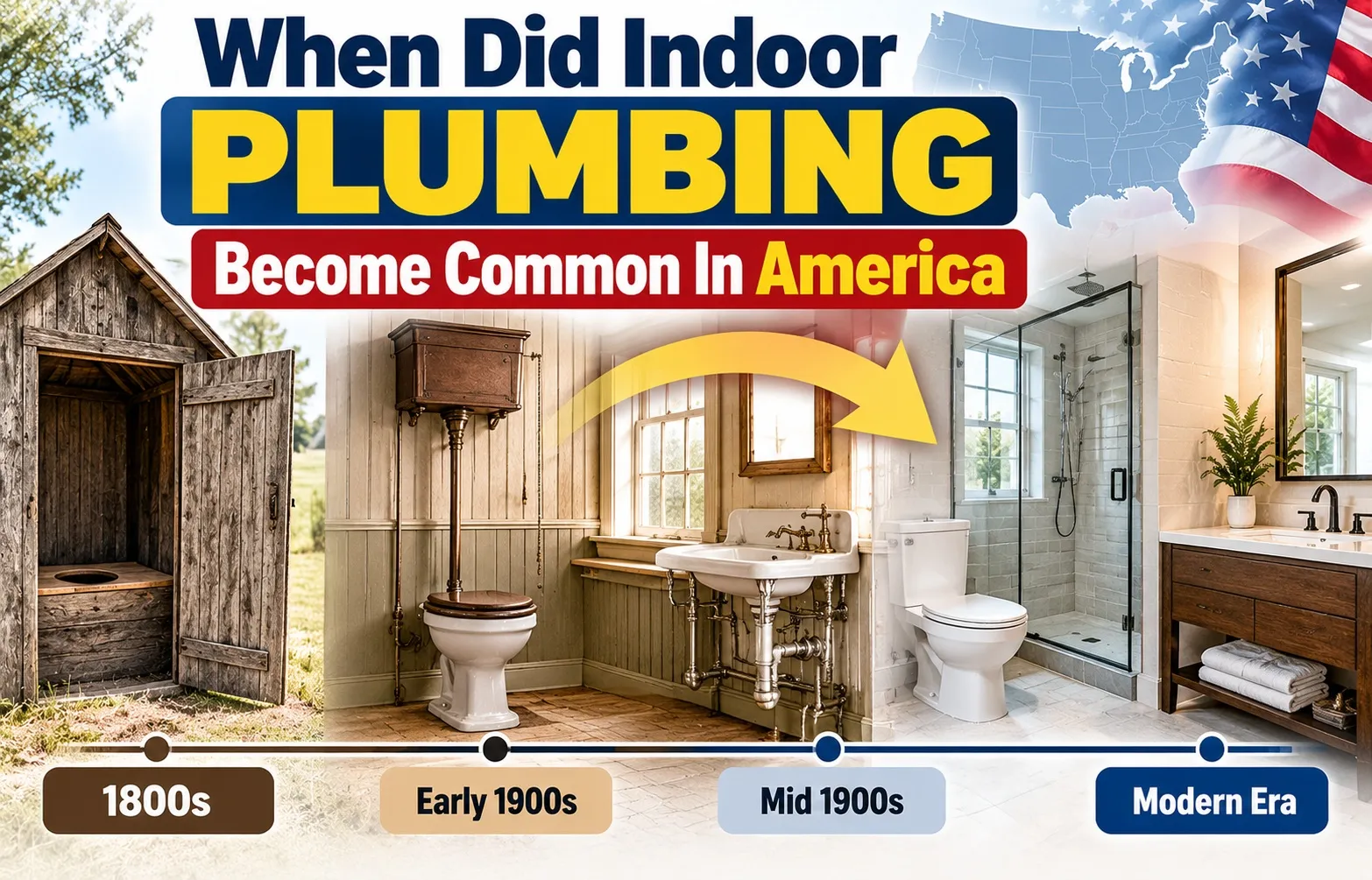 Indoor plumbing became common and standard across the majority of American homes during the mid-20th century, specifically between the 1930s and 1950s. While elite urban residences adopted indoor running water and flush toilets as early as the mid-19th century, true nationwide adoption required decades of municipal water infrastructure development and post-war housing booms.
The Definitive Timeline Snapshot
The transition to modern sanitation in the United States did not happen overnight. It evolved through distinct historical phases driven by municipal engineering advancements and shifts in public health standards.
- Mid-19th Century: Wealthy urban properties and luxury hotels introduced rudimentary indoor plumbing and drainage systems.
- Late 1800s to 1930s: Growing industrial cities built public water mains and sewer networks, making indoor facilities increasingly accessible to urban dwellers.
- 1940s to 1950s: Federal housing codes and the post-World War II construction boom established indoor plumbing as an absolute standard in virtually all new American homes.
From Elite Luxury to Everyday Necessity
Before indoor plumbing became a standard feature in American homes, daily sanitation involved outdoor outhouses, carrying well water, and manual bathing routines. The widespread shift to flush toilets and indoor piped water permanently transformed public health and everyday domestic life.
- Infrastructure Expansion: Large-scale aqueducts and municipal sewer networks laid the foundational groundwork for safe wastewater removal.
- Standard Requirement: By the early 1950s, indoor plumbing evolved from a rare luxury reserved for the wealthy into a baseline domestic necessity.
- Public Health Milestone: This widespread technological shift drastically reduced waterborne diseases and elevated overall hygiene standards across the country.
Early Innovations: Luxury Hotels, The White House, and Municipal Systems
Early indoor plumbing innovations in America began in the 1820s and 1830s, initially appearing as exclusive luxury features in high-end hotels and presidential residences before sweeping municipal water network projects transformed urban infrastructure.
The First Breakthroughs: Luxury Hotels and the White House (1820s–1830s)
Early technological milestones in American plumbing emerged long before standard household systems, pioneered by elite establishments and federal residences seeking advanced sanitation amenities.
- Boston’s Tremont Hotel (1829): Widely recognized as the first hotel in America to feature indoor plumbing, offering running water and indoor restrooms for guests.
- The White House (1833): President Andrew Jackson installed piped running water inside the executive mansion, paving the way for modern presidential sanitation updates.
- Initial Limitations: These early systems relied heavily on gravity-fed cisterns, hand pumps, and localized drainage rather than complex municipal networks.
The Role of Municipal Water Systems (The Croton Aqueduct of 1842)
The completion of the Croton Aqueduct in New York in 1842 revolutionized urban water access, establishing the foundational municipal framework necessary for widespread indoor plumbing development.
- Massive Infrastructure: The Croton Aqueduct transported millions of gallons of clean water over 40 miles directly into New York City.
- Public Health Impact: Abundant municipal water supplies allowed multi-story urban buildings to install permanent indoor fixtures and wastewater drainage pipes.
- Blueprint for Other Cities: Following New York’s success, major urban centers across America began investing heavily in public water works and sanitation systems.
Urban Growth in the Late 19th Century
Rapid urbanization during the late 19th century forced municipal authorities to pass strict plumbing codes, integrating indoor water lines into standard commercial and residential architectural blueprints.
- Mandatory Building Codes: Municipal governments enacted laws requiring growing urban rental properties to include basic running water and sanitation access.
- Technological Advancements: The introduction of cast-iron pipes, improved water heaters, and advanced siphon traps made indoor drainage safer and more reliable.
- Transition to Scale: These municipal enhancements bridged the gap between exclusive elite luxuries and broader accessibility for developing urban communities.
The Reality of the Early 20th Century: Why Half of America Still Lacked Plumbing by 1940
The dawn of the 20th century brought rapid industrial expansion, yet millions of American households continued to live entirely without indoor plumbing. The national landscape remained sharply divided between modernizing urban centers and lagging rural territories.
The 1940 U.S. Census Reality Check (The 50% Gap)
According to official U.S. Census Bureau housing data from 1940, roughly half of all American homes still lacked complete indoor plumbing facilities such as a private flush toilet, bathtub, or hot running water. This shocking statistic highlights how slow nationwide modernization truly was outside major metropolitan hubs.
- The Urban vs. Rural Disparity: While cities experienced high rates of piped water installation, rural counties lagged behind by decades due to the high cost of extending public lines.
- Absence of Basic Amenities: Millions of properties nationwide relied solely on outdoor sanitation methods well into the mid-20th century.
- Housing Standards Shift: The 1940 census data served as a wake-up call for federal policymakers and housing authorities to mandate modern infrastructure.
Urban Building Codes vs. Everyday Living Conditions
Municipal authorities enacted stringent building codes requiring new construction to feature proper water lines, but older tenement buildings and working-class neighborhoods struggled to keep pace. Many multi-family dwellings shared communal yard hydrants and outdoor facilities.
- Tenement Challenges: Inner-city rental properties often featured shared hallway toilets or single courtyard water spigots for dozens of residents.
- Enforcement Delays: City councils faced pushback from landlords who viewed expensive plumbing retrofits as a heavy financial burden.
- Gradual Upgrades: Progressive municipal sanitation acts gradually forced property owners to modernize older residential blueprints.
Sanitation and Bathing Habits Before Modern Pipes
Before modern indoor plumbing became an everyday expectation, maintaining personal hygiene required rigorous physical labor and manual water hauling. Families adapted their daily routines around limited water access.
- Outhouses and Chamber Pots: Detached outhouses served as primary waste disposal sites, while indoor chamber pots were utilized during nighttime hours.
- Weekly Bathing Rituals: Families shared a single metal wash tub filled with water heated manually over a stove on designated bathing days.
- Well Water Transport: Households depended on backyard hand pumps or local community wells to supply daily drinking and cleaning water.
The Post-WWII Housing Boom: How Indoor Plumbing Became Standard
Indoor plumbing transformed from an optional amenity into an absolute necessity during the post-World War II housing boom. Rapid suburban expansion and new federal standards ensured that newly constructed homes included modern bathrooms as a baseline requirement.
Federal Plumbing Codes and Post-War Construction
Federal plumbing codes established rigorous national regulations that mandated complete indoor sanitation systems for all federally backed housing developments. Following World War II, returning veterans and expanding families sparked an unprecedented surge in suburban construction, permanently altering residential engineering standards.
The federal government streamlined construction guidelines to accommodate millions of new homeowners, enforcing uniform pipe sizing and sanitation rules across builders.
- Veterans Housing: Programs like the GI Bill fueled massive suburban developments that required guaranteed modern utility integration.
- Uniform Standards: Federal codes eliminated regional discrepancies by establishing mandatory nationwide plumbing installation benchmarks.
- Material Innovation: Industrial shifts post-war introduced durable copper and advanced components, accelerating plumbing installation speeds.
The 1950s Shift: From Modern Luxury to Standard Requirement
By the 1950s, standardized housing designs completely redefined American domestic expectations, making fully equipped indoor bathrooms a universal norm. Homebuyers rejected properties lacking running water, forcing builders to treat private indoor plumbing as an essential baseline requirement.
Architectural blueprints evolved to place indoor bathrooms centrally within the home layout, reflecting a massive cultural shift toward personal hygiene and convenience.
- Universal Expectation: Real estate markets quickly penalized residential properties built without dedicated indoor bathroom facilities.
- Historical Documentation: Detailed findings from the HUD Historical Housing Study outline how post-war housing innovations rapidly elevated national living standards.
- Complete Transformation: Within a single decade, the lack of indoor plumbing shifted from a widespread national reality to a rare exception.
Frequently Asked Questions About the History of Indoor Plumbing
Exploring the evolution of American sanitation reveals fascinating details about how households managed personal hygiene, presidential facilities, and daily necessities before modern indoor plumbing systems became standard.
How did people bathe before indoor plumbing?
Before indoor bathrooms and running hot water became widespread, families relied on portable washbasins for daily sponge baths and scheduled a single weekly bath using a shared metal tub filled with water heated manually over a kitchen stove.
- Daily Basin Washing: Morning hygiene routines typically involved washing hands and faces using ceramic pitchers and washbasins placed on bedroom washstands.
- Weekly Tub Rituals: Families heated large quantities of water on wood or coal stoves, pouring it into a large metal tub brought into the kitchen or living area.
- Shared Bathwater: Due to the heavy labor required to haul and heat water, multiple family members frequently shared the same bathwater during weekly wash sessions.
What year did the White House get indoor plumbing?
The White House received its first major indoor plumbing installation in 1833 when President Andrew Jackson commissioned piped running water and a dedicated washing room inside the executive mansion.
- Presidential Upgrades: President Jackson introduced piped water from a natural spring to supply the executive residence, significantly improving federal living standards.
- Later Enhancements: Subsequent administrations expanded these systems, adding full bathrooms, bathtubs, and modern drainage lines throughout the mid-to-late 19th century.
- Pioneering Infrastructure: Federal plumbing updates often served as early test models for the advanced municipal systems later adopted by major American cities.
What did people use instead of toilet paper in the 1800s?
In the 1800s, before commercial toilet paper became widely available and affordable, Americans utilized a variety of readily accessible household and natural materials for personal hygiene.
- Printed Materials: Newspapers, old catalogs (such as the Sears catalog), and discarded almanacs served as common bathroom paper substitutes.
- Natural Alternatives: Rural households frequently utilized corn cobs, smooth leaves, moss, or folded plant fibers depending on the season and geography.
- Commercial Introduction: Purpose-manufactured toilet paper was not mass-marketed in the United States until the late 19th century, gradually replacing traditional paper substitutes.
Frequently Asked Questions About the History of Indoor Plumbing
Exploring the historical evolution of sanitation reveals fascinating insights into early bathing history, presidential milestones, and alternative hygiene materials used before modern systems.
How did people bathe before indoor plumbing?
Before indoor bathrooms and pressurized hot water systems became widespread, families relied on portable washbasins for daily personal grooming and scheduled a single weekly bath using a shared metal tub.
- Daily Basin Washing: Morning hygiene routines typically involved washing hands and faces using ceramic pitchers and washbasins located on bedroom washstands.
- Weekly Tub Rituals: Families heated large quantities of water on kitchen stoves, pouring it into a portable metal tub brought into the living area or kitchen.
- Shared Bathwater: Due to the heavy physical labor required to haul and heat water, multiple household members frequently shared the same bathwater during weekly sessions.
What year did the White House get indoor plumbing?
The White House plumbing timeline highlights 1833 as a pivotal year when President Andrew Jackson commissioned piped running water and a dedicated washing facility inside the executive mansion.
- Presidential Upgrades: President Jackson introduced natural spring-fed running water to supply the executive residence, vastly improving federal living standards.
- Subsequent Enhancements: Later administrations expanded these pioneer systems, adding comprehensive bathroom facilities, bathtubs, and modern drainage infrastructure.
- Pioneering Model: Early federal plumbing updates often served as structural blueprints for municipal networks later adopted across major U.S. cities.
What did people use instead of toilet paper in the 1800s?
In the 1800s, long before commercial toilet paper was mass-marketed, Americans utilized a variety of alternative hygiene materials and household paper substitutes for personal sanitation.
- Printed Materials: Newspapers, mail-order catalogs like the Sears catalog, and discarded almanacs served as common bathroom paper alternatives.
- Natural Alternatives: Rural households frequently relied on seasonal items such as corn cobs, smooth leaves, moss, or soft plant fibers.
- Commercial Introduction: Purpose-manufactured toilet paper was not commercially introduced in the United States until the late 19th century, gradually replacing traditional household substitutes.1q23

Oscar Vance | Master Plumber & Drainage Expert
Meet Oscar Vance, a licensed master plumber sharing practical solutions on residential repairs, preventive maintenance, and thoughtful home upkeep.