Roof Financing Options & Payment Plans
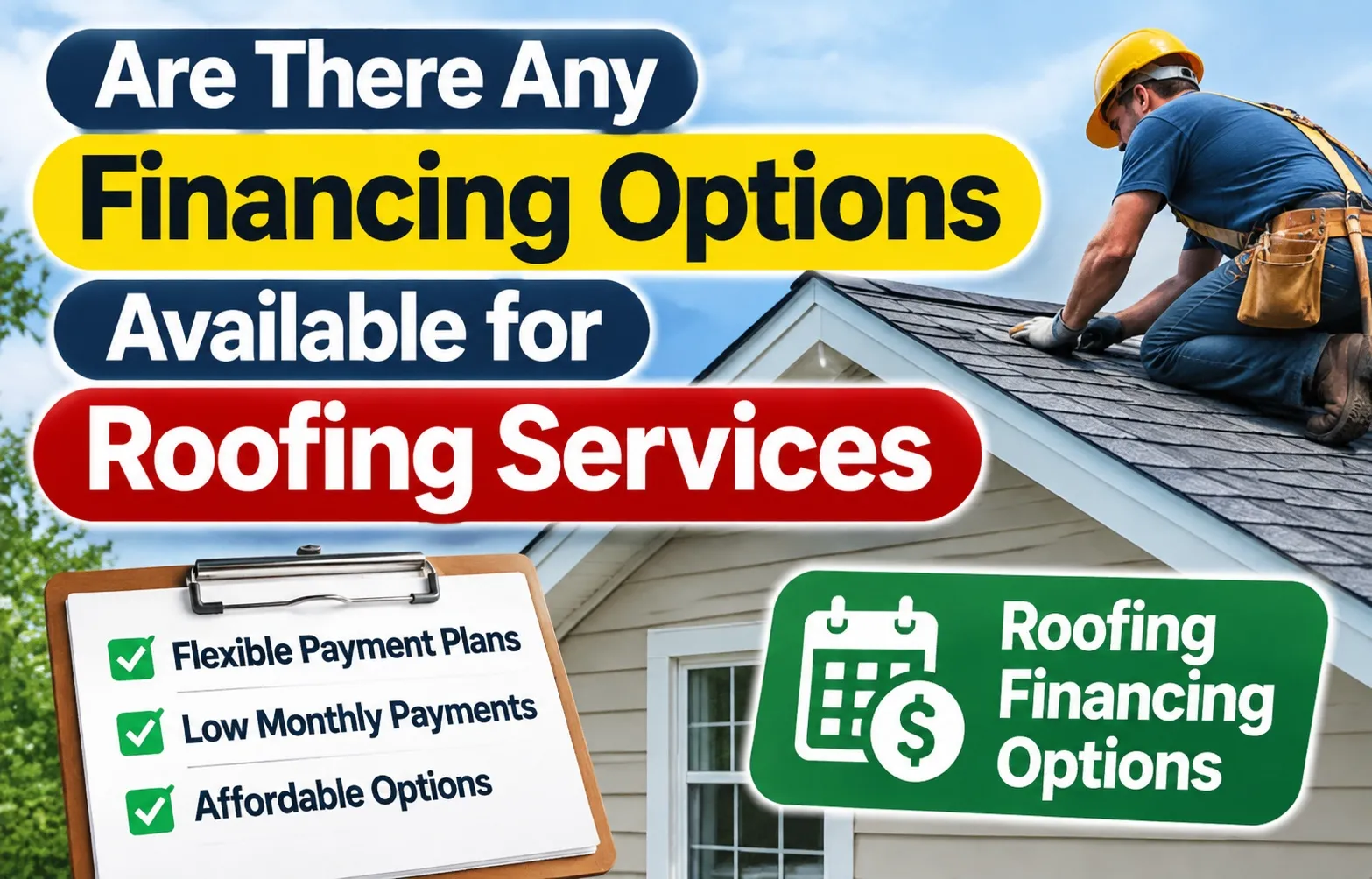 Yes, financing options are widely available for roofing services including complete roof replacements and major repairs. Homeowners can fund roofing projects through unsecured personal loans, home equity lines of credit (HELOCs), contractor-sponsored payment plans, government grants, mortgage cash-out refinances, or homeowners insurance claims.
Selecting the right payment plan depends heavily on your credit score, available home equity, and how fast you need access to funds. Below is a direct breakdown of how these financing paths compare.
Can You Finance a Roof Replacement?
You can finance a roof replacement through multiple private, lender-backed, and government-assisted programs. Funding timelines range from same-day approvals for personal loans to several weeks for home equity solutions.
- Unsecured Personal Loans: Provide fast funding in 1 to 7 days without putting your home up as collateral, with fixed monthly payments.
- Home Equity Lines of Credit (HELOCs): Offer lower APR ranges by utilizing your property value, making them cost-effective for homeowners with substantial equity.
- Contractor Payment Plans: Feature promotional zero-percent APR financing for 12 to 24 months, offered directly through roofing companies partnered with third-party lenders.
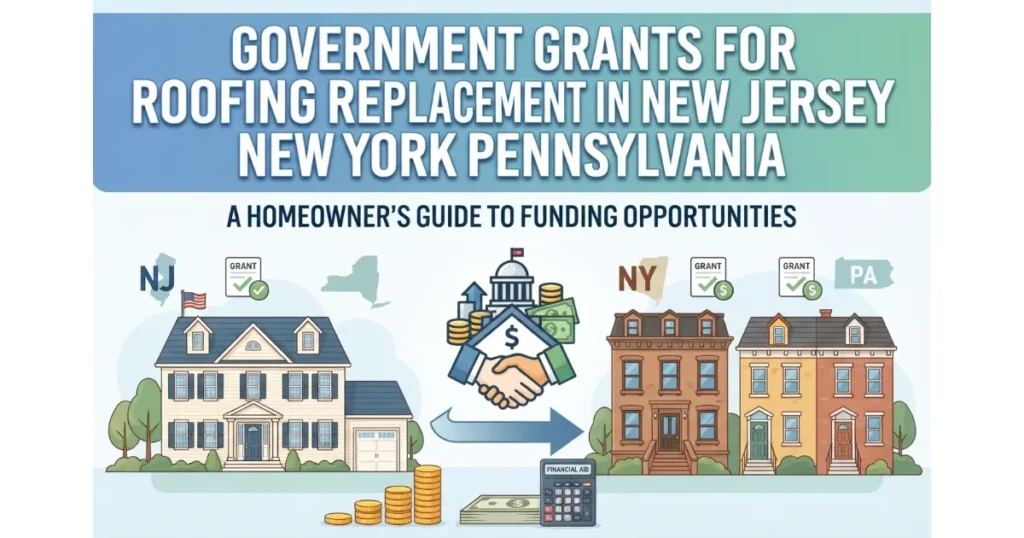
- Government Repair Loans & Grants: Assist low-income households and elderly homeowners through specialized assistance programs like FHA Title I and USDA Section 504.
When selecting a payment vehicle, review key borrowing criteria to ensure predictable monthly costs:
- Review the Credit Score Threshold: Unsecured roof loans typically require a minimum credit score of 600, while prime APR rates are reserved for scores of 720 and higher.
- Check Collateral Requirements: Secured equity options offer lower interest rates but put your property at risk if you default, whereas unsecured personal loans carry zero collateral risk.
- Evaluate Funding Speed: Emergency repairs caused by severe leaks require fast cash disbursement within 24 to 72 hours, ruling out long bank equity approvals.
The 7 Core Financing Options for Roof Replacement
Financing a roof replacement requires evaluating your credit score, available home equity, project timeline, and budget constraints. Homeowners can select from seven distinct funding pathways ranging from fast unsecured personal loans to government-backed grants and insurance claims.
Understanding the structure, funding speed, and qualification requirements of each option ensures you select the most cost-effective path for your roof project.
1. Unsecured Personal Home Improvement Loans (Fastest Cash Flow)
Unsecured personal loans deliver fast cash funding within 1 to 7 days without requiring your house as collateral, making them ideal for urgent roof repairs. Lenders such as LightStream offer fixed-rate loans ranging from $1,000 to $100,000 with predictable monthly payment schedules.
- Credit Requirements: Typically require a credit score of 600 to 680+ for competitive APRs.
- Funding Speed: Funds can hit your bank account in as little as 24 to 72 hours after approval.
- Collateral Risk: Zero risk to your home equity since the loan is unsecured.
2. Home Equity Lines of Credit (HELOCs) & Home Equity Loans (Best Interest Rates)
Home equity financing leverages accumulated property value to secure lower interest rates and higher borrowing capacities for major roofing overhauls. Home equity loans provide a fixed lump sum, whereas HELOCs function as a revolving credit line you can draw from as contractor invoices clear.
- Approval Timeline: Requires a thorough appraisal and underwriting process spanning 2 to 8 weeks.
- Interest Rates: Generally lower than unsecured loans or credit cards because the debt is secured by your home.
- Tax Benefits: Interest payments may qualify for tax deductions if used for substantial home improvements.
3. Contractor In-House Financing (Convenience & Payment Plans)
Many roofing contractors partner with specialized home improvement lending networks such as Sunlight Financial and Goodleap to offer in-house payment options. These plans often feature promotional zero-percent APR periods to simplify project budgeting.
- Promotional Terms: 0% APR introductory periods for 12 to 24 months for qualified buyers.
- Application Convenience: Pre-qualification and approvals are handled directly through your contractor during the estimate phase.
- Cautionary Note: Check for deferred interest traps or hidden merchant dealer fees that may inflate the baseline project cost.
4. Government-Insured Loans & Grants (FHA Title I, FHA 203k, & USDA 504)
Government-backed financing programs provide accessible funding solutions and direct financial relief for low-income households, seniors, and buyers with lower credit scores. These federal programs bridge the gap when conventional private lenders deny coverage.
- FHA Title I Loans: Fixed-rate government-insured loans for property improvements that do not require home equity if borrowing under $7,500.
- FHA 203(k) Loans: Allows you to roll roof repair or total replacement costs directly into a home purchase or mortgage refinancing package.
- USDA Section 504 Loans & Grants: Offers direct repair grants or low-interest loans specifically for very low-income or elderly homeowners to eliminate critical health and safety hazards like a failing roof.
5. Cash-Out Refinance (Mortgage Restructuring)
A cash-out refinance replaces your current mortgage with a larger loan, allowing you to pocket the difference in cash to pay for your roof replacement. This option locks in long-term mortgage interest rates but resets your amortization schedule.
- Approval Duration: Similar to a standard mortgage, processing takes approximately 4 to 6 weeks.
- Cost Considerations: Incurs standard mortgage closing costs, appraisal fees, and administrative charges.
- Best Suited For: Homeowners who want to combine roof replacement with debt consolidation or major interior renovations.
6. 0% APR Credit Cards (Best for Small Repairs)
Specialized credit cards offering a 0% introductory APR period for 12 to 21 months provide a flexible financing vehicle for localized roof repairs or emergency leak patching. This strategy avoids high interest charges only if the balance is fully paid before the promotional window expires.
- Credit Threshold: Typically demands excellent credit scores of 700 or higher to secure high credit limits.
- Repayment Risk: Standard APRs exceeding 20% to 25% apply retroactively or immediately once the introductory period lapses.
- Usage Rule: Recommended strictly for minor repairs under $5,000 that can be cleared rapidly.
7. Homeowners Insurance Coverage (Storm vs. Age-Related Damage)
Homeowners insurance is not a traditional loan, but filing an insurance claim is the primary funding path when a roof suffers sudden, accidental damage. Standard policies cover structural impacts from severe wind, hail, or fallen trees, but explicitly exclude routine wear and tear.
- Claim Eligibility: Covers storm-induced destruction after paying your standard policy deductible.
- Exclusions: Aging roofs, deferred maintenance, and slow leaks over time are denied by insurance adjusters.
- Deductible Strategy: Homeowners must legally pay their policy deductible out-of-pocket, frequently utilizing small personal loans or contractor payment plans to cover this amount.
The Hidden Trap in Contractor 0% Financing
Contractor-sponsored zero-percent APR financing sounds like an ideal solution for a costly roof replacement, but promotional payment plans often carry significant financial risks. Understanding how lenders and roofing contractors structure these offers helps protect you from unexpected interest charges and inflated project estimates.
Before agreeing to any zero-down or interest-free roofing deal, examine two major cost mechanisms that contractors frequently hide in the fine print.
Deferred Interest vs. True 0% APR Plans
Many contractor payment plans rely on deferred interest rather than a true 0% APR structure. Under a deferred interest agreement, interest continues to accrue behind the scenes at a high rate—often 25% APR or higher—throughout the entire promotional financing period.
- The Repayment Deadline: If you pay off 100% of the loan balance before the promotional period ends (such as 12 or 24 months), the accrued interest is waived entirely.
- The Backdated Penalty: If even a minimal balance of $10 or $20 remains when the promotional window closes, the lender retroactively charges full interest on the original purchase amount from day one.
- True 0% APR Difference: A true zero-percent APR card or loan charges interest only on the remaining balance starting after the promotional period ends, making it vastly safer than deferred interest.
Merchant Dealer Fees: How Contractors Hide Financing Costs in Estimates
Third-party lenders charge roofing companies substantial merchant dealer fees—typically ranging from 5% to 15% of the total job cost—to offer promotional zero-interest financing to customers. Because contractors refuse to absorb these finance charges themselves, they routinely build the lender’s fee directly into your project estimate.
- Inflated Estimates: A roof replacement that costs $12,000 for a cash buyer may be quoted at $13,800 to offset the 15% dealer fee required by the financing company.
- The Cash Discount Strategy: Always request a itemized quote showing both the cash price and the financed price before revealing how you intend to pay.
- Comparing Financing Terms: Asking for a transparent breakdown allows you to compare the roofer’s marked-up zero-percent deal against a standard unsecured personal loan to determine which payment method yields the lowest actual out-of-pocket cost.
Cost Estimator & The 25% Roofing Code Rule
Determining the precise loan amount requires estimating total replacement costs based on home square footage and local building codes. Knowing these cost baselines prevents under-borrowing and ensures your financing covers both materials and mandatory code compliance requirements.
Project costs scale directly with roof area, material quality, and regional labor rates, while structural building codes can elevate a minor repair into a full-slope replacement.
Estimating Your Roof Replacement Financing Needs by House Size
Standard architectural asphalt shingle pricing generally ranges from $3.00 to $5.00+ per square foot installed. When calculating your total roof replacement cost, contractors measure roof area in “squares” (100 square feet per square) and factor in pitch, tear-off expenses, and underlying decking condition.
- 2,000 Sq Ft Roof Cost: Expect a baseline financing range between $8,000 and $14,000+ for standard asphalt shingles, including labor, removal, and disposal fees.
- 4,000 Sq Ft House Roof Cost: Larger homes typically require $16,000 to $30,000+ in financing, with costs increasing if incorporating premium metal, tile, or high-pitch architectural designs.
- Material Price Variations: Specialty materials like standing seam metal ($9–$15/sq ft) or slate ($15–$30/sq ft) double or triple the total loan capacity needed.
Understanding the 25% Rule in Roofing (Repair vs. Full Replacement)
The International Residential Code (IRC) enforces strict guidelines regarding partial roof repairs versus total replacements. Section R908 of the IRC specifies the “25% Rule,” which directly impacts how much funding a homeowner must secure following localized storm damage.
- The 25% Threshold: If more than 25% of a total roof section or slope is damaged or deteriorated within a 12-month period, building codes mandate a complete replacement of that entire roof section.
- Impact on Financing Needs: Homeowners anticipating a minor $2,000 patch repair may find that local inspectors require a full $10,000+ replacement to satisfy municipal building permits.
- Code Upgrade Coverage: When applying for loans or reviewing insurance policies, ensure your financing covers mandatory building code compliance upgrades required under local jurisdiction rules.
How to Pay for a Roof When You Can’t Afford It (Low Income & Bad Credit Solutions)
Facing an urgent roof failure without savings or strong credit is stressful, but specialized financial relief pathways exist. Low-income families, elderly homeowners, and borrowers with damaged credit can secure government assistance, non-profit aid, or flexible loan structures to protect their homes.
Exploring targeted assistance programs and strategic borrowing options allows you to address dangerous structural leaks even when traditional bank loans are out of reach.
Low-Income Assistance & Government Repair Grants
Federal and community-level assistance programs help low-income households replace or repair deteriorating roofs through non-repayable grants and deferred low-interest loans. These public aid options prioritize health, safety, and energy efficiency for vulnerable homeowners.
- USDA Section 504 Home Repair Program: Offers direct repair grants of up to $10,000 to low-income elderly homeowners (aged 62 and older) to remove health hazards, alongside 1% interest loans of up to $40,000 for low-income families.
- Weatherization Assistance Program (WAP): Funded by the U.S. Department of Energy, WAP helps income-eligible families improve energy efficiency, which frequently includes structural roof repairs required before installing insulation.
- Habitat for Humanity Critical Home Repair: Local chapters provide low-cost or grant-subsidized roof replacements using volunteer labor and affordable payment plans tailored to low-income family budgets.
Bad Credit Roof Financing Strategies (Co-signers & Collateral Alternatives)
Securing roof financing with a credit score below 580 requires alternative borrowing approaches. While true “no credit check roof replacement” options rarely exist in mainstream lending without high risk, specific strategies significantly increase loan approval odds.
- Co-signer Financing: Adding a creditworthy family member or co-borrower with a score of 670+ lowers lender risk, helping you secure lower interest rates and higher funding limits.
- Secured Personal Loans: Pledging a vehicle, savings account, or personal asset as collateral gives bad-credit applicants access to installment loans that would otherwise be denied on an unsecured basis.
- Credit Union Home Improvement Loans: Not-for-profit credit unions look beyond automated credit scores, considering employment stability and income to approve members with poor credit histories.
Emergency Patching & Targeted Roof Repairs
When funding a full $10,000+ replacement is impossible, shifting strategy toward emergency containment prevents costly interior water damage while you build equity or save capital.
- Targeted Section Repairs: Hire an independent roofer to replace only damaged shingles or leaking valleys to buy time until full replacement financing becomes feasible.
- Emergency Tarping Services: Install professional water-resistant tarping over damaged slopes to stop immediate water intrusion during severe weather seasons.
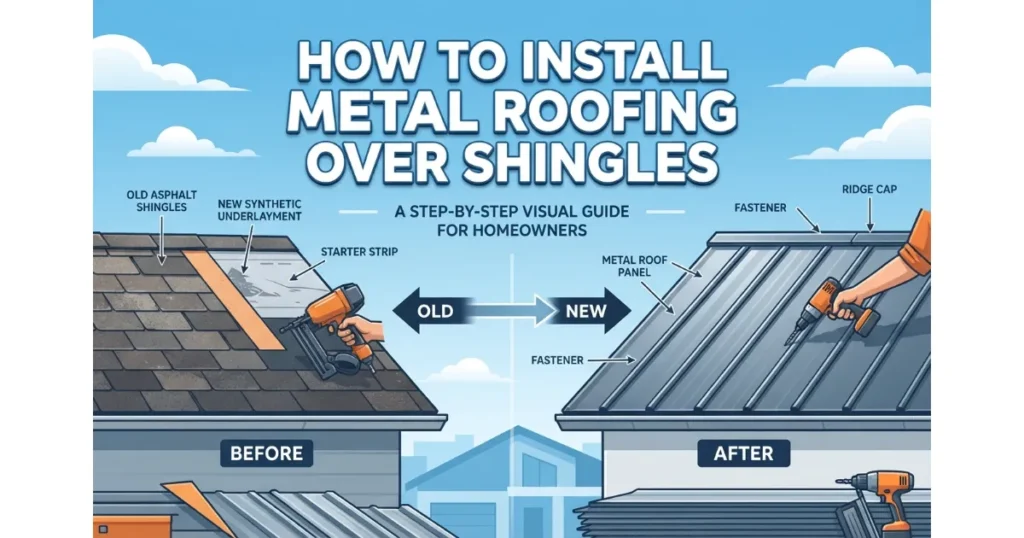
- Material Layering Restrictions: Consult local building codes regarding overlaying a second shingle layer, which cuts labor and tear-off costs by up to 30% compared to a complete tear-off.
Financing vs. Insurance Claims: Which Should You Choose?
Determining whether to file an insurance claim or take out a home improvement loan depends on the root cause of your roof damage. Choosing the wrong path can lead to denied claims, wasted claim history hits, or unnecessary out-of-pocket interest costs.
Home insurance functions strictly as protection against unpreventable hazards, whereas out-of-pocket financing covers routine maintenance and expected material degradation over time.
When Insurance Covers Your Roof (Storm, Hail, & Fallen Trees)
Home insurance coverage applies when a roof suffers sudden, accidental destruction caused by covered perils. In these events, the insurer pays to restore the structure to its pre-loss condition, minus your policy deductible.
- Covered Perils: Direct impacts from severe hail strikes, high-velocity windstorms, tornadic activity, or heavy tree branches falling onto the home.
- Adjuster Requirements: An insurance adjuster must inspect the roof to verify that catastrophic weather caused acute structural failure or widespread shingle loss.
- Claim Value: Policies pay out based on Actual Cash Value (ACV) or Replacement Cost Value (RCV), helping cover the bulk of total replacement expenses.
When You Must Use Financing (Age, Wear-and-Tear, & Deferred Maintenance)
Insurance carriers will deny claims resulting from gradual deterioration, aging shingles, or neglected repairs. When a roof reaches the end of its 20- to 30-year operational lifespan, funding the replacement falls entirely on the homeowner.
- Routine Aging: Granule loss, curling shingles, and general weather degradation over decades are considered normal home maintenance expenses.
- Deferred Maintenance Denials: Claims involving active leaks caused by unaddressed dry rot or missing shingles are regularly rejected for owner neglect.
- Financing Solution: Utilizing personal loans, equity lines of credit, or government assistance allows homeowners to replace an old roof before active leaks cause catastrophic interior damage.
Financing Your Insurance Deductible (Legal Requirements)
When insurance approves a roof replacement, homeowners remain legally responsible for paying their policy deductible out-of-pocket. Understanding deductible compliance prevents severe legal consequences during the claims process.
- Deductible Fraud Laws: In most states and jurisdictions, contractors offering to “absorb,” “waive,” or “rebate” an insurance deductible are committing illegal deductible fraud.
- Proof of Payment: Insurance companies routinely require proof of paid deductible receipts, such as canceled checks or bank statements, before releasing final depreciation payments.
- Deductible Financing Options: Homeowners who lack immediate cash for a $1,000 to $5,000 deductible can legally use a small personal loan, credit card, or contractor payment plan to cover the fee.
- Government Grant Relief: Income-eligible homeowners needing additional aid for property repairs can review the USDA Single Family Housing Repair Loans & Grants Program to verify grant eligibility.
Step-by-Step Guide to Securing Roof Financing
Navigating the financing process efficiently prevents over-borrowing, reduces interest expenses, and protects your credit profile. Following a structured step-by-step sequence ensures you lock in favorable repayment terms before signing contract agreements.
Complete these four sequential steps to move seamlessly from initial project planning to funded loan approval.
Step 1: Get Multiple Independent Roofing Estimates
Obtain at least three detailed, written roof estimates from licensed local contractors to establish your exact loan requirements before submitting financial applications or pulling credit reports.
- Itemized Scope of Work: Ensure each bid details tear-off costs, material specifications, labor, underlayment, and waste removal fees.
- Establishing the Baseline: Having precise quotes prevents applying for an insufficient loan or taking on excess debt beyond the actual replacement scope.
- Comparing Payment Terms: Request both cash prices and financed payment breakdowns from each roofer to evaluate potential merchant dealer fees.
Step 2: Check Your Credit Score & Equity Position
Reviewing your financial standing before applying for loans identifies your borrowing qualifications and helps pinpoint the most economical financing vehicle.
- Credit Score Assessment: Review your credit scores across all major bureaus; scores above 680 unlock lower APR ranges on personal loans.
- Home Equity Calculation: Determine your loan-to-value (LTV) ratio by subtracting your remaining mortgage balance from your home’s current market value to evaluate HELOC eligibility.
- Debt-to-Income Ratio (DTI): Lenders prefer a DTI ratio below 36% to 43% when evaluating monthly payment affordability for new debt obligations.
Step 3: Compare APRs, Fees, and Monthly Terms
Evaluating multiple loan products side by side ensures you select a payment structure aligned with your monthly budget and long-term financial goals.
- APR Comparison: Look beyond basic interest rates to compare total Annual Percentage Rates (APRs), which include origination fees and administrative charges.
- Loan Duration Impact: Shorter terms (2 to 3 years) carry higher monthly payments but lower total interest costs, while longer terms (5 to 7 years) offer smaller monthly payments at a higher overall expense.
- Prepayment Penalties: Verify that prospective loans carry zero prepayment penalties so you can pay off the balance early without incurring fees.
Step 4: Apply for Pre-Approval & Lock Rates
Submitting pre-approval applications allows you to lock in interest rates and confirm funding timelines prior to scheduling contractor teardown dates.
- Soft Credit Inquiries: Utilize pre-approval tools with online lenders to compare soft-pull rate offers without impacting your credit score.
- Document Preparation: Gather recent pay stubs, W-2 forms, tax returns, and government-issued ID to speed up final underwriting approval.
- Rate Locking & Disbursement: Once approved, lock your APR offer and coordinate funds transfer directly into your checking account or to your selected roofing contractor.
Frequently Asked Questions About Roof Financing
Addressing common financial and legal questions helps homeowners make informed decisions before committing to a roof replacement loan or contractor contract. Below are direct answers to high-frequency homeowner inquiries regarding payment plans, approval requirements, and project costs.
Do roofing companies usually offer payment plans?
Yes, many established roofing companies offer payment plans by partnering with specialized third-party home improvement lenders like Goodleap or Sunlight Financial. These arrangements allow homeowners to split their roof replacement cost into predictable monthly payments or take advantage of promotional zero-percent APR periods for 12 to 24 months.
Is it hard to get approved for roof financing?
Getting approved for roof financing is relatively straightforward if you have a credit score of 600 or higher and a steady source of income. Homeowners with lower credit scores under 580 can still secure funding by applying with a co-signer, tapping into built-up home equity, or utilizing government-backed options such as FHA Title I loans.
Is $30,000 too much for a new roof?
A $30,000 price tag is high for a standard-sized home with basic asphalt shingles, but it is normal for large properties (3,500+ square feet), complex roof pitches, or high-end materials such as standing seam metal, slate, or tile. Extensive structural repairs to underlying decking or rafters can also elevate standard replacement costs into this higher range.
What is the cheapest month to get a roof replaced?
Late winter—specifically January and February in most regions—is typically the cheapest time to replace a roof. Contractor demand drops significantly during the off-season, leading many roofing companies to offer seasonal discounts, lower labor rates, and flexible financing incentives to keep their crews active.
Can a roofer sue me if they fall off my roof?
Yes, an injured worker can file a personal injury lawsuit against a homeowner if an accident occurs on the property and the roofing company lacks proper insurance coverage. To protect your finances, always verify that your contractor holds valid general liability insurance and worker’s compensation coverage before signing financing agreements or starting work.

Oscar Vance | Master Plumber & Drainage Expert
Meet Oscar Vance, a licensed master plumber sharing practical solutions on residential repairs, preventive maintenance, and thoughtful home upkeep.