Are There Any Warranties Available for Roofing Services?
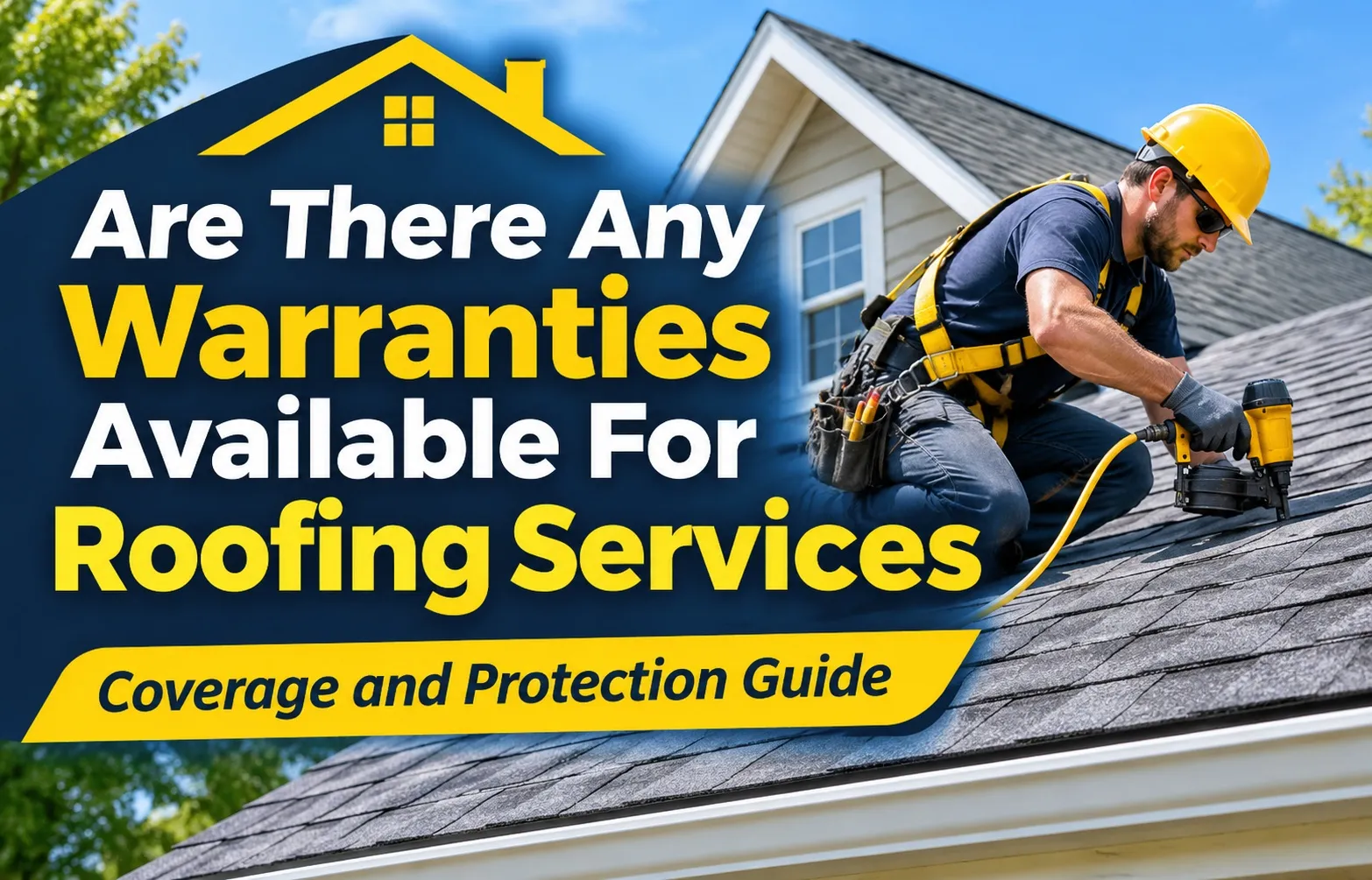 Yes, professional roofing services almost always come with warranties, but coverage is divided into two separate categories: manufacturer material warranties and contractor workmanship warranties. Understanding how these two protections interact is essential before signing any installation contract.
Roofing warranties protect property owners against product failure and improper installation. A standard roof replacement includes at least one of the following protective tiers:
- Manufacturer Material Warranties: Cover factory defects in the shingles, underlayment, or roofing components.
- Contractor Workmanship Warranties: Cover installation errors, labor defects, and leaks caused by improper application.
- Extended System Warranties: Combine both material and installation coverage into a unified, factory-backed protection plan.
The 3 Primary Tiers of Roofing Protection
Navigating roofing warranties requires knowing exactly who guarantees which component of your roof. Property owners often assume a single warranty covers the entire structure, but material performance and labor execution are legally distinct.
Manufacturer warranties cover physical defects in the roofing materials themselves, such as premature cracking, severe granule loss, or factory blistering. However, these baseline material guarantees rarely cover the labor required to tear off or reinstall defective shingles.
Contractor workmanship warranties cover the application process handled by your local installation crew. If a roofer misplaces nails, fails to properly seal chimney flashing, or ignores attic ventilation requirements, the workmanship warranty pays for the repair labor and structural fixes.
Extended system warranties offer the highest level of security. To secure this top-tier protection, your roof must be installed by a factory-certified installer using a complete suite of matching components from one manufacturer.
Contractor Workmanship Warranties Explained
A contractor workmanship warranty protects property owners against errors made during the roof installation process. Even high-grade asphalt shingles will fail if the installation crew misapplies materials or ignores manufacturer installation guidelines.
Workmanship coverage pays for both the labor and materials needed to repair installation-related defects. Key areas typically protected under labor guarantees include:
- Flashing Installation: Repairing water intrusion around chimneys, skylights, sidewalls, and roof valleys.
- Fastener Execution: Fixing leaks caused by improperly driven nails, under-driven fasteners, or over-driven shingle seals.
- Underlayment Application: Correcting improperly aligned synthetic underlayment or ice and water shields that allow wind-driven rain penetration.
How Long Is a Roofer Liable for His Work?
Standard contractor liability ranges from 2 to 10 years, depending on the installer’s reputation, business history, and factory certifications. Local contractors typically offer a 5-year workmanship guarantee on basic residential asphalt shingle installations.
Contractor trade data indicates that nearly 90% of installation leaks occur within a critical 5-to-8-year leak window. These failures rarely stem from defective shingles; instead, they originate from slow water intrusion around complex roof transitions.
- Years 1 to 3: Immediate errors surface, such as missing starter strips or poorly sealed pipe boots.
- Years 5 to 8: Seasonal expansion and contraction expose hidden flashing errors around chimneys, step-flashing points, and roof valleys.
- Extended Liability (15 to 25+ Years): Factory-certified contractors can offer manufacturer-backed labor guarantees that extend roofer liability for several decades.
Common Exclusions in Contractor Labor Guarantees
Workmanship warranties strictly limit roofer liability to installation defects caused by the original crew. Property owners must understand what events fall outside the contractor’s legal responsibility.
Workmanship warranties do not cover damage caused by external forces or unauthorized modifications to the roof structure. Standard exclusions include:
- Handyman Alterations: Work performed by third-party contractors, such as satellite dish technicians, solar panel installers, or general handymen.
- Structural Movement: Leaks or shingle buckling caused by foundation settling, truss sagging, or wall framing shifts.
- Severe Weather Events: Damage from hail impact, hurricane-force winds, falling tree limbs, or extreme ice damming.
- Lack of Maintenance: Water backing up behind clogged gutters or debris accumulation that causes standing water along roof eaves.
Manufacturer Material Warranties & The Prorated Trap
Manufacturer material warranties guarantee that your asphalt shingles and accessory products are free from manufacturing defects. If a product fails due to factory errors, the manufacturer compensates the property owner based on the terms of the policy.
It is important to distinguish between natural material aging and genuine factory defects. Standard material warranties cover specific production faults, including:
- Premature Granule Loss: Excessive loss of protective mineral granules that exposes the underlying asphalt layer to solar UV degradation.
- Thermal Cracking & Blistering: Shingle splitting or surface bubbling caused by improper asphalt formulation during manufacturing.
- Adhesive Sealant Failure: Factory-applied self-sealing strips failing to bond properly under normal climatic conditions.
For an example of official manufacturer terms, review the Owens Corning Warranty Guide.
The Prorated vs. Non-Prorated Timeline Breakdown
The financial value of a material warranty shifts dramatically over time. Most standard “lifetime” or 30-year manufacturer warranties are split into an initial non-prorated phase followed by a long prorated depreciation phase.
During the non-prorated period (typically the first 10 years), the manufacturer provides 100% coverage for replacement materials if a factory defect occurs. Once the warranty enters the prorated phase, the payout value drops continuously based on the roof’s age.
- Years 1 to 10 (Non-Prorated): Full replacement value for defective shingles with zero depreciation deduction.
- Years 11 to 30+ (Prorated): Payout value decreases by a set percentage each year, drastically reducing manufacturer financial liability.
Consider a $15,000 roof replacement where materials cost $5,000 and installation labor costs $10,000. If defective shingles fail at Year 15 under a 30-year prorated policy, the manufacturer’s depreciated payout may drop to just 50% of the material value ($2,500), leaving the homeowner responsible for the remaining $12,500 balance.
Why Base Material Warranties Exclude Re-Installation Labor
Standard manufacturer warranties only cover the cost of raw materials needed to replace defective shingles. They explicitly exclude the heavy labor costs associated with removing the old roof and installing the new materials.
Because labor and disposal typically represent 60% to 70% of the total roof replacement expense, relying solely on a standard base material warranty leaves property owners exposed to significant out-of-pocket costs.
- Tear-Off Costs Excluded: Labor expenses to strip away damaged shingles and underlayment are not covered.
- Disposal Fees Excluded: Dumpster rentals, landfill fees, and haul-away charges fall entirely on the homeowner.
- Re-Installation Labor Excluded: The cost of paying a roofer to nail down the replacement shingles is omitted unless an extended system warranty is purchased.
Top Manufacturer Warranty Comparison: GAF vs. CertainTeed vs. Owens Corning
GAF offers some of the most robust warranty options in North America, scaling from basic protection up to the comprehensive Golden Pledge warranty. To qualify for these high-tier warranties, a roof must be installed by a GAF factory-certified contractor using a full suite of branded components.
The GAF Golden Pledge warranty stands as the gold standard for full system protection, offering 50 years of non-prorated material coverage and up to 25 years of contractor workmanship coverage backed directly by the manufacturer.
- Full System Requirements: Installers must use at least five qualifying GAF accessory products, including underlayment, ridge caps, starter strips, and leak barriers.
- Factory Inspection: Golden Pledge installations undergo a rigorous independent quality inspection by a GAF-trained field technician before certification.
- Tear-Off & Disposal Inclusion: Complete labor costs for tearing off defective materials and disposing of old shingles are fully covered during valid claims.
CertainTeed SureStart & SureStart PLUS Coverage
CertainTeed provides reliable baseline protection through its SureStart program, which can be upgraded to SureStart PLUS via accredited credentialed contractors. This expanded tier covers both material defects and installation labor without depreciation deductions during the early years.
Securing a CertainTeed full system warranty requires strict adherence to their Integrity Roof System specifications. Homeowners must install matching shingle and accessory products purchased as an integrated package from the same manufacturer.
- SureStart Protection: Covers 100% of material replacement and repair costs without proration during the initial coverage window, typically spanning 10 to 15 years.
- Accessory Mandates: Requires a minimum of three specific CertainTeed accessory products, such as hip and ridge caps, underlayment, and valley flashing.
- Transferability: Fully transferable to subsequent property owners within the first 10 to 15 years, subject to registration and administrative fees.
Owens Corning System Protection & Platinum Protection
Owens Corning delivers industry-leading protection through its network of Preferred and Platinum Contractors. Their top-tier Platinum Protection Roofing System warranty extends labor and material coverage up to 50 years, providing complete financial security.
Owens Corning mandates that every layer of the roof—from the deck armor underlayment to the ventilation components—must consist of authentic Owens Corning products to validate the warranty.
- Platinum Protection Tier: Provides 50 years of non-prorated material coverage alongside 25 years of workmanship coverage backed by the manufacturer.
- Preferred Contractor Network: Only select contractors who meet strict financial stability and craftsmanship criteria can issue Owens Corning system warranties.
- Comprehensive Tear-Off Inclusion: Covers all labor expenses associated with removing old materials and disposing of roof debris during eligible defect claims.
What Voids a Roofing Warranty? 5 Critical Fine-Print Pitfalls
Improper attic ventilation is the single most common reason manufacturers deny material warranty claims. When an attic lacks sufficient airflow, heat and moisture build up directly beneath the roof deck, baking the asphalt shingles from the bottom up.
This trapped heat causes severe thermal buildup, which leads to premature shingle curling, blister formation, and adhesive breakdown. Roofing manufacturers strictly enforce ventilation standards (typically following the 1:150 or 1:300 net free area rule); if an inspector finds improperly balanced soffit intake and ridge exhaust vents, the manufacturer warranty is declared void immediately.
- Thermal Degradation: Extreme heat bakes the asphalt matrix, rendering shingles brittle within just a few years of installation.
- Moisture Trapping: Condensation accumulates under the decking, causing wood rot, mold growth, and underlayment decay.
- Claim Denial: Manufacturers require airflow calculations during failure inspections and will reject claims if ventilation fails building code guidelines.
2. Pressure Washing and High-Pressure Cleaning
Using a pressure washer to clean moss, algae, or dirt off asphalt shingles immediately invalidates both manufacturer and contractor warranties. High-pressure water streams strip away the protective mineral granules that shield the asphalt layer from harmful ultraviolet (UV) radiation.
Once granule stripping occurs, solar exposure rapidly degrades the exposed asphalt base, causing shingles to crack, cup, and lose water resistance. Property owners seeking to remove severe algae stains should rely exclusively on low-pressure chemical “soft-washing” techniques approved by the Asphalt Roofing Manufacturers Association (ARMA).
- Granule Stripping: High-pressure nozzles dislodge the ceramic-coated mineral layer designed to protect the shingle core.
- UV Acceleration: Stripped shingles deteriorate at up to three times their normal rate under direct sunlight.
- Water Intrusion Risk: Pressurized spray forces water up and underneath shingle laps, saturating the underlayment and causing interior ceiling leaks.
3. Unapproved Alterations: Solar Panels, Skylights & Satellite Dishes
Modifying a roof deck after installation without written authorization from the original installer can void your contractor workmanship warranty. Penetrating the roof membrane to mount satellite dishes, solar panel racking systems, or aftermarket skylights creates high-risk points for leaks.
If a third-party technician drives lag bolts through shingles or improperly flashes a new roof opening, the original roofing contractor is no longer liable for leaks that develop anywhere near the modified area. Homeowners should always consult their original roofing contractor before adding solar arrays or roof-mounted equipment.
- Unauthorized Penetrations: Third-party installers often fail to use proper flashing boots or silicone sealants around roof mounts.
- Voiding Workmanship Guarantees: Contractors will exclude any section of the roof accessed or altered by outside technicians.
- Weight Stress: Adding heavy solar arrays without structural framing checks can cause deck sagging and shingle distortion.
4. Layering New Shingles Over Old Roofs (Over-Roofing)
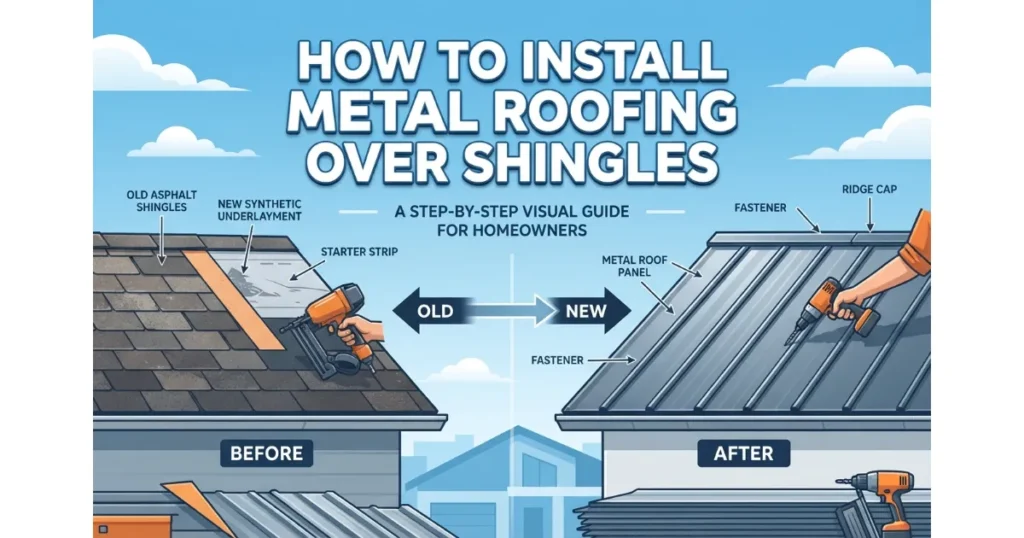
Installing a new layer of asphalt shingles directly over existing, worn-out roofing (often called “over-roofing” or a layover) drastically reduces material lifespan and voids most manufacturer system warranties. Laying new shingles over old ones hides underlying deck rot, structural damage, and flashing decay.
The uneven surface of the old roof prevents the new shingle self-sealing strips from activating properly, making the top layer vulnerable to wind uplift and blowout. Furthermore, doubling the shingle layer traps additional heat, accelerating thermal breakdown throughout the entire system.
- Concealed Deck Damage: Layover installations prevent roofer crews from inspecting and replacing rotten plywood decking.
- Sealant Failure: Shingles installed over uneven textures fail to seal down completely, leading to wind blow-offs.
- Manufacturer Exclusions: Premium extended system warranties require a complete tear-down to clean wood decking to remain valid.
5. Failure to Register Documentation Within the 30-to-60 Day Window
Many homeowners assume that buying a new roof automatically activates their full warranty coverage. However, premium manufacturer material guarantees and extended system protection plans require formal registration with the manufacturer within a strict 30-to-60-day window post-installation.
If your contractor or you fail to submit the official registration paperwork, proof of installation date, and serial numbers within the specified timeframe, your coverage automatically reverts to the manufacturer’s basic, unenhanced material warranty. This oversight removes valuable benefits like non-prorated labor and tear-off coverage.
- Strict Time Limits: Manufacturers enforce rigid 30-day or 60-day registration deadlines following roof completion.
- Loss of Extended Rights: Missing the deadline forfeits long-term non-prorated labor protection and factory-backed workmanship coverage.
- Documentation Requirements: Homeowners must keep copies of the original contract, invoice, product serial numbers, and contractor registration confirmation.
Do Roof Warranties Transfer to New Homeowners?
Yes, most major roofing warranties can be transferred to a new homeowner, but transferability is rarely automatic. Manufacturers and contractors enforce strict protocol guidelines during real estate transactions to maintain continuous coverage.
To execute a home buyer warranty transfer, the new owner or seller must submit formal notification to the warrantor within a strict time window—typically within 30 to 60 days of closing. Failing to complete the transfer process within this designated window converts the policy to an unenhanced basic coverage or voids the remaining warranty balance entirely.
- The 60-Day Notification Window: Written transfer requests must be completed and postmarked within 30 to 60 days of legal deed transfer.
- Proration Shift Upon Transfer: Some manufacturer warranties automatically shift from non-prorated status to a reduced prorated schedule once transferred to a second owner.
- Contractor Labor Transfers: Workmanship warranties offered by local contractors often require a separate inspection by the original installer prior to transfer approval.
Transfer Fees and Documentation Requirements
Completing a roofing warranty transfer involves administrative processing steps and specific documentation submissions. Manufacturers require clear verification to establish the valid chain of ownership.
Most roofing manufacturers impose a standard administrative transfer fee ranging from $100 to $250. This payment must accompany the formal transfer application alongside supporting real estate closing records.
- Proof of Ownership Change: A copy of the executed closing disclosure, deed, or bill of sale verifying the transfer date.
- Original Warranty Certificate: The original certificate number issued to the initial purchaser upon roof installation.
- Administrative Processing Fee: Payment of the required $100 to $250 fee payable directly to the manufacturer or contractor.
Single-Transfer Limitations Explained
Roofing warranties feature strict limits regarding how many times coverage can pass between successive property owners. The majority of manufacturer and contractor guarantees enforce a strict single-transfer limitation.
Under a single-transfer rule, coverage can transfer from the original purchaser (the homeowner who paid for the installation) to the immediate second owner. Once the second owner sells the property, the warranty terminates automatically and cannot be passed along to a third buyer.
- Original Owner Privilege: The highest level of non-prorated coverage is exclusively reserved for the original property owner.
- Second Owner Limitation: The second owner receives the remaining term of the warranty, often subject to prorated value adjustments.
- Subsequent Buyer Termination: Coverage terminates permanently upon any subsequent sale of the residence past the second owner.
Financial Evaluation & People Also Ask (PAA) Breakdown
Is an Extended Roofing Warranty Worth the Extra Cost?
Upgrading to a top-tier extended roofing warranty usually increases total project costs by 5% to 10%, but it secures long-term coverage for both materials and installation labor. Evaluating the return on investment (ROI) comes down to how long you plan to own the home and your risk tolerance for out-of-pocket repairs.
Extended warranties backed by manufacturers eliminate the prorated value drop-off and cover labor costs for tear-off, disposal, and installation during defect claims. Paying an additional $800 to $1,500 upfront on a standard installation protects against sudden repair costs that could easily reach $5,000 to $12,000 later on.
- Short-Term Ownership (Under 5 Years): Standard manufacturer protection is usually sufficient, as most material defects do not manifest in early years.
- Long-Term Ownership (10+ Years): Extended coverage offers significant ROI by protecting against labor costs and material value depreciation.
- Resale Value Advantage: Transferable extended system warranties serve as a strong selling point for potential home buyers.
What Is the Average Cost to Replace a Roof on a 2,000 Sq. Ft. Home?
Replacing a roof on a typical 2,000-square-foot home costs between $8,500 and $16,500 for standard architectural asphalt shingles. The final price varies depending on pitch, architectural complexity, local labor rates, and tear-off requirements.
Total roof investment breaks down into distinct labor, material, and regional cost categories:
- Architectural Asphalt Shingles: $8,500 to $16,500 installed (includes underlayment, flashing, and basic warranty).
- Specialty Materials (Metal, Tile, Slate): $18,000 to $45,000+ depending on material grade and structural reinforcement needs.
- Labor vs. Material Split: Materials typically account for 30% to 40% of the quote, while labor and overhead make up the remaining 60% to 70%.
Is $30,000 Too Much for a New Roof?
A $30,000 estimate is reasonable for larger residences, high-end material installations, or complex roof geometries, but it is high for a standard single-story asphalt shingle replacement. Evaluating your estimate depends on total square footage and specified material grades.
Factors that justify a $30,000+ roof replacement quote include:
- Premium Materials: Standing seam metal, natural slate, cedar shakes, or heavy concrete tiles.
- Large Roof Footprint: Homes exceeding 3,500 to 5,000 square feet of total roof surface area.
- Structural Work: Extensive plywood deck replacement, structural rafter repairs, or custom chimney lead flashing work.
What Is the 25% Rule in Roofing?
The 25% rule is a common provision in municipal building codes stating that if more than 25% of a total roof surface is damaged within a 12-month period, the entire roof must be brought up to current code compliance—often requiring a full replacement.
This regulation directly impacts insurance claims and warranty coverage boundaries when dealing with storm or structural damage:
- Full Replacement Trigger: Partial repairs exceeding 25% of the total roof area force a complete tear-off under local building codes.
- Insurance Alignment: Insurance payouts must cover full system replacements when local codes enforce the 25% threshold.
- Warranty Integrity: Complete tear-offs triggered by code compliance allow property owners to install unified systems backed by full manufacturer guarantees.

Oscar Vance | Master Plumber & Drainage Expert
Meet Oscar Vance, a licensed master plumber sharing practical solutions on residential repairs, preventive maintenance, and thoughtful home upkeep.