Why Does an Electrical Outlet Spark When Plugging Something In?
 An electrical outlet sparks because electric current jumps across the tiny air gap between the plug’s prongs and the outlet’s internal metal contacts just before full connection is made. Known as electrical arcing, this brief flash is usually normal when plugging in high-draw appliances, but frequent, large, or discolored sparks indicate severe short circuits, loose socket wiring, or a dangerous fire hazard.
Is It Normal for an Outlet to Spark? (The 5-Second Safety Check)
A single, tiny blue flash that occurs instantaneously when connecting a device is completely harmless. However, you can instantly determine if your outlet requires immediate professional intervention by running this quick 5-second evaluation:
- Harmless Spark Signs: A brief blue spark, lasting less than a fraction of a second, with no audible popping sound, no lingering burning smell, and no heat on the outlet faceplate.
- Dangerous Spark Indicators: Bright yellow, orange, or white sparks, a sudden electrical popping or crackling noise, scorched or melted socket plastic, or a circuit breaker that trips immediately.
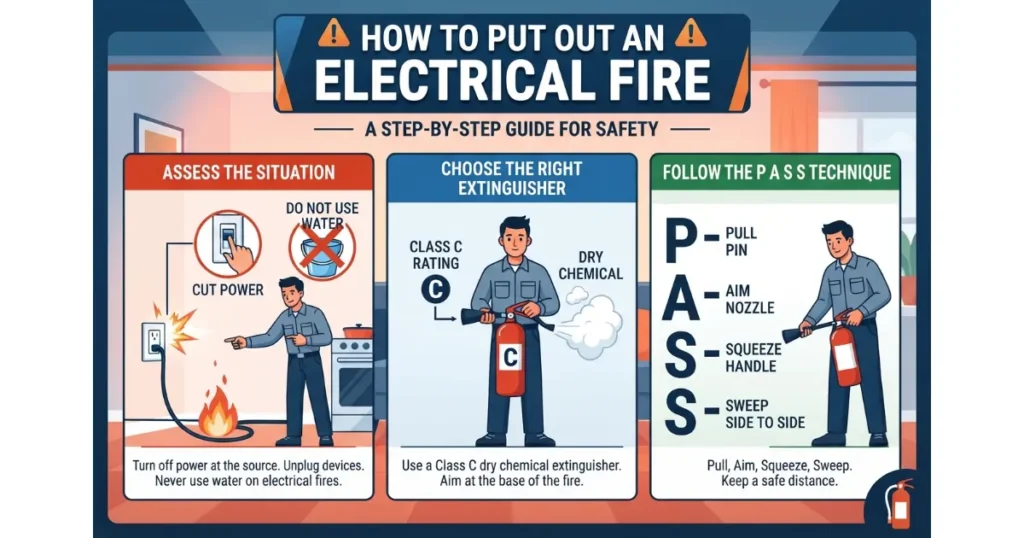
If you observe any dangerous spark indicators, stop using the socket right away, switch off the corresponding circuit breaker at your main panel, and consult a qualified professional before restoring power.
The Science of Electrical Arcing Explained Simply
Electrical arcing happens because voltage continuously pushes current through your home’s wiring. When an appliance is plugged in, electricity seeks a complete path to flow from the hot terminal to the neutral contact.
As the metal prongs approach the socket, the electrical load creates a sudden demand for current. Just before physical contact occurs, the high voltage energizes and ionizes the microscopic air gap between the metal contacts, forming a momentary circuit bridge that manifests as a visible light flash.
- Voltage Pressure: Household electrical current flows through the socket waiting for a completed path.
- Bridging the Air Gap: As the plug prongs get close to the outlet contacts, electricity jumps across the microscopic gap.
- Instantaneous Equalization: The quick blue flash vanishes the instant full physical contact is established between the prongs and internal springs.
Normal vs. Dangerous Sparks Visual Diagnostic Guide
Distinguishing between routine electrical behavior and critical system failures depends entirely on visual, auditory, and physical characteristics. Learning to spot these differences protects your home from sudden electrical fires.
How to Identify Normal Sparks (Safe Electrical Load Sparks)
Normal electrical arcing is typically short-lived and harmless. It results from instantaneous current demand when an appliance establishes connection with active socket contacts.
- Color Profile: A brief, faint blue flash that vanishes instantly upon full plug insertion.
- Sensory Impact: Completely silent or accompanied by a very minor click, with zero unusual odors or heat buildup.
- Frequency: Occurs rarely, usually only when connecting high-draw inductive devices like space heaters or heavy-duty power tools.
Warning Signs of Dangerous Outlet Sparks (Critical Threat Indicators)
When an electrical spark exhibits abnormal properties, it signals internal component failure, loose wire terminations, or an active short circuit behind the wall plate.
- Visual Characteristics: A bright yellow spark, intense white arcing, or an extended orange glow.
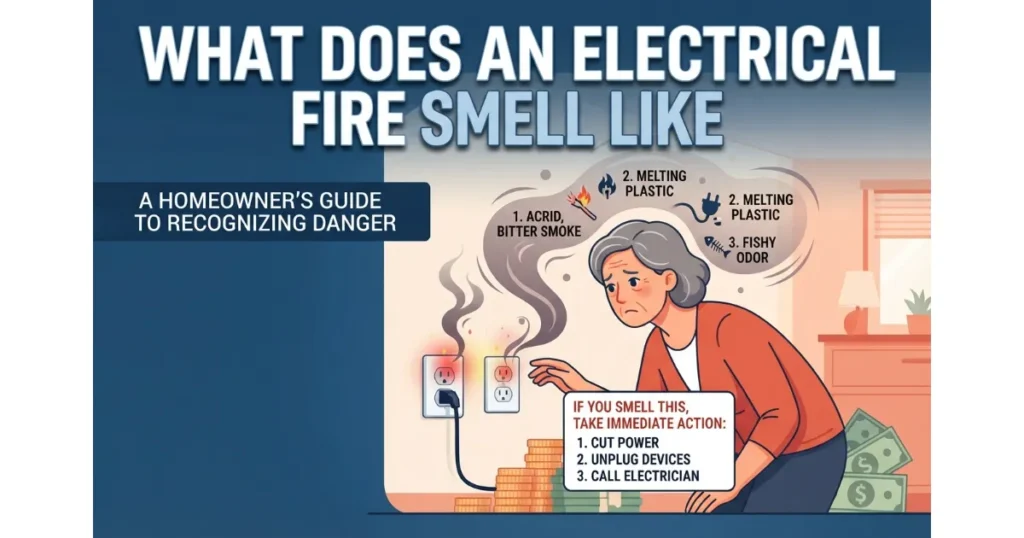
- Auditory & Olfactory Clues: A sharp popping sound, persistent crackling noise, distinct burning plastic smell, or wisps of smoke.
- Physical Damage: A discolored faceplate, melted plastic casing, or a hot outlet cover indicating excessive thermal resistance.
The Spark Diagnostic Matrix: Quick Comparison
Use this reference table to quickly evaluate whether your outlet spark requires immediate professional intervention or can be safely disregarded.
Root Causes Why Your Electrical Outlet Sparks
Electrical outlet sparks stem from specific mechanical wear, wiring faults, or sudden energy transfers between the wall receptacle and plugged-in devices. Identifying whether the issue originates inside the outlet wall box or within the connected appliance is essential for effective home electrical safety.
1. High Electrical Load & Immediate Power Draw
Plugging an active or high-wattage appliance into a receptacle triggers an immediate spike in electricity demand known as inrush current. This sudden draw forces current to bridge the tiny air gap right before physical contact is fully established.
- Inductive Load vs. Resistive Load: Motor-driven appliances (like vacuums or air compressors) create a larger initial power surge than simple heating elements, making visible arcing more likely.
- Device Switch State: Leaving a high-draw appliance switched “ON” prior to plugging it in guarantees an instantaneous spark as the circuit closes under heavy load.
2. Worn-Out Internal Socket Contacts (Loose Spring Tension)
Every electrical outlet contains internal spring tension clips designed to firmly grip the plug’s metal prongs. Over time, repeated insertion relaxes these clips, resulting in a loose mechanical connection.
- Intermittent Contact Arcing: When spring tension degrades, the prongs vibrate or sit loosely inside the socket, causing continuous micro-arcing and heat generation.
- Increased Electrical Resistance: Poor contact surfaces raise resistance, which degrades metal components faster and increases fire risks over time.
3. Short Circuits & Damaged Wire Insulation
A short circuit occurs when current bypasses its intended path and flows directly along a low-resistance route. Inside an electrical receptacle, this usually happens when the hot wire directly touches a neutral wire or ground wire.
- Insulation Breakdown: Aging, bent, or rodent-damaged wire insulation exposes bare copper conductors inside the junction box, inviting direct shorting.
- Intense Energy Discharge: Short circuits trigger a rapid rush of current that manifests as a loud popping sound, bright yellow or white flash, and an immediately tripped circuit breaker.
4. Water Intrusion & High Humidity Arcing
Water and high humidity introduce conductive pathways where none should exist. Moisture collecting inside an outlet box lowers electrical resistance across internal terminals, encouraging current to arc across open gaps.
- High-Risk Locations: Outlets in kitchens, bathrooms, basements, and outdoor walls are particularly susceptible to humidity buildup and splash exposure.
- National Safety Regulations: Compliance with established guidelines, such as the National Electrical Code (NEC) safety standards, mandates Ground Fault Circuit Interrupter (GFCI) protection in wet zones to instantly cut power when current leakage or water-induced arcing is detected.
5. Loose Terminal Screws & Aging In-Wall Wiring
Continuous thermal expansion and contraction cause internal wall connections to loosen over years of operation. Loose terminal screws or poorly secured wire nut connections behind the faceplate create unstable electrical pathways.
Terminal Gap Arcing: Electricity arcs across tiny gaps left by loose terminal screws, scorching the sides
The Unplugging Dynamic Why Outlets Spark When Unplugging
While most homeowners focus on plugging devices in, an electrical outlet sparking when unplugging an appliance is equally common. Disconnecting a device abruptly breaks an active current flow, forcing electricity to fight to maintain its path across the opening air gap.
Breaking the Electrical Circuit: What Happens When You Unplug
When an appliance is running, a continuous stream of electrical current flows through the socket into the power cord. Unplugging the device forces a rapid disconnect of an active, live circuit.
- Air Gap Ionization: As the prongs pull away from internal contact clips, electricity attempts to bridge the separating distance, ionizing the surrounding air for a fraction of a second.
- Abrupt Current Interruption: The sudden break in the conductive path causes a brief voltage spike that manifests as a quick spark or snap right at the outlet faceplate.
Inductive Kickback in High-Draw Appliances (Irons, Vacuums, & Motors)
Sparks are significantly more noticeable when unplugging motor-driven or heavy thermal equipment, such as a vacuum cleaner, clothes iron, or space heater, due to a phenomenon known as inductive kickback.
- Magnetic Field Collapse: Appliances with motor coils or large transformers store energy in magnetic fields. When power is cut instantly, these fields collapse and discharge a brief surge of high voltage back toward the plug.
- Resistive Heating Elements: High-draw resistive tools like a clothes iron draw heavy continuous current, making an visible arc almost guaranteed if disconnected while actively heating.
How Improper Unplugging Technique Damages Outlets
The physical manner in which a cord is removed plays a massive role in accelerating outlet degradation and causing severe arcing over time.
- Yanked Cords & Mechanical Stress: Pulling directly on the flexible wire instead of gripping the solid plug casing bends internal socket clips, leading to physical socket wear and permanent loose connections.
- Slow Disconnection Arcing: Pulling a plug out slowly prolongs the air gap distance, extending the duration of the electrical arc and causing premature scorching on both the prongs and internal receptacle contacts.
Device-Specific Deep Dive Phone Chargers vs. Heavy Appliances
Household items interact with electrical sockets in drastically different ways based on their internal components. Understanding why a small phone charger behaves differently than a heavy-duty space heater helps differentiate normal device behavior from dangerous electrical faults.
Why Does My Phone Charger Spark When Plugged In? (Capacitor Inrush)
A minor spark when connecting a phone charger is typically safe and driven by internal capacitive charging. Modern adapters utilize a switch-mode power supply equipped with an input capacitor that demands an instantaneous burst of energy the moment it connects to live current.
- Rapid Charge Demand: The uncharged input capacitor acts like an empty sponge, drawing a massive rush of current for a fraction of a millisecond.
- Harmless Capacitive Flash: This microscopic inrush current can trigger a tiny, faint blue snap, which is entirely normal for modern electronics with internal power conversion boards.
Space Heaters, Hair Dryers, and Irons: High-Draw Spike Triggers
High-wattage thermal equipment and motor-driven tools demand continuous, high-amp loads from the moment the circuit closes. Plugging these appliances in while they are turned “ON” guarantees a visible electrical spark due to the massive surge in power required.
- Wattage Demands: Devices like space heaters, hair dryers, and clothes irons operate near the maximum capacity of standard household branch circuits, intensifying initial arcing.
- Preventative Habit: Always switch heavy-draw appliances to the “OFF” position before plugging them into a wall receptacle to eliminate heavy load arcing entirely.
Extension Cords and Power Strips: Daisy-Chaining & Overload Risks
Connecting multiple auxiliary lines together introduces severe resistance and hidden safety vulnerabilities. Extension cord resistance and power strip overload are primary catalysts for chronic socket sparking and structural overheating.
- The Dangers of Daisy-Chaining: Plugging one power strip into another or stringing multiple extension cords together multiplies resistance and voltage drop along the line.
- Overload Hazard: Exceeding the amperage rating of a power strip forces current to generate intense thermal heat, degrading internal contact points and causing dangerous receptacle sparks.
- Step-by-Step Isolation and Safety Troubleshooting Protocol
- Diagnosing an electrical spark safely requires a methodical approach to determine whether the fault stems from the connected appliance or the wall receptacle itself. Follow this structured protocol to isolate the issue without risking personal safety.
- Step 1: The Safe Appliance Isolation Test
- Isolate the source of the issue by removing the suspect device and testing its behavior in a completely different room or separate circuit path. This quick isolation step separates appliance-side faults from outlet receptacle failures.
- Cross-Room Testing: Plug the appliance into a known, healthy outlet elsewhere in your home. If it sparks there too, the device’s internal wiring or plug prongs are defective.
- Multimeter Safety Test: Advanced users can perform a continuity or voltage check using a multimeter safety test to verify whether the appliance cord is drawing abnormal current or shorting internally.
- Step 2: Inspecting Cords, Prongs, and Wall Faceplates
- Carefully examine the physical condition of both the appliance plug and the wall receptacle before attempting any further use. Look closely for hidden wear that accelerates electrical arcing.
- Prong & Cord Evaluation: Check for bent prongs, corrosion, soot, or cracked insulation along the length of the power cord.
- Thermal Inspection: Look for discolored or warped plastic on the wall faceplate. Professionals often utilize thermal imaging tools to detect hidden overheating and excessive resistance behind the drywall.
- Step 3: Circuit Breaker Reset & Panel Check
- If the electrical spark triggered a power loss, head straight to your home’s main electrical panel to inspect the status of your breakers. Understanding modern panel components ensures you respond correctly.
- Assessing a Main Panel Trip: Locate the tripped breaker, which will sit in a middle “tripped” position. Switch it fully to the “OFF” position before resetting it back to “ON”.
- Modern Safety Protections: Check if your home features an AFCI (Arc-Fault Circuit Interrupter) or a GFCI (Ground Fault Circuit Interrupter) breaker, which are engineered to automatically cut power during dangerous arcing or ground faults.
- When to Stop and Call a Licensed Electrician Immediately
- Electricity poses severe shock and fire hazards that require professional intervention when basic isolation tests fail to resolve the underlying issue. Never attempt DIY wall repairs if you encounter high-risk warning signs.
- Persistent Arcing: Call a licensed electrician immediately if an outlet sparks repeatedly, emits a burning odor, or feels hot to the touch.
- In-Wall Wiring Faults: Any signs of scorched drywall, melted internal junction boxes, or repeated breaker trips require immediate expert evaluation and repair.
- People Also Ask & Edge-Case Emergency FAQs
- Navigating unusual electrical scenarios requires clear, fact-based answers regarding home safety and latent wiring hazards. Review these common edge-cases to handle unexpected outlet emergencies effectively.
- Can an outlet cause a fire if nothing is plugged into it?
- Yes, an outlet can cause a fire even when nothing is plugged into it due to hidden internal wiring failures. Loose terminal connections or degraded wire insulation can create continuous micro-arcing inside the junction box, generating extreme localized heat that can ignite nearby building materials.
- Arcing Fire Hazard: Unseen electrical arcing behind the wall faceplate continues to produce thermal energy independently of external appliance demands.
- Scorched Receptacle Signs: A discolored or scorched receptacle wall plate often reveals chronic internal heating long before visible smoke or flame appears.
- Why is my outlet sparking on its own without being touched?
- Sparking without any appliance being touched—frequently referred to as ghost sparking—signals a severe structural electrical issue. This dangerous phenomenon occurs when aging copper conductors or a loose neutral connection creates unstable pathways, allowing electricity to jump spontaneously across internal gaps.
- Ghost Sparking Dangers: Unprovoked internal flashes indicate that insulation breakdown has reached a critical stage requiring urgent intervention.
- Immediate Action Required: Cut power to the affected circuit at your main breaker panel immediately to prevent a catastrophic short circuit or structural fire.
- What should I do if I pulled a plug out too hard and heard a loud pop?
- Hearing a loud pop after yanking a cord indicates sudden physical damage to the internal socket contacts and severe mechanical stress. Immediately turn off the corresponding circuit breaker at your main panel, and avoid using that receptacle until an expert evaluates the damage.
- Pulled Outlet Box Risks: Forcibly ripping a plug out compromises the wire strain relief and can dislodge terminal screws inside the wall box.
- Professional Inspection: A qualified electrician must inspect the receptacle to ensure the internal wiring has not been sheared or shorted out.
- Will an AFCI breaker prevent outlet spark fires?
- Advanced Arc-Fault Circuit Interrupter (AFCI) breakers provide essential, high-level protection against electrical fires caused by dangerous sparking. Unlike standard thermal breakers that only trigger on total overloads, AFCI technology specifically monitors waveform patterns to detect unintended electrical arcs and cuts power instantly.
- AFCI Breaker Protection: Modern electrical codes mandate AFCI installation in residential bedrooms and living areas to mitigate hidden arcing risks.
- Proactive Safety Upgrade: Upgrading an older electrical panel with AFCI breakers adds a crucial layer of automated defense against structural electrical fires.

Oscar Vance | Master Plumber & Drainage Expert
Meet Oscar Vance, a licensed master plumber sharing practical solutions on residential repairs, preventive maintenance, and thoughtful home upkeep.