Can a Handyman Do Electrical Work? The Short Answer
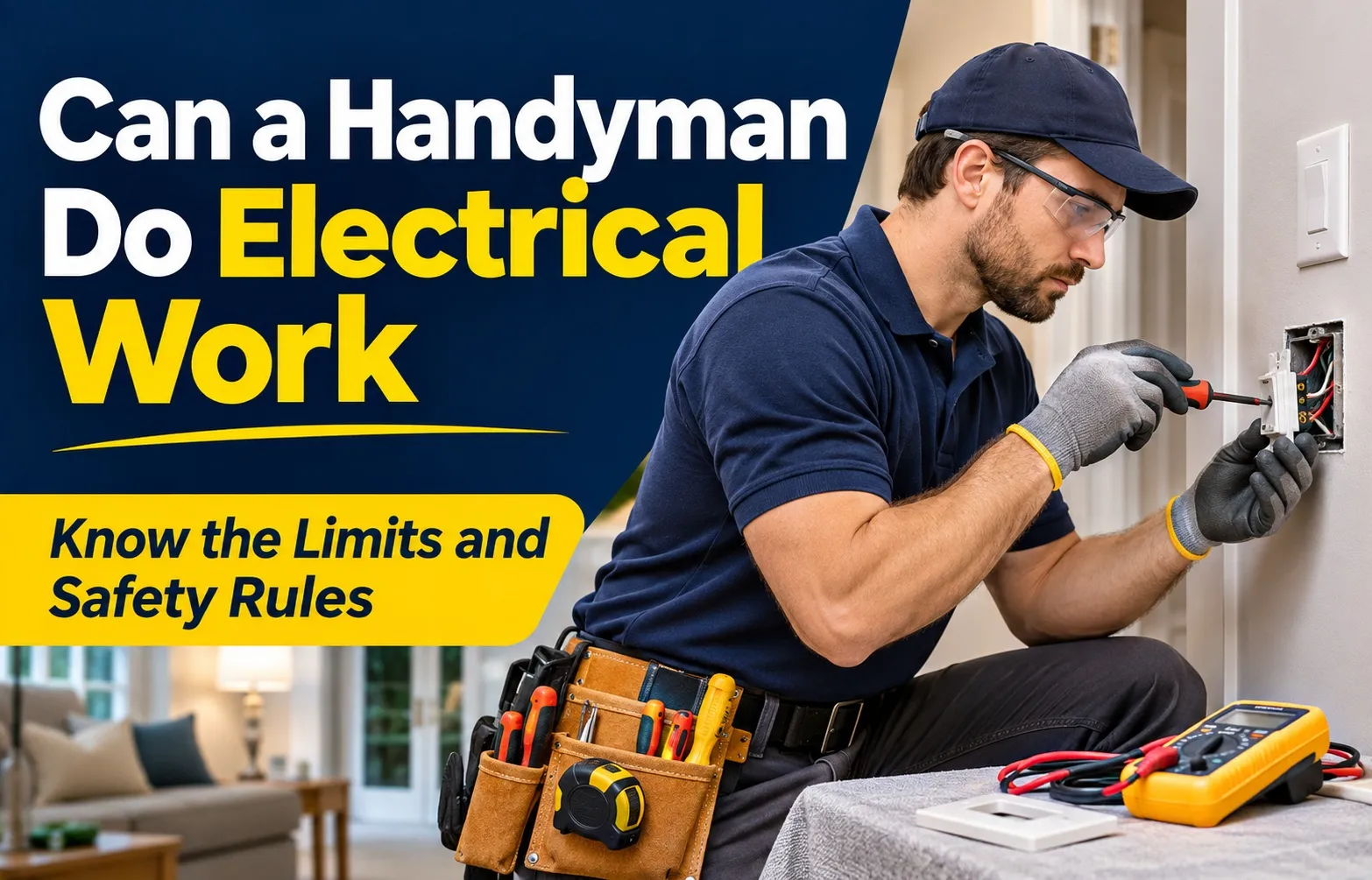 General handymen can perform basic, low-risk electrical tasks such as swapping out standard light fixtures, ceiling fans, or wall outlets on existing wiring. However, they cannot legally or safely handle complex projects like installing new electrical circuits, running wiring through walls, or working inside main breaker panels without proper trade credentials.
- Surface-Level Repairs: Allowed in many regions for direct like-for-like device replacements on existing systems.
- Major Electrical Work: Universally restricted to licensed electricians who carry appropriate professional bonding, insurance, and state certification.
- Permit Requirements: Most structural modifications and additions legally require municipal permits and formal building inspections.
The General Rule of Thumb
The safest baseline rule for hiring a handyman for home repairs involving electricity relies on the “like-for-like” replacement principle. If a fixture or switch is being swapped directly with an identical unit using existing wiring boxes and circuits, it frequently falls within standard handyman capabilities depending on local jurisdiction.
- Replacing a cracked wall outlet or standard toggle light switch with an identical model.
- Swapping an existing ceiling fan or decorative light fixture using pre-existing junction boxes.
- Handling minor cosmetic troubleshooting like changing light bulbs or resetting tripped standard breakers.
Why Local Laws and Licensing Matter Most
Electrical safety regulations are not universal; they are strictly governed by state contractor boards, county building departments, and local municipal codes. What is legally permitted for a handyman in one county might be a severe building code violation or misdemeanor just a few miles away.
- Over 40 U.S. states enforce rigorous electrical licensing laws that restrict non-licensed contractors from modifying structural wiring or adding electrical load.
- Unpermitted electrical modifications can trigger heavy municipal fines, stop-work orders, or mandatory removal of the installation.
- Homeowners insurance companies routinely deny property damage or fire claims if the loss is traced back to uncertified or unpermitted electrical repairs.
What Electrical Work Can a Handyman Legally and Safely Do?
A handyman can legally and safely perform minor, surface-level electrical tasks as long as the work does not involve modifying structural building circuits, running new wires inside walls, or altering the main service panel. These projects are usually restricted to non-structural hardware replacements and low-voltage upgrades.
- Surface-Level Access: Focuses strictly on existing junction boxes and pre-installed wiring paths.
- Low-Voltage Safety: Systems operating under 50 volts carry minimal shock risk and lower regulatory hurdles.
- No-Permit Threshold: Typically avoids municipal building department permits when replacing identical fixtures.
Like-for-Like Fixture and Switch Swaps
Like-for-like swaps involve replacing an existing electrical accessory with an identical or functionally equivalent new unit using the exact same wiring box and circuit connections. This is the most common category of electrical repair that general handymen can perform without violating local codes.
- Ceiling Fan Replacement: Swapping out an old or damaged ceiling fan using the existing electrical mounting box and bracket.
- Light Switches and Outlets: Upgrading worn, cracked, or standard switches and electrical outlets to new standard units.
- Light Fixture Swaps: Replacing hanging pendant lights, flush-mount ceiling lights, or vanity bars using pre-wired connections.
Smart Home Devices & Low-Voltage Wiring (The Gray Area)
Modern smart home upgrades often fall into a regulatory gray area because many devices operate on low-voltage power or utilize existing standard wiring connections without altering building power circuits. Handymen frequently handle these installations safely if they follow manufacturer specifications closely.
- Smart Thermostats: Connecting digital thermostats to existing low-voltage HVAC control wires without altering home electrical lines.
- Video Doorbells: Mounting and wiring smart doorbells into existing low-voltage doorbell transformers or running battery-powered setups.
- Smart Switches and Dimmers: Replacing standard toggle switches with smart switches, provided the home electrical box contains a neutral wire and requires no circuit rewiring.
Minor Troubleshooting & Bulb Replacements
Basic maintenance tasks such as replacing hard-to-reach light bulbs, testing standard continuity, and swapping battery-operated safety hardware require zero structural alteration of the electrical system. These everyday tasks are well within the core skillset of any qualified general handyman.
- Smoke Detectors and Carbon Monoxide Alarms: Replacing expired battery-operated units or plug-in safety alarms safely.
- Bulb and Ballast Replacements: Changing high-ceiling light bulbs or replacing fluorescent light ballasts on existing fixtures.
- Visual Inspections: Checking covers and plates for loose connections or wear before deciding whether an electrician is required.
What Tasks Strictly Require a Licensed Electrician?
High-risk electrical projects carry severe safety hazards, fire risks, and legal liabilities that strictly mandate a professional. Municipal building codes require licensed electricians, approved building permits, and a formal electrical inspection to ensure compliance and protect occupants from catastrophic hazards.
- Mandatory Certification: State regulations require master or journeyman electricians for any project altering building infrastructure.
- Building Permits: Structural electrical modifications legally demand local government approval and post-installation inspections.
- Safety Compliance: Prevents electrical fires, severe shock hazards, and costly code violations during property sales.
New Circuit Installation and Wall Wiring
Running brand-new electrical circuits or pulling cables through wall cavities poses hidden fire and structural hazards that require specialized expertise. Handymen lack the technical training needed to calculate load distributions, install correct gauge wire, and meet strict National Electrical Code (NEC) standards.
- Adding brand-new wall outlets, switches, or lighting runs where no prior wiring infrastructure existed.
- Routing Romex or armored cables through wall stud bays, floor joists, crawlspaces, or attic rafters.
- Calculating precise amperage loads to prevent dangerous circuit overloads and overheating wires.
Main Service Panel and Breaker Upgrades
Working inside the main breaker panel or performing a whole-home amperage upgrade involves live, high-voltage electricity that carries an immediate risk of fatal electrocution. Only a licensed electrician is legally authorized to open utility service entrance panels, replace outdated breaker boxes, or upgrade electrical meters.
- Upgrading legacy 100-amp service panels to modern 200-amp or 400-amp electrical systems.
- Replacing faulty circuit breakers, adding heavy-duty breakers, or correcting double-tapped breakers.
- Interfacing directly with municipal power lines, utility disconnects, and electric meters safely.
High-Power Appliances and EV Charger Installations
Hardwiring high-power household appliances and high-draw electric vehicle charger installations requires dedicated high-voltage lines and heavy-duty breakers. Licensed electricians must evaluate your home’s total electrical capacity and secure mandatory building permits before energizing these systems.
- Installing Level 2 electric vehicle (EV) charging stations requiring heavy-duty 240-volt circuits.
- Hardwiring central air conditioning units, electric tankless water heaters, and double wall ovens.
- Ensuring proper system grounding and whole-home surge protection for high-draw electronic equipment.
State-by-State Regulations and Legal Penalties
Electrical licensing rules are not federally standardized; they are determined strictly by individual states, county governments, and municipal building departments. Hiring an uncertified handyman for restricted tasks can trigger immediate legal penalties, heavy fines, and severe liability issues for property owners.
- Regulatory Fragmentation: Over 40 U.S. states mandate dedicated trade licenses enforced by state contractor boards for all non-trivial electrical installations.
- Enforcement Bodies: Local municipal building departments actively inspect properties and issue stop-work orders or fines for unpermitted upgrades.
- Owner Liability: Property owners hiring unlicensed workers assume direct legal and financial responsibility for code violations and safety accidents.
How State Licensing Laws Vary Across the U.S.
State requirements range from extremely rigid statewide testing mandates to fragmented county-by-county licensing systems. For instance, states like California and Texas enforce strict contractor classifications that legally bar handymen from opening walls or altering circuits. To understand professional trade standards, you can review guidelines outlined by the National Electrical Contractors Association (NECA).
- State Contractor Boards: State-level agencies maintain public databases where homeowners can verify whether a contractor holds a valid electrical classification.
- Local Municipal Exceptions: Some rural counties permit basic homeowner DIY or minor repairs, but these exemptions almost never legally extend to hired handymen.
- Scope Thresholds: Jurisdictions define the exact dollar value or technical threshold where a licensed electrician becomes mandatory by law.
Penalties and Fines for Unlicensed Electrical Work
Performing or hiring someone to perform unpermitted or unlicensed electrical work carries steep legal and monetary consequences. Building code enforcement agencies and state licensing boards actively penalize unauthorized labor to protect public safety and electrical grid integrity.
- Financial Fines: Municipalities levy substantial cash fines against both the property owner and the unlicensed worker for code infractions.
- Criminal Misdemeanors: In states with rigorous licensing statutes, contracting unlicensed electrical work can result in misdemeanor charges and court appearances.
- Property Sale Complications: Unpermitted electrical work discovered during home inspections can delay real estate closings, force costly retrofits, or reduce property value.
Financial Matrix: Handyman vs. Electrician Costs and Insurance Risks
While hiring a handyman appears cheaper upfront, opting for unlicensed labor on complex tasks introduces severe long-term financial liabilities. Balancing hourly handyman rates against professional electrician costs requires weighing immediate savings against potential insurance claim denials and structural fire risks.
- Upfront Savings: General handymen charge significantly lower hourly fees for basic, surface-level maintenance tasks.
- Long-Term Protection: Licensed electricians provide certified, bonded, and insured labor that legally protects property investments.
- Risk Mitigation: Professional installation prevents costly code violations, failed real estate inspections, and safety liability issues.
Hourly Rates and Pricing Comparison
Understanding standard market pricing helps homeowners evaluate whether a repair warrants hiring a general handyman or a specialized trade professional. While electrician hourly costs are higher, they reflect specialized training, licensing overhead, and liability insurance coverage.
Insurance Liabilities and Voided Claim Risks
Hiring an unlicensed worker or performing unauthorized electrical work can result in a devastating homeowners insurance claim denial if property damage occurs. Insurance carriers strictly require permitted, professional work for payouts related to structural fires or electrical hazards.
- Fire Hazard Liability: Faulty electrical wiring performed by unqualified labor is a leading cause of preventable residential structural fires.
- Voided Policy Clauses: Most standard insurance policies contain exclusions for losses caused by unpermitted or non-code-compliant modifications.
- Bonded and Insured Protection: Hiring licensed contractors ensures that their commercial liability insurance covers any accidental property damage during the project.

Home Improvement Researchers & Guides Editors
Meet the Nest Team, a collective of dedicated researchers, home improvement enthusiasts, and industry writers sharing practical guides, thorough category research, and trusted solutions for residential repairs and thoughtful home upkeep.