Can You Use Plumbing Solder for Electrical Work?
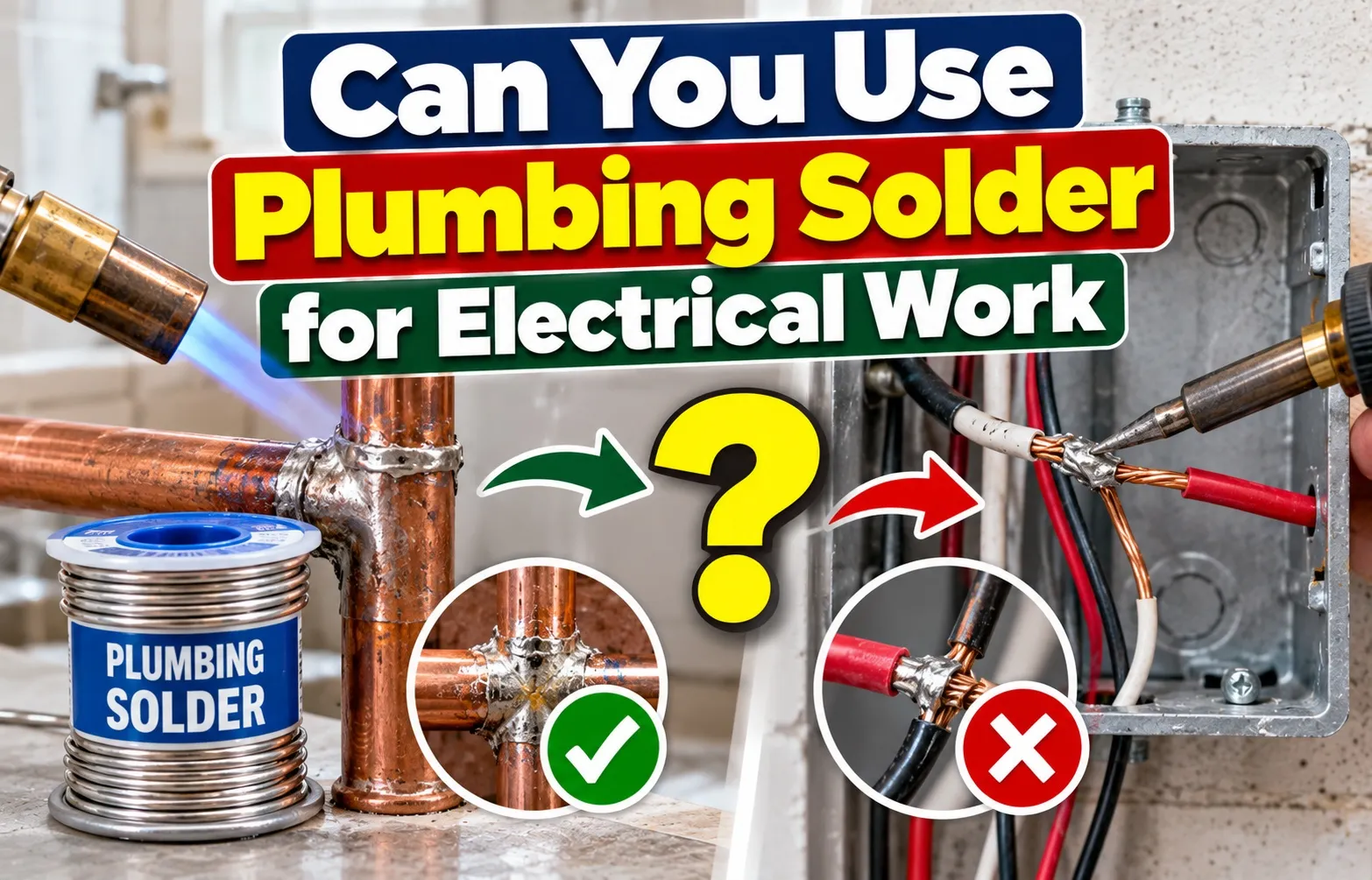 No, you should never use plumbing solder for electrical work under any circumstances. Plumbing solder relies on an aggressive, highly acidic flux core or paste that actively corrodes copper electrical wiring over time, leading to resistance buildup, intermittent circuit failures, and severe electrical fire risks.
Why You Must Never Use Plumbing Solder on Wires
Plumbing solder and electrical solder serve entirely different structural and chemical purposes. Using the wrong type damages electrical circuits and creates long-term hazards:
- Corrosive Acid-Core Flux: Plumbing flux uses zinc chloride or ammonium chloride to clean oxidized copper pipes. On stranded or solid electrical wire, this acidic residue remains trapped under insulation, eating through copper strands and breaking the connection.
- Excessive Heat Requirements: Plumbing solder requires higher melting temperatures typically generated by open-flame propane or MAPP gas torches. Applying this level of heat to delicate copper wiring instantly melts insulation, destroys circuit board traces, and degrades component housing.
- High Resistance and Fire Hazards: As acid flux eats away at the internal copper wire strands, the effective cross-sectional area of the wire shrinks. This increased electrical resistance produces high heat under load, creating an arc fault and potential electrical fire.
- Mechanical vs. Electrical Design: Plumbing solder is formulated strictly for high-tensile mechanical seals to withstand hydrostatic water pressure, while electrical solder is engineered for low-resistance, high-conductivity electronic joints.
Key Differences at a Glance
Understanding the fundamental differences between these two materials prevents costly wiring errors and safety hazards:
The Core Technical Differences: Plumbing Solder vs. Electrical Solder
Plumbing and electrical solders are engineered with entirely different chemical properties, alloy compositions, and melting points. Using the wrong material compromises either the structural strength of a pipe joint or the electrical conductivity and safety of a wiring circuit.
Flux Chemistry: Acid Core vs. Rosin Core
Flux chemistry determines how solder cleans metals during application and dictates the long-term chemical stability of the joint. Plumbing solders utilize aggressive chemical agents to etch heavy copper oxide layers, whereas electrical solders rely on gentle organic compounds that evaporate cleanly without leaving corrosive residues.
- Acid-Based Fluxes: Plumbing pastes and core wires often contain harsh compounds like zinc chloride and muriatic acid. These substances aggressively strip heavy oxidation from copper pipe fittings to enable capillary action.
- Rosin-Based Fluxes: Electrical solders use natural pine rosin or synthetic organic resins. These mild fluxes activate under moderate heat to eliminate light surface oxides on stranded wires without damaging delicate copper strands.
Melting Temperatures and Heat Source Requirements
Thermal thresholds establish the necessary application equipment, separating high-heat open-flame systems from low-temperature handheld electronic irons. Alloy formulas directly dictate these melting characteristics and mechanical properties.
- Torch Heating for Plumbing: Plumbing alloys require high-output heat sources like a propane torch or MAPP gas torch to uniformly raise heavy copper pipe and fitting temperatures above 400°F to 500°F.
- Iron Heating for Electronics: Electrical applications use a standard 30W–60W handheld soldering iron. Alloys like 60/40 tin-lead and lead-free solder (SAC305) melt smoothly at lower temperatures, protecting surrounding wire insulation and delicate circuit components.
- Tensile Strength vs. Conductivity: Plumbing alloys prioritize high tensile strength to withstand extreme internal hydrostatic water pressure, while electrical alloys prioritize maximum electrical conductivity and low electrical resistance.
Comparison Matrix: Plumbing vs. Electrical Solder
Review this side-by-side engineering breakdown to see how alloy composition, flux type, and operational requirements differ between plumbing and electrical applications.
What Happens If You Use Plumbing Solder on Electrical Wires?
Using plumbing solder on electrical connections triggers severe long-term chemical degradation and major safety risks. While the joint may look functional at first, acidic flux residues immediately begin attacking the copper strands from within, leading to circuit failures and fire hazards.
The Chemical Reaction: How Acid Flux Destroys Copper Strands
Plumbing flux leaves behind a heavy hygroscopic residue that continually pulls moisture out of the surrounding air. This moisture creates an active electrochemical reaction that causes rapid copper oxidation and micro-corrosion inside the wire casing.
- Internal Strand Eating: Acidic agents like zinc chloride eat into fine copper strands, turning bright metal into a powdery green copper carbonate crust.
- Accelerated Galvanic Corrosion: The combination of dissimilar metals, residual acids, and ambient atmospheric humidity drives galvanic corrosion, destroying wire structural integrity.
- Insulation Breakdown: The acidic chemical paste migrates under the wire sleeve, causing gradual insulation breakdown and degrading the protective rubber or PVC cover.
Is Plumbing Solder Electrically Conductive? (The Multimeter Trap)
Yes, plumbing solder metal is technically conductive, which creates a dangerous false sense of security. If you perform a standard multimeter conductivity test immediately after soldering, the meter will show full electrical continuity and low resistance.
- The Deliberate Delay: Chemical corrosion takes weeks or months to fully eat away at the copper strands. Early multimeter readings completely mask the ongoing destruction.
- Micro-Corrosion Growth: As micro-corrosion spreads beneath the surface, the total cross-sectional area of healthy copper shrinks, choking current flow and introducing dangerous resistance spikes.
Heat Buildup Resistance and Fire Risks
As corrosion reduces the effective copper area, the electrical connection acts like a severe bottleneck for current. Increased resistance generates extreme thermal buildup under normal electrical loads.
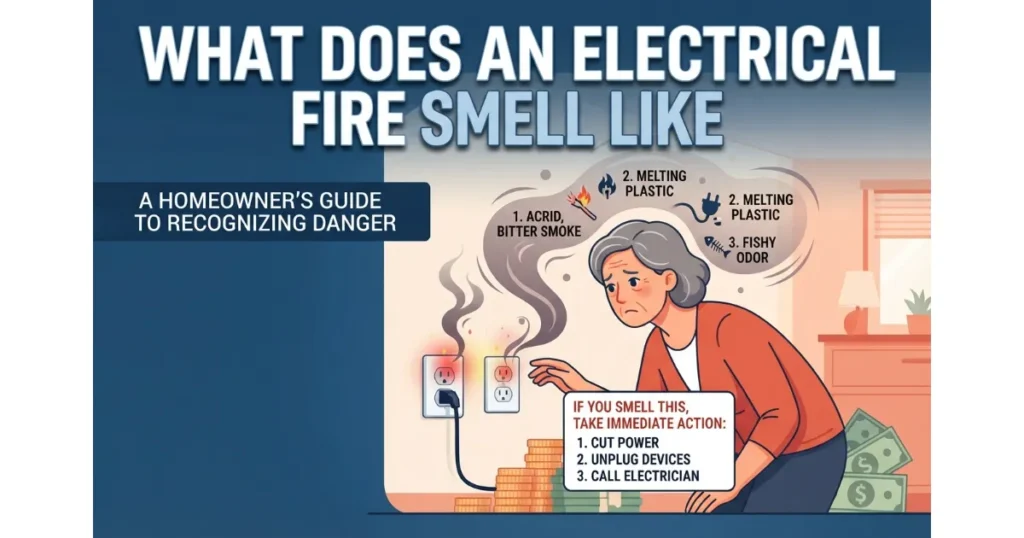
- Thermal Overheating: High current running through a corroded connection generates localized heat capable of melting plastic wire nuts, electrical tape, and neighboring insulation.
- Dangerous Electrical Arc: Eventually, the copper strands break apart entirely, producing an intense electrical arc that can easily ignite surrounding structural materials or junction boxes.
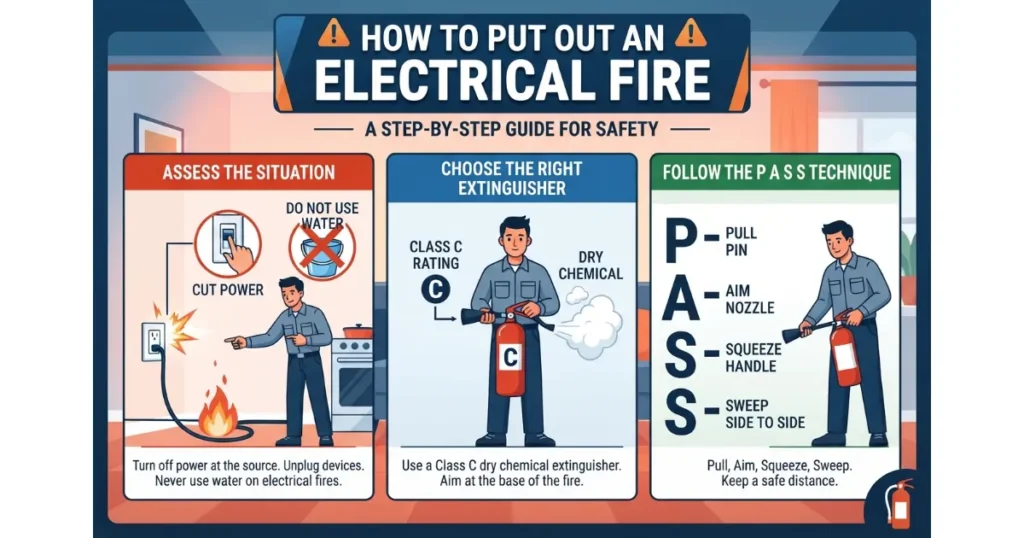
- Safety Standard Compliance: To prevent these hazardous hazards, always adhere strictly to National Electrical Code / NFPA guidelines when securing electrical wiring and selecting approved connection materials.
Can You Neutralize Plumbing Flux with Baking Soda?
A common home-repair myth suggests that washing an acid-soldered wire with a baking soda and water solution will neutralize the acid and make it safe for electrical use. This technique is ineffective and creates additional hazards for delicate electrical circuits.
- Inaccessible Micro-Gaps: Alkaline water solutions cannot penetrate dense stranded wire bundles where acid paste gets trapped under heat shrink or insulation sleeves.
- Secondary Moisture Corrosion: Introducing water solutions into stranded copper wire causes immediate trapped-water oxidation, causing short circuits and wire failure later on.
- The Only Safe Fix: If plumbing solder or acid flux has already touched an electrical wire, the affected section must be cut out completely and resoldered using proper rosin-core solder.
Can You Use Electrical Solder for Plumbing?
No, you cannot use electrical solder for plumbing installations. While DIYers often wonder if solder types are interchangeable in reverse, electrical solder lacks the required mechanical strength, alloy formulation, and flux chemistry needed to create a leak-proof joint on high-pressure water pipes.
Why Electrical Solder Fails Under Water Pressure
Plumbing joints rely on high structural strength to withstand heavy hydrostatic pressure inside residential supply lines. Electrical solder alloys are specifically engineered for electrical conductivity, making them far too soft for plumbing applications.
- Lack of Tensile Strength: Electrical solders, particularly tin-lead or low-temp resin-core wires, cannot form a high-strength mechanical bond. Under standard municipal water pressure, the joint will crack, fatigue, and burst over time.
- Inadequate Capillary Action: Electrical solder does not flow deeply or evenly into the tight tolerances between copper fittings and pipes, resulting in structural voids that trigger immediate leak points.
- Lead Contamination and Plumbing Codes: Older electrical solders contain lead (such as 60/40 tin-lead alloys). Using lead-based solder on potable water pipes directly violates safe drinking water regulations and local lead-free plumbing codes.
Flux Incompatibility on Oxidized Copper Pipes
The gentle flux core inside electrical solder is completely ineffective when attempting to prepare heavy copper plumbing pipes for joining.
- Weak Oxide Removal: Copper pipe fittings develop thick oxide layers that require aggressive acid fluxes (like zinc chloride) to strip away clean. Mild rosin flux cannot break through this heavy oxidation layer.
- Poor Wetting and Bonding: Because the rosin flux fails to etch the copper pipe surface, the melted electrical solder simply beads up and rolls off the fitting rather than wetting the metal and bonding to it.
- Guaranteed Pipe Joint Failure: Without proper surface etching and capillation, the resulting connection is merely a surface layer stick rather than a fused metal joint, leading to catastrophic pipe joint failure once pressurized.
What Do Electricians Use Instead of Soldering?
While soldering was once a standard method for joining wires in residential electrical systems, modern building practices have largely phased it out in favor of mechanical splicing methods. Modern electricians rely on fast, reliable, code-compliant connectors that withstand thermal expansion and structural movement without cracking.
Why Soldering Is Rarely Used in Modern House Wiring
In residential and commercial building applications, soldering wire connections creates several operational vulnerabilities and long-term failure points compared to modern mechanical alternatives.
- Thermal Expansion and Contraction: Solid electrical solder joints are rigid. As home electrical loads fluctuate and ambient temperatures shift, copper wire expands and contracts, causing solder joints to fatigue, fracture, and create intermittent connections.
- Vibration and Stress Cracking: Solidified solder turns stranded copper wire into a stiff, brittle solid right at the joint boundary. Household vibrations from doors closing or machinery operation can easily cause the wire to snap at this strain point.
- Labor Time and Code Compliance: Preparing, soldering, and taping residential electrical joints takes significantly more labor than mechanical splicing. While the National Electrical Code (NEC) permits soldered splices, it strictly requires them to be mechanically and electrically secure before soldering, followed by approved insulation wrapping.
Safe Alternatives for Joining Electrical Wires (Wago Wire Nuts Crimps)
Professional electricians utilize mechanical splicing devices that maintain continuous spring pressure on copper conductors, ensuring reliable, low-resistance connections for decades.
- Wago 221 Lever Nuts: Wago lever connectors use a stainless steel cage clamp mechanism to lock solid or stranded conductors in place without tools. They allow quick visual inspection and simple wire release while providing a fully insulated, vibration-resistant connection.
- Twist-On Wire Connectors (Marrettes): Traditional wire nuts feature a tapered internal metal spring that cuts into stripped copper wires as you twist them together. This spring creates a gas-tight mechanical bond that resists loosening.
- Ratchet Crimping Tools and Sleeves: For automotive, marine, or industrial applications, professional ratchet crimping tools deform a metallic sleeve over stripped wire ends. This creates a cold-weld mechanical bond that handles heavy vibration without fatigue.
How to Properly Solder Electronics and Wires (Step-by-Step)
When working on circuit boards, automotive harnesses, or delicate electronics where soldering is required, following a structured process prevents defective connections and heat damage.
- Prepare the Wire and Materials: Strip roughly 1/2 inch of insulation from the wire ends using wire strippers. Ensure you are using rosin-core electrical solder (60/40 or lead-free SAC305) and a clean, tinned soldering iron tip set between 650°F and 700°F. Slide a piece of heat shrink tubing onto the wire before twisting.
- Create a Mechanical Splice: Interlock and tightly twist the stripped copper strands together (such as a Lineman splice) to establish a firm mechanical connection before applying heat.
- Apply Heat directly to the Copper: Touch the hot soldering iron tip directly to the bottom of the exposed wire splice. Allow the copper itself to heat up for 2 to 3 seconds rather than touching the solder directly to the iron tip.
- Feed Solder into the Joint: Touch the rosin-core solder wire to the top of the heated copper joint. Allow the heat of the wire to melt and pull the flowing solder through the copper strands via capillary action until the joint is fully coated.
- Inspect for Quality and Insulate: Remove the heat and allow the connection to cool without disturbing the wires to avoid a dull, grainy cold solder joint. Once cooled, slide the heat shrink tubing over the joint and shrink it with a heat gun for a sealed, insulated finish.
Frequently Asked Questions
Here are concise answers to common questions about plumbing solders, flux types, and safe electrical joining practices.
Can you use plumbing flux for electrical soldering?
No, you should never use plumbing flux for electrical soldering. Plumbing flux is acid-based (typically containing zinc chloride or ammonium chloride) and leaves behind a corrosive residue that eats through copper wire strands over time. Always use non-corrosive rosin flux or resin paste designed specifically for electrical applications.
What type of solder is best for electrical wiring?
Rosin-core solder is the best choice for electrical wiring and electronics. For general wiring and circuit repair, 63/37 tin-lead solder or 60/40 rosin-core solder offers smooth flow at lower temperatures. For lead-free compliance, use a rosin-core SAC305 alloy (Tin-Silver-Copper) designed for stranded wire and solid core wire connections.
Can I use Vaseline as flux for soldering wires?
No, using Vaseline (petroleum jelly) as a flux substitute is a widespread myth. Petroleum jelly does not contain the chemical agents required to strip oxidation from copper wires, and its low smoke point causes it to burn and char instantly under heat. Burning petroleum residue leaves a dark carbon layer that insulates the joint and prevents solder from flowing.
Is plumbing solder ok for electronics or circuit boards?
Plumbing solder should never be used on printed circuit boards (PCBs) or electronic components. Beyond the acid flux destroying PCB delicate traces and pad copper, plumbing solder requires high torch heat that instantly delaminates circuit board layers, destroys microchips, and ruins nearby surface-mount devices.
What can I use to solder wires if I don’t have electrical flux?
If you don’t have standalone electrical flux paste, simply use rosin-core solder, which has flux built directly into its core. If you lack rosin-core solder entirely, do not attempt to solder; instead, use safe mechanical splicing alternatives like Wago lever nuts, twist-on wire connectors, or ratchet crimp connectors until proper rosin flux or rosin-core solder is available.

Oscar Vance | Master Plumber & Drainage Expert
Meet Oscar Vance, a licensed master plumber sharing practical solutions on residential repairs, preventive maintenance, and thoughtful home upkeep.